Democracy Rules – Except In The Garden

I am all for democracy. I support peaceful efforts to achieve it in other parts of the world. I take my right to vote very seriously. That we each have equal rights and are to be treated as such has my wholehearted endorsement. I believe every living creature deserves respect and kindness. Heck, I could be the poster child for democracy. Except in my garden.

It has occurred to me that in the confines of my little garden, democracy does not exist. Autocracy rules. I assume complete authority. It is rather scary how closely my behavior in the garden resembles descriptions of Mussolini , Quaddafi and others. Please tell me I’m not alone in this personality transformation!

Consider these factors and maybe, just maybe, you will recognize yourself:
I happily discriminate amongst the plants. Selecting only certain ones and dismissing others as weak or unimpressive. I’m even known to cruelly put down specific plants.
Plants that do not perform as expected are ruthlessly eliminated.
My vision is the only vision. If a plant attempts to change the design by creeping into forbidden places then off with its head! Barricades are placed to deter just such dissension or defection.
When anybody admires the garden, I take all the credit with no consideration to the contributions of my hardworking botanical subjects.
I aim for absolute control and expect total obedience. Dissenters are not treated well. At all.

Any of the above sound familiar? I was shocked when I realized this about myself. Pushy, bossy, aggressive are traits I have confessed to. But autocratic? Would never have thought myself capable of it. Yet, where is my shame or guilt? I worry that this says something about what each of us is capable of when the right ( okay, wrong) circumstances come along. It bears some close examination.

But then, how else can one create a garden? The very idea of a garden opposes the wild behavior of plants. We attempt to tame nature.In a way, it mimics what humans do to ourselves. We attempt to be civilized instead of giving in to baser tendencies. And it is hard to do without being minded. We’ve even put in place policing agencies. The fact is, without the watchful eyes of others in society many would disregard what is good for the whole and simply do as they please for themselves. Mayhem and murder would ensue. I suppose then, it comes down to how we govern ourselves. Democracy, communism, dictatorship, military rule, monarchy – the world is still working it all out.

So, back to the garden. Looking at the big picture, I no longer feel alarmed about my authoritative influence. I think I’m really a benevolent parent. Strict, demanding the best, willing to express tough love but at the same time guiding the plants to realize their highest potential.

Yes, that’s more like it. I can live with that. It is all in the perspective one chooses to employ. So, what rule exists in your garden – parental, anarchy, democracy, oligarchy or dictatorship?
Take a look at some examples that dare to defy me:

Creeping Jenny and mazus compete to take over the path.

Creeping Jenny and mazus compete to take over the path.


Squatters

Squatters


New Dawn roses running riot

New Dawn roses running riot


The fig (in pot) that refuses to stand straight

The fig (in pot) that refuses to stand straight


The wisteria that resists taming

The wisteria that resists taming


Forget-me-nots that self-seed with no restraint.

Forget-me-nots that self-seed with no restraint.

Don’t forget that my garden is open this May 25! Check ‘Happenings’ page for details.
(c) 2013 Shobha Vanchiswar

Boundaries

DSC03784

I’m knee deep in compost and soil as the pressure is on to get the garden ready for my Open Day on Saturday May 25 ( mark your calenerds please). So this week, I’m offering some food for thought by way of a short poem and approprite images.Enjoy.

Boundaries

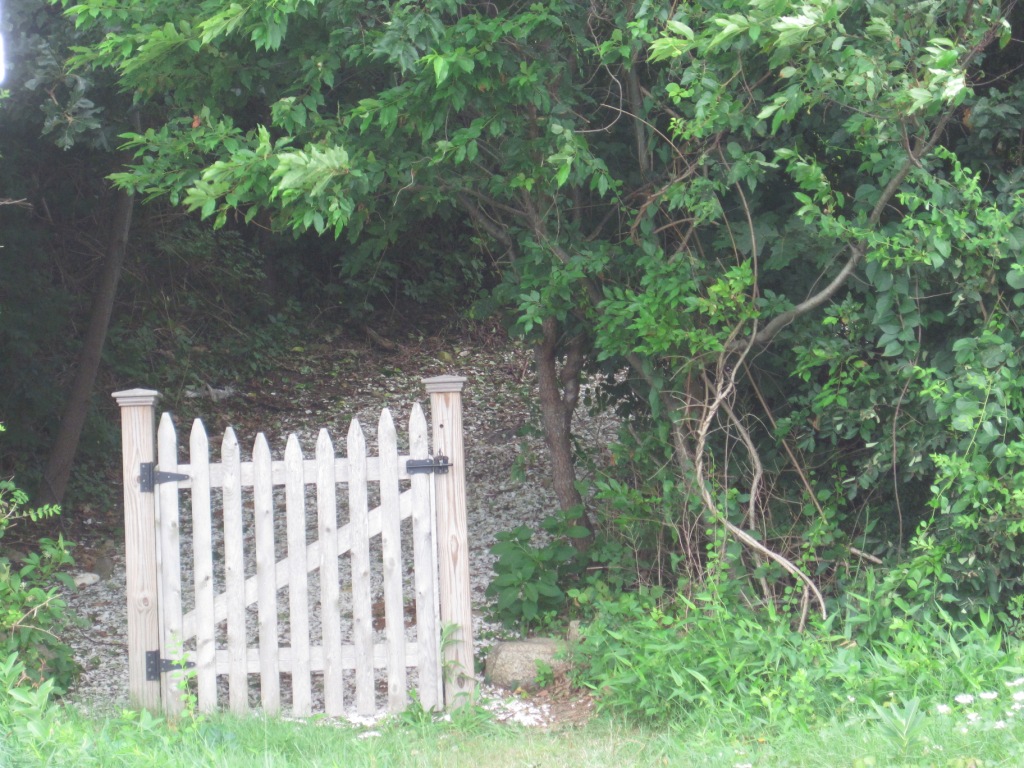
Gardens are full of boundaries
Flower beds have flowing borders
Lawns have clean edges
Plants are trimmed and pruned to stay within limits
And then there are fences and hedges.

Is this all about control?
The need to exercise power
Maybe have something to rule
To civilize what tends to stray or run wild
Is taming nature the work of fools?
DSC03803
DSC03758
DSC05214

Check ‘Happenings’ page for Open Day details

(c) 2013 Shobha Vanchiswar

Meditate On This!

Hello, my name is Shobha and I meditate.
Meditation is very in these days. As ancient and as worldwide a practice as it might be, currently, we are hearing more about it as a mainstream activity. This, in my opinion is a very good thing. The mental, physical, emotional and spiritual benefits of meditation are now in the annals of science. These weighty findings have finally given it the heft of credibility and people everywhere can publicly declare without fear of being mocked that they are meditators.

I have meditated off and on over many years but have been practicing it more consistently of late. I cannot say exactly how it helps me except that on the days I skip my meditation, I don’t feel so great. I’m more cranky and not as productive. For some reason, it is not so easy to make the time. Especially since it is best to get it done first thing in the morning. I think it helps to set a positive tone to the day. However, if one has overslept, has not slept well or, has an early morning appointment, the meditation is unhesitatingly skipped. For myself, any other time of day does not quite lend itself to meditation. I am just too distracted. Clearly, I have a long way to go to be able to meditate anytime and anywhere. Gives me something to aspire to. Sort of like the quest to achieving true enlightenment.

Until such time, I have developed alternatives to the traditional way to meditate. You guessed it, it all happens in the garden. In truth, this can be done anywhere but being outside in nature is restorative in itself. How much time you spend on this is up to you. You must be satisfied with your effort and feel like you’ve taken an uplifting break from the day’s obligations.

Once you have entered the garden and visibly begun to calm down and breathe evenly, take a few deep breaths to send a message to the brain that it is in for a treat. Bring your attention to any object in the garden. Say it is a pear. Consider how you would describe a pear. Green, tear drop shaped, smooth skin, sweet in taste, you get the idea. Then, think about tinier details such as the speckled pattern on the skin, the subtly varied shades of the color green, the asymmetry of the shape, the aroma etc., Now you’re really honed into the exercise. Finally, up it a notch. Begin describing the humble pear all over again – this time, as you would to a blind person. Somebody who has never had the sense of sight and does not know this fruit. Tear drop shaped? What is that? How would you describe the color green? You see? It is a challenge. The description can no longer be in comparison to something else. The pear acquires an explanation that is unique to itself. Give it a try.

Like most things, one gets better at this exercise by doing it regularly. It is not so simple and at the same time, it is not really difficult. Anybody of any age can try it. After all, only you are privy to how well you do. No grades and criticisms are given. But right from the start it unfailingly takes you out of yourself and gives you a purposeful diversion. The bonus is that you will find yourself looking more closely at everything. Everyday objects start appearing more beautiful and interesting. In essence, you become more mindful of the moment. And isn’t that what meditation is all about?

I have learned to describe colors as feelings, smells as textures or tastes and generally expanded my descriptive abilities in words as well as in paint. Primarily, I’ve become better at looking at something for what it is. And I accept all of it: the good and the not so good. Because everything is important in making a spider a spider or a rose a rose. I aspire to graduate very soon to doing the same with humans.

Now that meditating has gained wide acceptance and approval, I’m fervently hoping the same happens for naps.

Meditate on these images!

Cobweb in the rain

Cobweb in the rain


Milkweed seed pod

Milkweed seed pod


Pears

Pears


David Austin's Heritage rose

David Austin’s Heritage rose


Bright pink echinacea 'Gum Drop'

Bright pink echinacea ‘Gum Drop’


Aconitum - monkshood

Aconitum – monkshood

(c) 2013 Shobha Vanchiswar

Spring Awakening

After what seemed to be an interminably long, harsh winter, it is finally spring. Hallelujah! Yet now, I feel as though I can’t quite keep up with the accelerated pace of this much awaited season. While I’m inclined to linger and delight in seeing the various signs of the emerging spring, I’m acutely cognizant of the tasks that await my attention in the garden. Each day reveals how rapidly the garden is coming alive. It is as though I’m watching the progress of a large scale painting in a time-compressed film.

While the garden is on fast forward, I get the sense that I’m being left behind. It is a bit overwhelming and tremendously annoying. After all, I’m the one who waited with great anticipation and joy for the arrival of this beautiful, highly popular friend. I made all the arrangements and plans to give her a proper welcome. Now that she has arrived, I’m barely given any of her time. The friend is off mingling and being the center of worldly attention while I’m left holding the trowel. So utterly unfair.

I cannot bear feeling this way. Thus, true to my nature, I decide to get a grip. I am not going to deprive myself of reveling in the season. Nor am I going to let myself be overcome by the rather daunting list of chores to be addressed. I’m a seasoned gardener I remind myself. So garden already!

I sit down to write my famed master list. Although the number of tasks are many and some quite physically demanding, I know they will get done. It is the fact that the garden must be visitor-ready for the Open Day on May 25th that makes it a matter of some urgency. In the process of getting organized, I find the list I made last year. The date on it indicates I am a whole month behind this year. The tediously long winter has set me back considerably. With a deficit of four weeks, it is no wonder I’m feeling the pressure! Just then I look out the window to see a cardinal perched on the sugar maple that is fast putting out its own red tinted plumage. I can sense my muscles begin to relax.

Ah, so it is not my fault but the hand of nature – this realization is a relief and empowering in a way. It always feels good to have something or somebody else to blame don’t you agree? List completed, I assign the items to days on the calender. Taking into consideration the time required, availability of help ( in my case my family) and other non-horticultural obligations, I put every chore down. When I’m done scribbling all over the calender, I’m pleasantly surprised to note that in spite of all that busyness, I have time every single day to luxuriate in the season. Some days offer up only a few minutes and some give much more. It is all up to me to avail of this gift. No matter the quantity of time, the benefits of letting nature nurture me will go a long way in my well being. I remind myself that I must never let anything get in the way.

If you are reading this, I know you feel as I do. So, make yourself a promise to partake of natures bountiful wonders on a daily basis. Observe what is in bloom, what smells good, what sounds you hear. This focus will be a meditation of sorts. I promise, you will feel wonderful. Together we will approach the rest of our busy schedules with equanimity and can-do-ness.

Remember, there will always be chores but the crocus will bloom but once each year.

Signs Of Spring:

Cornelian cherry - one of the first to awaken.

Cornelian cherry – one of the first to awaken.


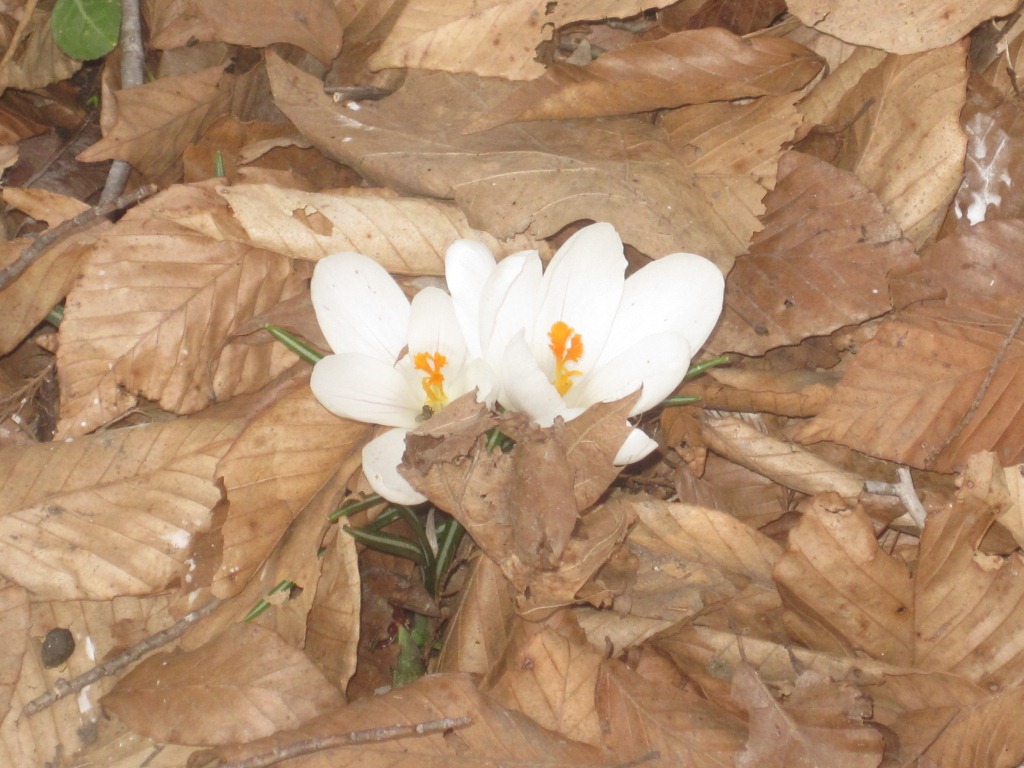
Crocus breaking through last years leaves.

Crocus breaking through last years leaves.


A doves nest with 2 perfect eggs

A doves nest with 2 perfect eggs


Star magnolia in bud

Star magnolia in bud


Pear blossoms

Pear blossoms


Daffodil

Daffodil


Hellebores

Hellebores


(c) 2013 Shobha Vanchiswar

Busy As A Bee


Busy As A Bee

If one were to ask a bee if it was busy,
I wonder if it would agree.
After all, the bee buzzes
as it minds its own business
Sublimely unaware of other purposes.

Gardening season has just begun and already I’m hearing the classic defense. What is this “ I’m crazy busy” badge of honor we wear so proudly? Does it imply a preoccupation to be envied or does it beg for pity because the busy one has no time for anything else? There is a distinct note of self-importance implicit in that “I’m very busy” line. I think it has become an easy excuse to explain away ones lack of varied pursuits and interests. Instead of honestly saying ‘no’ to a request, we hide behind ‘busy’. Rather than stick ones neck out to try something new and risk looking foolish if one should fail, we’re much safer being busy with the same old. “I can’t be bothered” is what “I’m very busy” often means. In that case, just say so! And the worst of it is that at one time or other, we’re all guilty of this refrain. Undeniably there are times when a situation takes over and other things are consequently neglected. But being in a perennial state of busy-ness that precludes matters that one admits to being of some relevance indicates that something is off kilter. An imbalanced life.

How can a person who is too busy to start a vegetable garden have the time to watch every episode of Judge Judy? Or for that matter, why is having children a reason to not have time to garden? It is the perfect time! Children can never be too young to be taken into the garden. They watch and learn more effectively than we can ever measure. I remember securing my baby in her bouncy seat and keeping her by my side as I weeded. I’d talk about what I was doing, offer her a whiff of a fragrant flower, run a velvety leaf of lamb’s ears up her arm and watch her sigh with pleasure. As I moved to weed another bed, I’d just pick up the seat with baby and take her along. As she got older, she learned to first deadhead and then graduated to weeding. In turn, I learned to unwind during her nap time. Catch a few winks, read a few pages or add a few more brush strokes to an emerging watercolor. When both of us were refreshed, we’d go into the garden. I got the hang of not being too busy and understood the benefits of an ‘unbusy’ life.

Try this experiment. Pick a day to get totally unplugged. I know, you’re thinking about the kids not getting a hold of you or the world falling apart. Well, for just this one day ask them to call another responsible adult in case of an emergency. Promise not to check emails, browse the Internet, answer the phone, look at a tweet or turn on the television. Don’t panic; it is for just one, measly day. You are still physically available if so needed. Now, use your time to do whatever you deem necessary, interesting or pending. It could be tackling the laundry, finishing the crossword, having lunch with a friend, preparing a new garden bed. No matter the task, be mindful about doing it well. It’ll be easier than you think as you’ve already eliminated the usual distractions and time guzzlers. At the end of the day, you’ll find that the world functioned quite smoothly without you and you got plenty done. It is rather sobering to discover that we aren’t missed so much. As long as you keep telling everybody that you are up front and center, they will pass on all sorts of responsibilities on to you. This just makes you overbooked. It does not mean you are indispensable.

Gardeners are some of the most active people I know. Not because they appear to be mucking about endlessly in the garden, but because they are invariably engaged in life as a whole. My totally unscientific but highly personal observations lead me to think that the lessons revealed by working in nature, inspire and empower the gardener to try many other things. Writing, designing, cooking, participating in causes both local and global, the list grows. In essence, we grow as our plants grow. And, along the way, like the bee, we don’t ask ourselves if we’re busy. We simply go about our business.

For myself, curiosity is fostered in the garden and then transposed onto other areas of life. Nature’s handiwork in pairing certain colors together translates to my wardrobe and interior decorating. The beauty of the flowers shows up in my watercolors. Fresh produce goes directly into innovative recipes. Naturally occurring patterns and shapes like that of fiddle-head ferns, centers of sunflowers, trumpets of daffodils, barks of trees are all fodder for numerous design projects. When the birds are building nests, I thoroughly clean and tidy mine. The garden is my muse for living well.

I want my days filled with creativity, productivity and lots of joy. However, I never want to be so busy as to fall short of my own expectations and potential. And, I always have time to stop and smell the roses.

There is art, science, engineering, music, philosophy, and pure fun in the garden. So create more unbusy time and get outside. Get some dirt under your fingernails, color in your cheeks and a good dose of inspiration. No need to thank me. I’m just happy you made the time.

Bark pattern that looks like an abstract watercolor.

Bark pattern that looks like an abstract watercolor.


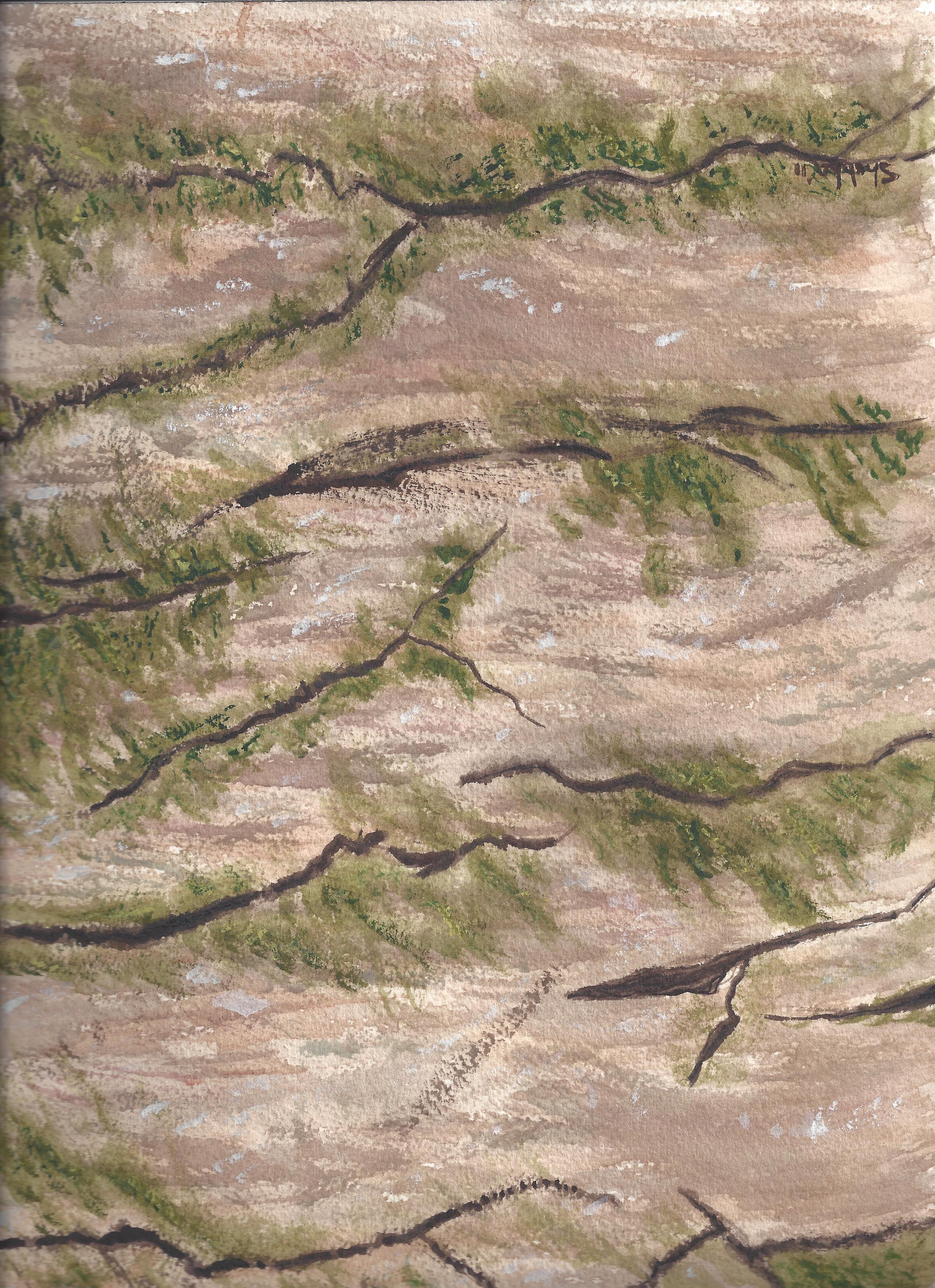
Moss on bark - watercolor

Moss on bark – watercolor


Fiddlehead shape of a dried ornamental grass.

Fiddlehead shape of a dried ornamental grass.


Watercolor of carrots

Watercolor of carrots


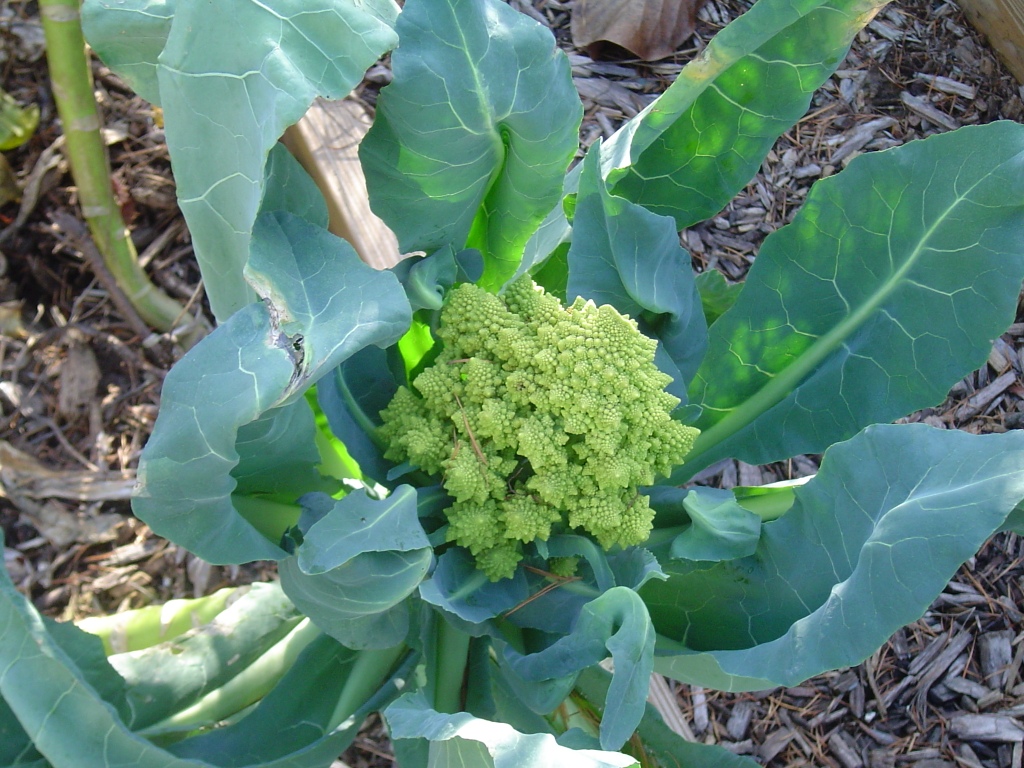
Romano Cauliflower

Romano Cauliflower – perfect design

(c)2013 Shobha Vanchiswar

To Everything There Is A Season


Take the storms in stride
Let the rains come
Feel the sunshine
Ride the waves
Mark the tides

Spring has officially begun and with it comes renewal and rebirth in the garden. As much as one tires of the dark, freezing days of winter, would we be so thankful and welcoming of spring if it were not for the season before? When something is present all the time, we tend not take the trouble to appreciate it on a regular basis. Just look how often we take the people we love for granted. Or the luxury of having not just running water but hot water when needed. Think how your penchant for iced tea would suffer without the easy abundance of ice within arms reach. How frequently we fail to be grateful for the daily necessities that make our lives so livable. Even more overlooked are those details like a friendly smile, a newly opened flower, freshly laundered sheets, early morning birdsong; things that though not entirely essential, lend joie de vivre to the dailiness of our lives.

And so it is with the propensity one sees these days to have the ever blooming rose, the eternally immaculate, “no maintenance” lawn, the ‘instant’ tree or best of all, the effortless vegetable garden. If anticipation itself is half the pleasure, then the well-timed rose completes it don’t you think? To expect eagerly and then applaud the flowers that bloom but for a specific span of time cannot in any way compare to what is in flower all the time. We simply get used to things till we no longer notice them. The local, sun ripened strawberries of late spring cannot be matched by those imported at other times of the year. If we had firework displays all the time, would the fourth of July still feel special and celebratory?
Everything has a season for good reason.

The high price of a pristine lawn and the harm to the environment can hardly be worth losing the earliest sources of nectar for bees and hummingbirds – the much maligned dandelion. Much is sacrificed in the effort to keep that lawn just so that ,we’ve forgotten the birthright of children and animals to play there, pick grass to make a whistle, bury a bone or other treasure, search for four-leaved clover without worry of the toxic effects of weed killers and pesticides.

Disregard for the moment, the expense of planting a mature or almost mature tree ( they are called ‘trophy trees’). After all, if one has the funds, why must a person be judged for how they spend it. It the foregoing of the utter satisfaction of watching a young sapling evolve into an impressive tree that is the true waste. So what if it takes too long for a baby tree to become an adult tree? Would we not think it a pity if we missed out on the years it takes a man-child to become a man? Think about it. And then, with the money saved, a multitude of whips can be planted instead: to create an alley, a grove or an orchard.

What exactly is a low maintenance vegetable garden? Does that mean not enough care was given to the plants? Were the plants compelled to jockey for space with rampant weeds? Or maybe no sleep was lost when pests ate up a good portion of the crops. To get healthy, abundant vegetables, regular watering, weeding and organic pest control is de rigueur. Besides, if it were that easy, would you have the same pride when putting food cultivated by your own two hands on the family table? Gives one pause right?

Assuming one implements time and sweat saving practices, how then are those purloined hours spent? I’d be ecstatic if they were passed in noble pursuits like face to face conversations with family and friends, a pick up game with the kids, volunteering for community services or hardest of all, spending time being creative sans anything digital for assistance or company.

A better approach is to acknowledge that we are but small cogs in the big wheel of life. Invite the gifts that nature has bestowed upon us. Sunsets, rainbows, birds, butterflies, flowers, fruits, fall foliage, snow, rain, rivers and lakes, oceans, mountains, forests, prairie and, most precious of all, each other. There will be storms, droughts and the occasional locust invasion. Accept them. We’re meant to live in harmony with nature. Each day comes laden with its own pleasures, treasures and choices. Choose wisely and you will partake heartily of the day.

Lets make this a true beginning, an honest spring.

“A man’s children and his garden both reflect the amount of weeding done during the growing season.”- Anonymous

Wisteria

Wisteria


Bonica roses

Bonica roses


Ornamental grass

Ornamental grass


Asters

Asters


The good life

The good life


(c) 2013 Shobha Vanchiswar

Mind Altering Magic In The Garden

I have a growing need to simplify, bring greater calm and positive thoughts into my own life. Like Thoreau, I too yearn to “simplify, simplify”. I once read somewhere that creativity flows from a quiet mind. It’s true. I’m at my most creative when my mind is calm and not full of clutter. Each time I’m frustrated with my progress or substandard efforts, I’ve learned to bring my attention to what is producing the static and disturbing my thoughts. Anger, remorse, worry, anxiety, fear and, sadness are all factors that get in the way of creating. These emotions are human but it is what we do about them that determines who is enlightened and who is not. Being all too human myself, I struggle on a daily basis to reach for that higher level of being. Nothing helps me in this endeavour more than the garden.
A good hour of weeding has on many occasions resulted in solutions for conflicts or concerns. A more physically demanding chore like pruning, digging or mowing gets rid of negative energy and anger. I turn to relaxing tasks such as watering and deadheading to comfort me when I’m feeling blue or tense. Certainly, any length of time spent in nature is restorative. Nature unfailingly inspires in me a need to be and do better.
However, sometimes, it is other people’s negative energy that thwarts one’s own efforts. For those who live with me, I’m known to send them and their bad moods into the garden to take care of some chore or other. I’m yet to be disappointed by the change when they return. Nothing short of a miracle.
But I’ve been thinking further. Consider elements that always serve a noble if elusive purpose. They are fun to boot. How about mazes, labyrinths and tunnels? Any one of these brings a consistent sense of curiosity, wonder and humor into our everyday lives. A childlike openness to the possibilities of magic and imagination.
I doubt anybody can resist walking through a maze, labyrinth or tunnel. The challenge of finding one’s way out of a well designed maze ellicits a feeling of giddy excitement tempered with a mere hint of fear. I remember my visit to that famous maze at Hampton Court, England. We were three adults and one child. It took us a while to find the exit but the fun we had is still vivid in my mind.
Labyrinths are a bit different. While irresistibly calling to be walked, it magically makes the walker slow down and focus on the path itself. Pretty soon, the mind is calmer and the breathing deeper. On completion of the circuit, the person is in an entirely different, more deliberate state of being. I have discovered a lovely labyrinth on our frequent drives to southern Vermont. It belongs to a church but is very much open to the public. I cannot emphasize how much it means to me visit this place every time we’re passing by. Similarly, last summer, we visited the Heritage Museum and Gardens in Cape Cod. Here, the labyrinth was bigger and contained mighty trees that seemed to stand like sentinels safeguarding both the spirit of the place as well as those who entered it. I watched children who started out running and then gradually quietened down as they followed the purposefully laid out trail.
Tunnels in gardens are rather interesting. They needn’t be long at all. Simply entering one spurs the imagination.What it guides you through and leads up to can be quite exciting. I’ve walked through wisteria tunnels that were heady with scent, laburnum ‘walks’ that cast an other worldly golden light and then the one in Giverny so strewn with bright orange nasturtiums scrambling all over the path that one was forced to look down the whole way. You emerge from a tunnel with a renewed appreciation of freedom.
It is plainly impossible to ignore any of these elements in a garden. So, how come there are hardly any private gardens with a maze, labyrinth or tunnel? They are not as complicated as they might seem. The upkeep need not be costly. So many options come to mind! My own garden precludes them due to the lay of the land but believe me, I’m thinking very hard about it. One day in the not too distant future, such a feature might just be added.
Meanwhile, here is a suggestion, okay it’s a fantasy of mine – consider a maze or labyrinth that must be traversed to get to one’s front door. A perfect antidote for those coming home from stressful hours at work or fighting heavy traffic or simply in a foul mood from real or perceived problems. Imagine a teenager returning from school full of typical whines and tales of woe. By the time they get through this imaginative ‘walkway’, they’ll be in a kinder, gentler state of mind. It’s as though you put out a big sign saying – “ Leave ill-tempers and negative thoughts at the door please”. I do believe, certain unwanted solicitations and pollsters would be reluctant to attempt stopping by. It gets better and better!

Tunnel of wisteria underplanted with lavender.

Tunnel of wisteria underplanted with lavender.


Nasturtiums almost covering the path. Giverny.

Nasturtiums almost covering the path. Giverny.


Labyrinth in New York

Labyrinth in New York


Simple and elegant.

Simple and elegant.


Labyrinth at Heritage Gardens

Labyrinth at Heritage Gardens


Lovely interplay of light and shadow.

Lovely interplay of light and shadow.

(c) 2013 Shobha Vanchiswar

The Listening Garden

When my daughter was very young, we’d go on Listening Walks. We’d explore the neighborhood in total silence. On our return home, we’d talk about the outing. The experience taught us both to be more present in the walk as we observed sights, smells and sounds. Bird calls, busy squirrels, barking dogs, passing cars, lawn mowers, footsteps, the wheels of the stroller, the wind, the rustle of clothing as one walked, the aroma of wood smoke, cigarettes or roses, – everything was noted. Later, we’d decide if the dog’s bark was friendly or not, what sort of birds we’d heard and seen, the sounds created by different footwear. All of this provided for much richer, textured walks plus some interesting post-walk discussions. By keeping ourselves quiet, we not only heard better but saw and smelt more acutely. Admittedly, for the exhausted parent of an active, precocious child, these walks were as close to a spa experience as I was going to get. Today, we both look back very fondly on those Listening Walks.

Recently, while visiting an elderly friend who is losing his sight and hence unable to garden the way way he used to, I started thinking about how to keep his time in the garden still very enjoyable. I’ve been pondering the Listening Garden.

Some elements lend themselves naturally to such a garden. Water features like fountains and streams, bird houses and baths to attract the chatty feathered ones. Wind chimes are possibly something many would add but I personally am not a fan. I find their sounds intrusive and distracting. Instead, I prefer to hear the winds make their passage through ornamental grasses and trees. So of course, choosing appropriate plant material is important.

The aforementioned grasses are a significant part of a Listening Garden. Different grasses make different sounds. Next time, pay close attention and you’ll learn! Plants that make seed pods that rattle in the breeze are also good. Baptisia, columbines, sweet peas and such are excellent candidates. Interspersing the garden beds with plants that have a free, loose style of growing will also create a type of gentle wind music. Asters, mallows, cleomes, agastaches, cosmos and cimicifugas come to mind. Juxtaposed with more solid shrubs like boxwoods, you’re on your way to organizing a botanical orchestra. Leave hydrangea blossoms and other papery flowers to dry on the plants and they will make a sound akin to that made by the brush stick hitting a drum. A sustained swish.

Include plants that are particularly attractive to birds, bees and other insects. The critters will be wonderfully noisy. There is something quite satisfying about hearing bees and birds going about their business. It is the sound of a healthy garden. I will continue to do some research and seek out more ‘listening’ plants for my friend. I welcome all suggestions. It goes without saying that including the element of smell is crucial. After all, what is a garden without fragrance? It is not just the perfumed flowers that I want to add. As one walks around the garden, brushing against the leaves of scented geraniums and herbs like lavender and verbena stirs the olfactory memory.

Similarly, I shall not overlook the plants that feel good to touch. Velvety lamb’s ears, sand-papery leaves of echinacea and bergamot, plumey Russian sage …

Listening Gardens are not solely about sound nor are they just for the sight impaired. Everybody can benefit. Ultimately, ‘listening’ with all of the senses makes for mindful, deliberate, joyous living.

Baptisia seed pods

Baptisia seed pods


Echinacea

Echinacea


Feathery grass for sound and texture

Feathery grass for sound and texture

Hydrangea

Hydrangea


Bees visit the asters

Bees visit the asters


Cicada

Cicada


David Austin 'Heritage' roses

David Austin ‘Heritage’ roses

(c) 2013 Shobha Vanchiswar
Out With The Old

January Snowscape

January Snowscape


The first month of the new year is coming to a close. The newness has worn off but hopefully not the enthusiasm to do better, strive higher. I’ve been examining how easily we, as a society, assume that new is always better. Is it?

I’m not talking about experiences like that of cracking open a brand new exercise book. How many people remember the smell of new paper and the firm smoothness of that first right-hand page? I’m thinking more on the lines of products that promise to cut short your effort and time. Not new and improved but new and different. Let me explain the distinction.

Spring loaded secateurs made the task of pruning and clipping much easier. It was the same tool made better by the spring action. A simple tweak. It put no pressure on the user to relearn anything or perform the task in a different way. That is new and improved.

New and different is not so simple. Consider the lawn mower. The manual push reel mower does a good job. But it can be slow and one labors a bit in pushing it around. So, enter the power mower. Gets the job done in half the time. The gardener can now afford to take a nap in the hammock. But, not just anybody can use this mower anymore. The young tween has lost his lucrative enterprise since, using a power mower demands a more mature understanding on how to operate it and a greater degree of muscle strength to keep control of the machine. Along with that, there’s a demand for an energy source be it electric or gas, as well as a jump in noise and air pollution. Not to mention a spike in mower related visits to the ER.

I won’t elaborate further. Instead, give yourself some time to think about this topic. There might be a shift to how you approach the new. There are indeed some things that have been true godsends and there are those that one wishes had never been invented. We need to be mindful of what or which ‘new’ we embrace. I’d love to know your thoughts.

I recently saw this sign “ Try Something New, Learn From The Old”. More food for thought.

More snow

More snow

DSC07003

Paperwhites

Paperwhites

(c) Shobha Vanchiswar 2013


Resolving Resolutions!

It’s what everybody talks about this time of year. Even those who don’t make resolutions. I fall into that category. Sort of. Let me explain.


With age, has come some wisdom. I know not to set myself up for broken resolutions. Isn’t that what happens to most resolves? So I got tired of the guilt and sense of falling short of my expectations. I do indeed want to cultivate healthy habits, be a better person etc., but those, I decided, are life long goals. Each day I try to eat well, exercise, be positive, make a difference, be loving and so on. Some days are more successful than others. I don’t beat myself up on the not so great days. Every sunrise opens a new day to try again.


At the start of a new year, I review my big goals. Then I resolve to keep the ball rolling forward in each of those areas. Each day I move ahead in the right direction. On some days only inches are gained and on others, leaps are made. It’s all positive. And every degree of effort matters.


For purposes of this column, I’ll stick to gardening resolutions. In truth, as always, everything can be extrapolated to other areas of life.


Review the past year in the garden. What was successful and what was not. And why it was so. Knowing the reason is important if you want to learn. Think about what work was enjoyable, doable, difficult or neglected. How the tasks are perceived will explain a great deal about the garden itself. If you don’t remember to deadhead then naturally, the plants were a bit messy looking and went to seed quickly. Ditto for weeding.


Having done this, ask yourself if you’re reasonably satisfied with the overall performance. Yours as well as that of the garden. An honest answer will quite naturally point you to the appropriate approach for the ensuing year. Often you can be well satisfied even if there are areas you know that need rethinking or improvement. Again, that’s in the garden and yourself. Garden and gardener are usually evaluated together.


Things that failed are often more valuable in teaching us. With successes, one has a tendency to bask in it and simply repeat the same action. There’s nothing wrong with that. However, taking the time to understand the why of the success is neglected. After all, if it ain’t broke why fix it right? Failure on the other hand forces a confrontation. Which then leads to enlightenment. In the end, it is precisely that which makes us become better gardeners. Information gained in one project will be found useful elsewhere as well.


Let me give an example. A couple of years ago, I designed two almost identical perennial beds for a client. They were to give symmetry to an ordinary level path that led to the terrace. The new beds looked lovely. Having all the same growing conditions, the two beds were expected to thrive equally. And they did in the first year. However, from the second season on, one bed began to struggle for no apparent reason. The shrubs in particular were having a hard time. We tried replacing with new, healthy ones but again, they did not do well. With all things being equal, this was puzzling. The client even suggested we take out all the ‘failures’ and go with just the successes. That would’ve been easy. But I couldn’t let it rest at that. There was a reason for the problem and I had to find it.

Poring over old and new plans of the property, I saw that one bed was above a very old, long forgotten septic tank. The path separating the beds was a boundary of sorts. The reason the shrubs were unable to grow was because their roots quickly hit the concrete roof of the tank thus stunting their growth.


So instead of identical beds, we went for dissimilar ones. This actually proved to be even more striking in appearance than the first design. You see?


To sum up, there are no garden failures. Instead, think of everything as a lesson. Some are just harder than others. And as for the new year’s resolutions, plan on learning a whole lot more this year, do something useful in the garden every day, be accountable and keep moving forward.


I wish each and every one of you a happy, healthy and peaceful 2013.


(c) Shobha Vanchiswar 2013