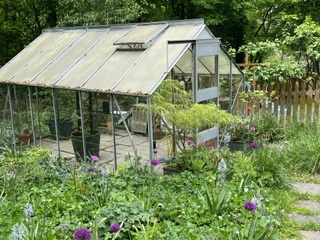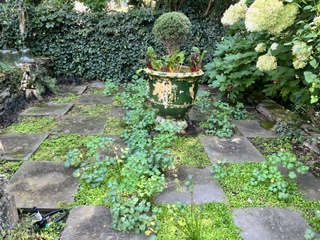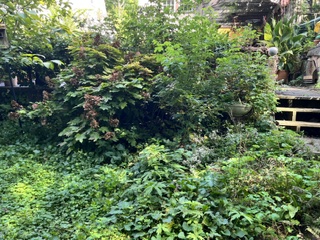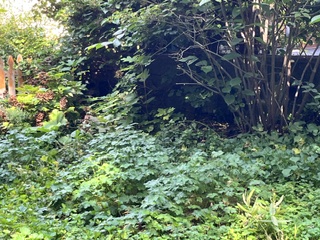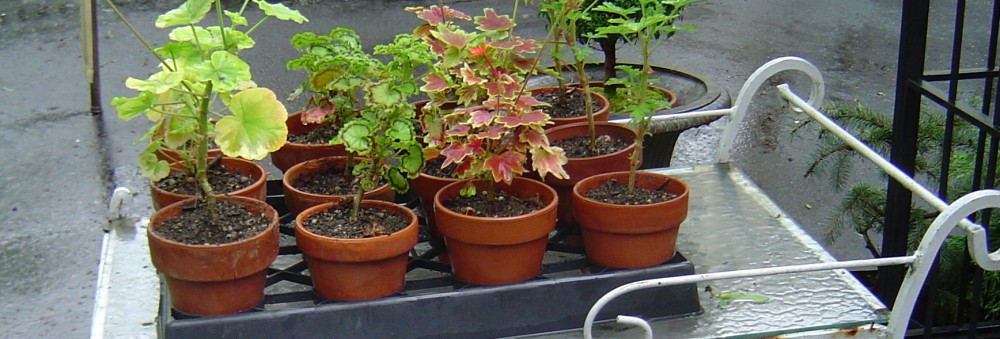
Reflecting on the gardening year as it comes to a close, it is apparent that the biggest influence on how the garden fared was not the gardener but the climate. It was anything but normal. Heat waves lingered on, rains were so fierce and torrential that there was more water run off than what made it into the soil, drought spells punctuated both spring and summer, frequently there were days when winds blew stronger than I can recall and then, there were periods of simply gorgeous conditions. We got everything in the climate god’s bag of tricks.
A serious rethink about how we garden in the future is in order. Climate scientists, horticulturists, biologists and other experts are working hard to figure out our next moves not only in the garden but in our farms, cities, countrysides and everywhere else we conduct our lives. Like humans (and other living beings), plants can withstand difficult conditions up to a point. With the increasingly stressful conditions becoming a fixture, we have to come up with immediate as well as long term solutions.
What can I do right now in my little piece of paradise in these uncertain times? There are several obvious actions that have already been discussed here in the recent past, Plant native, more resilient, drought tolerant plants, conserve water, make the garden more welcoming to native fauna, tolerate some ‘messiness’, eschew chemical fertilizers and all pesticides, apply strictly organic practices, get rid of large lawns, make compost, use mulch etc.,
But what about our vegetable plots? Growing produce is high maintenance – it demands for the most part, richer soil, frequent watering, greater vigilance to detect early signs of stress, pests and/or disease and respond accordingly with organic measures. We’ve all grown the “$40.00” tomato at some point in our gardening lives haven’t we?! I think one must examine what we can realistically grow and, grow smaller quantities to diminish losses as we try to adapt to the new normal which is kinda fluid at present.
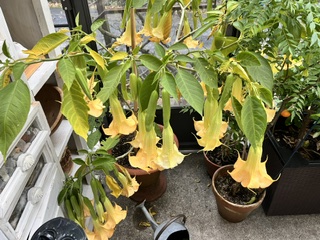
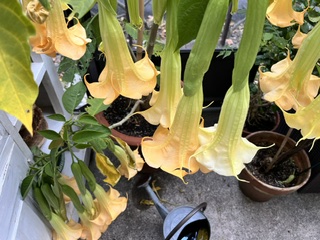
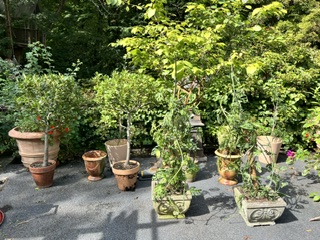
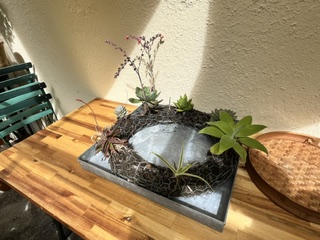
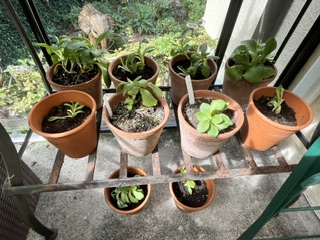
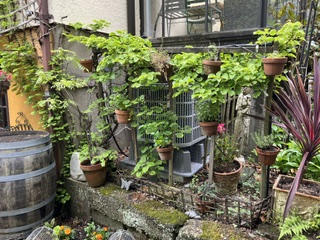
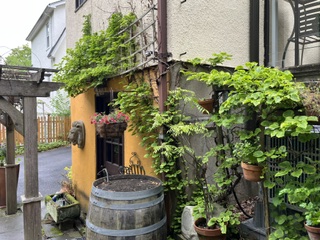
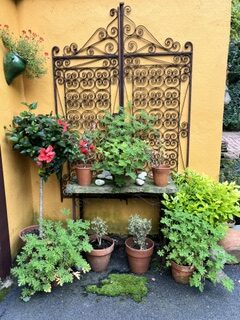
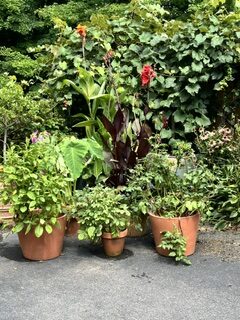
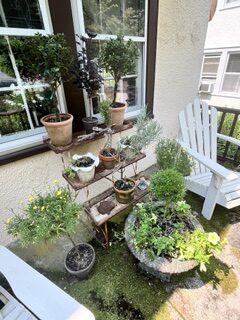
As for what we grow in pots, we need to reconsider that as well. In my own experience, for the past 3 summers, the pots have required daily watering. Particularly the ones with dahlias, petunias, cannas, elephant ears, nasturtiums , hibiscus, Brugamansia and other warm weather lovelies. Basically, only Mediterranean plants like lavender, santolina, olive and rosemary did fine without daily quenching. And of course the succulents thrived in the hot, dry days. Perhaps that should be the way we need to proceed. Make selections that inherently do well in more arid conditions. That will of course change the color palette somewhat but lets embrace the challenge shall we?
Note: As you already know, I collect rain water and use it to water the pots guilt free. But when many days go by without any rain, the barrel can run low. I see that happening more often lately. That is a matter of concern for sure.
Proceed with caution, understanding and sensitivity because this is our one precious home planet and its inhabitants we’re trying to protect. We are in this together. Collectively we can and we will overcome.
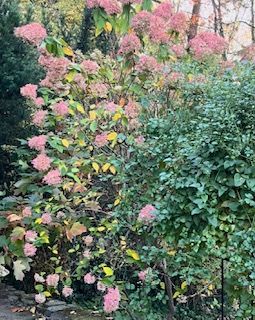
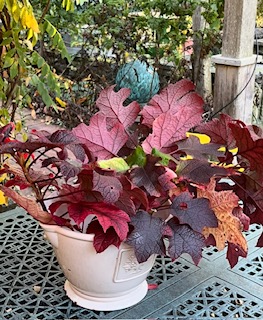
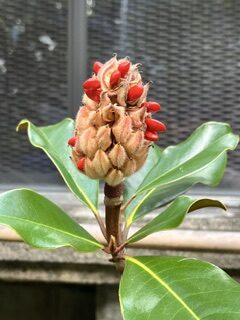
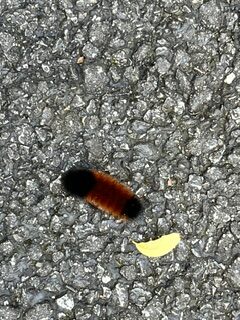
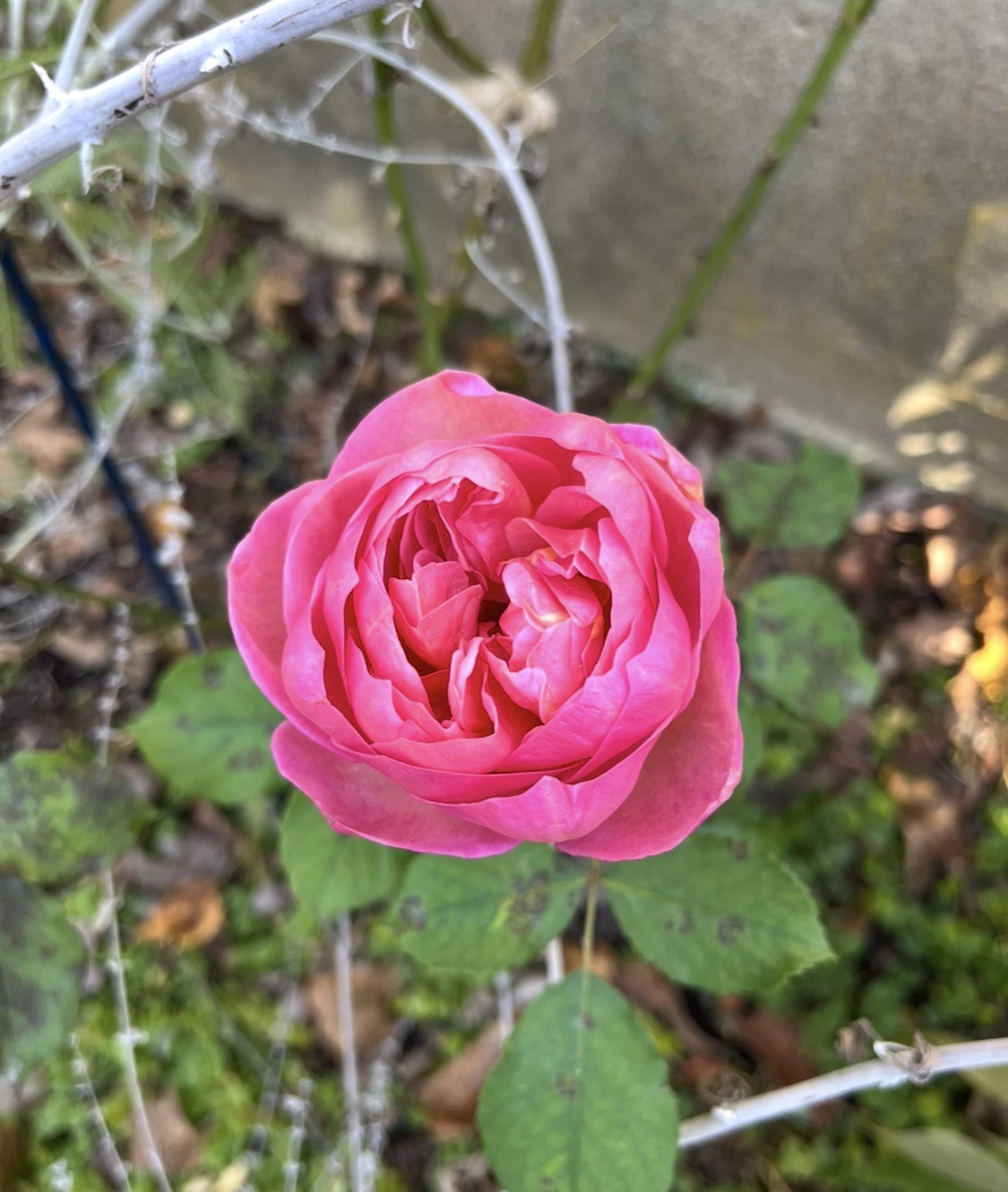
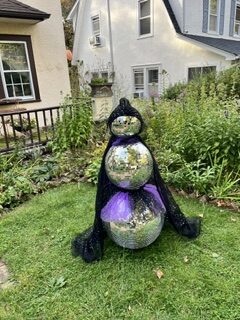
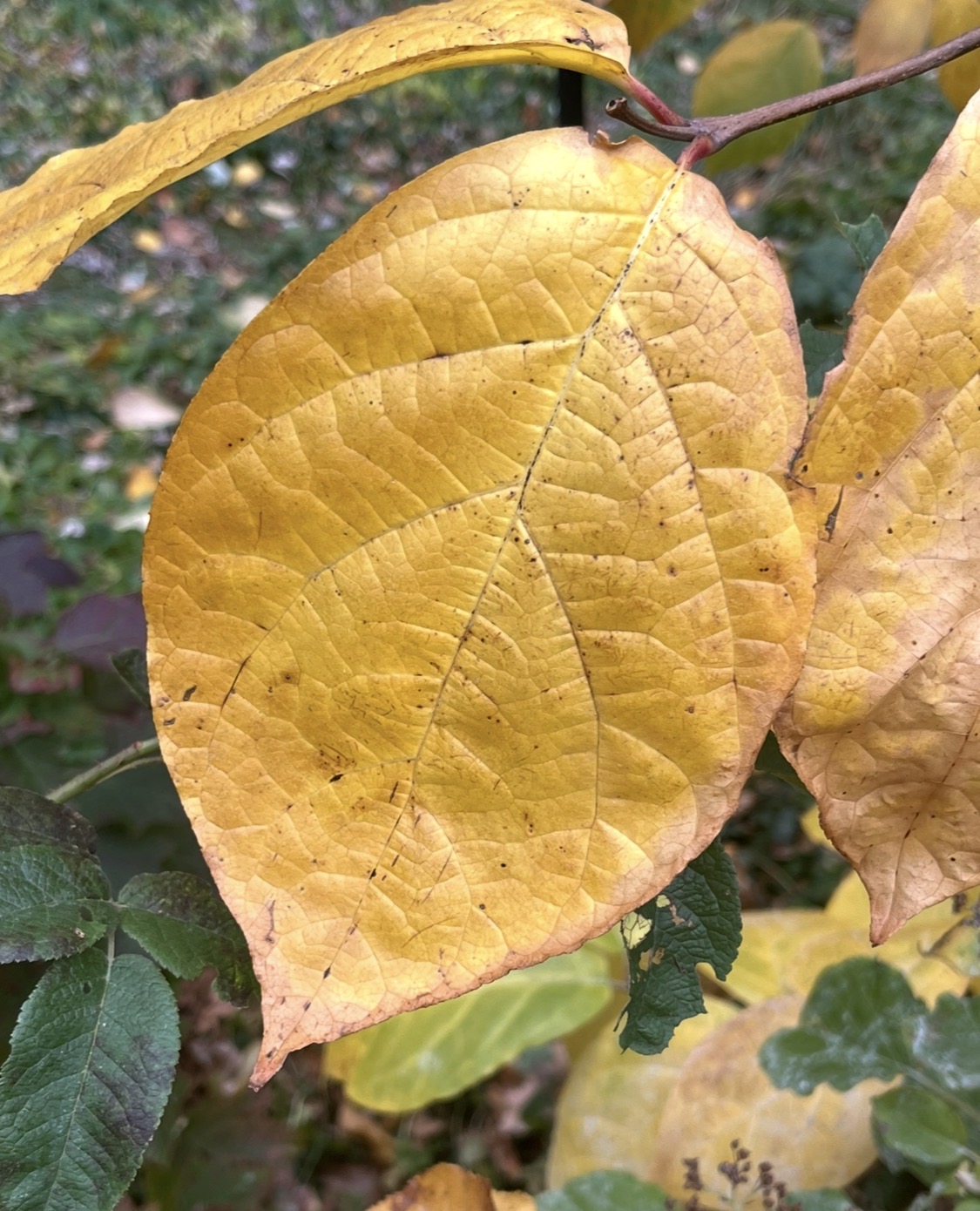
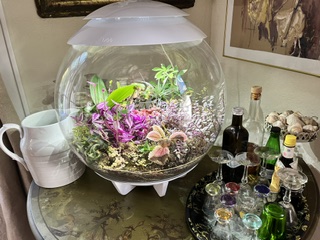
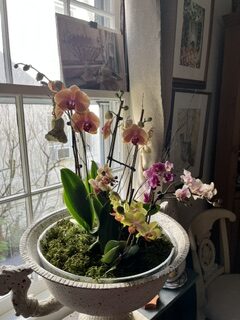
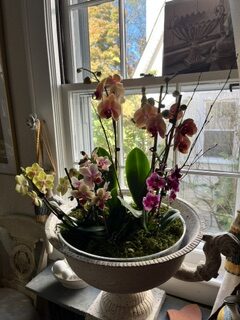
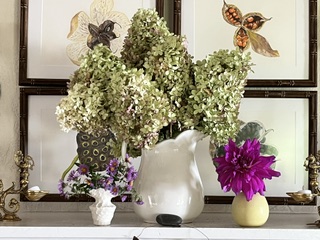
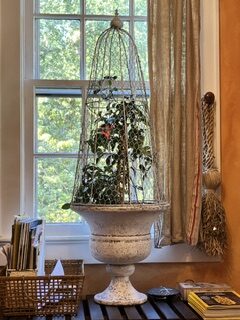
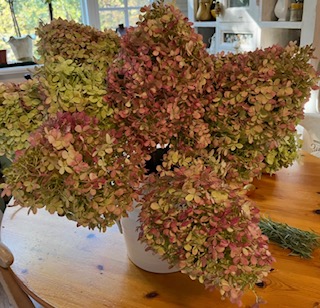
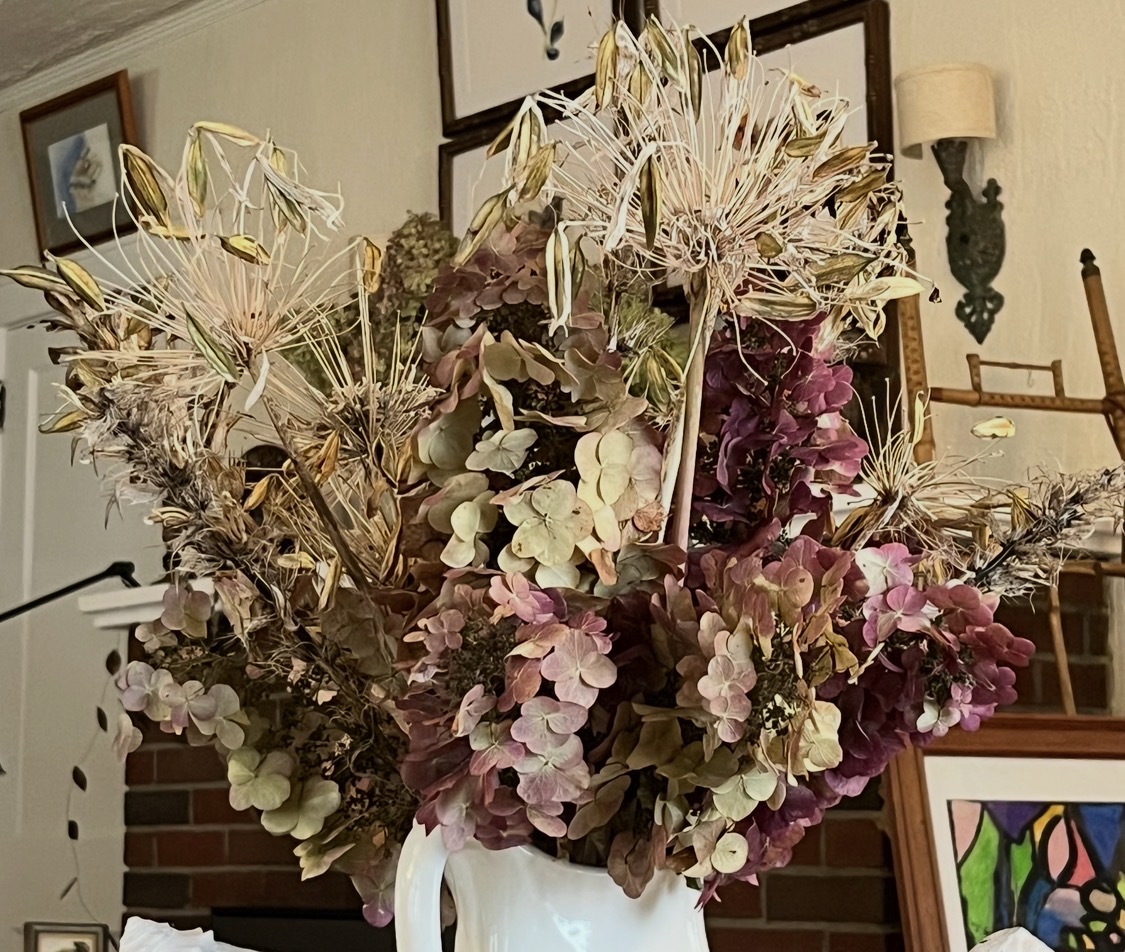
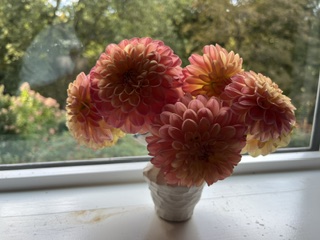
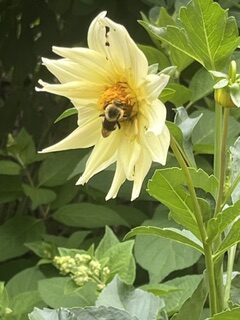
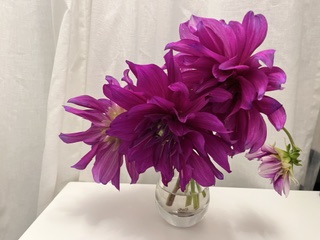
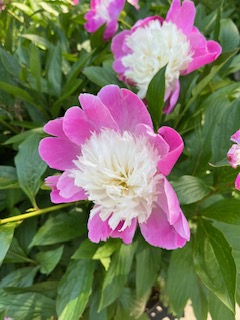
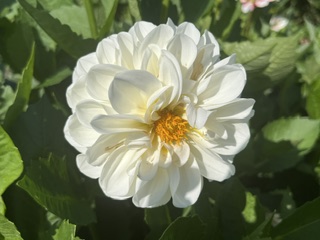
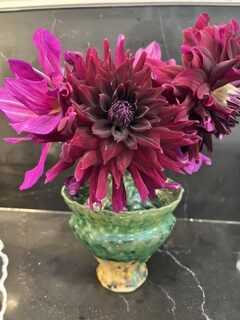
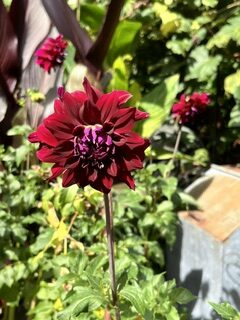
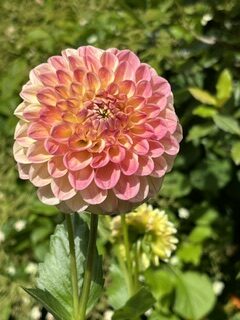
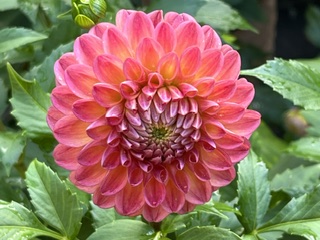
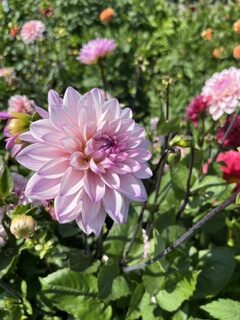
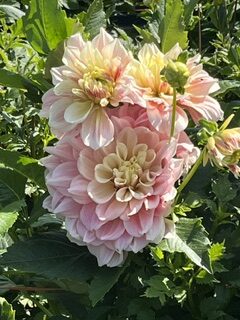
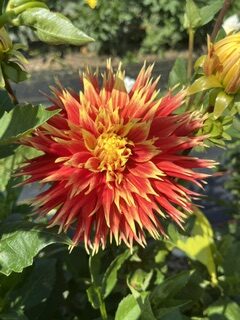
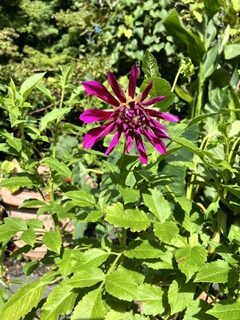
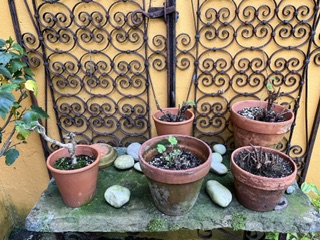
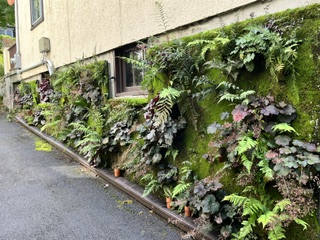
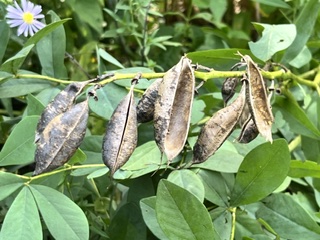
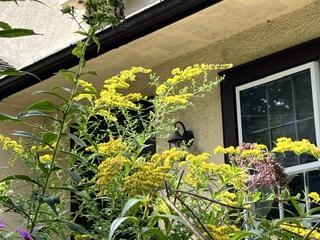
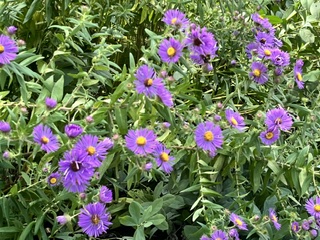
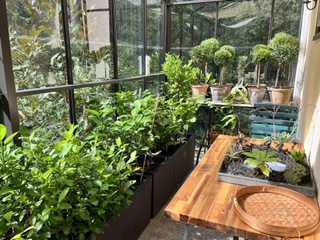
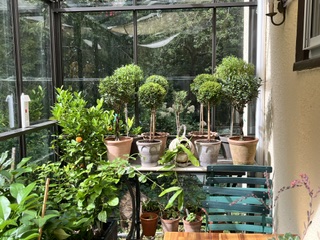
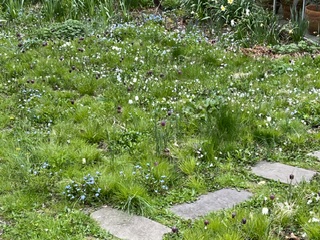
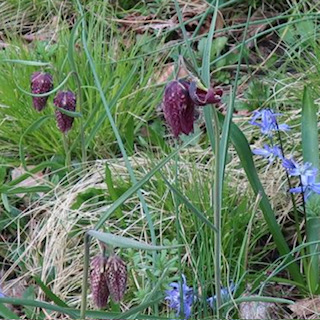
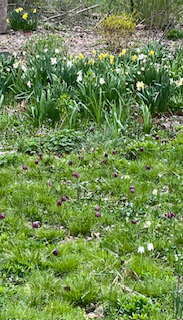
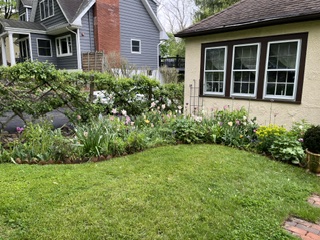
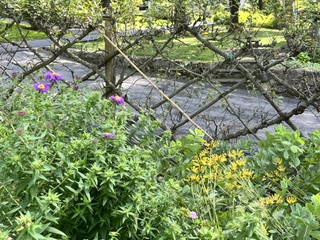
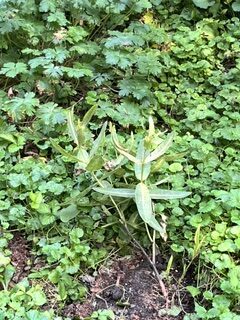
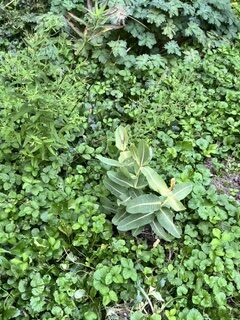
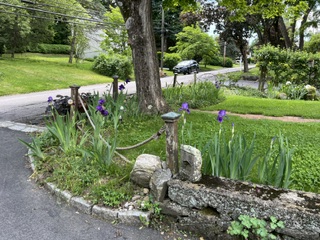
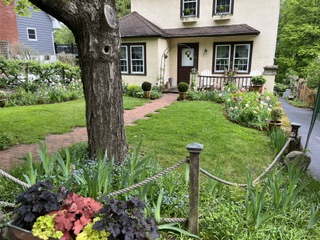
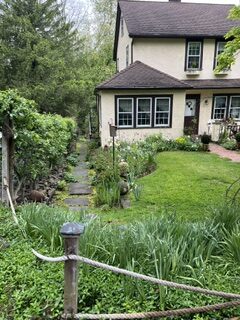
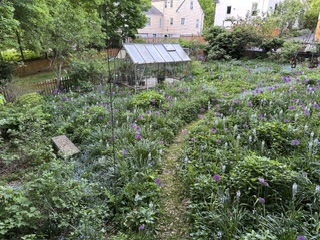
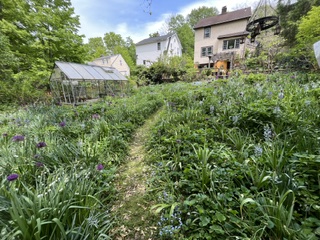
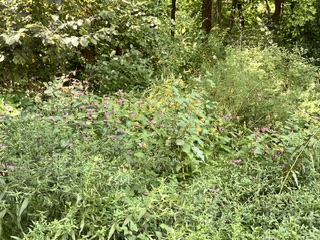
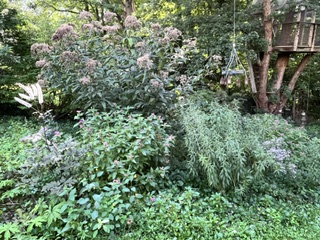
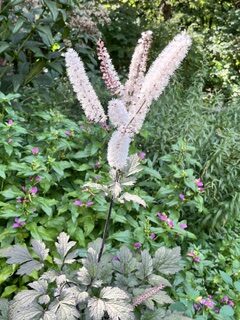
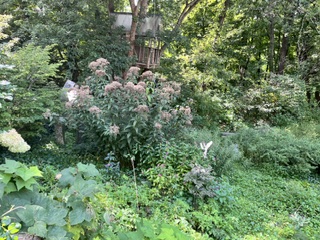
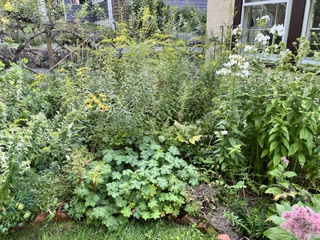
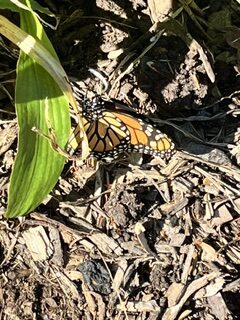
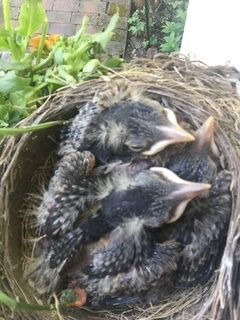
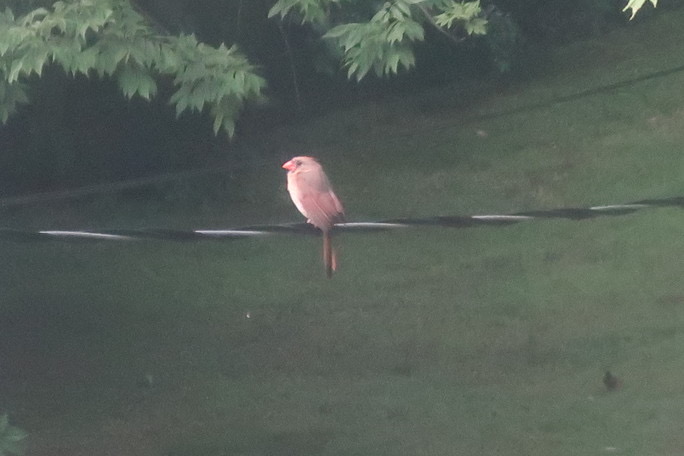
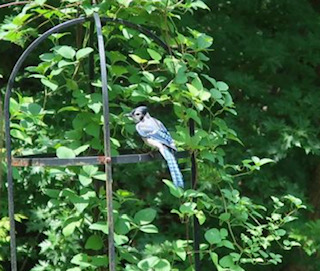
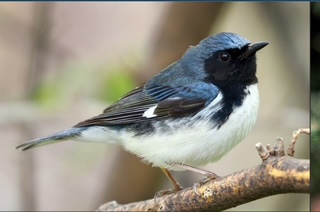
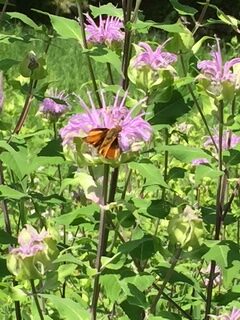
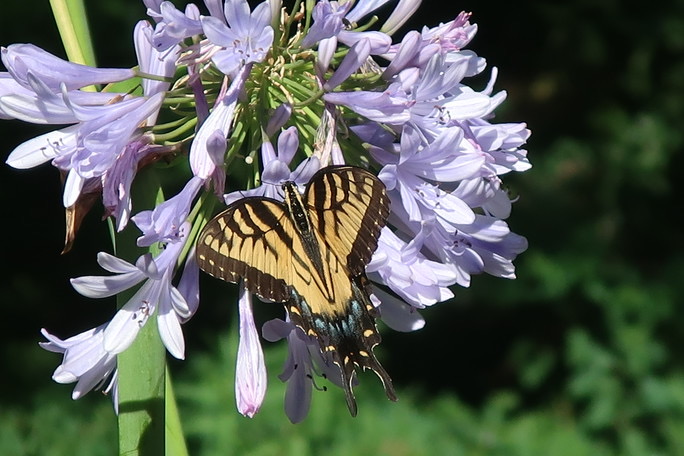
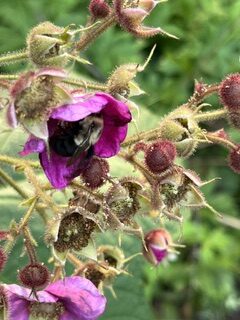
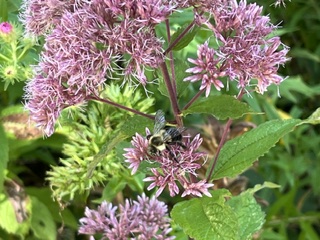
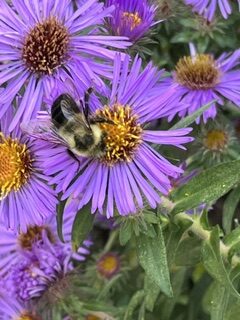
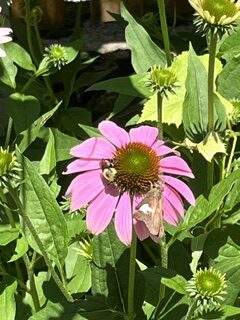
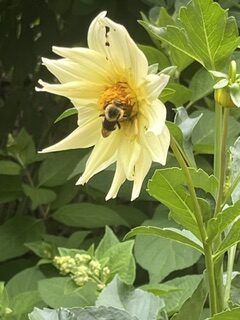
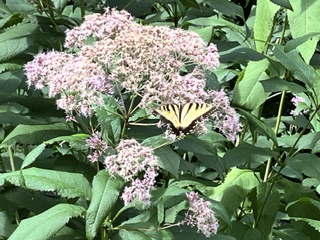
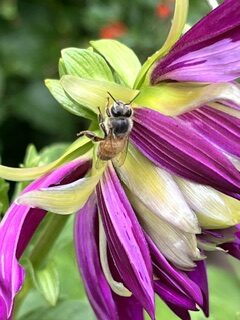
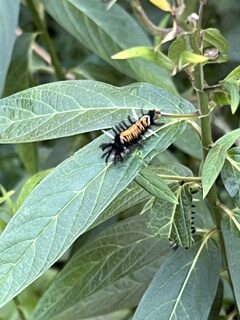
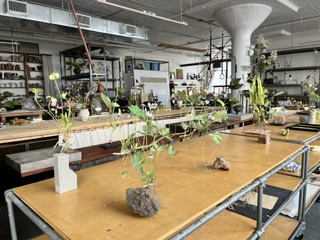
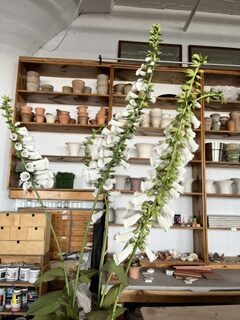
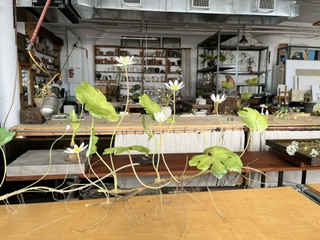
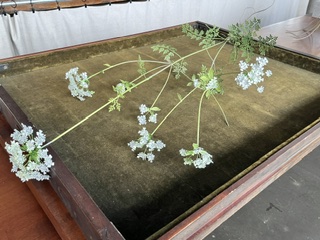
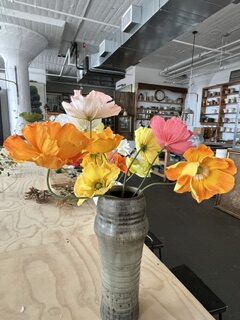
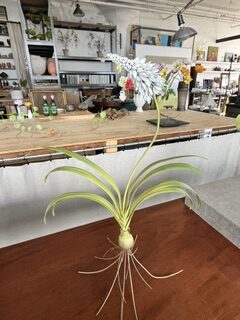
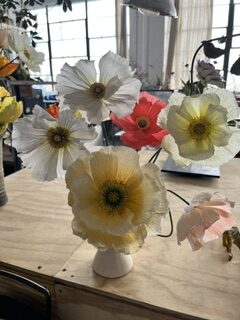
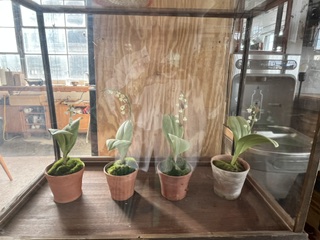
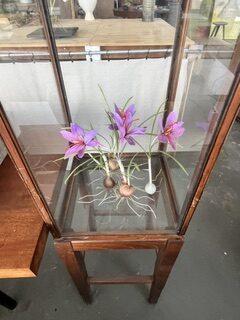
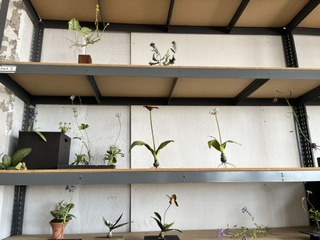
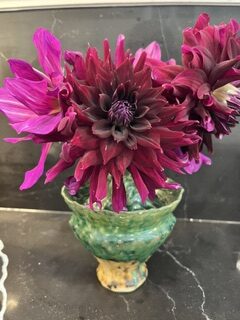
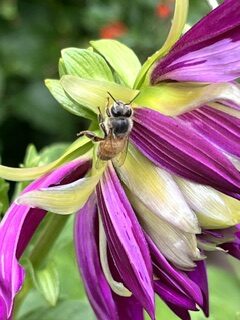
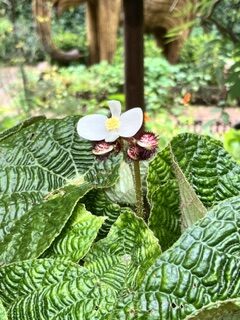
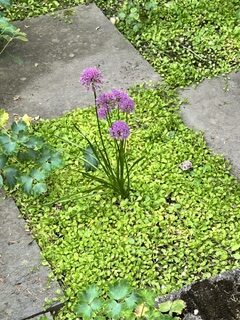
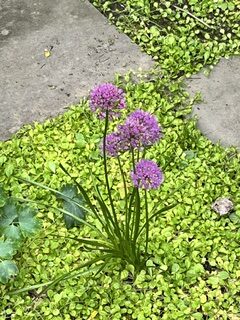
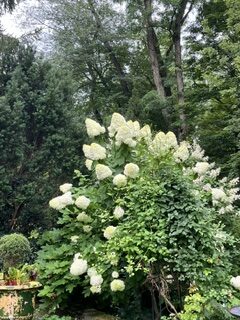
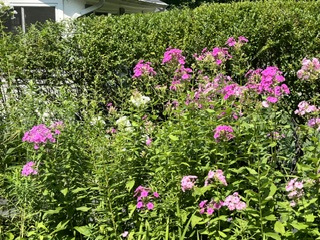
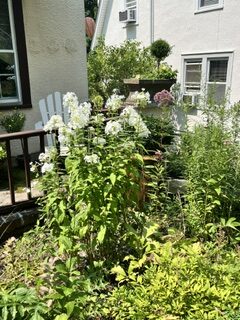
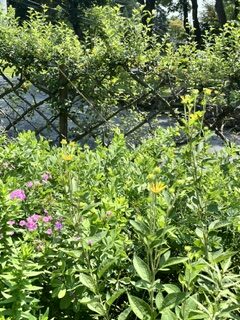
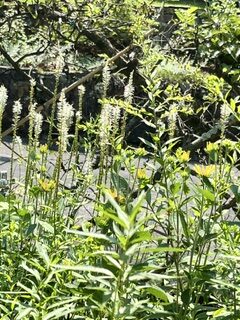
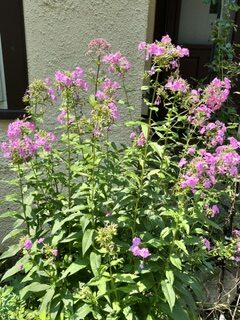
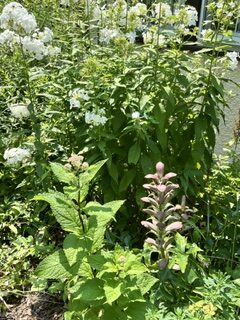
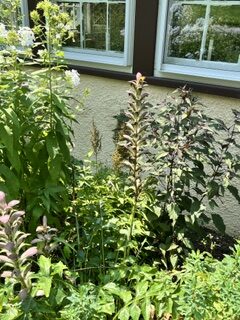
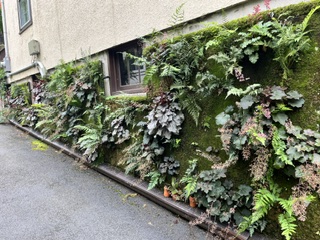
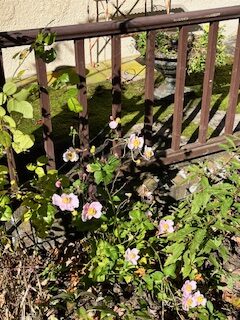
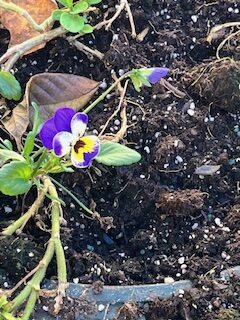
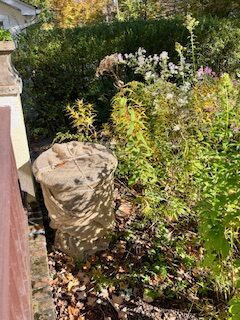
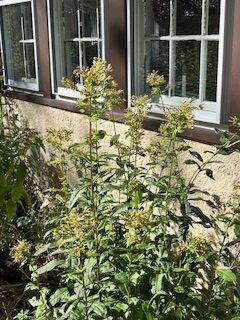
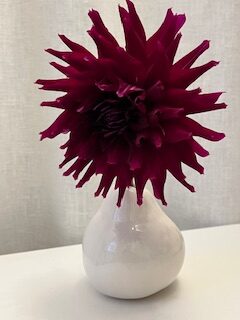
Glimpses of ‘shoulder season”- flowers, seed heads and in-between –
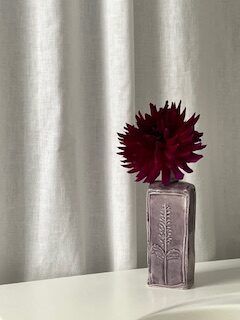
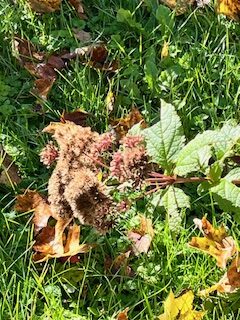
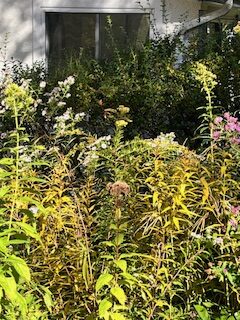
(c) 2026 Shobha Vanchiswar
do_widget “Blog Subscriptions (Jetpack)”]