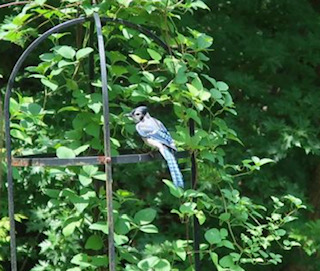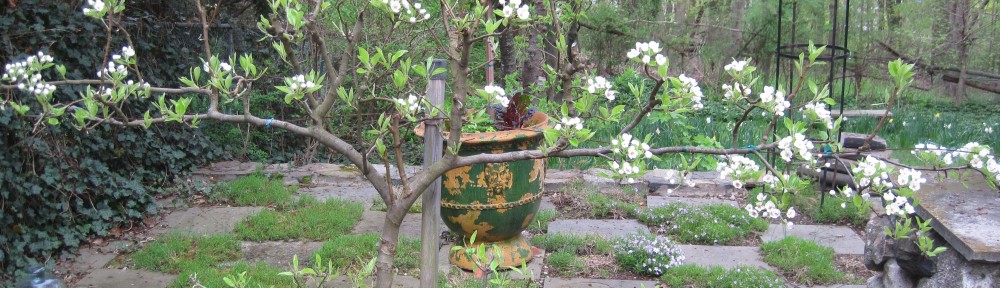
Nuanced November

November is definitely full of nuances. Within what appears to be Fall are the hints of Winter. The temperature that dips sharply at night, the light that shifts from bright to dim as though a faulty dial cannot stay fixed, the night that comes early and seems endless, the sounds of leaves being raked or blown being replaced by wood being chopped and, air swirling with aromas of decaying vegetation and wood smoke. It is a month fraught with subtle meanings. Even as we reluctantly bid adieu to warm weather pleasures, November takes us gently towards congenial gatherings around tables laden with comforting foods, cozy conversations by a blazing fireplace and invigorating walks in the woods. Everywhere one looks November reminds us of what is truly important. Connections – to nature, to family, to friends, to each other.

It’s the final push of garden chores before the December holiday season takes over.

Here’s the November To-Do list

1. First and foremost, put away all Halloween decorations. Set up Thanksgiving display – gourds, pumpkins, ornamental kales and cabbages, chrysanthemums and asters.

2. Having cut back plants and cleared debris, mulch all plant beds.

3. Hurry up and finish all pending tasks from last month!

4. Finish planting spring flowering bulbs.

5. Protect pots to be left outdoors, vulnerable plants such as boxwood, certain roses, and garden statuary.

6. Fill bird feeders.

7. Be prepared for snow and ice. Keep snow shovels, grit or sand, firewood stocked and handy.

8. In case of power outage, have candles, flashlights, matches and batteries on the ready. A radio too – I have one that gets powered by manually cranking it up.

9. Finish dealing with fallen leaves. Leave in place, spread as mulch to protect garden beds, add to compost pile.

10. Clean and store tools. Get appropriate ones sharpened.

11. Start setting aside seed and plant catalogs. Soon you will be planning for next year!

12. As long as the weather is mild, keep on weed watch!

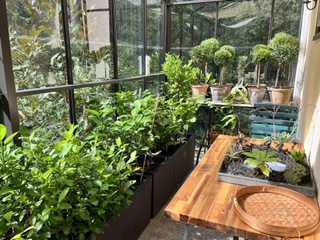
13. In the greenhouse, be sure the heater is doing its job. Ventilation is also important to keep plants healthy.

14. Start a routine for regular watering of plants indoors. Keep vigil for early signs of pests or disease.

15. Start forcing amaryllis and paperwhites for seasonal cheer. Similarly, put bulbs such as hyacinths, muscari , crocus and tulips in for cooling. (I use my refrigerator). In about fourteen to eighteen weeks, you can start forcing them and pretend it is spring!

16. Enjoy a beautiful Thanksgiving.

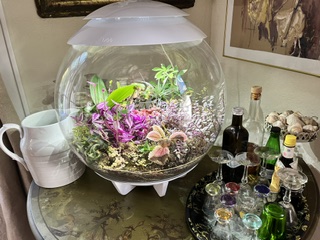
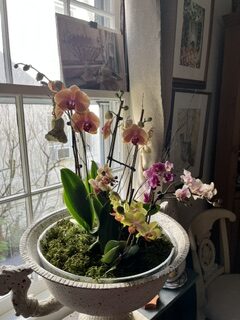
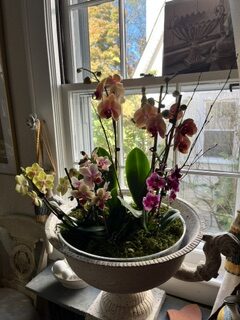
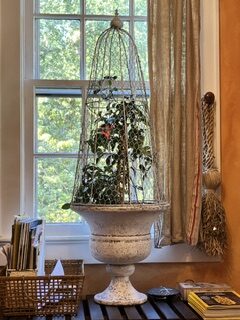
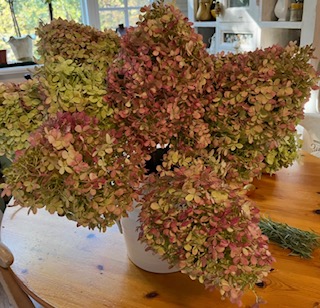
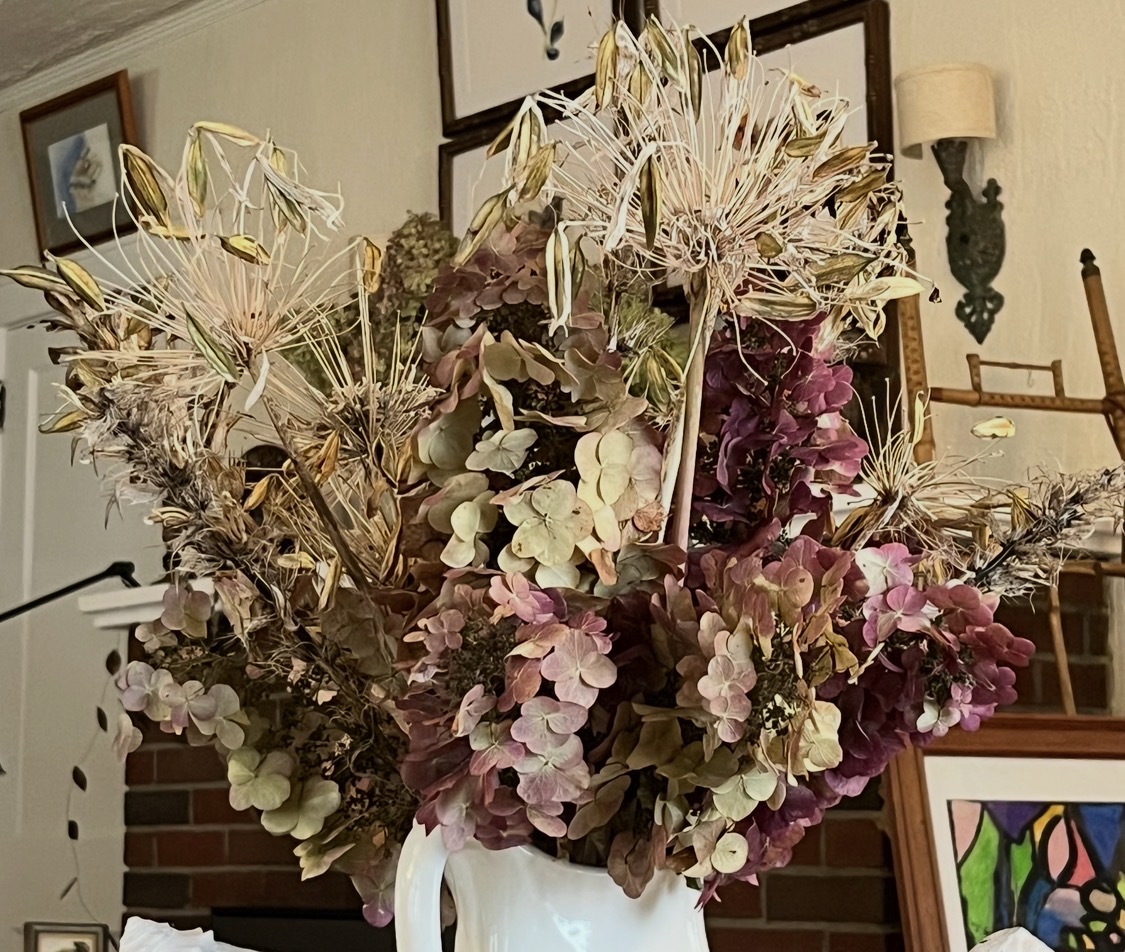
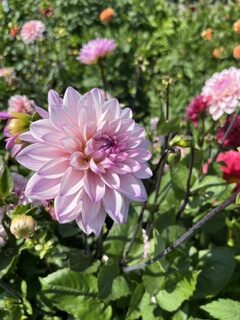
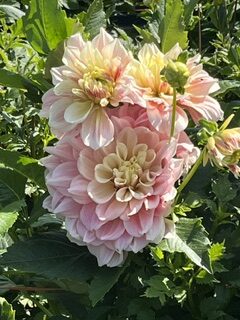
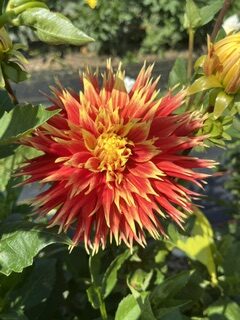
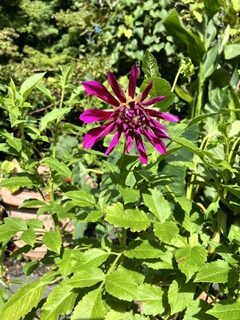
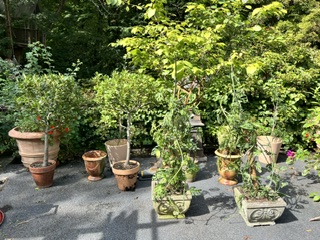
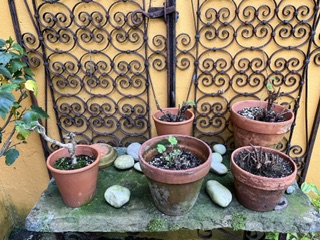
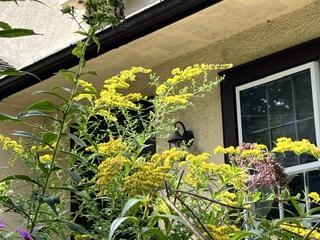
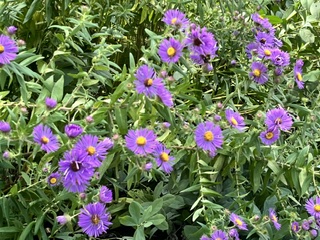
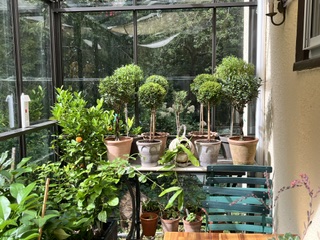
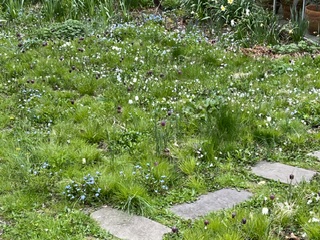
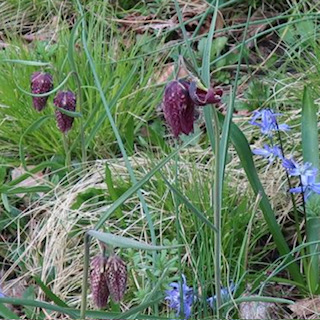
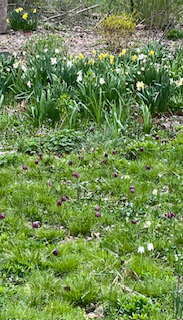
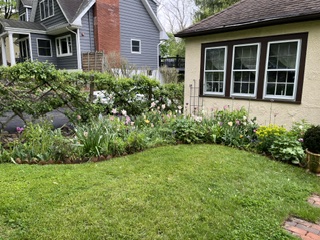
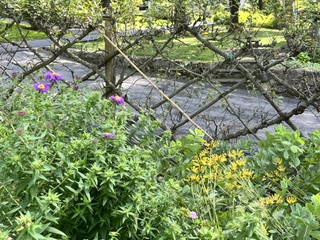
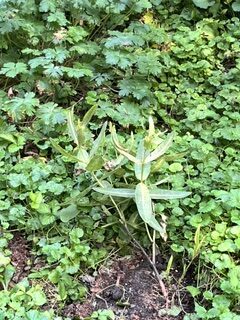
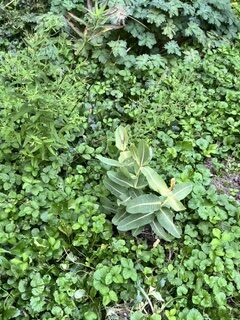
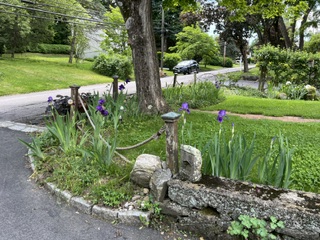
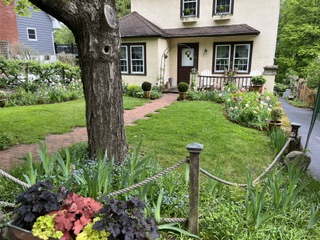
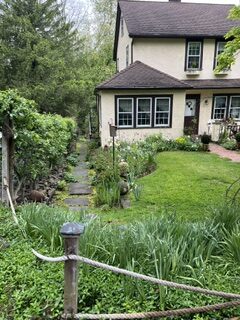
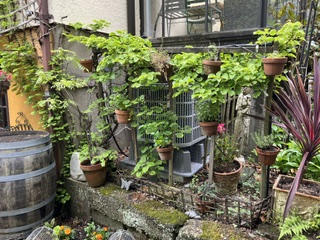
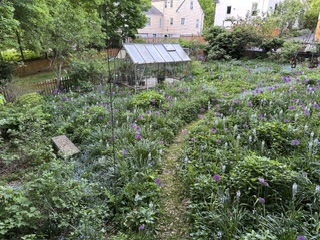
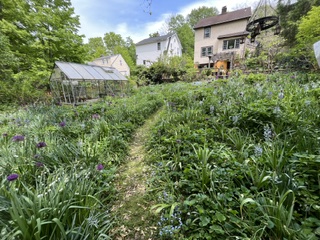
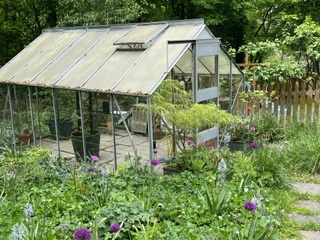
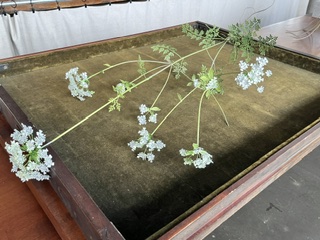
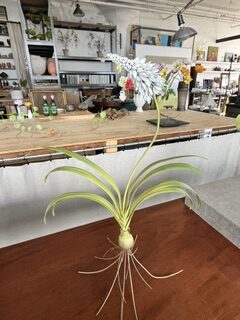
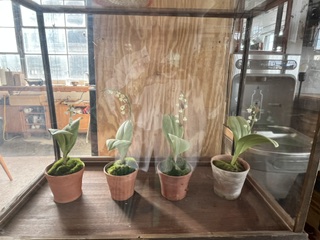
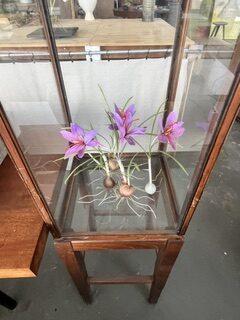
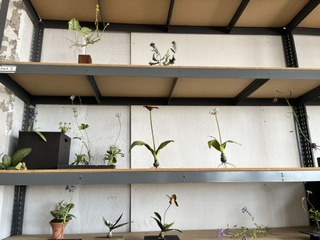
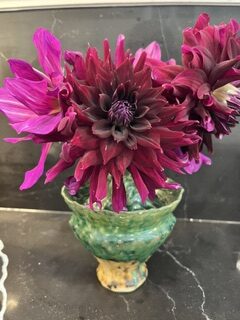
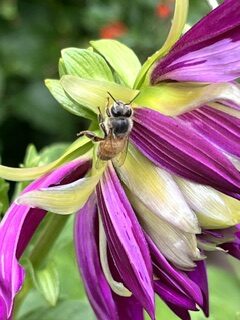
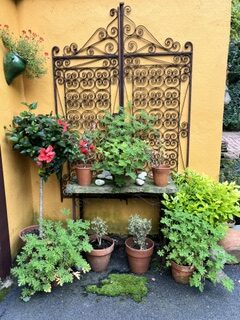
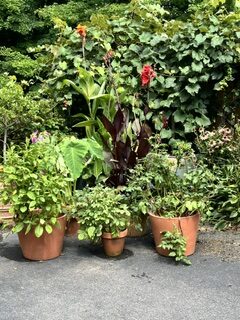
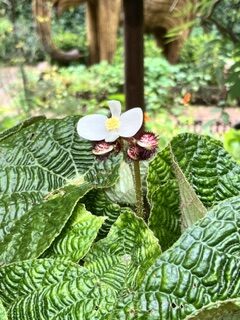
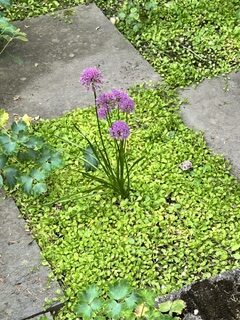
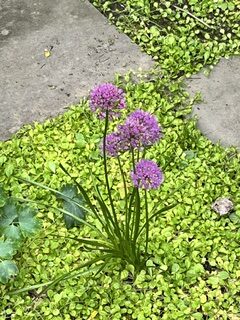
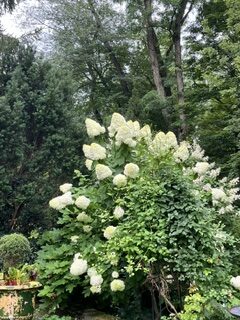
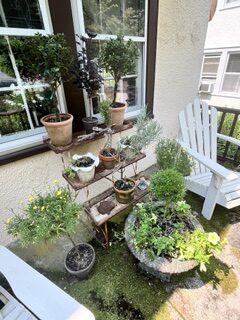
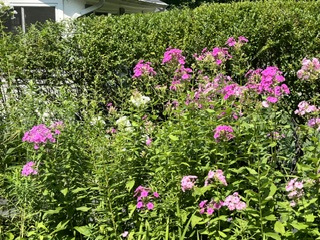
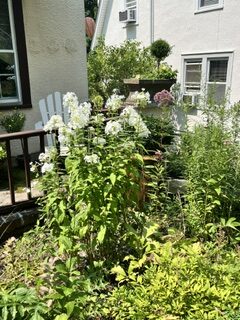
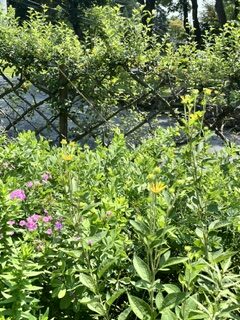
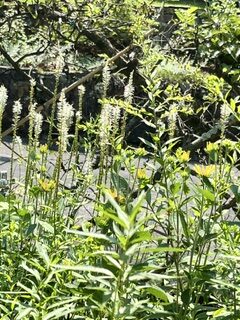
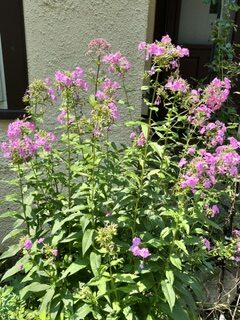
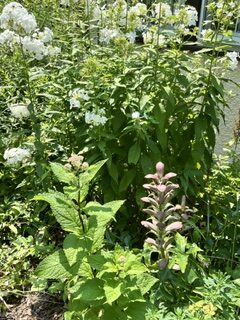
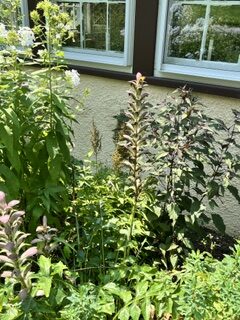
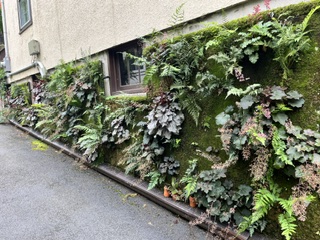
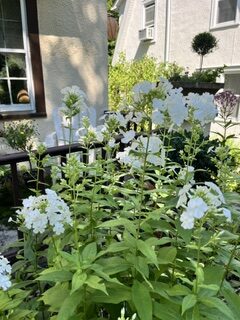
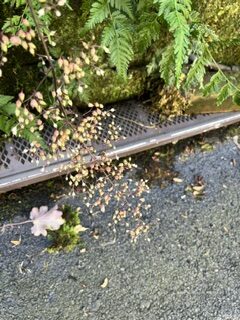
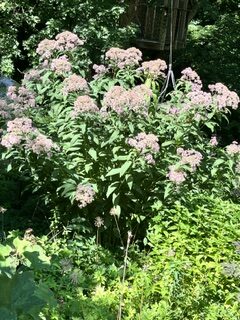
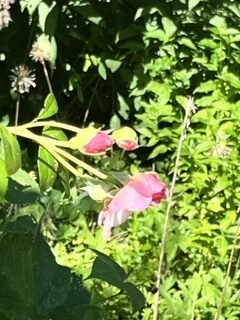
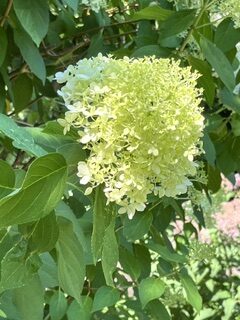
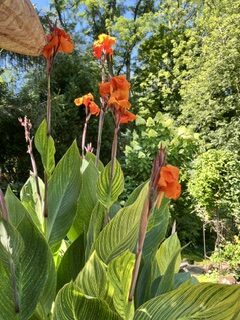
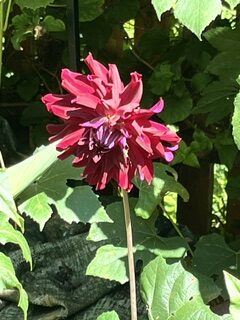
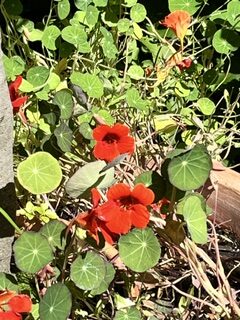
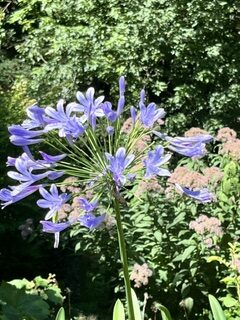
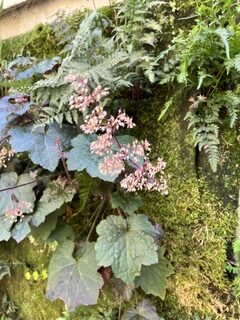
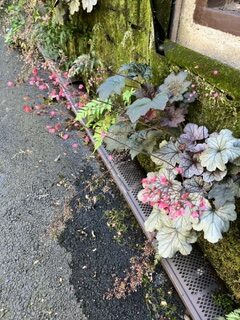
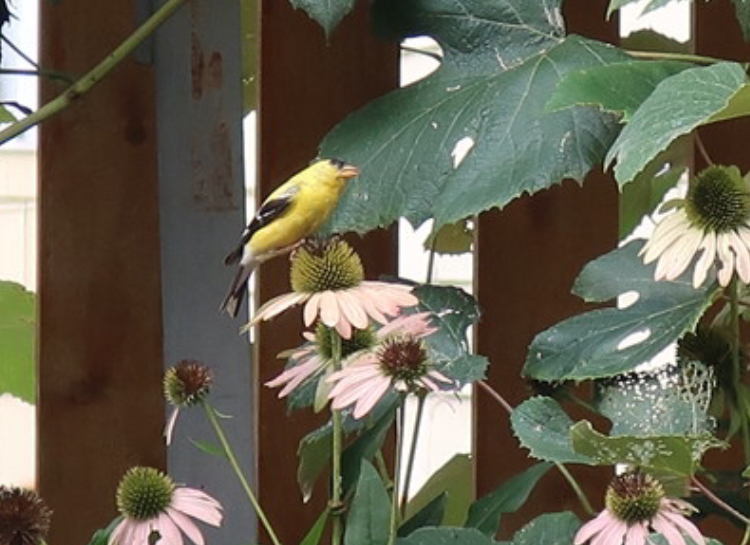
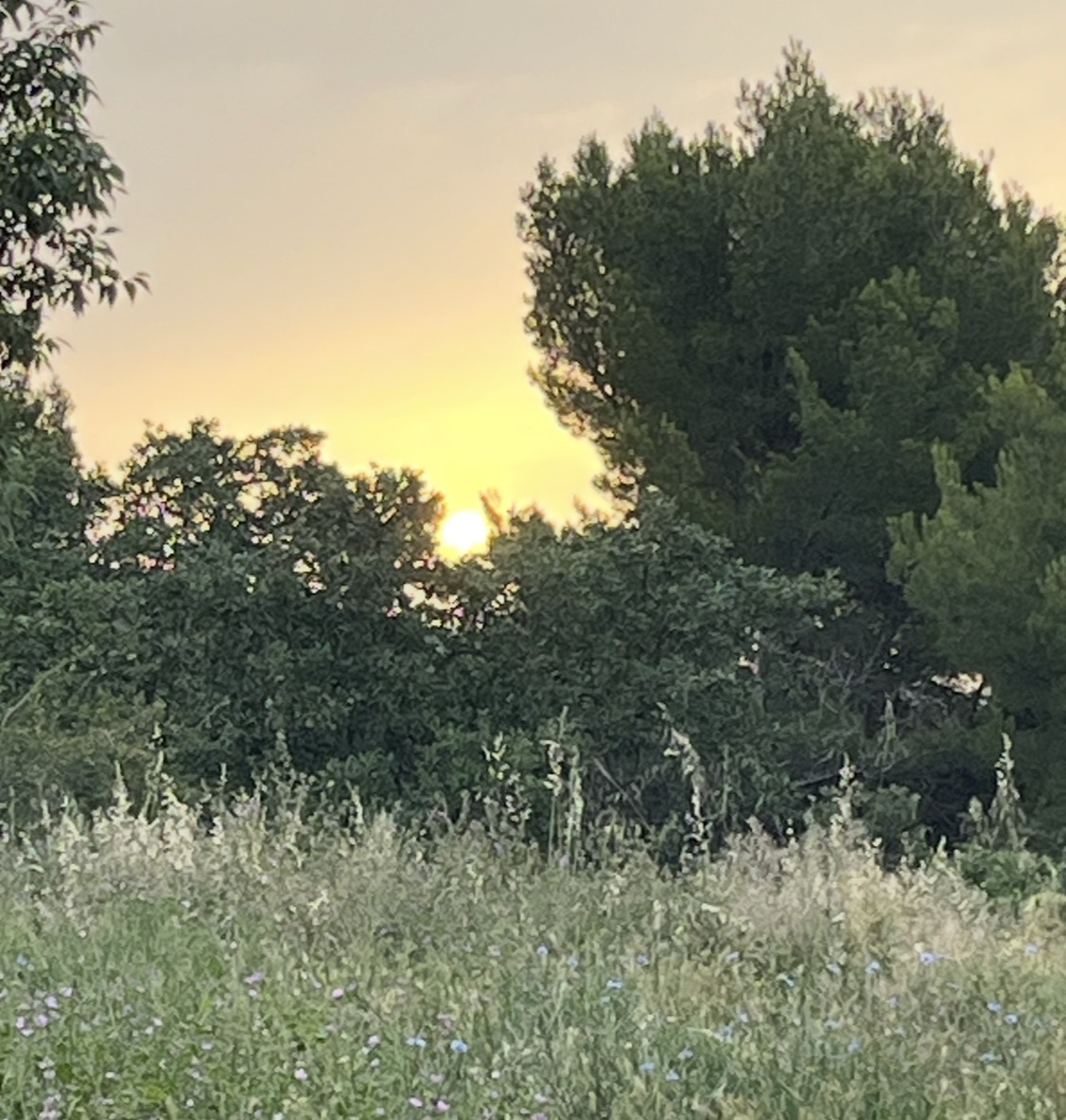
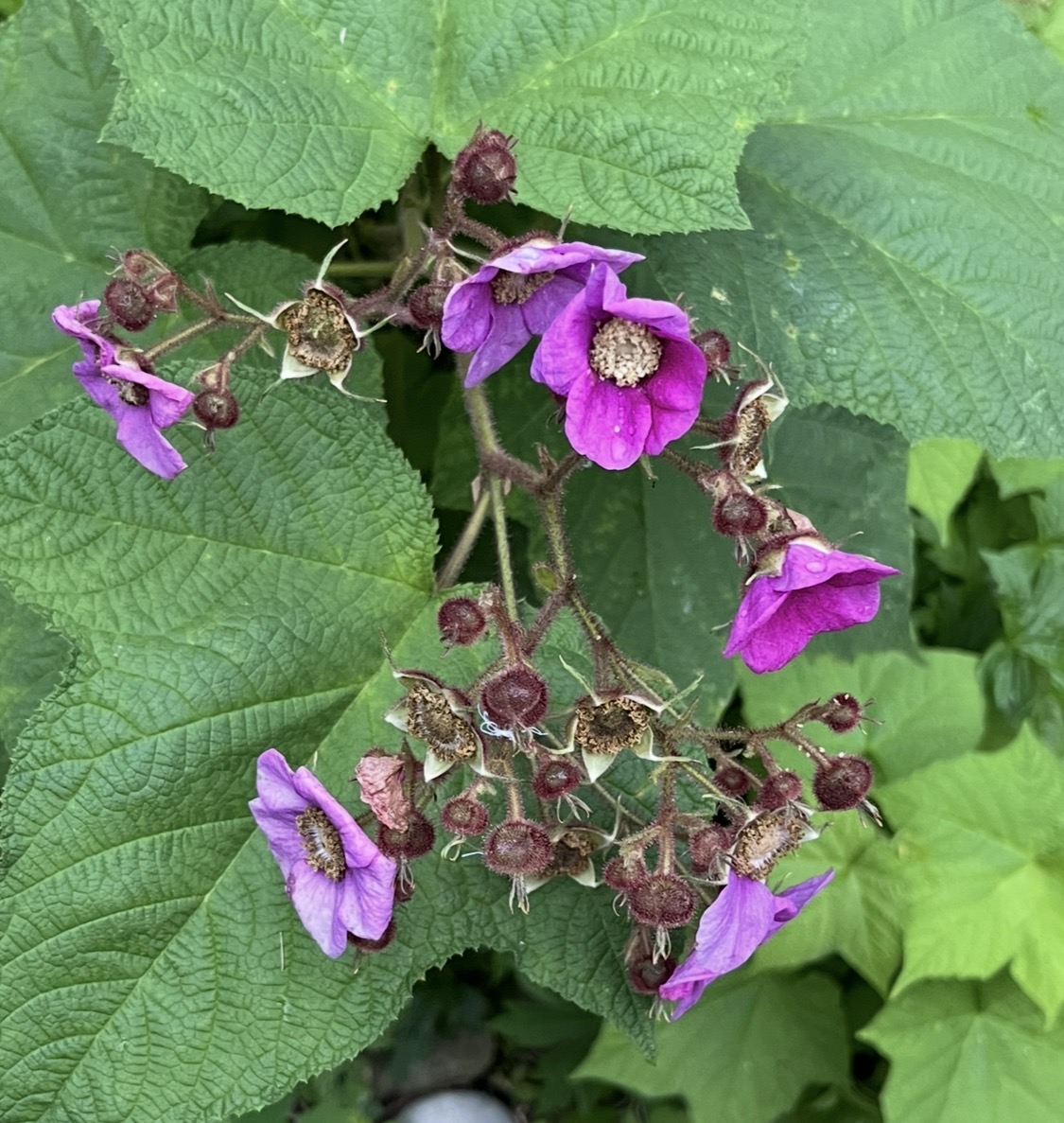
Images of Fall just outside my home –

(c) 2025 Shobha Vanchiswar

[do_widget “Blog Subscriptions (Jetpack)”]
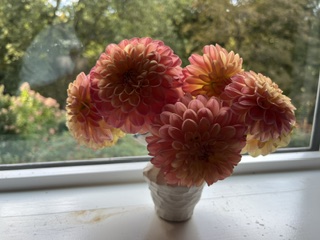
Adios October

Is it just me or has October whizzed by? Perhaps it’s because I’ve been overly busy. That’s what happens when one takes off for 3 weeks – you hit the road running on returning home.

It’s been a game pf playing catch up in all areas of my life. Work, home (the kitchen renovation is moving along but my goodness, it’s painfully slow), news both national and international ( I had chosen to leave my phone at home and judiciously avoided all news and social media– highly recommend!) and then, of course the garden.

Typically, I begin tackling fall chores in the garden around the time of the autumnal equinox. Since I only returned in the first week of October, I was a full 3 weeks behind. As any gardener knows that’s a lot. I got cracking right away. At first it didn’t feel too bad. I had it all worked out. Then we got alerted of a freeze watch. That put me into high gear in a tearing hurry. Myriad pots, mostly large and heavy with tender perennials/citrus/tropicals had to be trimmed, cleaned up and ‘power washed’ to remove pesky stowaways before being moved into the greenhouse which is rather inconveniently situated. Said heavy pots have to be brought from their sites around the property, treated to the secateurs and bath, moved down some stairs and then about a few yards further to reach the sanctuary of the greenhouse. Doing all of this back challenging work under a time pressure is not fun.

Since then, it’s been cutting back, removing debris, dealing with fallen leaves, putting away, more cutting back, cleaning up, countless trips hauling all the vegetation to the woods beyond where they will earn their keep by eventually turning into compost. Whew.

Amidst all this requisite work, I’ve also ripped up the checkerboard garden. This space has increasingly become more shady – the neighbor’s cedar has grown very tall. The creeping phlox has struggled to thrive and moss has slyly crept in everywhere. As has ajuga that opportunistically decided to joypusly leap from elsewhere and make itself at home where it does not belong. So out came all the vegetation. The soil then needed loosening and tilling. Looking at the ‘emptied’ checkerboard revealed that the slate squares needed straightening and aligning. All of this work took an entire Saturday. Nothing is ever simple!

New choice of plants will go in next week. I shall duly provide an update. Note: the creeping phlox was replanted elsewhere in the hope they will be much happier.

Fall is the time of year when I’m painfully (literally) reminded of the existence of certain parts of my body. Post fall cutback and clean up, doing simple things like bending, sitting down and then standing up has my entire lower body protesting vehemently and often. Ditto my upper arms. Am I not using my entire body properly and completely at other times of the year? How can this be!

This week I’m giving myself some recovery time by taking care of lighter work like wrapping the very large pots to keep them protected in place through the very cold months of winter.

With the great bulb planting weekend happening in November, I must necessarily be ready and able. Over a 1000 bulbs await.

(c) 2025 Shobha Vanchiswar

[do_widget “Blog Subscriptions (Jetpack)”]
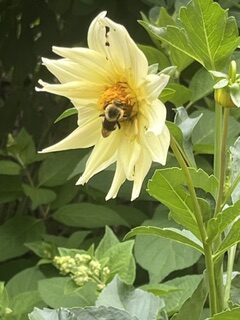
Garden Ghosts, Goblins And Gore Part 2

So this week we shall consider the fun of a Halloween garden for non-gardeners. It’s easier than one for gardeners who they are not phased so easily by the routine/normal stuff. Working with Nature has made them knowledgeable – as we know, knowledge is power.

Which then naturally means that we’re preying on the unsuspecting/innocent/naive. To scare them with the ordinary.

Note: Non-gardeners is a term I use playfully. Everyone loves a good garden but unless you are very familiar with horticulture and/or gardening, there is much that is not apparent.

To start with, there is the physical or visual – consider plants brandishing thorns and spikes on limbs (and even on some leaves) that threaten and intimidate. Roses, Pyracantha, Hawthorn, Bougainvilla, Firethorn, Barberry, Holly, gooseberry, etc.,

How about low growing, innocuous looking greenery whose serrated edged leaves casually lacerate exposed legs as they walk by – only to discover the culprit is the common hellebore.

They all shout Beware!

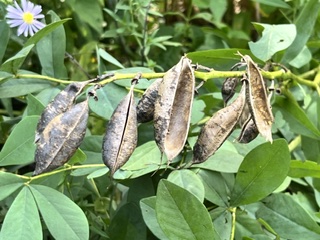
Some seedheads and pods can look pretty creepy too. Snapdragons look like skulls and Canna can give the appearance of eyes spying on you. Devil’s Claw seedpods have a certain air of menace about them. Those with tryophobia, the fear from viewing objects with clusters of holes can break into sweats, get chills or panic attacks can be triggered by looking at something as common as a lotus seedpod.

Sound effects from rattling seedpods can be rather effective in creating alarm. Or even the rustling of dry leaves. The imagination can do quite a number!

Then, there are the creatures one typically desires in the garden, Spiders, bats, garden snakes, bees, wasps are all valued by gardeners but give many the heebie-jeebies. Walking into a spider web or having a bat stealthily swoop by or coming upon a garter snake coiled on your path can make you jump out of your skin.

How about the smell of skunk cabbage, carrion flower, Starfish Cactus or worse but uncommon, that of the Corpse Flower can be very foul. They’ll make anyone want to leave in a hurry!

Even the familiar can take on a frightening role. Imagine a murderer’s garden full of plants known to be well-known sources of poisons and toxins. Monkshood/aconite, Digitalis/foxgloves, Datura, Convallaria/Lily of the Valley, daisy, daffodil, Lonicera/honeysuckle, the list is extensive. And yet, they bring so much color and beauty to a garden, look entirely harmless and are wildly popular. Most non-gardeners are unaware of the more sinister nature of these garden staples. It has been my experience that once the toxic properties are brought to their attention, they literally take a few steps back from the plants. Amusingly, some give quite a wide berth as though the poison is being dispersed out into the air.

It’s remarkable how our own imaginations can either trick or treat us!

There you have it. A typical garden can become quite the scariest place to be! Beat that Haunted House.

Here some images to haunt you –

Seedpods are my watercolors.

(c) 2025 Shobha Vanchiswar

[do_widget “Blog Subscriptions (Jetpack)”]
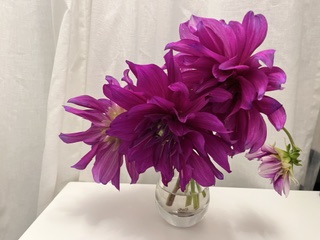
Garden Ghosts, Goblins And Gore

Halloween decorations abound in my neighborhood. In some cases, they’ve been up since mid-September. I’ll come right out and say it, most are neither scary nor attractive. For such a highly anticipated holiday it would be so nice to see some serious creativity on display. But, each to his/her own and I will just mind my own business.

For a long time I’ve considered the fun of setting up a garden of Nature’s horrors to spook visitors. I really think there’s nothing we can come up with that could compete with what the natural world can offer. If I had the wherewithal, I’d create a Halloween Garden. Actually, I’d make two. One for non-gardeners and another for gardeners.

This week, I’ll share my ideas for the Gardener’s Garden of Horror. The correct time to visit would be in the hour before sunset. When the light can be quite dramatic but the details are not sharp. It sets the requisite mood of mystery.

On approaching such a garden, all looks lovely. Splashes of seasonal color herald the visitor. On closer inspection, the garlands of bright orange draping the fence are bittersweet running amok. Miniature balls in shades of pink, mauve and blue abundantly adorn all manner of plants – porcelain berry! And poison ivy resplendent in deep reds and bright ocher is running riot.

A path cuts through a meadow of nothing but stilt grass. Monsters lurking around prove to be shrubs completely covered in English ivy. Huge swathes of gooseneck loosestrife wave gracefully in the breeze.

And what are those lovely iridescent ‘stones’ on the roses? Japanese beetles shimmering away that’s what. Tree trunks covered in both adults and nymphs of the spotted lantern fly look gory.

Walking by what you know to be the vegetable plot, you see a slew of slugs having an extended supper. Every plant has been decimated or defiled.

And so it goes. Invasive plants, dreaded pests! Which gardener will not be petrified by this garden? Be afraid. Be very afraid.

Next week – the Non-gardeners Halloween Garden.

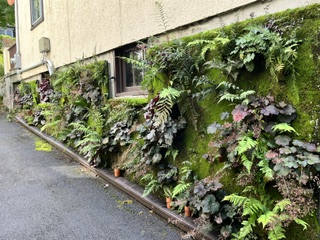
Note: Since I don’t want to traumatize you gardeners any further, I’ll spare you any scary images! Instead, here are images of a Patrick Blanc vertical garden I had the joy of seeing in Aix-en- Provence, France a couple of weeks ago. What a treat. What a diversity of plants! On the side of a bridge under which cars whiz by, I’m not sure how many drivers realize just how amazing this installation truly is. Nevertheless, their world is rendered significantly more healthy and beautiful. This should become a global movement I say!

(c) 2025 Shobha Vanchiswar

[do_widget “Blog Subscriptions (Jetpack)”]
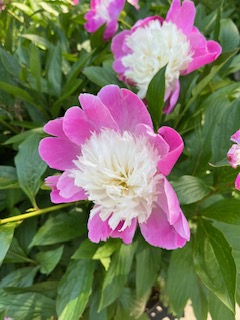
October Fest

I love this time of year – waking up to a chilly morning that warms up rapidly to give summer vibes and then, by sunset we reach for a light jacket and consider if it is too early to light a fire or turn on the heat. The leaves are dropping crisp and tawny from some trees, turning all the various shades of ocher on others and still others resplendently green and loathe to let go of summer. October, you are a month that tantalizes and teases.

It’s also the second busiest time in the garden. So without much ado, I present to you October’s To-Do List

1. Yes, weeding continues!

2. Time to plant perennials and trees. Give a good dose of compost to each. Water regularly. Perennials already in place can be divided and re-planted as well.

3. Cut back all spent plants except what is needed by the birds as well as for seasonal interest.

4. Collect seeds. Store in labeled envelopes in a cool, dry space.

5. Last call to root cuttings of geraniums, coleus, rosemary etc.,

6. Get all pots of tender perennials into clean greenhouse or other winter shelters. Wash plants and pots thoroughly first – minimizes pest infestation.

7. Plant bulbs as weather gets consistently cooler. Bulbs can be planted until soil freezes solid.

8. Rake leaves but only if you must. Leaves can be left in place to provide winter shelter for small critters. However, it is not always possible to do so when the amount of leaves is way too much and can create conditions that completely smother the grass or plants beneath. Add raked leaves to compost pile or deposit in woods.

9. Give compost heap a good stir.

10. Clean out vegetable garden except for cool weather plants that are still producing. Apply several inches of compost on cleared beds. Plant green manure to enrich the soil – optional.

11. Clean and put away (or cover) outdoor furniture.

12. Check what needs repairing, repainting, replacing and get to it!

13. Lift tender bulbs, corms and tubers. Store in a dry, frost-free place.

14. Drain and close all outdoor water faucets. Empty rain barrel and hoses. Store.

15 Clean all equipment and tools. Store neatly.

16. As temperatures plummet, protect tender shrubs and immovable  frost sensitive pots and statuary. I cover the former with burlap and for the latter, I first cover with sturdy plastic and then use burlap so it looks halfway decent. Plastic looks even more unsightly in winter when the landscape is already stark.

17. Remove suckers from ornamental and fruit trees. Prune roses and wisteria. Remove dead and decaying limbs from all plants.

18. Fill up bird feeders. Keep them filled through the winter. Put up nest boxes for the spring.

19. Get into the autumnal spirit – fill window boxes and urns with seasonal plants and produce.

Some seasonal scenes from my wanderings –

(c) 2025 Shobha Vanchiswar

[do_widget “Blog Subscriptions (Jetpack)”]
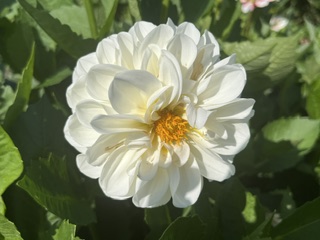
Gardening With The Changing Climate

As promised last week, I’m sharing my thoughts on the changes we must consider making to keep pace with climate change. As gardeners, we see the impact of even the slight shifts in weather patterns – when plants emerge, when they bloom, quantity and quality of bloom, availability of pollinators, numbers of pollinators/pests, fruit production etc., We have front row seats in the climate change arena. So what are we going to do about it?

For starters, we accept that this is real. Not a one off or happenstance. There is enough scientific data to prove it if one is still skeptical despite the evidence we see in our individual gardens. Then, and only then, can any positive, productive action follow.

Given that our winters are milder and springs arriving earlier, sowing times have to be changed. At this point, it is about experimenting. For certain plants that get directly sown, when/how early must needs be determined. Can sowing in the Fall even be a possibility? For seeds started indoors, we can undoubtedly begin earlier. But how early?

Similarly, the timings of other tasks such as pruning, cutting back, harvesting, dividing, planting for spring, summer flowers and, fall bulb planting must also be adjusted. I’ve already penciled in mid-November for bulb planting. That’s a good 4 weeks later than when I used to do that job just 10 years ago. The last couple of years it was done the first weekend in November. But, last year, it was so mild well into December that some bulbs started pushing up their green snouts by Christmas.

Pest control will be a very urgent matter I predict. Along with old pests there will be new ones. This year, my neck of the woods has seen a significant increase in the numbers of the Spotted Lantern Fly. It’s been horrid. At present we haven’t any effective methods against them. There’s talk of introducing some new wasp that can combat the pest but then, will this newcomer endanger other desirable insects and/or plants?

Known problems like powdery mildew, aphids and other diseases may well be exacerbated. Yikes!

The significant reduction in the bird and insect populations has alarm bells ringing. Filling our gardens with as many host plants is imperative. Which brings us to the next matter.

What we plant will also need consideration. Some old favorites are going to struggle in the new climate conditions. Decisions must be made as to what we replace them with. Which plants we call native to our parts is going to change!

The learning curve will be steep but, we are a resilient bunch. We will learn and adapt. There is no choice in this matter.

We gardeners must recognize ourselves as civilian scientists. As custodians of our personal parcels of land, it behooves us to take our responsibilities seriously and with optimism. Together, we can not only continue to enjoy our gardens but importantly, we get to ensure that future generations inherit a better, healthier world.

Note: I’m taking the month of September off! Going off the grid! I shall see you back here in October. Here’s the list of garden chores for September –

Things To Do In September

1. Continue weeding.

2. Deadhead. Cut back anything that looks ragged or done for.

3. Mow the lawn less frequently.

4. Water judiciously.

5. Get leaf rakes, leaf bags and keep ready. Fall cometh! Preferably, let leaves remain in place wherever possible.

6. Similarly, keep bulb planting stuff like dibbler, bulb food, trowel, spade, etc., handy.

7. Continue harvesting vegetables. Remove plants that have given their all and toss on the compost heap.

8. Stir compost heap thoroughly.

9. Plant in cool weather vegetables.

10. Check if fall blooming plants such as asters and chrysanthemums need staking.

11. Inspect garden for pests or disease. Take prompt organic action if detected.

12. As days get shorter, make it a point to enjoy the garden as much as possible

(c) 2025 Shobha Vanchiswar

[do_widget “Blog Subscriptions (Jetpack)”]
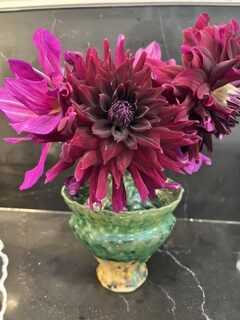
August Audit

Here we are in late August. Summer’s end is in our sight-line. And so it’s time to assess the garden. The highs and lows, the whats and whys of the growing season must be noted. From this, we learn and take steps to make our gardens healthier, more productive and beautiful.

Looking around my garden, I see those plants that need to be reined in severely. In the meadow, ornamental raspberries and woodland anemones are the regular offenders which, this fall, will be ruthlessly handled till very small versions of themselves remain. The asters which are only a little less prolific are also targeted for serious editing – they will be drastically divided and distributed amongst fellow gardeners. Each of these plant types are legitimate and beloved residents of my garden but if not given diligent oversight, they get too full of themselves and aggressively thwart their neighbors freedom to exist. As a result, they must quite literally be cut down to size.

It’s with some concern I’ve noted that the milkweed are nowhere to be seen. Before I simply plant in fresh replacements in the Fall, I must determine the reason for their loss. Were the emerging shoots subjected to harsh weather in late spring? Or did the aforementioned thugs vanquish them by moving into their space? Surely it cannot be a pest? I have to do some investigation.

In the checkerboard garden, overhead conditions have changed as the neighbor’s cedar has grown quite mighty. All the shade it now provides means the creeping phlox no longer thrives. Instead, moss has moved in and columbines have self-seeded extensively along with forget-me-nots. I’m debating if I should see how this plays out next year or if I ought to include something to carry this area from spring into summer this Fall. Perhaps the shorter, clumping allium like A. millenium which blooms in summer? A single clump in the center of each mossy green square would look fetching but I wonder if the paucity of sunlight would once again be a problem. Another investigation to add to my growing list.

A few plants have made no appearance in the perennial beds in front. They were planted only last fall so its possible they struggled with inclement weather conditions since then and lost the fight. Or did the nasty Spotted Lantern Flies devour them as they did the young marigolds I’d planted around the new elephant sculpture in the herb garden? This might remain a mystery.

I see that matters like these plus the chores that need rescheduling to align with the changing climate ( which I will get into next week) will keep me from remaining idle for quite a while. The lazy, hazy days of summer are indeed over.

Watercolors of some of the plants that need attention –

The bullies –

The self-seeder –

Missing in action –

Victim of the Spotted Lantern Fly –

(c) 2025 Shobha Vanchiswar

[do_widget “Blog Subscriptions (Jetpack)”]
Wry And Dry

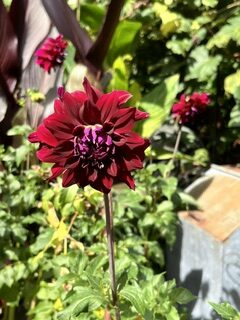
I’m having a hard time contending with the shifting weather patterns. No season is panning out to be ‘normal’. Trying to determine how the present slate of long residing members of the garden is coping is proving frustrating.

After a dry, milder winter, some plants emerged earlier than anticipated, others showed up late and the remaining were right on time. So which lot were the savviest in anticipating the weather? More importantly, who amongst them timed themselves to align with their favorite pollinators? Native plants have co-evolved with native insects and the jury is still out on how any or all are handling the changes.

Spring started out cool and wet but finished blisteringly hot with some days of rain. And thus began summer with a string of heat waves only to have August arrive cool as a cucumber but dry as a bone. So here we are – still sans rain but steadily heating up.

The ground is parched and many plants are panting with their tongues hanging out. The rain barrel is so low that the watering cans sit looking forlorn and unloved. I’ve resorted to watering the pots by turning on the taps and using the hose. The majority of the plants are of course in-ground and I’m debating whether to give them a good soaking or let them tough it out. Since drought conditions haven’t been declared so far and I’m loathe to lose some treasures, I’m leaning towards the sprinklers itching to be set up so they can madly shower the garden.

However, looking long term, it is worth examining what sort of plants one ought to be introducing/replacing in the garden. Certainly heat and drought tolerant ones but does that mean plants that have till now been ‘native’ to zones clearly south of mine? Or southwest? ‘Native’ will be a fluid term for sure.

Accordingly, what does this mean to the bird and insect population? Without any apparent clarity at present, I’m not in any hurry to pull out any old faithfuls. But, I do think I must start considering adding in new (to these parts) members to make some sort of headway in what and how we grow our gardens of the future.

I’ve always maintained that the garden is one big laboratory and gardening is a series of experiments. Well, right now, we are at the crossroads of setting up one complex experiment. In this chartered territory of gardening during climate change, I cannot determine if I’m a profoundly inexperienced novice or a truly mad scientist. Only time will tell.

Hot Colors of summer –

(c) 2025 Shobha Vanchiswar

[do_widget “Blog Subscriptions (Jetpack)”]
August Surprise

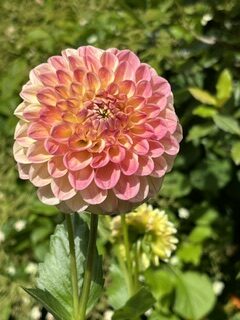
After a mostly brutal July, August has entered the building. A very uncharacteristically agreeable entrance at that. The weekend weather was nothing short of stellar. With a temperature high of just mid-70s, lows in the mid-60s, humidity that was barely perceptible and light breezes gently stirring up the air, it was exactly what was needed. I stayed out in the garden the entire time. Some work got done but honestly, I spent most of my time simply basking in the deliciousness of it all.

This week doesn’t look half bad either. Dare we expect this month to redefine our summer?

But before I put up the hammock and indulge in my tall stack of summer reads, there’s the monthly list of chores to consider. And consider I shall.

What To Do In August –

1. Harvest the vegetable patch regularly. If you’re overwhelmed with the bounty, offer them to food kitchens, friends and neighbors. Also, consider canning vegetables and fruit. They are mighty handy to have on those days in winter when you crave summer fare. Not to mention the crazy times when cooking is simply not possible.

2. Keep weeding. Even when it is hot, hot, hot, weeds continue to thrive. Early hours of the morning are most enjoyable – cooler and fewer biting bugs.

3. Water as required.

4. Mow as usual. Again, do the right thing and keep blades at 3 1/2 to 4 inches high. Let the clippings be as very soon they will disappear into the soil and enrich it.

5. Continue to deadhead and trim back. This keeps the garden tidy. Seeds that you wish to harvest can be left on the plants till they are ripe and ready.

6. Take cuttings of plants for rooting. Doing it now will provide enough time for growth before planting in the fall or bringing indoors in winter.

7. If you’re going away, arrange to have someone water the garden and keep an eye on things.

8. Prune wisteria and anything that is overgrown.

9. Watch for pests and/or disease. Use organic treatments.

10. Keep birdbaths filled with fresh water.

11. Spend as much time as possible in the garden – autumn approaches! Eat, read, snooze, throw parties, paint, write, meditate, pay bills, enjoy the garden.

If you haven’t as yet ordered your bulbs for fall planting, do it now!

Hummingbird gracing the Agapanthus

(c) 2025 Shobha Vanchiswar

[do_widget “Blog Subscriptions (Jetpack)”]
Thugs, Slugs And Bugs

It’s high summer and hence peak season for contending with all the trials and tribulations in the garden. Plants, pollinators and pests are going wild.

Lets begin with the thugs. The weeds are of course deliriously happy. I can’t seem to stay on top of this menace. Mostly because it has been way too hot to spend the vast amount of requisite time to vanquish them. Clearly they’re loving the respite from me as each time I return to this chore, they are bigger and even more plentiful than before. I’m seriously considering making them legitimate members of my garden.

Okay, I agree. It would be a horrifying sight.

But the real thugs are the deliberately chosen members who decide to show their gratitude by going rogue. I’m looking at you natives -woodland anemone, ornamental raspberry and common aster. Just because the pollinators smother you with attention does not in any way give you license to overrun your better behaved sisters. Behave! I’m really tired of having to keep reining them in.

When my friend Beth recently discovered leopard slugs in her garden, I urged her to kill them off. Not simply because they’re slugs and universally disliked but, because they are non-native. Don’t get me wrong – I willingly murder our own native American varieties when I find them chomping on prize ornamentals or decimating my $40 tomatoes (each). After all the hard work I’ve put in, how dare they!

But, let me take a moment to put in a good word for the indigenous slugs. Believe it or not, they actually have a valuable purpose. They help break down decaying plant material like leaf litter, old logs and such and return nutrients to the soil. Some types of slugs are also predatory and feed on other slugs, snails, worms and insect larvae thereby keeping their populations in check. Slugs aerate the soil which is important for plant growth. They are a good food source (protein!) for birds, frogs and other invertebrates. So, that’s my Public Service Announcement for the season.

(But, do get rid of the non-native varieties.)

Finally, I’m currently consumed by the full on invasion of the Spotted Lantern Flies (SLF). The mild winter and wet spring is the reason. Climate change is not a hoax or fake news. It’s really happening and really horrible. The SLF nymphs are crawling all over. They are hard to swat (or crush) and kill like one can the adults. They hop away so fast. Given that these pests are everywhere, it’s not prudent to spray the recommended organic products as that would affect all the beneficial creatures as well. On that same vein, I cannot limit the SLF food supplies by cutting back the perennial plants. What would the native bugs and birds eat then?So the decision has been made to focus on just the fruit trees, Concord grape vine which is a particular SLF favorite and, some important shrubs. These are all plants that would be much harder to replace.

Note: many non-native plants are sought after by SLF. Possibly because they’re from the same places as the offending bugs. So it’s a good incentive to get rid of plants one shouldn’t be encouraging anyway.

Neem spray has had no effect thus far. We will keep trying of course. Meanwhile, we’ve cut back some of the grapevine so the SLF nymphs and adults have less shade to hide under and we’ve also done some dedicated vacuuming along the main trunk and limbs of the grapevine. This has been quite effective in sucking in the nimble nymphs as well as the adults. So we’ll see. Might end up vacuuming more often in the garden than inside the house this summer. Adults seen anywhere else will be crushed with relish.

War has been declared.

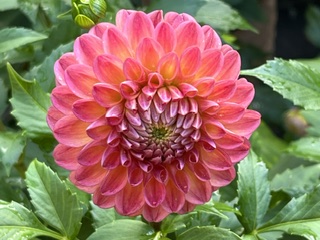
NOTE; I’m not going to dignify the pests and thuggish plants by showing their images. Instead, here are some glimpses of the garden doing it’s best in this endless heat wave of a summer –

(c) 2025 Shobha Vanchiswar

[do_widget “Blog Subscriptions (Jetpack)”]