Spring Will Come. I Promise.

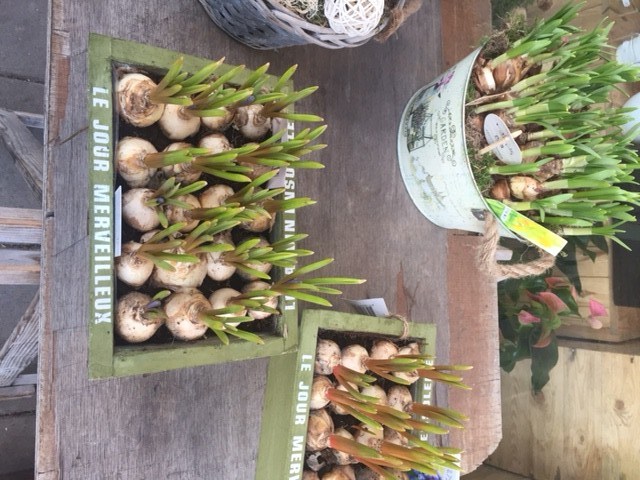
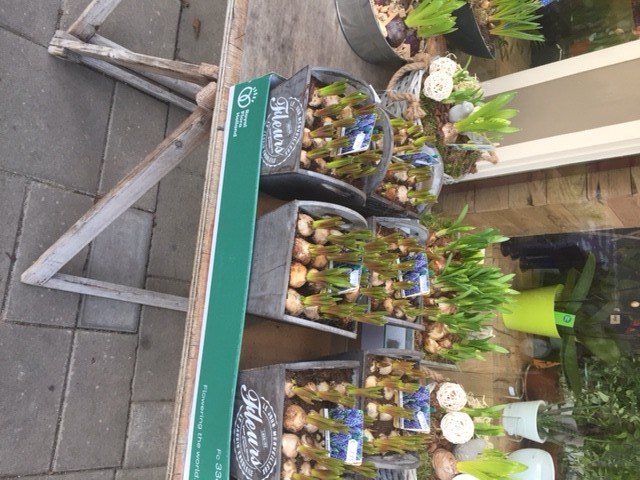
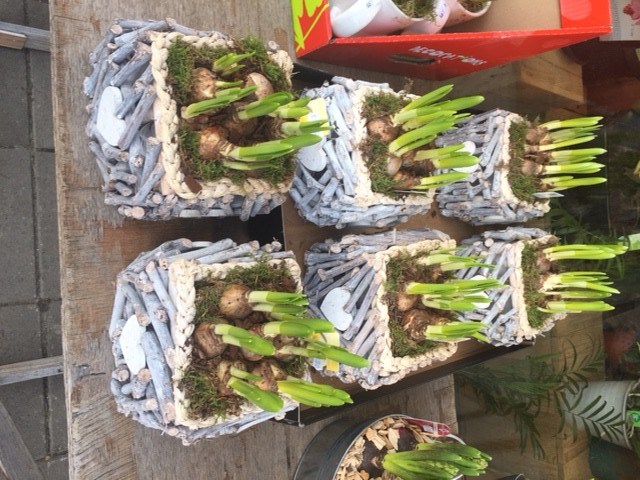
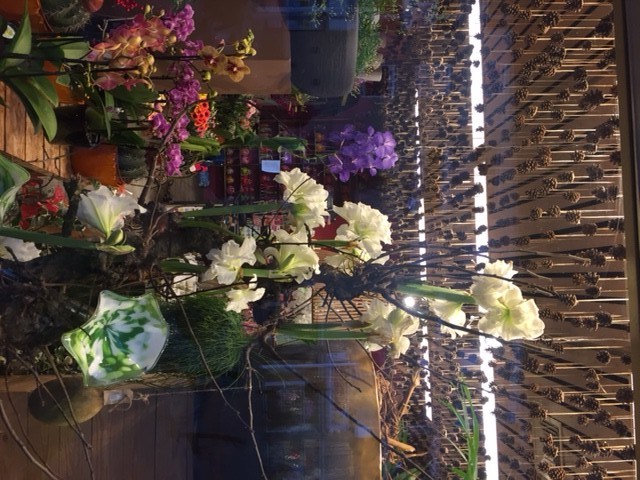
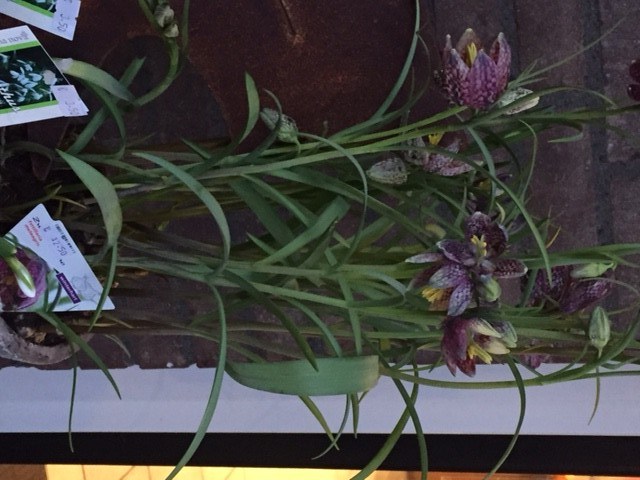
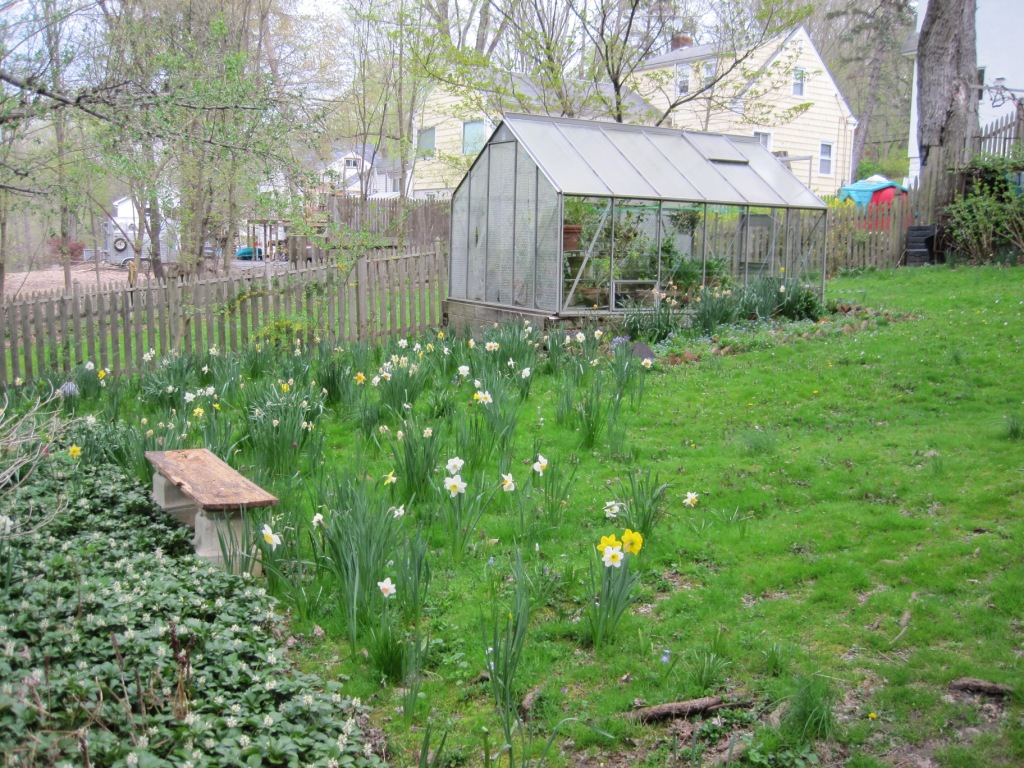
I just returned from an all too brief visit to the Netherlands. Despite the cold, the flower shops there are already in full spring mode. I cannot even begin to express my joy at the sight of spring bulbs displayed in the storefronts. For that period of time, all felt well in the world.

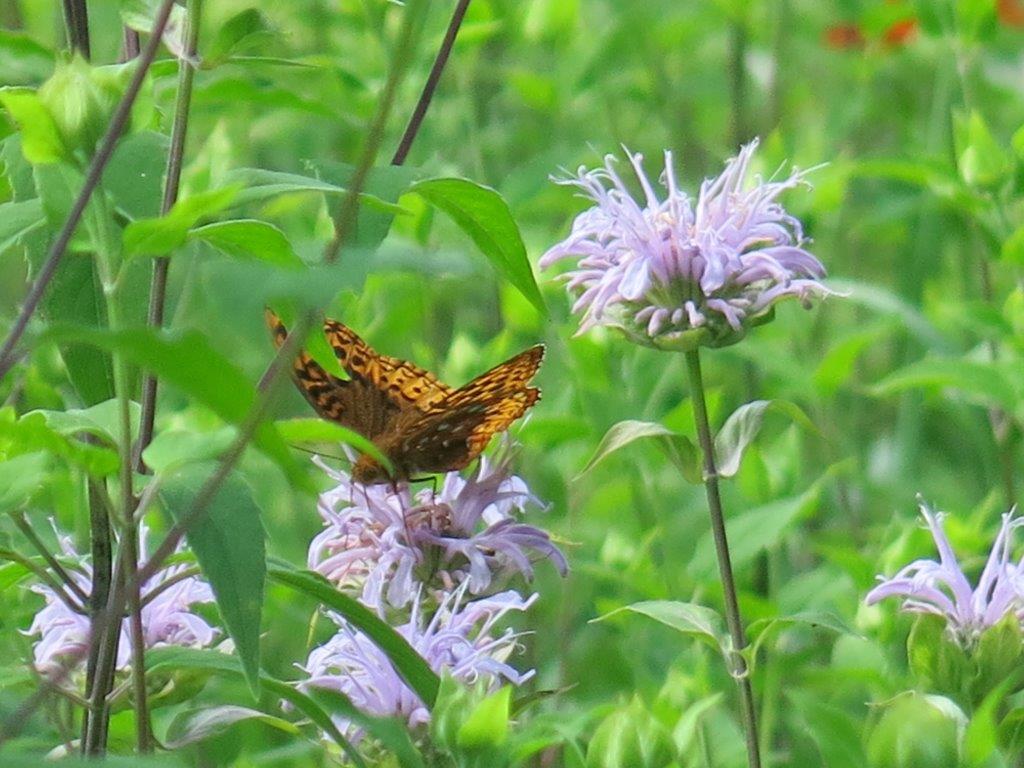
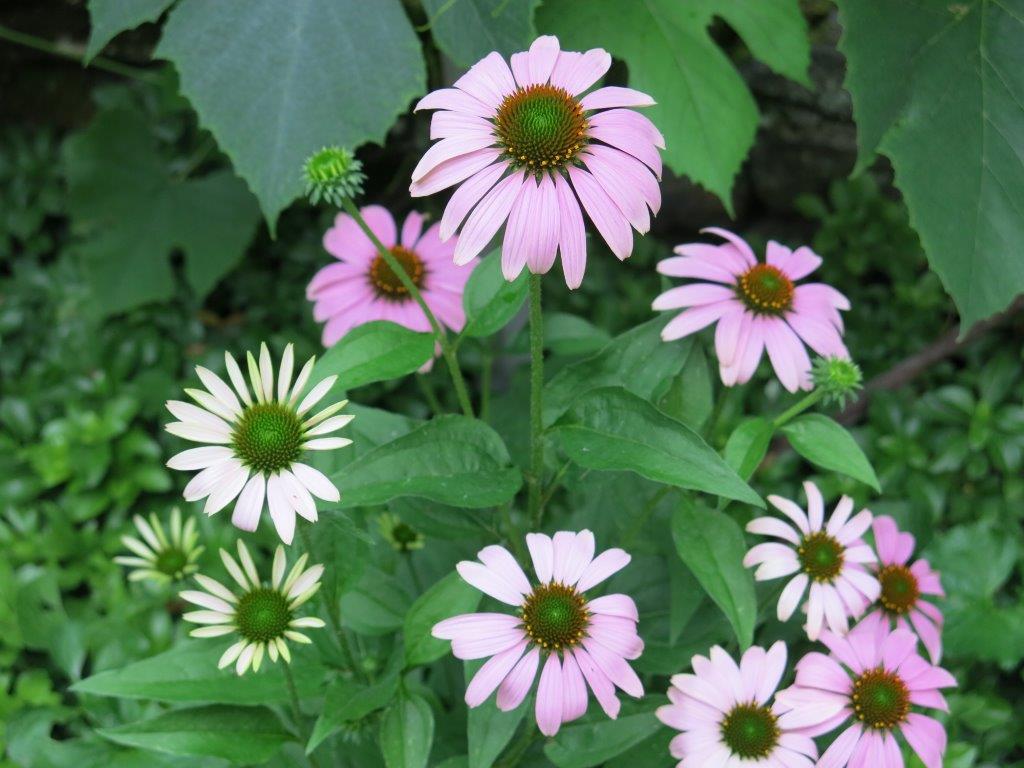
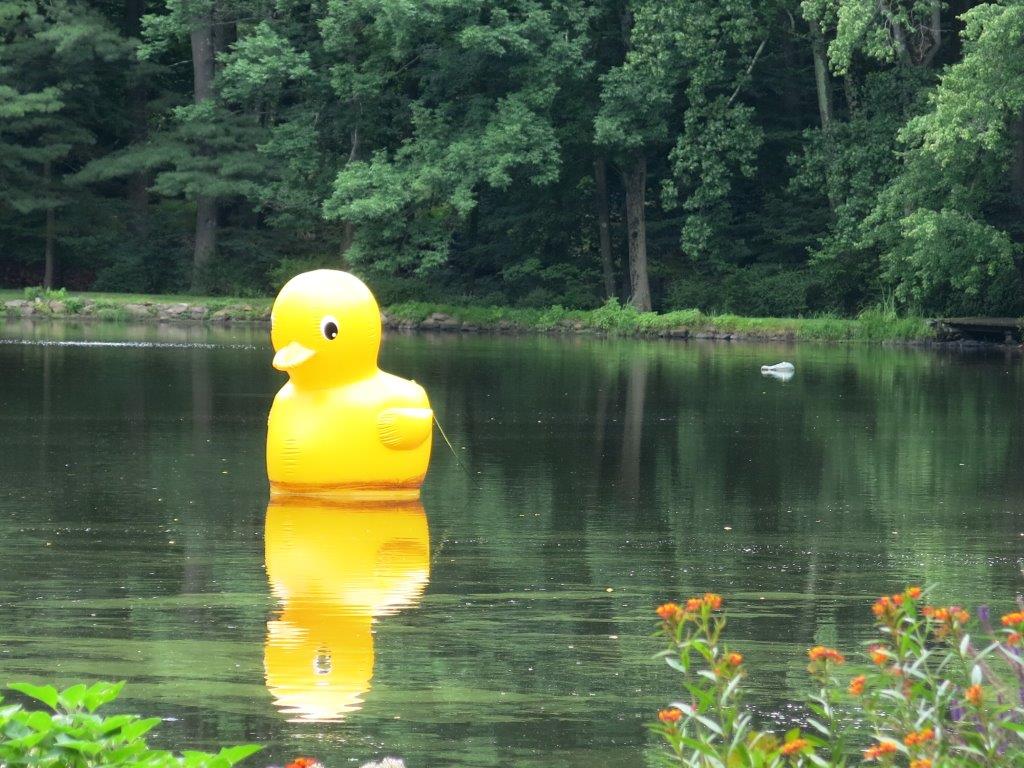
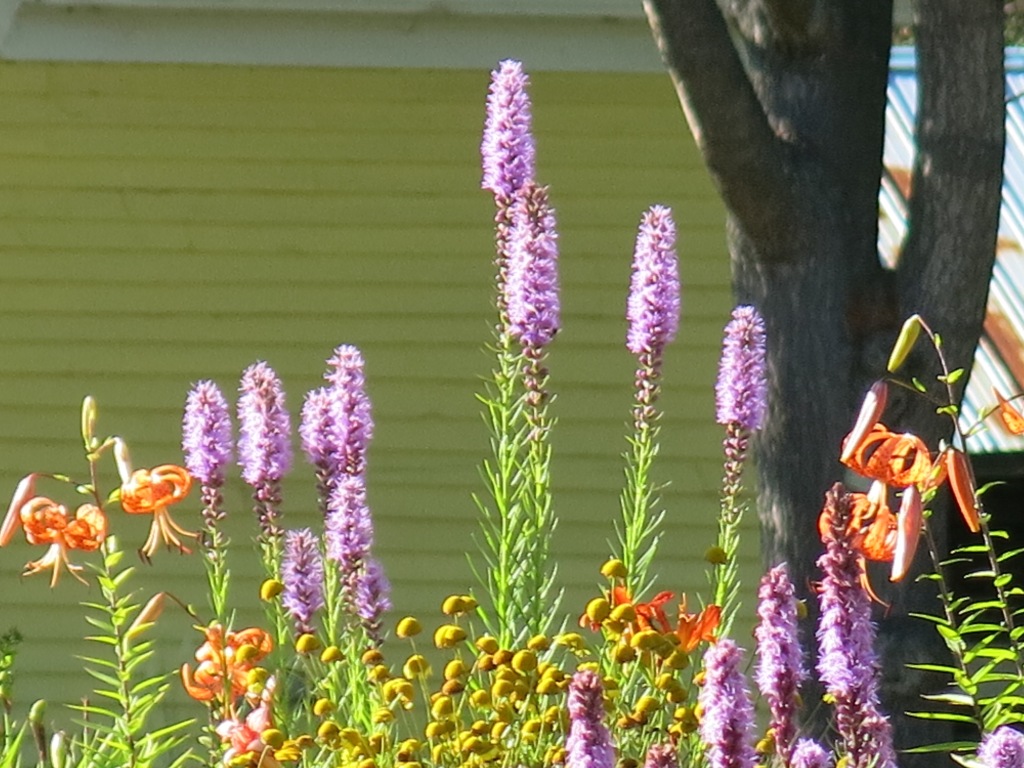
So, instead of belaboring on just how much plants can uplift our spirits and remind us that life goes on, I offer you some of the images that filled my heart with optimism. Let them fill yours.

Remember, no matter how dark our days are right now, spring is on its way. I promise. Stay hopeful, be helpful.

IMG_2850

IMG_2852

IMG_2853

IMG_2854

IMG_2857

IMG_2858

IMG_2860

IMG_2861

IMG_2876

(c) 2016 Shobha Vanchiswar

[do_widget “Blog Subscriptions (Jetpack)”]

Doing Right The Old-Fashioned Way

So, here we are in the third week of January. A strange January at many levels but I’ll stick to the weather. Every day of seasonal weather, has been counter-pointed with a not so seasonal day. What is one to make of this irregularity with regard to the garden? Beats me!

While we, as a world community come to grips with climate change and pressure our leaders to implement policies to deal with it, I am doing my level best to do my part in my own little piece of earth. I have no control of the weather itself but I do have the power to make informed, intelligent choices.

From the start, when we bought our house a good 24 years ago, I made a conscious decision to go organic. At that time, it was not so simple or even popular to be organic. It made me seem like a throwback to the ‘60s. A hippie-flower child wanna be. Nurseries did not carry many organic pest-control products, compost was barely understood. This being the years before the Internet or Google, I had to do my research the ‘old-fashioned’ way. That took a fair amount of time but I actually ended up learning more than a search permits today. When specific information can be conjured up instantly, there is no opportunity for detours into related and not so related topics.

I mail ordered my composter and when I excitedly announced its arrival, I was met with responses that ranged from puzzled to amused smiles and told I was so ‘quaint’, a ‘modern hippie’ or ‘trés new age-y’. Re-purposing an oak wine barrel to a water butt elicited similar reactions. Ditto for the manual, push-reel mower that I had such a hard time finding. When I began introducing native plants in the garden, I was told more than once that I was growing ‘very common’ plants. Some pronounced them ‘weeds’.

I sourced neem oil, seaweed and fish emulsion, lady bugs, Bacillus thuringiensis, nitrogen fixing microbes and made other products like comfrey ‘tea’ (best fertilizer!) at home. Those were the good old days!

Today, almost everything is available at my local nursery and what isn’t can be ordered super-easily on-line. Instead of the calender reminding me when to do what and physically making the effort to monitor temperatures and precipitation, I have apps and digital gadgets that have simplified everything. While these have freed me up for other matters and provide a certain peace of mind, they also push me away from my garden to a certain extent. I do not have to actually be in the garden quite as much. I realized this a couple of years ago and missed my 100% hands on approach. So now, although I enjoy the benefits of modern technology, I consciously putter around the garden no matter what. My physical, mental and spiritual well-being depends on it.

I still have the same composter and rain barrel. The mower was upgraded to a lighter, better manual model – there is now a choice! All the organic products are readily available. Towns offer free compost and mulch to their residents. Nurseries now proudly carry numerous native plants and some even have a whole section devoted to them. In fact, in current parlance, organic, native and ecologically sound practices are trending. Our forefathers would no doubt be highly amused by our ‘modern and progressive’ ways.

Meanwhile, I’m determined to plug away ethically, with integrity and, put up with whatever the weather blows my way. There is absolutely no excuse for anybody to do otherwise.

Note: Enjoy my watercolor renderings of a few of the natives that grow in my garden. Do they look common or weedy to you?!

Watercolor-037

Watercolor-024

Watercolor-017

Watercolor-033

Watercolor-002

Watercolor-032

Watercolor-036

(c) 2016 Shobha Vanchiswar

[do_widget “Blog Subscriptions (Jetpack)”]

All Present And Accounted For

At last it feels like winter. This past weekend brought bitter cold and a decent dose of snow. With the wild fluctuations in temperature and precipitation all through the past year, it has been hard to predict how the garden will fare. There have been many moments of anxiety for sure. The welfare of every single plant matters to a gardener. While we’re learning to adapt and adjust, a degree of stress underlies those efforts. So, when it snowed for the first time this year, I was elated. It felt normal.

Finally, there was enough snow to play. Toboggans, X-country skies and walking poles came out in full measure and local parks were alive with winter activities. Normal!

I personally, reveled in the normalcy in the garden. To see the snow cover spread across the ground felt good. The hibernating plants were now cozy and insulated. As well they ought. It was comforting and reassuring. Two factors that have been rather elusive lately.

I’m resolved to enjoy this gift. I’m aware that at present, 49 of the 50 states have snow on the ground which means this is not normal for several. The unpredictability of the weather or anything else is disconcerting. Hence, when we are given a slice of business as usual, we need to savor it.

As such, our own winter conditions here are headed for a dramatic change later in the week. So, I am determined to cherish what I have today.

The way the snow emphasizes all the undulations in the garden, the shadows that contrast so starkly with the pristine white, how the sunlight chisels the snow and makes it shimmer, the clear footprints telling of intrepid birds and squirrels are all a thrill. What gets defined and what gets masked changes the usual landscape to something new and interesting. I’m so fortunate to witness this ephemeral show.

Who knows what tomorrow will unfold. But for now, I’m content. This moment matters.

Enjoy these garden snow scenes:

Breathe slow and deep. Calm the mind and just be.

img_0850

img_0840

img_0837

img_0841

img_0843

img_0847

(c) 2016 Shobha Vanchiswar

[do_widget “Blog Subscriptions (Jetpack)”]

Gone With The Wind

Way back this past September, I wrote about the outdoor sculpture I had commissioned. It has been exciting following its evolution from conception to realization. A few weeks ago, it was installed and I’m so pleased with how it looks.

If you remember, I had planned for the sculpture to be positioned near the old apple tree heavily draped in Paul’s Himalayan musk rose. Since the tree was really gasping its last breaths, the plan was to have a support structure at the very top of the sculpture that would hold up the canopy of rose limbs. Said structure would be nicely concealed by the thorny mesh of the rose and not take anything away from the sculpture itself.
The rose canopy is a haven for birds and I really couldn’t bear the thought of losing it once the tree completely bought it. While both sculptor and husband were not sold on my desire to save the rose, they agreed to indulge me.

After the sculpture was set in place, the idea was to create the support in situ just after Thanksgiving. Well, if you recall, the weekend before Thanksgiving we experienced four full days of fierce winds. Really fierce. And cold. On the morning of windy day #3, I awoke to see tree and rose lying on the ground. The tree had lost its fight. Totally broke my heart.

We had to wait for the weather to calm down before checking the state of the rose. The main limb had been stressed and twisted so it is hard to say if it can be revived. For now, it has been moved to a location beyond the meadow near a maple which can be a good support should the plant survive. There is more light in the place where the apple tree used to be. And I’m sure there are plants in the meadow that will welcome the expanded breathing space. Still, I worry that I’ve let the birds down. I plan on making amends by planting several shrubs. Given that the neighbor’s rather unattractive chain-link fence is now more visible, the shrubs will do double duty. Conceal and shelter.
I’m hoping to afford mature, native plants so they can get to work ASAP.

Admittedly, without the presence/shade of the tree/rose, the sculpture displays better. Deservedly so. I’m thoroughly enjoying the way the metal surfaces reflect the environment in a wavy, trance-like manner, how the sunlight strikes it at the different hours, the negative space created between and around the shapes and the moods of the weather echoed.
I have a strong suspicion this was divine intervention. My elaborate, well intended bid to save the rose with a complicated support was not deemed worthwhile. It was time to let go. Thankfully, neither husband nor sculptor have said I told you so.

P.S. I’m going to name the sculpture and I’ve whittled my choices down to ‘Wind Song’ or ‘Tango’.
Which one has your vote? I’d love to know!

Note: Don’t forget to check out the much anticipated Annual Holiday Art and Book Sale at the New York Art Students League.

Enjoy the images of my new sculpture! (Sculptor Domenico Belli)

The sculpture when installed.

The sculpture when installed.

img_0525

Wind blown

Wind blown

img_2429

By itself

By itself

img_0615

(c) 2016 Shobha Vanchiswar

[do_widget “Blog Subscriptions (Jetpack)”]

The Imposter In Our Midst

Can you imagine an American garden without the likes of lilacs, peonies, forsythia, mop-head/pompom/snowball hydrangea, common roses, boxwood, azaleas, rhododendrons, common foxgloves, camellias, hollyhocks, chrysanthemums, crape myrtles or even a patch of green lawn?
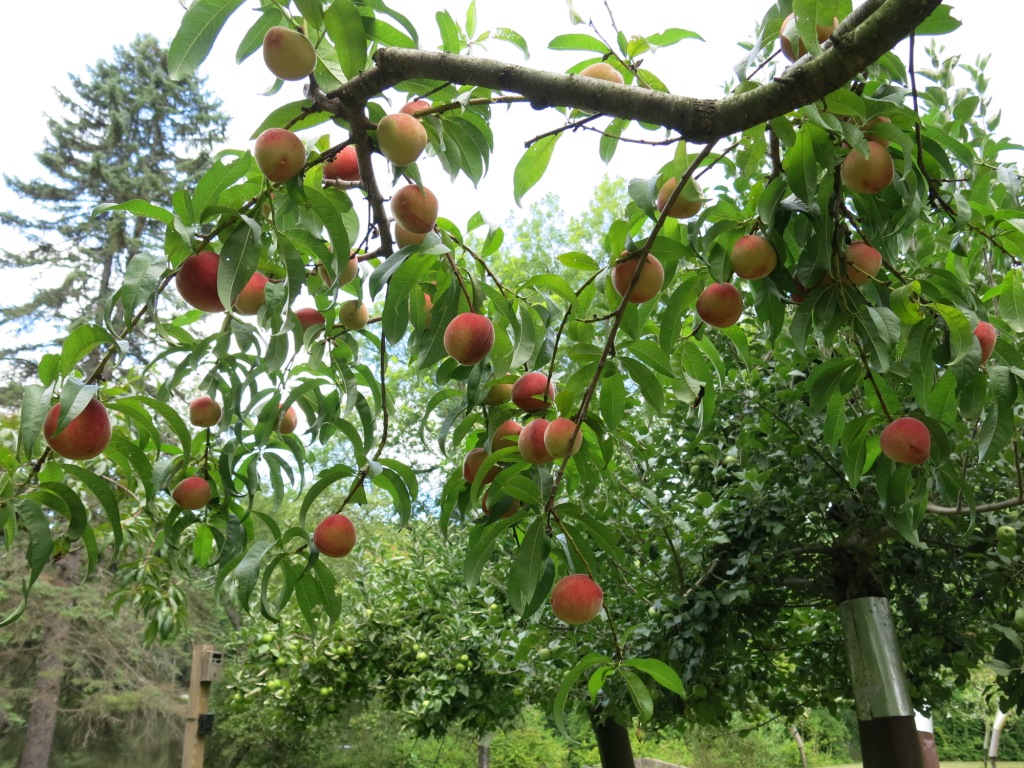
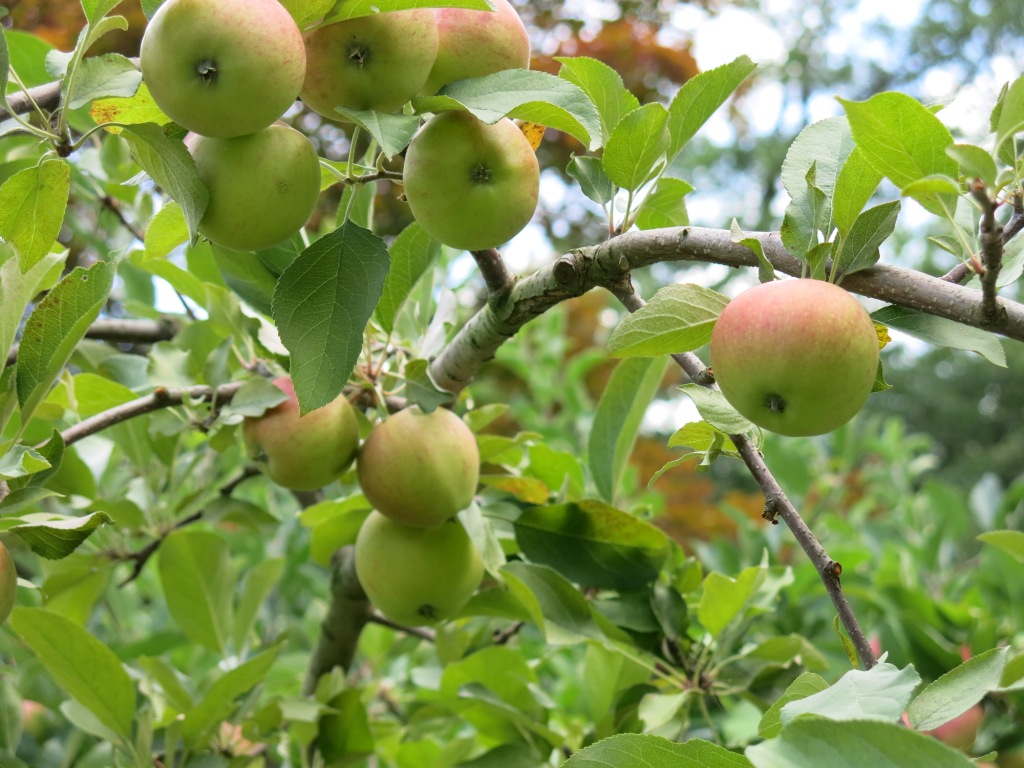
How about going without some fruits such as apples, peaches or citrus fruits?

Hard to think of life without any of the above right? All are very much part of our landscape and in our collective consciousness. Several states have taken the rose as their representative flower. Crape myrtles and camellias define southern pride. Georgia, the peach state is chock full of streets and sites with names starting with Peachtree. The Orange state anybody? Or the Rose Bowl? No roses perfuming June! No forsythia serenading spring. Mothers’ Day sans lilacs wouldn’t be the same.
Breakfast without OJ or a half of pink grapefruit, no mom’s apple pie or a southern meal without peach cobbler is positively horrifying! What would the Big Apple become without the apple?!

See, none of those plants are true American natives. But they are as good as. Getting rid of them and other similar stalwarts is unthinkable. We need them to feel whole and healthy. These ‘aliens’ have integrated themselves into the American landscape. In doing so, we are all enriched.

Recently, the honey-bee was placed on the United States list of endangered species. That this highly industrious and valuable creature is on this list is a tragedy in itself. It is a call to arms – we must do whatever we can to save the honey-bee. Our own health, both physical and economical, depends on it. But, here is the kicker – the honey-bee is not an American native. Wrap your mind around that.

In an example of reaching across borders, resistant root stock of grapevine from California helped to revitalize the French wine industry following the Great French Wine Blight in the 19th century. However what is usually omitted from mention is that the blight was caused by an American aphid in the first place. Puts matters in perspective right?

What it all means is that while we are taking steps to ensure the vitality of our land and safeguard all its inhabitants, we cannot have a black or white mentality. We should be mindful of the range of voices we listen to. Just as we cannot include harmful or invasive newcomers that threaten our biological balance, we cannot afford to view our own as one homogeneous, harmless population. We are but a part of the bigger world and cannot afford to be ignorant, broadly exclusionist or isolated. Lets not forget that within the great, all-American mix also exists that scourge Periplaneta americana. The American cockroach.
Not everything non-native is bad and not everything native is good.

Here are some of the non-natives I’m thrilled to have in my garden:

img_0941

img_1020

Double azalea

Double azalea

Roses

Roses

img_0643img_0687

kinhaven1-060kinhaven1-067

img_5441

img_5136dsc04982

img_3791

img_0878

(c) 2016 Shobha Vanchiswar

[do_widget “Blog Subscriptions (Jetpack)”]


Remembering August

Being fully present in the moment is something I consciously try to do at all times. And being present in the garden, in nature, results in such a sense of well being and connectedness to the world around us that I cannot imagine a day without time spent simply immersing oneself in it. Personally, being in nature, observing what is going on, appreciating the nuances and transitions, centers me in a way not unlike the way prayer or meditation works. It gives me the focus and energy to get on with my day and projects. At the risk of sounding clichéd, it makes me a better person.

Yet, the month of August, bathed in sunshine and wreathed in sunflowers can be a challenge to sit still and take it all in. Summer vacations, preparing for the start of school, grabbing time to make the most of the season often leaves one in a whirl of albeit fun activities but with no opportunities to stop and quite literally smell the roses. We pine for this month all winter long and then, when it is here, we are too caught up in the trappings of what we think we ought to do instead of simply letting ourselves quietly soak in the many delights only August can provide.

Now that the month is coming to an end, I’m determined to hold on to the memories of it. They’ll warm my heart on those days of winter when it feels like summer will never will come. I want to remember the mornings spent watching a young pigeon practicing to fly. From way on top of a white pine, it took brief sorties testing its wings and no doubt, testing its courage. With each attempt it went a wee bit further before returning to its perch to catch its breath and perhaps determine how to do better. Practice, practice, practice.

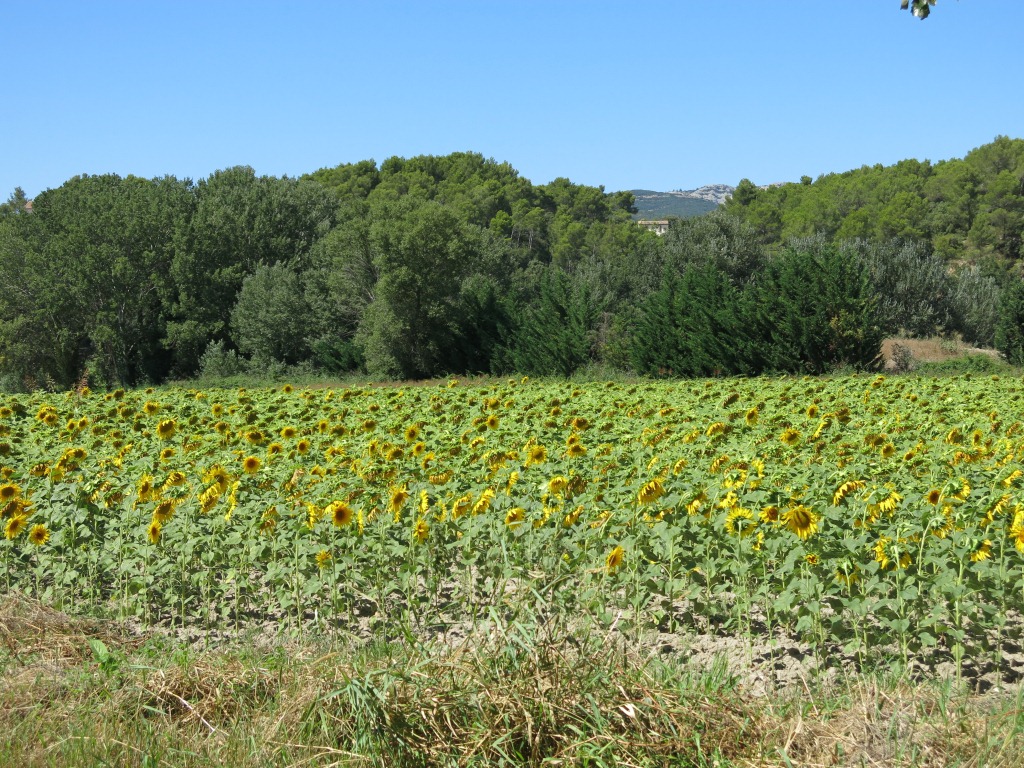
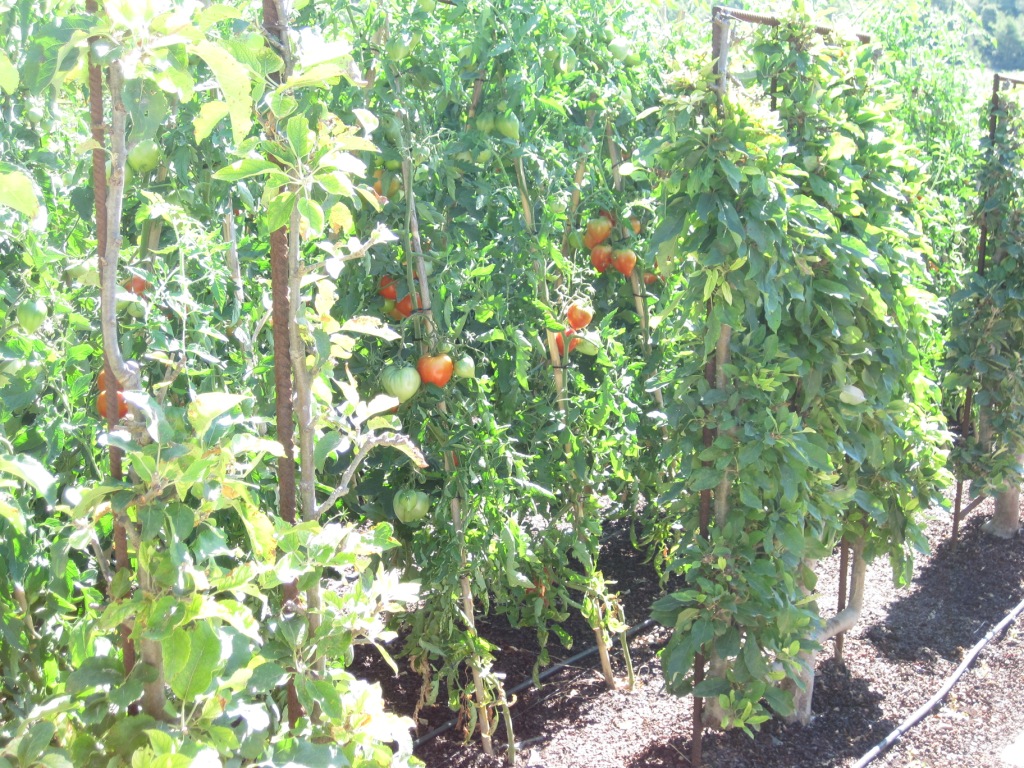
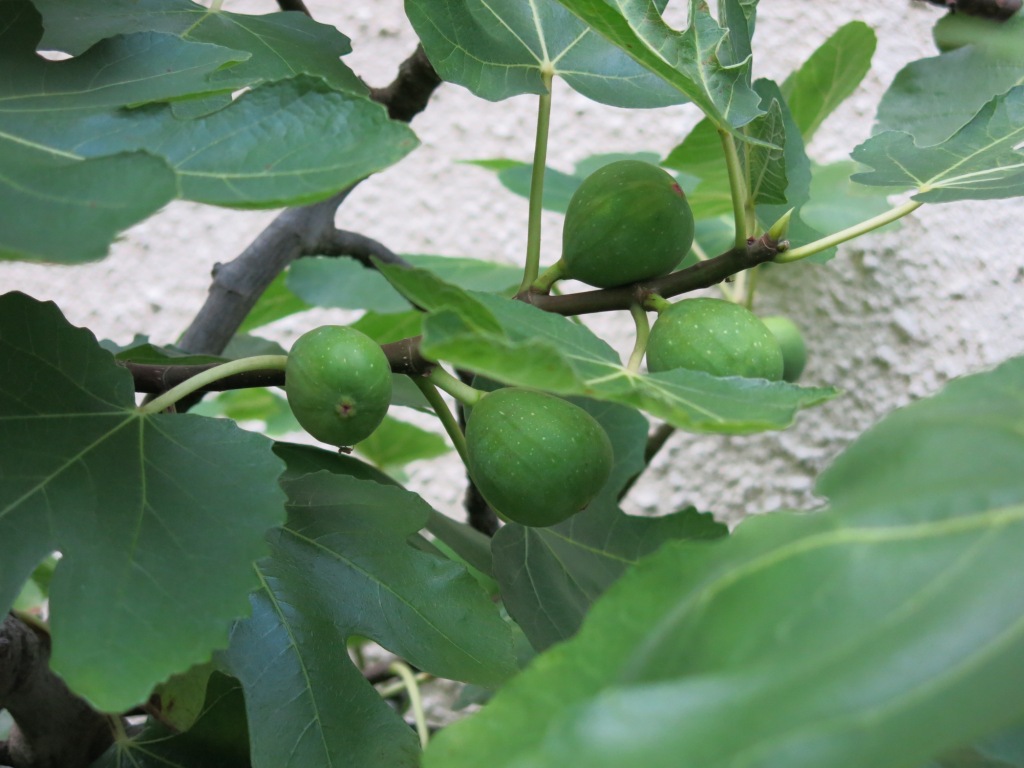
I want to remember the colors of August. Vivid yellow sunflower faces tracking the sun, plump tomatoes ranging from vermilion to Alizarin red, juicy peaches echoing the hues of the sun that ripened them, melons with flesh so sweet and so coral pink, figs in plummy purple bursting with goodness, skies awash in blues matched only by seas skirting inviting beaches, sap green basil leaves perfuming the very hands that pick them.

I want to remember the sounds of this special month. From the early morning atonal chorus of the birds to the ascending pitch of the cicadas in the sultry hours of the afternoon to, the clicks and the hums of the crickets and bees and finally to the soft whispers of moths and bats as they swoop and circle as dusk darkens the day.

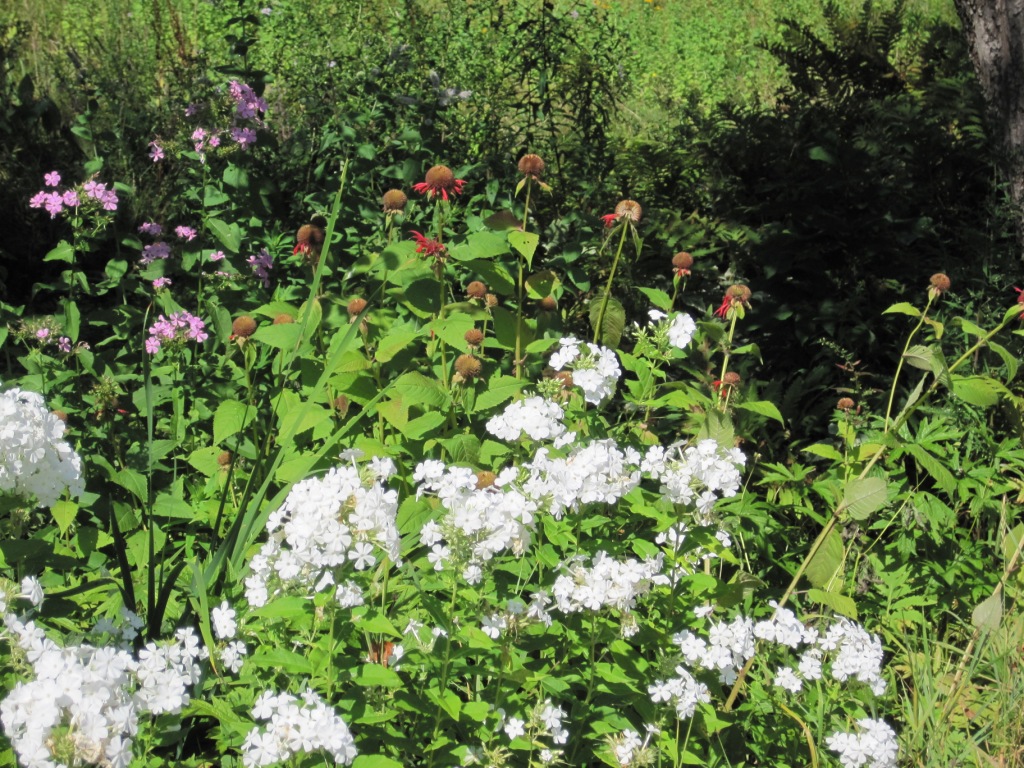
I want to remember the warmth of the month when the skin can feel so hot that a plunge into a pool comes as a shock, the illuminated winks of fireflies keeping me company as I sit with that glass of rosé that goes perfectly with every summer meal, the clove-like fragrance of phlox glowing in moonlight, the soles of bare feet cooled by morning dew as they make their way to pick flowers for the table.

So many joyous memories! Please let me not miss a single one.

Enjoy some images of my August below!

Note: You can read about my latest visit with the children at Mukta Jeevan here.

Sunflower field in Provence

Sunflower field in Provence

Tomatoes ripening

Tomatoes ripening

Summer phlox

Summer phlox

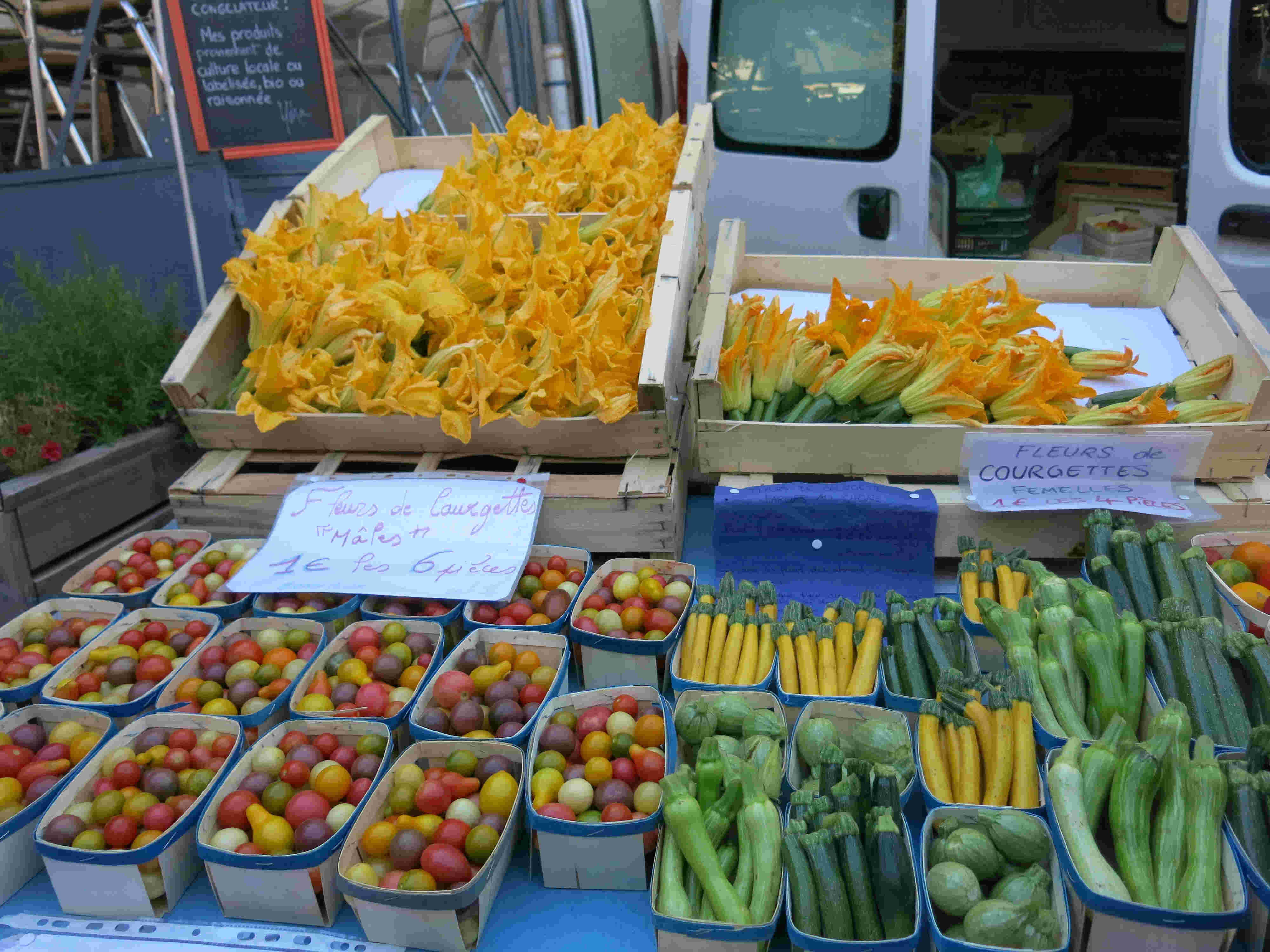
August bounty at the farmer's market

August bounty at the farmer’s market

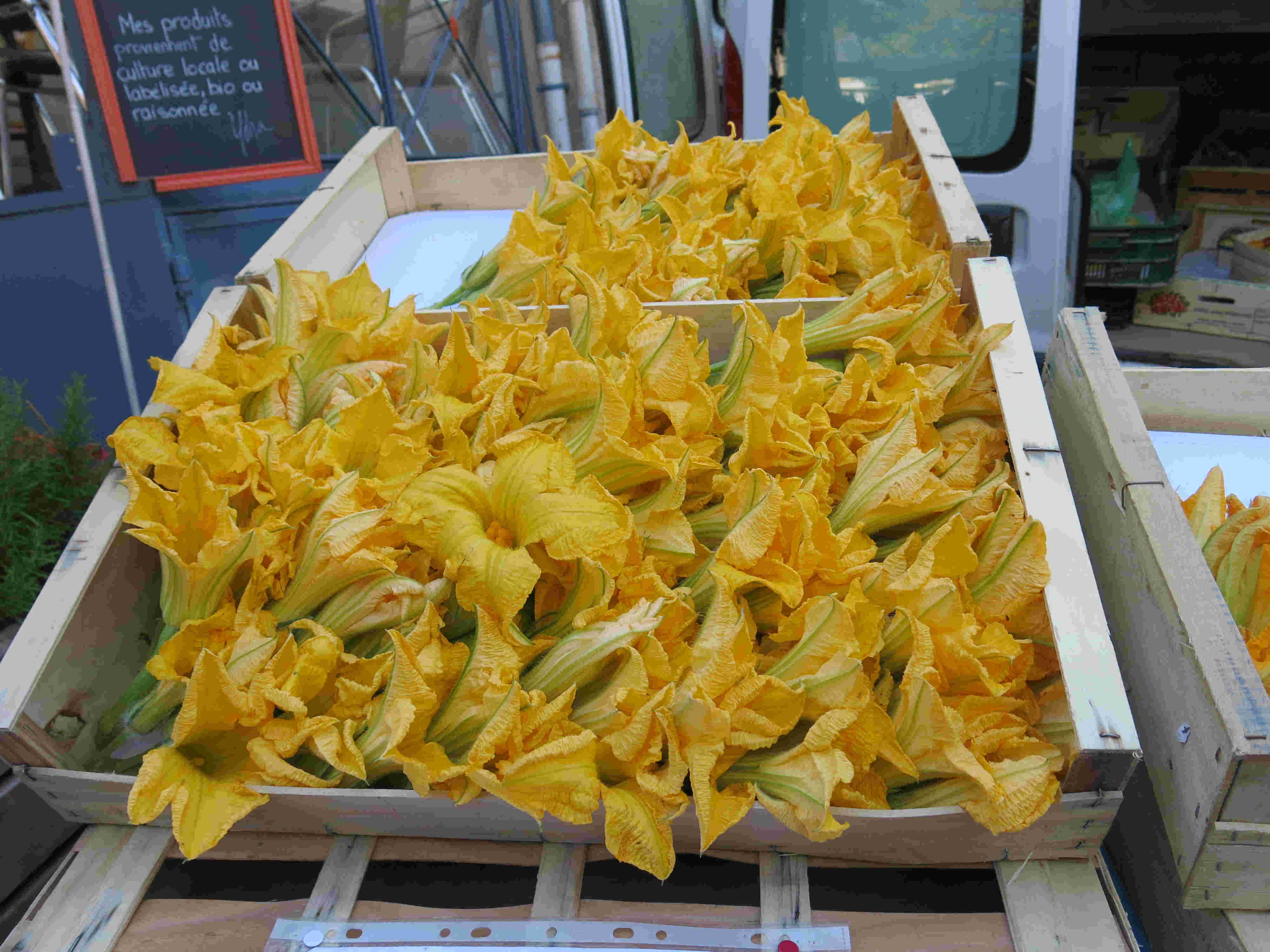
Zucchini blossoms galore.

Zucchini blossoms galore.

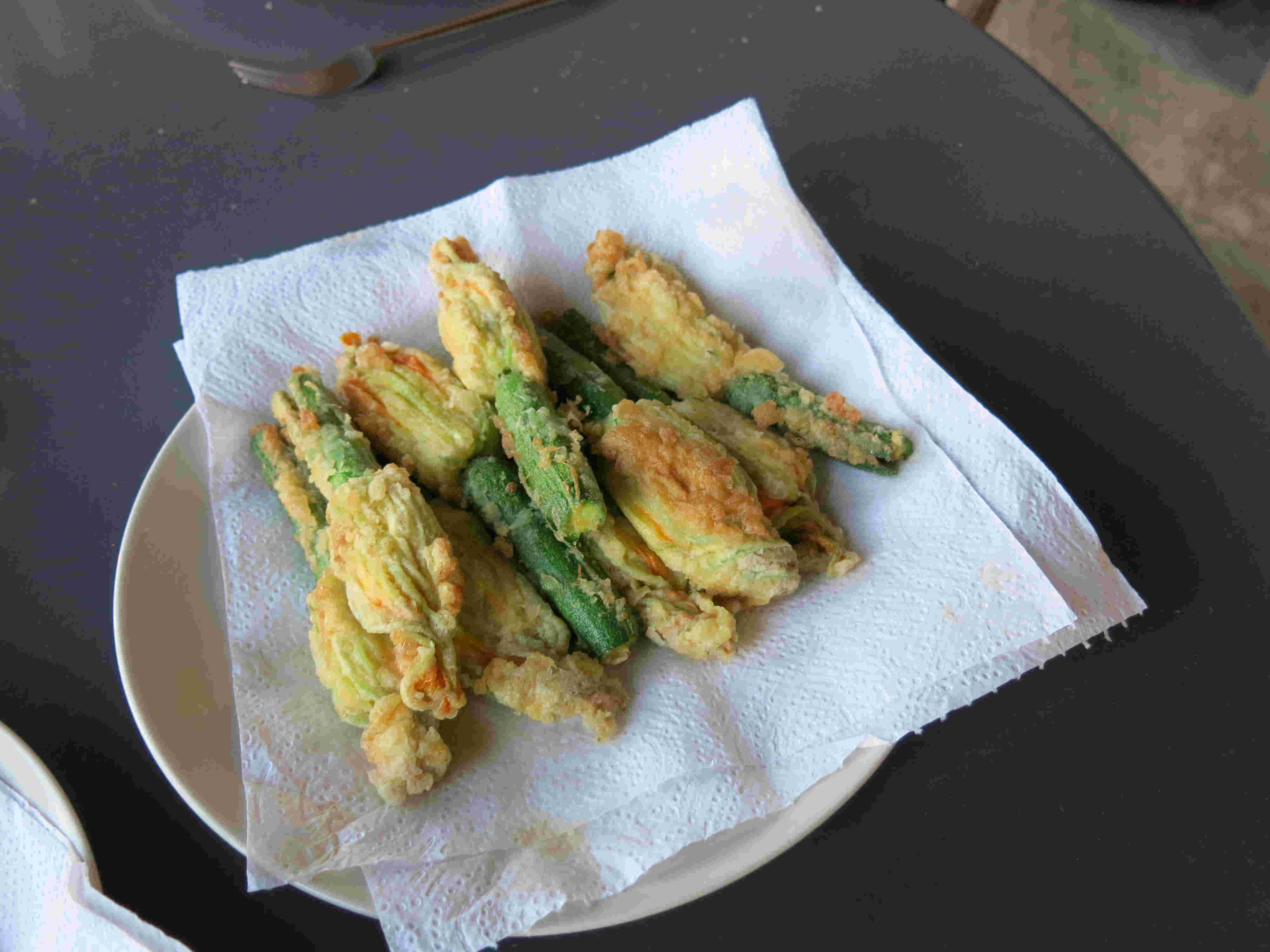
Zucchini blossom fritters stuffed with fresh goat cheese. Delicious!

Zucchini blossom fritters stuffed with fresh goat cheese. Delicious!

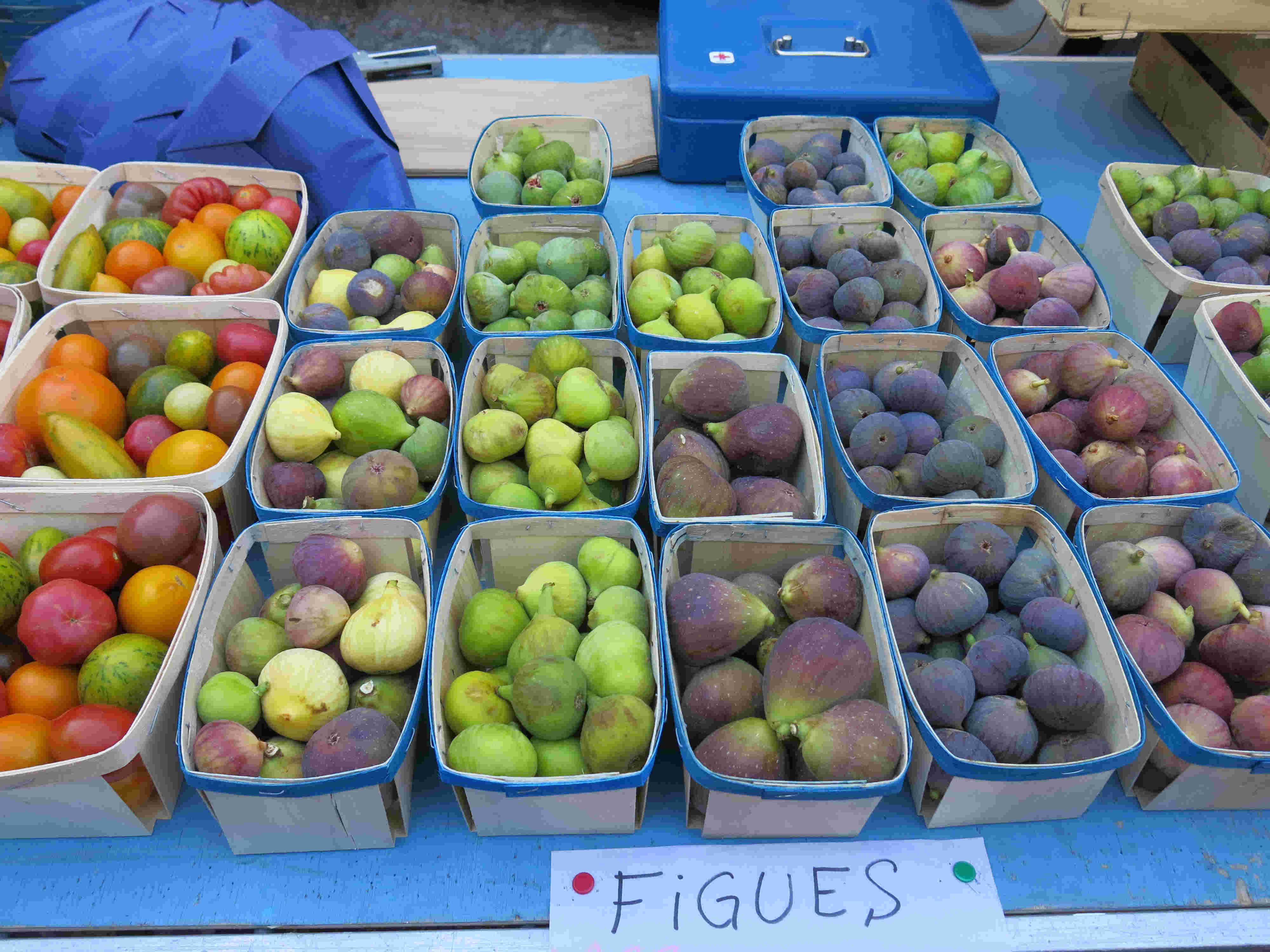
Figs, glorious figs!

Figs, glorious figs!

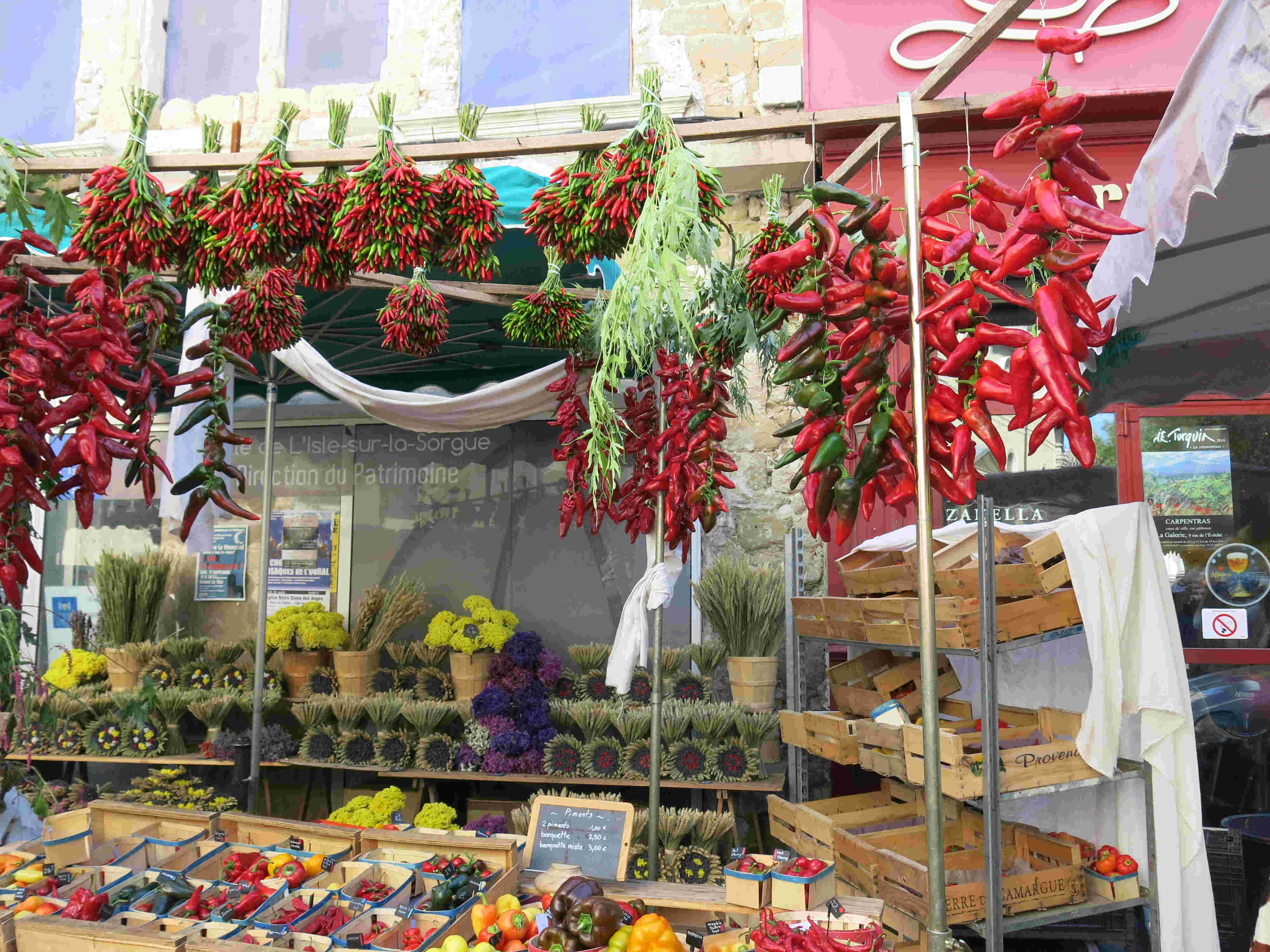
Red hot peppers

Red hot peppers

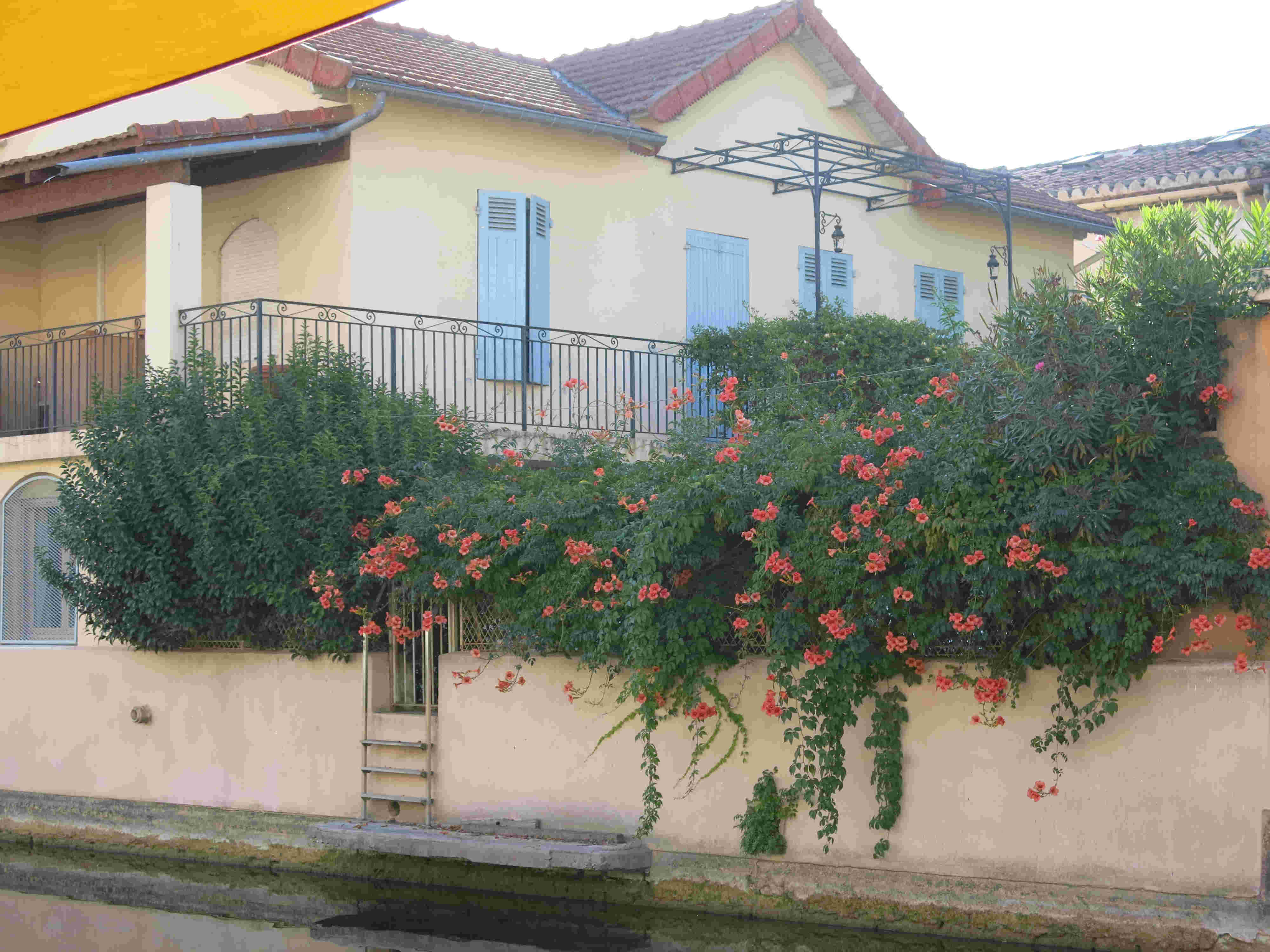
Trumpet vine

Trumpet vine

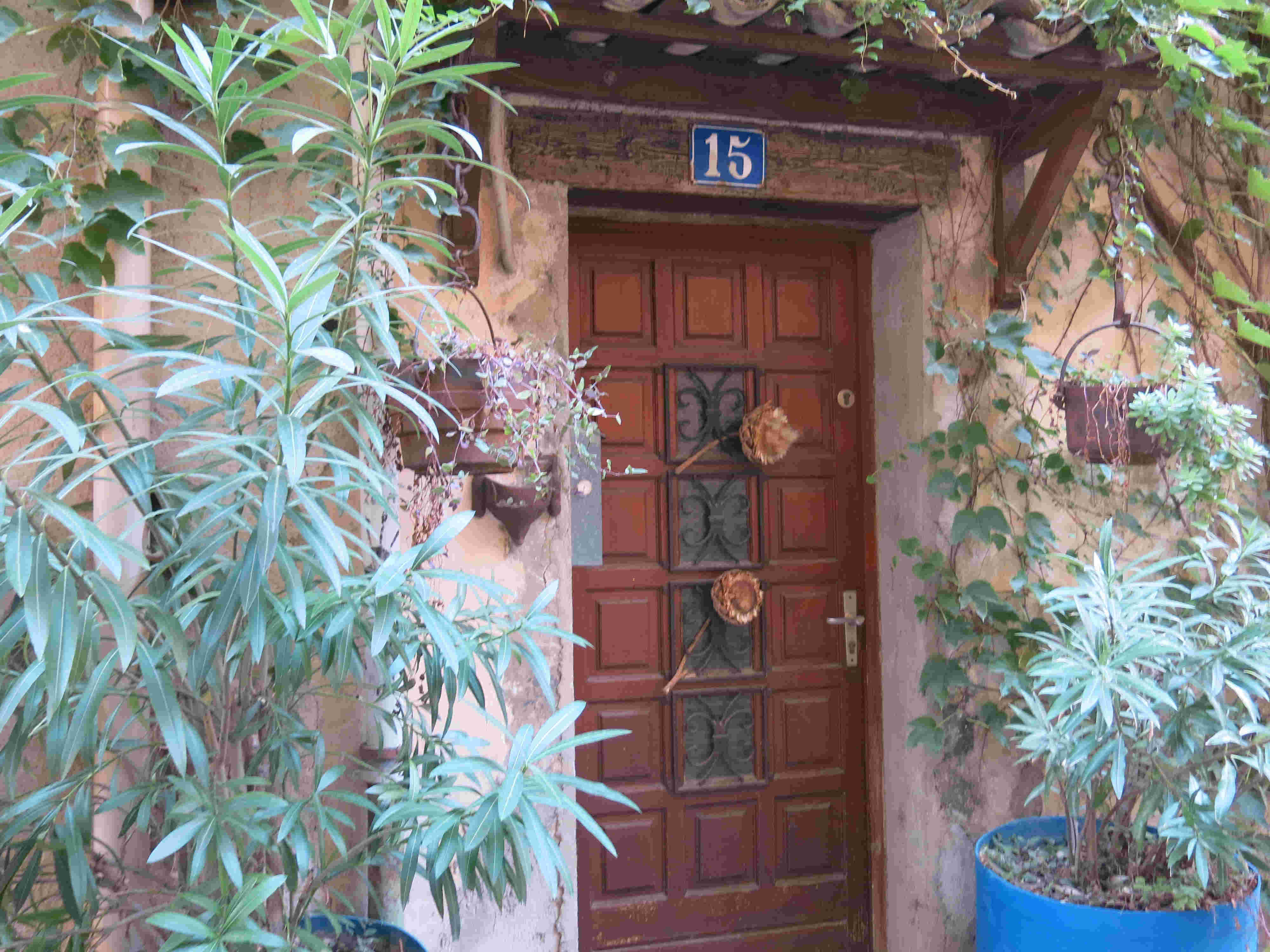
Spent sunflowers still charming enough to adorn this doorway

Spent sunflowers still charming enough to adorn this doorway

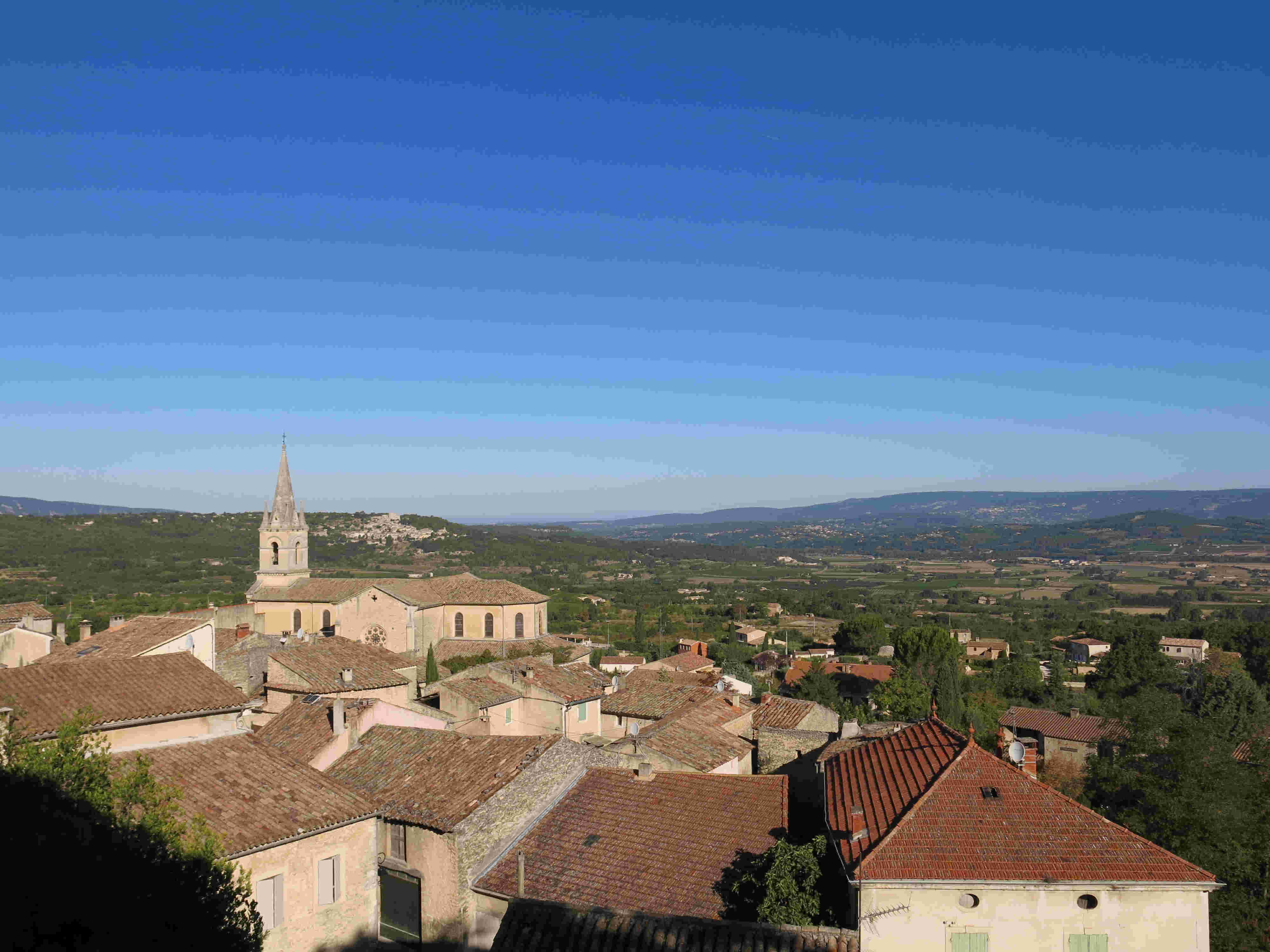
Blue, blue skies.

Blue, blue skies.

(c) 2016 Shobha Vanchiswar

[do_widget “Blog Subscriptions (Jetpack)”]


Bringing Summer To Her Senses

It is already week 3 of August. Summer is a hasting. Have you been making the most of it? Before another day goes by, lets promise ourselves to take in all the pleasures the season offers. High heat and humidity notwithstanding, there is much to savor and it’d be such a shame to miss out. After all, these are the memories one clings to during the seemingly endless cold days of winter.

For now, let’s think less about the chores both in the garden and out. Instead, give yourself the gift of being fully present in the garden. Soak in the the sights, sounds and smells. Absorb every exquisite detail, every last drop. Breathe deeply and inhale the season. Let all the warmth and colors course through your veins and nourish your soul. You will emerge a better version of yourself – I promise.

Enough said. Enjoy the images below. Be inspired.

Follow me on Instagram @seedsofdesignllc

IMG_9818

IMG_9725

IMG_9740

IMG_6995

IMG_7021

IMG_7025

IMG_7062

IMG_7109

IMG_7090

IMG_7149

IMG_3165

IMG_3508

IMG_3548

IMG_3961

(c) 2016 Shobha Vanchiswar

[do_widget “Blog Subscriptions (Jetpack)”]


Gardening In The Green

A gardener by occupation is simpatico with the environment. We are therefore acutely aware of what we do in the garden having a direct impact on the environment. Likewise how any change or fluctuation in the surroundings and/or climate immediately affects the garden. There is much in the hands of the gardener to do his/her part in preserving and conserving their alloted corner of Eden.

One is often told what not to do. So working from a positive attitude, lets look at a few things one should do.

Do please compost – This is perhaps the single best thing to do. Yet, I constantly encounter gardeners swearing up and down the garden path their devotion to organic, environmentally conscious practices but not composting at all. Beats me why this is so. Composting is easy.

After all, at its very simplest, it is nothing but tossing garden and kitchen waste in a pile, stirring it now and then and making sure a splash of water is periodically directed its way. Set it up some place discreet and you’re cooking. Well, the compost is cooking. Granted an open pile can look unsightly but setting up a contained area or a commercially available compost bin will eliminate that problem. I compost garden waste in the woods at the back of my property and use a small compost bin for the kitchen scraps of veggies, fruits, egg shells, tea leaves and coffee grounds. This bin occupies a corner out of direct view but is still easily accessible.

Apart from reducing the amount of weekly garbage and eliminating the need to bundle twigs or bag the leaves for pick-up, all of which makes for less work, obtaining one’s own compost to nourish the garden plants and suppress the weeds is hugely gratifying. And very kind to the wallet to boot. Applying compost to lawns, trees, shrubs, flower and vegetable beds puts paid to any need for fertilizers and herbicides.

A healthy compost bin does not smell foul. Like I mentioned, aerating and giving it some water permits the natural decomposition of the plant waste. The worms and microbes do their job quite thoroughly. There is no malodorous effect.

I have been composting for more than twenty years and have not had critters like raccoons, skunks and such raid the compost bin. I do believe they will if the composter is not kept healthy.

Compost is vital for recycling trace elements and replenishing the organic matter in the soil. So much good from so little work.

Do give up using fertilizers – this is a natural follow up to composting. All fertilizers, synthetic or organic, release some of the nitrogen into the atmosphere as nitrous oxide, which has 300 times more warming potential than carbon dioxide. In addition, it takes a lot of energy to manufacture synthetic fertilizers so the carbon footprint of a garden is increased.

The run off from lands using fertilizers is full of nitrogen which has become a serious environmental issue. Nitrogen pollution threatens the health of humans and all other animals.

So, why bother with fertilizers when you can use wholesome compost? After all, like a physician who attends to all manner of human health, a gardener too takes care of the health of the earth, environment and all living creatures. So the first motto of a doctor should be the same for the gardener – Do No Harm.

Do reduce water consumption – private spaces consume more water than public parks. That is a fact. To reduce water consumption, mulch everywhere! The aforementioned compost laid over a layer of old newspaper in garden beds acts as both mulch to retain moisture, smother weeds and enrich the soil to feed the plants better. Pine needles, chips of tree bark, cocoa hulls are all useful mulches.

Installing rain barrels to catch storm water run-off will cut down on that water bill. I can’t even begin to describe how virtuous you will feel.

Drip irrigation systems should be on timers so watering is done during the cooler hours of the day. These days, systems that register rainfall and will not get turned on if it is sufficiently wet are available. What a relief to save on wasteful watering.

Do stop tilling – that’s right, do not turn over the soil. Less work again! By leaving the ground undisturbed, the earthworms get to do their God-given work of decomposing the organic matter of plants as they die and return to the soil. As a result, much of the carbon is sequestered in the soil and not released as carbon dioxide into the atmosphere. By allowing the garden to become a carbon sink, i.e. removing carbon dioxide from the atmosphere and storing it in the ground, the gardener is doing the world good. Think local, act global.

Do change the garden tools – as much as possible get rid of gas-powered tools. According to the EPA, 800 million gallons of gasoline are used per year by the 54 million Americans mowing their lawns each weekend. Is that not shocking?
Here is another fact that ought to make you desperate to do something – one gas powered mower emits the same amount of pollutants as eight new cars driving 55mph for the same amount of time.

Instead, use battery-powered or better yet, human powered tools such as push/reel mowers, clippers, rakes and the like. Go one step further and cut down on the lawn by planting native ground covers, trees, shrubs, meadows.

There, you see, none of this is difficult. The problem of climate change demands that each of us become part of the solution. Gardeners can make a significant difference. Collectively, we have the power to make manufacturers, growers, nurseries and politicians listen. Garden by garden we can lead the way. And cover a whole lot of turf! 

Follow me on Instagram @seedsofdesignllc

The rain barrel

The rain barrel

Another view of the barrel.

Another view of the barrel.

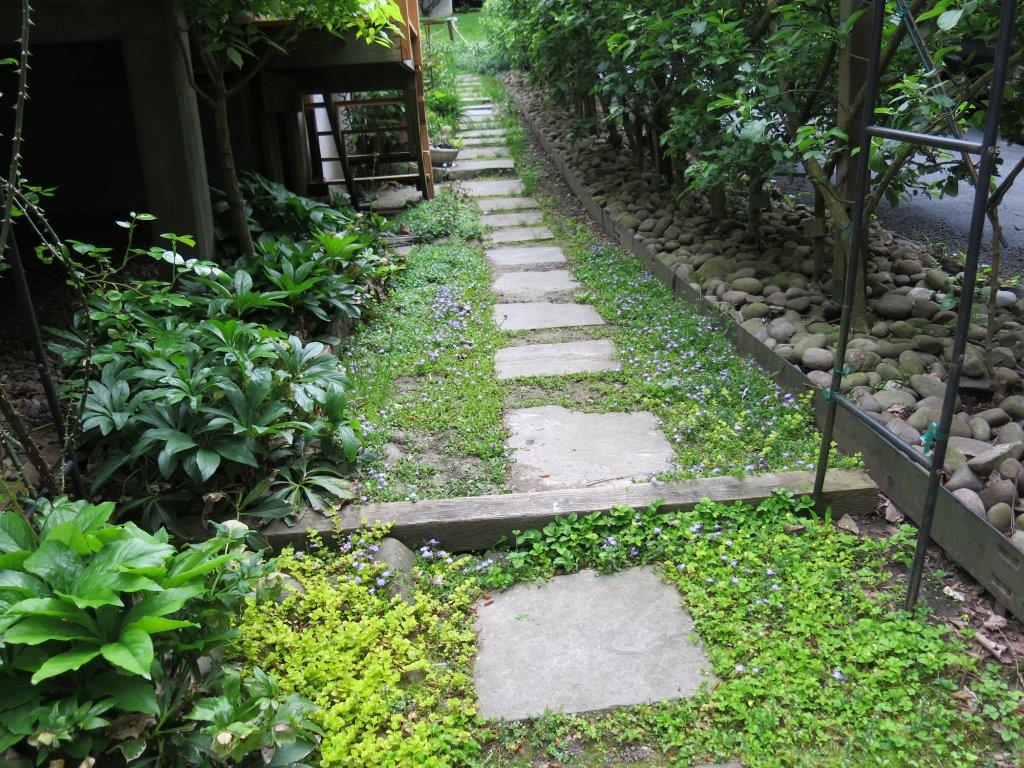
Groundcover

Groundcover

The only 'lawn' that gets mowed weekly by a human powered push mower.

The only ‘lawn’ that gets mowed weekly by a human powered push mower.

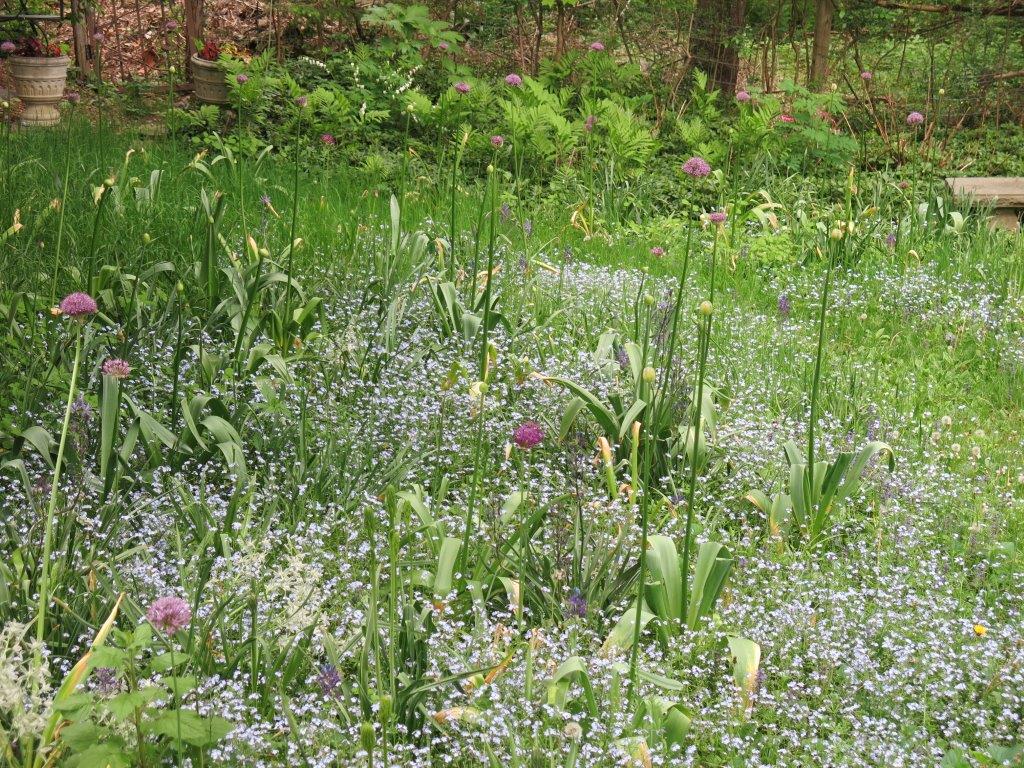
My meadow with natives and bulbs

My meadow with natives and bulbs

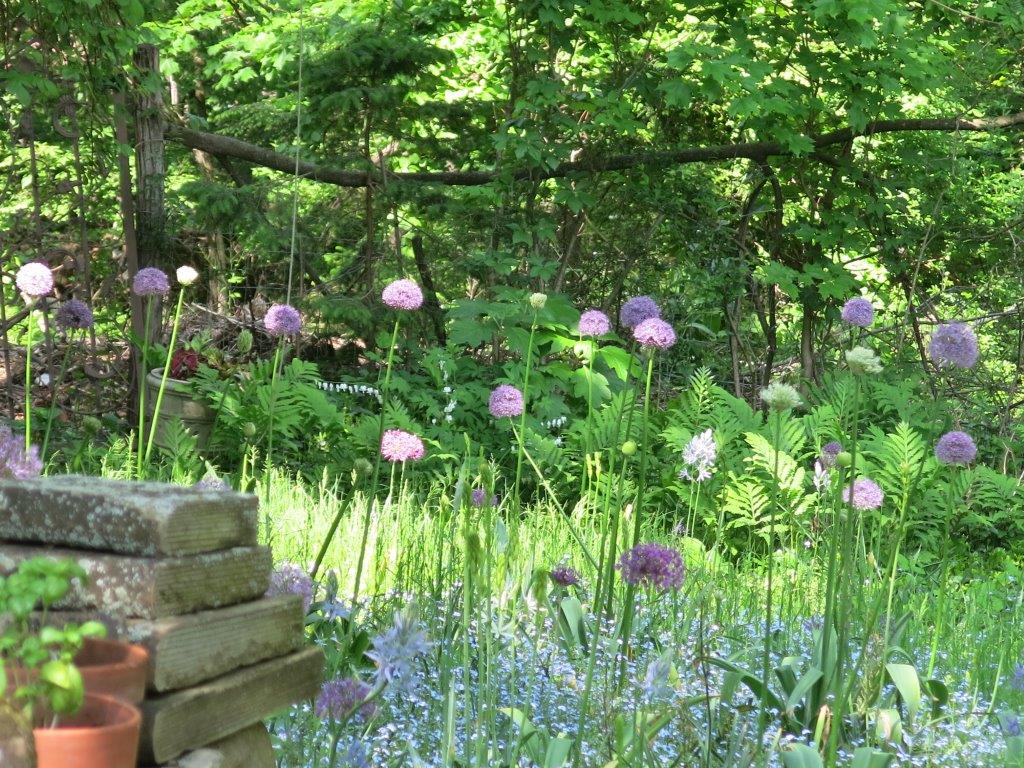
Alliums in the meadow

Alliums in the meadow

The compost bin for kitchen waste in the upper right corner. Do you see it?

The compost bin for kitchen waste in the upper right corner. Do you see it?

(c) 2016 Shobha Vanchiswar

[do_widget “Blog Subscriptions (Jetpack)”]
The Scent Of A Flower

Every now and then, there occurs an event that lifts us out of our routine, somewhat self-absorbed lives and reminds us that there is a bigger, incredibly fascinating universe of which we are just a tiny part. Events that are rare and uncommon like the aurora or polar lights, frost flowers, super cells, fire whirls in a bush fire, water spouts, ball lightening, the chance to view Haley’s comet. Or, those that recur more widely but still powerful enough to get our attention every single time such as a solar eclipse, the annual migration of the Monarch butterflies, meteor showers, earthquakes, tsunamis, volcano eruptions, forest fires, tornadoes, hurricanes. Each of those occurrences , be they breathtakingly beautiful or devastatingly powerful, brings us down to our knees.

We acknowledge forces at work mightier than ourselves. Our part in the big drama is made clear – we are not center stage.

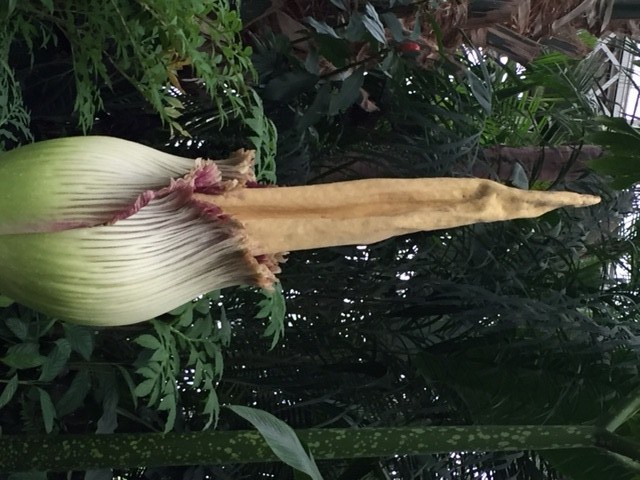
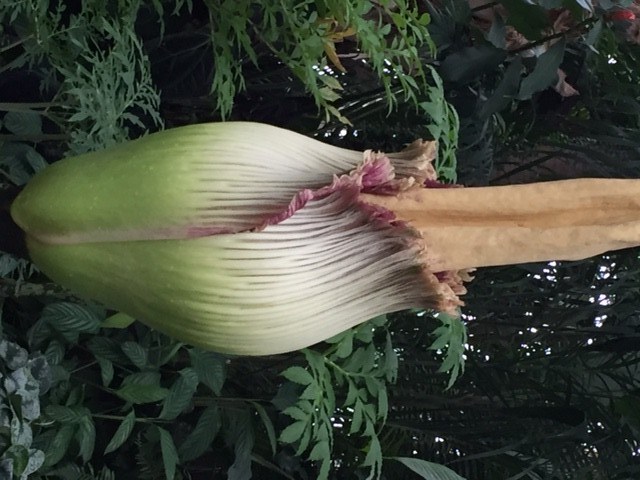
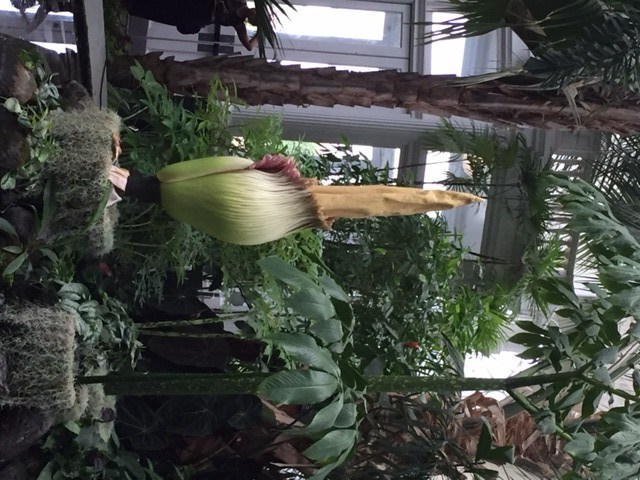
And so, this past weekend, just such an opportunity came my way. The corpse flower or titan-arum ( Amorphophallus titanum) at the NYBG was in bloom. The plant takes years and requires considerable energy to form buds and then, once there is a bud, the flower matures quickly. It opens over a period of 36 hours and then withers away. So the window to catch it in bloom is narrow. Its characteristic aroma of rotting flesh notwithstanding, the titan-arum is a sight to behold.

I was not going to miss this event. After all who knows where I might be the next time it graces us with a flower! Standing in line along with so many others just as eager and curious as I, it occurred to me that when it comes down to it, we are all the same. Fellow humans trying to make sense of our world and in doing so, understand ourselves a little bit better. What a wonderful, diverse crowd I was privileged to be a part of as we wound our way through the conservatory and approached the guest of honor. Jockeying for a proper view, I heard a myriad of languages and I’m certain they were all saying the same thing – “ Wow! Look at that!”.

There in the reflecting pool, rose the flower of the hour. The spadix looked like a 7 foot finger pointing to the heavens above and the frilly spathe wrapped its base as elegantly as a Fortuny-pleated skirt. In green to cream ombre on the outside, the spathe opens out in a flare to reveal a deep red to maroon interior. It was not quite open when I was there. Even so, I felt quite blessed to have seen this once-in-a-long-while flower.

For the fifteen minutes of audience I had, I was oblivious to the all the news that was being reported on our political goings-on, the dreary to-do list that lingered on my phone, the quotidian worries both real and imagined that dog us all and, the twinges and aches that I woke up with that morning. For that quarter hour, I was given the gift of stillness and a deep sense of connection to every living thing on this magical, blue planet. My take home message – it is worth the hard work and time to do something extraordinary.

As for the famous odor? I hardly noticed.

At a more accessible level, we are given daily and seasonal nudges to put our lives in perspective. Sunrises, sunsets, the smile of a baby as it reaches for your embrace, the honeybee making its daily rounds in the garden, the night sky glittering messages from distant galaxies, the periodic love song of the cicadas. We are equally seduced by rainbows and the autumnal colors of the leaves announcing the close of the growing season. The thawing earth pierced through by tiny, brave crocuses, the unfurling of the summer roses, the deepening blush of the apples in October, the tranquility of the first snowfall – all reminders that miracles happen all the time. We just have to become still and notice. Every time that happens, we become better versions of ourselves.

Please follow me on Instagram @seedsofdesignllc

All of this month, some of my botanical art and poems are on exhibit at the Ruth Keeler Memorial Library in North Salem NY. I hope you will visit!

The titan-arum

The titan-arum

IMG_1903

IMG_1902

IMG_1927

(c) 2016 Shobha Vanchiswar

[do_widget “Blog Subscriptions (Jetpack)”]

Music In The Meadow Part II

The ongoing heat wave and drought like conditions that we are experiencing in my corner of the country, is a wake up call to how we use our land. Other parts of the country and indeed, the world, are also being confronted with devastatingly atypical weather. Unprecedented, destructive flooding/drought/heat – take your pick, it is happening. Gardeners must adapt to changing climates and lead the way in sound environmental practices.

That being so, creating native plant meadows is a timely subject to explore and implement.

While my own meadow project has been underway, the trend to create meadows has gained attention and dare I say it, popularity. When I first started my meadow over two decades ago, it was viewed as odd, messy and ‘hippy-like’. My compost bin and rain barrel were also tossed into that category. I even recall my attempts being described as quaint and old-fashioned. So, please pardon me if I feel vindicated now that meadows, composting and, catching rain water have not only become accepted but are official stamps of the environmental conscious. I think I’ve earned my smug face don’t you?!

In creating meadows, we are in essence, restoring a resilient landscape to support bio-diversity and creating a balance in nature. This equilibrium resists invasives, creates a healthy matrix and withstands fluctuations in the climate admirably. Native plants co-evolve with native insects and animals. Like a world class orchestra, such a meadow performs in complete harmony giving us the most uplifting, life affirming concert.

Here are the proven benefits of a native meadow –

There are fewer ticks. Out here, Lyme disease is a real and serious concern. As a result, homeowners feel justified in contractual agreements with landscaping firms to have their property routinely sprayed with chemicals to control the ticks. What they are not taking into account is that even the “organic” applications are not tick specific. All of the insect population is affected. One loses the good guys with every application. Thinking beyond the insects, the chemicals, organic and otherwise, ultimately get washed into the water table. Pets and children who play in the garden, roll on the lawn, nibble on plants are all coming in contact with any and all insecticides, pesticides and fertilizers. Shouldn’t that alone be a serious concern?
When the environment is in balance, the ticks are eaten by other insects, birds and animals. And that is how their population is well controlled.

Once established, that is as soon as the young plants are settled in, a meadow needs no further watering. Think about that.

At no point is there need of fertilizers. Not even compost. And the soil is never turned over nor is new soil introduced. The land is kept as it is. Imagine all the time, energy and dollars saved.

The meadow is cut down just once a year. Mowing becomes a non-issue. Now, traditionally, a meadow is burned annually in early spring. One needs a permit from the town and fire department because burning must be done correctly. However, if you live like I do, cheek to jowl with the neighbors, that is not an option. I do an annual mow down in the fall.
But, if you happen to live on a large enough property with neighbors at a proper distance, burning is much preferred and more effective. Weeds will be significantly reduced and even those that regrow, will be shaded out by the native grasses.
Here is an interesting fact – native plants burn well and burn gently. Those big conflagrations one envisions when we think of burning a meadow or field are created when non-native plants burn.
The dangerous forest fires that rage every year in some parts of the country are primarily in areas abundant with non-native trees and shrubs.

A thriving meadow is utterly beautiful. At every season it offers a different view. And oh the insect and bird life! Watching the wildlife is fascinating and often mesmerizing. It’s better than watching the Discovery channel!

Meadows are naturally productive and nutritious. All creatures benefit from them.

So, are you motivated to give up a part of your garden/property to a meadow? If so, start with small acreage. Learn the process.
Know your plants. Identify the natives, weedy non-natives.
Become familiar with water (rain, ground water flow) and reproductive patters, seed dispersal methods, animal habits.
Whenever one plant, native or non, appears to take over, that is a sign of imbalance.

We introduced the wrong plants, that means we can also remove them. If each of us commits to doing our part, we can restore the environmental balance. The parks, reserves and public gardens alone cannot carry the weight of safe-guarding this glorious land of ours. The responsibility rests on each of us.
We can and must do better than we have thus far.

Enjoy the photos I took recently of the meadow at Linda Horn’s in Spencertown, NY:

The native monarda is a huge draw for all sorts of pollinators

The native monarda is a huge draw for all sorts of pollinators

IMG_9814

IMG_9804

IMG_9805

IMG_9802

IMG_1782

IMG_1783

IMG_1788

(c) 2016 Shobha Vanchiswar

[do_widget “Blog Subscriptions (Jetpack)”]