Plans Are Nothing; Planning Is Everything

Those title words were said by President Eisenhower. An invaluable outlook in the military no doubt but pretty useful to remember in the garden as well.

It is June. My roses and peonies are at their peak. As are my native wisteria. It is days like these that make all my efforts so worthwhile. Yet, I’m already perusing the bulb catalogs. And drooling all over them. There is something deliciously greedy about basking in the riotous bounty of late spring and coveting all the listed bulbs for next year.

Pleasurable perusing aside, it is the right time to start planning for next year. First and foremost, you are still fresh from how the bulbs looked this year. What worked, what did not, which sort you want more of, how to enhance and extend further the bloom season. Strike while the memory is hot I say!

This is actually a period of respite in the garden. We are right between seasonal obligations. The frenzied pace of early spring is over, everything looks splendid and the demands of summer vigilance are yet to begin. So what better way to while away these hours than to dream up more creative combinations of bulbs?

Finally, the most practical reason to order bulbs early – your chances of getting those that are quickly sold out are greatly improved. Almost guaranteed. Plus, you are charged only when the bulbs are shipped to you at the appropriate time for planting. Once I’ve placed my order, I can go about the summer, take a vacation and not have to think about rushing to buy bulbs on my return. There is plenty to do in the garden in late summer/early fall as it is. When the shipment arrives, that is my cue to complete clearing the beds and rake the leaves so bulb planting can commence. It can be quite costly if you wait till the last minute to purchase bulbs.

Right now, I can take my time to go through the catalogs, comparison shop and make thoughtful selections. After I send off my invariably long list, I still have time to come up with ingenious ways to save up for that inevitably long bill. Most times, I actually do succeed.

I know you have plans to grow more bulbs, so get planning already!

IMG_6638

IMG_8477

IMG_8651

IMG_8667

IMG_9003

IMG_9004

IMG_8983

(c) 2013 Shobha Vanchiswar

Spring Awakening

After what seemed to be an interminably long, harsh winter, it is finally spring. Hallelujah! Yet now, I feel as though I can’t quite keep up with the accelerated pace of this much awaited season. While I’m inclined to linger and delight in seeing the various signs of the emerging spring, I’m acutely cognizant of the tasks that await my attention in the garden. Each day reveals how rapidly the garden is coming alive. It is as though I’m watching the progress of a large scale painting in a time-compressed film.

While the garden is on fast forward, I get the sense that I’m being left behind. It is a bit overwhelming and tremendously annoying. After all, I’m the one who waited with great anticipation and joy for the arrival of this beautiful, highly popular friend. I made all the arrangements and plans to give her a proper welcome. Now that she has arrived, I’m barely given any of her time. The friend is off mingling and being the center of worldly attention while I’m left holding the trowel. So utterly unfair.

I cannot bear feeling this way. Thus, true to my nature, I decide to get a grip. I am not going to deprive myself of reveling in the season. Nor am I going to let myself be overcome by the rather daunting list of chores to be addressed. I’m a seasoned gardener I remind myself. So garden already!

I sit down to write my famed master list. Although the number of tasks are many and some quite physically demanding, I know they will get done. It is the fact that the garden must be visitor-ready for the Open Day on May 25th that makes it a matter of some urgency. In the process of getting organized, I find the list I made last year. The date on it indicates I am a whole month behind this year. The tediously long winter has set me back considerably. With a deficit of four weeks, it is no wonder I’m feeling the pressure! Just then I look out the window to see a cardinal perched on the sugar maple that is fast putting out its own red tinted plumage. I can sense my muscles begin to relax.

Ah, so it is not my fault but the hand of nature – this realization is a relief and empowering in a way. It always feels good to have something or somebody else to blame don’t you agree? List completed, I assign the items to days on the calender. Taking into consideration the time required, availability of help ( in my case my family) and other non-horticultural obligations, I put every chore down. When I’m done scribbling all over the calender, I’m pleasantly surprised to note that in spite of all that busyness, I have time every single day to luxuriate in the season. Some days offer up only a few minutes and some give much more. It is all up to me to avail of this gift. No matter the quantity of time, the benefits of letting nature nurture me will go a long way in my well being. I remind myself that I must never let anything get in the way.

If you are reading this, I know you feel as I do. So, make yourself a promise to partake of natures bountiful wonders on a daily basis. Observe what is in bloom, what smells good, what sounds you hear. This focus will be a meditation of sorts. I promise, you will feel wonderful. Together we will approach the rest of our busy schedules with equanimity and can-do-ness.

Remember, there will always be chores but the crocus will bloom but once each year.

Signs Of Spring:

Cornelian cherry - one of the first to awaken.

Cornelian cherry – one of the first to awaken.


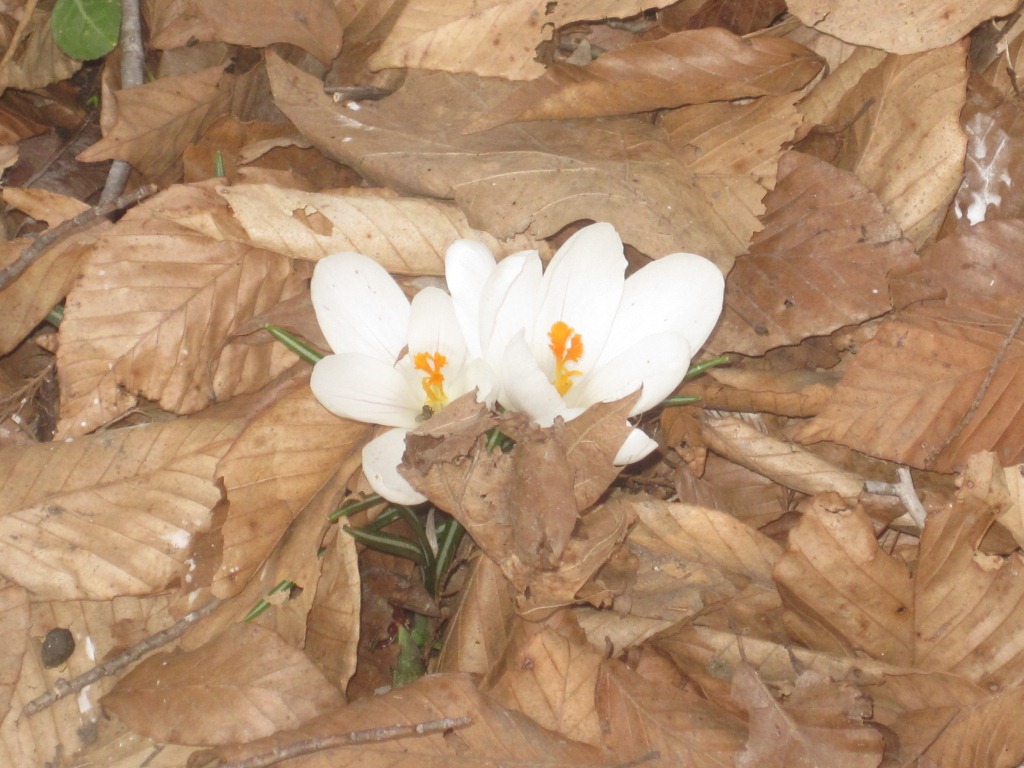
Crocus breaking through last years leaves.

Crocus breaking through last years leaves.


A doves nest with 2 perfect eggs

A doves nest with 2 perfect eggs


Star magnolia in bud

Star magnolia in bud


Pear blossoms

Pear blossoms


Daffodil

Daffodil


Hellebores

Hellebores


(c) 2013 Shobha Vanchiswar

God Is In The Details

So, you’ve designed your garden. The sizes and positions of flower beds, the separate potager, the terrace for entertaining, plants, shrubs and trees have been sourced, and because I’m the eternal optimist, you’ve finally committed to a compost bin. In general, you’re ready to create your own bit of paradise. But hang on just a minute. Have you taken care of the details? Remember –

It’s the little details that are vital. Little things make big things happen.
John Wooden

A garden can appear to be lovely but in order for it to function well, there are several details to consider. Some are obvious and some quite subtle. You’d be surprised how often both kinds are overlooked. Based on my experience, I’ve come up with a rough list. Here we go –

1. Access to water from the various parts of your property. Even if you have installed drip irrigation, it is a good idea to have multiple sources of water handy. Unless of course, the garden is fairly tiny and a single hose would be adequate to reach everywhere.
2. Are there well marked paths connecting the areas of the garden? These don’t have to be permanent paths of stone or brick. Simple pavers or gravel/wood bark marking the trail would do. Personally, I’m not big on anything that can be painful underfoot. Just remember, weeds will grow and need to be diligently controlled. Pavers should be placed so they are easy to step on without demanding too much of a stretch of the leg.
3. On the subject of paths, It has been said that the ideal width is where two people can comfortably walk side by side. I generally ensure that a wheelbarrow can be pushed along without any trouble. Edging the paths is a matter of taste and style – do you like it a bit wild with plants spilling over or more formal and restrained is up to the gardener.
4. If you are madly in love with swathes of grass ( I’m not judging), and you entertain regularly, bear in mind that shoes with heels are not happy at all walking on such a surface.
5. Now we come to steps. Chose material that is neither too slippery nor too rough. Wood and certain types of stone are best. A friend of mine once called me over to see her new ‘Moroccan’
terrace. I arrived to see gorgeous, handmade Moroccan tiles covering the surface of the terrace and steps. It was too late to tell my friend she’d made a big mistake. Needless to say, this area was treacherous even when slightly wet and entirely unusable all through the winter.
6. There are ideal dimensions when building stairs. The height of the risers should be 7 inches, the depth 11 inches, the width no less than 36 inches and the stair rail between 30 to 34 inches above the step.
7. The garden should be designed to heighten the senses. Plant aromatic herbs and fragrant plants where they can be enjoyed as one passes by. I also like placing plants like roses, jasmine, lilac and wisteria near the house so they can send their fragrance through open windows. Similarly, plants that encourage our tactile nature should find themselves within easy reach of a visitor.
8. Every garden should have several places to rest or just stop to look at a view. Benches, statuary, water features are all critical elements in a well designed garden.
9. If possible, add features like hammocks, chaise longues that invite one to nap, read or day dream. Umbrellas and trees can provide shade.
10. It is best if the vegetable garden is within picking distance from the kitchen and outdoor cooking area. If that is not feasible, at least keep some culinary herbs near by.
11. In your entertaining space, apart from the dining table, keep additional surfaces where guests can put down a drink while they scrutinize your prize worthy roses or eggplants or hydrangea. Otherwise, for days afterwards you will be unearthing glassware from the oddest areas. Balanced in the fork of a shrub, upturned over a branch, nestled in the boxwood, in a flower pot …
12. In planning your garden, consider ‘borrowed’ views to visually expand your garden. Furthermore, try to ensure that the garden looks interesting from all directions. There will be a natural way in which you like your visitors to walk the garden. The reverse walk should be pleasant as well.
13. For yourself, the perennial gardener, keep tools like secateurs and favorite weeder close by. I also keep a collection of vases to plunge freshly cut flowers in them right away. A few not so so precious ones are kept so I can send a friend home with a bunch of peonies and such.
14. Finally, keep your garden as a true reflection of yourself.

This list is by no means complete. It is a good start. And sometimes the end. It’ll do. By all means add other thoughts that seem compelling to you and I have overlooked. Do please let me know?

A path at Rocky Hills

A path at Rocky Hills


Ready for a gathering

Ready for a gathering


Heritage rose up close. It has a lovely lemony fragrance.

Heritage rose up close. It has a lovely lemony fragrance.


A path that links the front and back of the property.

A path that links the front and back of the property.


Artichoke in copper

Artichoke in copper


Walkway made interesting

Walkway made interesting


Wisteria

Wisteria


(c) 2013 Shobha Vanchiswar

Busy As A Bee


Busy As A Bee

If one were to ask a bee if it was busy,
I wonder if it would agree.
After all, the bee buzzes
as it minds its own business
Sublimely unaware of other purposes.

Gardening season has just begun and already I’m hearing the classic defense. What is this “ I’m crazy busy” badge of honor we wear so proudly? Does it imply a preoccupation to be envied or does it beg for pity because the busy one has no time for anything else? There is a distinct note of self-importance implicit in that “I’m very busy” line. I think it has become an easy excuse to explain away ones lack of varied pursuits and interests. Instead of honestly saying ‘no’ to a request, we hide behind ‘busy’. Rather than stick ones neck out to try something new and risk looking foolish if one should fail, we’re much safer being busy with the same old. “I can’t be bothered” is what “I’m very busy” often means. In that case, just say so! And the worst of it is that at one time or other, we’re all guilty of this refrain. Undeniably there are times when a situation takes over and other things are consequently neglected. But being in a perennial state of busy-ness that precludes matters that one admits to being of some relevance indicates that something is off kilter. An imbalanced life.

How can a person who is too busy to start a vegetable garden have the time to watch every episode of Judge Judy? Or for that matter, why is having children a reason to not have time to garden? It is the perfect time! Children can never be too young to be taken into the garden. They watch and learn more effectively than we can ever measure. I remember securing my baby in her bouncy seat and keeping her by my side as I weeded. I’d talk about what I was doing, offer her a whiff of a fragrant flower, run a velvety leaf of lamb’s ears up her arm and watch her sigh with pleasure. As I moved to weed another bed, I’d just pick up the seat with baby and take her along. As she got older, she learned to first deadhead and then graduated to weeding. In turn, I learned to unwind during her nap time. Catch a few winks, read a few pages or add a few more brush strokes to an emerging watercolor. When both of us were refreshed, we’d go into the garden. I got the hang of not being too busy and understood the benefits of an ‘unbusy’ life.

Try this experiment. Pick a day to get totally unplugged. I know, you’re thinking about the kids not getting a hold of you or the world falling apart. Well, for just this one day ask them to call another responsible adult in case of an emergency. Promise not to check emails, browse the Internet, answer the phone, look at a tweet or turn on the television. Don’t panic; it is for just one, measly day. You are still physically available if so needed. Now, use your time to do whatever you deem necessary, interesting or pending. It could be tackling the laundry, finishing the crossword, having lunch with a friend, preparing a new garden bed. No matter the task, be mindful about doing it well. It’ll be easier than you think as you’ve already eliminated the usual distractions and time guzzlers. At the end of the day, you’ll find that the world functioned quite smoothly without you and you got plenty done. It is rather sobering to discover that we aren’t missed so much. As long as you keep telling everybody that you are up front and center, they will pass on all sorts of responsibilities on to you. This just makes you overbooked. It does not mean you are indispensable.

Gardeners are some of the most active people I know. Not because they appear to be mucking about endlessly in the garden, but because they are invariably engaged in life as a whole. My totally unscientific but highly personal observations lead me to think that the lessons revealed by working in nature, inspire and empower the gardener to try many other things. Writing, designing, cooking, participating in causes both local and global, the list grows. In essence, we grow as our plants grow. And, along the way, like the bee, we don’t ask ourselves if we’re busy. We simply go about our business.

For myself, curiosity is fostered in the garden and then transposed onto other areas of life. Nature’s handiwork in pairing certain colors together translates to my wardrobe and interior decorating. The beauty of the flowers shows up in my watercolors. Fresh produce goes directly into innovative recipes. Naturally occurring patterns and shapes like that of fiddle-head ferns, centers of sunflowers, trumpets of daffodils, barks of trees are all fodder for numerous design projects. When the birds are building nests, I thoroughly clean and tidy mine. The garden is my muse for living well.

I want my days filled with creativity, productivity and lots of joy. However, I never want to be so busy as to fall short of my own expectations and potential. And, I always have time to stop and smell the roses.

There is art, science, engineering, music, philosophy, and pure fun in the garden. So create more unbusy time and get outside. Get some dirt under your fingernails, color in your cheeks and a good dose of inspiration. No need to thank me. I’m just happy you made the time.

Bark pattern that looks like an abstract watercolor.

Bark pattern that looks like an abstract watercolor.


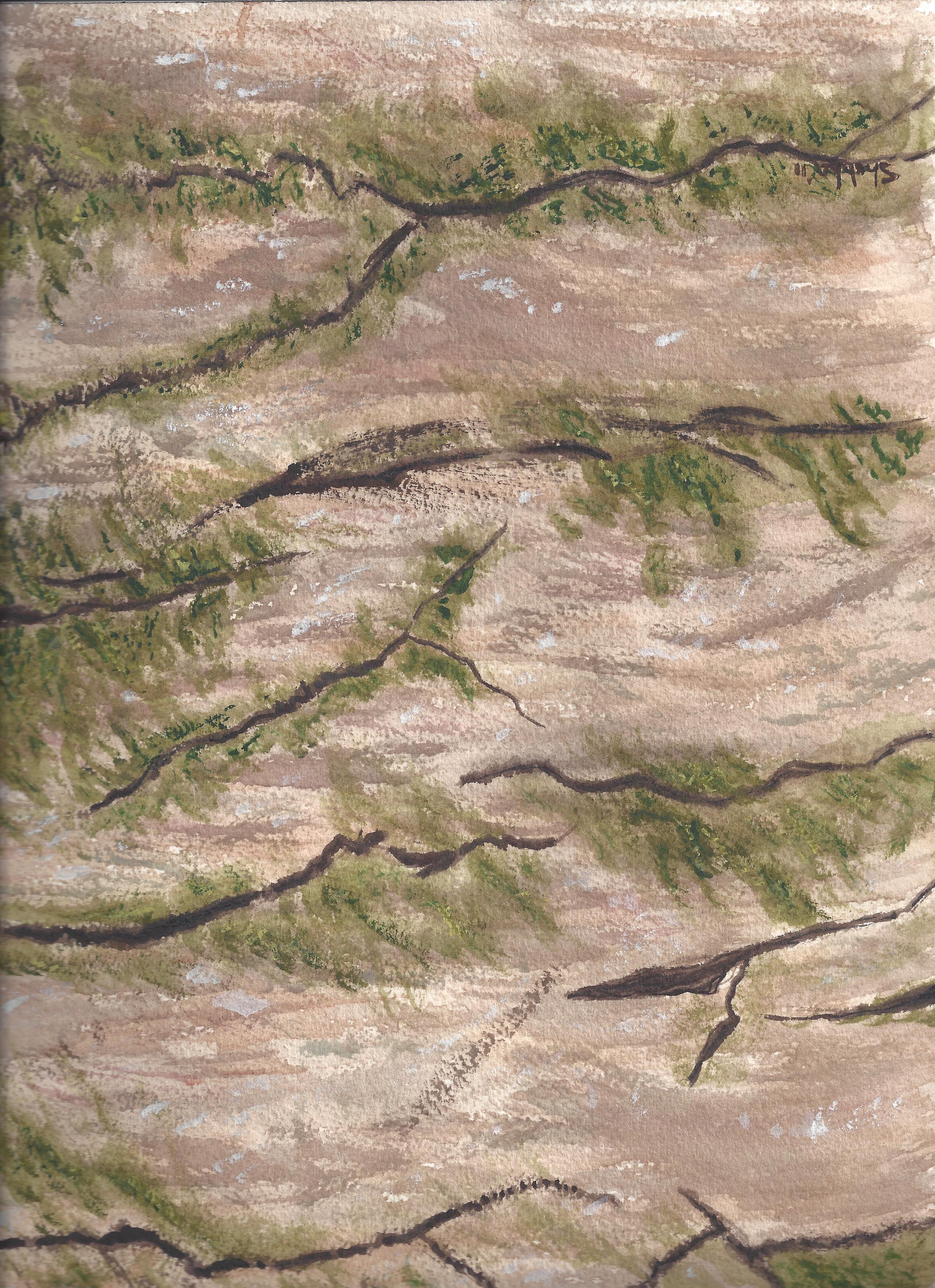
Moss on bark - watercolor

Moss on bark – watercolor


Fiddlehead shape of a dried ornamental grass.

Fiddlehead shape of a dried ornamental grass.


Watercolor of carrots

Watercolor of carrots


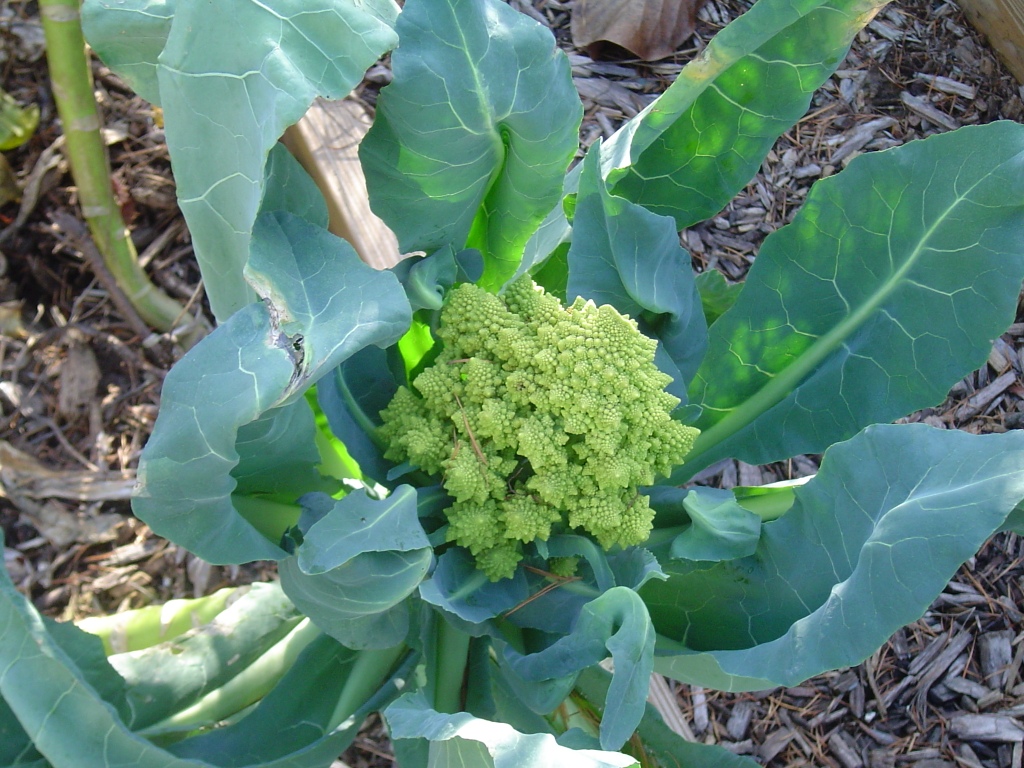
Romano Cauliflower

Romano Cauliflower – perfect design

(c)2013 Shobha Vanchiswar

Dear Diary

Glimpse Of Spring
She arrived without fanfare
a quick visit
a prelude to the grand arrival
She thought she’d be unnoticed
but I saw her
I caught a glimpse of Spring last week.

Dear Diary

Since we are planning and preparing for a new season of gardening, now is a good time to start keeping a garden journal. Putting down ideas, plans, designs, progress, day to day horticultural happenings are extremely useful and enlightening. My paternal grandmother wrote a diary every day and I remember being very intrigued by that. She never encouraged me to do the same but I must have inherited the journaling gene because since my 20s, I have always kept journals. At first it was about my life in general – I vented, ruminated and, celebrated all the goings on. I wrote about my hopes and plans. The pages of my journals bore witness to my tears over disappointments, pride over triumphs and mostly a whole lot of mundane rubbish.
As a scientist, I learned to keeping meticulous notes of my work on a daily basis. Once I acquired some land on which to garden, maintaining a log of my activities combined with my observations and thoughts was natural. Keeping notes leaves nothing to memory which is notoriously unreliable. The records allow for comparing, referencing and following the progress of the garden over the years.
I’m always shocked by how inaccurate I am when remembering something that occurred in the garden. My garden entries are testimonials to this fact. I’ll be informing no one in particular about the delay in or early blooming of certain flowers only to read that the pattern is exactly the same as before. The same for how I recall the weather and how it affected my garden. If word of how poorly I recall these matters got out, those who must deal with me on a regular basis might rethink the association. But the truth is, most people have the same problem. Hence, it is well worth the time and effort to write down all relevant points.
Tasks, expenses, opinions, successes, failures, ideas and dreams all get written down. What is in bloom or in fruit, what the temperatures have been and how much rain has fallen are noted. Pests and problems are lamented. Nothing at length: just succinct reporting. There is the most to write about during the busy season which of course means there is the least time available to do so. I have often lapsed in putting down all the garden goings on and lived to regret it. A forgotten brilliant idea is plainly useless.
I do take lots of photos and they are incredibly helpful. But like a doting parent, I tend to capture the garden only when it is on it’s best behavior and not when it is throwing a tantrum and presenting itself in a weedy, pest ridden state. Amends are being made and I have begun to capture those not so proud moments. Photos do not however convey emotions, opinions and dreams. What I think I must do, might do, want to do can’t be surmised from an image. So it is still necessary to record those down.
Journals don’t get written with a view to leaving a legacy but there is a part of me that harbors the thought that perhaps one day when this piece of earth is no longer mine, my writings will enable the next gardener to understand why, what and how it used to be.
What would be interesting is to see how influential what goes on in the garden has on my writings in my personal diary which, over the years has become more reflective and less self absorbed. Did I write deep, poetic and/or witty thoughts the same week the garden looked great and all the related tasks got done? Do the seasons in the garden parallel the seasons in my life? I’ll bet there is a direct correlation but, I’ll set that project aside for now. There is much else to get done.
Journals

Three hyacinths

Three hyacinths


Making a start

Making a start


On it's way!

On it’s way!


Voila!

Voila!


(c) 2013 Shobha Vanchiswar

Getting Started

Its about now that I start yearning for something to do in the garden. The once most welcomed respite from the hard work has begun to wear thin. My fingers itch to feel the soft, friable soil as I restart the vegetable beds. I miss the green smell of spring and chatter of the returning birds. But its still very much the cold days of winter. So what is a die hard gardener to do?

For starters, a calender of the new year is purchased. One of those simple, no frills kinds with big, blank squares for each day. Referring to the calender from last year, I start filling in those white spaces with the necessary and routine garden tasks for each month. Pretty soon, it is marked up with chores galore. From starting seeds, planting, staking and mulching to weeding, pruning and deadheading, everything gets put down. By giving each aspect of gardening due time and consideration I’ve ensured that I’m starting off organized and prepared. A visual heads up of what needs doing prevents clashes with duties from other realms of life. Most of all, in step with the sugar maples, it gets the gardening sap flowing through my veins. I start actively dreaming and planning. My growing season has begun. I have stuff to do.

Next, I commence the forcing of the bulbs kept chilled since late October. Hyacinths, muscari, crocuses and miniature tulips have been occupying prime real estate in the refrigerator. Each week, for the rest of winter, I start some of these bulbs in pots and glass forcing vases. As the bulbs stir from their hibernation and push up shoots and eventually their jewel hued flowers, the days are no longer bleak and barren. The garden indoors has banished all that. I’m in good company till the garden outside is back in business. Joy.

Tell me, how do you handle the need to get through winter quickly?

P.S. While we’re talking calenders and marking down important stuff, here is something for you to put down in yours: May 25 is my garden’s 2013 Open Day through the Garden Conservancy. That is the Saturday of Memorial weekend. From 10 am to 4 pm. Put it down in bold! Rocky Hills will also be open on that day. Make a day of it. I’ll be arranging with local restaurants and businesses for special deals. Stay tuned!

Amaryllis tall and proud

Amaryllis tall and proud

Hyacinth in glass forcer

Hyacinth in glass forcer

More hyacinths

More hyacinths

Hyacinths and muscari

Hyacinths and muscari

Early spring tulips

Early spring tulips

Visitors at my first Open Day. 2008

Visitors at my first Open Day. 2008

Murali and me at the end of that first Open Day. Tired but so happy.

Murali and me at the end of that first Open Day. Tired but so happy.


(c) Shobha Vanchiswar 2013

A Case For Compost

I was recently asked what I would suggest if someone were to attempt just one new thing in the garden. That took some thinking on my part. It finally came down to two things. To plant a tree or start a compost heap. And the winner is – a composter.


Composting is one of those practices whose benefits are many and far reaching. The initial effort of setting up a composting system is not difficult. Nor is it expensive. And once you get into the habit of adding kitchen and garden waste to the compost bin, it’ll dawn on you that this is perhaps the most rewarding experience you’ve ever had.


It seems the main hurdle is to accept that composting is very doable and quite the necessity. If you recycle your paper, plastics, glass and such, why then are you not composting? Humans have been composting from time immemorial. There really is nothing to it. So get started. Make it the one new thing you add to your increasingly healthy life style.


There is a glut of information on the Internet on the science and process of composting. So I’m not going to go into that. Just take a little time to get your information and make it happen. If you live in an apartment and you do not have the space for composting outdoors, worm bins are available. There is simply no excuse. Cities like San Francisco require it’s residents to set aside compostables along with recyclables. In my opinion, this should be mandate country wide.


Compost is in essence the result of decayed organic matter. It fertilizes, mulches and enriches the soil. The simplicity of it all is so brilliant that it’s a shame that we ever resorted to more costly and less effective alternatives. Imagine, the stuff you’d otherwise chuck out can be so rewarding. I can’t think of anything else with such returns. Once you start getting a regular supply of compost, you’ll never again use another product. Your garden will thank you by flourishing and your wallet will be pleasantly plump.. Is there anything more satisfying?


As I’ve said in previous articles, I maintain two compost piles. All garden waste is deposited in the woods at the rear end of the property. This is not a contained heap. We just keep adding leaves, plants and other garden waste throughout the year. The mature compost is ready for large scale use every spring. All kitchen scraps go into a smaller compost unit. It is monitored more closely as stuff is added on a daily basis. Regular stirring and frequent compost removal for immediate purposes keeps this bin busy. Vegetable and fruit scraps, tea leaves, coffee grounds and egg shells provide my garden with sweet smelling, rich compost. Each day, if the kitchen pail is not full enough, it means we are not eating enough of the good kinds of food. What a gentle but firm way to keep tabs on healthy eating!


I’ve found that composting has given me a heightened awareness of nature and how she operates. My relationship to my environment has strengthened. As a result, it has made me more mindful of everything else that I do. How and what I purchase, what I eat, wear or use, and not the least, understanding my place in the big picture. I’m appreciative of how we are all in this together. Microbes, fungi, worms and humans cooperating to keep nature in balance. Biology at it’s best. This sort of conscious living has huge physical and mental health benefits. You think I’m exaggerating? Give composting an honest try and get back to me in a year. We’ll talk then.


Once you’ve begun composting, you can then add tree planting to your objectives. The fun never ends.

(c) Shobha Vanchiswar 2013

Just In Time For Gift Giving – Book Review

The Unexpected Houseplant by Tovah Martin

In the interest of full disclosure, I have, for a couple of decades at least, been a fan of Ms. Martin’s writings. I have a deep respect for her work. Tovah and I have met. She wrote a wonderful article about my garden in Westchester magazine in 2010 (Less Is More by Tovah Martin). So, by no means is this an unbiased review. However, since nobody asked me to write about this book, I had no reason to do so if I didn’t actually like it. I purchased the book because I’ve appreciated Martin’s previous books. Then I went through it. Now I want to shout from the roof top – Go get a hold of this book! It is sumptuous. Pretty and practical, making it a must read. Give a copy to a friend.

Tovah is a lyrical writer. She liberally and cleverly sprinkles Latin names of plants as though that’s how everybody speaks, and sneaks in horticultural wisdom in the guise of anecdotal stories.The reader emerges feeling not only smarter but quite inspired to follow her ideas and suggestions.

The Unexpected Houseplant really is about the unexpected. To dig up something from the garden and bring it in to cheer up the dark winter days might not be novel. But, did it ever occur to you to bring in a clump of euphorbia? That certainly never occurred to me. The very vision of the chartreuse green bracts punching up the winter’s gray is delightful. Similarly, one is encouraged to try other perennials indoors. Just for the season. Using the garden as a sort of horticultural lending library appeals to me enormously.

How best to show the plants off is demonstrated beautifully in the photographs. The right container makes all the difference. Each plant specimen is treated as an individual, and placed in what serves it uniquely. Much artistic thought has gone into this. I’m left feeling a bit envious of Martin’s collection. Yet, I’m sure if I looked around my house, I’m likely to find unexpected, imaginative planters.

With lots of advice and information, this is a good book to learn about enjoying plants in the house. It takes a fresh look on the subject. I’m all set to add to my indoor plant collection and get through the winter with patience, joy and grace.

IMG_7890(c) Shobha Vanchiswar 2013


Dealing With December

Things To Do This Month

  1. Finish mulching garden beds, shrubs and trees.
  2. Clean up vegetable garden. I clear away the plants and put down a layer of compost topped with hay. This should mulch and fertilize the beds and have them ready for planting in the spring. In the past, instead of hay, I’ve usually planted ‘green manure’ which is a cover crop of wheat grass or clover. But given the wild weather pattern, I’m not sure the seeds will have a fair chance to sprout. Hence the hay.
  3. Tie back climbers like roses, clematis. Be sure the plants as well as the supports on which they grow are secure.
  4. If a heavy snowfall tends to push apart and damage certain shrubs, tie them up with several turns of string all along it’s length. This will give the shrub more ‘solidity’ and keep it from falling apart with the weight of snow.
  5. Keep shovels and sand /grit on the ready. Salt damages plants so I don’t use it to melt the ice on paths, driveways and steps.
  6. Create burlap fences to act as wind breaks around vulnerable plants. I do this for all the roses.
  7. Protect all outdoor statuary and pots. I cover mine with thick sheets of plastic and then cover that with burlap. The latter is just for aesthetic effect.
  8. Remember to always keep bird feeders filled. If temperature is above freezing, provide some water as well.
  9. Pay attention to indoor plants. Water as needed, fertilize monthly, turn pots around so all sides of the plants receives sunlight. Try not to get the air too dry or the room too hot or too cold. In addition, stay vigilant for early signs of disease, stress or infestation.
  10. Hope you have paperwhites and amaryllis growing in the house right now. I cannot imagine getting through the month without these bulbs. Creates instant cheer. Watching the bulbs send out leaves and buds all the way till the flowers open is one big, happy making experience. And who doesn’t need more happy?

Looking Ahead

December is almost here but lets face it, once Thanksgiving is over, November feels pretty much done. December is fraught with to-do lists and commitments. Shopping, writing and mailing greeting cards, children’s holiday recitals and concerts, parties, decorating for the season, possibly a trip and that which goes with it, and then, the holidays themselves. In theory, all of this is supposed to be fun but, in actuality, there is some fun mixed in with a fair amount of stress and anxiety. How unfortunate that we should bring this upon ourselves. But it doesn’t have to be this way. Just stop for a bit. Hear me out. This could make all the difference.

Think global and act local. Arm yourself with your list of giftees. Beside each name, note down a couple of their interests. Now, make another list of charities and organizations that you think are worthy of consideration. Match up the two lists. By this I mean, assign a charity, museum or botanical garden membership, concert subscription to each person who has an interest in that cause. Make a donation or purchase in that individual’s name.

Next, take that list of people, and go into your local business district. For each person buy them something from the shops that depend on your patronage. With each of these gifts, add the card that informs about the donation/subscription/membership made in their name. Your budget will of course determine how much you can spend and you will make selections accordingly. If money is very tight then think of gifts that you can make or bake, skills you can use to teach or help out like baby sitting, weeding, planting, painting etc.,

The recipients will not only get something they like but your thoughtfulness will be appreciated. The local businesses, charities and organizations benefiting from this will also be grateful. Oh the good karma points you would have racked up!

Buy the food for your party from local stores, purchase cards that provide funds to UNICEF and other such invaluable groups. It’ll be well worth the time gained in not driving all over the place and by saving on gas, the environment too has been protected.

A shopping jaunt in your own community will have you meeting friends, making friends and generally feeling all warm and fuzzy inside. Add that to the good feelings that are generated from the donations and support you have provided and your December will be the best month ever. Now you have the time to enjoy the parties and recitals. Write cards by the fireplace where family and music can keep you company. You are right where you need to be. In the moment.

Just keep it simple and focus on what is truly important. Its not about the cost or size of the present. It’s the thought and time you’ve given to each person. Those are priceless.

My personal list of charities and organizations:

  1. Mukta Jeevan orphanage for children with HIV and AIDS. It’s outside Mumbai, India
  2. The Garden Conservancy. www.gardenconservancy.org
  3. The New York Botanical Garden. www.newyorkbotanicalgarden.org
  4. The Brooklyn Botanical Garden. www.bbg.org
  5. Wave Hill Gardens. www.wavehill.org
  6. Untermyer Garden. www.untermyergardens.org
  7. UNICEF. www.unicef.org
  8. American Heart Association. www.aha.org
  9. American Cancer Association. www.cancer.org
  10.  Friends of the Chappaqua Library. www.chafriends@wlsmail.org
  11. Metropolitan Museum of Art. www.metmuseum.org
  12. New York Philharmonic. www.nyphil.org
  13. Orpheus Chamber Orchestra. www.orpheusnyc.org
  14. Hudson Valley Shakespeare Festival. www.hvshakespeare.org
  15. The Clinton Foundation. www.clintonfoundation.org
  16. Ars Antiqua. www.arsantiqua.org

Burlap clad pot

New Dawn rose in burlap

Star on the ground

Amaryllis in pot

Amaryllis in bloom

(c) Shobha Vanchiswar 2012

Things To Do This Month

  1. Continue patrolling for weeds. As long as there is no frost, the weeds will keep thriving.
  2. Get lawns freed of thatch and reseeded.
  3. Start planting bulbs for spring once weather gets properly cold but before ground freezes. Usually end of October and early November is the ideal time.
  4. Get rakes, leaf bags and such ready for tackling fall leaves. I leave some leaves for mulch but still need to rake a good deal. Raked leaves are deposited on a compost pile in the woods.
  5. Begin cutting back perennials and clean up garden beds.
  6. Fall is the season to plant most perennials. Divide and replant or purchase new ones.
  7. Secure climbers like roses so limbs are not damaged in winter storms. At this time, remove all dead wood.
  8. This is a good time to take inventory and see what needs to be repaired, replaced, renewed or redone. Think plants such as shrubs and trees, paths, walls, patio furniture, trellises and arbors. Schedule what gets done now or can wait till spring. Knowing what needs doing, what is required, how long it takes and how much it costs goes a long way. Otherwise, it gets overwhelming. And often, over-budget.
  9. Enjoy the autumn flowers and colors. My asters are currently running riot and make me smile .  I’ve also been bringing in hydrangea for dry arrangements. A big bunch in a large, white ironstone pitcher makes a simple and dramatic statement.

 
Aerating the Lawn
Aerating the Lawn
Autumn running amok!
asters
asters
Setting for a fall feast

(c) 2012 Shobha Vanchiswar