Planting Bulbs With Henriette

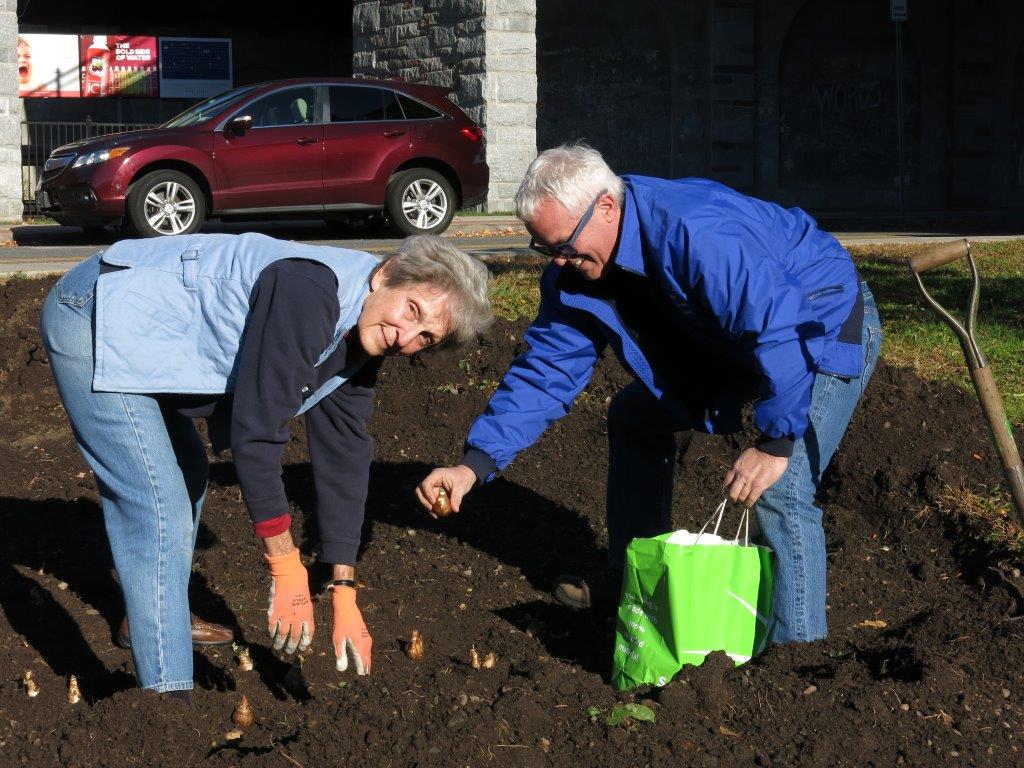
On Friday, October 23, 2015, about 1,500 bulbs were planted in memory of Henriette Suhr. The weather was perfect for this project – sunny with a seasonal chill. In clear view of the hills blazing fall’s russet and ochre hues, about a dozen of us planted what will be a most splendid sight next spring. Hundreds of Chappaqua commuters will be treated to the show.
To keep it simple, a variety of daffodils, scillas, crocuses and snowdrops were chosen.

As we planted, we exchanged happy memories of Henriette. She brought together so many of us and it was only right that here too, in the midst of gardening, we were reconnecting and strengthening our friendships. It is funny how a daunting task can be made easy when many happy hearts and willing hands come together. And so the job got done.

As I planted, took photos and chatted, it occurred to me that here was a perfect lesson – Bulb Planting 101. If one was interested in putting down a bed of bulbs for the first time, this was the ideal demonstration. In creating her own gardens at Rocky Hills, Henriette taught so many. Educating on horticulture, the environment and good design, she led by example. Now, once again, she was providing yet another learning opportunity. On my part, it was only right that I spread her message that we must always care for the environment with sensitivity and grace.

So here goes the pictorial tutorial:

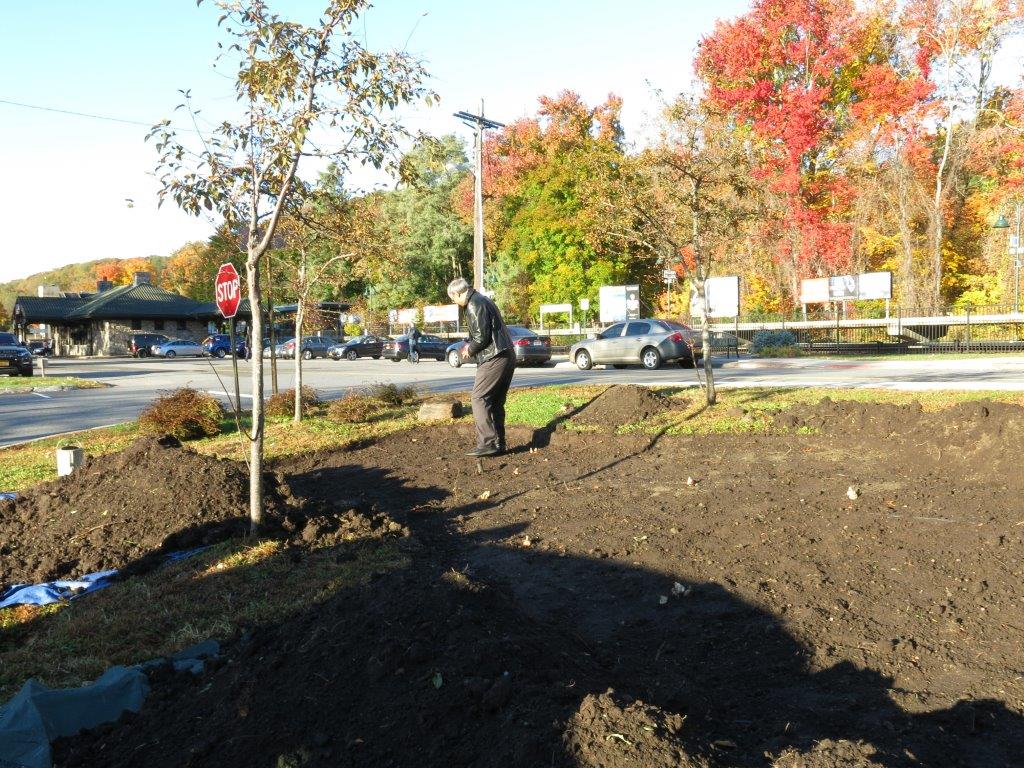
1. The selected site was just a typical grassy area. So, in preparation, the sod was removed and the area was dug to the depth required by the large daffodil bulbs. Remember, depth is three times the size of the bulb.
IMG_8407
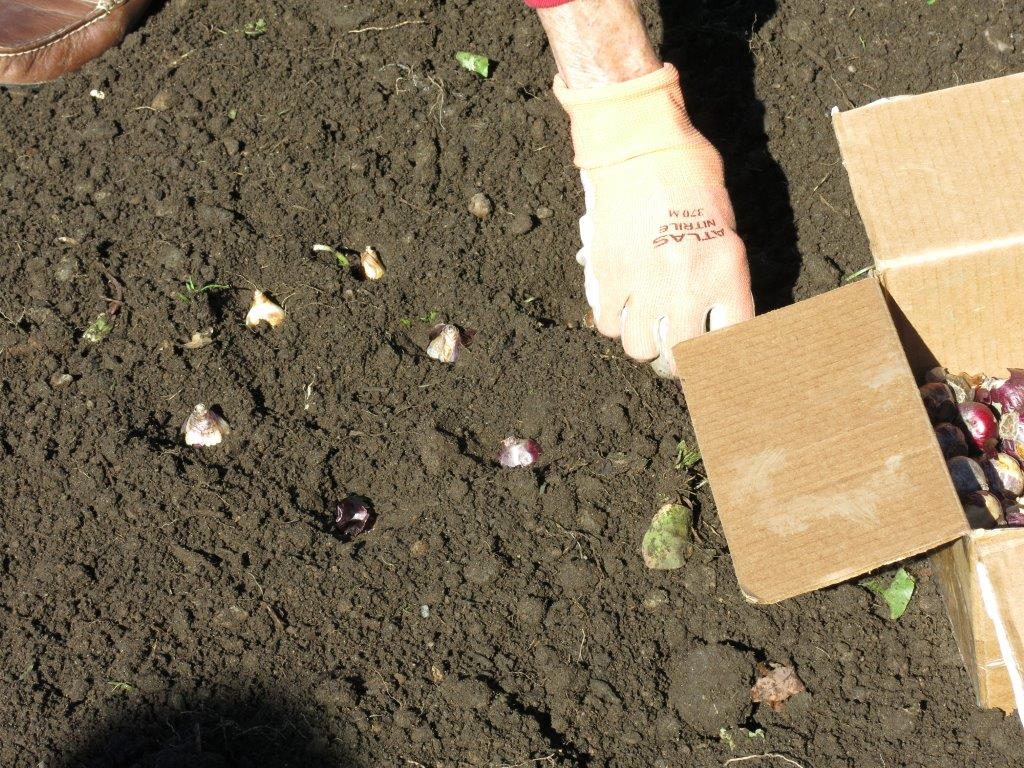
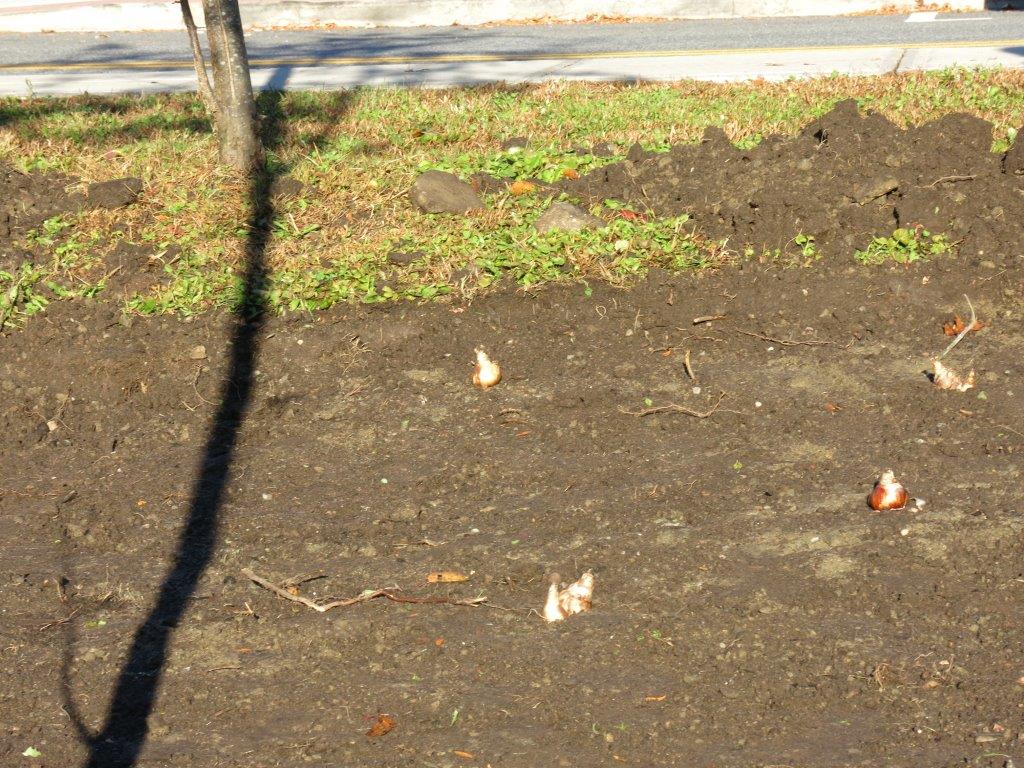
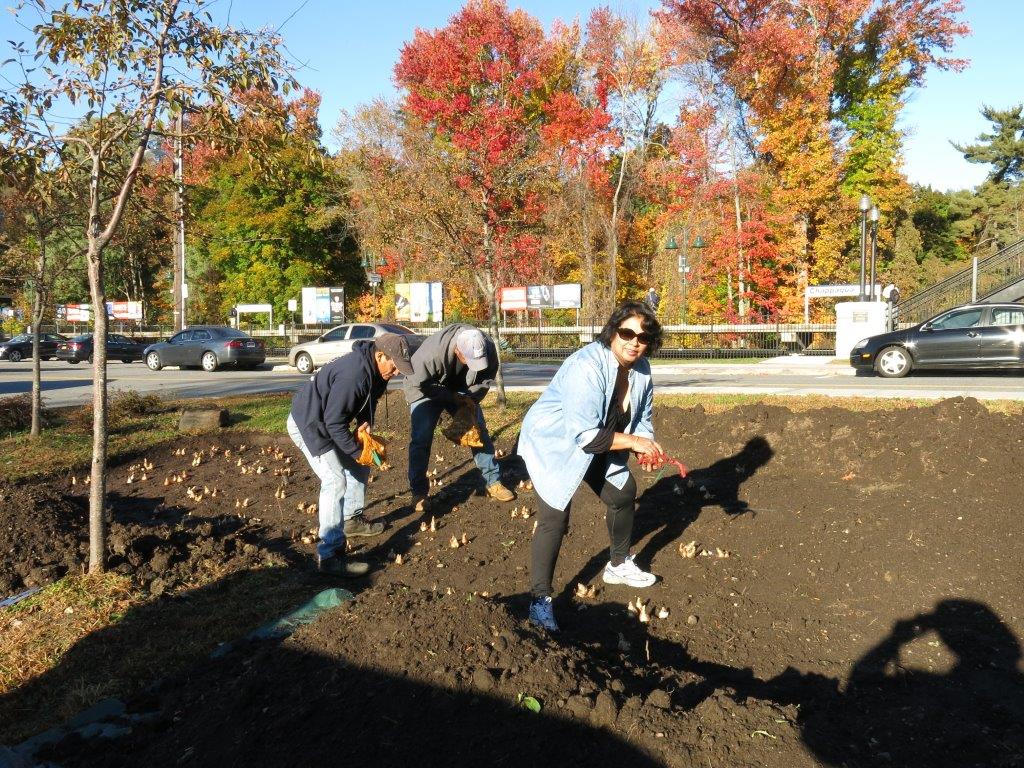
2. To create a natural, informal look, the different daffodils were mixed up and placed in no particular pattern in the trench. Kept about 5 to 8 inches apart, the bed will look thickly planted.
IMG_8410

IMG_8418

Scott Medbury, director of the Brooklyn Botanical Gardens plants with volunteer and my dear friend Toni Kelly.

Scott Medbury, director of the Brooklyn Botanical Gardens plants with volunteer and my dear friend Toni Kelly.

IMG_8439
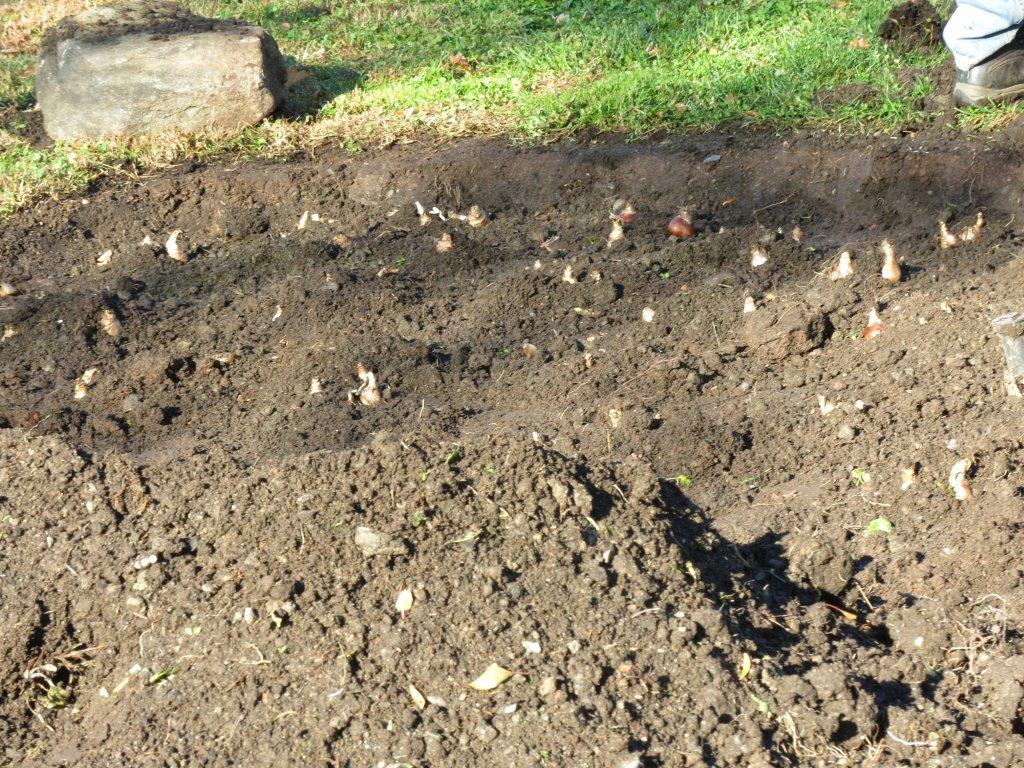
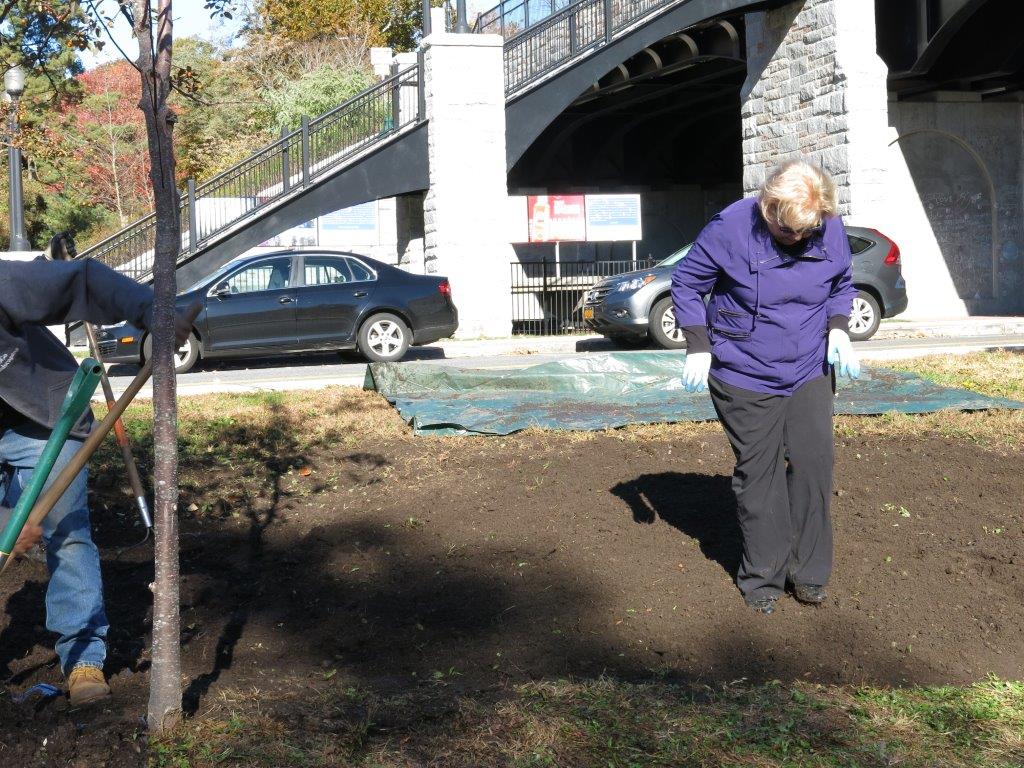
3. These large bulbs were then covered with soil. The depth was thus raised to be correct for the smaller bulbs.
IMG_8424

IMG_8440
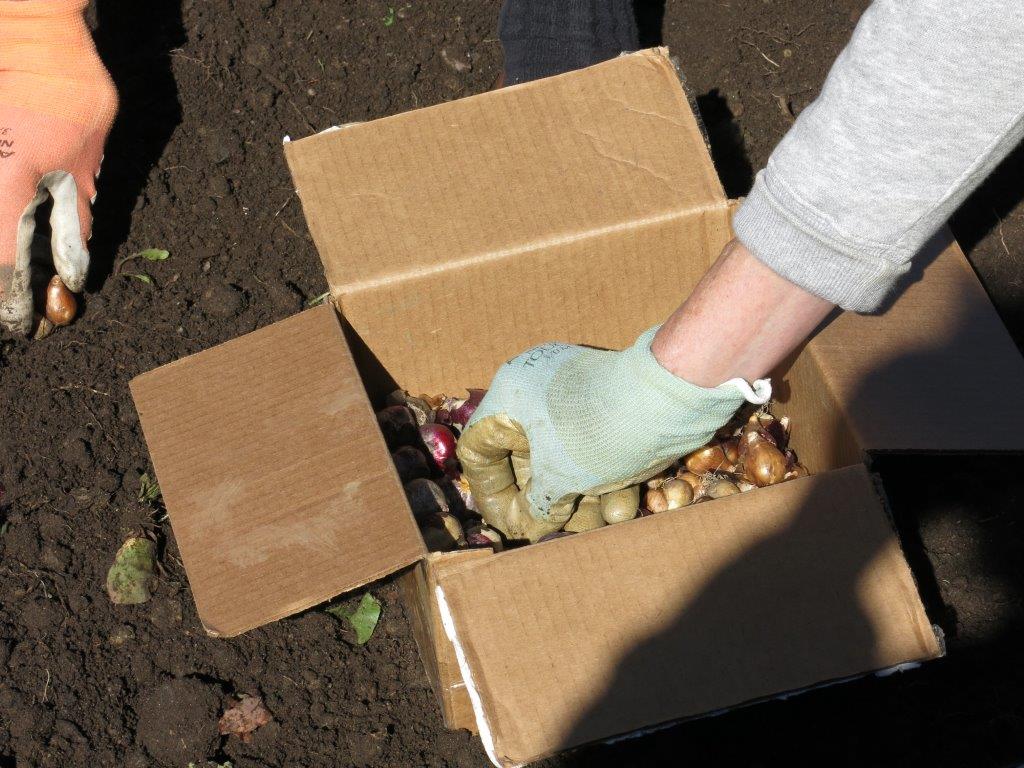
4. Again, the minor bulbs were mixed and planted at random.
IMG_8443

IMG_8444
5. The remaining soil covered all the bulbs and filled up the bed.
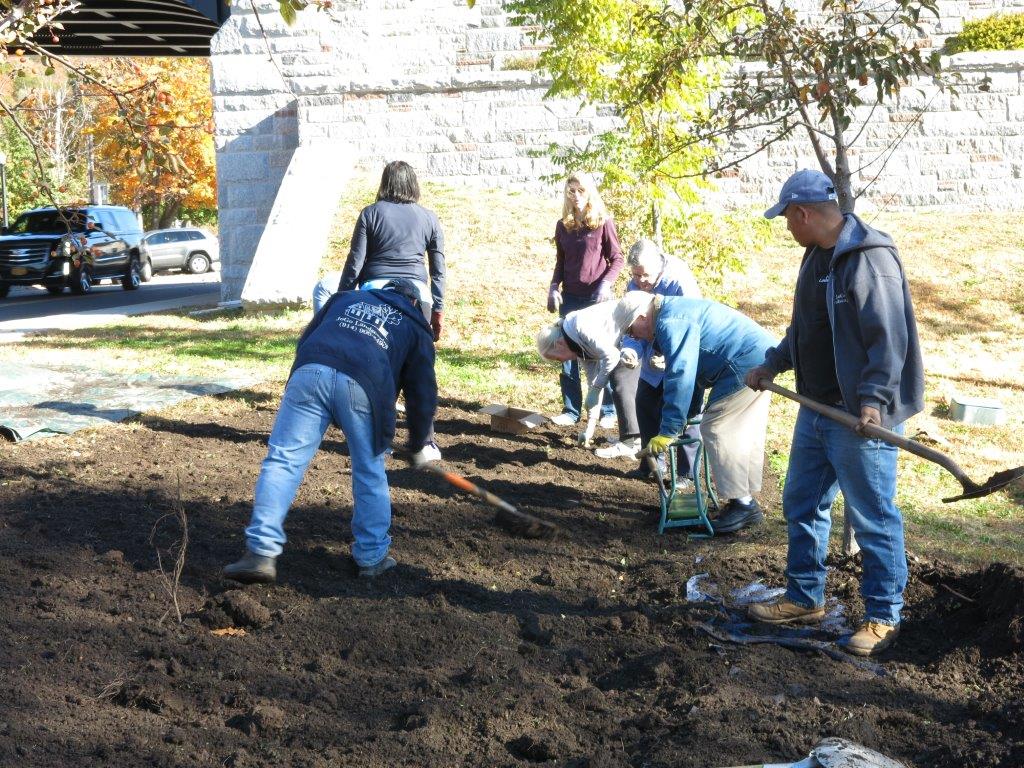
IMG_8448

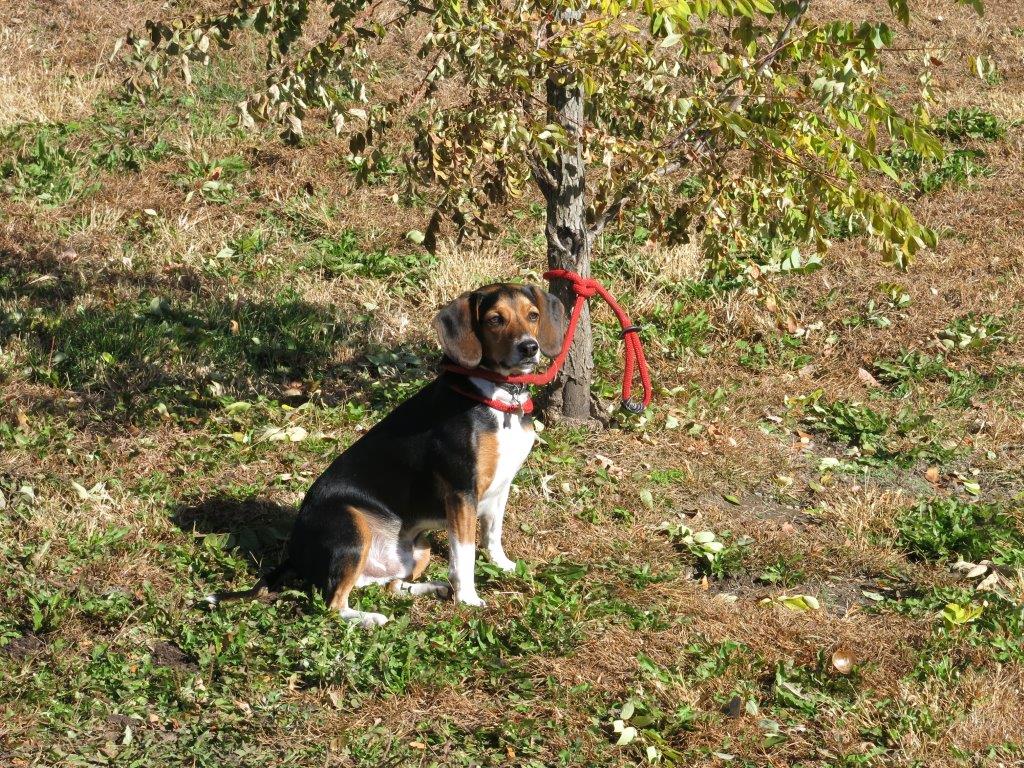
Fred oversees the whole operation

Fred oversees the entire operation

6. The whole bed was mulched with shredded cedar.
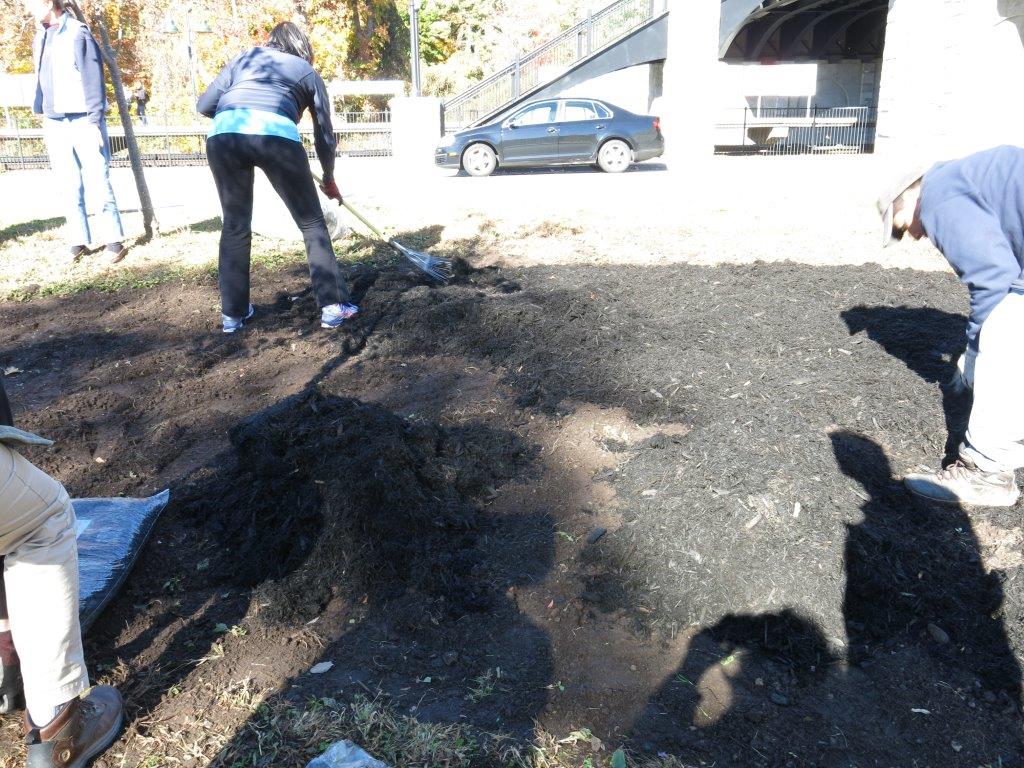
IMG_8451
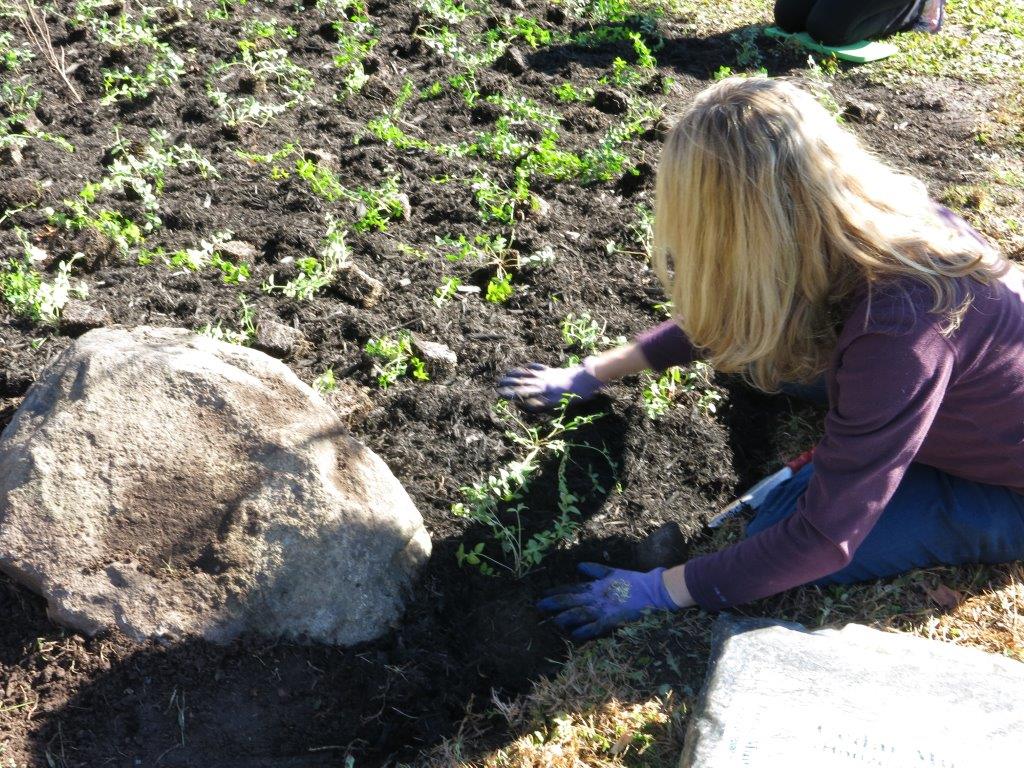
7. Finally, an evergreen ground cover of vinca/creeping myrtle was planted. The vinca will mark the bed and provide year-round definition. Its mauve-blue flowers will add an additional splash in spring.
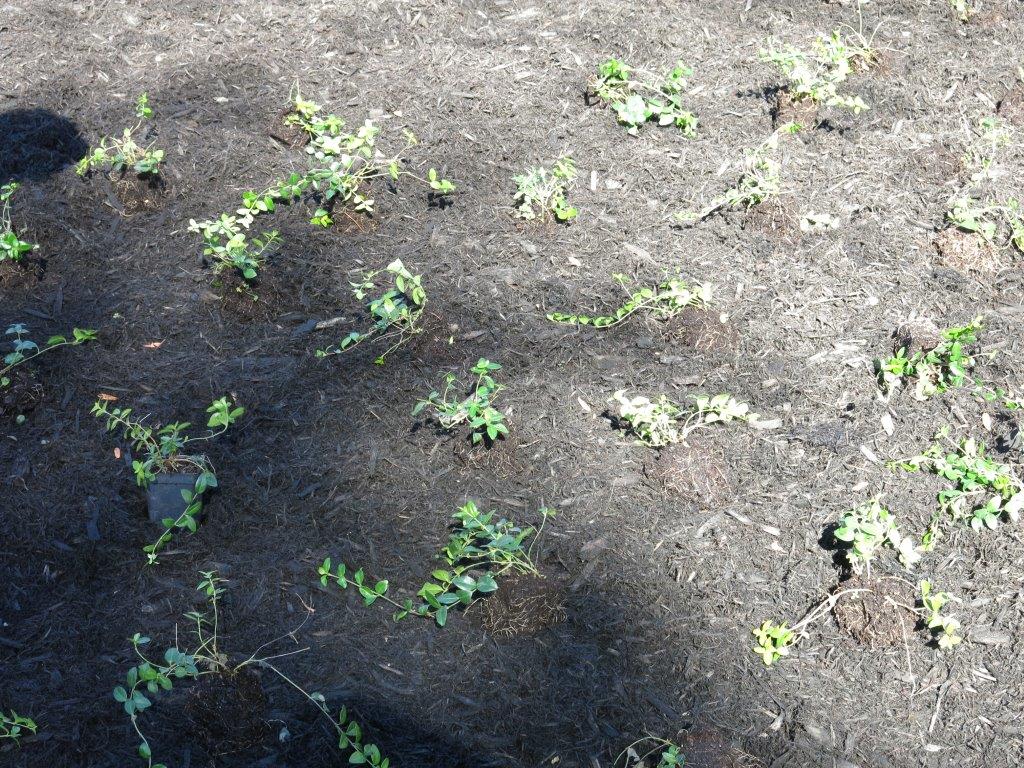
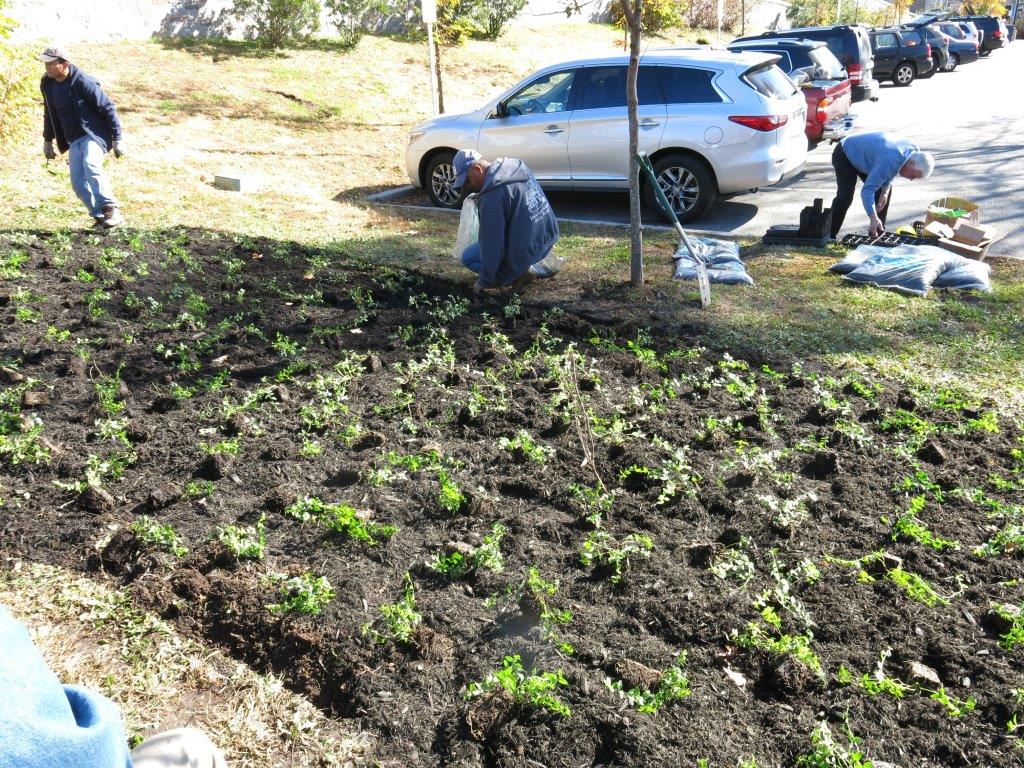
IMG_8455

IMG_8461

This rock, brought in from Rocky Hills, will bear a plaque dedicated to Henriette.

This rock, brought in from Rocky Hills, will bear a plaque dedicated to Henriette.

8. The bed will be kept watered till the weather turns really cold. That ought to allow the ground cover to settle in nicely before the winter.
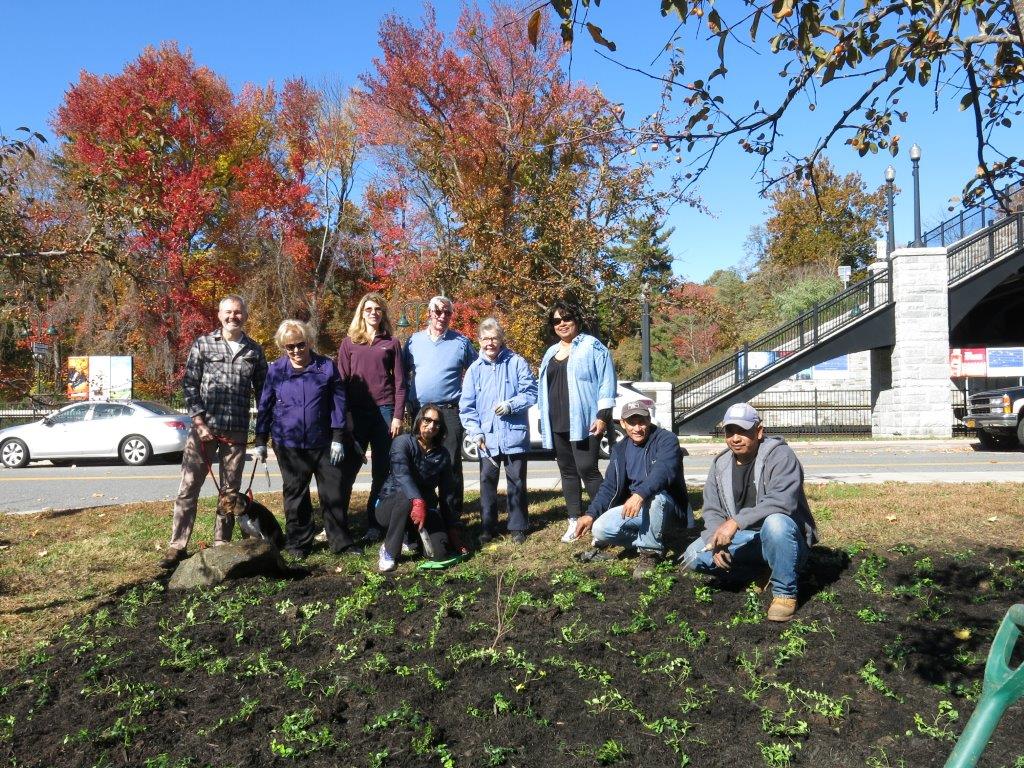
Part of the planting team,

Part of the planting team,

I can’t wait for spring! This bed should look lovely. I do believe Henriette would approve. I felt her presence the whole time we planted – as though she was gently guiding us along.
Once again dear friend, I salute you. You are deeply missed.

(c) 2015 Shobha Vanchiswar

[do_widget “Blog Subscriptions (Jetpack)”]
Favoring Fall

Is it my imagination or is this fall a real winner? The colors are simply spectacular – I’ve been hard pressed to stop gazing and get down to the business of seasonal chores and other work demands. This past weekend, we had a taste of the frigid months to follow. It got very cold and the nights experienced hard frost. The saving grace was the sheer beauty of the foliage. Happily, temperatures are predicted to go up to the 70’s by mid-week. I hope the autumn lingers on much longer.

Because of my recent travels, the garden chores have not been attended to as they ought to have been. It has been a busy scramble to cut back and clean up. The former is done and the latter is in progress. Thankfully, I got the greenhouse cleaned and ready just in time to receive the vulnerable plants before the hard frost.

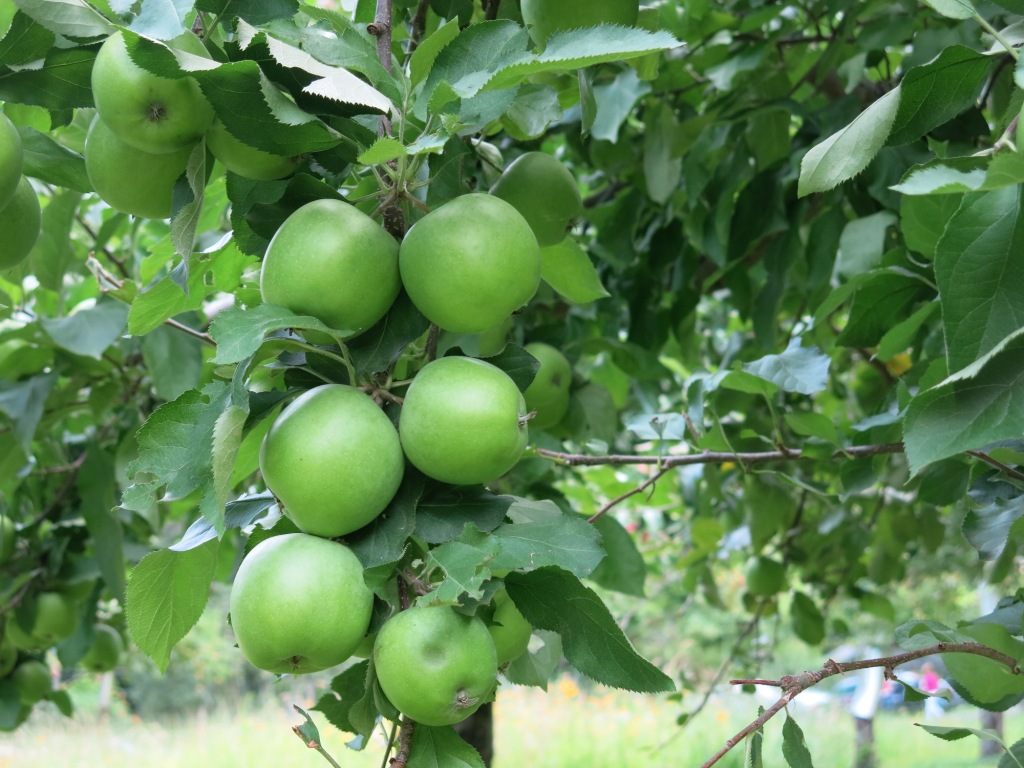
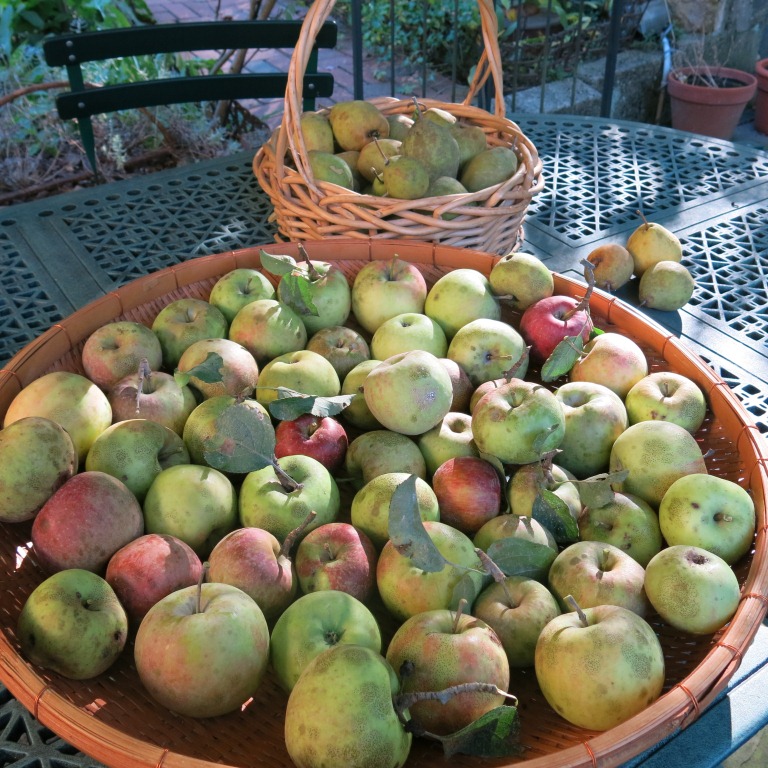
This has been an exceptional year for apples. My garden’s bounty concurs. I’m trying to brace myself for the hours in the kitchen – apple sauce, pies, baked apples, apple cakes ….
I’m sorry to see the last of the leafy green veggies. A steady diet of winter root vegetables can get tedious. So I’m arming myself with new and interesting recipes. The goal is to try and stick to seasonal produce as much as possible.

Apart from the grand task of planting my 700+ bulbs, there are two big projects I’d like to get done in the next few weeks. The first is that of dividing up the irises and replanting them – this needs doing every so many years and I’ve procrastinated for two years already. The guilt is getting to me.
The second job is that of replacing the wisteria covered gazebo. When I planted the pair of wisteria and directed them to climb up the structure, I knew full well that the gazebo was not going to stand up to the powerful twining nature of the climbers. My eagerness, okay my impatience, to get the native wisteria established and fuelled by the romantic vision of feasting with loved ones under the vine dripping with purple, pendulous racemes, got the better of me and I disregarded the obvious. Sure enough, the metal has been tortured and is now screaming for mercy. A strong, wooden replacement is in order.

As I write about these jobs, I’m feeling a wee bit overwhelmed. Much to do in the remaining few weeks before we’re once again in the deep freeze. So I’ll just have to get on with it.

But lets not get too obsessive about the work. It would be a shame to stop taking the time to appreciate the splendors of this season. I need these memories to get me through the more minimalistic palette of winter.

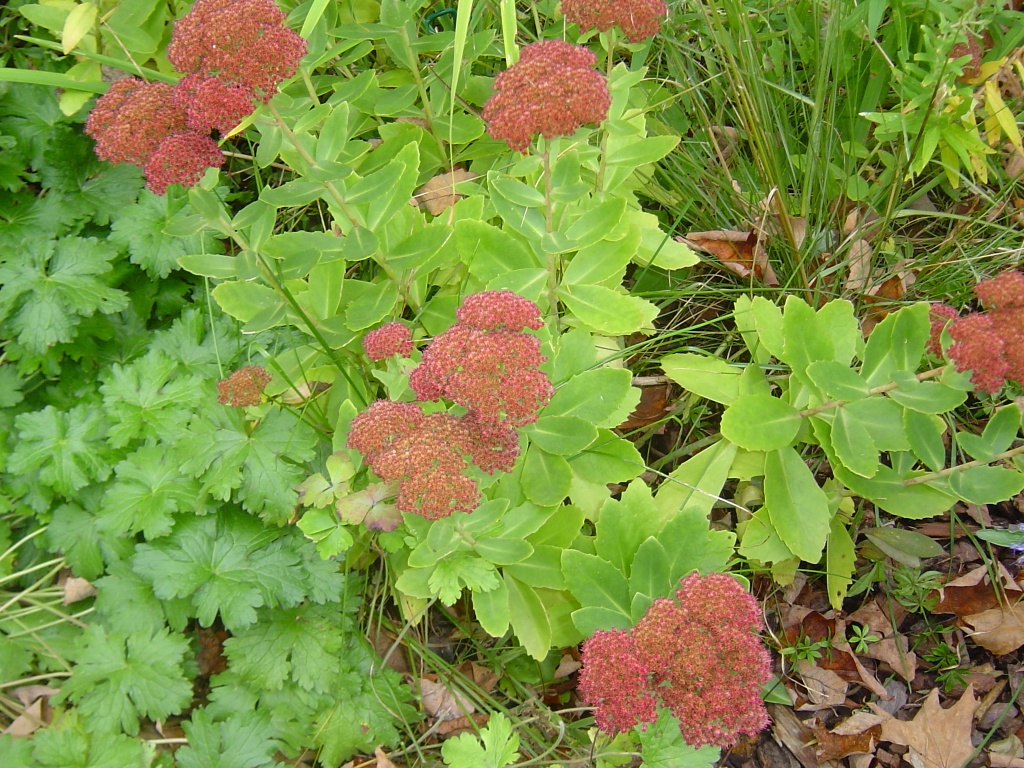
Appropriatly named Sedum 'Autumn Joy'

Appropriately named Sedum ‘Autumn Joy’

A portion of the apple harvest

A portion of the apple harvest

A reminder to pause every now and then

A reminder to pause every now and then

IMG_4483

Fuelling up for long flight south

Fuelling up for the long flight south

Illuminating the road

Illuminating the road

(c) 2015 Shobha Vanchiswar

[do_widget “Blog Subscriptions (Jetpack)”]
 

Green Acres


No doubt with summer at an end, the garden is looking all too blah. I know mine is. It’d look even worse if the fall flowers were not doing their thing by throwing splashes of color to liven up the scene. We’ve grown so accustomed to planting for color that we’ve completely neglected that most dominant of horticultural colors. Yes, the ubiquitous green.

Green comes in so many hues and yet, we lump it as one humdrum ole’ pigment. Such a shame considering we are absolutely starving for it well before winter has called it quits. In spring, the different shades of green are all too apparent. Spring green, sap green, chartreuse green, olive green, blue-green, gray-green, pthallo green, the list goes on. And every single one of those shades is a welcome sight. So what happens as the year goes along? A lot of the plants that started out looking different seem to turn the same type of green.

It simply means one must select more carefully to create a diversity in greens. The choices are plenty. Variegated plants as well as the huge range of plants with foliage of different greens can infuse the garden with enough excitement. Toss in diverse textures and shapes and you have something truly fantastic. We know all of this but often fail to make the effort because we are too focused on other colors. Hence that humdrum look in late summer.

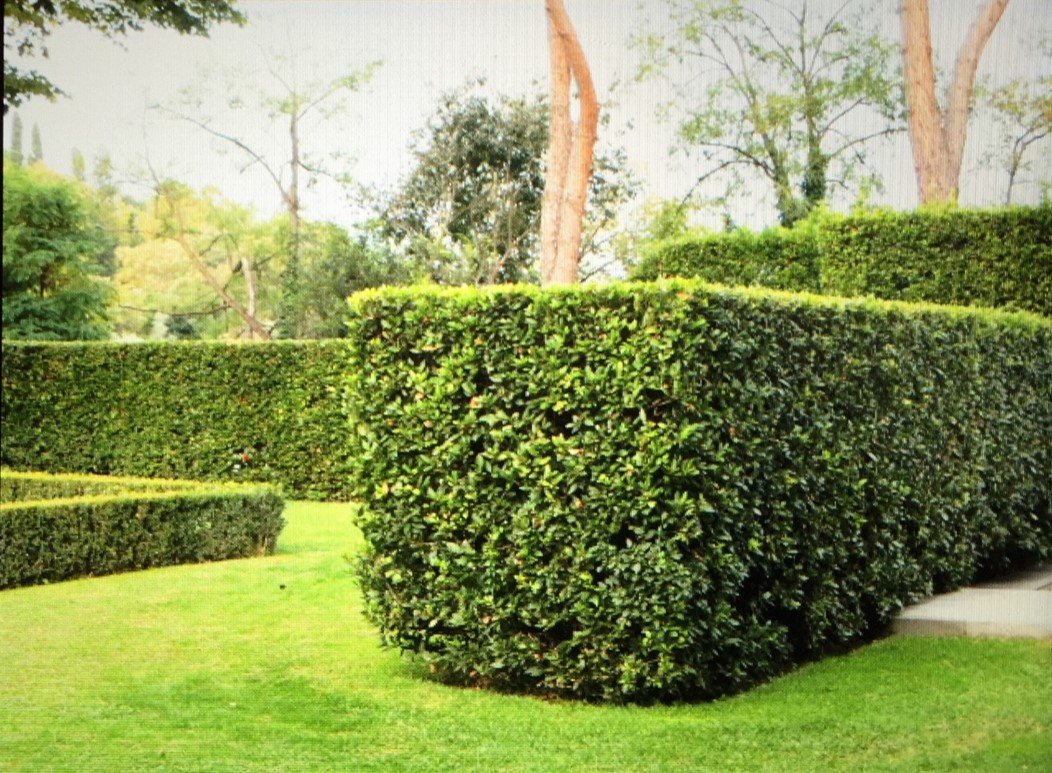
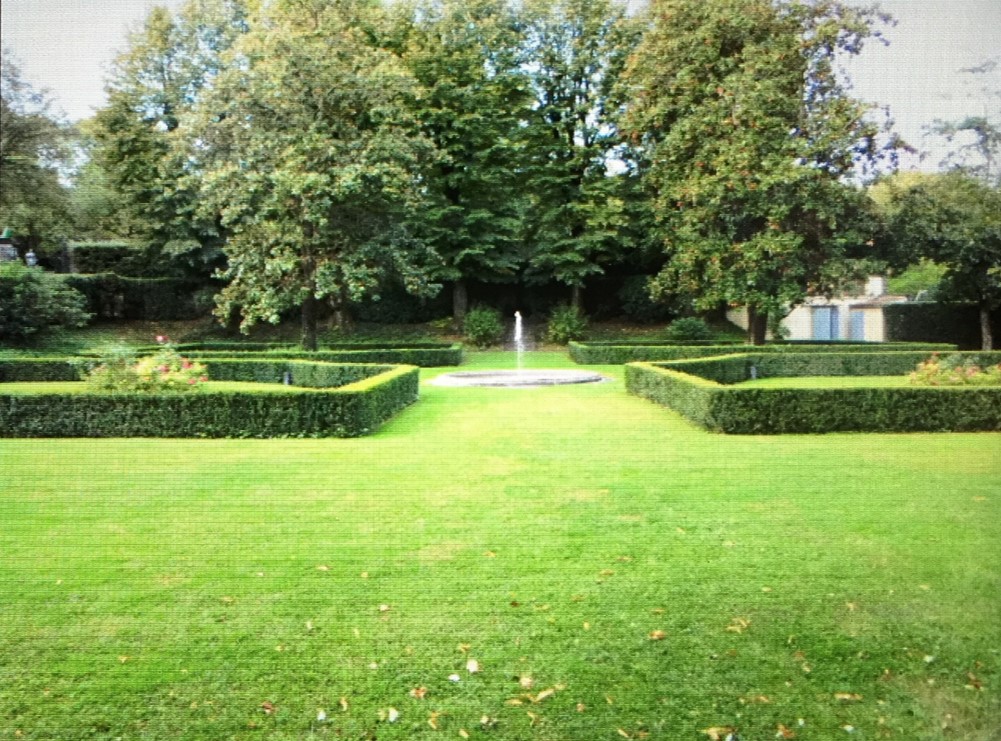
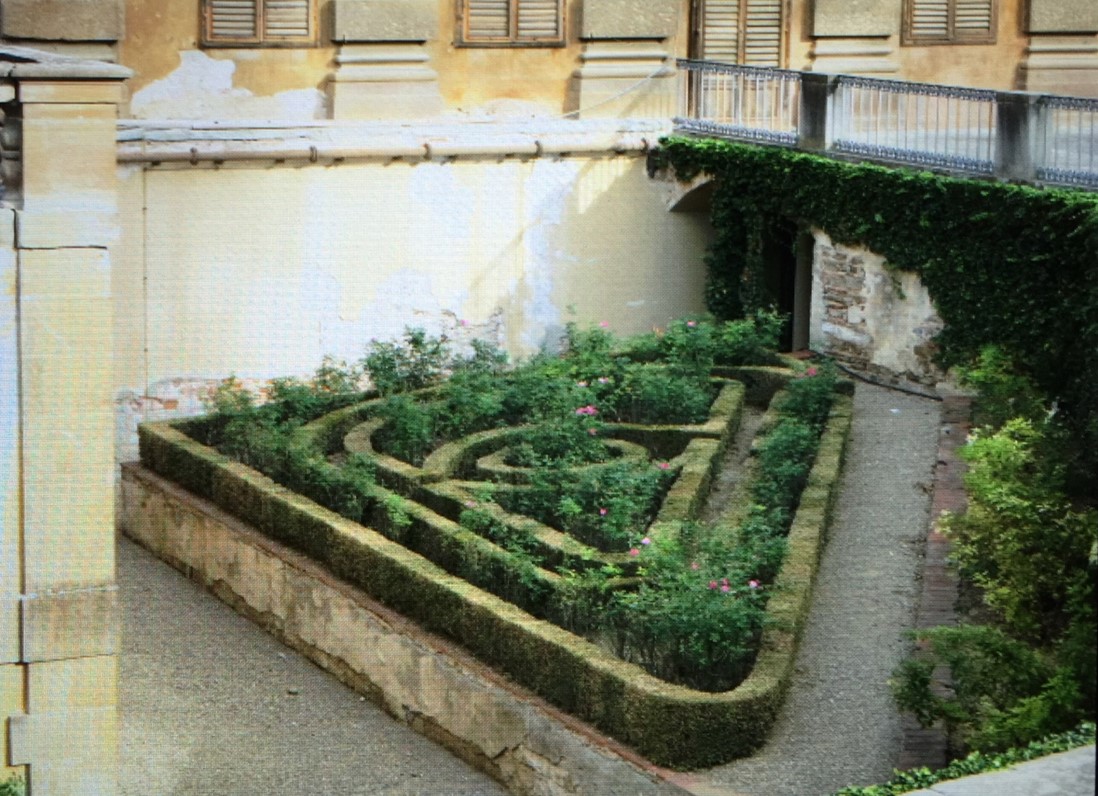
I got to think more on this matter these last couple of days. I’m enjoying a Tuscan vacation and the classical Italianate gardens are pretty much mostly green. And a uniform green at that. The effect is rather soothingly simple and elegant. Occasional spatters of color only serve to emphasize the minimalistic use of it. The gardens focus more on elements like pattern, perspective and positioning. The simplicity is most deceptive as much thought and skill is required to create these gardens. They are the opposite of cottage gardens where anything goes. It isn’t enough to know plants. A good knowledge of mathematics and architecture along with a heightened sense of aesthetics is required. A tall order for us average gardeners. No wonder that style is not so popular today.

But, I think we should revisit the idea that a garden must always have ‘color’. The more I visit the classical gardens in Tuscany, the more appealing they are becoming. There is something very restful and calm in them. For visual interest, think parterre or knot gardens. Not the highly stylized, hard to maintain sorts of beds but the basic patterns of squares and circles outlined in boxwood and a single shrub or tree in the middle. True, the box needs trimming but that would be just a couple of times a year. There’d be no staking or deadheading! The gravel on the paths and within the beds would make mowing and weeding an occasional necessity. The central trees/shrubs could bear flowers and/or fruit. Does this have any appeal to you?

The problem is, such gardens tend to be quite formal in appearance. A far cry from our more informal looking chateaux. But for the duration of my trip, I’m going to indulge in dreaming up an all green, super-simple, elegant garden.

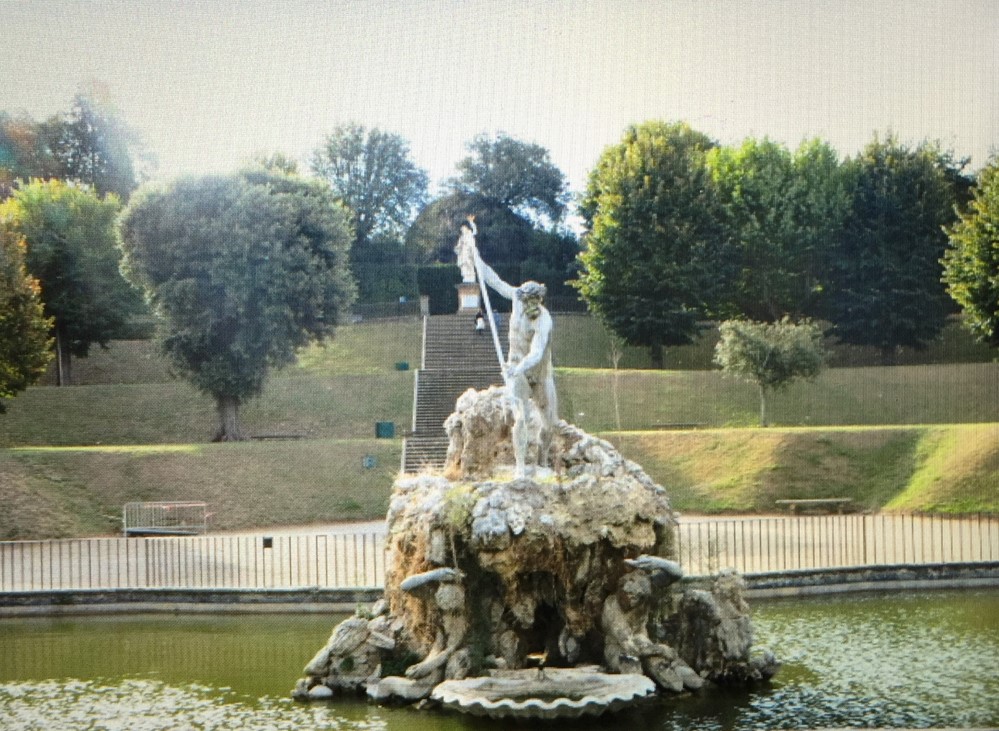
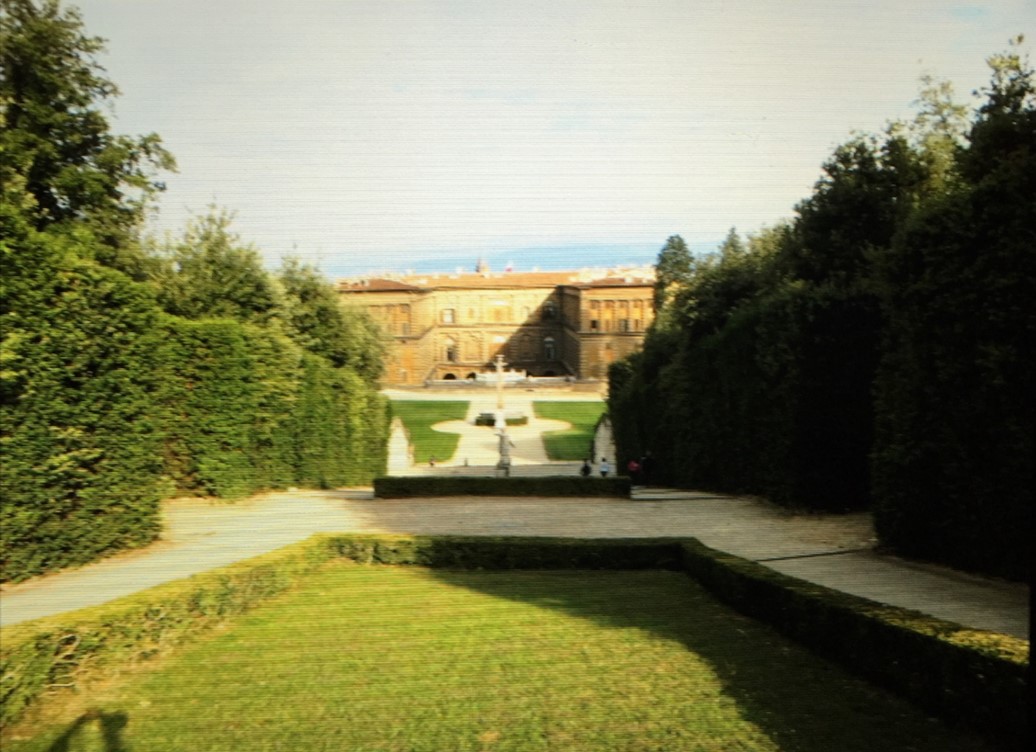
The following images are of the famous Boboli gardens in Florence and one other private garden. While the low borders are of boxwood, the wall-like hedges are of bay laurel! So utterly fitting to this region – a tip of the hat to its Roman history.

I apologize for the poor quality of the photographs as I’m having some technical problems. Will post much nicer ones in future posts!

Bobo;i 1

Boboli 2

Boboli 3

Boboli 4

Villa la Vedetta

Villa la Vedetta

(c) 2015 Shobha Vanchiswar

[do_widget “Blog Subscriptions (Jetpack)”]
 

Weeding, Watering, Wandering

Hard to believe that September is coming to an end. The equinox today, officially declares the end of summer 2015. The weather has only just taken to hinting at autumn days ahead. The leaves, still mostly green, echo my own reluctance to let go of summer. And I’m seriously delinquent in the usual chores of the month.
My ‘Things To Do’ list for Seprember says:

1. Continue weeding.
2. Deadhead. Cut back anything that looks ragged or done for.
3. Mow the lawn less frequently.
4. Water judiciously.
5. Get leaf rakes, leaf bags and keep ready. Fall cometh!
6. Similarly, keep bulb planting stuff like dibbler, bulb food, trowel, spade, etc., handy.
7. Continue harvesting vegetables. Remove plants that have given their all and toss on the compost heap.
8. Stir compost thoroughly.
9. Plant in cool weather vegetables.
10. Check if fall blooming plants such as asters and chrysanthemums need staking.
11. Inspect garden for pests or disease. Take prompt action if detected.
12. As days get shorter, make it a point to enjoy the garden as much as possible.

Of those dozen action items, I’m only following through on #s 4 and 12 most judiciously.
All summer long we’ve bemoaned the lack of rain. Too dry too long. Not willing to see my precious garden perish from thirst, watering deliberately and daily has been de rigueur. Hence, there remains a semblance of verdancy but don’t be fooled. The plants are struggling. If this near drought situation continues, all our gardens will be in peril.

Weeding seems to be a distant memory. A heavily guilty one at that. It has been either too hot to bother or I’ve been traipsing around checking out gardens in other lands. The latter is a sound way to avoid that chore. Gives me an air of scholarly interest whilst shirking my duties. I’m hoping the weeds will simply go away. I know what you’re thinking and I agree – I’m delusional.

Coming back to # 12, I’m most certainly enjoying the garden: mine as well as several others. Doing very little has advantages. Wandering through foreign lands, admiring plants I cannot grow has renewed my appreciation of those that thrive in my neck of the woods. I’m also inspired to focus harder on supporting native plants and sustainable practices.
As for all those other to-do items, they must wait a tad longer. I have a bit more immediate wandering to do. Tuscany, here I come!

Here are some images from my summer wanderings:

Singapore:

IMG_6552

IMG_6628

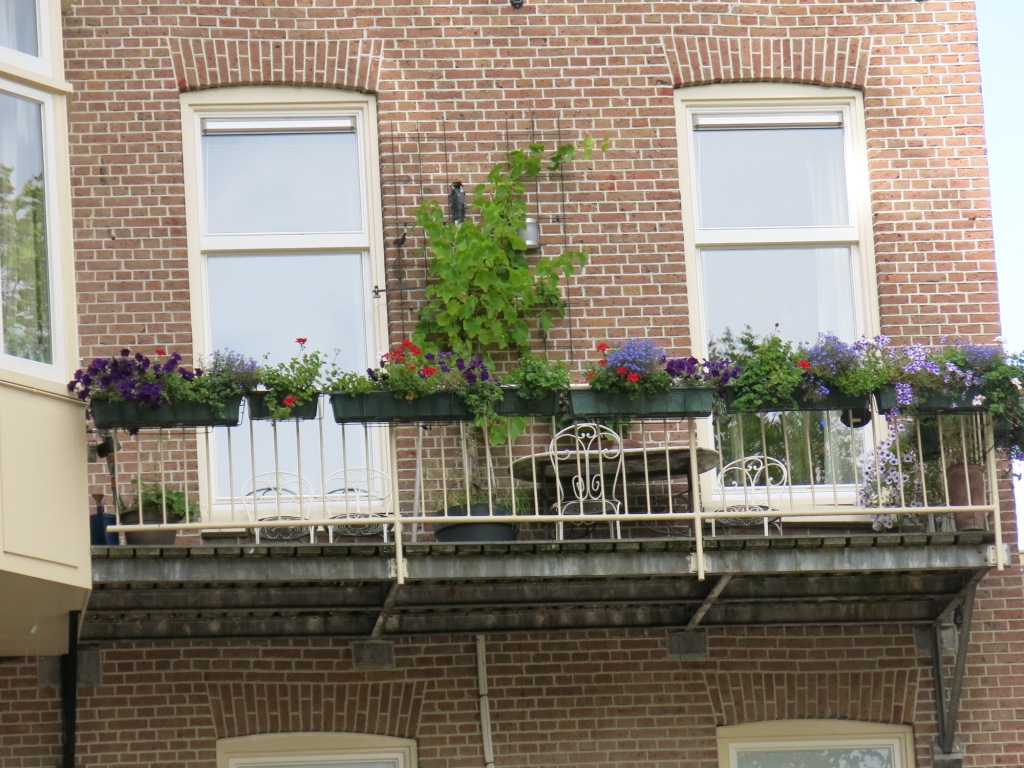
Amsterdam:

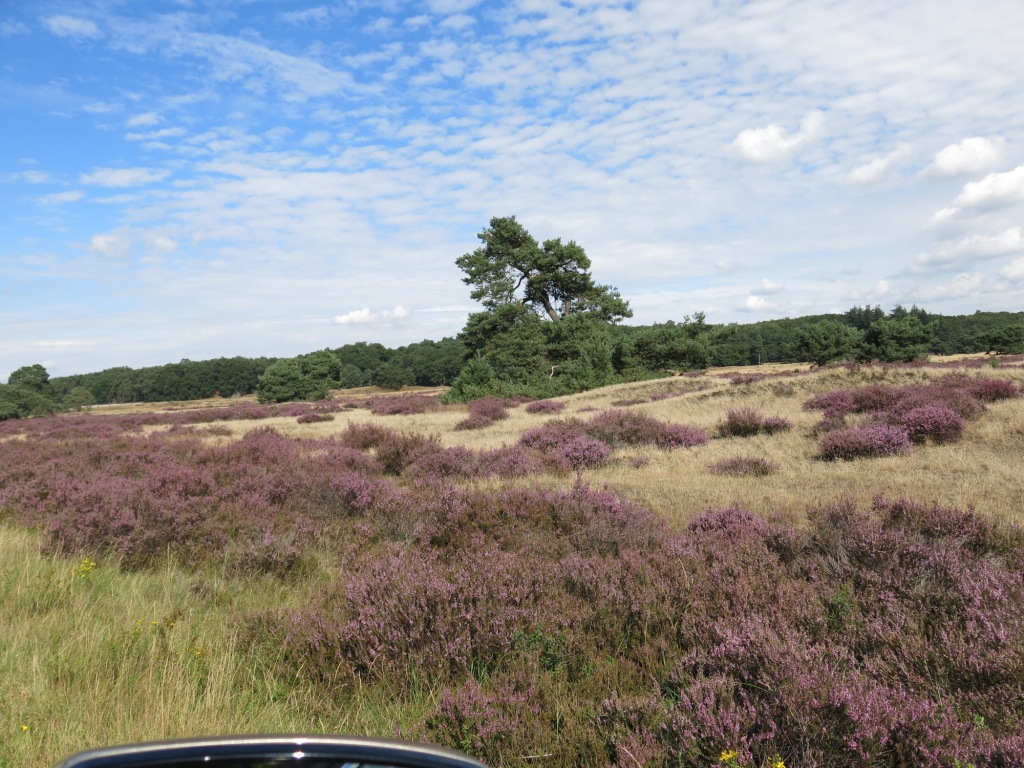
Heather

Heather

IMG_7116

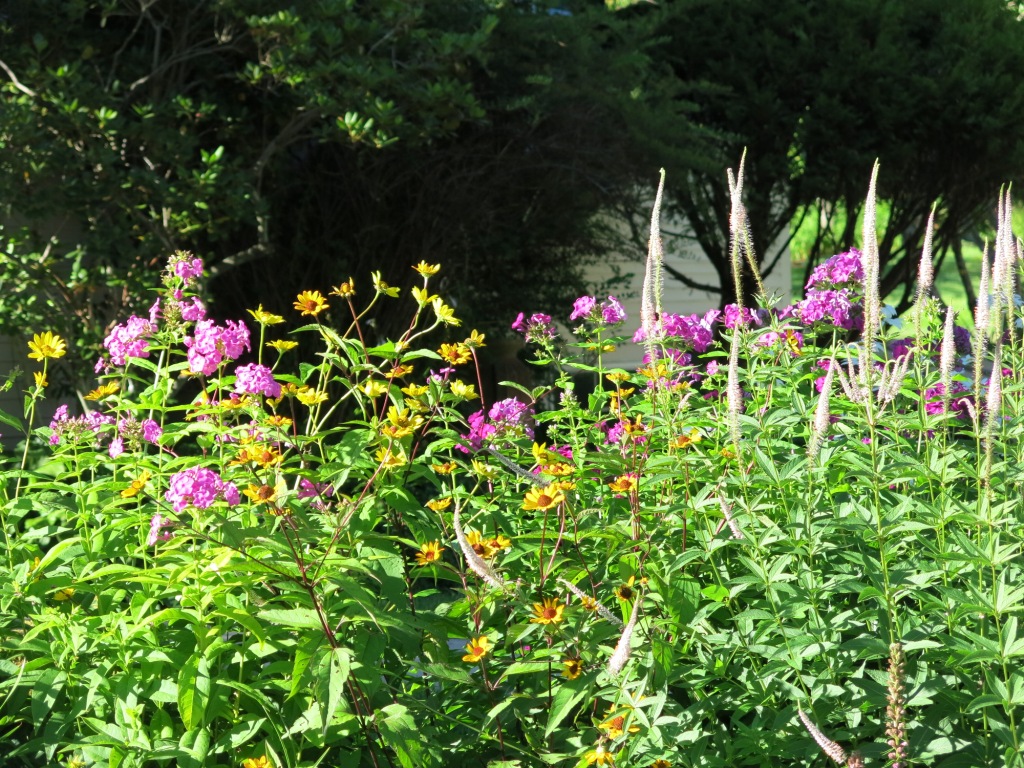
Vermont:

IMG_6989

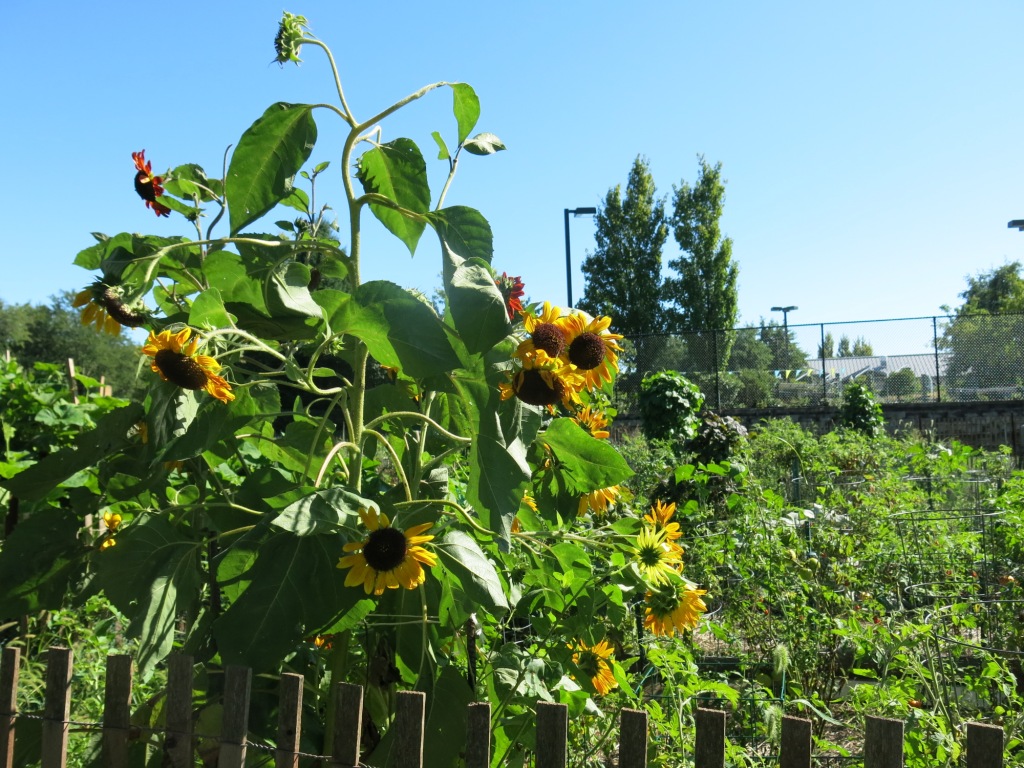
Chicago:

IMG_7484

IMG_7411

(c) 2015 Shobha Vanchiswar

[do_widget “Blog Subscriptions (Jetpack)”]
September Affair

It is the second week of September and doesn’t feel like it one bit. For starters, it is HOT! Sizzling, heat wave hot. And oh so dry that even the trees are gasping. Along the highways, the greenery looks so brown and parched you’d think they’d been deliberately torched. In my own garden, I’m torn between watering my plants copiously and letting nature take her course. What survives should be my guide for future plantings. But then, what about the plants I’ve paid for dearly and lovingly cherished? I’m constantly tussling with my conscience about doing the right thing. A good, thorough drenching rain would go a long way in serving my cause.

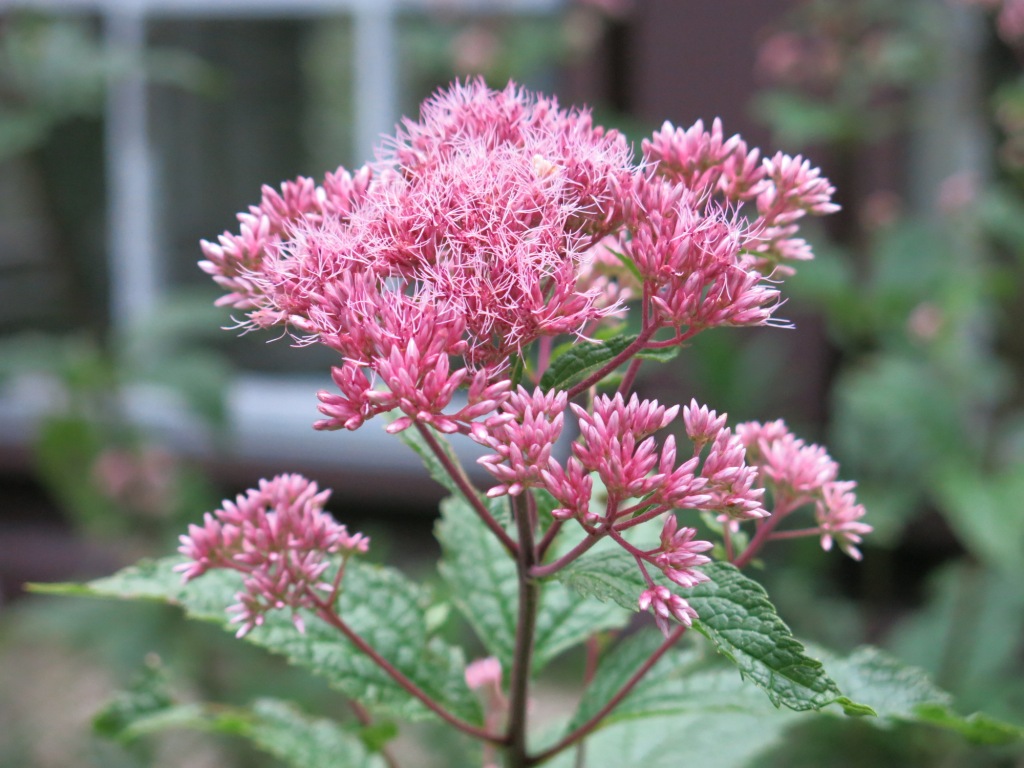
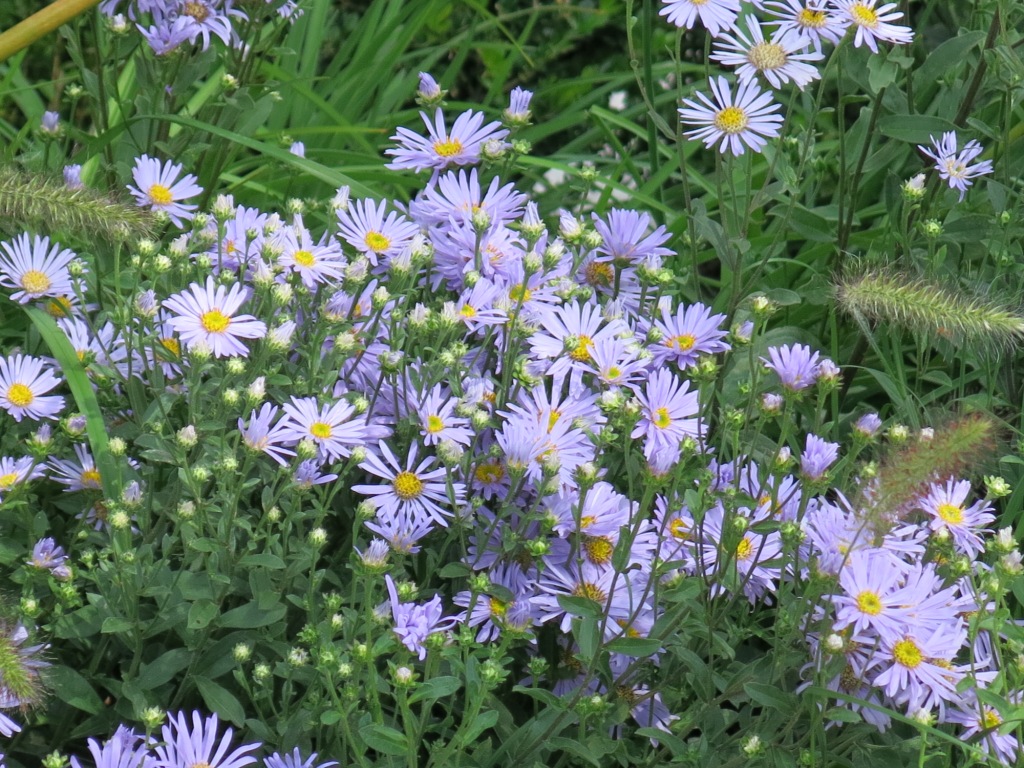
I note that the fall plants like asters and monkhood are slow to bloom this year which is not a bad thing as the hydrangea, phlox, cone flowers and Joe Pyes are still going strong. But I hope then that we do not get cheated out of a colorful autumn with an early winter.

By now, I’m usually getting the tender perennials into the freshly scrubbed greenhouse, cutting back spent plants and generally cleaning up. However, it feels too early this year and I’m kind of at a loose end. No doubt the mad rush to complete the chores will occur in due course.

As I await my shipment of bulbs for fall planting, complete my list of perennials to purchase, set up a plan to replace the gazebo that supports the wisteria and prepare to harvest fruit, I’m determined to enjoy these days of transition as both summer and fall vie for attention.

Come, enjoy the beauty of September:

IMG_7111

IMG_7023

IMG_7022

IMG_7051

IMG_7056

IMG_7115

(c) 2015 Shobha Vanchiswar

[do_widget “Blog Subscriptions (Jetpack)”]



Retreating From The Heat

No real gardening is happening this week. It is way too hot to spend any length of time outdoors. So I’m focusing on gardening indirectly – reading, watching films and generally pondering. Here is a sampling:

I’ve been doing a lot of travel this season and airports are becoming a rather familiar sight. And I’m rather unhappy about our New York hubs. There are hardly any sort of planned landscaping around the airports let alone nice pots of plants indoors. Given the glut of data supporting the positive effects of plants on our physical and mental healths, it would stand to reason that airports install gardens outside and within. After all, they are the very places where tensions run high, tempers flare, nervous tics develop, blood pressures soar, anxiety and panic set in and general fatigue prevails. Instead, it seems nobody told our airport powers-that-be about the enormous benefits that plants provide.

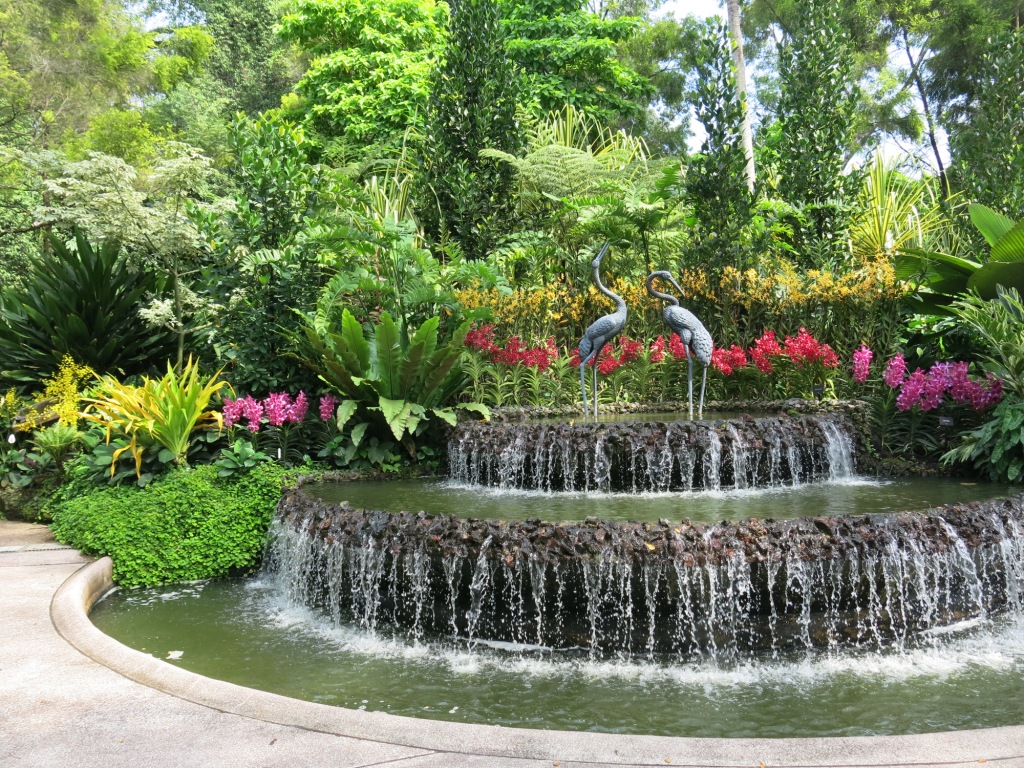
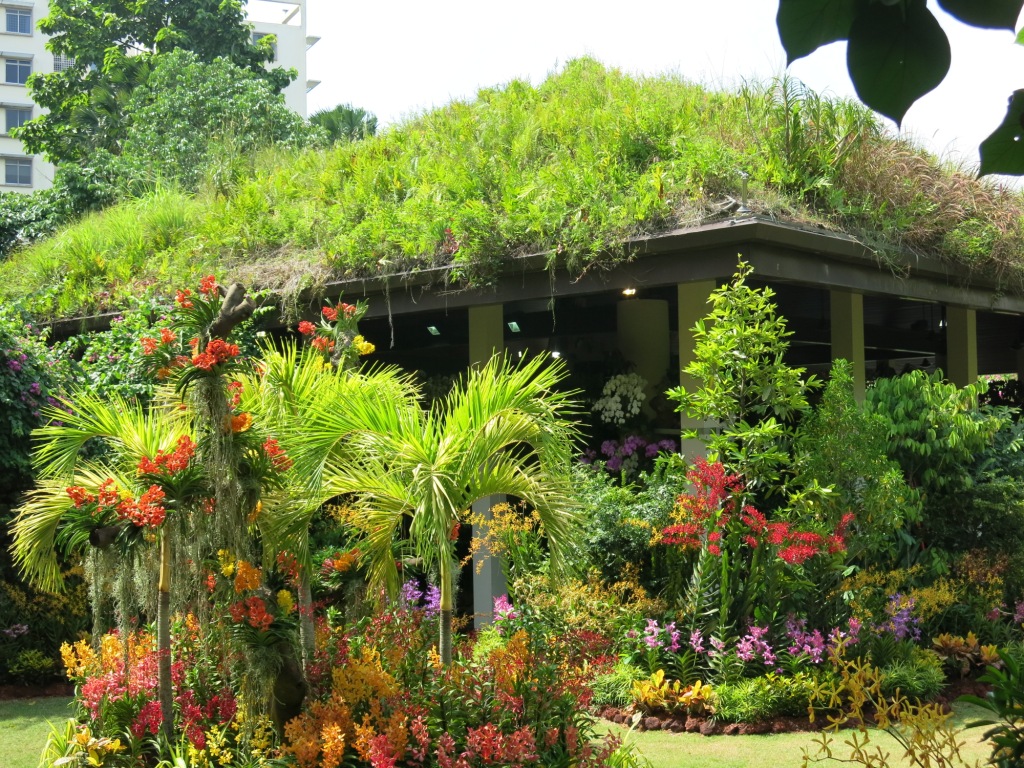
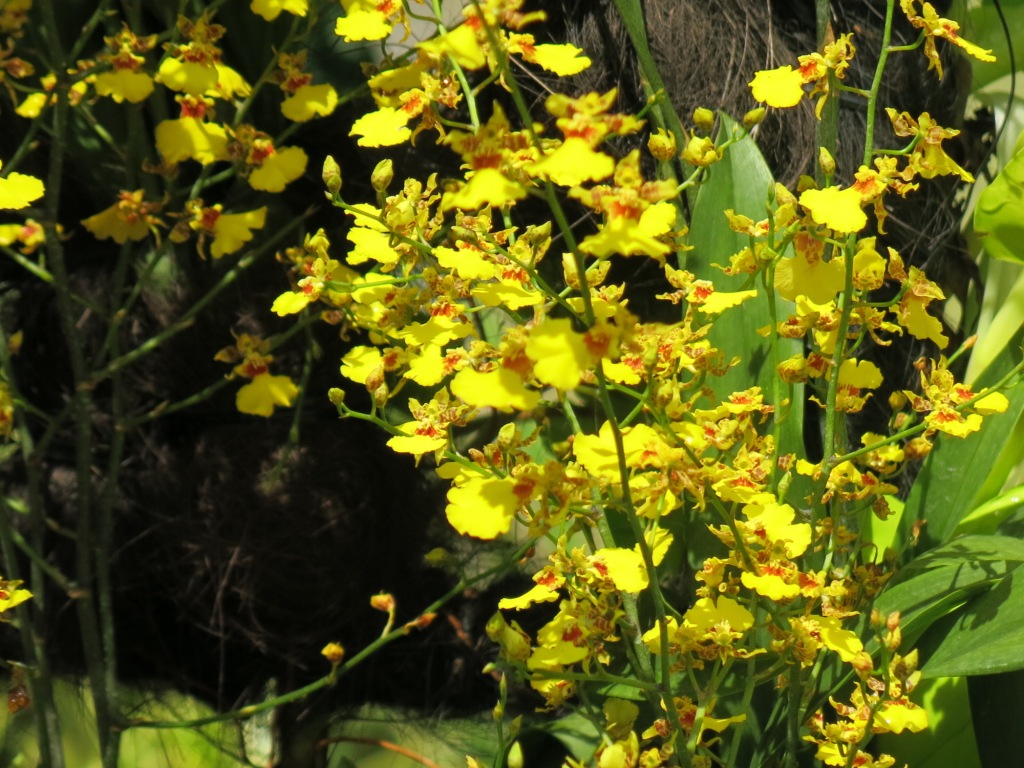
However, in Singapore, the gardens in the different terminals and the landscaping in the surrounding areas of the airport are so lovely that they are now world famous. This airport has truly taken its gardens seriously – there are vertical gardens, butterfly gardens, orchid gardens all over the place. In July, I found myself at Changi airport with a layover from midnight to 4:00 am and the only salvation I had were those gardens.

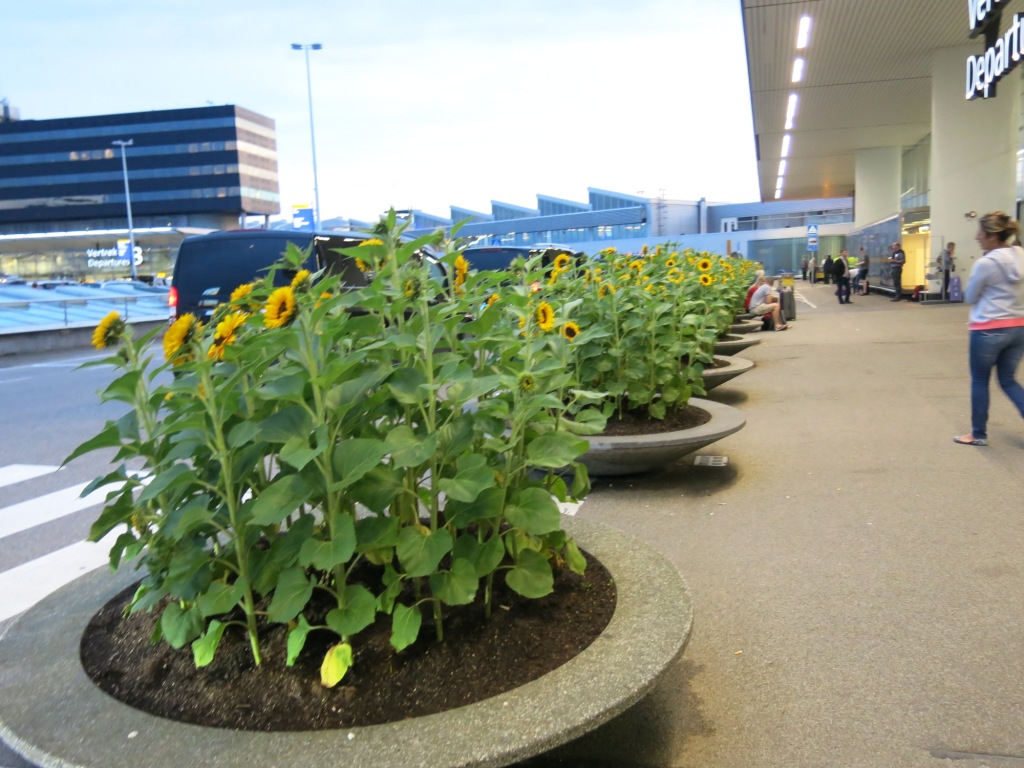
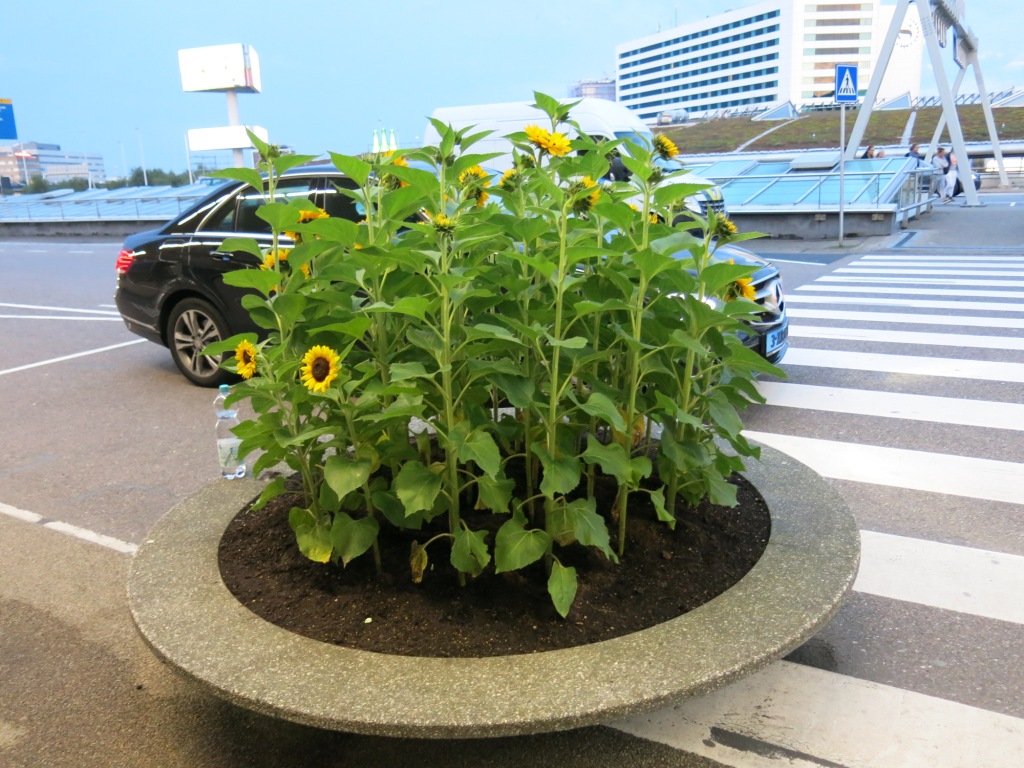
Then this past Sunday, I had to be in Amsterdam’s Schiphol airport at 6:00 am. Having partied at a wedding bash the night before, I was seriously sleep deprived and a tad grumpy. But, on emerging from the taxi at the airport, my eyes saw sunflowers all along the sidewalk. Great, big, happy pots of them. How could one not smile at the sight? Put me in a better frame of mind right away. You see?

*********

I saw a movie that I think many of you would enjoy. “A Little Chaos” is one of those mostly unheard of films with an impressive cast. Kate Winslett, Alan Rickman and Stanley Tucci to name three. It is a fictional story about a woman garden designer working with Le Notre at Versailles. While the story is more about the development of their relationship than the garden, the movie manages to combine period setting, life at that time, a glimpse of Versailles in the making to give the audience the slightly lofty feeling of watching something intellectual instead of just another romance.

On a hot day, sit back in a cool, comfortable room and watch this movie. A nice escape from the summer doldrums.

**********

“Gardening is one of the rewards of middle age, when one is ready for an impersonal passion, a passion that demands patience, acute awareness of a world outside oneself, and the power to keep on growing through all the times of drought, through the cold snows, toward those moments of pure joy when all failures are forgotten and the plum tree flowers.”

-May Sarton, Plant Dreaming Deep

I came across this passage and immediately took umbrage with middle age and impersonal. For one who has been gardening long before middle age and taken my gardening work, its successes and failures very personally, this certainly did not sit well. But the rest of the quote definitely nails what gardening is all about.

After more neutral minded pondering, I concede that most gardeners are not the twenty – somethings. We are in general a slightly more mature tribe. But then again, most young adults do not have the luxury of space, time or finances to garden. Age has a few perks I suppose. But the energy of youth certainly eludes.

Children might learn the joy of growing plants but as they reach independence, the immediacy of life and its quotidian demands take over. Gardening is set aside till one ‘settles down’. Only very few continue gardening in one way or another. For myself, all through college I kept plants in my room. I struck a deal with the campus gardeners – they’d look after my plants whenever I went home and I’d help with watering a specific garden the rest of the year. And in the following years, when I lived in apartments, I convinced landlords to let me cultivate a small patch outside. You can well understand my response to the part about gardening as reward for the middle-aged. I sure took that personally!
Let me know your take on this topic.

Note: Dr. Oliver Sacks passed away on August 30. He was a big hero of mine and I’d only recently written about my last meeting with him in June. I will forever cherish that time. When I’d mentioned to him that I was going to Singapore, he immediately mentioned the vertical gardens and orchids there! Please join me in honoring Dr Sacks by staying curious about everything in this world, treating all people with compassion and understanding and staying fully engaged in life.

Something to see! For the entire month of September, some of my watercolors and photographs will be on exhibit in three windows of Sotheby’s real estate office in Chappaqua ( corner of lower Greeley Ave and King Street, across from Starbucks). I hope you will stop by and take a look. I would love your feedback!
 Please, I need your help in spreading the word! Thanks very much.

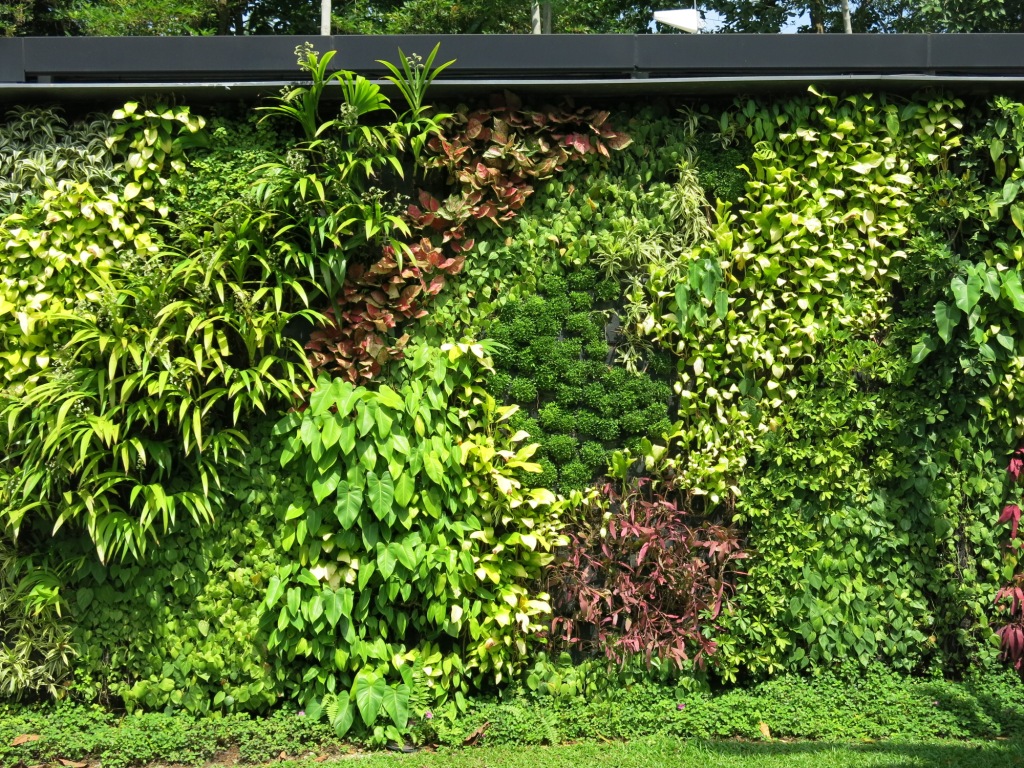
Vertical garden at Changi, Singapore

Vertical garden at Changi, Singapore

Orchids in Singapore airport

Orchids in Singapore airport

Sunflowers at Schiphol, Amsterdam

Sunflowers at Schiphol, Amsterdam

IMG_7320

(c) 2015 Shobha Vanchiswar

[do_widget “Blog Subscriptions (Jetpack)”]
This Certain Change

Have you noticed? The apples have begun to blush while the fireflies are still courting. The lettuce have bolted but the asters are heavy in bud. The bees are crazy busy yet, the Monarch butterflies are regrouping to migrate. Even as we still warm our toes in the sun, the light in the afternoon hangs lower. That’s right, summer is slowly slipping away and autumn is tiptoeing in cautiously. Another week and the kids in my town are back in school – is there a surer sign that the seasons are changing places?

So for this week, enjoy the last days of August. Set aside time to simply be. Let the dew on the grass bathe the soles of your feet. Rest your eyes and listen to the song of the cardinals. Watch the lengthening shadows from the embrace of the hammock. Savor every last drop of summer.

This Certain Change

August is leaving

Summer lingers

Yet, I sense that

Fall has crept in

Settled down

in the usual places

Only, I don’t notice

Summer is still getting

her way.

I take a deep breath

inhaling a top note of autumn

Earth still stubbornly

giving up little

She’s holding on tightly

to summers warmth

So her heart

can keep beating

when winter roars.

– Shobha

IMG_3993

IMG_4074

IMG_4107

IMG_4186

IMG_9396

(c) 2015 Shobha Vanchiswar

[do_widget “Blog Subscriptions (Jetpack)”]
Harmonizing With Summer

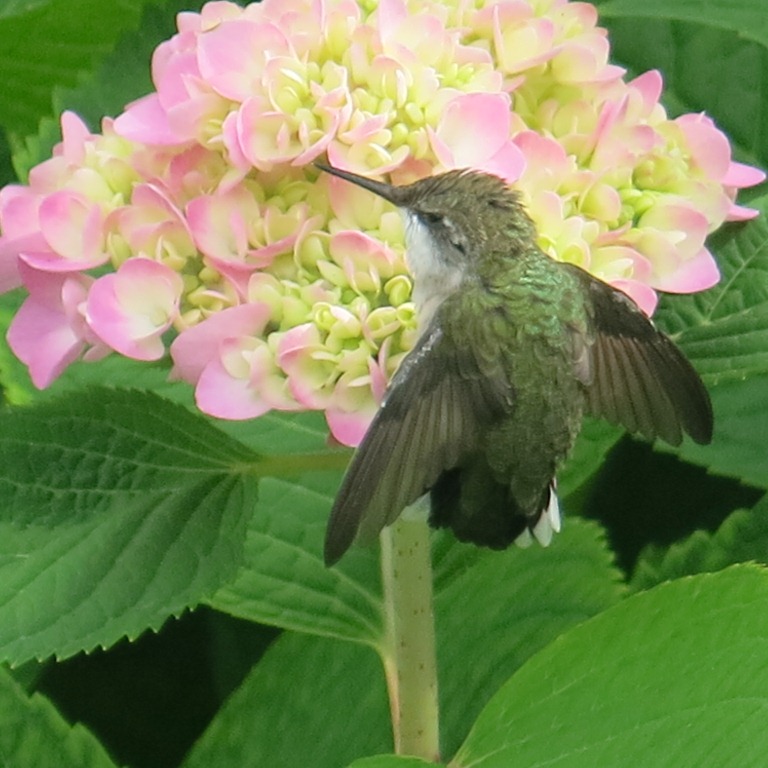
What sounds come to mind when you think of summer? The thrum of bees on sorties in the midday sun. The vibrato of hummingbird wings as they hover over the stand of Bergamot in bloom. The periodic crescendo of cicadas punctuating the sultry, hot hours. The early morning choir of avian throats stirring the world awake. The staccato beat of the woodpecker keeping time on the dying sugar maple. The sunset chorus of frogs by the pond. The frenetic percussion of a summer thundershower ending the heat wave. The high pitched laughter of sun-kissed children cooling off in the neighborhood pool. These are the sounds of my idyllic summer.

Sadly, it has become almost impossible to truly enjoy these seasonal melodies. Like the rustling of candies being unwrapped or the ringing of the unsilenced phone ruining the experience of going to the philharmonic or movie, our solace in our gardens is being spoiled by mowers and leaf blowers in use at any given hour of day. They drown out the natural sounds or worse, scare away the musicians all together.

The Law of Mo-Blo rules our lives all through the warm months. If you’re sitting down to an al fresco meal or settling in for a read and/or nap in the hammock, rest assured a neighbor will begin priming the mower or leaf blower. It never fails. The noise from these machines has permanently become the background sound of the season. The hallmark of summer in suburbia.

But, it needn’t be a status quo. We can do something about it. We must make the effort for the sake of our health, our hearing, the environment and our sanity.

The verdict is in. Particulate matter is produced at dangerous levels by leaf blowers, hedge trimmers and brush cutters. Pregnant women and young children must be kept away from their harm. Recent studies at the University of Pittsburgh have implicated these particulates in increasing the risk of childhood autism by as much as 50%.
The high decibel noise generated by yard equipment can damage our hearing. The people operating the machines are exposed to this noise even more so. The U.S. Surgeon General warns that “Excessive noise exposure during pregnancy can influence embryonic development”.
That the machines consume a great deal of gas and the resulting pollution of the air hardly needs reiteration.

Additionally, leaf blowing erodes soil, destroys the habitats of wildlife, stirs up pesticides, dust and fungal/bacterial spores (watch out asthmatics), reduces the water retention capacity of soil and in high temperature, causes ground level ozone formation.

I don’t need to elaborate on the repercussions of being distracted or unsettled in our work and other creative pursuits by the impact of loud sounds. And I certainly don’t need to discuss the ruined ambiance at outdoor events. I expect very little argument against the need to curtail the use of the harmful machines.

So lets get pro-active. For starters, every town should have ordinances limiting the hours of lawn equipments use. Personally, I’d like a ban on any such noise after 6:00 pm on weekdays and absolutely no weekend use altogether. This might be seen as inconvenient at first but, trust me we can get used to it. The tranquillity that will ensue will be worth the adjustment. Across the country, there are some towns that have such laws but they are too few and far between. A concerted program is in order. Every citizen ought to lobby for it.

Until such legislation is instated, neighbors could form their own pacts to be considerate and thoughtful. Come to a consensus for the betterment of all.

At a personal level, follow the three Rs – Reduce, Recycle, Reuse. Reduce the lawn area by creating more/larger flower beds, planting more trees, letting a meadow grow. Mow with the blade at a height of about four inches. Let lawn clippings stay on the lawn as they will quickly settle down to nourish the soil and keep it from drying too fast.
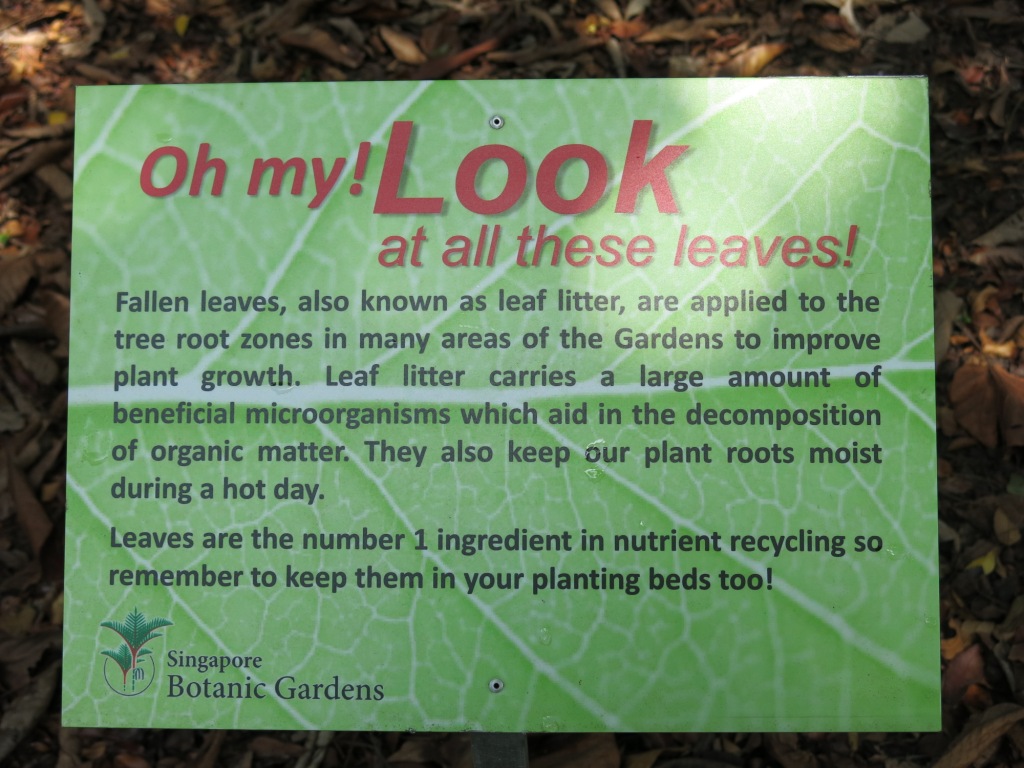
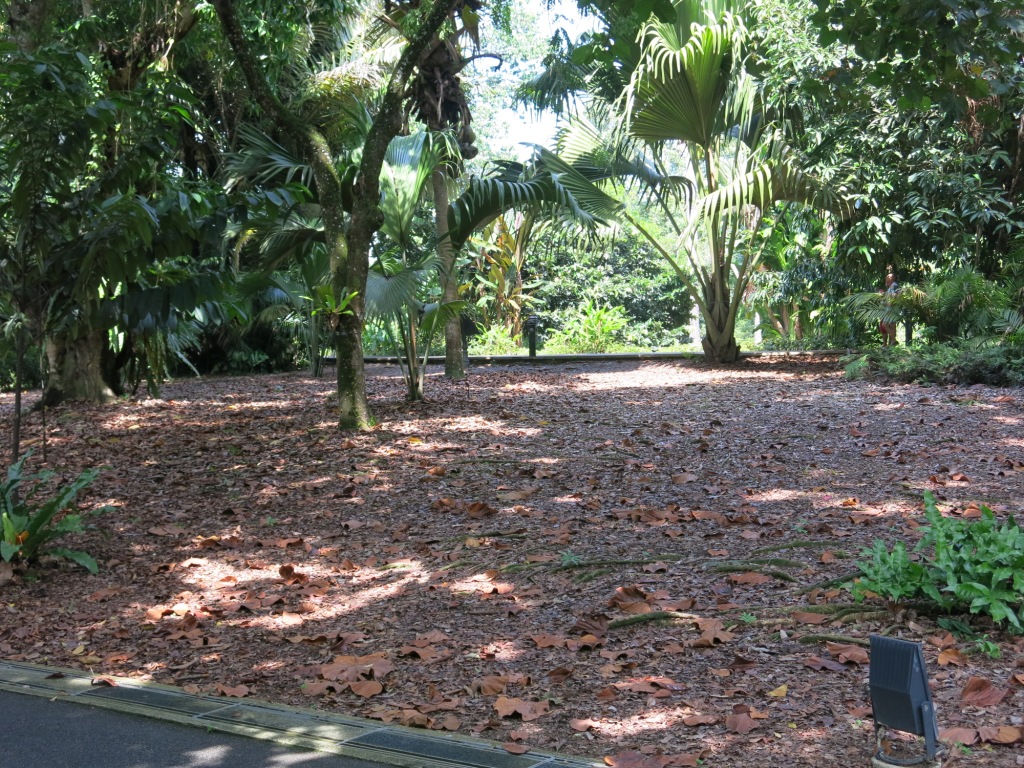
Rake leaves off lawns and dispose them in the compost. You can skip a trip to the gym on those days! Let leaves remain in beds as they make for a good mulch – the soil will be enriched and kept moist and weed free. Plants will require less watering too.

If you must, use electric instead of the gas powered machines. This is the lesser of the two evils. Seriously consider getting a manual powered reel lawn mower. The new models are light to use and very efficient. And so quiet! Some sweat equity and fresh air will do us all good.
If you employ a lawn service, discuss with them the need for environmentally sound measures. There are now companies that offer ‘green’ management of yards. They might charge more but are worth the expense. What you think you’re saving in money by hiring the much too common mow-blow- and go crews actually comes at great cost to all of our well being. And this includes our pets, our environment and the entire planet.

We must each play our part responsibly so we can forever dance in harmony to the pure sounds of summer.

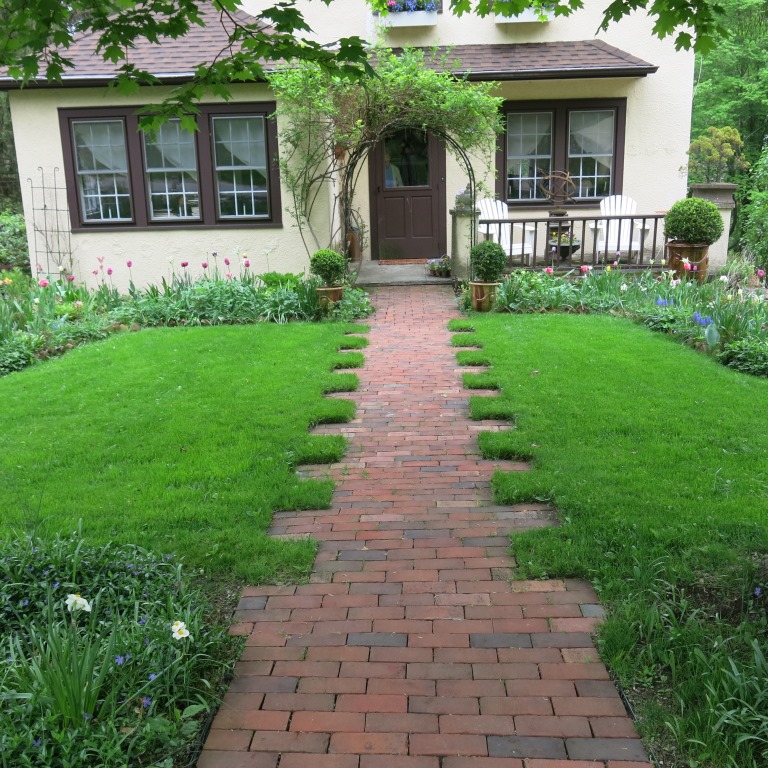
My front lawn is quite tiny. The grass is kept at a height of 4 inches. While it looks pristine, it is not all purely grass. Many other greens such as clover are mingled in.

My front lawn is quite tiny. The grass is kept at a height of 4 inches.
While it looks pristine, it is not all purely grass. Many other greens such as clover are mingled in.

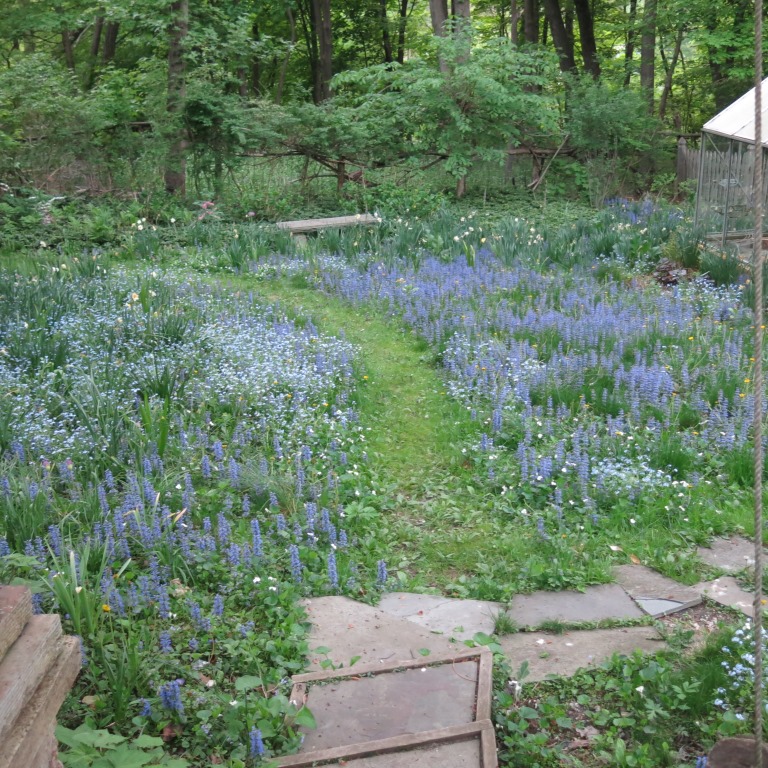
The meadow in May. It gets mowed perhaps two times in the whole year - towards the very end of summer. With a push-reel mower.

The meadow in May. It gets mowed perhaps two times in the whole year – towards the very end of summer. With a push-reel mower.

IMG_6616

Whole leaf mulch at the Singapore Botanical Gardens

Whole leaf mulch at the Singapore Botanical Gardens

(c) 2015 Shobha Vanchiswar

[do_widget “Blog Subscriptions (Jetpack)”]
Post-Vacation Depression

No matter how good a vacation I’ve had, I’m generally quite happy to be back in my corner of the world. There is truly nothing like the familiarity and comforts of home. Taking that first shower, settling into my own bed, making my coffee exactly the way I like it are reminders that I’m where I most love to be. Simple pleasures for which I’m enormously grateful. If I never went away I’d never know to appreciate how good I have it.

As much as I’m bursting to explore the garden, I usually take my time. Sometimes, I’ll delay it by as much as a day. Having first taken care of unpacking, laundry, awaiting mail, restocking the refrigerator and generally addressing matters to ensure domestic bliss, I turn my attention to the outdoors. With a degree of trepidation. While the house pretty much remains in the condition in which I left it, the garden appears to assume an alternative lifestyle. A devil may care, no holds barred attitude. If you’ve ever lived with a teenager then you know what I mean. So my hesitation to step into the garden is understandable.

Before this particular trip, I worked extra hard to get all the garden chores done. Weeding, mulching, trimming and tidying up were done with due diligence. Really. I took my leave feeling quite smug about how in-shape the place looked. How wild could it get in two weeks?

The answer is : plenty wild. All the rain that lavishly fed the garden must’ve been loaded with cloud borne super-fertilizer. Everything is out of control. The plants look like they’ve doubled in size. And the weeds! They have invaded, multiplied and conquered. I cannot recall them ever being this prolific. What on earth is going on? And I’d worked so hard to get the garden in order before going away! To absolutely no avail.

With so much to do and faced with an ongoing heat wave, I’m feeling rather disheartened. It is going to take many, many sweat drenched hours to restore some order and frankly, I’m not at all looking forward to it. I’m dreading the guaranteed bug bites and heat induced fatigue. And fully resent giving up a fair chunk of my lolling/reading time. How dare the garden mock my earlier efforts to groom it? Its enough to send me back inside and to the unfailing comfort of a pint ( or two) of ice-cream.

BUT, I refuse to throw in the trowel. I cannot let myself succumb. The garden has taught me well – to persist and never let anybody or anything stop me from going after my dreams. And I dream of a beautiful, life-affirming garden that nurtures and nourishes all who choose to be in it. So there.

Note:
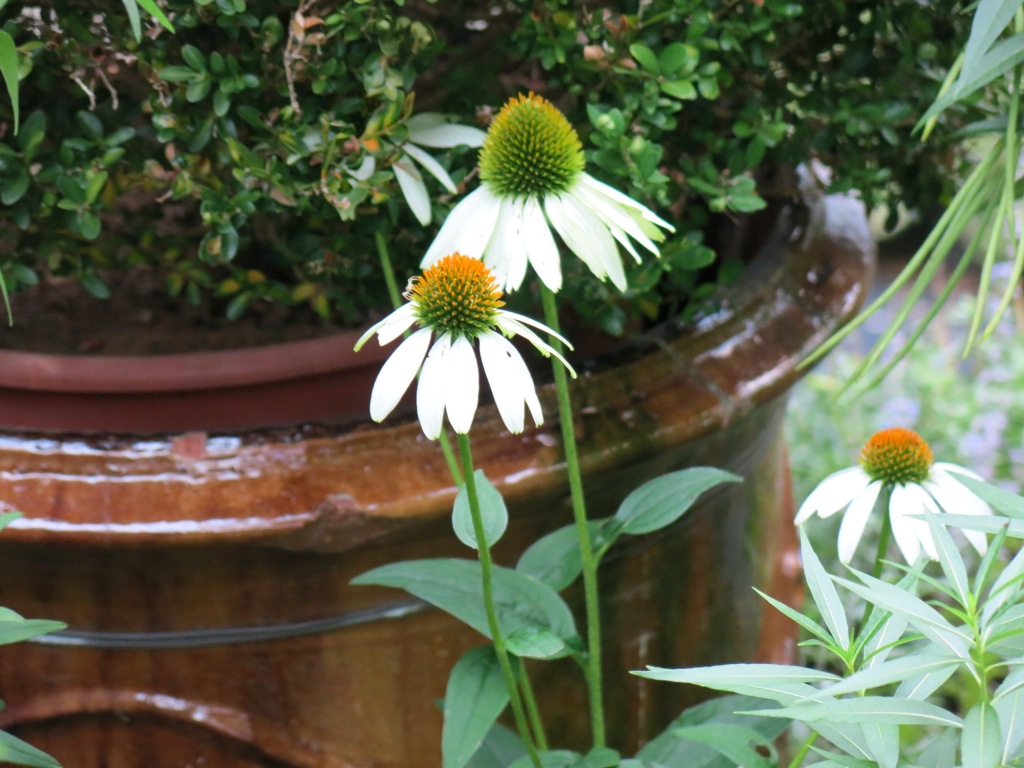
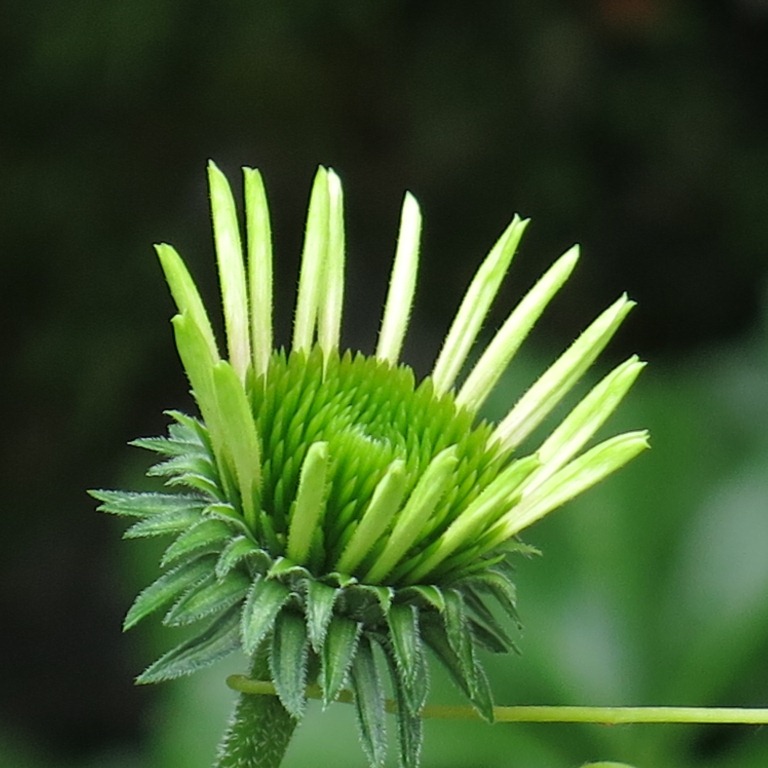
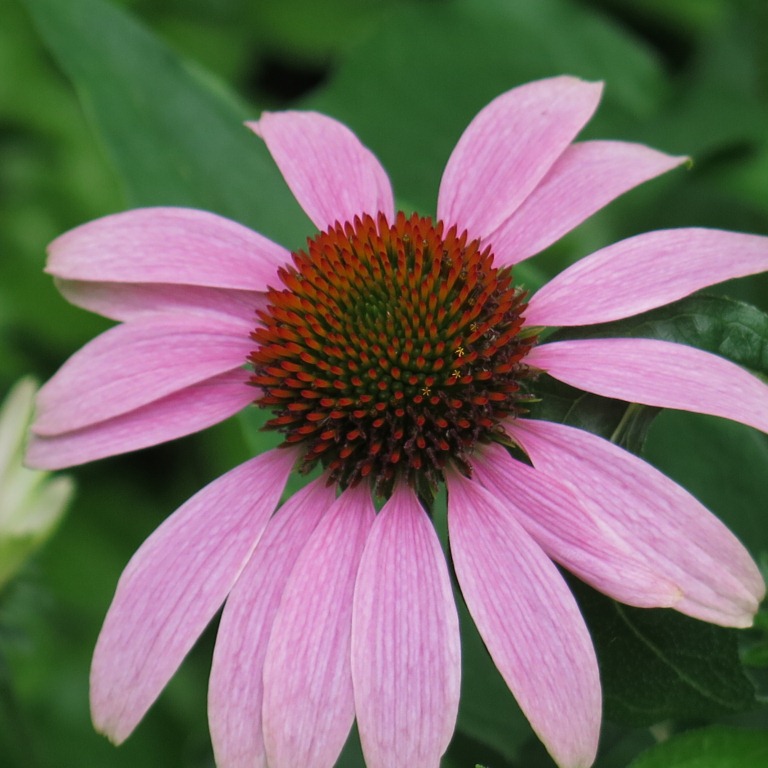
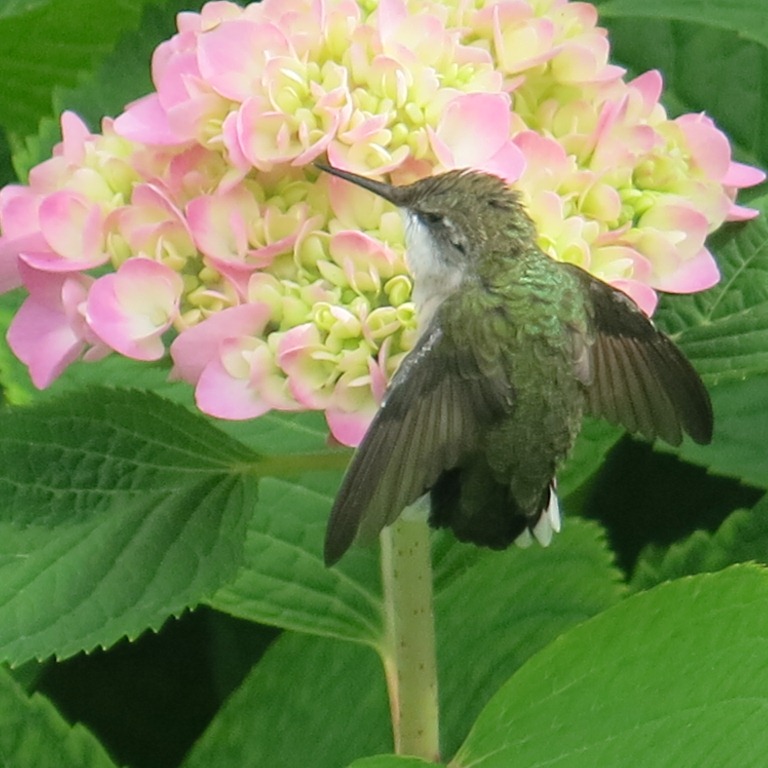
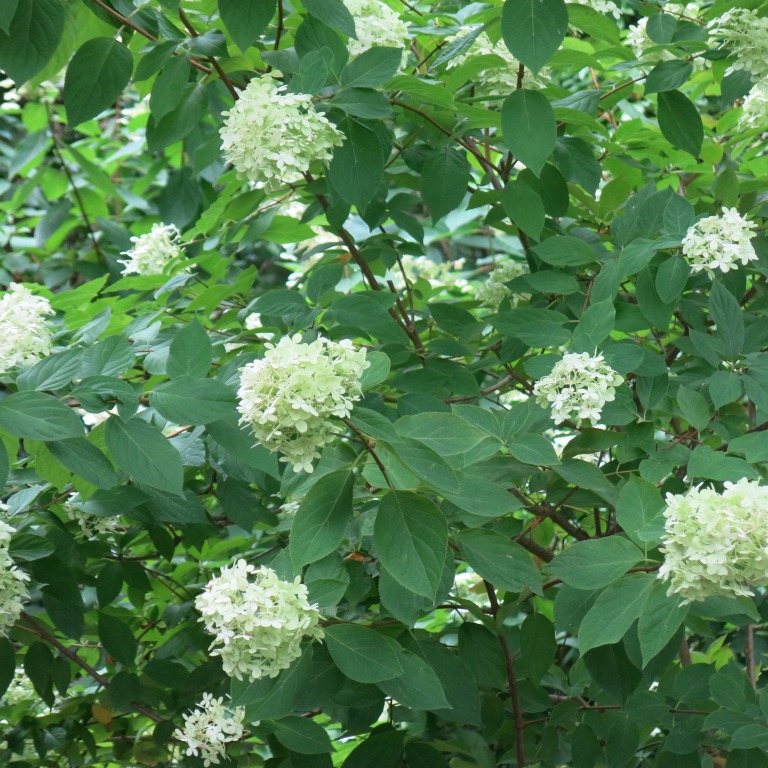
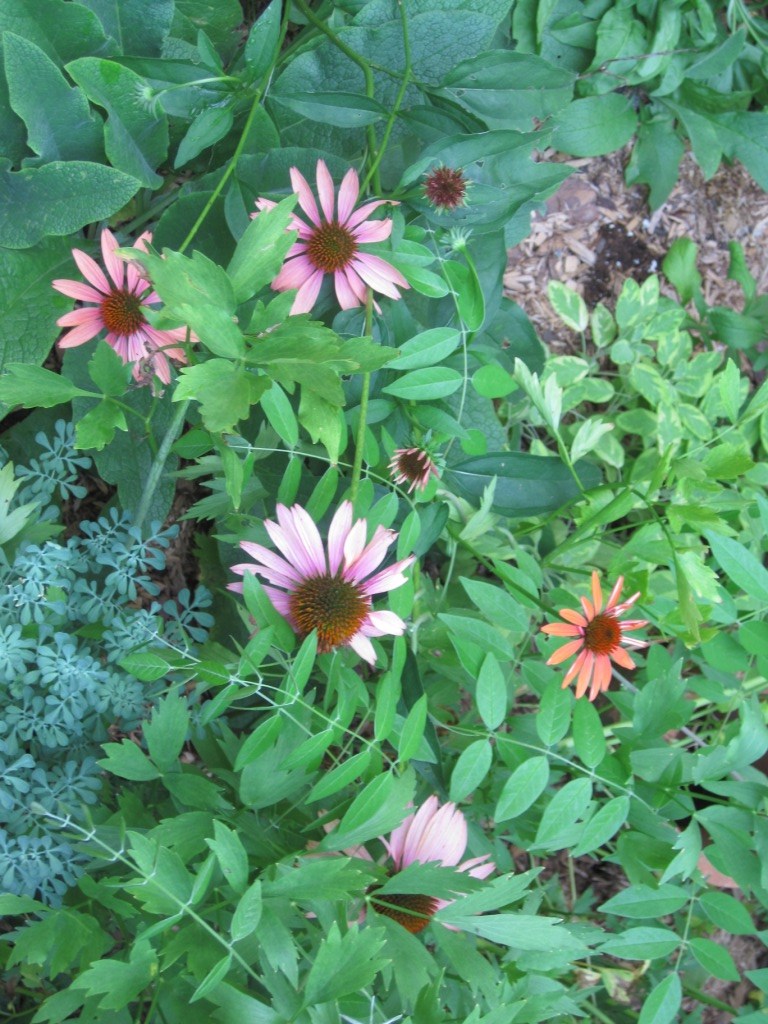
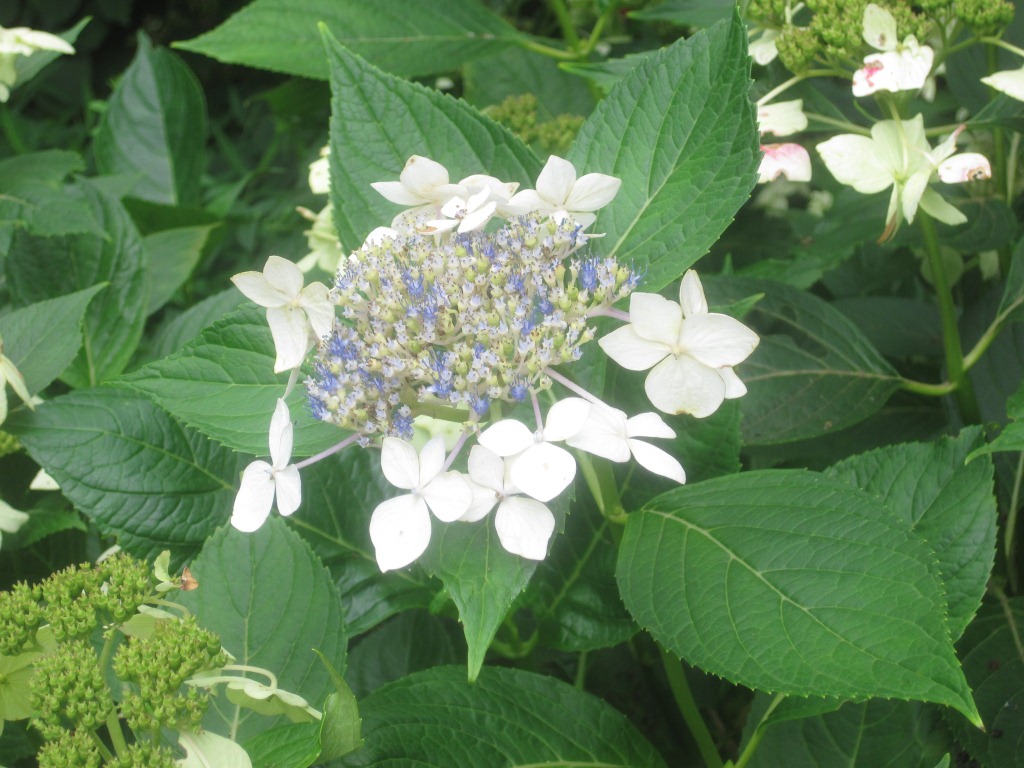
The saving grace of this new jungle are the hydrangea and echinacea that are blooming with abandon. There is so much of the former that I’ve harvested arm loads to fill huge pitchers – they now adorn every room in the house. Such bounty, such bliss.

IMG_2752

IMG_2756

IMG_2757

IMG_3993

IMG_4150

IMG_4314

IMG_9427

(c) 2015 Shobha Vanchiswar

[do_widget “Blog Subscriptions (Jetpack)”]
Summer Nights

Summer nights are sensory experiences. Evoking our primal conncection to the natural world. Taking us back to a time when we lived by what was happening around us. Perhaps it is why we still feel the magic of summer nights – when we reestablish our place in the larger scheme of things.

Like me, I hope you too are taking every opportunity to savor these ephemeral, nocturnal pleasures in the garden.

Summer Nights

Wrapped in the thick air
heavy with heat
laden with moist
Watching fireflies
mimic the stars
against black velvet
Serenaded boldly
by tree frogs
and crickets
Fanned from on high
wings of bats
on purposeful sorties
While night moths
answer service calls
of moonflowers
and gardenias
Spicy notes of phlox
rise with the night
perfumed with clove,
oil of bergamot
essence of rose
Lulled into
well being
content to remain
greet the dew
of a new day.

Shobha Vanchiswar


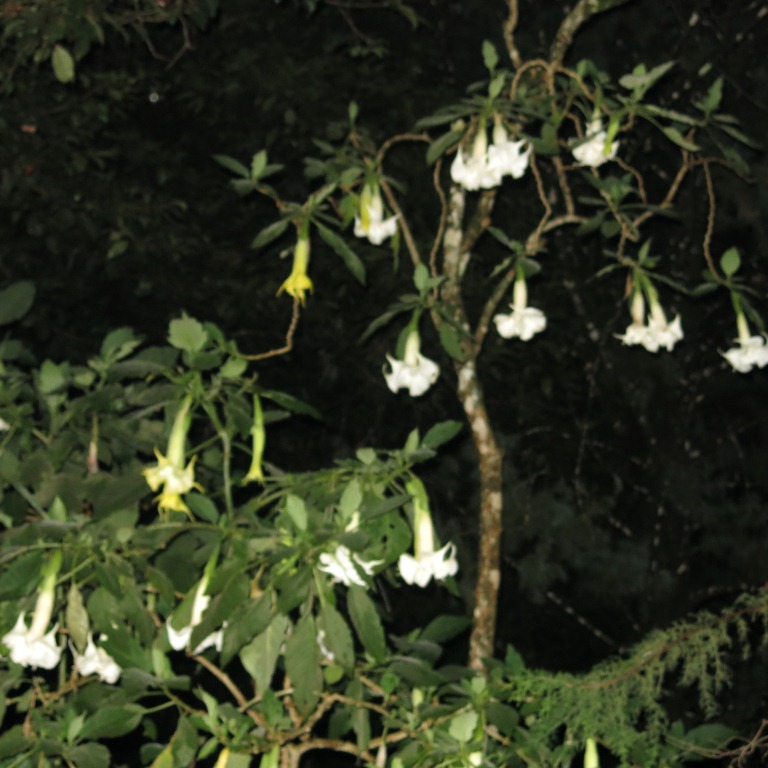
Brugamansia flowers awaiting moths in the dark of the night.


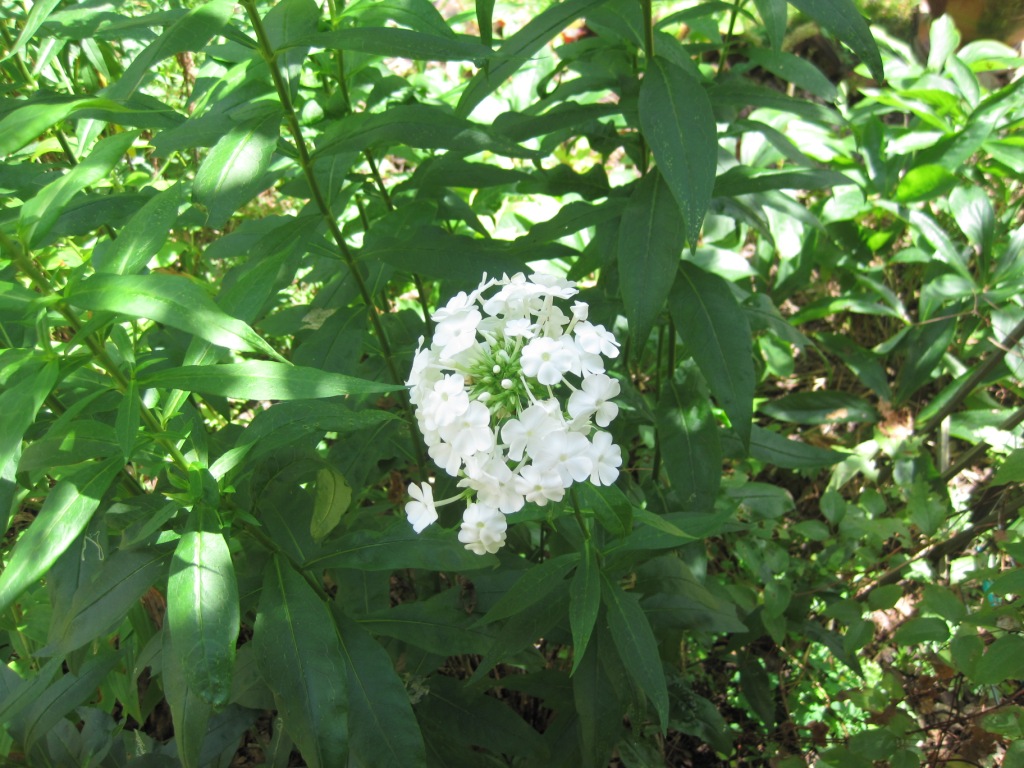
Summer phlox

Summer phlox


White flowers illuminating the dusk in my friend Ron's garden.

White flowers illuminating the dusk in my friend Ron’s garden.

(c) 2015 Shobha Vanchiswar

[do_widget “Blog Subscriptions (Jetpack)”]