Planning Time

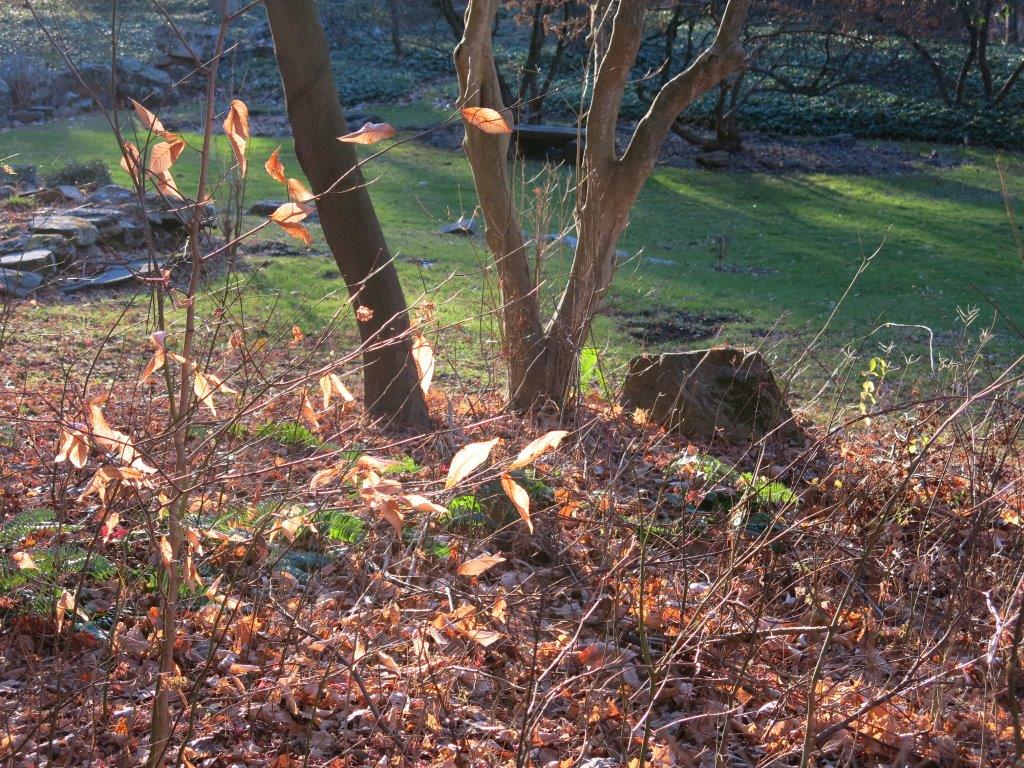
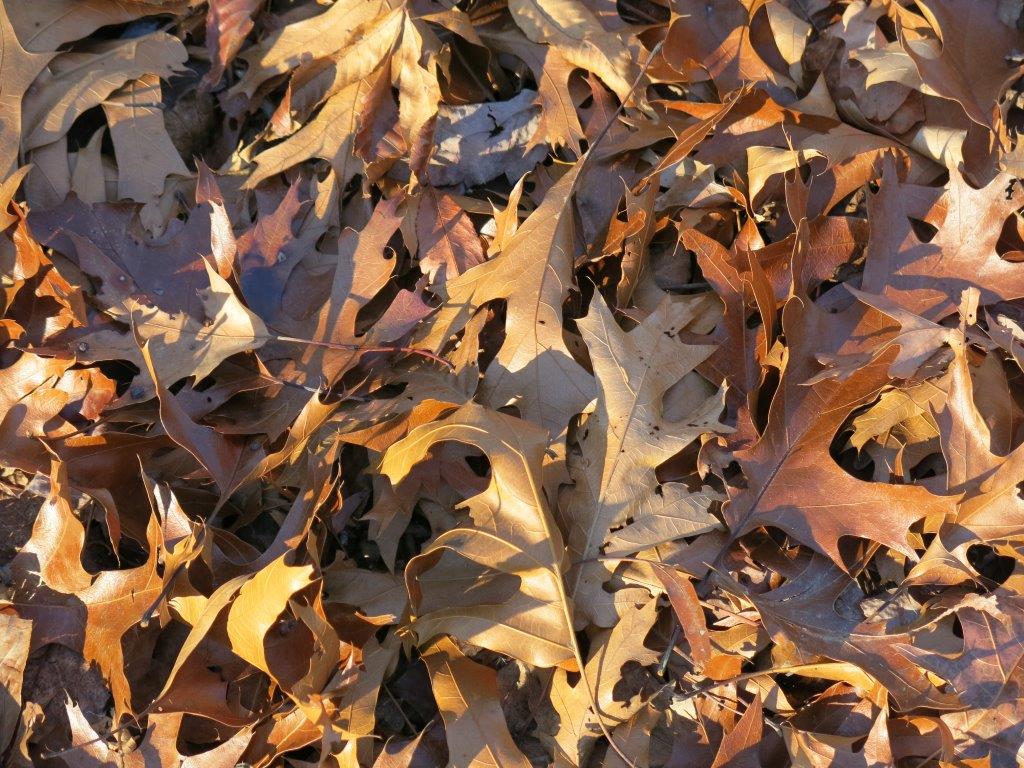
I’m thoroughly enjoying this protracted autumn. While concerned thoughts of global warming and memories of last winter come to mind, I’m nevertheless taking full advantage of these magnificent, sepia-hued days.

After months of giving us its all, the garden has slowed down and retired for a much deserved rest. Now is the time to envision our plans for the ‘perfect’ garden. This quiet period is exactly when we must do the hard work of planning, preparing and executing ideas and dreams. The fullness of spring and summer do not let this happen. If you have an image in your mind/phone/camera that depicts your version of paradise, then the moment is nigh to begin making it a reality. By the time winter is making an exit, your dream garden can be well on its way to becoming a reality.

With this intent, the old pergola is being replaced by a better, bigger and sturdier one. The two wisteria that ramble all over it can at this time be safely clipped and propped to remove the existing structure from under. The slate flooring below now has the four concrete foundations poured, set and waiting to support the posts of the cedar replacement.
Not only could this task not be done in the growing seasons, it would have been difficult to actually visualize the dimensions and design of the new pergola in the midst of so much growth.
Come spring, the wisteria should be able to resume its jolly habit of sprawling and wrapping itself all over. I fully expect to be thanked for their new accommodations with prolific blooms..

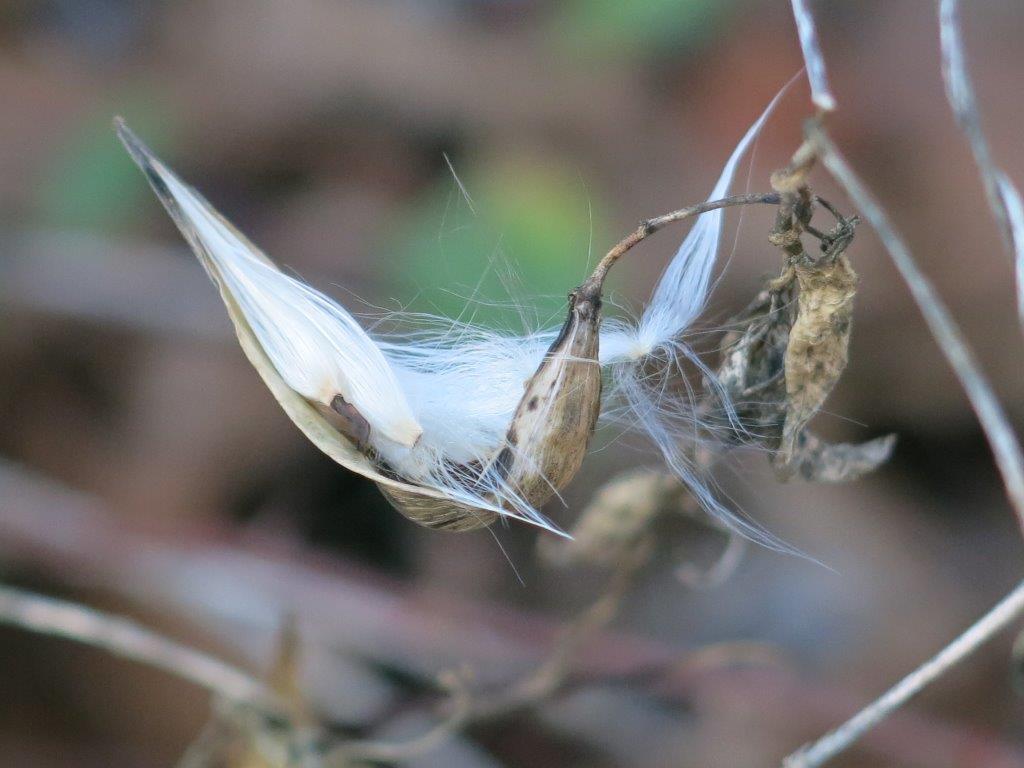
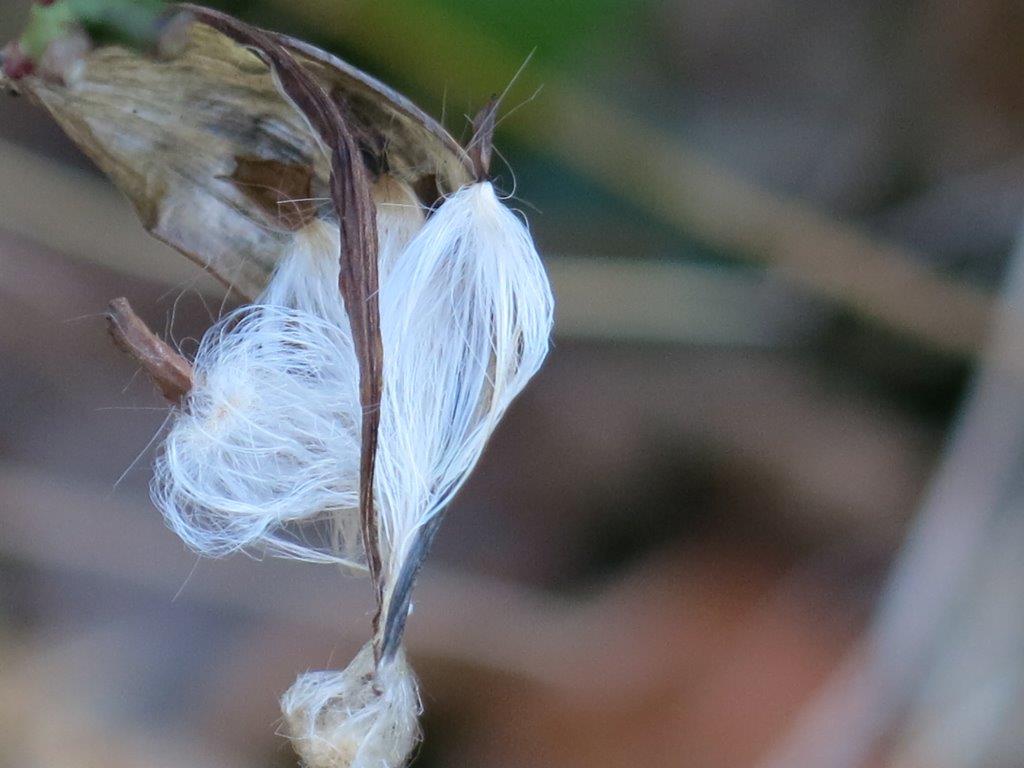
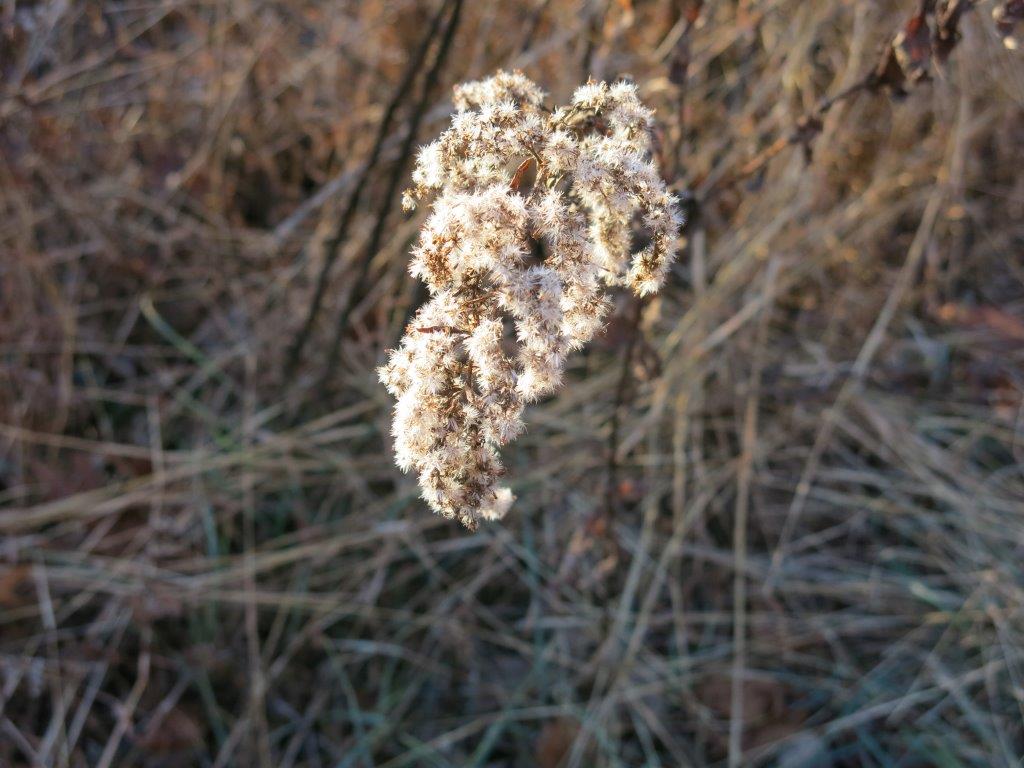
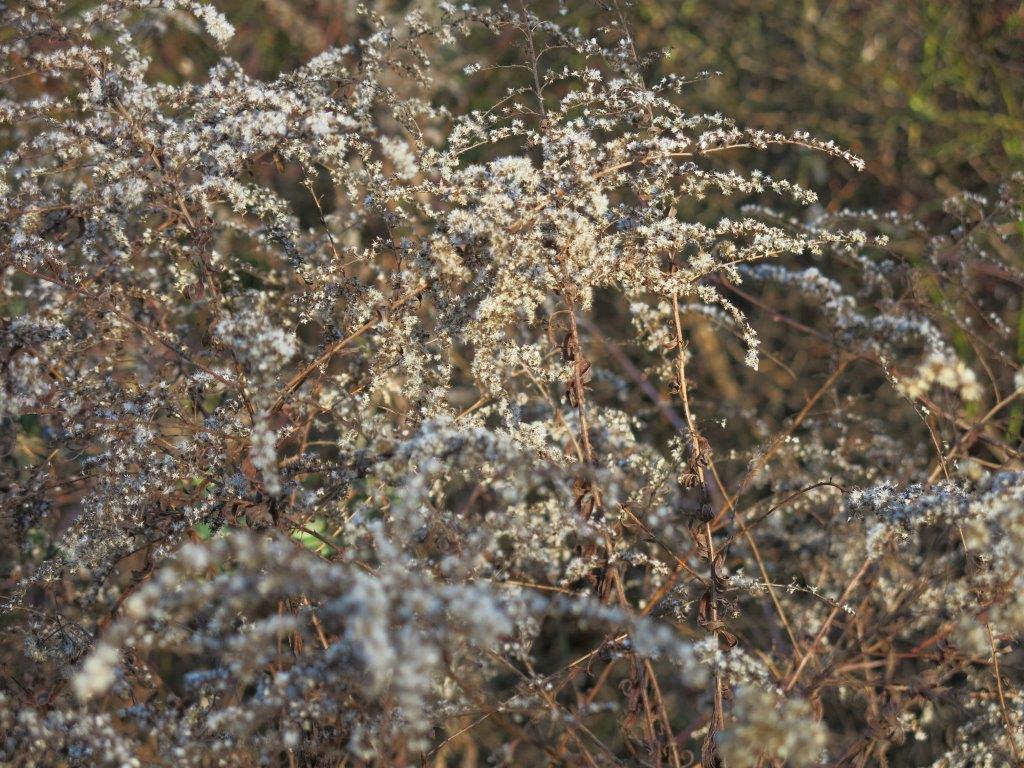
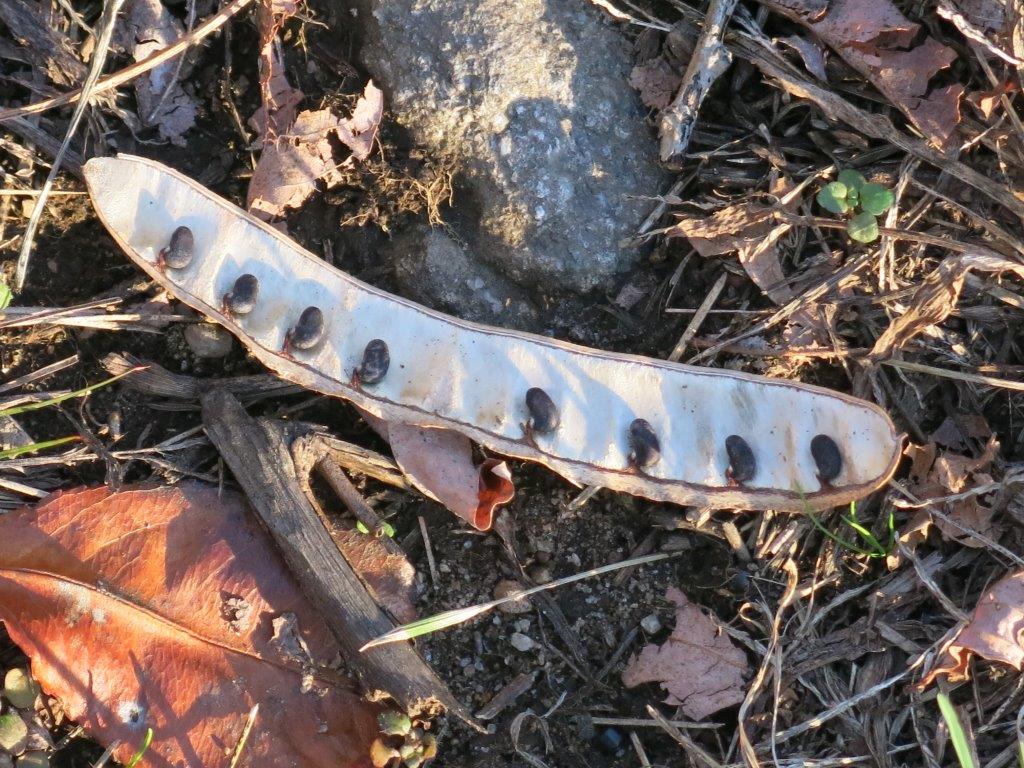
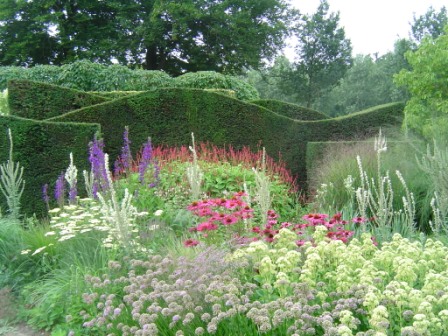
Even as the hedges, trees and grasses provide the ‘bones’ of the garden, the seed heads and waning foliage offer a visually textured feast that glows in the low autumn light. I see the ‘holes in the plantings and make notes. In the next few weeks, I will select appropriate additions for these areas. Just like the seedpods, our minds are full of promises to come.

On my walks in the woods, I observe trees and plants that trigger my acquisitive habit. I return to my garden to see clearly just where I might be able to introduce the coveted ones. Given that the garden is small and already intensely planted, only a few from my wish list will make it. But I’ll keep in mind the rest as they can be placed in other gardens.

The natural undulations of the land are visible now that vegetation is either cut down or removed. This permits me to see how the flow of rain water is guided and why certain plants did well and others did not. These same crests and dips dictate to the required height specifications when introducing plants to be a part of a natural grouping or meadow. For instance, a low growing plant set on a higher point will be visible and show itself at equal stature to a mid-height plant growing in an indentation. All planting does not require a flat surface.

Similarly, decisions on fences and hedges can be made in the clarity of a garden in hibernation. Style, height and function are made apparent. Let the earth speak to you.

In the process of noting, observing and planning for the garden, I find myself filling up on creative inspiration for new art and poetry as well. Nature has that knack. She will open your mind and expand your heart every time you spend time with her. And she will give you enough work to do for a lifetime.

Announcements!:

1.For those of you following my work with the HIV/AIDS children, a new post has been added on the Lucky Ones page: the-van-den-bergs-visit-the-children-november-2015

2. Three opportunities to buy art and related products for the holidays: https://seedsofdesign.com/happenings/

I am participating in all three. Do come. Support the arts by giving art!

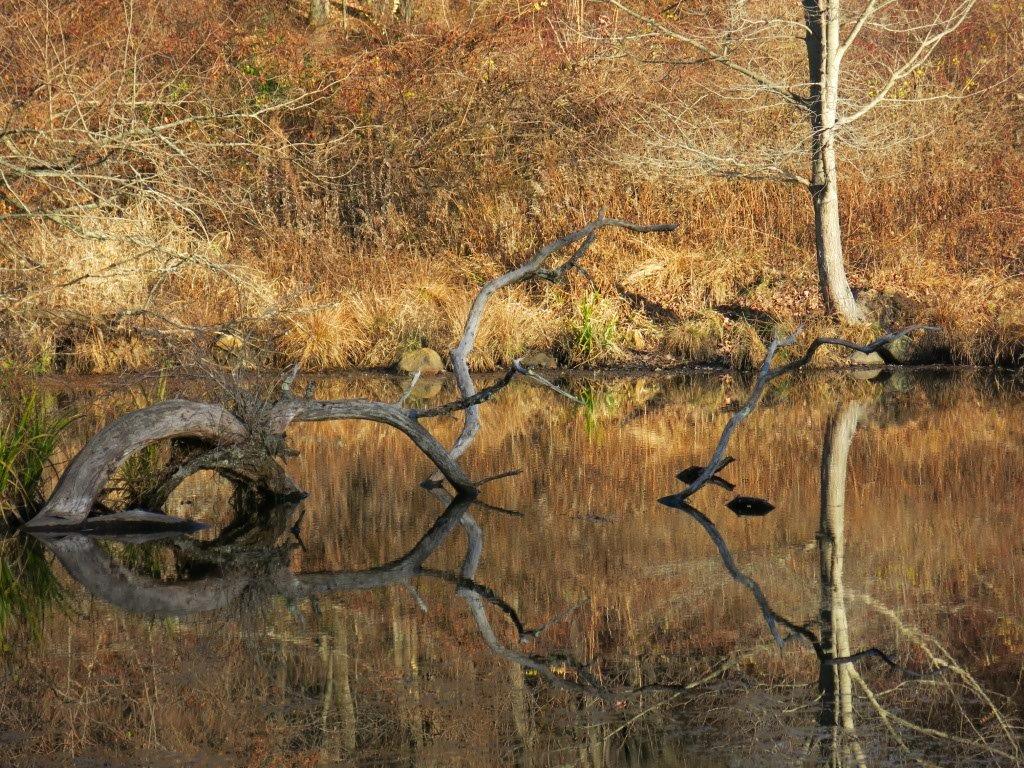
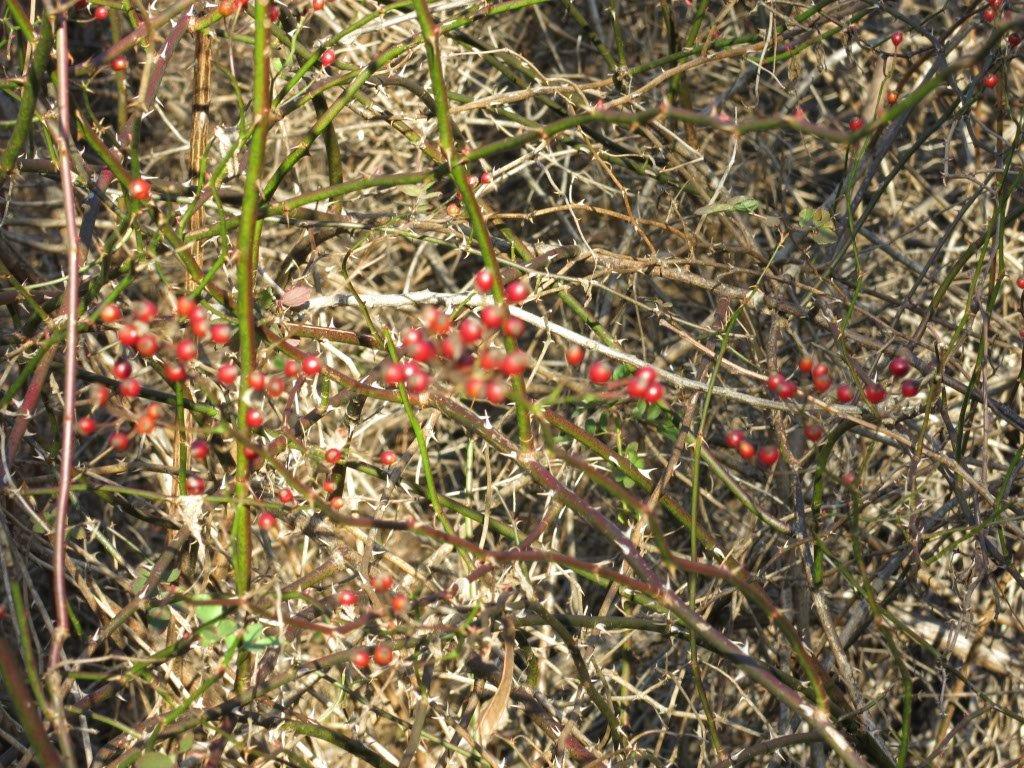
Enjoy the photos of late fall:

IMG_8541

IMG_0875

IMG_0876

IMG_8534

IMG_8547

IMG_8558

IMG_8568

IMG_8561IMG_8575

IMG_8578

IMG_8576

(c) 2015 Shobha Vanchiswar

[do_widget “Blog Subscriptions (Jetpack)”]


The New Perennial Movement

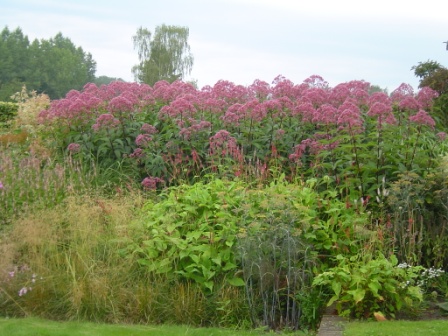
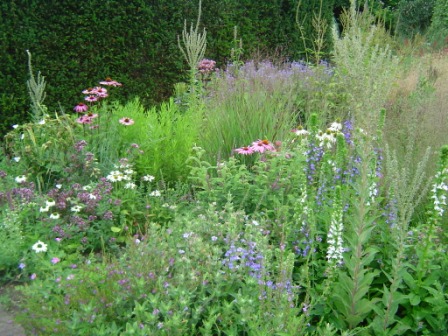
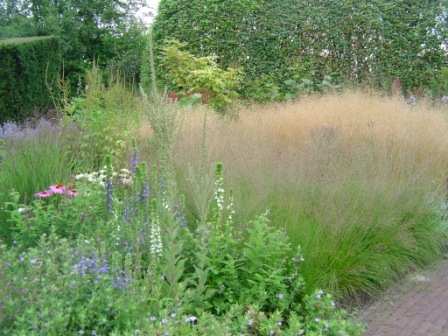
I’m quite taken with this style in garden design. It got the garden world’s attention a little over ten years ago but has become a ‘here to stay’ type of style in the US more recently. Having been a long time fan of the Dutch nurseryman and designer Piet Oudolf, I’ve followed the emergence of his concept very keenly. Piet is best known for using bold drifts of grasses and herbaceous perennials that are selected for both color and structure. Indeed, his hallmark has often been referred to as the New Dutch Perennial Movement.

The overall effect is one that looks and feels very natural. There is an easy-going, informal ambiance in these gardens. And while Piet is widely acknowledged as the father of this new movement, if one digs deeper, one finds that the ideas are really not so new but Piet perfected it, Between the North American Prairies and the German plantsman Karl Foerster style in the very early 1900’s, one can clearly see the principal influences of the current movement. It is plainly all about using rugged, hardworking perennials and grasses to create a modern, fresh look.

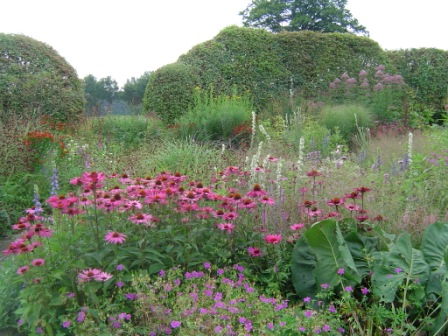
What I particularly like about this style is that not only does it look quite stunning and au courant, it utilizes common and largely native American perennials. The effect is harmonious and natural – which is in keeping with the move towards living more simply, organically and authentically. It is not fussy or overly structured. It feels right. Everyday plants such as Rudbeckias, Solidago, Verbena, Echinacea, Achillea, Eupotorium abound. The grasses being such a vast and diverse family, can be selected to suit taste and climate. Hence, to make such a garden is not only a matter of easily obtaining the plants but the cost can also be easy on the wallet.

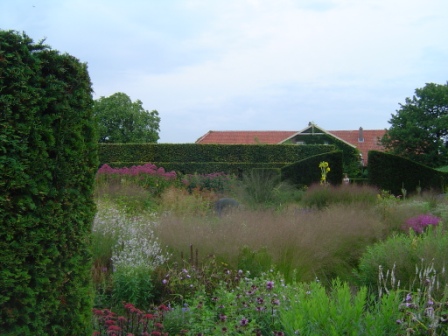
The challenge lies in coming up with a planting scheme that appears to flow well and yet, bears some semblance of order. It is easy to go wrong and make it disheveled in appearance. My advice is to start simple and small. Work out the kinks and then expand the scheme. In Piet’s own garden, he brilliantly contrasts the deliberate and thoughtfully created informality with the very orderly and well trimmed green hedges that enclose the garden.

I’m moving slowly towards this style. Sort of dipping my toes in this tide. I’m beginning to feel that I’ll have to take the plunge soon. Over the years, I’ve been adding those aforementioned hardy natives. More grasses are needed – my hesitation is mostly because I’m not sure what will work for my garden and my preferences. I plan to do some major research in that area over the winter. The cool, ecologically sound factor of this type of garden beckons.

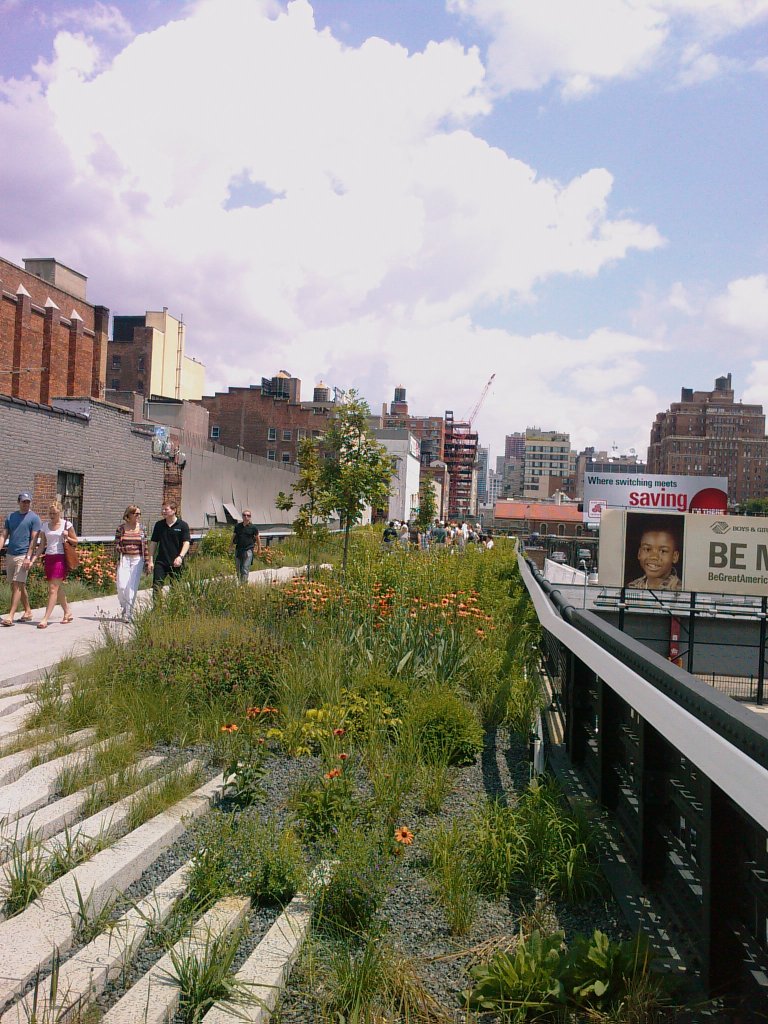
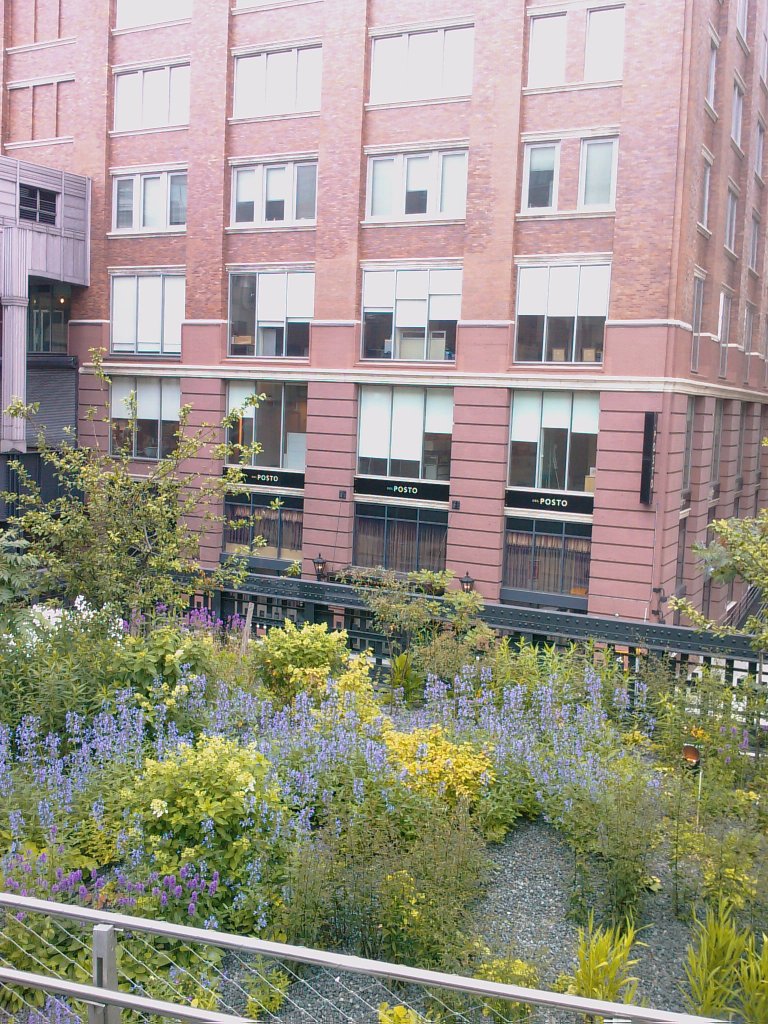
Check out Piet’s work at the NYBG and the High-Line in NYC.

I’m adding lots of photos to give a good idea of this type of design. Hope it will inspire and instruct:

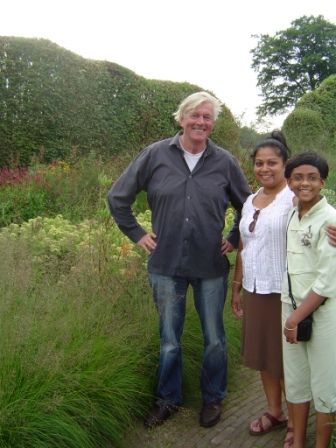
In Piet’s garden in Hummelo, Netherlands:

DSC05190

DSC05199

DSC05200

DSC05201

Posing with Piet

Posing with Piet

DSC05204

DSC05206

DSC05208

Piet’s work at the NYBG:

IMG_4967

IMG_4979

His work at the High-Line:

IMAGE_057IMAGE_058

IMAGE_061

(c) 2015 Shobha Vanchiswar

[do_widget “Blog Subscriptions (Jetpack)”]


Planting Bulbs With Henriette

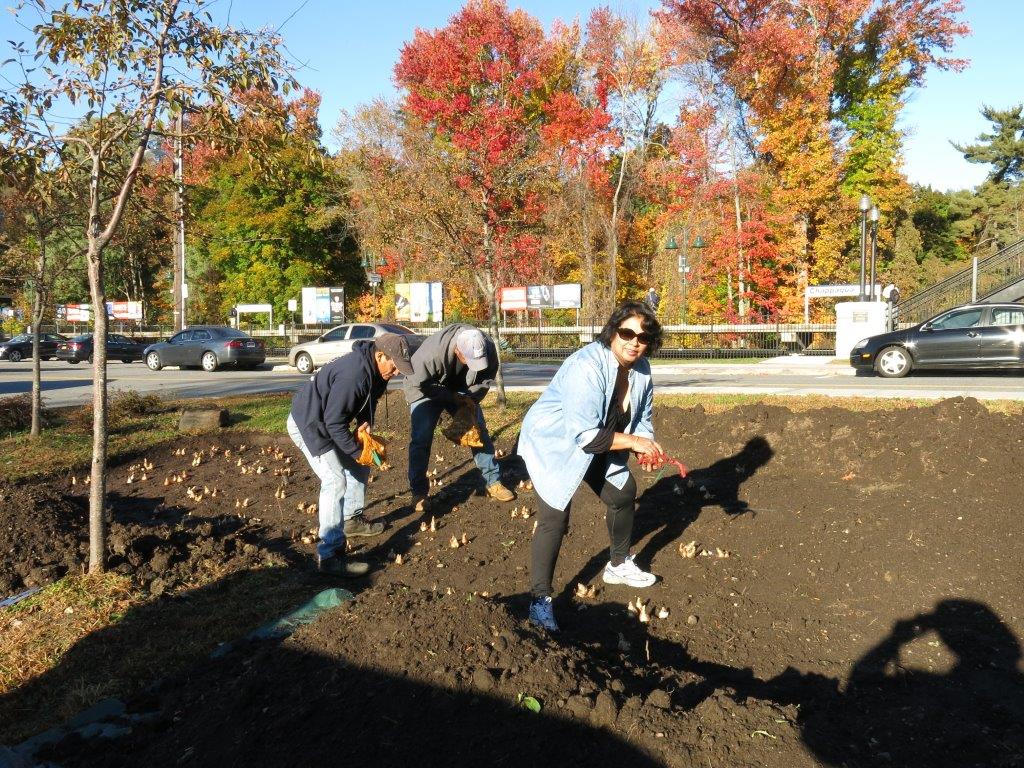
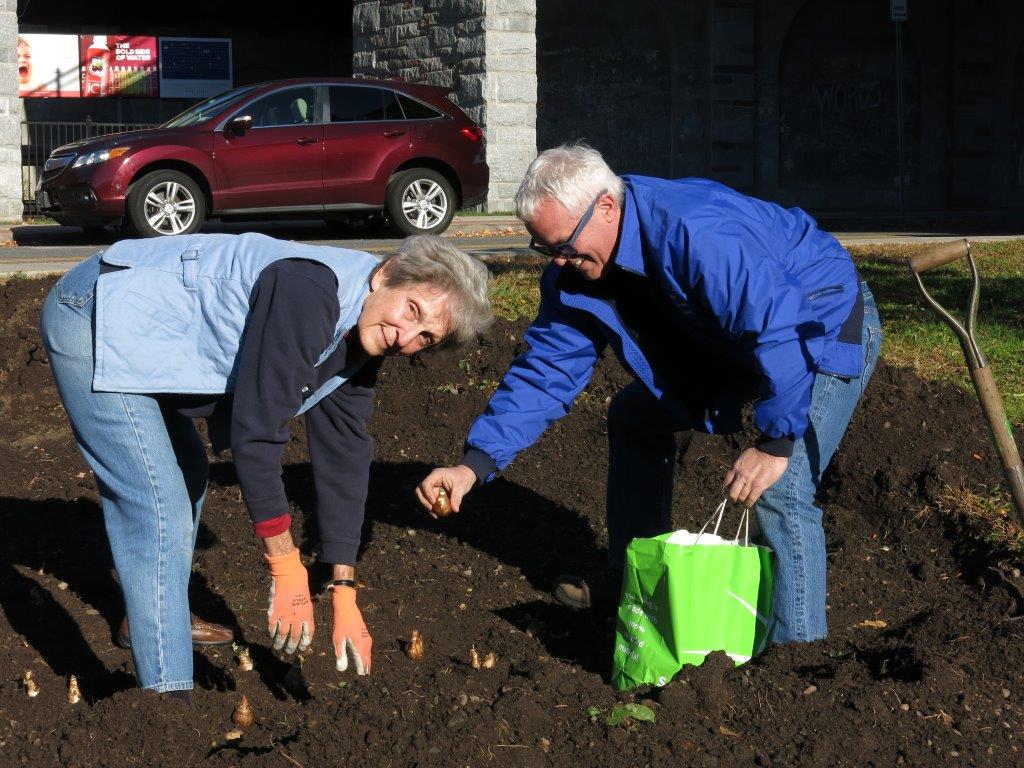
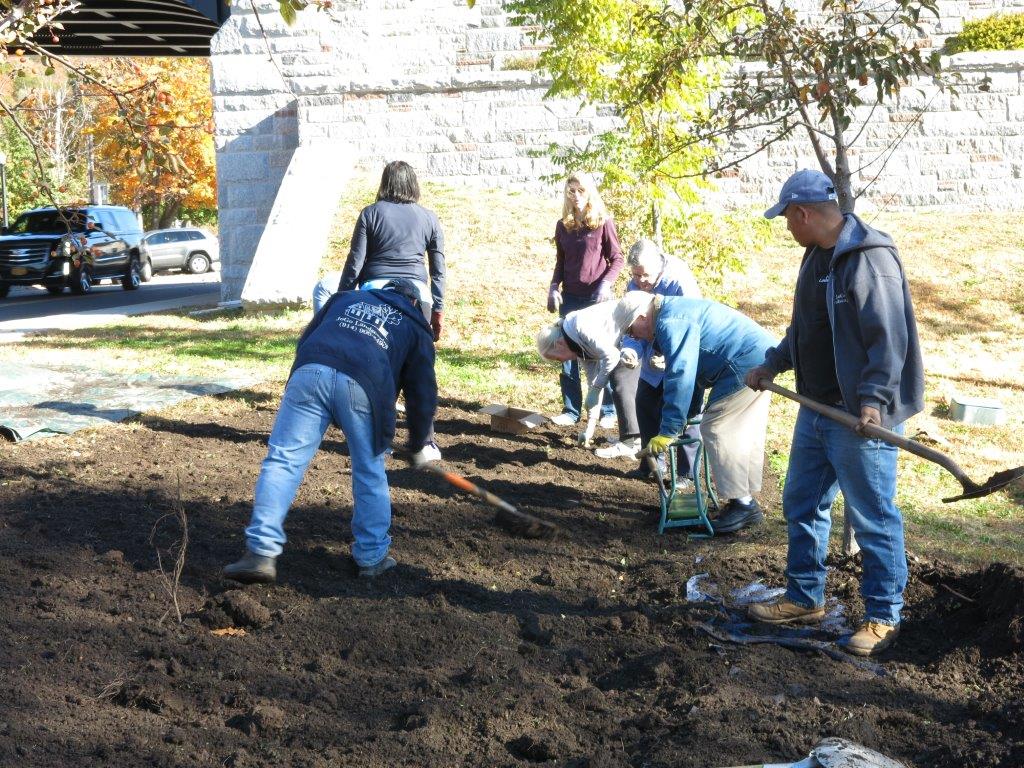
On Friday, October 23, 2015, about 1,500 bulbs were planted in memory of Henriette Suhr. The weather was perfect for this project – sunny with a seasonal chill. In clear view of the hills blazing fall’s russet and ochre hues, about a dozen of us planted what will be a most splendid sight next spring. Hundreds of Chappaqua commuters will be treated to the show.
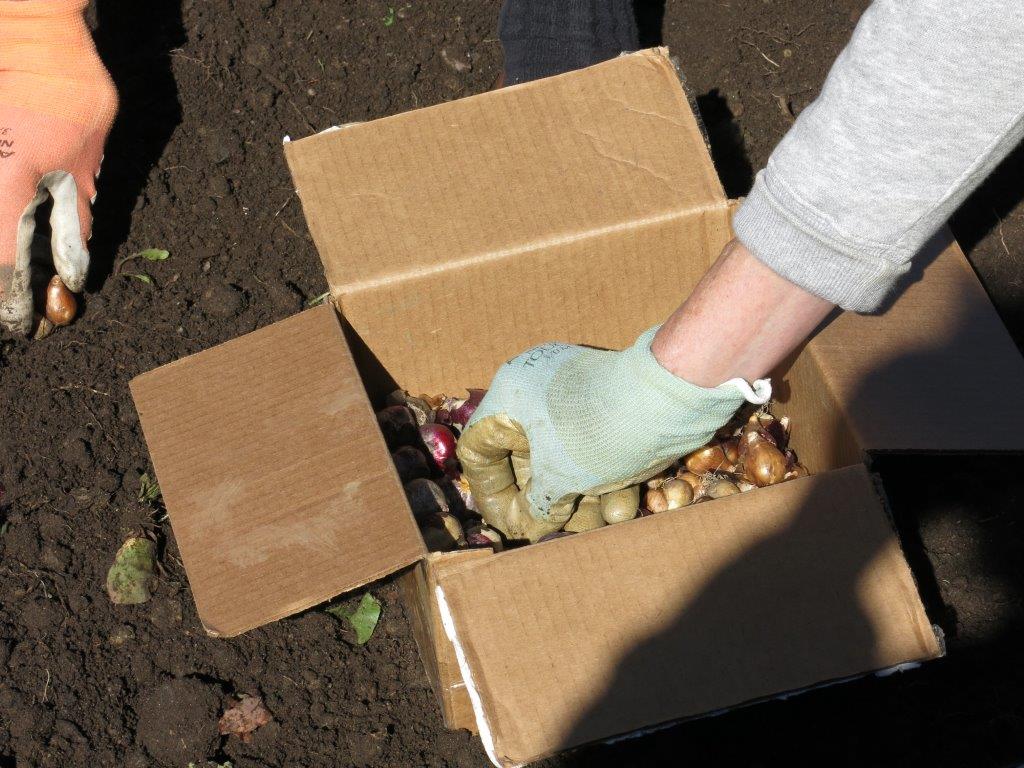
To keep it simple, a variety of daffodils, scillas, crocuses and snowdrops were chosen.

As we planted, we exchanged happy memories of Henriette. She brought together so many of us and it was only right that here too, in the midst of gardening, we were reconnecting and strengthening our friendships. It is funny how a daunting task can be made easy when many happy hearts and willing hands come together. And so the job got done.

As I planted, took photos and chatted, it occurred to me that here was a perfect lesson – Bulb Planting 101. If one was interested in putting down a bed of bulbs for the first time, this was the ideal demonstration. In creating her own gardens at Rocky Hills, Henriette taught so many. Educating on horticulture, the environment and good design, she led by example. Now, once again, she was providing yet another learning opportunity. On my part, it was only right that I spread her message that we must always care for the environment with sensitivity and grace.

So here goes the pictorial tutorial:

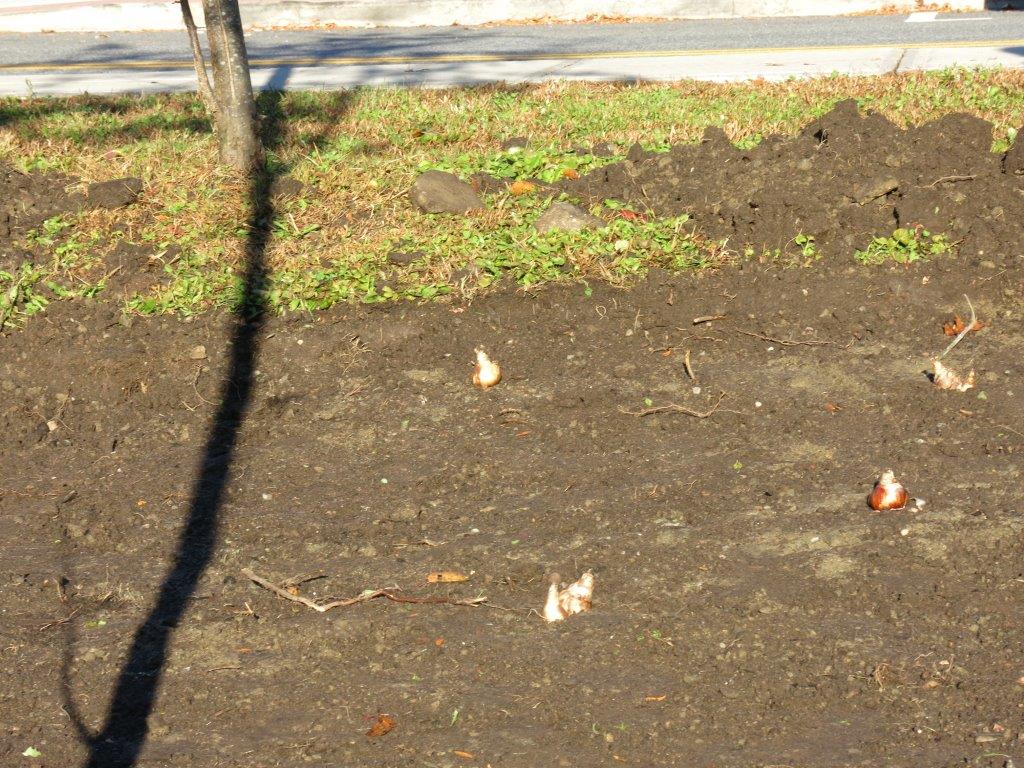
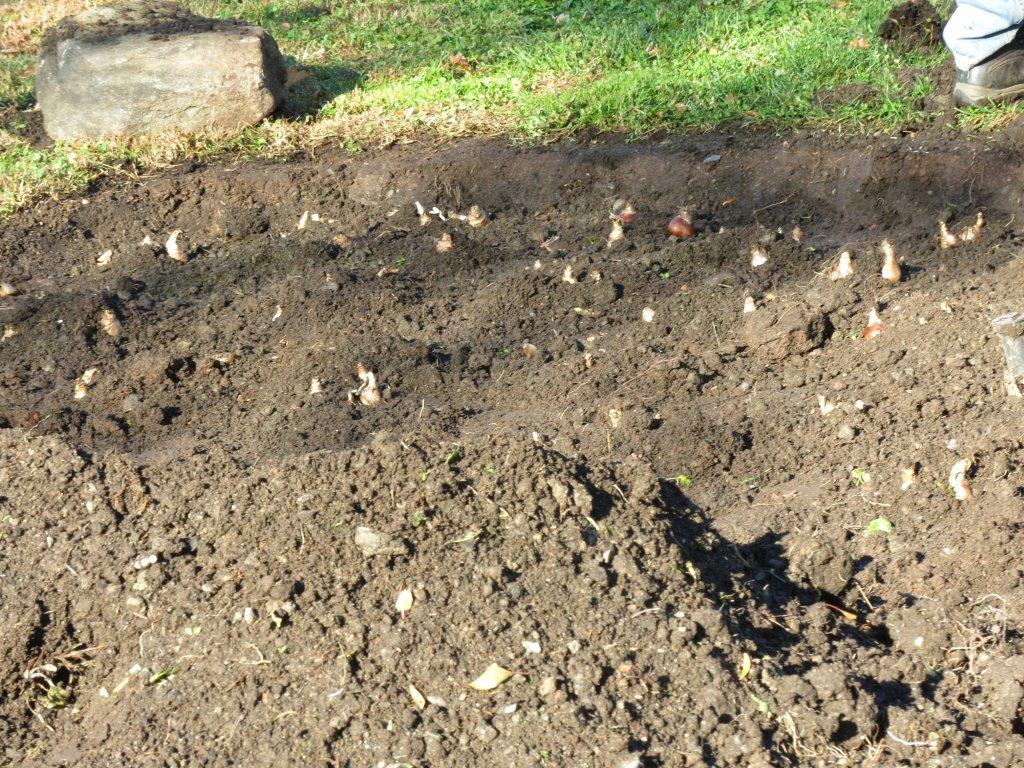
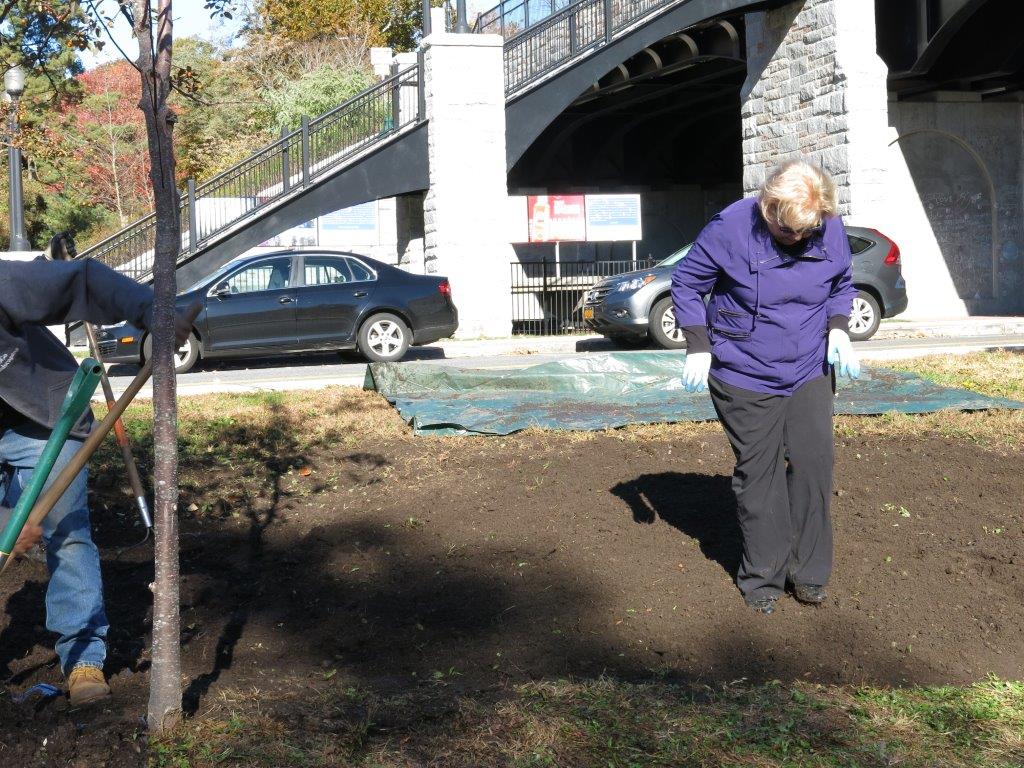
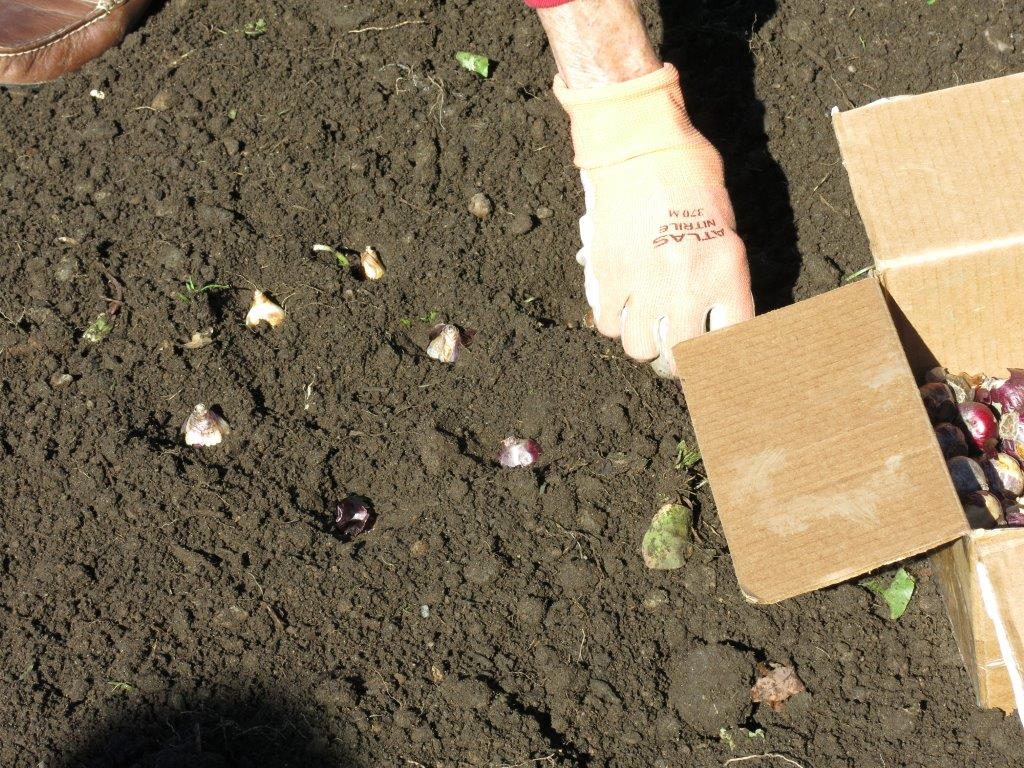
1. The selected site was just a typical grassy area. So, in preparation, the sod was removed and the area was dug to the depth required by the large daffodil bulbs. Remember, depth is three times the size of the bulb.

IMG_8407
2. To create a natural, informal look, the different daffodils were mixed up and placed in no particular pattern in the trench. Kept about 5 to 8 inches apart, the bed will look thickly planted.

IMG_8410

IMG_8418

Scott Medbury, director of the Brooklyn Botanical Gardens plants with volunteer and my dear friend Toni Kelly.

Scott Medbury, director of the Brooklyn Botanical Gardens plants with volunteer and my dear friend Toni Kelly.

IMG_8439
3. These large bulbs were then covered with soil. The depth was thus raised to be correct for the smaller bulbs.

IMG_8424

IMG_8440
4. Again, the minor bulbs were mixed and planted at random.

IMG_8443

IMG_8444
5. The remaining soil covered all the bulbs and filled up the bed.

IMG_8448

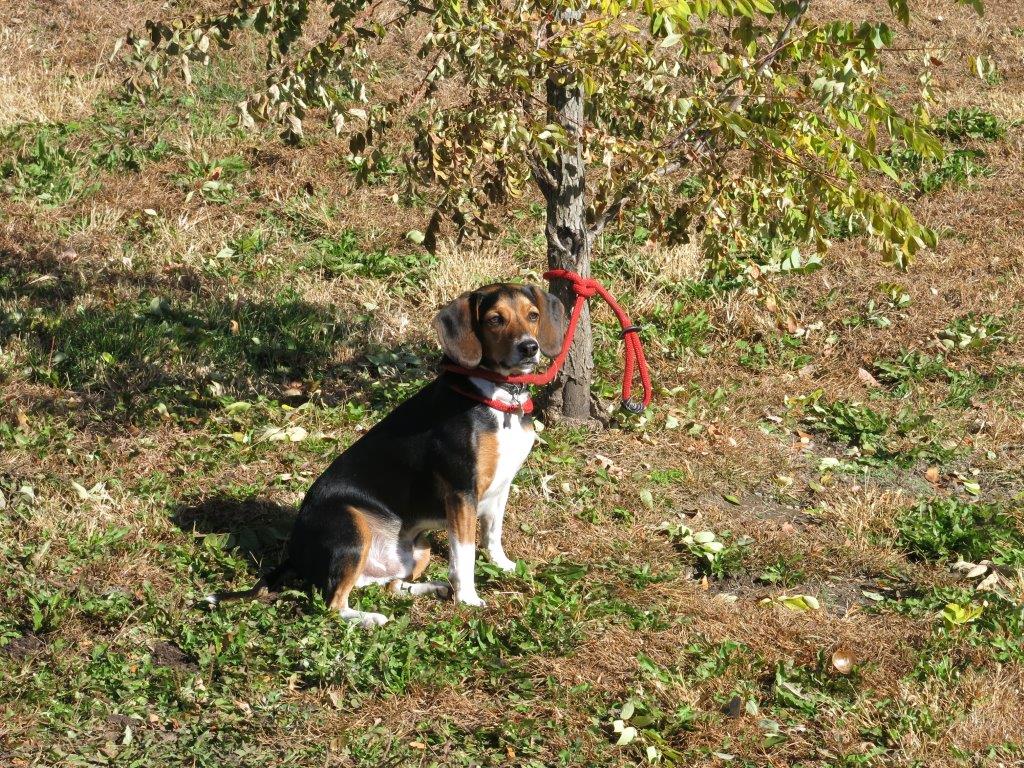
Fred oversees the whole operation

Fred oversees the entire operation

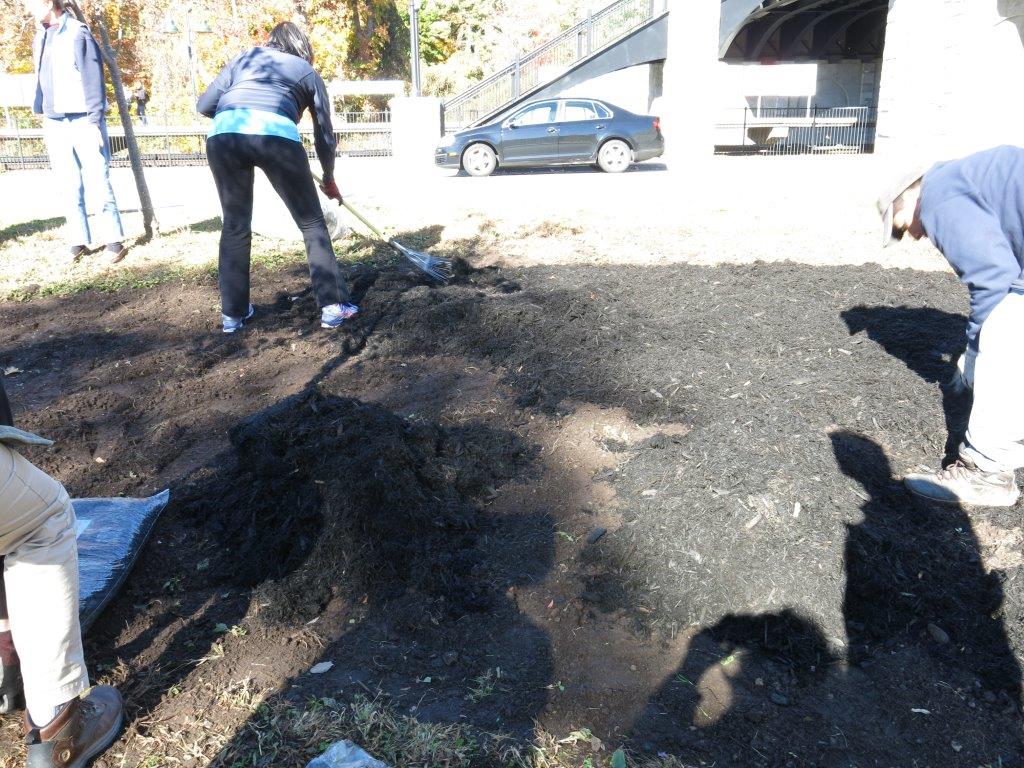
6. The whole bed was mulched with shredded cedar.

IMG_8451
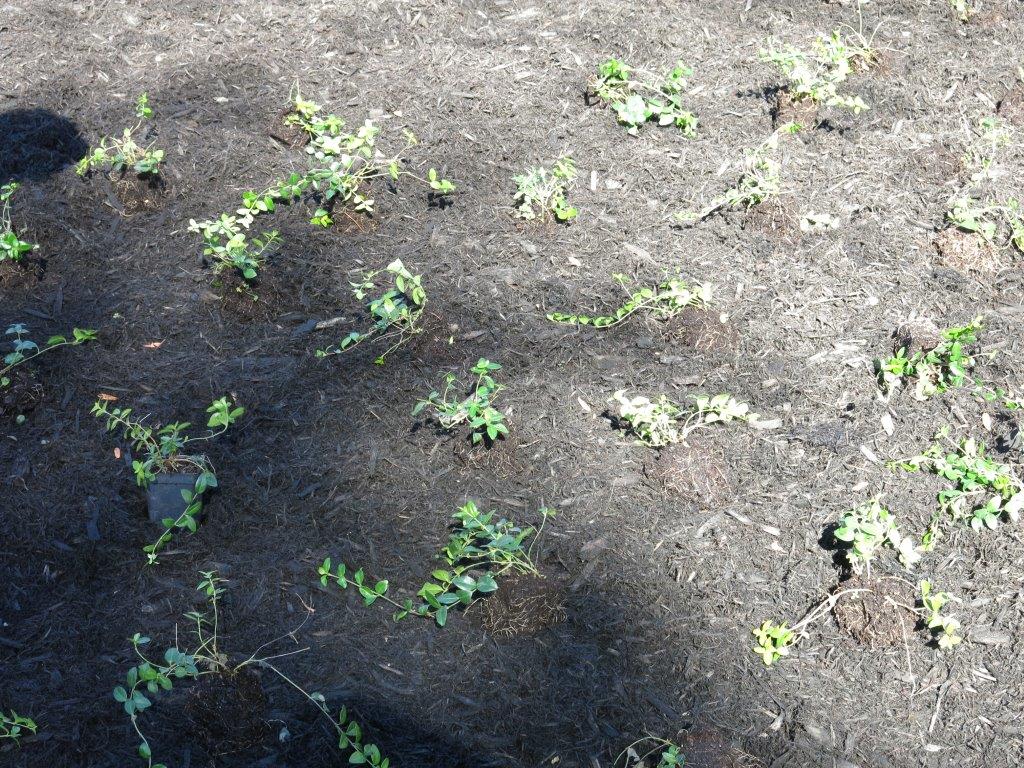
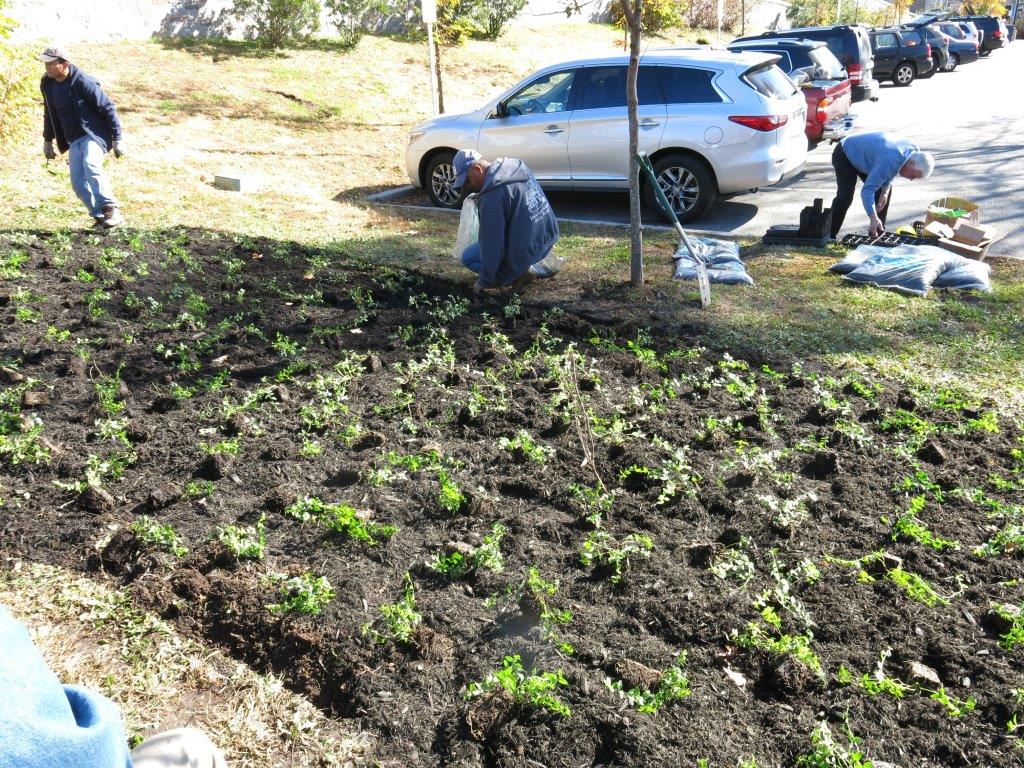
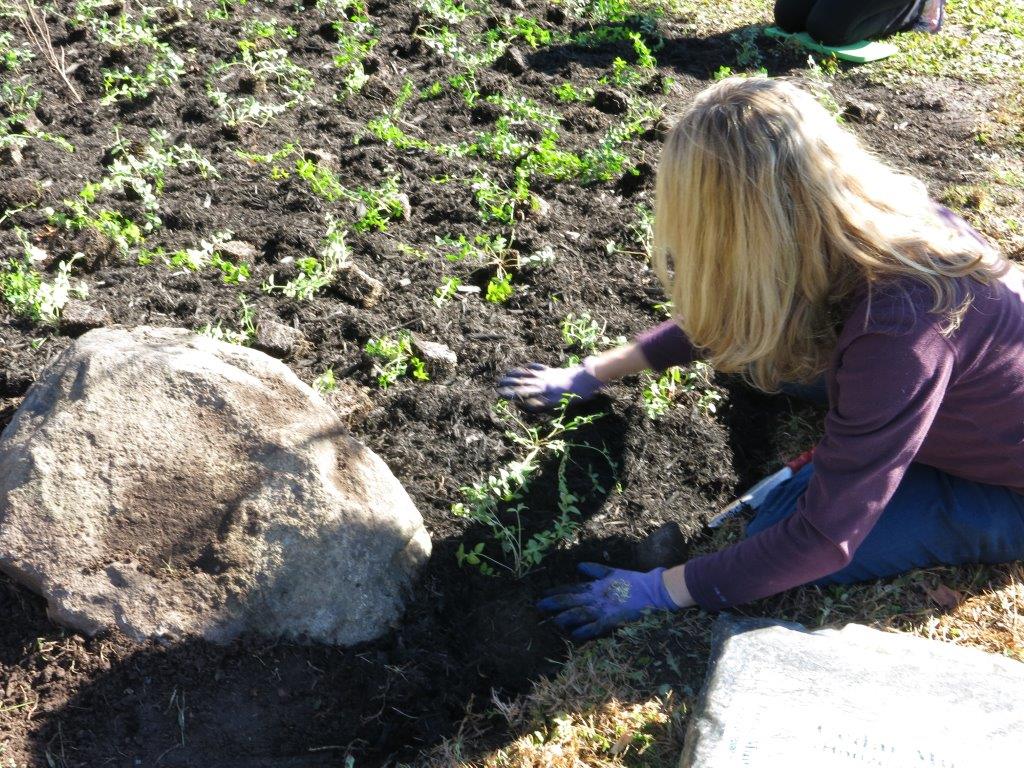
7. Finally, an evergreen ground cover of vinca/creeping myrtle was planted. The vinca will mark the bed and provide year-round definition. Its mauve-blue flowers will add an additional splash in spring.

IMG_8455

IMG_8461

This rock, brought in from Rocky Hills, will bear a plaque dedicated to Henriette.

This rock, brought in from Rocky Hills, will bear a plaque dedicated to Henriette.

8. The bed will be kept watered till the weather turns really cold. That ought to allow the ground cover to settle in nicely before the winter.

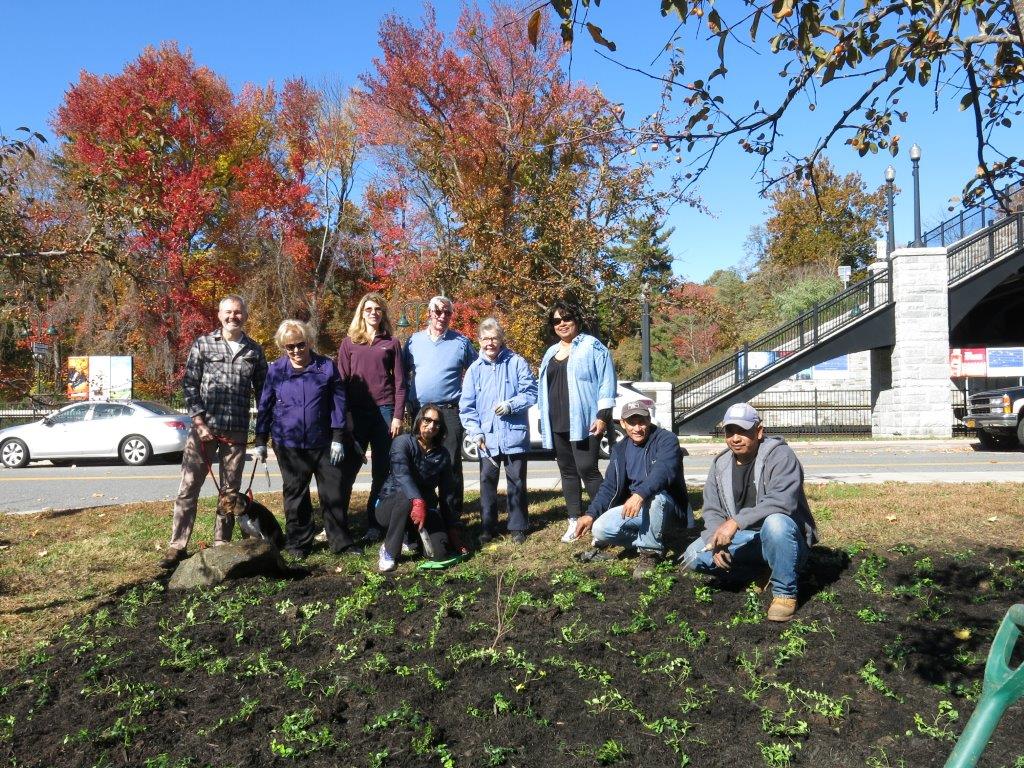
Part of the planting team,

Part of the planting team,

I can’t wait for spring! This bed should look lovely. I do believe Henriette would approve. I felt her presence the whole time we planted – as though she was gently guiding us along.
Once again dear friend, I salute you. You are deeply missed.

(c) 2015 Shobha Vanchiswar

[do_widget “Blog Subscriptions (Jetpack)”]

Surprise!

I love surprises. Not the scare-me-out-of-my-skin sort of surprises but more like the sweet, unexpected, put a smile on the face kind. Applying a sense of humor tempered with ingenuity results in the best kind of unanticipated joy. It is as much fun to think up such surprises as they are to experience.

I remember one April Fool’s day when I had the best time coming up with surprise after-school snacks for my daughter and her friend. How about sushi and baked potato with sour cream? The mortified look my child gave me when presented with those foods was priceless. I could see her wondering how she could possibly explain the weird parent to her fellow first-grader. All turned to laughter when they discovered that the potato was chocolate mousse cake covered in cocoa-dusted marzipan to look like a baked potato topped with creme fraiche. And the sushi was gummy bears wrapped in rice krispies and then further rolled with green, seaweed looking fruit leather.

Similarly, the garden is a great place for clever amusement. They could be odd or unusual looking plants but more often, sculptures and other objects provide the better, longer lasting effects.
I won’t say any more. Instead, I’ll let the images below speak. Tell me what you think.

IMG_8653

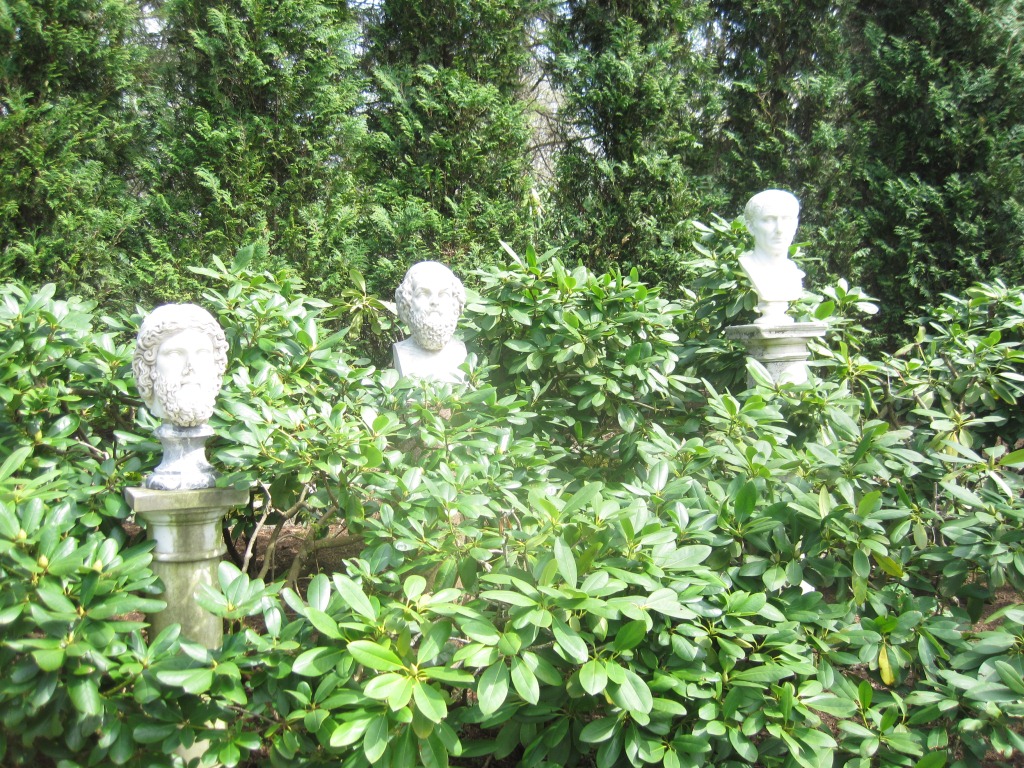
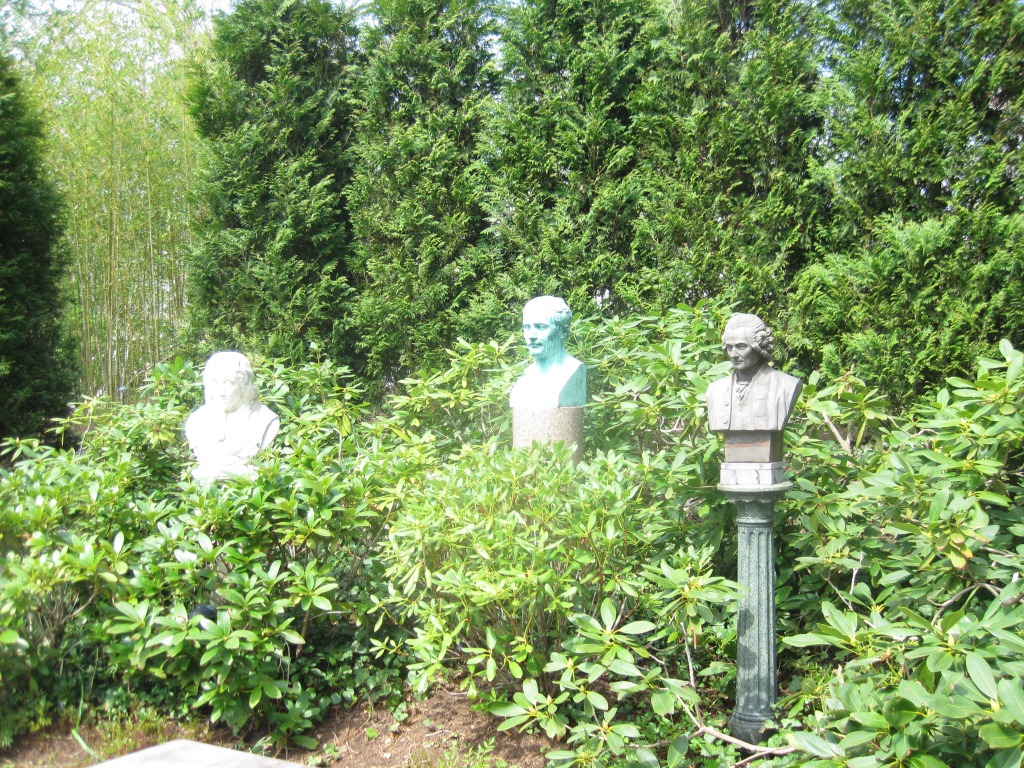
The above two images show how to play down formality and infuse some humor. The busts peeking from the greenery look like a game of Hide and Seek is underway.

The above two images show how to play down formality and infuse some humor. The busts peeking from the greenery look like a game of Hide and Seek is under way.

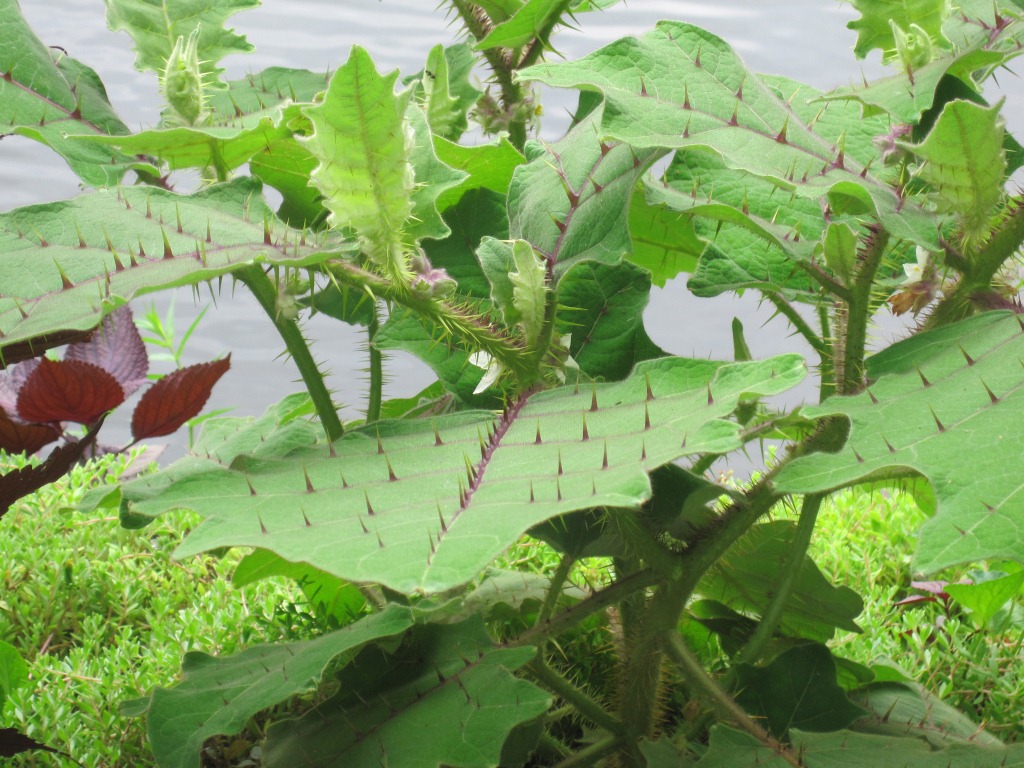
Check out those thorns on the leaves! Not great for surprises.

Check out those thorns on the leaves! Not great for surprises.

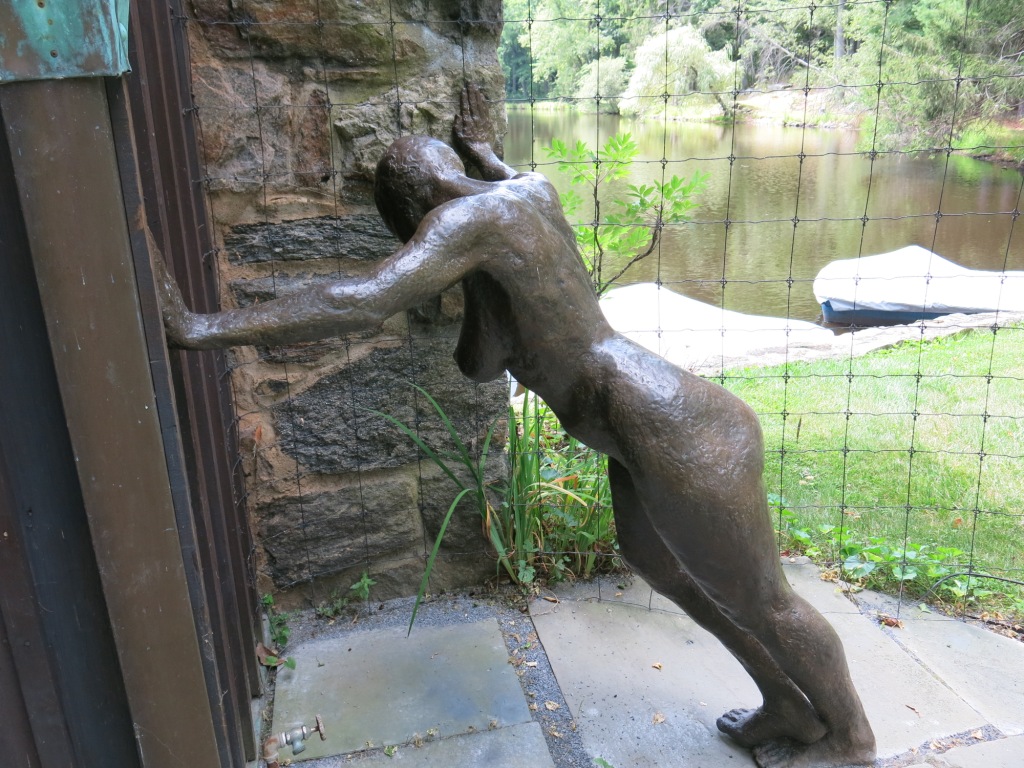
One can only see this sculpture if one comes around the corner of the pool house at the Bakwin garden. It is like a figure pausing for breath after a swim or game of tennis. I love that element of art situated so cunningly.

One can only see this sculpture if one comes around the corner of the pool house at the Bakwin garden. It is like a figure pausing for breath after a swim. I love that element of art situated so cunningly.

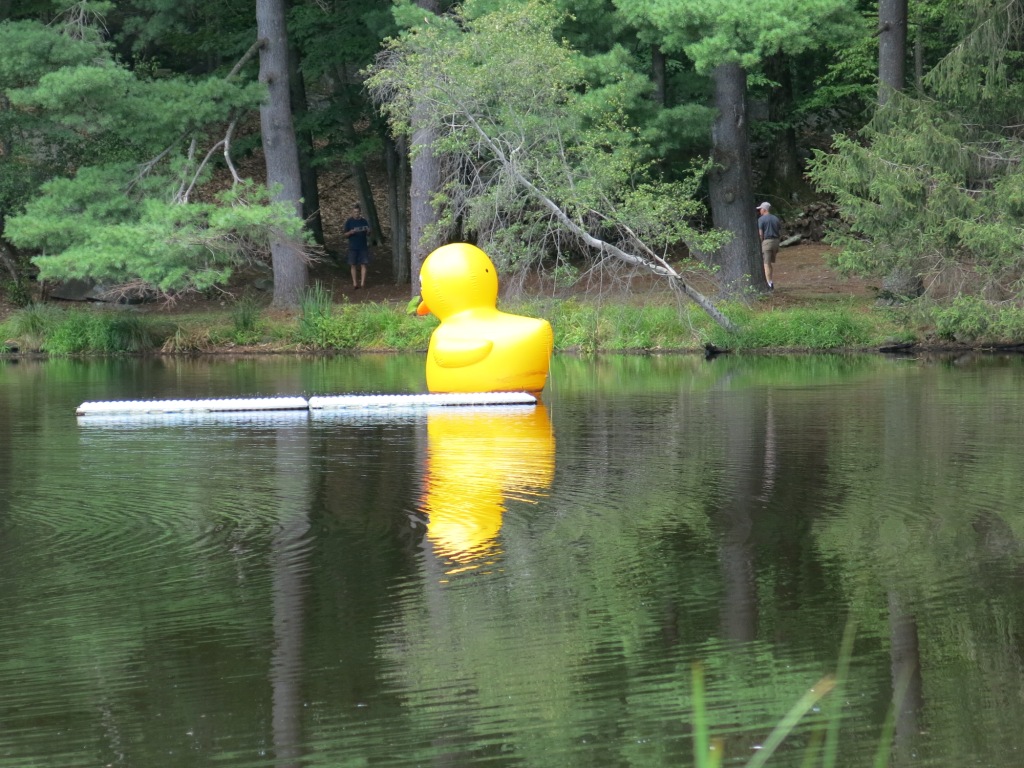
A giant rubber ducky! Also at the Bakwin garden - it is a laugh out loud sight amidst the very classy garden. Very fun.

A giant rubber ducky! Also at the Bakwin garden – it is a laugh out loud sight amidst the very classy garden. Very fun.

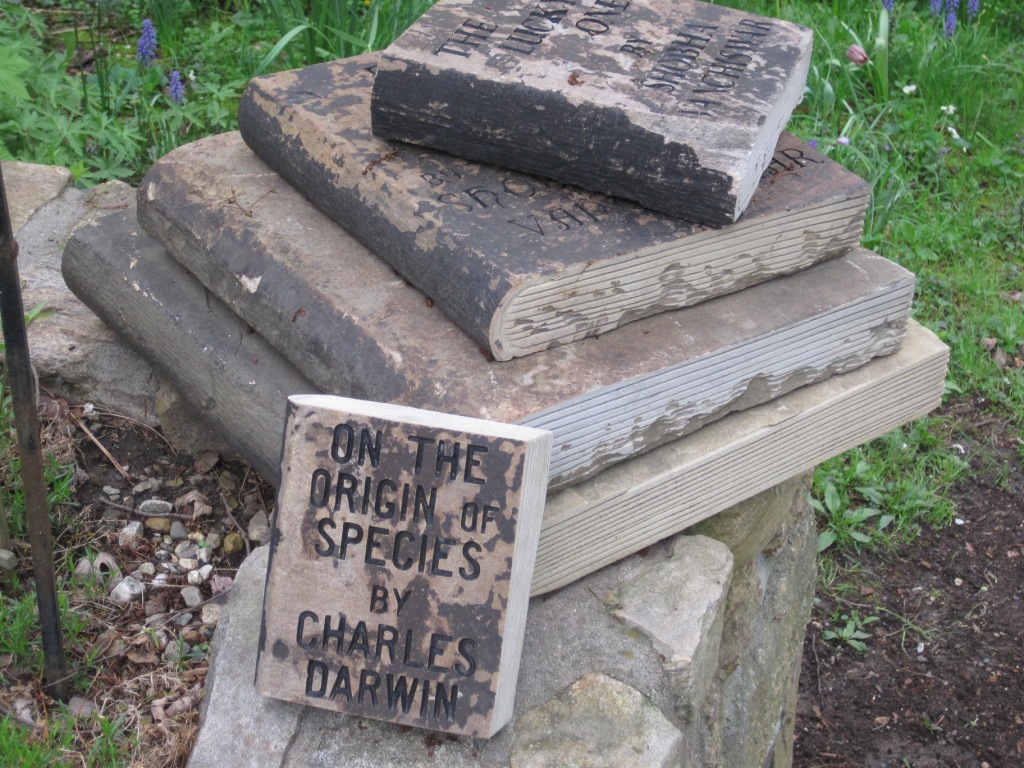
Books of stone in my garden. I had the titles engraved for a dose of fun and a bit of food for thought. This one says The Origin of Species by Charles Darwin.

Books of stone in my garden. I had the titles engraved for a dose of fun and a bit of food for thought. This one says On The Origin of Species by Charles Darwin.

IMG_3488

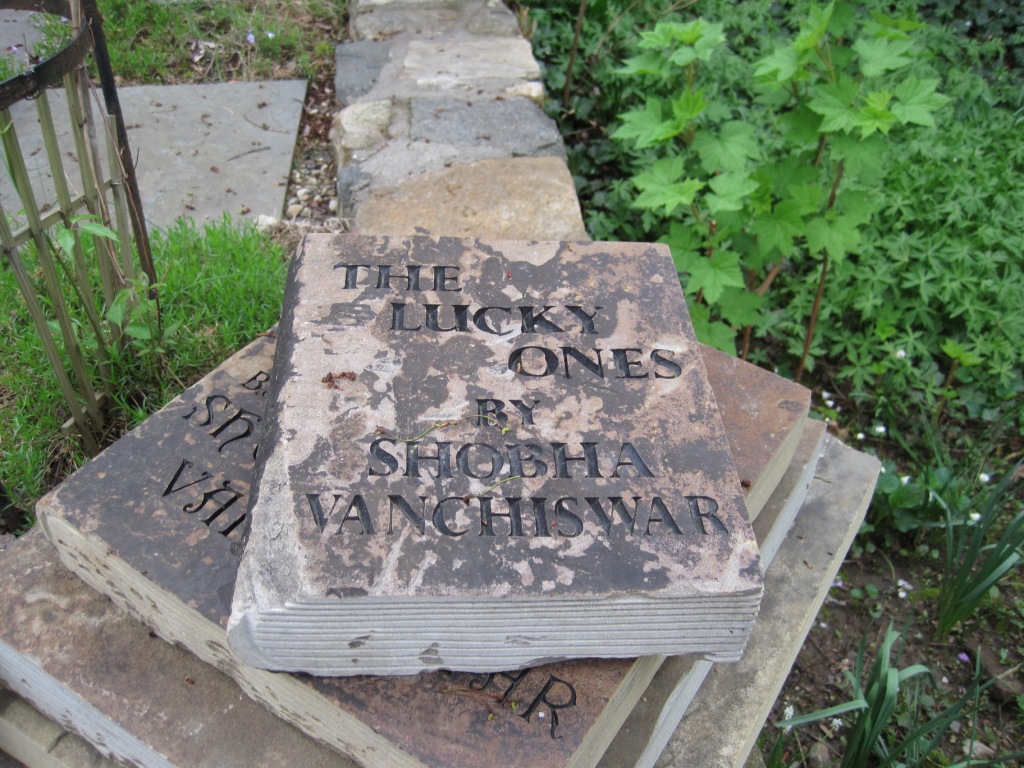
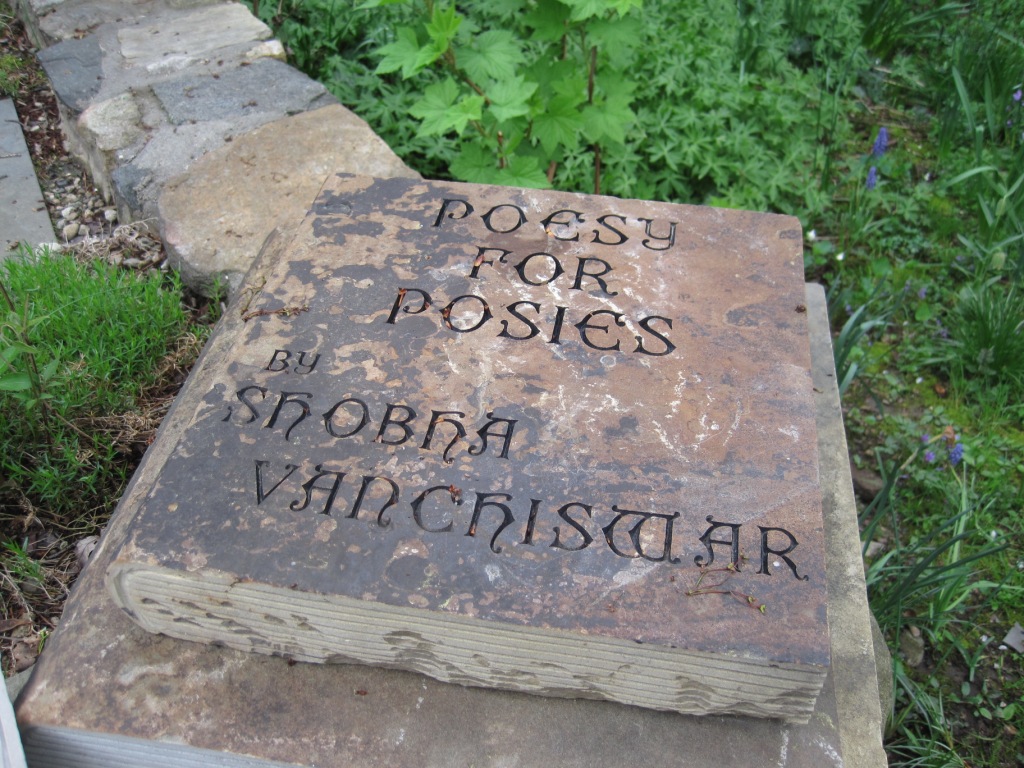
The last two photos refer to my own books. Why the heck not? It is after all my garden!

The last two photos refer to my own books. Why the heck not? It is after all my garden!

(c) 2015 Shobha Vanchiswar

[do_widget “Blog Subscriptions (Jetpack)”]

Color Me True

Remember the colors you liked as a young child? Bright, joyous colors that shouted out their exuberance! We dressed with abandon, matching purple socks with a magenta skirt that sported yellow polka dots. It made us feel so happy. I recall a favorite dress that screamed chartreuse and pink. And you know what? I still love that combination. Particularly in the garden. Think Euphorbia polychroma and Triumph tulips like Barcelona – acid yellow/green with fuchsia! Stunning right?

Yet, as we grow up, we permit all sorts of rules to be imposed on our sensibilities. We give in to norms and tastes that do not necessarily reflect our own. Afraid to be different and call attention to ourselves, we join the herd. Which is a shame. We need more unique voices in our midst. I’m not suggesting anarchy or that we be inconsiderate but rather, I’m calling for us all to be true to ourselves. Lets not hide behind uniformity or be bullied by arbitrary taste-makers. Instead, we can each be a distinct, exceptional piece in the social quilt of life.

If breaking out and expressing yourself in all areas of your life is a daunting thought, then start with your garden. Maybe just a single flower bed. Forget rules about how many of each type of plant, coordinating colors etc., Just go for what your heart desires. As you tend this patch, you yourself will work out the details and specifics that best appeal aesthetically. Soon, you’ll feel confident about spreading your preferences to the rest of your garden. From there, move on to your home’s interior, your clothes, jewelery, choice of reading material…. take my word, you’ll feel good.

In my recent travels, I’ve come across many gardens but the the most memorable ones were invariably those that had their own spin. Clashing colors that put a big smile on your face. Unfettered by any visible scheme, these gardens celebrated the season. They created an atmosphere of unadulterated fun. And isn’t that exactly what summer is for?

I’d love to hear about your color tastes from childhood and if you still love those hues. If yes, how do you incorporate them in your adult life?

Note: For those of you in my neck of the woods, you have the opportunity to visit a wonderful garden this Saturday August 8. Mike Bakwin’s garden is open from 10 am to 4 pm. Mike is a good friend of mine and I can personally attest to the beauty of his garden. You might even see me there! For details click here.

IMG_6991

IMG_6993

IMG_6995

IMG_7000

(c) 2015 Shobha Vanchiswar

[do_widget “Blog Subscriptions (Jetpack)”]


Life Hacking In The Garden

Every now and then, one comes upon little nuggets of wisdom that make life better. Like using plain dental floss to slice cheesecake. Puts paid to messy knives and sloppy servings. Or making lemonade/ coffee ice cubes to add to your lemonade or ice-coffee. As the cubes melt, they will not dilute the drink.

Here are some handy hints for the gardener:

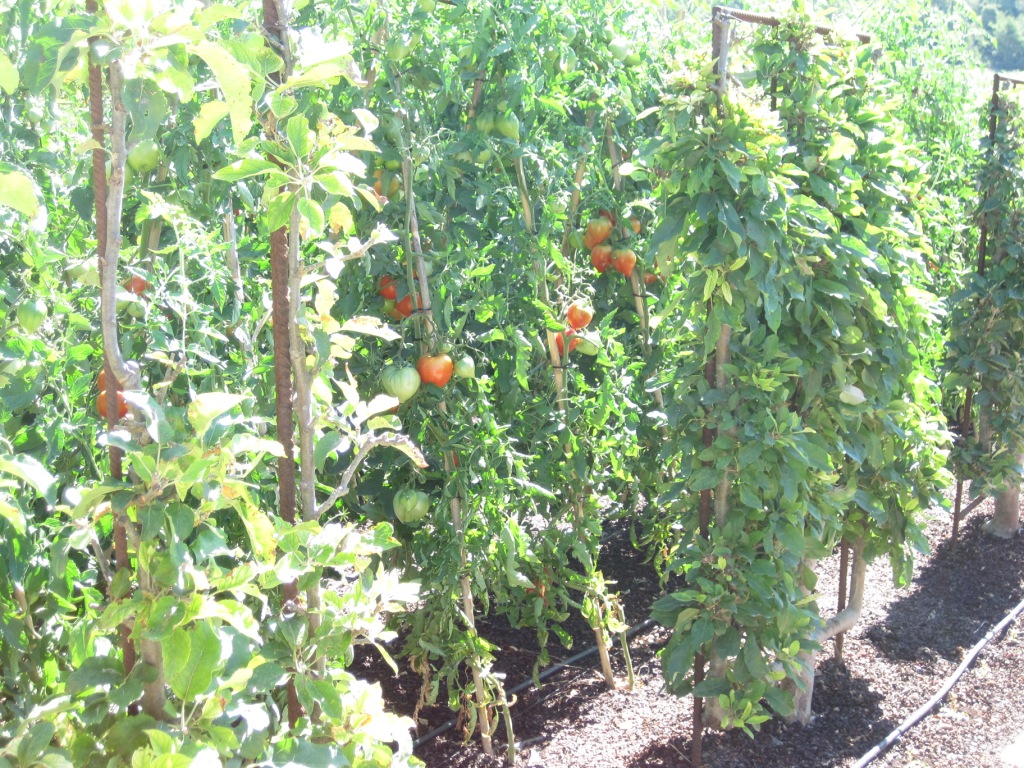
Sprinkle baking soda around your tomato plants to get a sweeter yield.

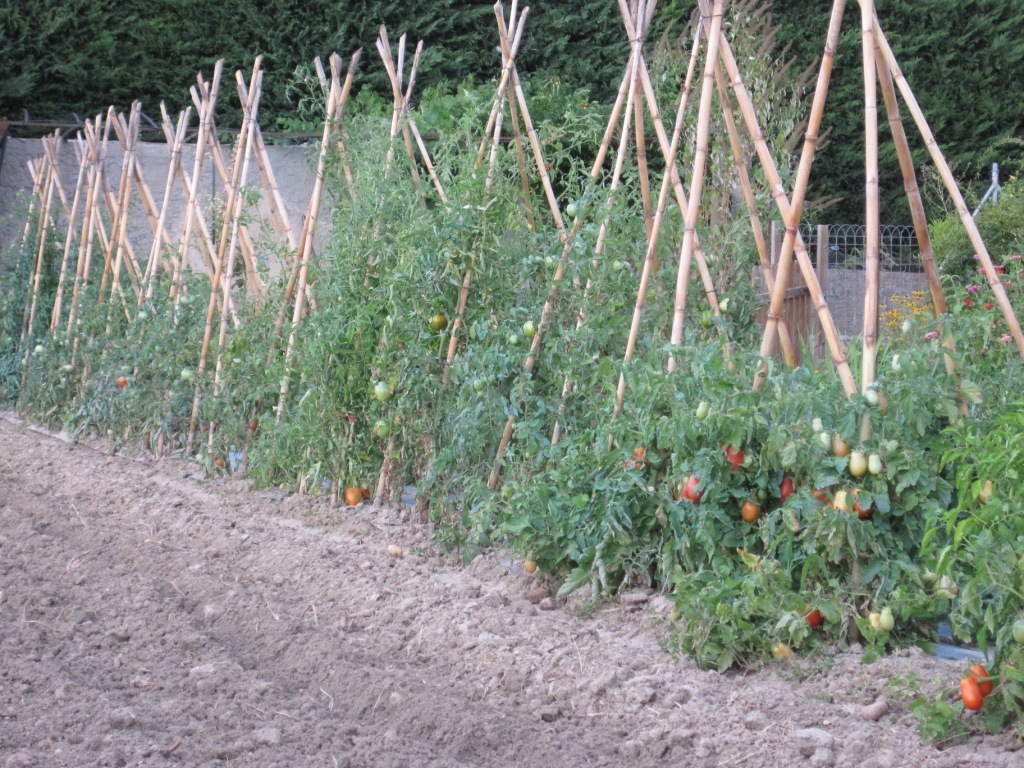
Plant courgettes beneath French or runner bean tepees to save space and give shade later on.

Feed roses with Epsom salt. The same compound dissolved in a tub of cool water is also good to soak your tired feet in after a day in the garden.

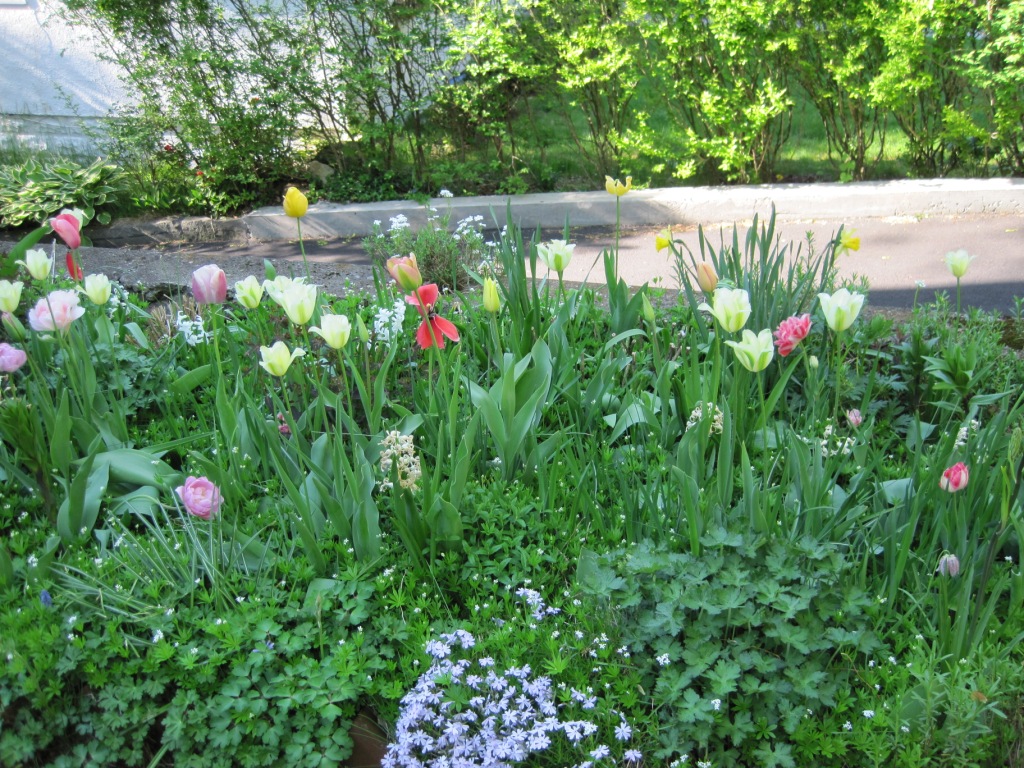
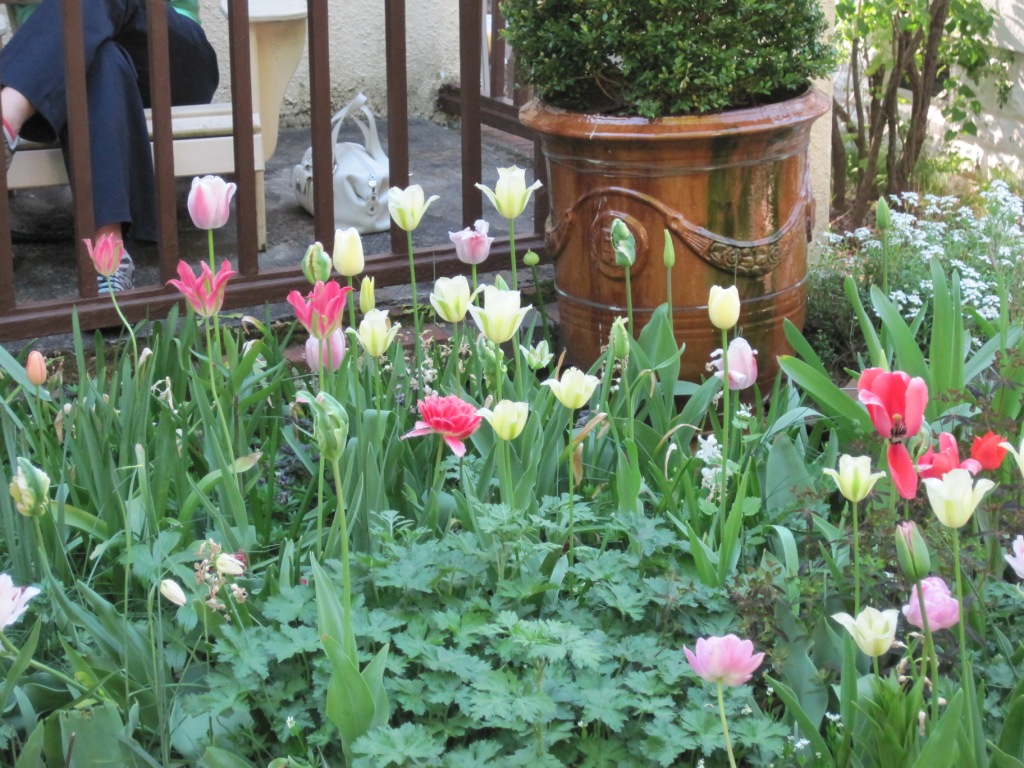
Day old tulip blooms can be kept in the refrigerator for as long as a few weeks. Bring them out and place in room temperature water to wake up and open in time for your special event. Keep this in mind next spring.

On that note about chilling flowers, if you have a floral arrangement sitting pretty in your home and you are going away for the weekend, stick said flowers in the refrigerator. When you get back home, your flowers will be waiting to beautify your home once more. I usually stick vase and all in the ‘fridge.

Losing your boxwoods to blight? Ilex crenata is a reliable substitute for boxwood. It is can be just as easily clipped and shaped. Grows in a variety of soils and situations.

This last one is my favorite – I mention it often. Yet, how many of you remember?
Pour boiling hot water on all those pesky, hard-to-get-at-weeds that grow between flag stones and brick work. Do this on a day when rain is not imminent. Easy as pie. No more torn nails or unsuccessfully struggling to pull out the weeds along with roots.

Simple, sound advice easily heeded. Leaves plenty of time to enjoy the season.

August 069

IMG_1694

IMG_0815

IMG_0820

Brick walkway kept weed free with the use of boiling water.

Brick walkway kept weed free with the use of boiling water.

Epsom salt fed roses

Epsom salt fed roses

IMG_5988

IMG_5989

(c) 2015 Shobha Vanchiswar

[do_widget “Blog Subscriptions (Jetpack)”]

A Walk On The Wild Side

Last week, I took a walk that was all pleasure and wonder at every step. If ever there was a way to escape the world and still be completely present in the world, this was it. I was treated to a guided tour of Wildflower Island at the Teatown Lake Reservation in Ossining, NY. Guided by Leah Waybright Kennell, the curator of this magical isle, I learned how much there is to see and delight in if only one knew where and how to look.

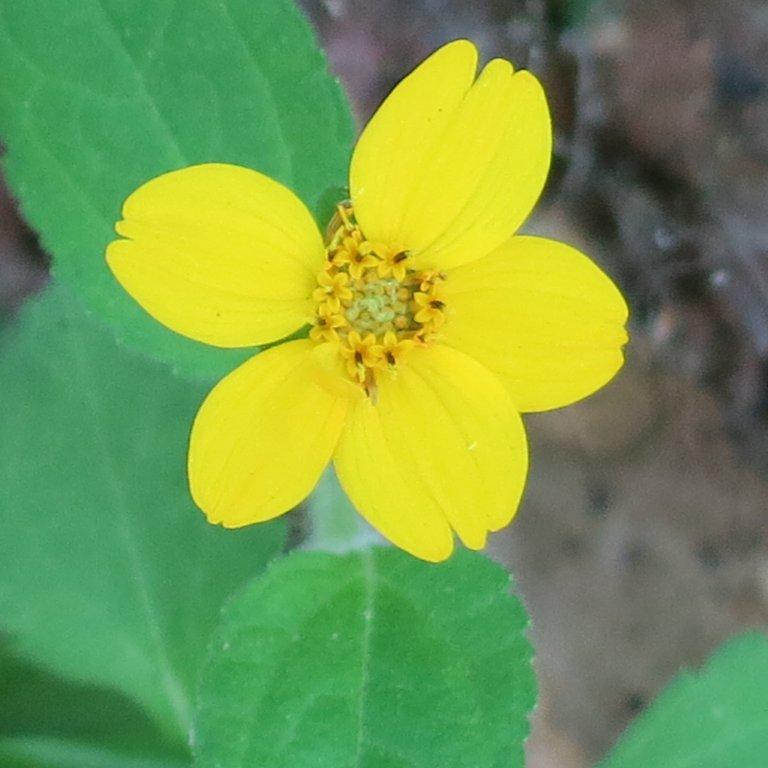
As gardeners, we tend to focus on the showy and/or dramatic. All too often, we forget that beauty also resides in the diminutive and shy. Tiny flowers expressing their enthusiasm on ground hugging stems of Canadian Mayflower. Or bashful Chrysogonum virginianum permitting sweet glimpses of its sulphur yellow blooms.

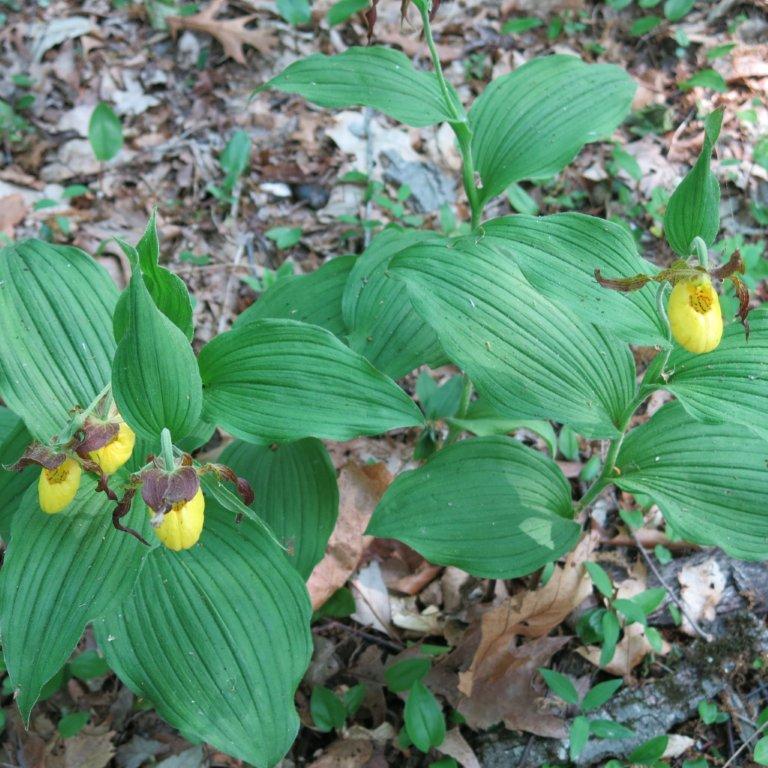
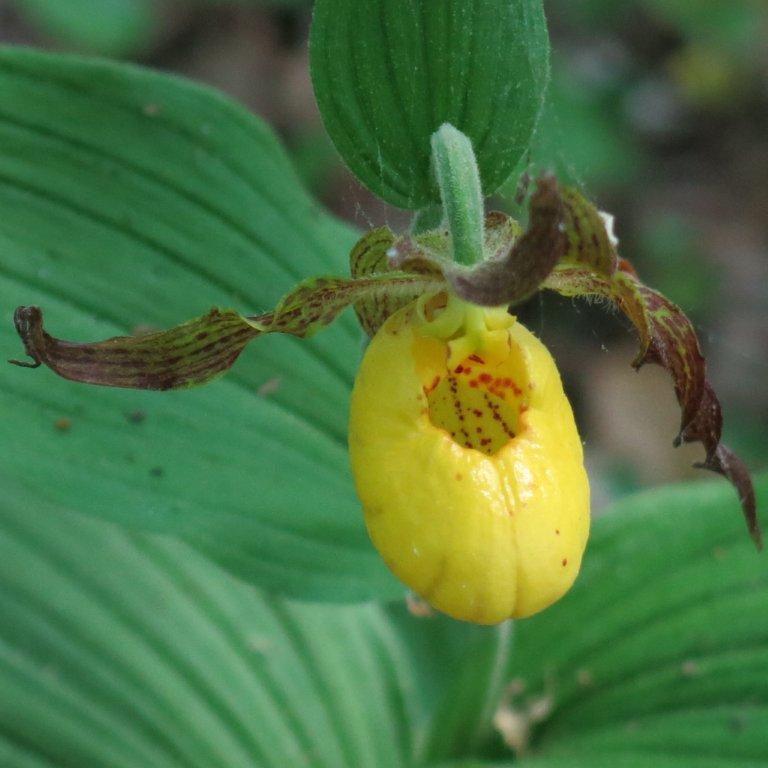
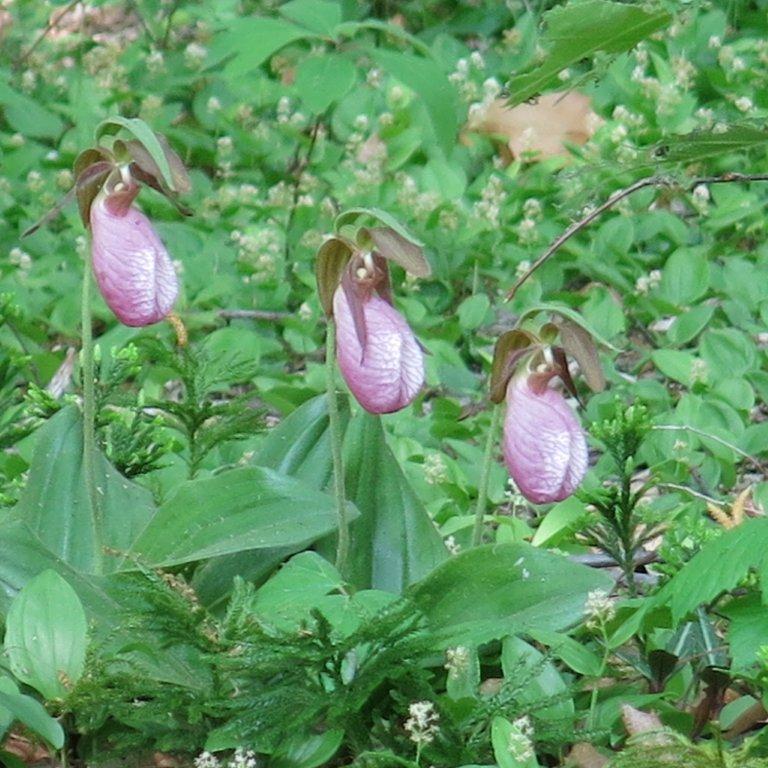
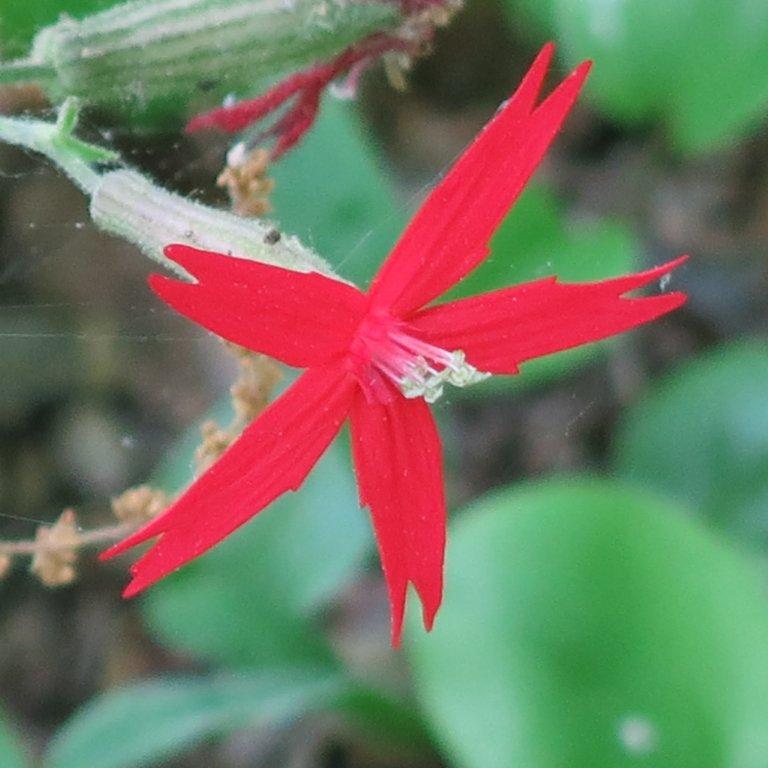
Walking to the accompaniment of a rich chorus of birds, I saw yellow lady’s slippers skipping around while their more rare pink cousins tip-toed quietly. Hummingbird columbines shone like small flames and red Silene virginica darted in and out of the spring growth that spread all around.

Leah pointed out so many plants that I was not familiar with. Wonderful natives that ought to be included in our gardens and woodlands. Her love and passion for the plants in her care is infectious and her knowledge of them is plain impressive. I’m inspired and determined to get to know more of these plants and invite them into my garden.

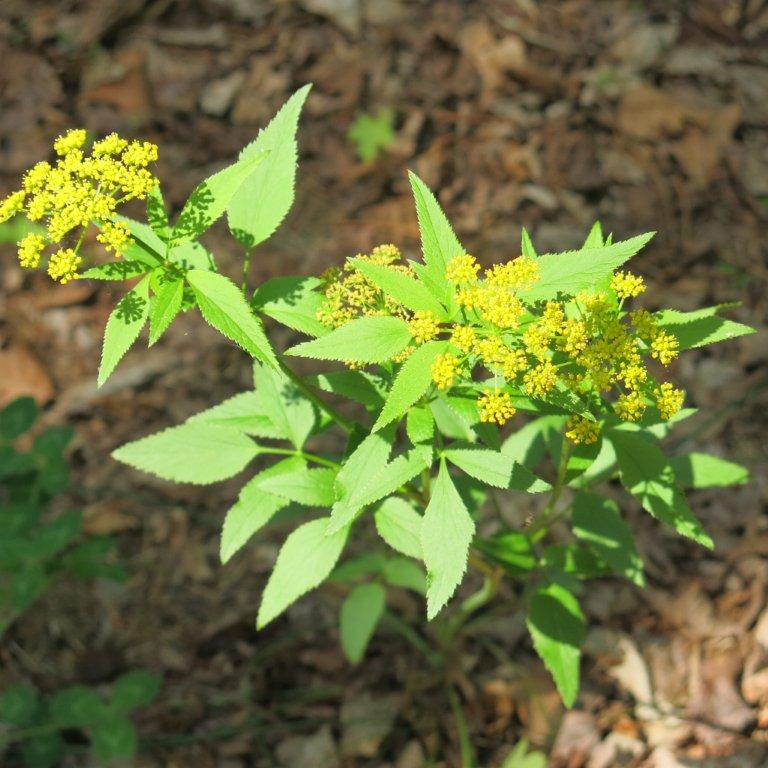
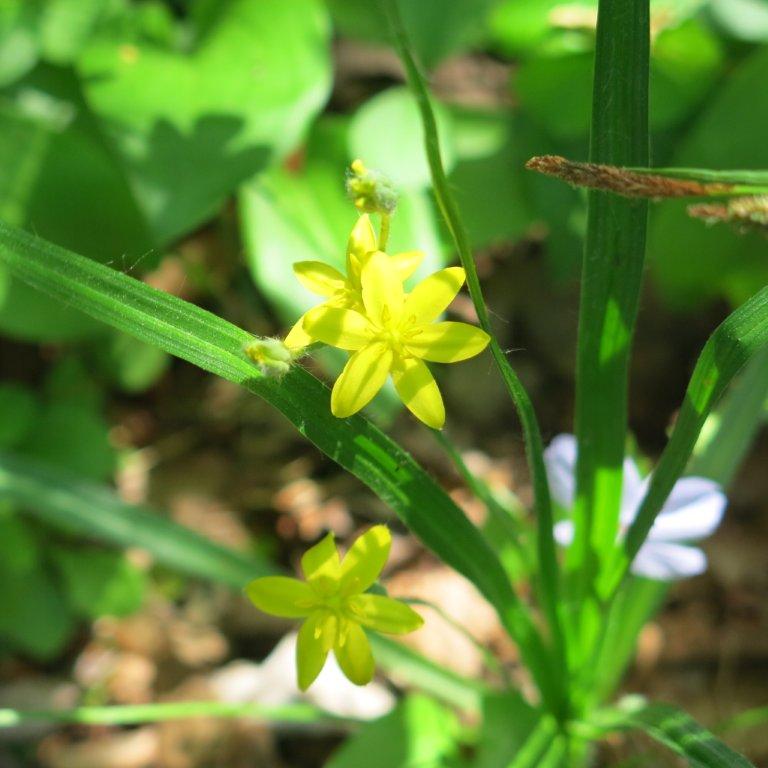
My ‘meadow’ is perfect for Hypoxis hirsuta, Zizia aurea and several more of the wildflowers. I already have Anemone canadensis, Arisaema triphyllum, Rubus odoratus, Myosotis sylvatica, Taraxacum officinale, Camassia quamash and some others. Adding the aforementioned will prolong bloom time in this part of my garden. As such, along with the myriad bulbs in its midst, the meadow only blooms through spring. I would love to have summer and fall blooming plants here to properly sustain all the wild life it draws.

My meadow also supports Ajuga and Viola odoratus. Two rather attractive but invasive aliens. To be rid of them is near impossible and frankly, I’d miss them. They add a real dose of brilliance to the spring show. I have been somewhat successful in containing them to only this part of the property. Any such plant found elsewhere is ruthlessly removed.

If you live in the Tri-state area, I strongly encourage a visit to Teatown. A tour of Wildflower Island is possible only by appointment and you get a highly knowledgeable guide to lead your eyes to all the gems that are nurtured there. It is a comfortable walk and takes only however long it takes you to get your fill of the beauty and variety of our unsung, wild natives. There are always things to see but spring and the second half of summer have the most in bloom. I expect to walk with Leah many times this year!

This ramble was one of the best hour and a half I ever spent. A mindful meditation like no other.

Note: I’ve used the botanically correct names mostly because many of the common names are the same as some non-native species. I did not want to confuse those looking to get the native plants.

Yellow lady's slipper. Cypripedium acaule.

Yellow lady’s slipper. Cypripedium acaule.

IMG_5809

Pink Lady's Slippers. C. calceolus

Pink Lady’s Slippers.
C. calceolus

Zizia aurea

Zizia aurea

Hypoxis hirsuta

Hypoxis hirsuta

Hummingbird columbine

Hummingbird columbine

Silene virginicum

Silene virginicum

Chrysogonum virginianam

Chrysogonum virginianum

(c) 2015 Shobha Vanchiswar

[do_widget “Blog Subscriptions (Jetpack)”]

A Case For Camassia

Have you introduced camassias into your garden? No? Why not? I guess you haven’t taken me seriously when I’ve recommended that you start planting these good bulbs of North America. I promise you will be glad to have these natives in your garden.

Blooming in mid-spring, camassias bridge that transition from the early bulbs to late spring blooms beautifully. They come in shades of blue as well as a creamy white. A grouping of them is quite handsome but they also blend well with a mix of other plants. I particularly like how they mingle with the alliums, tulips, amsonia, baptisia and columbines in my perennial beds. The spires contrast well with the roundness of the alliums and the star bursts of amsonia.

In the meadow, camassia join the sea of blue created by ajuga and mysotis. The overall appearance is one of such gentle beauty that it is hard to imagine that so much activity happens in the meadow. The place teems with life. Butterflies and bees busy themselves here all day long. Parent birds forage for juicy morsels to carry back to their ever hungry babies. Toads await unsuspecting insects. Rabbits nibble on whatever greens suits them but never seem to do any visible damage. A neighborhood cat often suns itself on the stone bench kept warm by the morning sun. No doubt hoping to get at targets I’d rather not think about. The occasional garden snake rustles about quietly; its presence noted only by the hushed movements of the low-growing grass. I could sit here all day and watch the goings on.

But back to camassias. They naturalize well and do not beg for coddling. Suitable for both formal and informal gardens, they are in my opinion a no-brainer. Get them this year for fall planting. Don’t make me tell you again.

Camassia

True blue natives
for food and form
Echoing colors
of seas and skies
Spreading nicely
from forest shade
to open prairies
to rocky ties.

From quivers of green
shoot Indian arrows
Piercing early
verdant blankets
Sustaining tribes
across western fronts
These bulbous offerings
make a banquet.

Shobha

Camassia 1

Camassia 2Camassia 3

Camassia 4

Sea of blue

Sea of blue

Camassia 6

Camassia 7(c)2015 Shobha Vanchiswar

[do_widget “Blog Subscriptions (Jetpack)”]


Hellebore Heaven

IMG_1688I’ve waxed eloquent on the topic of hellebores in the past but I think it bears revisiting. It appears that while I’ve assumed everybody knows and loves these rugged plants, many are not at all familiar with them. Clearly, I haven’t done a decent job of spreading this good plants virtues.

My own love affair with Hellebores started over fifteen years ago. I saw a plant in bloom one very cold day in March when winter had barely relaxed her chilly grip. I simply had to get to know this brave soul. So, I rushed to my local nursery and bought two. They settled into the garden quite easily and grew well. The following year, they repaid my kindness with a plethora of flowers that bloomed well into summer. I had barely paid attention to them all year and here I was being so handsomely rewarded. This was my kind of plant partner – independent, reliable, good-looking, low maintenance, loyal and hard working. Wish I knew more humans with all those traits.

I now have somewhere between fifteen to twenty hellebores in various semi-shady parts of the garden. They do better with a bit more sun than shade. I have them in the perennial beds, under shrubs and, bordering the meadow. At each site, the flowers add valuable color and beauty at a time when these elements are scarce. They are notorious self seeders but because I mulch heavily each spring, the seedlings get smothered and do not thrive. When required, I pot up some seedlings to give away and then spread the mulch.

Hellebore leaves are best not cut back in the fall. They are left on to provide protection to the emerging buds that nestle shyly beneath. Once the snow has melted and spring is just about to start, I remove the old leaves making way for the new growth.

Hellebores are not so palatable to deer and other pests as many varieties are poisonous. The leathery, serrated leaves keep away the curious. The flowers, oh, the flowers! They are show stoppers. Coming in a range of creams, buff, pale green and all shades of rose, a mature plant is spectacular in bloom. They do not scream but gently draw your eyes to their beauty. And then you cannot look away.

The plants are drought tolerant but do best in moist, well-drained soil. Most hellebores can be planted in zones 5a to 8. A few even tolerate zone 9. Reaching only heights of a foot and a half, these relatives of the ranunculus, are perfectly suited to that place between the low growing plants and the taller ones. The plant peaks just when you are weary of the bleak winter scene and impatient for the large bulbs to start their performance. They nicely bridge winter gaps with their evergreen leaves. In my opinion, no garden should be without hellebores. Ever.

So, have I convinced you?

My garden is open this Saturday May 9 from 10:00 am – 4:00 pm. See here for details. Please do visit!

Also, thanks so much to those who came to my art show reception last Saturday. You made my day! For those who missed it, the exhibit is on all of May – at Teatown Lake Reservation in Ossining, New York. Hope you’ll get to it. Let me know what you think!

Enjoy these images of hellebores:

This one is actually named 'Dark And Handsome'!

This one is actually named ‘Dark And Handsome’!

IMG_1709

IMG_8548

IMG_8596

My own rendition

My own rendition

(c) 2015 Shobha Vanchiswar

[do_widget “Blog Subscriptions (Jetpack)”]

Dancing With Goats

Expressions such as In the arms of goats and Getting my goat have been rather unkind to the frisky, curious , diminutive ruminant. In this month, when Capricorn symbolized by a goat rules, I thought I’d make some amends.

It has been an increasing problem to get rid of fast-growing invasive plants that are seen thriving all along our highways and byways. Any gardener who has dealt with freeing the garden of poison ivy or bittersweet will know exactly how hard that is. Typically, chemicals and/or machinery have been employed. But in either case, there are associated concerns. Chemicals poison the soil and are not good at preventing seeds from sprouting. Machinery disturb the soil too much and that results in erosion.

Enter the Eco-Goats. They are a group of goats that are available for hire one week at a time from May to November to chomp and destroy the offending plants up and down the northeast United States. It is a simple, time-tested biological solution to a more recent biological problem. The animals are more effective than chemicals or other methods because, between their strong, grinding teeth and their multi-chambered stomachs, seeds cannot survive. So once the area is cleared by the goats, no seeds remain to grow back. I do believe the extra bonus is the goat manure – the soil gets enriched while the goats feast!

Machinery brought in to clear the invasives are often too large and in any case cannot be used in steep, wooded areas. Goats can. Tall goats can access plants more than eight feet high. A trip of 35 goats can demolish half an acre of thick vegetation in about four days. Which apparently, is about the amount of time it takes the creatures to get bored with eating the same food.

There are now several well-established goat grazing companies around the country. They have been employed to take on phragmites and kudzu swamped spaces and doing quite well. More and more invasive species are being identified as fodder for the goats. In many cases, insects and other bio-controls have failed to be effective. Super-goats to the rescue! An environmentally sound solution to keep the environment sound.

Now tell me, does this not put a smile on your face?

Having cleared an area in your garden, I have a plant suggestion for you to invite into it. Goat’s Beard! Aruncus dioicus is an American native and an excellent choice to back a border in semi-shade or in a woodland garden. Its large, feathery plumes of white flowers draw butterflies and other pollinators. In fact, it is a host plant to the Dusky Azure butterfly. It blooms in May-June. Growing to a height of 3-6 feet, it spreads slowly rhizomatously to create attractive patches of itself. Goat’s Beard grows well from planting zone 3 all the way to zone 8. Hardy and innocuous.

A rather fitting tribute to the lowly, lively goat I think.

goat

At a farm in Illinois. The goats are kept as pets.

At a farm in Illinois. These goats are kept as pets.


Goat's Beard

Goat’s Beard


Goat's Beard 2
(c)2015 Shobha Vanchiswar

[do_widget “Blog Subscriptions (Jetpack)”]