Beyond The Season

When Does Fall …

When does fall
feel like fall?
When does one stop
to enjoy the ball?

Swirling confetti
Brilliant fireworks
Who pauses to see
the season’s perks?

Rushing to clean up
erasing the summer
Readying for winter
planning next year

What would happen
if we could just stay
amidst the leaf piles
in endless play?

The arrival of the holidays invariably catches me somewhat unprepared and taken aback. There is so much going on in the autumn that the thought of decorating, getting presents, planning meals and so on gets overwhelming. So the fall back ( no pun intended) is to keep it low key. That would be fine except, too often, I still fail to meet my own expectations. It is not as though I’m setting the bar too high – my plans are simple but even simple needs forethought. This year, I aim to do better.

Whilst going about the required chores in the fall garden, I’m preparing for the holidays as well.
In collecting seeds from plants, I make packets of them to give as gifts. The seeds go into pretty envelopes that are clearly labeled with all the relevant information. Additionally, I’ll attach a photo of the plant and mention good companion plants. Vegetable seeds will be accompanied with a favorite recipe.

With boxwood blight looming large, one must start considering planting alternatives. So when I purchase shrub honeysuckle or euonymus to experiment in my garden, I pick up some extras to give to a friend who is worried about her boxwoods. Lavender and catmint are other options – I’ll root cuttings from my garden and extras from those that thrive will also be presented to fellow gardeners.

Pruning is a chore that turns up some good staking material. A bundle of sturdy, natural stakes will always be much appreciated by any gardener.

The harvest of fruits, vegetables and herbs results in jams, jellies, sauces, chutneys, pickles, cordials and liqueurs. Who wouldn’t want to receive some of these? Additionally, herein are very handy staples for a soirée. Combine with crudités, artisanal cheeses, dried fruits, nuts, crackers and bread and voila! A cocktail party is in progress.

Redoing or reworking a part of the garden at this time is something to give myself and/or the spouse. Be it relaying the stones on the terrace, replanting a bed or repainting all the lawn furniture, getting it done now will give some immediate peace of mind and when spring arrives, I’ll be all set to enjoy the ‘gift’.

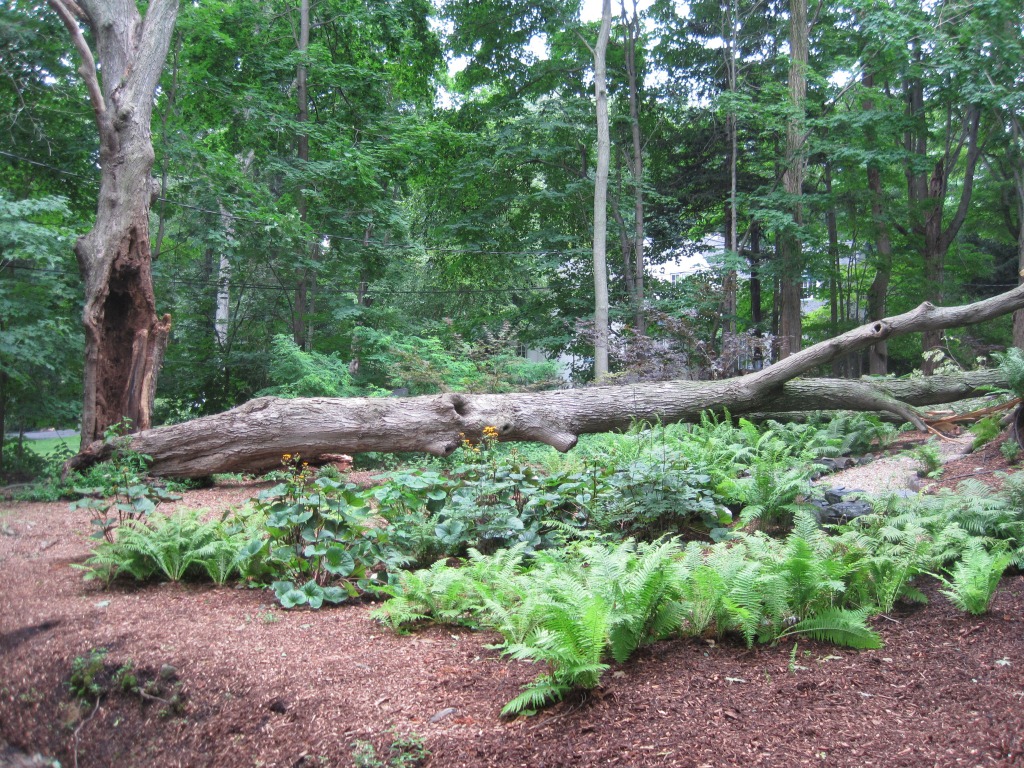
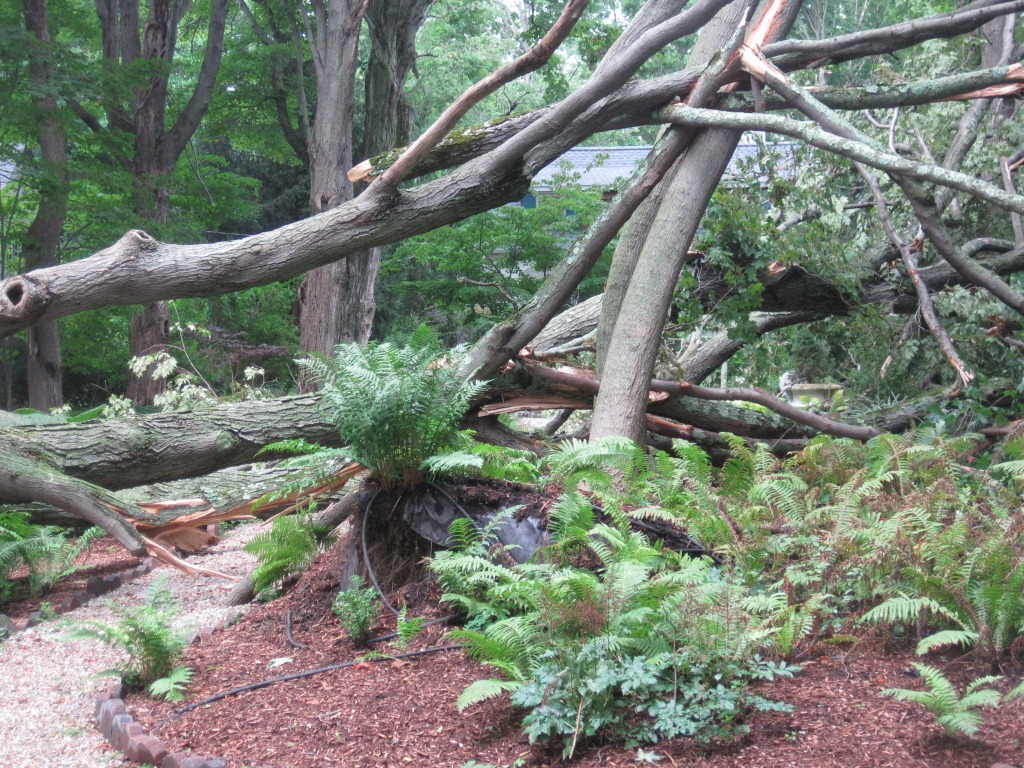
In that same vein, it is prudent to get the trees on the property checked out by an expert. Deal with the dead or diseased limbs/trees. Likewise, take care of trees that are at risk or pose a threat in case of storms. This single factor could save the huge expense and heartache of addressing possible damage. Its a gift one gives to oneself and loved ones. Except of course, some loved ones won’t know to value it!

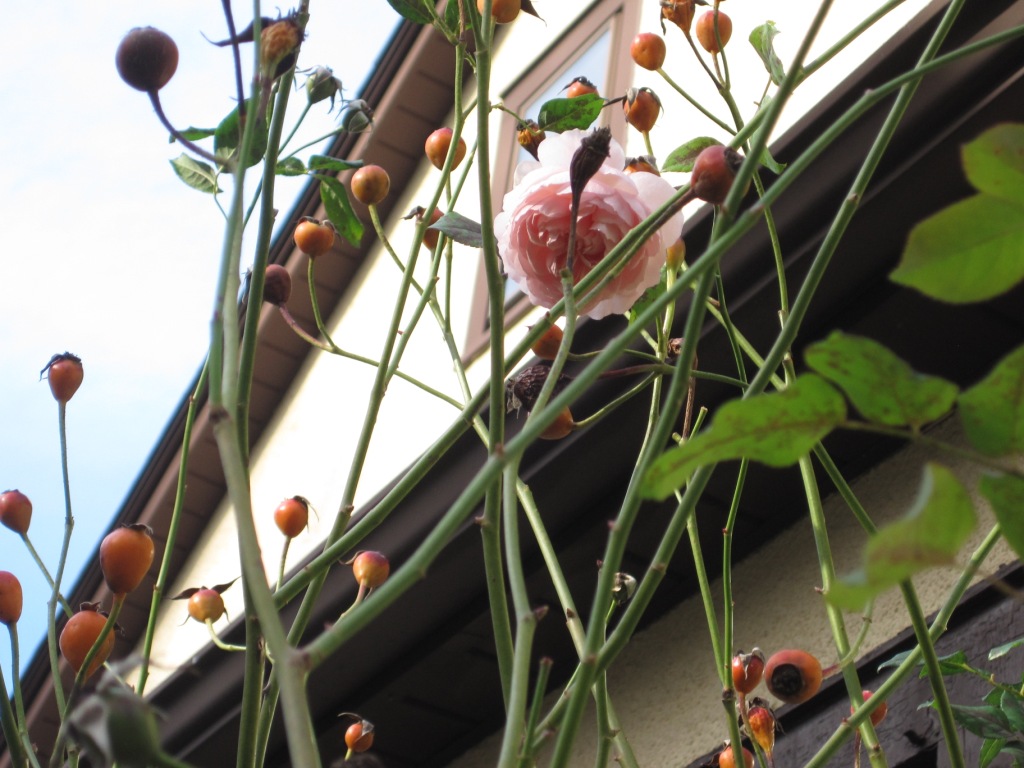
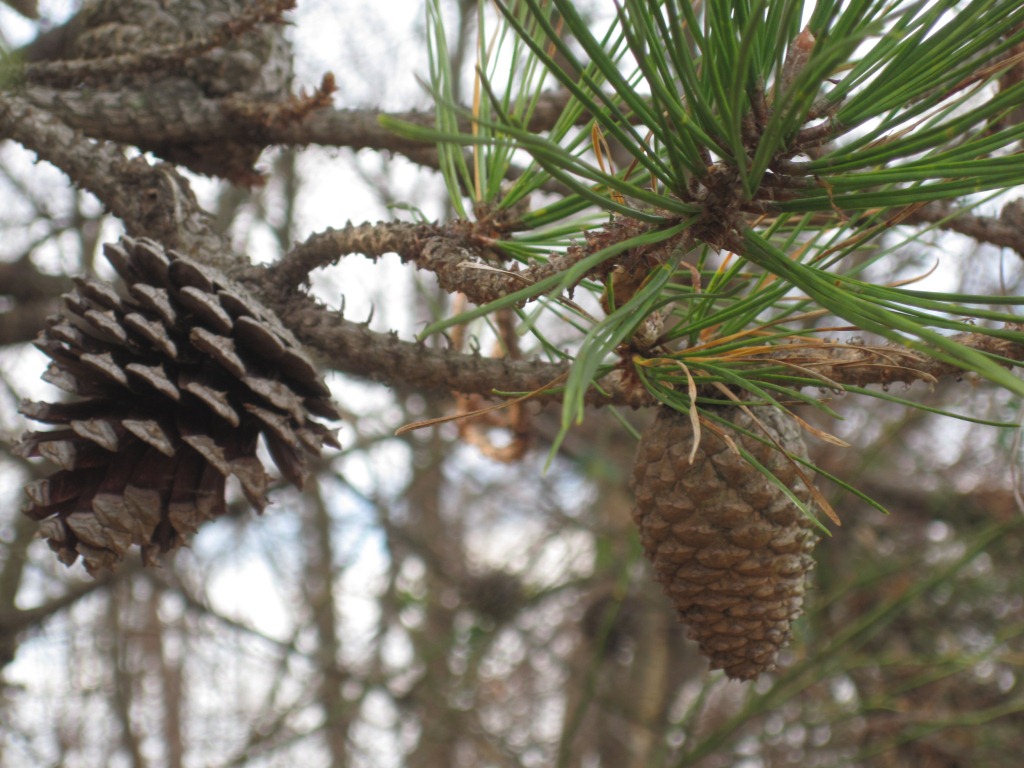
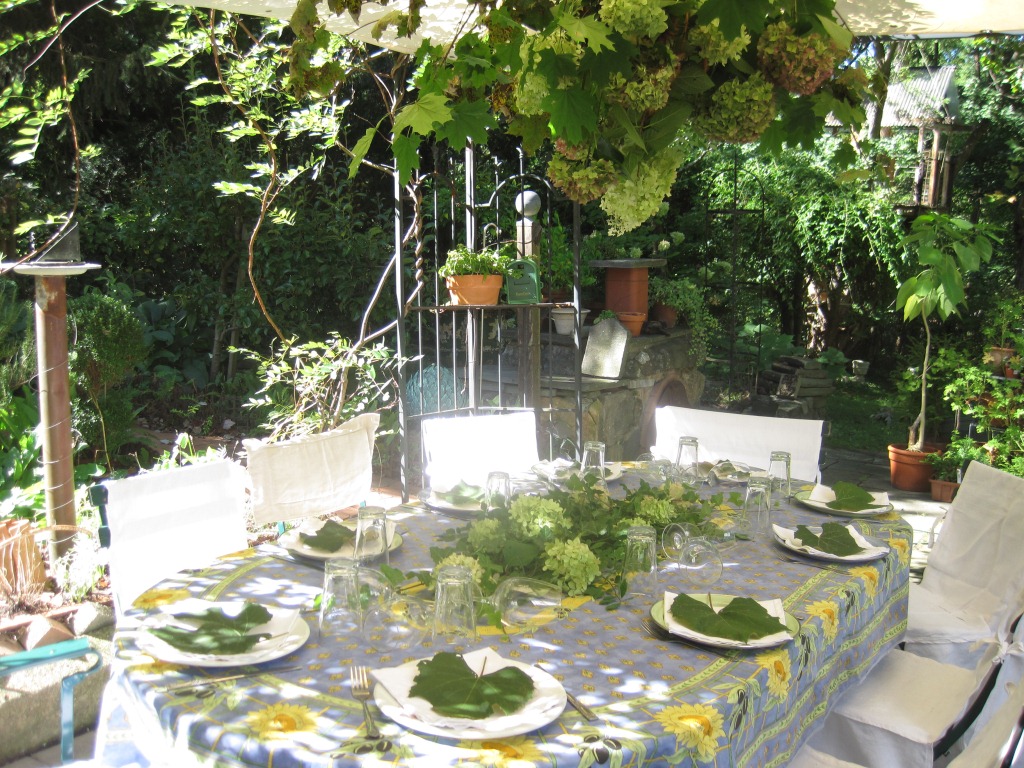
During the process of clean up, I collect fallen nests, feathers, colorful leaves, berries on branches, pine cones and acorns, seed pods, vines, flowers such as hydrangea that keep their form when dry, evergreens and other interesting natural material. These are all that I will need to decorate the house for Thanksgiving and even Christmas. Simple and natural. And compostable!

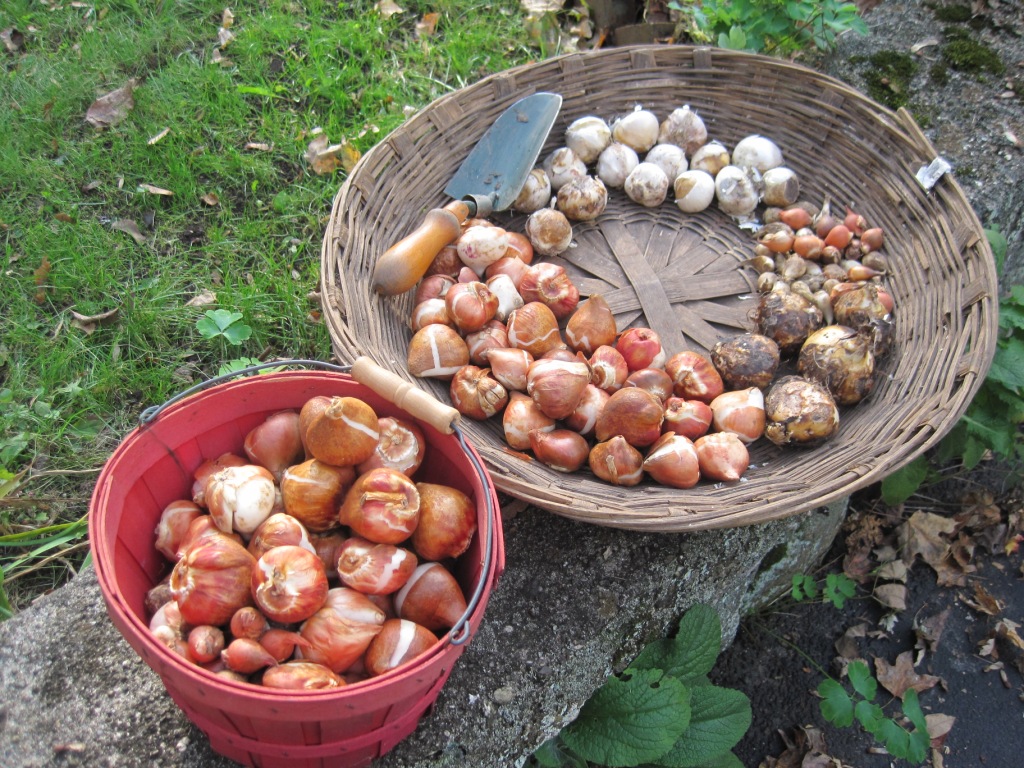
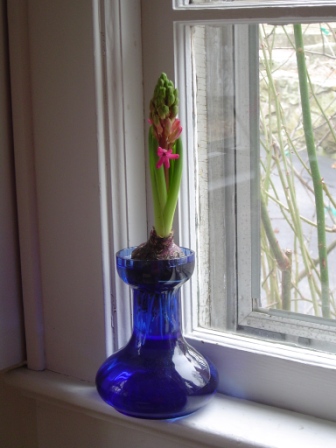
Hundreds of bulbs will soon be planted in the garden. Some of them go into the refrigerator to be forced in the dead of winter. A forced hyacinth or crocus will be certain to banish the winter blues from the hearts of a few cherished friends.

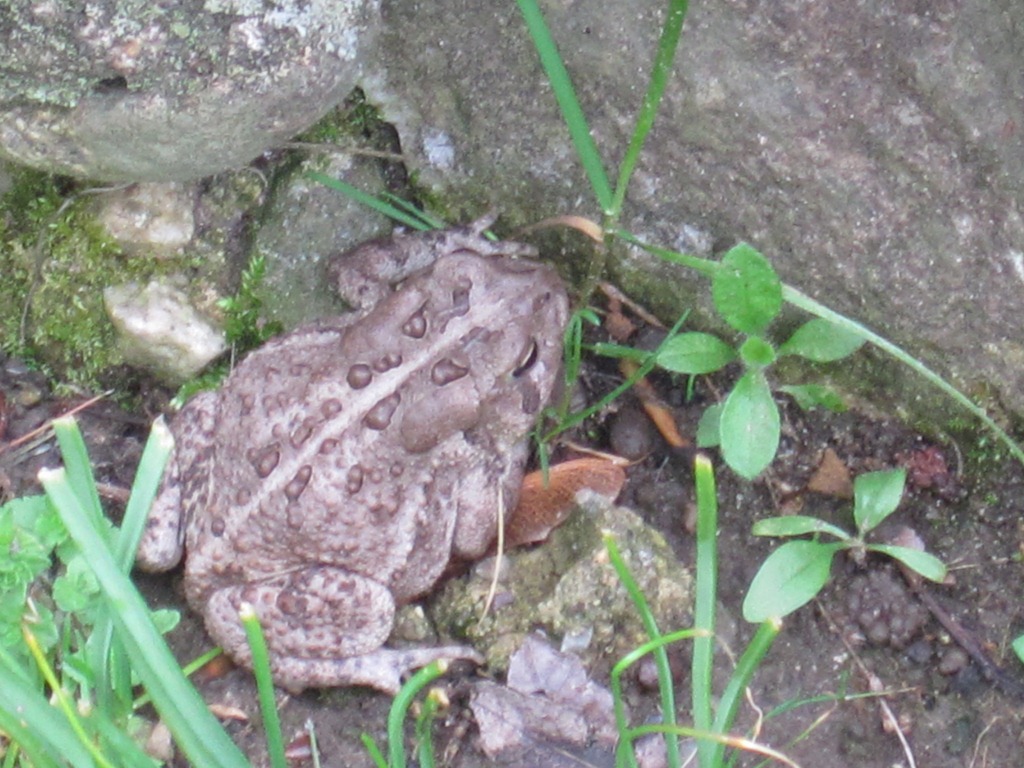
Finally, a gift to Nature. A general clean up and tidying is good but I leave as is an area not easily observed. Messy and overgrown. This will provide a habitat for wildlife. shelter during winter storms as well as a breeding spot in spring. Birds, toads and numerous insects that are useful will be very grateful.

There you have it. I’m already calmer. Are you?

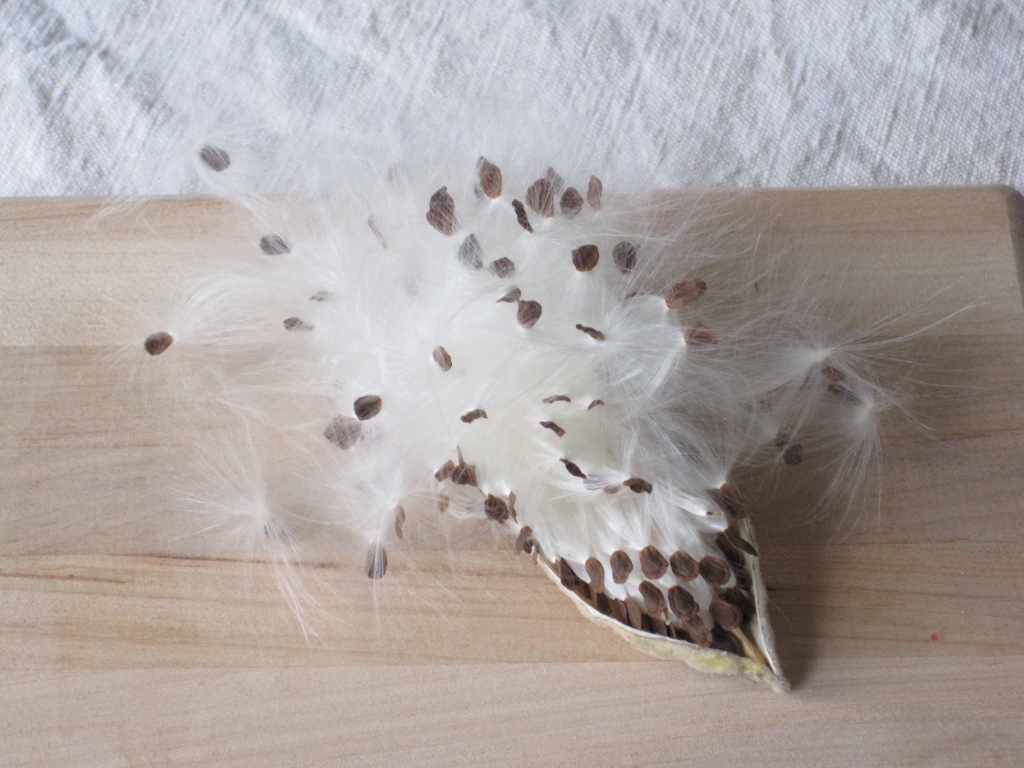
Milkweed seedpod

Milkweed seedpod


Rose hips to bring indoors

Rose hips to bring indoors


Pine cones for decorating

Pine cones for decorating


Grapevine prunings and dried hydrangea adorn an autumn table

Grapevine prunings and dried hydrangea adorn an autumn table


Someone who needs protection in winter

Someone who needs protection in winter


After a storm

After a storm


More storm damage

More storm damage


Some of the bulbs to plant

Some of the bulbs to plant


Forced hyacinth

Forced hyacinth


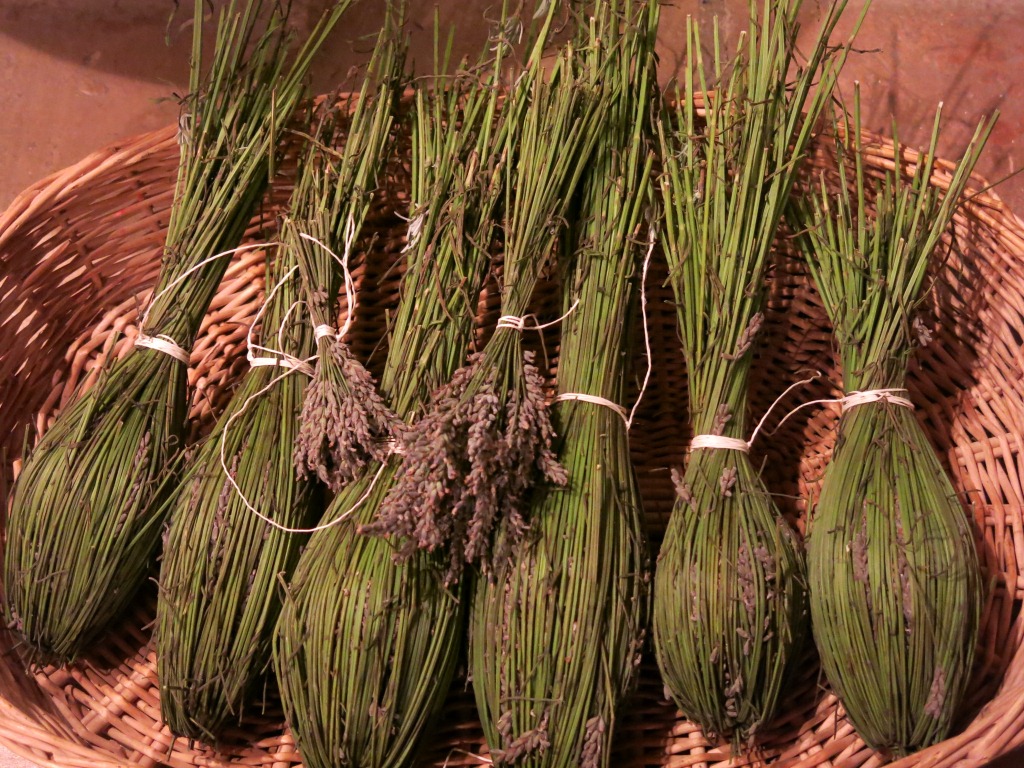
Lavender 'wand' to scent rooms and closets

Lavender ‘wands’ to scent rooms and closets

(c) 2013 Shobha Vanchiswar

Nature’s Classroom

Of the various things that I do, gardening is the most satisfying and forgiving. By that I mean, when I paint or write, I’m forever questioning the quality of what I’ve just accomplished. It can always be improved. Or different. The work is right there staring at me asking for better. When I exercise or take a walk, I wonder if I’ve exerted enough. Invariably my conscience feels guilty and my body bears testimony to my sloth. I cook or bake and it ends up falling short of the perfect version begging for a re-do. But not the garden. It accepts whatever I do without reproach. I’m allowed to work sporadically or in bursts of zeal and energy. My mistakes are quietly endured and my successes are amply rewarded. It is my muse. No wonder I love to spend time in the garden.
I try to paint outdoors whenever the weather permits. The pleasure of creating to the accompaniment of bird songs, the steady thrum of bees and the gentle rustle of leaves as a breeze blows through is nothing short of sublime. Add to this the fragrance of flowers and herbs and you’re envisioning a work space that beats a corner office every time.
With Wi-Fi, I can do my writing, communications, reading and designing work in the garden. I admit that sometimes, I’m distracted by the beauty of what is in bloom, the visits of butterflies or the antics of the birds. But, I’ve learned to factor those moments in my schedule. And I’m all the richer for it.
For instance, cardinals thrill me. The sight of one instantly puts me in a good frame of mind. I think of them as good luck charms. Out of academic curiosity, I’ve been in search of their nests for years. They’ve always been honored guests in my garden but where they nested eluded me. Then a couple of years ago, whilst puttering in the garden, I spied cardinal activity in the ‘Heritage’ rose bush. In the fall, I went to inspect said bush and came upon the most loosely woven, delicate nest of thin peels of grapevine bark. I use grapevine prunings around the peony supports so, they had been very accessible to the cardinals as this rose bush sits right next to the peonies.
I don’t usually remove nests but there was simply no way this nest was going to survive the winter. So I brought it indoors to gaze and admire at leisure. Nothing other than the peelings were used. The cardinal is a minimalist! Such exquisite, sculptural work deserved due recognition. Since then, I’ve applied the same approach to my art – distilling things to the bare essentials. Thank you dear feathered friends.
More recently, looking up from writing, I watched a cardinal pair flit to and from the tangled canopy of Paul’s Himalayan Musk rose that scrambles up and drapes over an ancient apple tree. I sneaked under this ‘bower’ to look closer. Sure enough, there sits another filigree-like nest made solely of just one type of twig. I wish I could get a look at the eggs but a formidable dome of highly thorny stems thwart any such attempts. What a brilliant location. Perhaps once again in the autumn, I’ll try to get a more intimate look at the nest – from atop a ladder.
I wonder if cardinals have a preference for roses. It looks that way in my garden. More likely, they seek places that are not particularly friendly to inquisitive critters and certain humans. I could Google and learn all sorts of things from the proper authorities. But where is the romance in that? It is infinitely more rewarding to let the garden teach in its gentle, hands-on way. Much wisdom and wonder comes from merely hanging out in the garden.
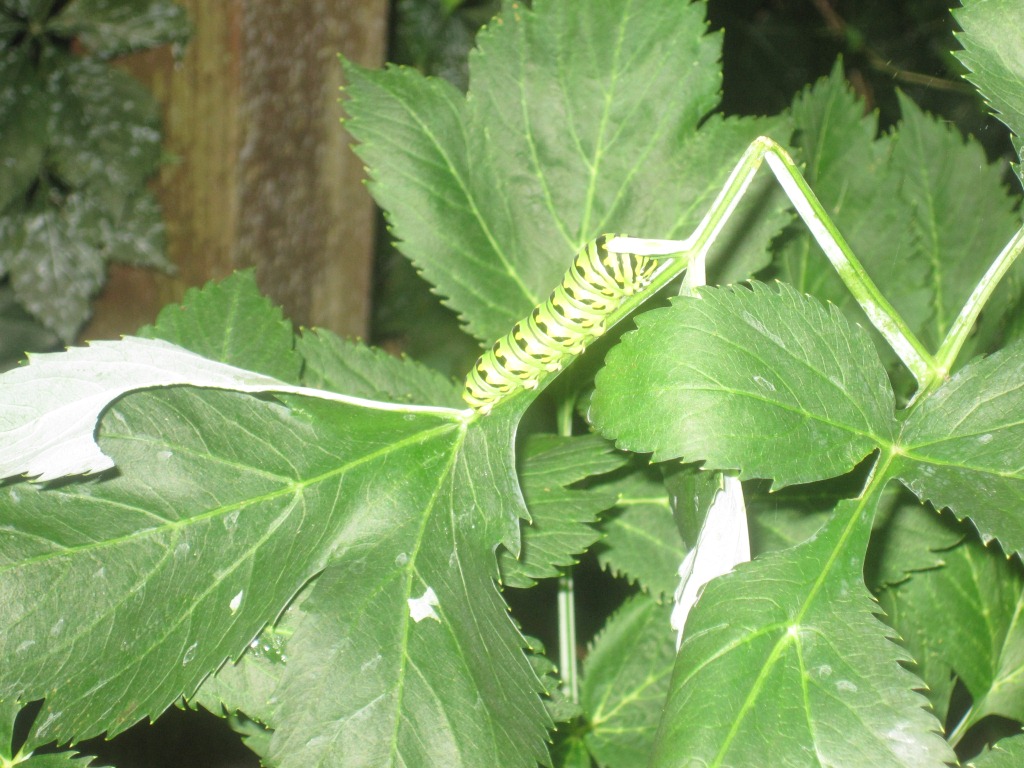
Just this past Sunday, as I looked up from the newspaper, my eyes rested on the tall Angelica in the corner of the herb garden. For reasons I cannot explain, I decided to inspect it. Looking plump and content, rested a handsome Swallowtail caterpillar. It’s bright green color blended beautifully with the leaves of the plant. How marvelous is the human eye that is able to discern between the different shapes and hues of the same color. Similarly, we are able to spot weeds amidst similar looking plants. I was hoping the caterpillar would remain on the Angelica and form a chrysalis. It lolled on the herb two days in a row but when I looked today, I did not see any sign of it at all. Just some well molested leaves hanging off the main stem. No matter, I’ll patiently await the butterfly.
The learning never ends.

Cardinal nest of grapevine bark

Cardinal nest of grapevine bark


Paul's Himalayan musk rose bower over old apple tree

Paul’s Himalayan musk rose bower over old apple tree


Cardinal nest in the rose bower

Cardinal nest in the rose bower


Swallowtail caterpillar

Swallowtail caterpillar


(c) 2013 Shobha Vanchiswar

The Cicadas Have Come A-calling!

You are asking “ Where? Where?” right? I had been hearing reports of the cicadas surfacing in Virginia and other parts of the country but couldn’t understand the silence in my neck of the woods. Not wanting to miss out, I dispatched my trusty scouts ( okay, husband and daughter) to explore the trails around the Cold Spring, NY area. I myself was unable to go as I’m currently wading in Mumbai’s monsoon mayhem which is in itself an adventure of a different sort. Wouldn’t you know it – the cicadas are out in full force in the Bear Mountain region. They are have been making merry and are dropping like, well, cicadas. So if you want in on this scene, hurry up and get to the area. If you cannot, enjoy the attached images and sound recording.

Why the critters are not showing up everywhere is a mystery. I haven’t as yet investigated the reason but I’m wondering if they are present in higher elevations because their cousins on lower ground were drowned out by the floods caused by recent storms as well as the consequent rising level of the water table. If anybody can bring clarity to this question, I’d love to hear it.

At a time when the weather all across the globe is topsy-turvy, it is comforting to know that the cyclical emergence of the cicadas can still be depended upon. For the moment, for this instance, just take pleasure in being part of this amazing, beautiful world and remain a believer. Keep faith.

Download and play video clips of cicadas below in high resolution…

Sound of cicadas

Digging a hole

Or play them low resolution…

Sound of cicadas:

Digging a hole:

WP_20130625

Cicada Holes

(c) 2013 Shobha Vanchiswar
Call Of The Cicadas

I’m waiting for the cicadas. When they come, it will be an experience to remember. Once in seventeen years is certainly an occasion. From what I understand, there will be quite a crowd. A rather loud crowd. But then, wouldn’t you want to party hard if you were released from underground after all that length of time?

I’ve heard the apprehension and even the horror that some folk have about this cicada invasion. I understand that not everybody is curious or interested. However, I’d like to reassure them that there is nothing to fear. Firstly, cicadas have been thought to be the same as locusts. Not so. True locusts are related to grasshoppers. Cicadas are in a taxonomic class of their own. They are not really harmful or dangerous. They do not bite humans and will not decimate your prize roses or tomatoes. Females lay their eggs by creating little slits in the bark of trees and shrubs but the botanicals themselves are not at risk. They simply acquire a few scars. I believe the media have hyped the situation. You were around seventeen years ago, do you remember it being absolutely horrendous? We wouldn’t react adversely if there was a glut of butterflies. The rather vociferous tree frogs are indulged every summer. So why the anti-cicada stance? Admittedly, cicadas might look threatening but just consider them to be nothing but gentle giants.

I remember how alarmed I was when I noticed nickel sized holes randomly positioned along a side path in my garden. My mind was put at ease by an expert at the New York Botanical Gardens who explained to me about cicadas. That was seventeen years ago. I’ve come a long way since then.

As for the classic cicada noise and the numbers that will be gathering all over, think of it as a huge, cacophonic teenage party. Except, there will be no drinking, no doing drugs nor will anything be broken. There will however be lots of making out – if things go according to plan. But these party creatures will all be adults. So it is entirely above board.

If you are thinking how it will affect your season, take a few deep breaths and shift your attitude. Stop fighting nature particularly when in the big picture, this is so utterly benign. Putting up netting where you will be dining outdoors would allow you to enjoy your meals without being surprised by healthy offerings of raw proteins. In certain parts of the world they are consumed for just that. If need be, a comfortable set of earplugs will cut out the cicada song. At the very worst, you will spend a bit of extra time indoors. But whatever you do, please do not think about using chemicals and such to kill the cicadas. If you do, there will be plenty of other useful critters that will also be eliminated. In addition, the toxin will find its way into the water table. No good will come from taking unnecessary drastic measures. Can we just learn to be more accommodating – the cicadas will not bother you again for another seventeen years.

I suggest we invoke our inner child and spend this cicada season with curiosity and wonder. Take a little time to check out the iridescent colors of their wings. Listen to their sound as you would to new music. Keep an open mind. Before you know it, the cicadas will have gone. Who knows what will be seventeen years from now.

If all this is sounding too cute, consider the following: In Ancient Greece, they represented immortality, In France, cicadas are symbols of good luck. In Japan, they signal reincarnation. In Javanese culture, their song indicates the start of the dry season when non-rice crops can be planted . In China, the periodic moulting of cicadas is seen as the transformation a person must go through to reach enlightenment. And in Mexico, cicadas are known as the ones that sing till they die.

Now, tell me, do you want to mess with your karma and harm such a noble creature?
Live and let live.

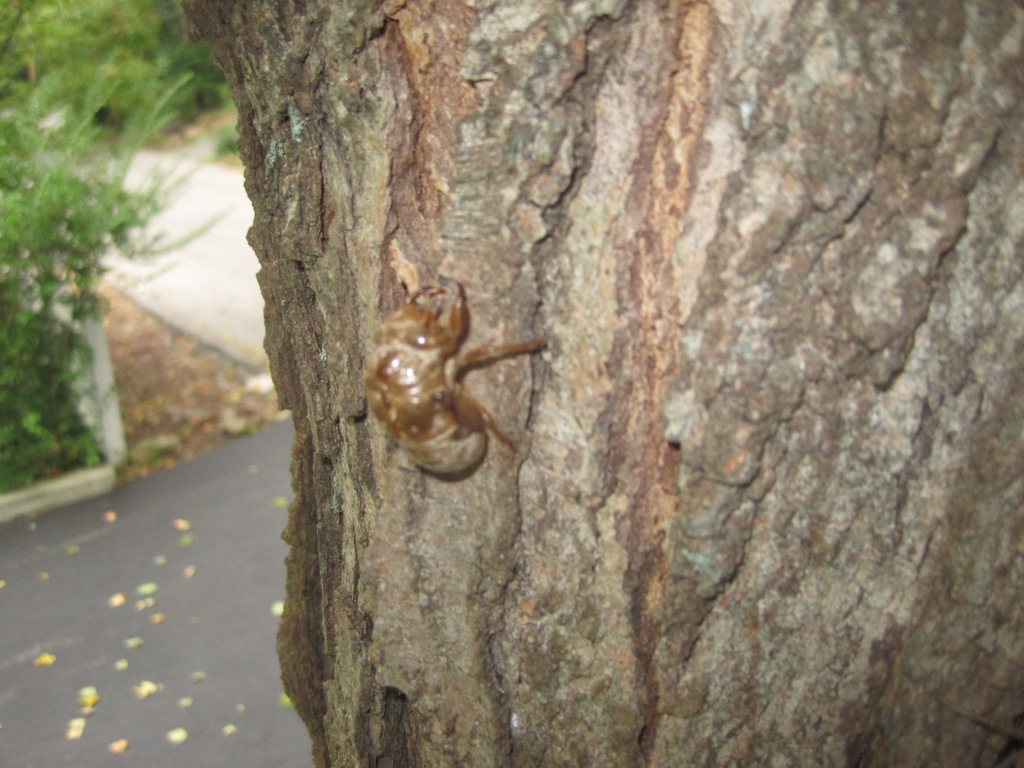
Cicada

Cicada


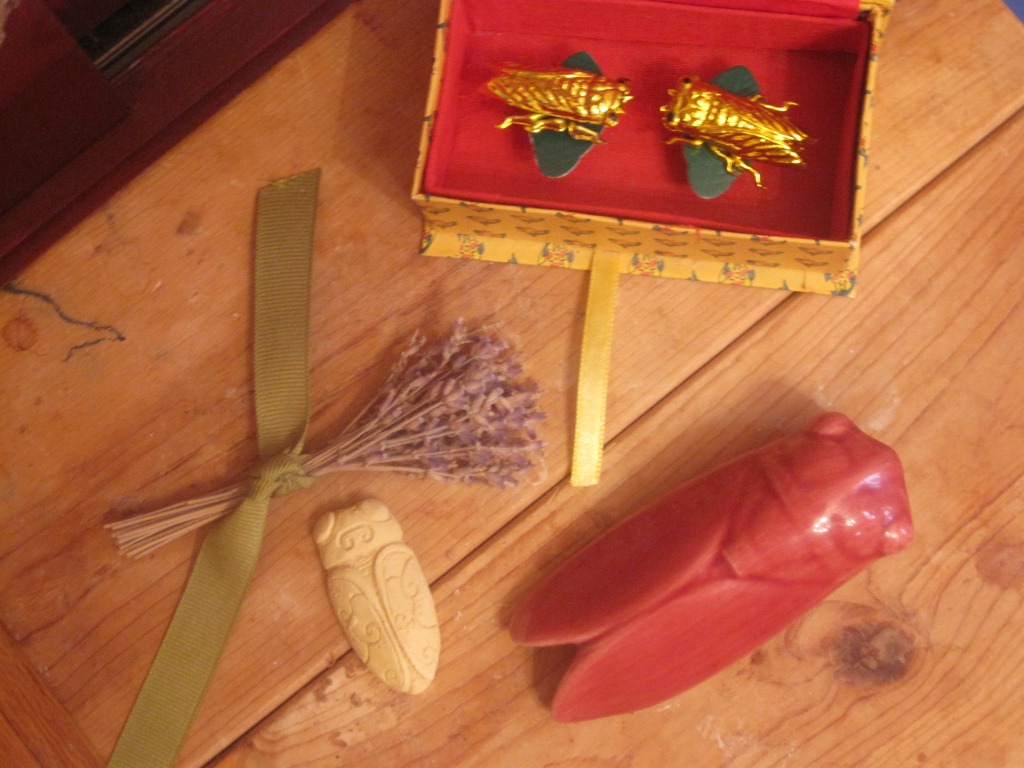
Cicada talismans - I have them all over in my home and garden.

Cicada talismans – I have them all over in my home and garden.


(c) 2013 Shobha Vanchiswar
Where Do Butterflies Go When It Rains? Who Goes Around And Tucks In The Trains?

That refrain from a song by the Carpenters played in my head all through the time Hurricane Sandy was doing her worst. Apart from the understandable concern for the safety of family, friends and property, I could not help thinking, okay obsessing, about how the birds, bees and butterflies coped in the storm. In the big picture, those little creature matter mightily. Consider how much has has been impacted by the drastic decrease in the number of honey bees due to colony collapse disorder. Enough said.

Of course, unlike us humans who need the whirring of assorted machines to predict a change in weather, birds are finely tuned to barometric pressure shifts. They will then flee, seek shelter or actually move into the eye of the storm where all is quiet. This last option can carry them long distances and depending on the duration of the storm, they will remain without food or water which if prolonged will ultimately do them in. Most birds find old nests, tree cavities, dense shrubbery where they can ride out the storm.
No doubt, severe hurricanes and storms cause a rise in avian mortality be it due to starvation, exhaustion, habitat destruction, exposure to pounding rain or wind.

Butterflies are also able to read a drop in barometric pressure and know to seek safe locations. Under leaves, in piles of leaves, thickets and such.

Bees on the other hand, have it down to a science. Contrary to the supposition that they swarm before a storm, these smart creatures do not leave the hive if temperatures fall below 57 degrees Fahrenheit or if the wind speed is more than 12 mph. And of course, they have each other to huddle and keep cozy inside the hive.

Common to all of the creatures mentioned above is what is called ‘communal roosting’. Which just means getting close together sharing warmth and having safety in numbers. Sound familiar?

In times of adversity, the tradition of coming together to do what’s good for the whole seems to prevail across the species. For us humans, it means sharing and giving. For the most part, we are at our best in times of crises. Our pets get included in all the camaraderie.. Their safety is given high priority as well it should. But, what are we doing about those birds, bees and butterflies? Given how important they are to the health of our gardens, farms, forests, park lands and, consequently our own health, surely some attention on our part is required.

True, its not as though one can round up all these vital beings and give them a form of public shelter but perhaps we can provide conditions that lend some level of security in their natural habitats. Obviously, the unnecessary clearing of woods and forests is to be avoided. But it is really what we can do to support the creatures closer to home and farm that will be of direct use. Setting up bird, bat, butterfly houses, ensuring a source of water, growing plants, shrubs and trees that offer both shelter and food will go a long way. At the same time, doing away with toxic fertilizers, insecticides and weed killers should be mandatory. Safe and effective organic alternatives exist so please lets all adopt them. However much one is a neat freak, find it within yourself to keep one corner, a far spot not so easy to view if you prefer, a little wild. By that I don’t mean it should be unsightly. Instead, group together some assorted shrubs to form a thicket. Toss in a thorny bush or two into the mix of deciduous and evergreen plants. Select shrubs that are the natural food sources for the refugees. Situate these shrubs at some distance to allow for some privacy and sense of security. And following a storm, replenish bird feeders and water baths. None of this is so hard to do right?

There will of course be some casualties from each storm but staying tuned to nature and doing whatever is within our abilities would be doing right by ourselves and this earth to which we all belong.

When Sandy was blowing at alarming, ear piercing speeds, it must have been absolutely terrifying for those poor souls. I’d like to think they sensed and were reassured by the positive energy I was sending their way. Please don’t attempt to disillusion me.

Things To Do This Month

1 Clean up debris left by the storm. Rake leaves, pick up branches and twigs, cut away broken or dead tree and shrub limbs.
2. Check stability of supports, fences, gates, paths, steps and such. Fix what needs fixing.
3. Finish planting bulbs and perennials. The ground is still pliable. But hurry!
4. Cut back perennials, remove annuals and generally tidy up.
5. Put away all outdoor furniture and smaller pots.
6. Protect outdoor statuary and large pots.
7. Get amaryllis started so they will be in bloom at the holidays.
8. Fill bird feeders.
9. Keep sand or kitty litter and snow shovels handy.

Birds at the feeder in winter.

Gold finch in the butterfly bush.

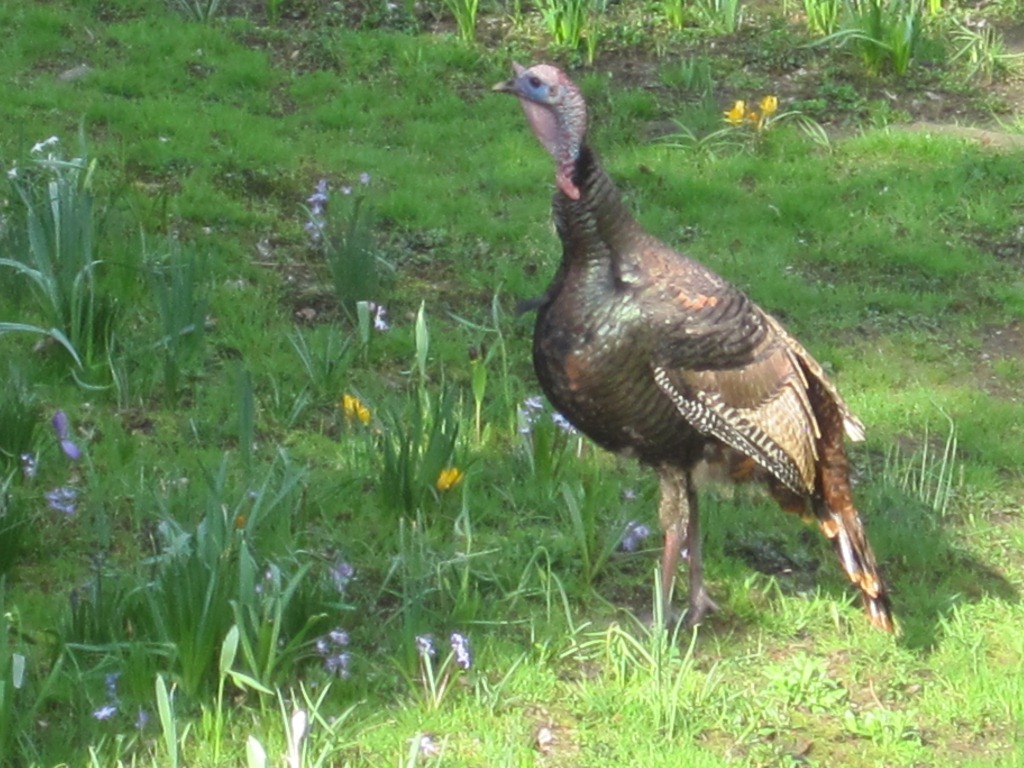
Tom turkey visits

Red Admiral on allium

Red, white and blue!

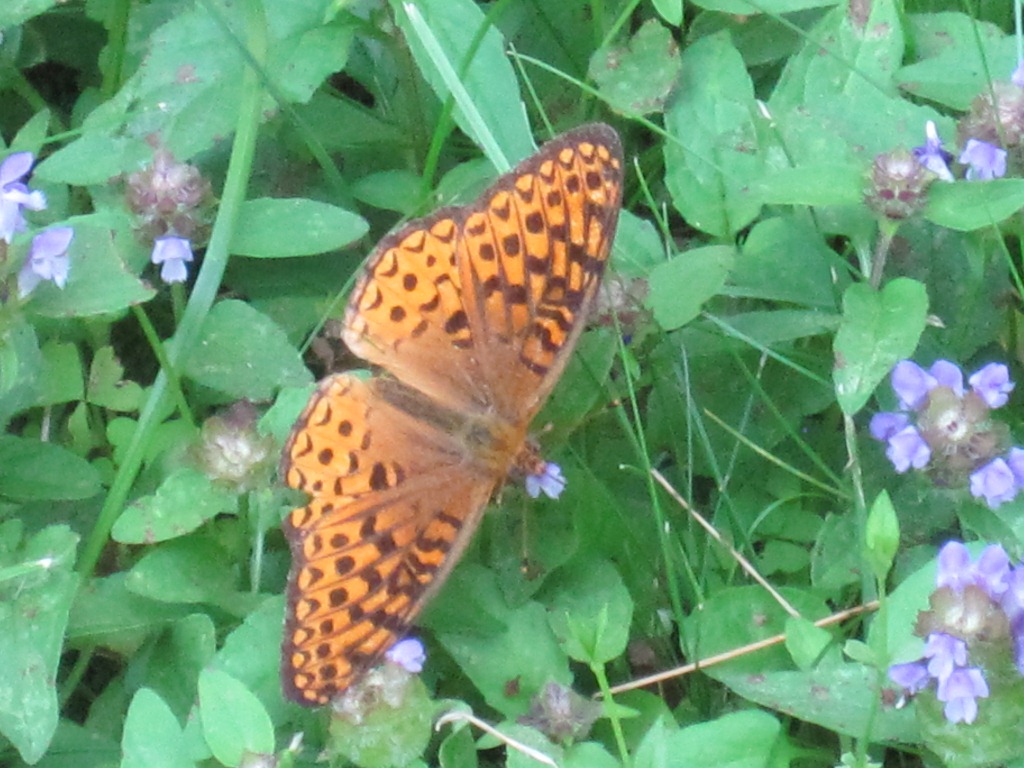
Yet another butterfly – Tiger Swallowtail

(c) 2012 Shobha Vanchiswar


In the garden 2012-05-21

[gview file=”https://seedsofdesign.com/wp-content/uploads/2012/09/rin_the_gard5_21_12.pdf” height=”400″ width=”300″]

In the garden 2010-12-08

[gview file=”https://seedsofdesign.com/wp-content/uploads/2012/09/rin_the_gard12_08_10.pdf” height=”400″ width=”300″]

In the garden 2010-09-14

[gview file=”https://seedsofdesign.com/wp-content/uploads/2012/09/rin_the_gard9_14_10.pdf” height=”400″ width=”300″]

In the garden 2009-05-19

[gview file=”https://seedsofdesign.com/wp-content/uploads/2012/09/rig_05_19_09.pdf” height=”400″ width=”300″]

In the garden 2009-04-08

[gview file=”https://seedsofdesign.com/wp-content/uploads/2012/09/rig_04_08_09.pdf” height=”400″ width=”300″]