Naturally Designed

As I write this, it is a dreary sort of day in autumn. The kind of day that calls for hot tea and crumpets slathered with butter to go with a hot book. Instead, I’m reviewing garden chores that remain to be done and plans for Thanksgiving and house-guests. It all sort of goes together. As the garden is put to bed, the house is given a revamp. What the outdoors might lack, the indoors must make up.

As I cut back and clear in the garden, I set aside material that could be used in arrangements and wreaths. The fall colors inspire what I choose to display or create for the house and myself This applies to home décor, clothing as well as, seasonal menus. Taking my creative cues from nature works out mighty fine.

The instinct to make the home warm and cozy comes by necessity. The cold, dark months keep us indoors a great deal and while animals grow thicker, longer fur, humans bring out blankets and thick coats from storage. But look at the colors we choose! More often than not, they are tones matching those found in nature. Hues that echo the earth, trees, leaves, flowers, water and sunshine.

It stands to reason doesn’t it? While we may require shelter and safety from the elements, we cannot do without consistent contact with nature. We bring in plants, select nature inspired furnishings, take solace in basic, comfort food that tell tales of soil and rain and sun-kissed days.

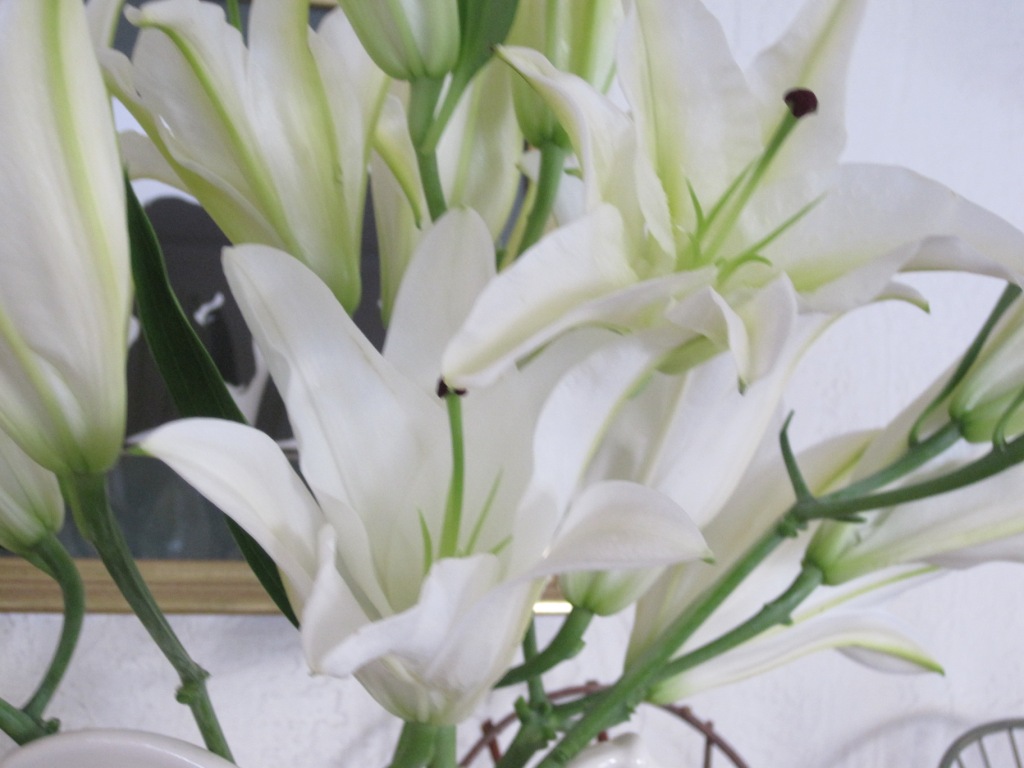
In my own preparation for the winter, I have paperwhites and amaryllis putting out green growth and timed to bloom just as December brings the year to a close. Jars of jellies, sauces and chutneys sit poised to flavor meals with the essence of summer. Blankets and throws in shades of sage, bark and sand lay scattered anywhere one might feel inclined to curl up. Plant and seed catalogs are kept handy for dreams and plans. Pinecones, acorns and seedpods decorate tables. Shells collected at the beach are displayed as treasure. Clementines and tangelos piled high like diminutive suns perfume the air and tempt one to pause and savor a healthy snack. The kitchen is redolent with aromas of root vegetables and herbs simmering in stews and casseroles. I put out napkins printed with images of flowers that only a few months ago bloomed in my garden. Everywhere I look I see tributes to the natural world. This is what defines me.

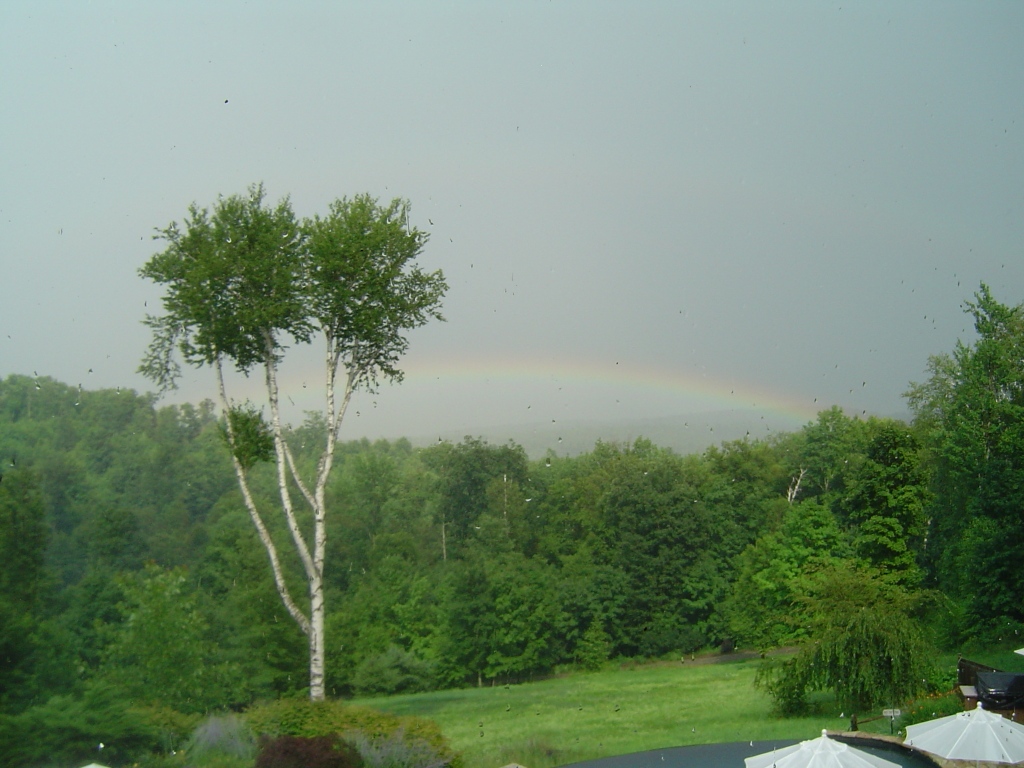
It is plain and simple, we cannot thrive without a constant connection to nature. Far beyond our need for physical sustenance, we need the presence of trees, birdsong, sunlight, flowers, rain and the occasional rainbow. Its what keep us whole and balanced.

As we settle indoors in the comfort of warmth and beauty, lets honor the spirit of the garden within us and keep blooming.

Attention!In keeping with the topic of bringing nature indoors, I am very excited to announce that I have designed a botanical fabric. Please check it out here. It available in a variety of fabrics and also as wallpaper and giftwrap. Fabric for pillows (18×18 sq.inches) is also available here.
Product ideas from this fabric design can be viewed here.
Also –In time for the holidays, have added two more sets of botanical cards. See them here. Great for sending out holiday greetings, hostess gifts, teacher gifts, thank you notes, get well soon …
Please check out these links and give feedback! Plan your gift list!
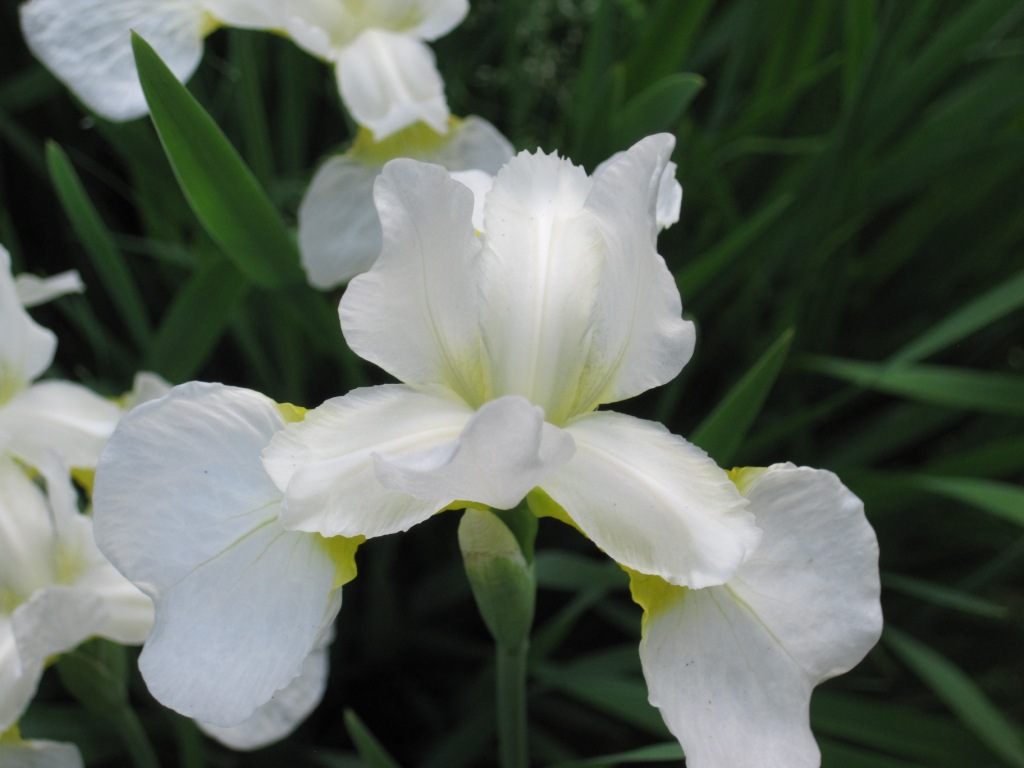
Paperwhites

Harvest of herbs

Harvest of herbs


Grape jelly

Grape jelly


Garlic - watercolor

Garlic – watercolor


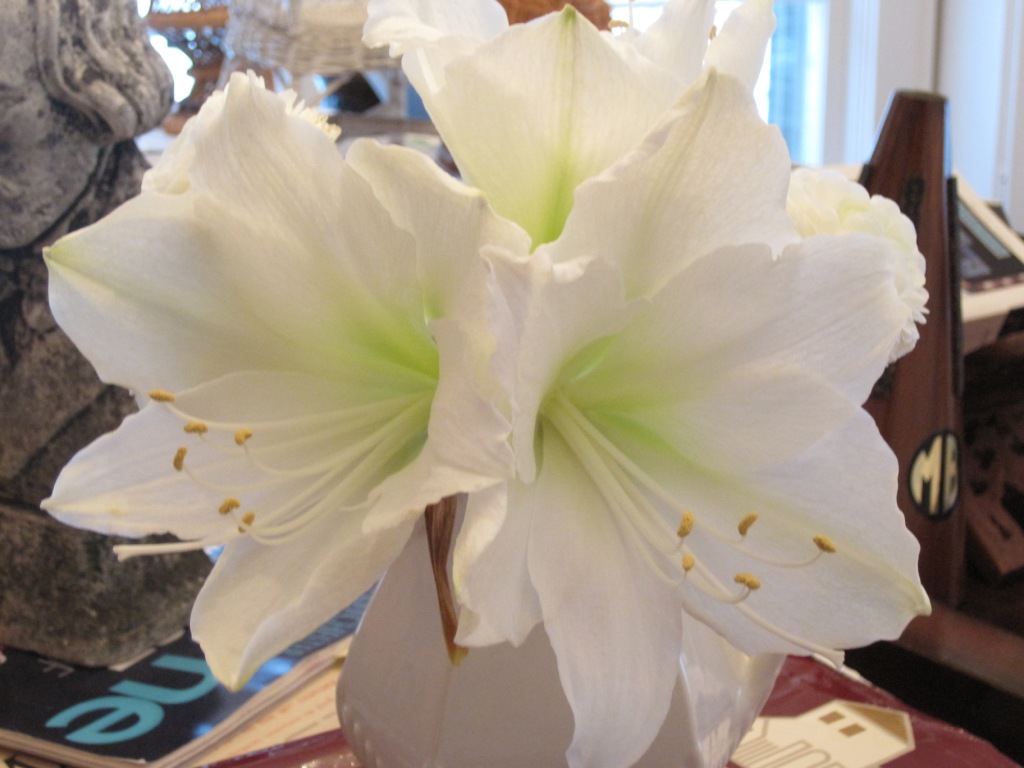
Antlers and seaglass hold up amaryllis

Antlers and seaglass hold up amaryllis


(c)2014 Shobha Vanchiswar
[do_widget “Blog Subscriptions (Jetpack)”]

The Ultimate Harvest

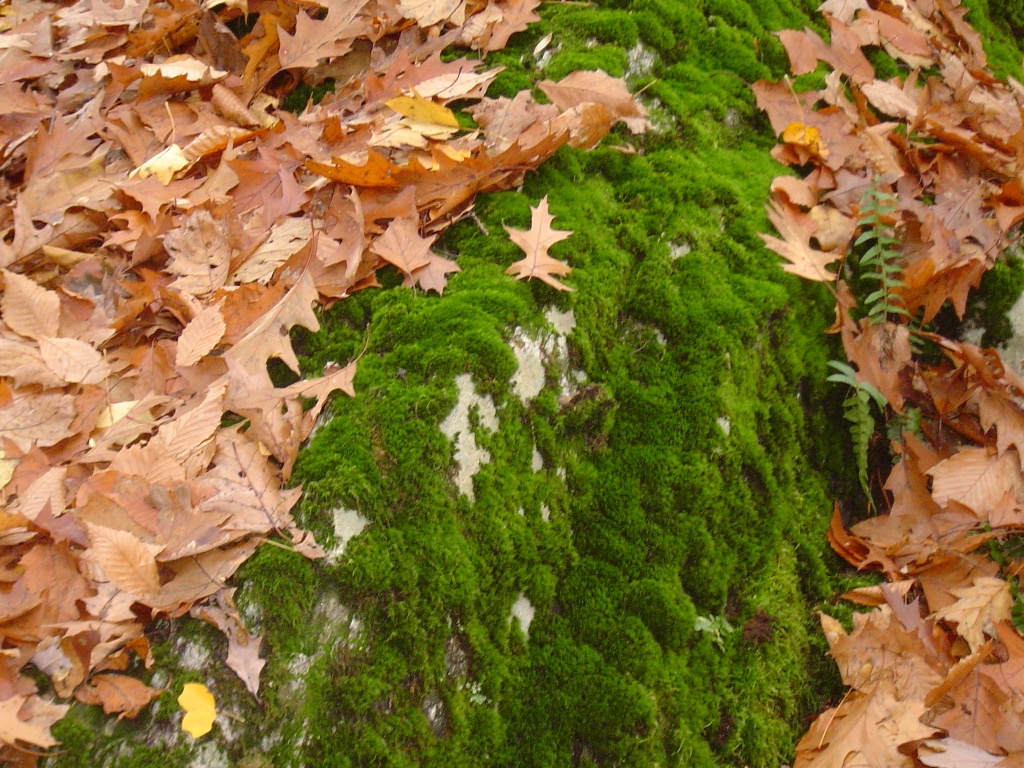
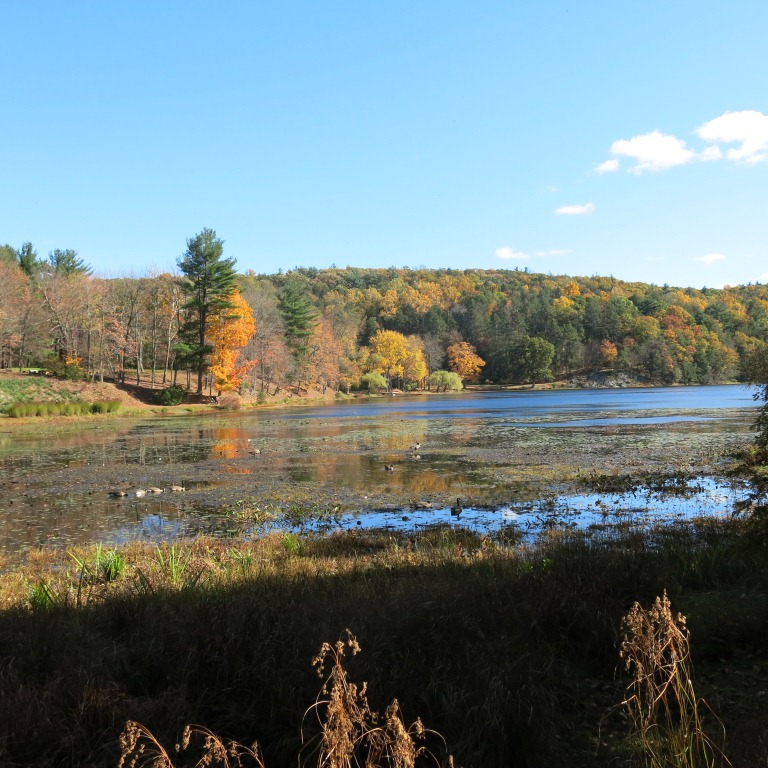
I am so overcome with the beauty around where I live. Autumn is just past its peak but the colors are still vivid and rich. The almost uniform green of summer has faded away and the more fiery hues shine brilliant. In the afternoon hours, the yellow leaves still clinging to trees act like gel filters permitting the sunlight to pass through and emerge pure and radiant. In counterpoint, the trunks and branches form a dark, abstract network holding up this vast, delicate lumière.

The fallen leaves scattered along roads and paths illuminate my walks. They create beautiful patterned carpets that give me as much cause to keep my head lowered as look up at the seemingly reflected blaze above. I am awash in light. There is a sacredness in this. We are each chosen to be anointed with the luminescence. As though our openness to receive it will determine how well we will shine our own way through the dark hours of winter.

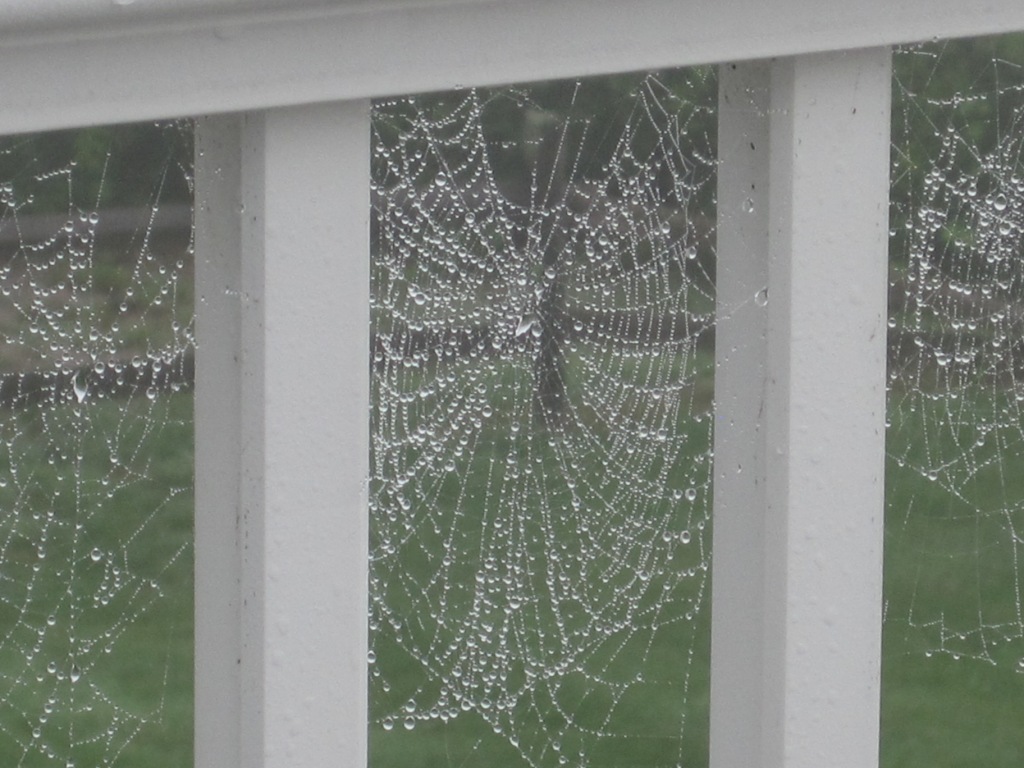
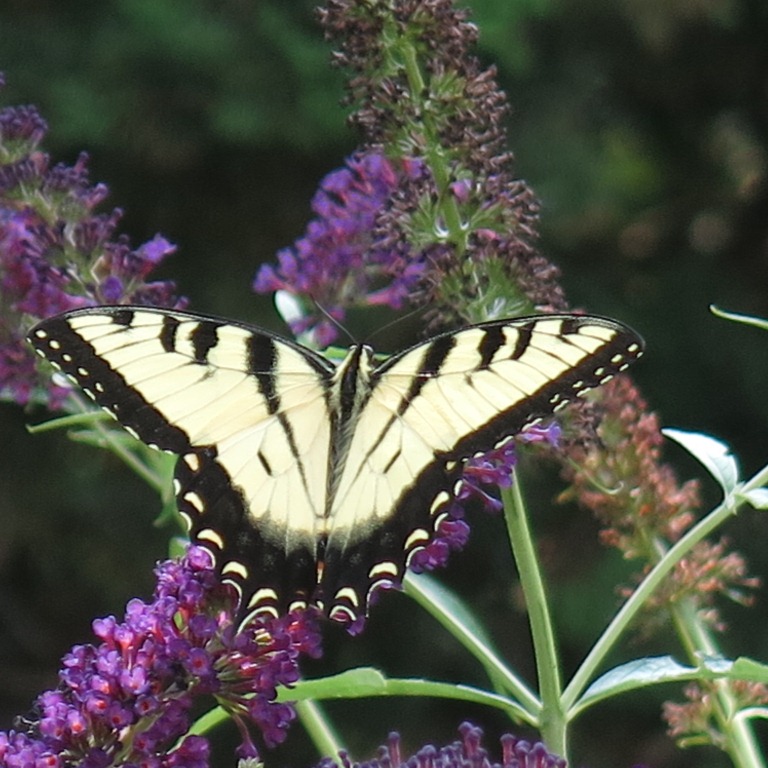
In this season of harvest and stocking up for leaner times, it is reassuring to store, can, freeze, dehydrate, pickle and ferment. Wood is chopped and stacked. Fuel for inner and outer warmth. But that is not enough to keep the soul content. It is sustained by beauty and light. When the nights stretch far and the days barely get past gray, the soul reaches into the larder of memories infused with that energy only the truly aesthetic can contain. Like sunrises and sunsets, the emerging butterfly, a cobweb strung with raindrops twinkling in the sun, nascent growth revealed by the melting snow, the vibrancy and utter exuberance of the fall foliage. Harnessing the power of natural wonders nourishes the psyche. Its the difference between surviving and thriving. So I must linger in the light of the leaves and fill myself to the brim. To carry this gift within me is the challenge I must take up in order to pass the bleak periods with grace and dignity. The ultimate harvest.
Sunrise
DSC01116
DSC01135
DSC05064
DSC05557
IMG_4552
IMG_4721
IMG_3102
IMG_4425
IMG_4447
(c)2014 Shobha Vanchiswar

[do_widget “Blog Subscriptions (Jetpack)”]

To Hire Or Not To Hire

Part I
With autumn being the other planting season, it presents a good opportunity to scrutinize the garden. Review the garden’s layout, begin on a new design, expand the garden, consider adding or subtracting plants or simply decide to revamp the whole. Perhaps the existing garden has become too much to maintain or lost its former appeal. Life changes might demand changes in the garden. Beginning a new garden or trying something different can be a tad overwhelming. One can use some advice and help. It might be time to work with a designer and/or employ a gardener. But how does one choose the right one or know what to look for?

Lets first consider the possibility of working with a designer.
Going on the adage that two heads are better than one, a good designer will share ideas that you may not have thought of or even known of. No matter if you are a garden veteran or a hesitant beginner, there is value in receiving an expert’s advice. Design plans must be both practical and tasteful; suited to the client’s preferences, budget, style of house, lay of the land and regional climate. A good designer will steer you towards what is appropriate and point out what is not possible or plainly not right. A complete overhaul of the garden or a redoing of a section that has become irksome will benefit from some professional input. A designer’s horticultural knowledge and aesthetic sensibility should not be underestimated. Needless to say, both client and designer must be comfortable with each other.

Before you begin with a designer, take a hard, honest look at your garden. Own up to what is wrong and appreciate what you like. Evaluate what the garden means to you. Very importantly, determine your budget. Be realistic about it. This will later help the designer prioritize the things you’d like to get done in the garden. It works to your advantage to be upfront about finances.

Designers are used to hearing – “I don’t want to spend too much money but, I’d like …”. A litany of garden wants will then follow. For whatever reason, the uncertainty of plants thriving or simply not being aware that making a garden is akin to furnishing a house, people are loathe to allow a suitable if not generous budget. A designer is not out to squander money but knowing what you can honestly afford will make the difference between nice and amazing, pretty and inspired. They know where to cut corners and where to invest. Bear in mind, any additional requests will increase the original cost. Size and complexity will affect costs. Small but sophisticated can be more expensive than large and lawn-dominated. Big garden projects can be done in stages to suit budgets. In return, the designer should be clear about their fees and other expenses. Trust goes both ways.

In order to best serve you, a designer needs to really understand you and your needs. This will happen with briefs or questionnaires requested from you as well as face to face meetings. Your style, needs, use of garden, time in garden etc are all relevant to coming up with the right designs. If your goal is to out do the neighbors or welcome more butterflies, express that as well. In the end, your garden must be a reflection of you and not the designer.

Being frank about expectations is crucial. Its vital to establish what you want and how much you will do yourself. The three typical service options are –
1. Design only which entails a drawn plan, details of plants and structures i.e. soft and hardscaping information.
2. Design and implement which means the designer will her/himself install the agreed upon plans.
3. Design and overseeing. This last one means the client will hire the required labor (or contractor if necessary) and the designer will keep an eye on progress and make sure plans are followed correctly.
Whatever service you choose must be made clear from the start.

From redoing a single flower bed to creating interesting paths to remaking the whole garden, hiring a designer can be a real asset. Ask yourself how much it means to you to have a beautiful, enjoyable garden.

Next week, in Part II, I’ll discuss the ifs and hows of hiring a gardener. “Mow, blow and go” is not your only choice!

Enjoy these images of Fall:
Autumn window-box
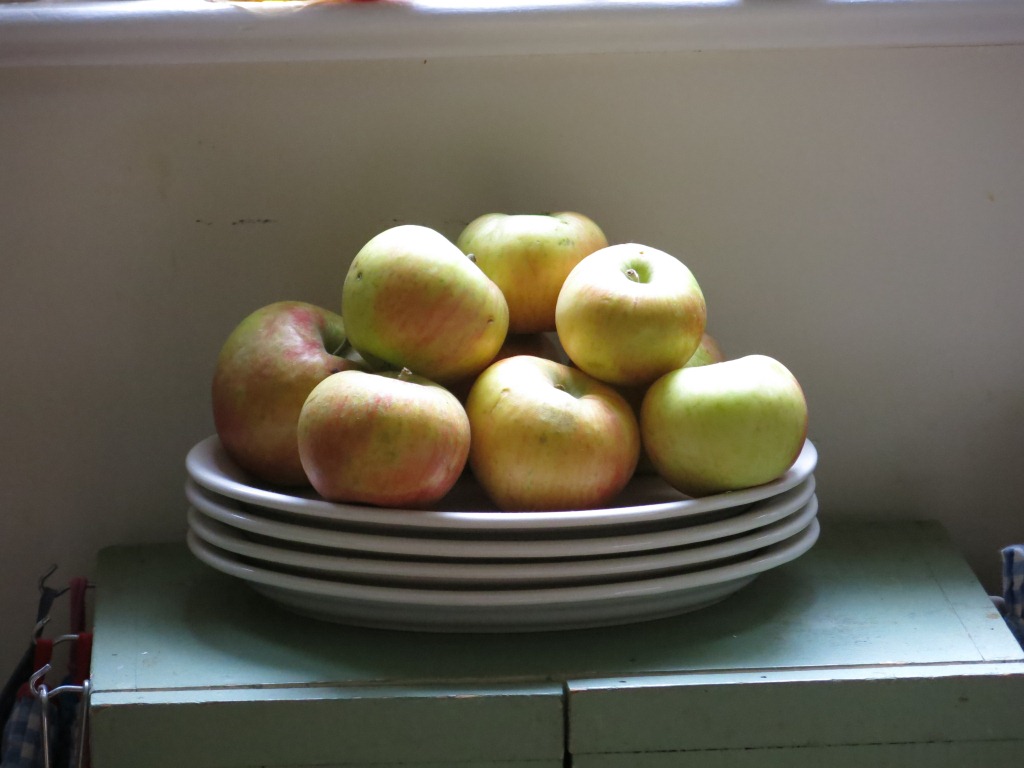
Still life with apples
From the window
Woods
Autumn in the garden
(c)2014 Shobha Vanchiswar
[do_widget “Blog Subscriptions (Jetpack)”]

Fall – The Other Busy Season

Thats right, fall is officially here. Observe the hues of titian and saffron tingeing the trees. By the time all the trees are in full autumnal regalia, the gardener had better be well into the season’s chores. Lets get busy!

Make a list or look up Things To Do and see what tasks must be tackled in September/October. Schedule what needs doing by you, helpful family/friends, hired services. Getting organized cannot be overemphasized.

While you do that, here are some things that I thought you might want to know or be reminded of:

Instead of being annoyed at how early stores are displaying Halloween paraphernalia, consider it a reminder to collect material from the garden to make natural fall arrangements for indoor displays. Think wreaths and table-top centerpieces of pine cones, acorns, pretty fallen leaves, seedpods, dried roses, hydrangea etc., Look for fallen twigs that resemble skeletal hands, thorny rose or bramble stems to wind around monsters and ghosts hanging out in your porch. You have the luxury of time to get creative. Wait a few weeks and you will be scrambling.

It is well worth the effort to dry hydrangeas. Cut the flowers early in the day. Keep the stems long and remove the leaves. Place the flowers in in vases with an inch or two of water. Keep in a cool, dry space and away from direct sunlight. The flowers will dry in about a week. The water would’ve evaporated and the colors of the hydrangeas will be softly faded. They are ready for any arrangements you have in mind.

More news to encourage more green walls. Studies have shown that vertical gardens improve a building’s energy efficiency by 270 percent. At the University of Sheffield, research has found that plants have a considerable capacity for cooling buildings. Walls screened with cherry laurel were found to be 10 degree Centigrade cooler than bare walls. Stachys byzantina ( Lamb’s Ears) proved very effective, partly because its silver leaves help to reflect light away from the wall.
Start thinking about how you too can create a vertical garden. Expand your garden while cutting down on energy bills. Check out my Vertical Garden page to learn more but remember, you can keep it simple by making it a garden only for the warm months.

As we face more unusual weather by way of unprecedented storms and subsequent damage, planting trees strategically can and should be part of long-term measures to deal with flooding. The practice is a cost effective effort that can complement man-made structures for flood prevention and handling. Trees not only work against erosion but help to slow the rate at which rain reaches the ground. So, the falling water is ‘managed’ better. In our gardens, adding trees and shrubs will make a difference. But, lets put pressure on local governments to do the same. This is the season to plant!

You still need to keep weeding. As one final effort to tackle the weeds peering through stone and brick work, pour boiling water over them. Make sure the leaves wilt and collapse completely. This will put paid to any seeds that would’ve been on stand-by to burst forth first thing next spring.

Collect seeds from choice flowers vegetables. Keep in mind seeds from hybrids will not produce plants true to their parents. Save only heirlooms and open-pollinated types. Seeds should be mature and dry on the plants before you collect them. Label and store in a cool, dry and dark place.

Just some food for thought and action. The weather here this week is perfect for getting garden chores done. Lets get on with them!

Do please check out Shop to see my botanical note cards. I’ll be adding more soon.

Hydrangea adorn a table set for an autumnal repast.

Hydrangea adorn a table set for an autumnal repast.


Hydrangea in September

Hydrangea in September


My Vertical Garden

My Vertical Garden


Baptisia seedpods. For seed collecting and/or decorations

Baptisia seedpods. For seed collecting and/or decorations


Autumnal view

Autumnal view


(c)2014 Shobha Vanchiswar
[do_widget “Blog Subscriptions (Jetpack)”]

Bloomin’ Onions And Sweet Quamash!

It is already beginning to feel like fall. While the cooler temperatures seem a tad premature, the gardener is already in the season to come. The asters in my garden are popping and the bees seem very happy as they congregate all over the flowers. This year, I remembered to pinch back the asters in July. Their height right now is much more pleasing and less likely to flop over.

The dusky pink flower heads of sedum ‘Autumn Joy’ appear to echo the eupatoriums that blazed all summer long. Although this was not deliberately planned, I like the continuity of color and shape. It has taught me to think along those lines with other plant choices for the various seasons.

The hydrangea are going strong as are the Russian sage and Solidago. In the potager, we continue to harvest herbs, swiss chard and kale. Apples, pears and figs are rounding off meals very satisfactorily. So in the midst of all this bounty, its easy to disregard the signs of autumn. But, we know better don’t we?!

I’m already anticipating the upcoming chores and sourcing plants to add to the boundary of the meadow. Under consideration is a change of plantings in the checkerboard garden but cost might put a damper on that plan. This past weekend, we cleaned and installed each pane of glass in the greenhouse that now stands on a new foundation. My hands have numerous minute cuts from handling all that glass. War wounds to be proud of. When frost threatens, and it will, the tender perennials shall be safely ensconced in the greenhouse.

All the big tasks of cutting back, cleaning up and putting away are best done before the Big Bulb Planting. I’m eagerly anticipating the arrival of my greed driven order of bulbs in early to mid-October.
If you haven’t placed an order or hadn’t really thought about bulbs, consider yourself duly admonished. Imagine that I have looked at you with a mix of shock and derision. And along with, I have verbally expressed matching sentiments. Now, get yourself to a local nursery or go on-line and shop for bulbs.

I personally cannot envision a spring without bulbs. They influence a garden with so much expression and aplomb that it is inconceivable to go without. Given that more is better when planting bulbs, I’m aware that the price of bulbs can scare some timid minds and the faint of heart. Which is exactly why it helps to order in advance from bulb houses. Their prices are best. By the time one purchases at a nursery, the cost has gone up, choices are limited to what is most popular and it feels really prohibitive to buy in quantity. Like a Christmas account, it also helps to put a little bit away each month. I kid you not – I’m that serious about planting bulbs.

However, I do understand that for whatever reasons, one must limit oneself. If you must narrow your selections, go for alliums and camassias. There is plenty going on in early spring. Simply seeing new growth after a long, hard winter is joyous. But later in the season, it is particular nice to see more deliberate drama. Enter the alliums. There is enough of a selection of these members of the onion family to really put in the ‘wow’ factor to any flower bed. Tall, mid-height, short. Big, impressive, ball or dome shaped umbels to smaller, twee ones. Tightly clustered or loose and airy. In hues of pink, blue, mauve, white and the occasional yellow. Alliums are just stunning. Like exploding fireworks.

Camassias are not quite as dramatic but their poker shapes in shades of blue and creamy white punctuate the flower beds rather stylishly. They naturalize easily too.

Both, alliums and camassias are deer resistant. They work well together, enhance indoor flower arrangements and they are at home in formal gardens as well as more naturalistic planting schemes. I have them in my front perennial beds and also in the meadow. In each, they lend a most desirable and yet different impact.

If I haven’t succeeded in convincing your skeptical mind, just go on-line and browse the websites of bulb houses. The luscious images of all the different bulbs will. Fair warning – you will weaken and want far more than you could possibly imagine.
I’ve been shopping at John Scheepers and their wholesale sister Van Engelen for well over a decade. www.johnscheepers.com and www.vanengelen.com. By all means check out other sellers as well. There are indeed several reliable vendors. Prices are all comparable. It is a matter of bulb quality and size and, customer service.

Good news! I’ve responded to the request made by several of you and set up ‘shop’ to sell my botanical note cards. Please check out the page marked Shop. I’ll be adding more collections by and by. Would appreciate your feedback.

Camassia, alliums and tulips

Camassia, alliums and tulips


Allium 'Purple Sensation'

Allium ‘Purple Sensation’


Camassias and alliums

Camassias and alliums


Camassia and myosotis 'blue' up the meadow

Camassia and myosotis ‘blue’ up the meadow


Late May - in the meadow

Late May – in the meadow


IMG_2331
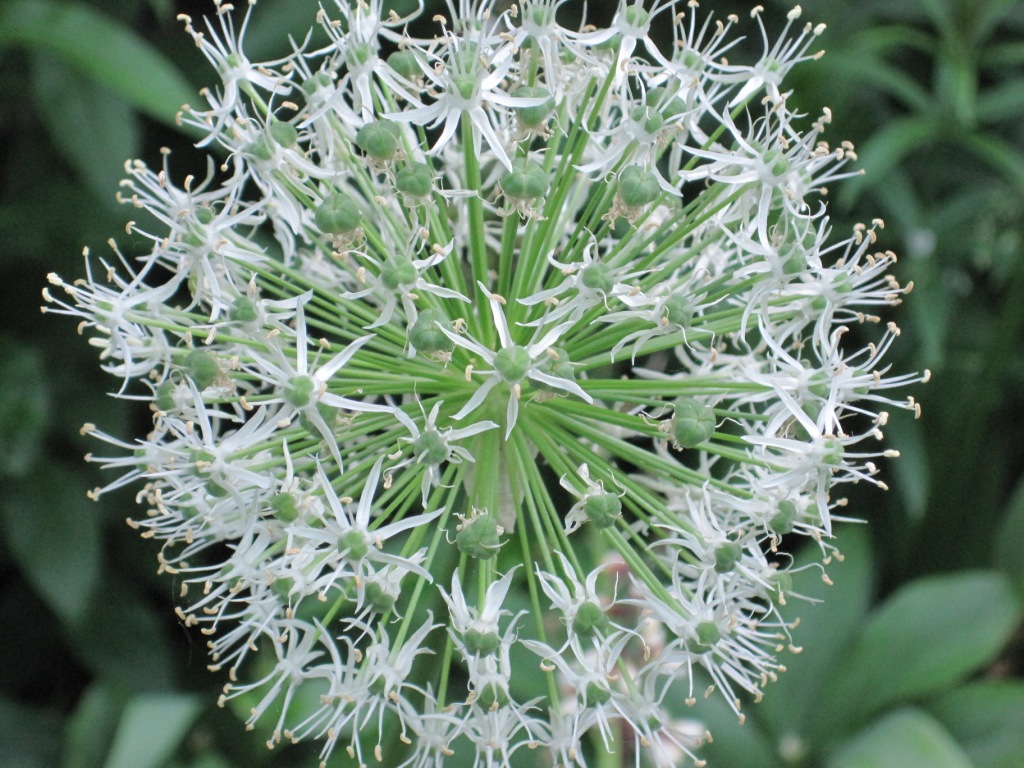
Nectaroscordum - a type of allium

Nectaroscordum – a type of allium


White camassia

White camassia


(c)2014 Shobha Vanchiswar
[do_widget “Blog Subscriptions (Jetpack)”]

Shaping Up

Its August, its summer, its time to ease up and chill. In my book, that means doing less in the garden. I cover only the bare minimum of required tasks. The fact that I go off on vacation this month does not help matters. As a result, my garden looks distinctly blah at this time. Shabby, shoddy and sad are how I’d describe certain areas.

It occurs to me that I really ought to follow my own advice and prepare in advance for precisely such eventualities. Grumbling around, I find I’m not alone. So, I’ve given the matter some thought and come next August, I’m determined that we present the world with much improved gardens

First and foremost, there is the watering. My policy of watering only the pots and not the beds works effectively for most of the garden. Except the two perennial beds in front. The very beds that are the first to be seen by anybody who approaches the house. The beds look very attractive all spring, and reasonably okay in early summer. But, by mid-summer, when temperatures have soared and rain is erratic, they start to look ragged and unruly. Its taken me a while to admit to myself that I’ve been much too rigid in my no-watering rule. I’ve been expecting too much from these hard working plants. They do indeed grow without extra watering but they simply cannot look lush and bloom prolifically which is what is needed in a flower bed. Mind you, the plants placed here for summer display are mostly native choices. Which is why they can survive okay. However, to thrive, even natives must be provided better conditions. While it does not matter how they do in the wild, within a contrived space like a garden, it does. Hence, my decision to water these beds more regularly. As much as possible, I’ll use rain water from the barrel and when that supply runs low, I’ll use the hose. I shy away from automation because I feel it disconnects me from the plants and leaves me unaware of their needs and progress.

Deadheading and weeding regularly will of course go a long way. Mulching well will reduce the time required for the latter considerably.

The remaining tasks need to be done in advance of summer:

Herbaceous plants need dividing every few years to keep healthy. Otherwise, they stop blooming well.
To do this, the plant is dug up and divided by prising roots apart. New growth from the edges are replanted and the tired, center of the clump is discarded. Fall is a good time to divide plants. Feed with compost. Water well till established.

Borders with many, established plants require staking to stop them from drooping or flopping. Placing the stakes as plants begin to emerge makes the task easier. Natural materials like twigs and bamboo blend into the background very nicely. This practice gives the beds a neat and cared for appearance.

Hedges, certain edging plants like boxwood, topiaries, rambling roses and other climbers need taming. Prune, trim, pin back or tie back as needed. Again, this tidies up the look of the garden.

Voila! The garden looks infinitely better.

I’m sharing images of gardens that look vastly better than mine at this time of year:
IMG_6794
IMG_6797
IMG_6846
IMG_6852
IMG_9229
IMG_9248
#summerplans#shapingup
(c)2014 Shobha Vanchiswar

[do_widget “Blog Subscriptions (Jetpack)”]

Mid-point

The seventh of August roughly marks the mid-point of summer. The season is half over and how has your garden fared? This period can be extrapolated to the year. Mid-points are a good time to take stock. Enough time has passed to give a decent assessment on any project and enough time remains to catch up, do over or start to do. Its a good place to pause and take stock.

Unlike end of season or year end reviews, when its too late to change or rectify, a mid-point review gives one a chance to remedy or recharge. Like a benediction if you will – its a moment to invoke some guidance and wisdom to bless a project’s progress.

I had promised myself this year that I’d cut myself some slack and not get upset about neglected weeding and other chores. I’ve done well thus far. Mostly because taking it easy comes very naturally to me. However, despite the weeds having grown happily, matters have been just fine with my lessened vigilance. It was time well spent connecting with friends over lemonade and salads of freshly picked greens. The tall stack of beckoning books got a bit shorter while my literary appetite was increasingly satisfied. Creative output was given a freedom that only a relaxation of rules and agendas could achieve. I learned to identify the call of barred owls and taught someone how to compost. I spent hours in pursuit of photographing hummingbirds and harvested enough basil to make several batches of pesto which now rest in the freezer till called upon to perk up winter feasts. Loaves of delicious zucchini bread were made and given to friends or frozen for posterity while scoops of ice-cream were indulged daily. Night skies were gazed at and unfamiliar constellations identified right in step with discovering that a splash of lime juice in a 1:3 mix of St. Germain elderflower liqueur and club soda with lots of ice makes for a rather addictive summer drink.

Yet, advances were made in the garden – the foundation of the greenhouse was rebuilt, I designed a chandelier to be suspended from a tree and am now putting it together, plans to improve the meadow and checkerboard garden were drawn up, the watering system for the vertical garden was made more efficient, replacements for the lost apple trees in the espalier fence have been ordered, likewise, the bulbs for fall planting, ideas to make the perennial beds more attractive are under consideration and every now and then, the weeds have been given attention.

What about failures or lapses? I’ve realized that the front perennial beds do not look great in summer because of my reluctance to water any plants in the ground. Going on the conviction that they must be able to cope without help has not always been the best. When the weather has proven extreme, they do indeed need some kindness in the form of water. I have been negligent in keeping the walkway free of weeds and as a result, it looks shabby. For the rest of the season, this must be taken care of every couple of weeks. In the potager, several salad greens have bolted because they have not been harvested in timely fashion. That is wasteful. In future, I must either pick the leaves often or not plant as manygreens. Lastly, several plants need to be repositioned to make room for new introductions – this is not quite a lapse on my part but has come about due to an idea I have for the checkerboard garden. The to-do list keeps growing in any season.

Overall, I think the mid-point review has been useful and I’m not at all dis[leased. I’m just not sure if this is due to reasonable diligence or general low standards.
How have you come through?

January

January


February

February


March

March


April

April


May

May


June

June


July

July


#Mid-point #summerreview
(c)2014 Shobha Vanchiswar
[do_widget “Blog Subscriptions (Jetpack)”]

Summer – A Seasonal Paean Or Pain?

Swelter, scorch, steam, sizzle,
Burn, blister, boil, broil
Frizzle, fried, feverish, fiery
Humid, hazy, hellish, hot
Summer is here
Winter is not.

To be perfectly honest, for the most part, I can skip summer. Its true. I succumb very easily to the heat and humidity and scurry to cool interiors faster than a New York cockroach can hide. The idea of summer is enormously appealing. Long days, slower pace, birds and bees in high gear, flowers exploding, fruits ripening, outdoor parties, picnics, bare feet, pool pleasures, lemonade, vacations and so much more. All good and much enjoyed. Yet, I spend a great deal of time longing for cooler, drier weather. Like spring or autumn.

My energy plummets severely in summer. I used to think I was just lazy. That always kept me in a heightened state of guilt which understandably was not happy making. It dawned on me only a few years ago that some people are not summer people. This is no different from those who cannot tolerate winter. They too, no doubt, relish the cozy times by the fire, the hearty stews, the warming drinks and the vigorous snow activities and in the end, be willing to by-pass the dark season all together.

If only one could choose the seasons one wants to enjoy. I know, I know – just move to wherever our preferences lie. Thats easier said than done isn’t it? Jobs don’t appear at will and more importantly, loved ones don’t necessarily want the same seasons. So what are hapless souls like me to do?

For a start, we plan our gardens for when we enjoy them most. In my case that is spring and then fall. In doing so, I’m not investing heavily for a time when I’m not around so much. Then, happily accompanied by birdsong and/or the trills of crickets, I spend only early morning and evening hours outdoors. The cooler times of day. Garden chores, moments of solitude and gatherings with friends and family all occur when the temperatures are tolerable.

The sounds made by the small fountain on the terrace soothes the over-heated mind and evokes images of crisp, verdant spaces by brooks and streams. Well sited benches and places for pause provide respite in shade whilst still offering choice garden views. As a matter of personal taste, my garden contains cooler colors like blues, whites and pinks. This too psyches my mind to think cool.

The part of my garden that is instantly refreshing and serene is the vertical garden. Deep burgundy heuchera contrasting with the soft greens of feathery ferns on a rich background of velvety mosses has the same uplifting effect on my spirit as the sight of the first honeybee on a still frost laced, early spring morning.

And what do I do when I’m seeking refuge indoors? I peruse spring bulb catalogs. Hence, there is a part of my mind that is in that season of rebirth as I imagine and plan. Once I place my order that will be sure to shock me at planting time, I’m already excited with anticipation. A good state to be in.

In creating a more supportive garden and atmosphere I find I’m so much better off. Removing any guilt for spending afternoons in air-conditioned comfort has not only been good for my mental and physical well-being but has considerably improved the quality of my life. And I still get to thoroughly partake in the many joys of summer.

As I always say – attitude is everything.

Young Echinacea opening.

Young Echinacea opening.


The vertical garden

The vertical garden


Close-up of heuchera against a backdrop of moss.

Close-up of heuchera against a backdrop of moss.


Summer pleasure

Summer pleasure


Astilbe and a White Admiral

Astilbe and a White Admiral


A place to pause

A place to pause


#gardenDesignSummer
(c) 2014 Shobha Vanchiswar
[do_widget “Blog Subscriptions (Jetpack)”]

Summer Of Bliss

With the solstice this past Saturday, summer is officially open. Happy Summer to all!
Much of the hard work in the garden is done. Its all maintenance now. Weeding and dead heading, judicious mowing and watering, harvesting. We’re in the sweet spot of the growing season. Just enough to do so we feel useful but not too much to feel sorry for ourselves. Getting into a rhythm with the upkeep, allows plenty of time to relax and enjoy the summer. You promised yourself that this year you were going to truly revel in the season didn’t you? I did. And I’m determined to stick with that plan.

My to-do approach: get to the garden early and finish chores in the cool hours of the day. Spread the work so only one task is required per day. Then spend the rest of the day doing whatever the heart desires.
True, other responsibilities like jobs, laundry, bills and the like will show up but with enough forethought, I intend to maximize on the free time.

I want to be sure I enjoy my days with fewer responsibilities – more art, poetry, reading, swimming, gathering with friends, staying barefoot, tracking the stars, eating ice cream, count butterflies by day and fireflies by starlight, laugh loudly, … everyday. Are you with me?

And, when autumn arrives, I want to plunge into it because I’ve had my fill of summer. No regrets.

Update on my Robin family:
Six weeks after the nest was built, the babies have flown away! I watched, I waited, I waxed eloquent and then, I waved goodbye to this beautiful event that I was privileged to witness. Took lots of picture. Here are a few:

Nest built in terrace chandelier

Nest built in terrace chandelier


Notice - outdoor dining has been shifted to outside the gazebo so nest is left in peace.

Notice – outdoor dining has been shifted to outside the gazebo so nest is left in peace.


Eggs laid

Eggs laid


Perfect location and timing - under the wisteria in bloom.

Perfect location and timing – under the wisteria in bloom.


Hungry mouths

Hungry mouths


Feeding time

Feeding time


Growing babies

Growing babies


And growing

And growing


And the wisteria grows as well.

And the wisteria grows as well.


Crowded nest

Crowded nest


And more crowded

And more crowded


Empty nest!

Empty nest!


(c) 2014 Shobha Vanchiswar
[do_widget “Blog Subscriptions (Jetpack)”]

How Does My Garden Grow?

Thus far its been a confusing spring. Late to start and lingeringly cold with the odd day of unseasonable heat, its been downright disorienting to me. It is not as though I’m averse to the new and unusual but, I do look forward to the reassuring rhythm of the seasons. The unfolding of the seasons is the backdrop to my activities. I like knowing what to expect when. Like lily-of-the-valley in early to mid May, early peonies and roses for Memorial Day, lilacs in bloom for Mothers Day, dogwoods for Fathers Day and so forth.

Not this year. Matters are a bit topsy-turvy. I didn’t mind that the tulips began a little late because they then lingered long enough to hangout with the alliums and camassias. But where were the baptisia and amsonia to bring their blues into the palette? The roses should be making their debut by now; so what happened? Meanwhile, the dogwoods in my neighborhood have long finished blooming. Its disconcerting to say the least. Even more bizarre was the firefly that flitted around inside my house last night. Out of place and time. This has me totally perplexed. As we confront climate change, there is certainly going to be much to adjust, discover and learn anew.

The one tree peony in my garden usually has top heavy flowers in early May. This year, its only just in bloom. Because they are weighty double petaled beauties, they hang down. The best way to gaze at their magnificence is to cut them and bring them indoors. The added bonus is that they have a spicy fragrance that greets me each time I pass them them by. Makes me pause and take notice which is just enough to remind me to breathe, relax my body and then carry on with the daily busy-ness. This plant , which I think is a Paeonia ‘Hakuo-Jisi or a ‘Souvenir de Maxime Cornu’, was a gift from Henriette Suhr of Rocky Hills. So its compelling call to literally “smell the peony” always reminds me of our cherished friendship.

A majority of the hydrangea did not leaf out on their stems as they normally do. Instead, leaves have emerged from the base of the shrub while the limbs have remained looking like dry sticks. I think the severe, long winter affected the stems but the roots were still strong. The new growth should come up nicely and all is not lost. I’ve cut back all the old, leafless stems. It’ll be interesting to see if these hydrangea bloom this year. I have sadly lost a few other shrubs that did not do as well as the hydrangea. If they will be replaced by the same type or something completely different is yet to be determined. I think a graceful period of mourning is in order.

The good news is that, for the most part, the plants are all coming up well. However slowly. The amsonia and baptisia are just beginning to display their moody blues. The roses have lots of buds so I’m guessing they will open in another week or so. The early peonies have begun their frothy show. And the clematis! They look particularly fetching this year. The alliums have lasted longer than usual in both the perennial beds as well as the meadow so, I cannot complain. There are even a couple of tulips still going strong – as though reluctant to leave the party.

The American wisteria is bud heavy and as always, I’m giddy with anticipation. I’m keeping my fingers crossed that the weather does not heat up too soon. This would do in the buds and there’ll be a very sorry performance. No ticket reimbursement for this one.

I’m once again enjoying the pleasure of picking salad greens from the potager and serving up a delicious melange of lettuces, baby spinach, arugula and mustard greens with a sprinkling of chopped fennel and parsley. With toasted nuts, sliced strawberries, shavings of Parmesan and a balsamic dressing, its the perfect lunch to celebrate the season. Add a glass of crisp white and its a special event.

In the end, despite the not so normal pattern of growth in the garden, I’m learning to simply enjoy what unfolds. To be present for whatever reveals itself and learn to appreciate the new combinations of color that are really quite lovely. There is change afoot for sure. Perhaps its natures way of reminding me that She is the ultimate artist, gardener and teacher. I stand humbled.

Tulips with alliums

Tulips with alliums


Camassias in the mix

Camassias in the mix


Sea of blue in meadow

Sea of blue in meadow


Clematis

Clematis


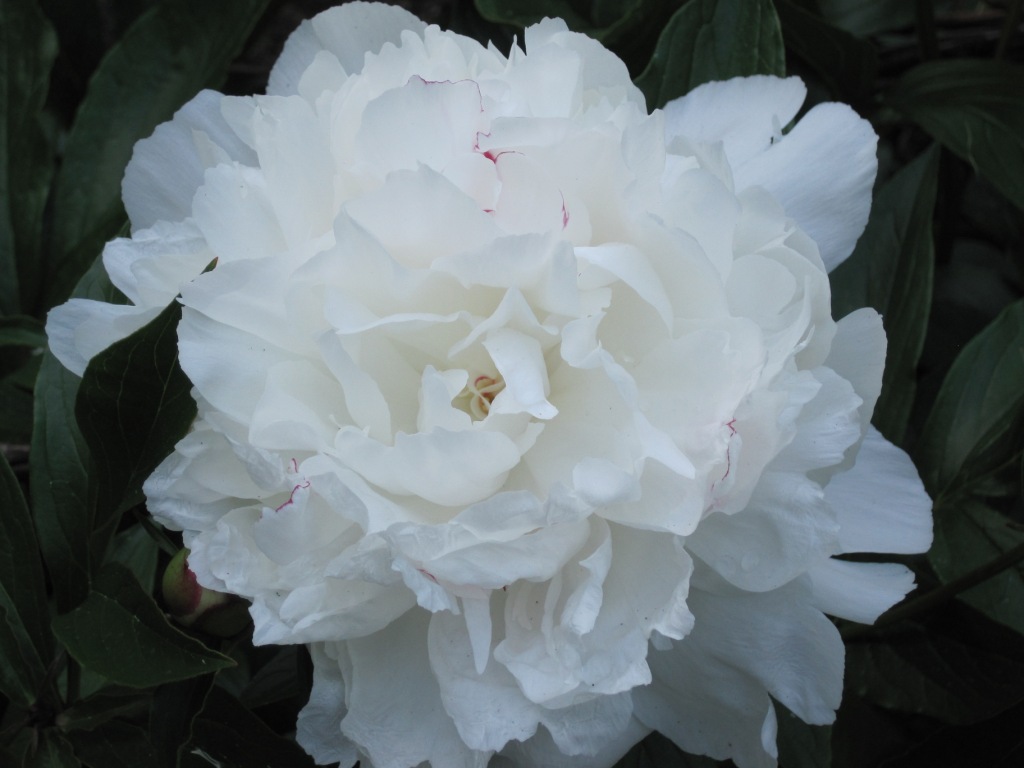
Peony - Festiva maxima. Unfolding itself.

Peony – Festiva maxima.
Unfolding itself.


Clematis #2

Clematis #2


Buds in waiting. American wiisteria.

Buds in waiting. American wiisteria.


The frothy splendor of my tree peony.

The frothy splendor of my tree peony.


Amsonia awakening

Amsonia awakening


Baptisia just beginning to bloom

Baptisia just beginning to bloom


(c) 2014 Shobha Vanchiswar

[do_widget “Blog Subscriptions (Jetpack)”]