It’s high summer and hence peak season for contending with all the trials and tribulations in the garden. Plants, pollinators and pests are going wild.
Lets begin with the thugs. The weeds are of course deliriously happy. I can’t seem to stay on top of this menace. Mostly because it has been way too hot to spend the vast amount of requisite time to vanquish them. Clearly they’re loving the respite from me as each time I return to this chore, they are bigger and even more plentiful than before. I’m seriously considering making them legitimate members of my garden.
Okay, I agree. It would be a horrifying sight.
But the real thugs are the deliberately chosen members who decide to show their gratitude by going rogue. I’m looking at you natives -woodland anemone, ornamental raspberry and common aster. Just because the pollinators smother you with attention does not in any way give you license to overrun your better behaved sisters. Behave! I’m really tired of having to keep reining them in.
When my friend Beth recently discovered leopard slugs in her garden, I urged her to kill them off. Not simply because they’re slugs and universally disliked but, because they are non-native. Don’t get me wrong – I willingly murder our own native American varieties when I find them chomping on prize ornamentals or decimating my $40 tomatoes (each). After all the hard work I’ve put in, how dare they!
But, let me take a moment to put in a good word for the indigenous slugs. Believe it or not, they actually have a valuable purpose. They help break down decaying plant material like leaf litter, old logs and such and return nutrients to the soil. Some types of slugs are also predatory and feed on other slugs, snails, worms and insect larvae thereby keeping their populations in check. Slugs aerate the soil which is important for plant growth. They are a good food source (protein!) for birds, frogs and other invertebrates. So, that’s my Public Service Announcement for the season.
(But, do get rid of the non-native varieties.)
Finally, I’m currently consumed by the full on invasion of the Spotted Lantern Flies (SLF). The mild winter and wet spring is the reason. Climate change is not a hoax or fake news. It’s really happening and really horrible. The SLF nymphs are crawling all over. They are hard to swat (or crush) and kill like one can the adults. They hop away so fast. Given that these pests are everywhere, it’s not prudent to spray the recommended organic products as that would affect all the beneficial creatures as well. On that same vein, I cannot limit the SLF food supplies by cutting back the perennial plants. What would the native bugs and birds eat then?So the decision has been made to focus on just the fruit trees, Concord grape vine which is a particular SLF favorite and, some important shrubs. These are all plants that would be much harder to replace.
Note: many non-native plants are sought after by SLF. Possibly because they’re from the same places as the offending bugs. So it’s a good incentive to get rid of plants one shouldn’t be encouraging anyway.
Neem spray has had no effect thus far. We will keep trying of course. Meanwhile, we’ve cut back some of the grapevine so the SLF nymphs and adults have less shade to hide under and we’ve also done some dedicated vacuuming along the main trunk and limbs of the grapevine. This has been quite effective in sucking in the nimble nymphs as well as the adults. So we’ll see. Might end up vacuuming more often in the garden than inside the house this summer. Adults seen anywhere else will be crushed with relish.
War has been declared.
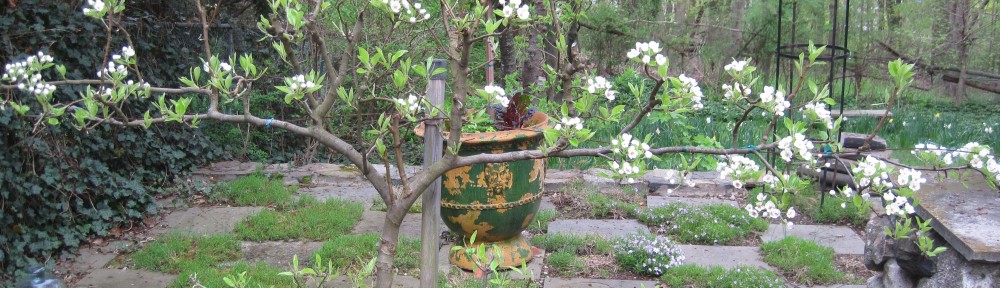
NOTE; I’m not going to dignify the pests and thuggish plants by showing their images. Instead, here are some glimpses of the garden doing it’s best in this endless heat wave of a summer –


(c) 2025 Shobha Vanchiswar
[do_widget “Blog Subscriptions (Jetpack)”]