Ah! Summer is tipping into Fall. The afternoon light has subtly shifted to beaming lower and softer – like a gentle nudge to getting a head start on preparing for perhaps the busiest gardening season. Spring is busy but Fall is much more so.
I have responded accordingly. A tour around the entire garden led to a comprehensive to-do list of all that needs fixing, replacing, replanted, thinned out, divided, relocated and discarded. And I’ve gotten started!
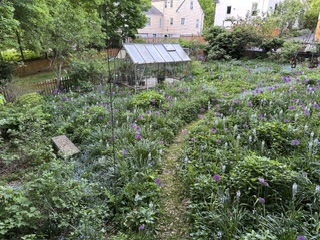
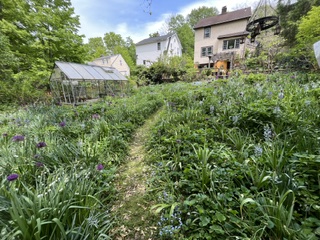
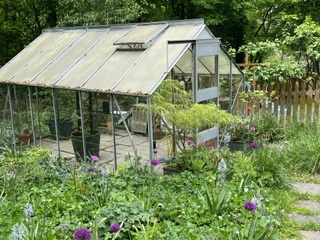
The free-standing greenhouse in the back got its annual ablution. With all its winter occupants sitting elsewhere in the garden through spring and summer, it first got swept and vacuumed. Then the interior and exterior washing and scrubbing was done. My sore back is testimonial to that effort. It is however rather satisfying to see the greenhouse looking all sparkly clean.
Starting today, the insulation panels will be re-installed so by the time the weekend rolls in, the greenhouse will be very ready to receive the first of its winter residents.
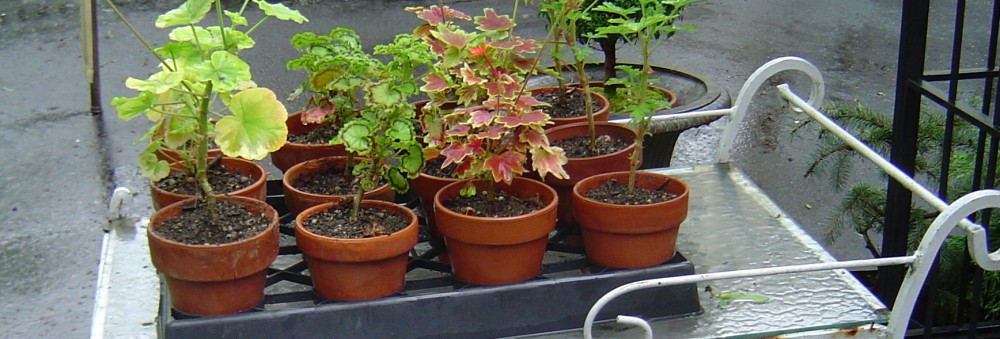
Those aforementioned residents will be trimmed/cut back, thoroughly cleaned (plant and pot), some will need repotting in bigger pots before being moved into the greenhouse. No hitchhiking pests permitted!
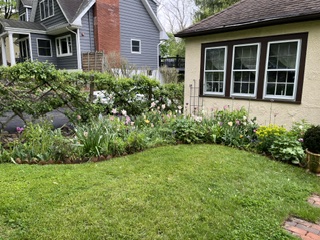
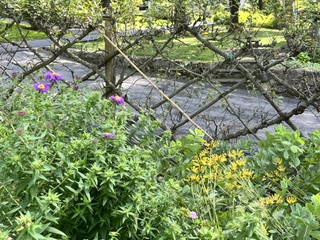
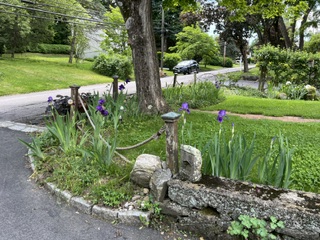
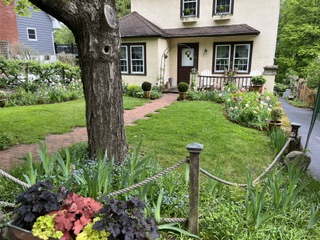
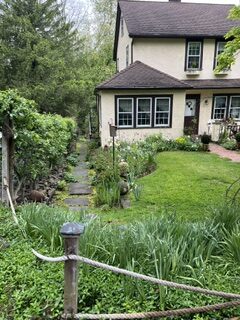
It’s also time to replace all the posts of the long Belgian fence espalier as well as the posts of the fence in front. Another big task and will probably need additional muscle power. Note to self – see if nephew living nearby is available.
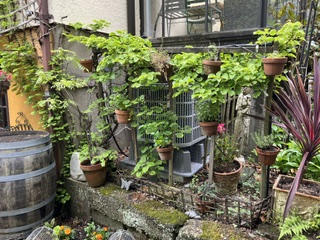
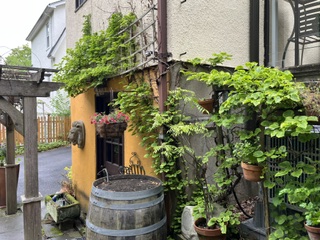
Similarly, the old wood and chicken-wire frame that hides the A/C compressor and from which pots of herbs are attached has done its time. Building a new one was already started over this past weekend – frame is ready and it awaits staining and chicken wire stretched across. Installation will proceed once herb pots come down and the old fence taken out. The tricky part will be to keep intact the climbing hydrangea that grabs on to the chicken wire as the extrication is done. Fingers crossed.
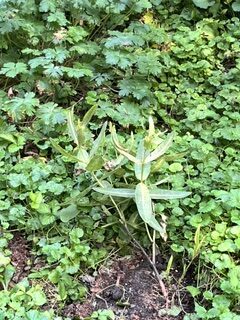
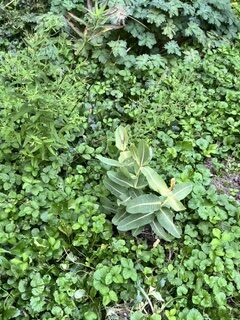
I’ve mentioned the scourge of the spotted lantern flies and how hard they are to eliminate. I read recently that the common milkweed is toxic to the pests so having these already welcome native plants in the garden is one additional weapon in the fight. To add to the current arsenal, in went 10 Prairie and 2 butterfly milkweed plants in various parts of the garden. Certainly worth a shot.
Unlike the Tree of Heaven which is a spotted lanternfly (SLF) magnet, milkweed does not actually attract the pests. Its just that the Tree of Heaven and the SLF come from the same part of the world so they know each other. Plants native to these parts are unknown to the SLF so they indiscriminately try to feed on the plants they come across. Milkweed is toxic to many critters and the native ones know to stay away from it. Simple right?! Fingers and toes crossed.
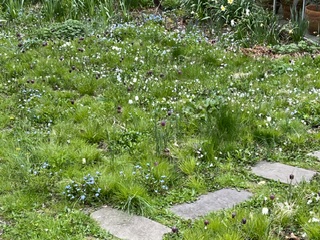
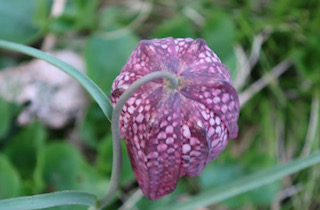
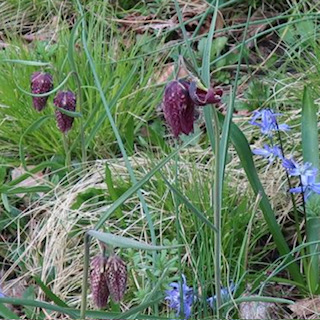
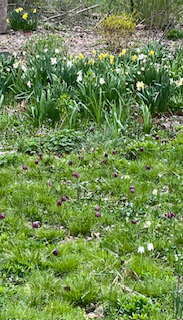
Finally, bulb planting is imminent and I sincerely hope your order has already been put in. If, like me, you are partial to the snakes-head fritillaria F. meleagris, remember to site them in damp areas where they will be happy. Mind, damp not waterlogged. These lovelies do not like being dry. I have learned the hard way.
Get to work one and all!
Photos of the things mentioned above :
((c) 2026 Shobha Vanchiswar
[do_widget “Blog Subscriptions (Jetpack)”]