Harmonizing With Summer

What sounds come to mind when you think of summer? The thrum of bees on sorties in the midday sun. The vibrato of hummingbird wings as they hover over the stand of Bergamot in bloom. The periodic crescendo of cicadas punctuating the sultry, hot hours. The early morning choir of avian throats stirring the world awake. The staccato beat of the woodpecker keeping time on the dying sugar maple. The sunset chorus of frogs by the pond. The frenetic percussion of a summer thundershower ending the heat wave. The high pitched laughter of sun-kissed children cooling off in the neighborhood pool. These are the sounds of my idyllic summer.

Sadly, it has become almost impossible to truly enjoy these seasonal melodies. Like the rustling of candies being unwrapped or the ringing of the unsilenced phone ruining the experience of going to the philharmonic or movie, our solace in our gardens is being spoiled by mowers and leaf blowers in use at any given hour of day. They drown out the natural sounds or worse, scare away the musicians all together.

The Law of Mo-Blo rules our lives all through the warm months. If you’re sitting down to an al fresco meal or settling in for a read and/or nap in the hammock, rest assured a neighbor will begin priming the mower or leaf blower. It never fails. The noise from these machines has permanently become the background sound of the season. The hallmark of summer in suburbia.

But, it needn’t be a status quo. We can do something about it. We must make the effort for the sake of our health, our hearing, the environment and our sanity.

The verdict is in. Particulate matter is produced at dangerous levels by leaf blowers, hedge trimmers and brush cutters. Pregnant women and young children must be kept away from their harm. Recent studies at the University of Pittsburgh have implicated these particulates in increasing the risk of childhood autism by as much as 50%.
The high decibel noise generated by yard equipment can damage our hearing. The people operating the machines are exposed to this noise even more so. The U.S. Surgeon General warns that “Excessive noise exposure during pregnancy can influence embryonic development”.
That the machines consume a great deal of gas and the resulting pollution of the air hardly needs reiteration.

Additionally, leaf blowing erodes soil, destroys the habitats of wildlife, stirs up pesticides, dust and fungal/bacterial spores (watch out asthmatics), reduces the water retention capacity of soil and in high temperature, causes ground level ozone formation.

I don’t need to elaborate on the repercussions of being distracted or unsettled in our work and other creative pursuits by the impact of loud sounds. And I certainly don’t need to discuss the ruined ambiance at outdoor events. I expect very little argument against the need to curtail the use of the harmful machines.

So lets get pro-active. For starters, every town should have ordinances limiting the hours of lawn equipments use. Personally, I’d like a ban on any such noise after 6:00 pm on weekdays and absolutely no weekend use altogether. This might be seen as inconvenient at first but, trust me we can get used to it. The tranquillity that will ensue will be worth the adjustment. Across the country, there are some towns that have such laws but they are too few and far between. A concerted program is in order. Every citizen ought to lobby for it.

Until such legislation is instated, neighbors could form their own pacts to be considerate and thoughtful. Come to a consensus for the betterment of all.

At a personal level, follow the three Rs – Reduce, Recycle, Reuse. Reduce the lawn area by creating more/larger flower beds, planting more trees, letting a meadow grow. Mow with the blade at a height of about four inches. Let lawn clippings stay on the lawn as they will quickly settle down to nourish the soil and keep it from drying too fast.
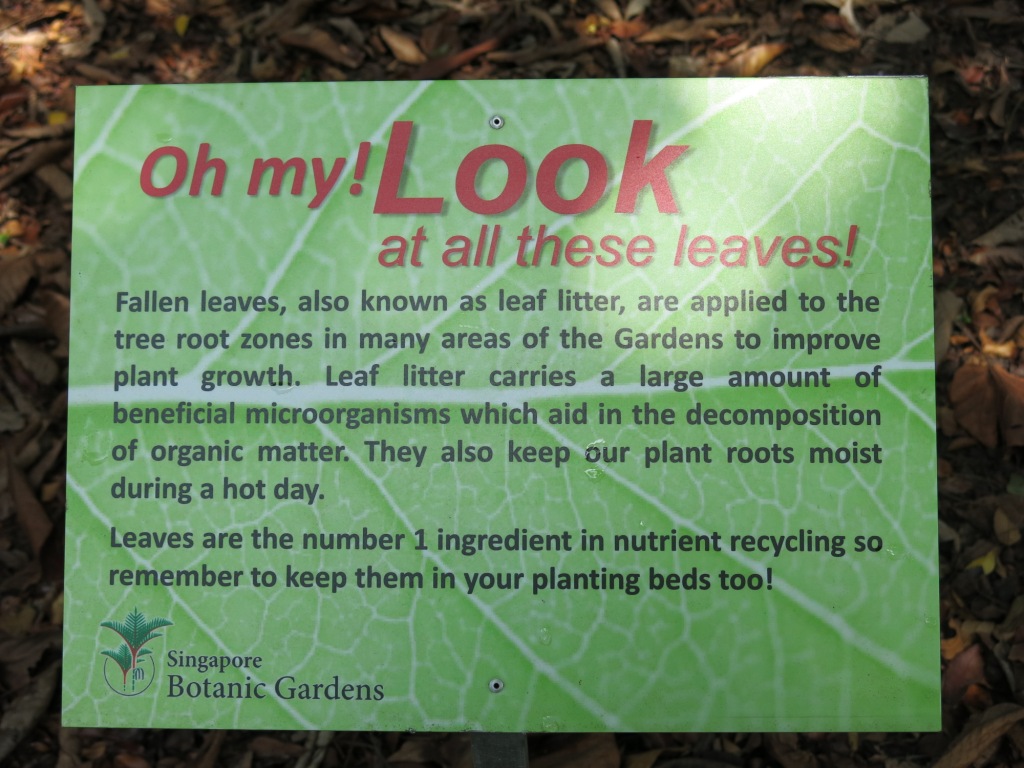
Rake leaves off lawns and dispose them in the compost. You can skip a trip to the gym on those days! Let leaves remain in beds as they make for a good mulch – the soil will be enriched and kept moist and weed free. Plants will require less watering too.

If you must, use electric instead of the gas powered machines. This is the lesser of the two evils. Seriously consider getting a manual powered reel lawn mower. The new models are light to use and very efficient. And so quiet! Some sweat equity and fresh air will do us all good.
If you employ a lawn service, discuss with them the need for environmentally sound measures. There are now companies that offer ‘green’ management of yards. They might charge more but are worth the expense. What you think you’re saving in money by hiring the much too common mow-blow- and go crews actually comes at great cost to all of our well being. And this includes our pets, our environment and the entire planet.

We must each play our part responsibly so we can forever dance in harmony to the pure sounds of summer.

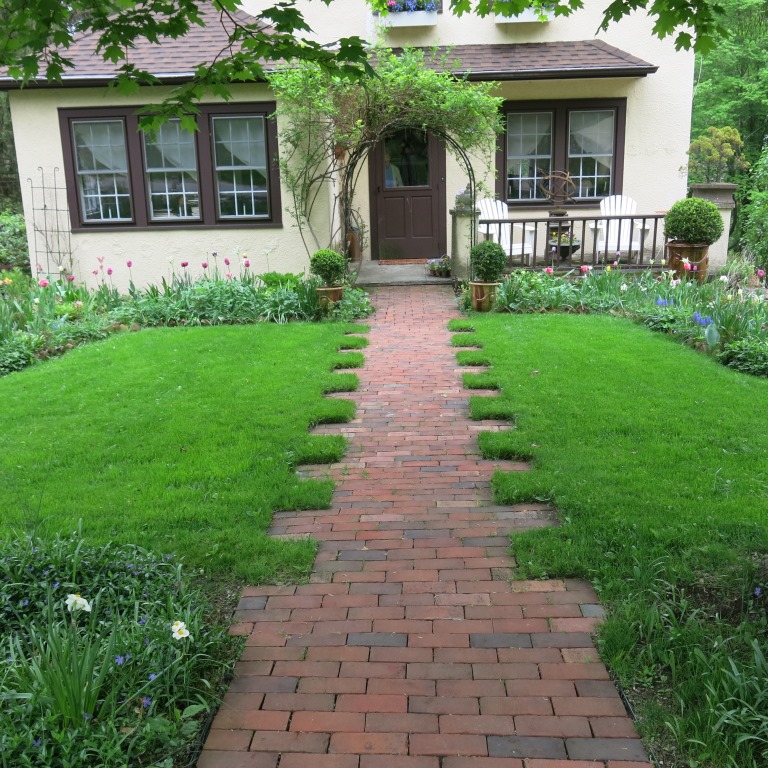
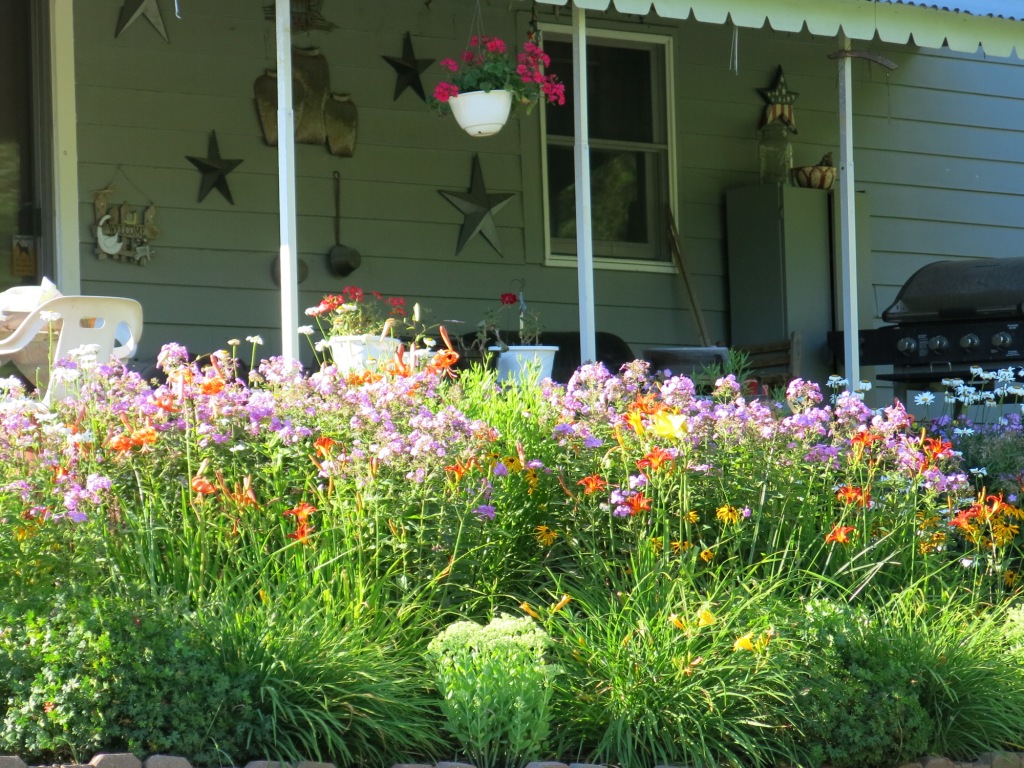
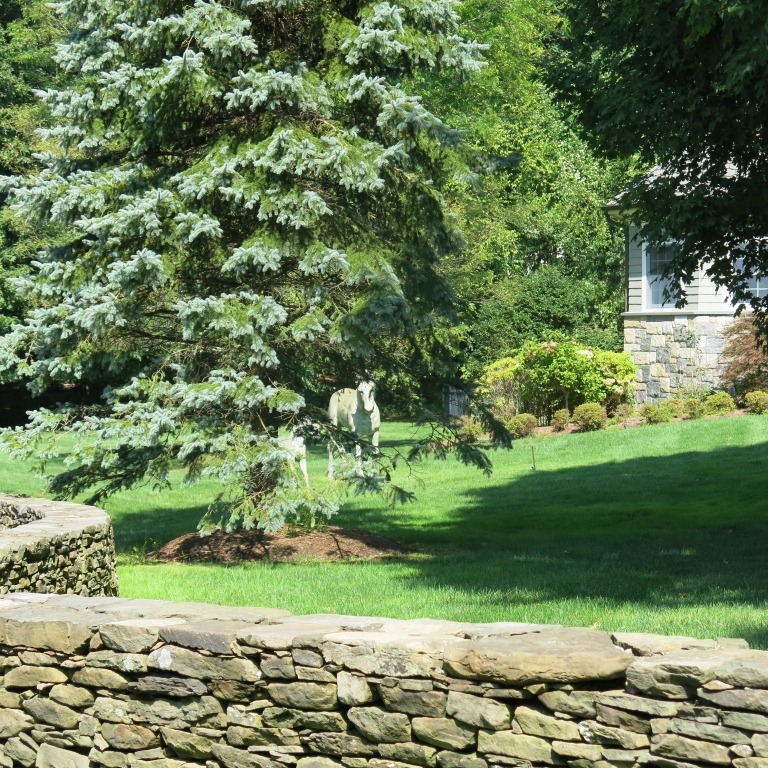
My front lawn is quite tiny. The grass is kept at a height of 4 inches. While it looks pristine, it is not all purely grass. Many other greens such as clover are mingled in.

My front lawn is quite tiny. The grass is kept at a height of 4 inches.
While it looks pristine, it is not all purely grass. Many other greens such as clover are mingled in.

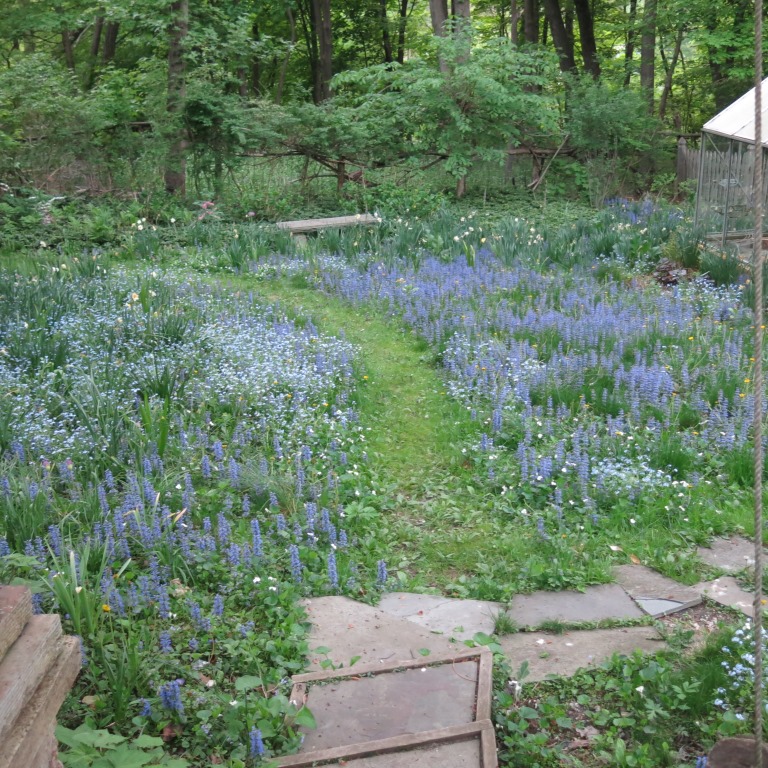
The meadow in May. It gets mowed perhaps two times in the whole year - towards the very end of summer. With a push-reel mower.

The meadow in May. It gets mowed perhaps two times in the whole year – towards the very end of summer. With a push-reel mower.

IMG_6616

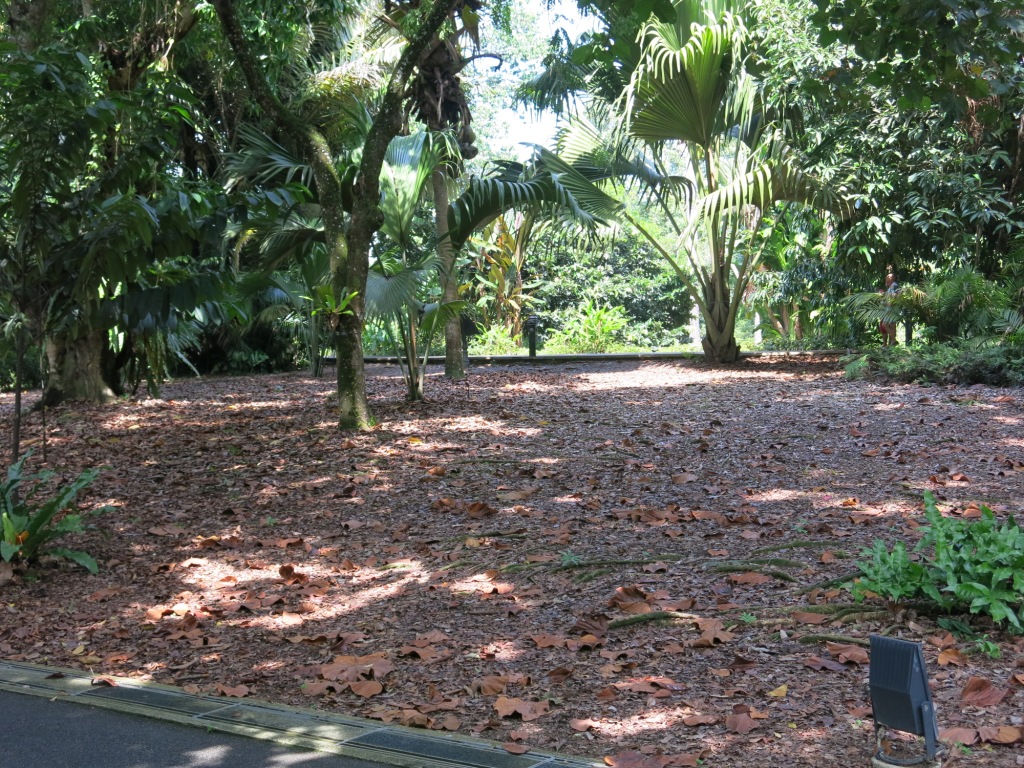
Whole leaf mulch at the Singapore Botanical Gardens

Whole leaf mulch at the Singapore Botanical Gardens

(c) 2015 Shobha Vanchiswar

[do_widget “Blog Subscriptions (Jetpack)”]
Color Me True

Remember the colors you liked as a young child? Bright, joyous colors that shouted out their exuberance! We dressed with abandon, matching purple socks with a magenta skirt that sported yellow polka dots. It made us feel so happy. I recall a favorite dress that screamed chartreuse and pink. And you know what? I still love that combination. Particularly in the garden. Think Euphorbia polychroma and Triumph tulips like Barcelona – acid yellow/green with fuchsia! Stunning right?

Yet, as we grow up, we permit all sorts of rules to be imposed on our sensibilities. We give in to norms and tastes that do not necessarily reflect our own. Afraid to be different and call attention to ourselves, we join the herd. Which is a shame. We need more unique voices in our midst. I’m not suggesting anarchy or that we be inconsiderate but rather, I’m calling for us all to be true to ourselves. Lets not hide behind uniformity or be bullied by arbitrary taste-makers. Instead, we can each be a distinct, exceptional piece in the social quilt of life.

If breaking out and expressing yourself in all areas of your life is a daunting thought, then start with your garden. Maybe just a single flower bed. Forget rules about how many of each type of plant, coordinating colors etc., Just go for what your heart desires. As you tend this patch, you yourself will work out the details and specifics that best appeal aesthetically. Soon, you’ll feel confident about spreading your preferences to the rest of your garden. From there, move on to your home’s interior, your clothes, jewelery, choice of reading material…. take my word, you’ll feel good.

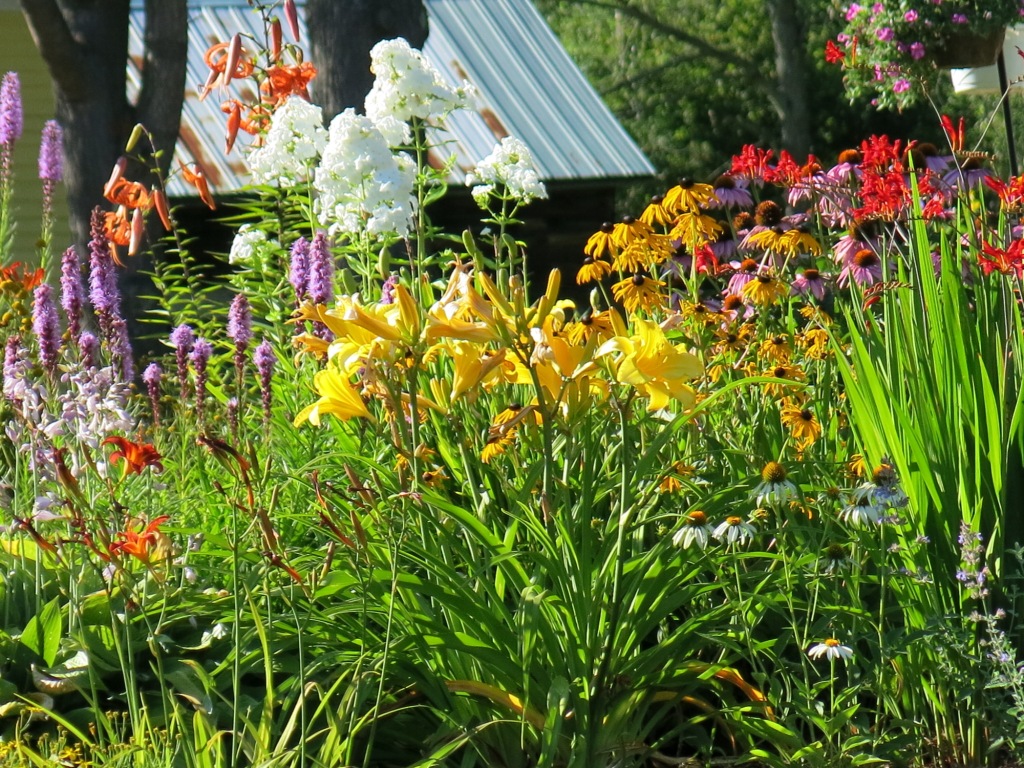
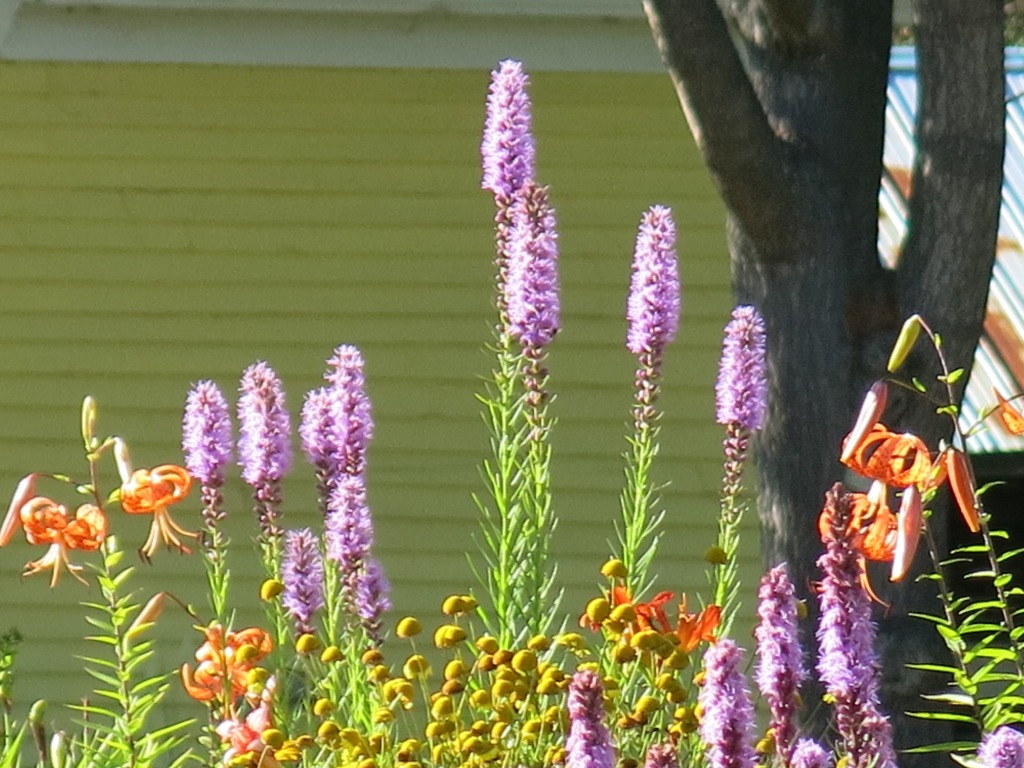
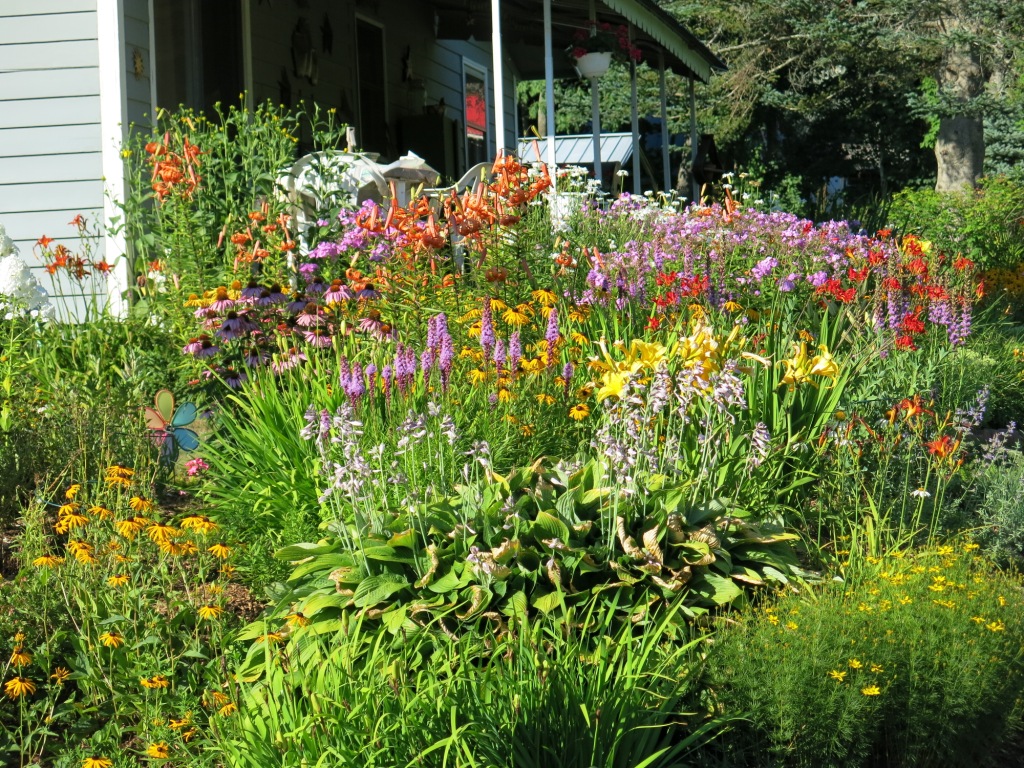
In my recent travels, I’ve come across many gardens but the the most memorable ones were invariably those that had their own spin. Clashing colors that put a big smile on your face. Unfettered by any visible scheme, these gardens celebrated the season. They created an atmosphere of unadulterated fun. And isn’t that exactly what summer is for?

I’d love to hear about your color tastes from childhood and if you still love those hues. If yes, how do you incorporate them in your adult life?

Note: For those of you in my neck of the woods, you have the opportunity to visit a wonderful garden this Saturday August 8. Mike Bakwin’s garden is open from 10 am to 4 pm. Mike is a good friend of mine and I can personally attest to the beauty of his garden. You might even see me there! For details click here.

IMG_6991

IMG_6993

IMG_6995

IMG_7000

(c) 2015 Shobha Vanchiswar

[do_widget “Blog Subscriptions (Jetpack)”]
 

Life Hacking In The Garden

Every now and then, one comes upon little nuggets of wisdom that make life better. Like using plain dental floss to slice cheesecake. Puts paid to messy knives and sloppy servings. Or making lemonade/ coffee ice cubes to add to your lemonade or ice-coffee. As the cubes melt, they will not dilute the drink.

Here are some handy hints for the gardener:

Sprinkle baking soda around your tomato plants to get a sweeter yield.

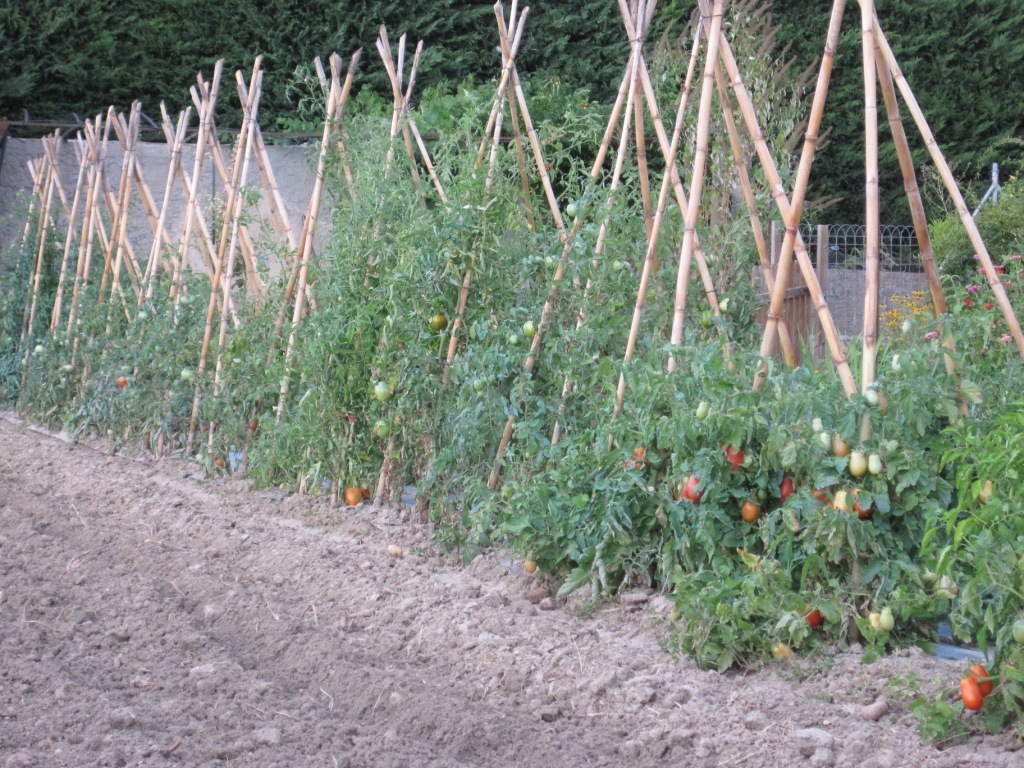
Plant courgettes beneath French or runner bean tepees to save space and give shade later on.

Feed roses with Epsom salt. The same compound dissolved in a tub of cool water is also good to soak your tired feet in after a day in the garden.

Day old tulip blooms can be kept in the refrigerator for as long as a few weeks. Bring them out and place in room temperature water to wake up and open in time for your special event. Keep this in mind next spring.

On that note about chilling flowers, if you have a floral arrangement sitting pretty in your home and you are going away for the weekend, stick said flowers in the refrigerator. When you get back home, your flowers will be waiting to beautify your home once more. I usually stick vase and all in the ‘fridge.

Losing your boxwoods to blight? Ilex crenata is a reliable substitute for boxwood. It is can be just as easily clipped and shaped. Grows in a variety of soils and situations.

This last one is my favorite – I mention it often. Yet, how many of you remember?
Pour boiling hot water on all those pesky, hard-to-get-at-weeds that grow between flag stones and brick work. Do this on a day when rain is not imminent. Easy as pie. No more torn nails or unsuccessfully struggling to pull out the weeds along with roots.

Simple, sound advice easily heeded. Leaves plenty of time to enjoy the season.

August 069

IMG_1694

IMG_0815

IMG_0820

Brick walkway kept weed free with the use of boiling water.

Brick walkway kept weed free with the use of boiling water.

Epsom salt fed roses

Epsom salt fed roses

IMG_5988

IMG_5989

(c) 2015 Shobha Vanchiswar

[do_widget “Blog Subscriptions (Jetpack)”]
Post-Vacation Depression

No matter how good a vacation I’ve had, I’m generally quite happy to be back in my corner of the world. There is truly nothing like the familiarity and comforts of home. Taking that first shower, settling into my own bed, making my coffee exactly the way I like it are reminders that I’m where I most love to be. Simple pleasures for which I’m enormously grateful. If I never went away I’d never know to appreciate how good I have it.

As much as I’m bursting to explore the garden, I usually take my time. Sometimes, I’ll delay it by as much as a day. Having first taken care of unpacking, laundry, awaiting mail, restocking the refrigerator and generally addressing matters to ensure domestic bliss, I turn my attention to the outdoors. With a degree of trepidation. While the house pretty much remains in the condition in which I left it, the garden appears to assume an alternative lifestyle. A devil may care, no holds barred attitude. If you’ve ever lived with a teenager then you know what I mean. So my hesitation to step into the garden is understandable.

Before this particular trip, I worked extra hard to get all the garden chores done. Weeding, mulching, trimming and tidying up were done with due diligence. Really. I took my leave feeling quite smug about how in-shape the place looked. How wild could it get in two weeks?

The answer is : plenty wild. All the rain that lavishly fed the garden must’ve been loaded with cloud borne super-fertilizer. Everything is out of control. The plants look like they’ve doubled in size. And the weeds! They have invaded, multiplied and conquered. I cannot recall them ever being this prolific. What on earth is going on? And I’d worked so hard to get the garden in order before going away! To absolutely no avail.

With so much to do and faced with an ongoing heat wave, I’m feeling rather disheartened. It is going to take many, many sweat drenched hours to restore some order and frankly, I’m not at all looking forward to it. I’m dreading the guaranteed bug bites and heat induced fatigue. And fully resent giving up a fair chunk of my lolling/reading time. How dare the garden mock my earlier efforts to groom it? Its enough to send me back inside and to the unfailing comfort of a pint ( or two) of ice-cream.

BUT, I refuse to throw in the trowel. I cannot let myself succumb. The garden has taught me well – to persist and never let anybody or anything stop me from going after my dreams. And I dream of a beautiful, life-affirming garden that nurtures and nourishes all who choose to be in it. So there.

Note:
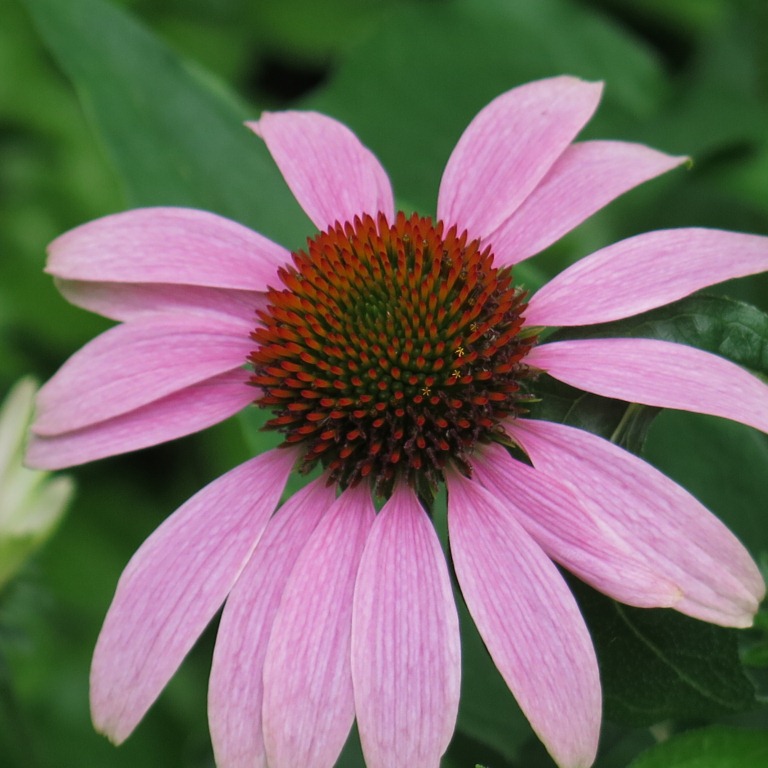
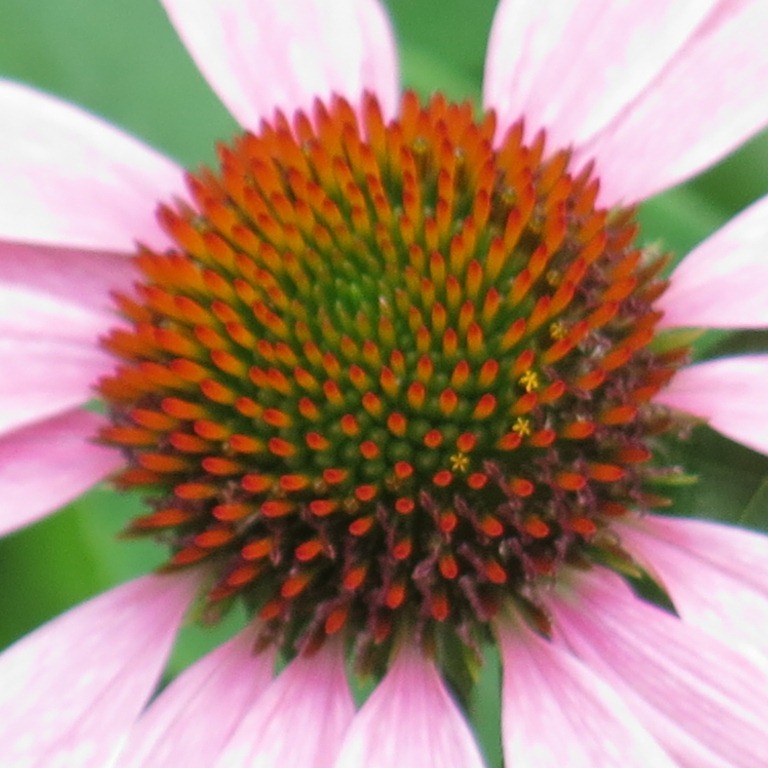
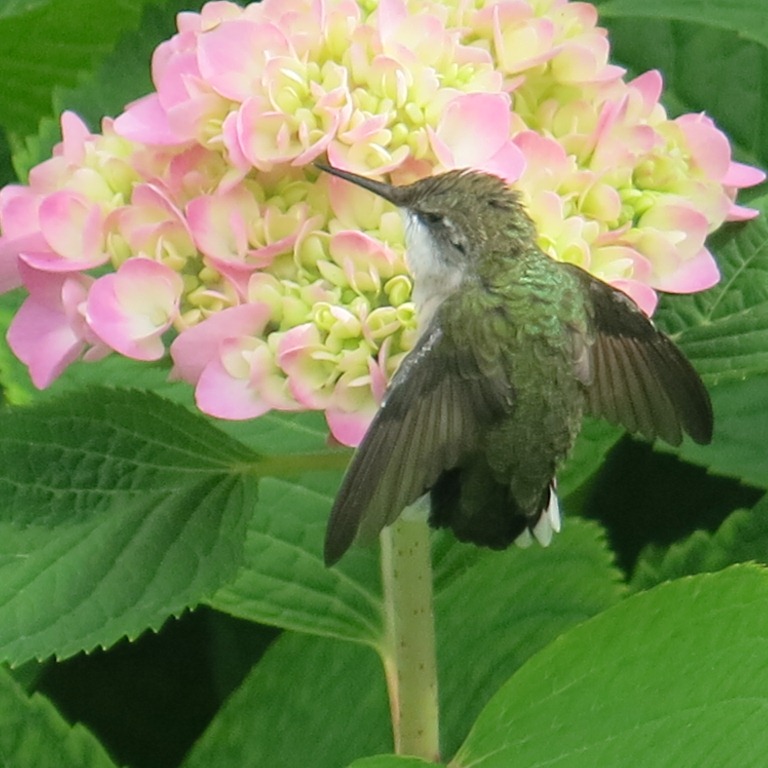
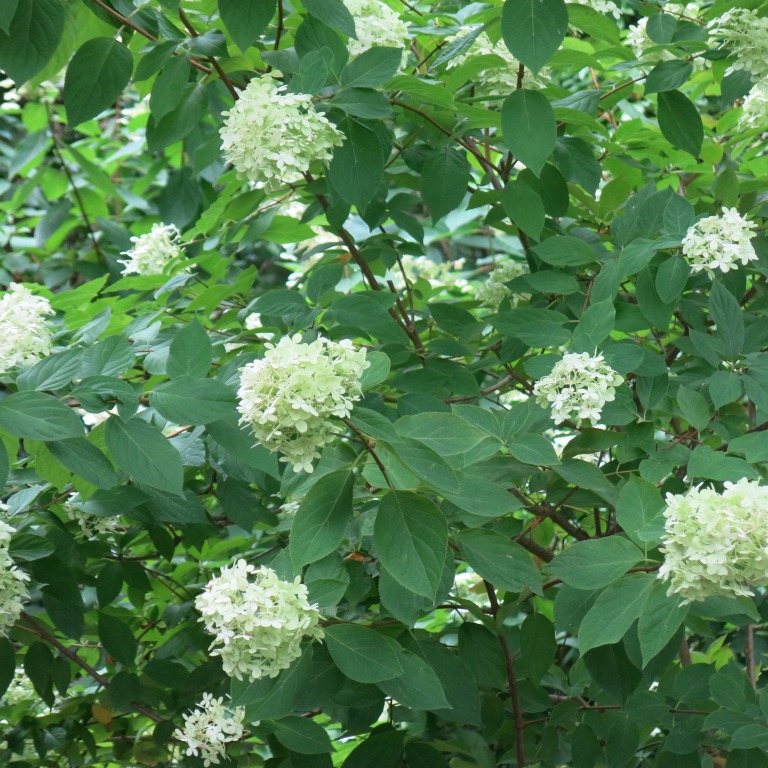
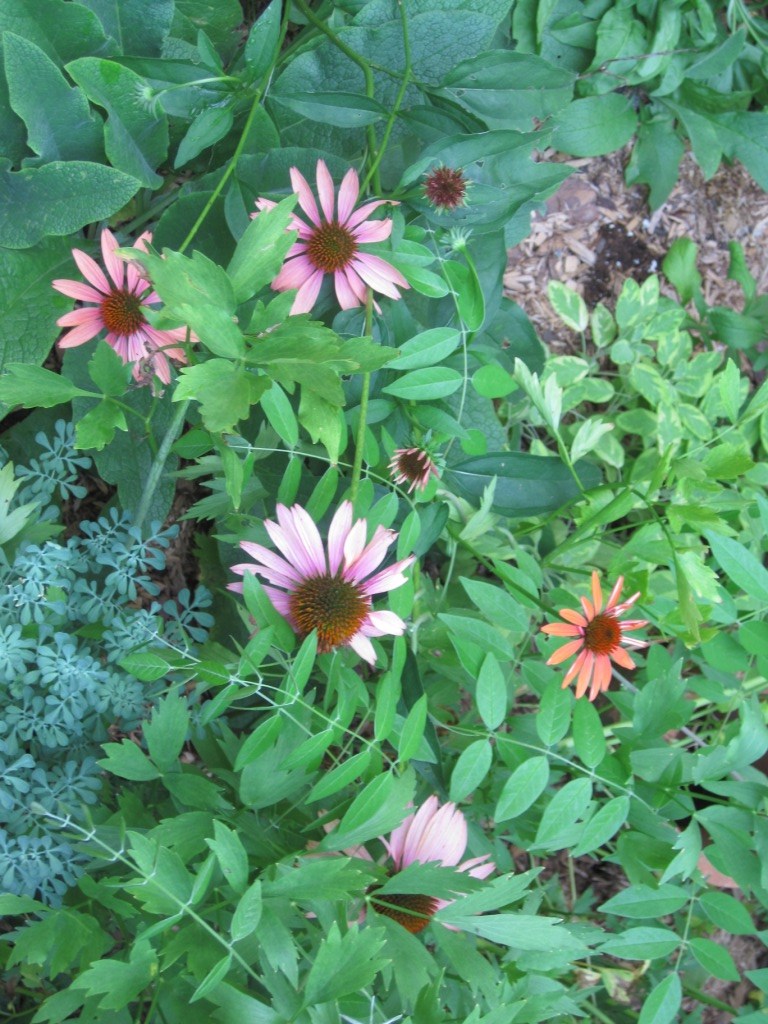
The saving grace of this new jungle are the hydrangea and echinacea that are blooming with abandon. There is so much of the former that I’ve harvested arm loads to fill huge pitchers – they now adorn every room in the house. Such bounty, such bliss.

IMG_2752

IMG_2756

IMG_2757

IMG_3993

IMG_4150

IMG_4314

IMG_9427

(c) 2015 Shobha Vanchiswar

[do_widget “Blog Subscriptions (Jetpack)”]
Saving Face

Do you ever have that intense desire to completely do over an entire part of the garden? But before you can give in to this extreme act, sound reason gilded with just a trace of lethargy steps in? I hope you know what I’m alluding to because I’d hate to think I’m alone in madcap thoughts.

Each year about now when spring is transiting to summer and again, when fall is barely edging out summer, I can’t stand the front perennial beds. They look kinda meh! if you get my drift. The blooms of printemp that shone so gaily are dimming their lights but the flowers of summer have yet to hear their cue. There is no doubt a lush greenness present but the oomph is missing. In the broadcast world this would be described as dead air and something to avoid at all costs. In the garden design world this is not quite as serious but still a situation to prevent. If possible.

The problem is, nature has a mind of her own. No amount of careful planning will entirely eliminate the problem. In fact, my careful orchestration is happily ignored all too often. This year being no exception. Nothing followed anticipated patterns. It worked out okay except for now – unhappily, true to form, the perennial beds are pretty much doing nothing for my morale. I could use some annuals and maybe I will but, I’d still prefer to rely mostly on perennials.

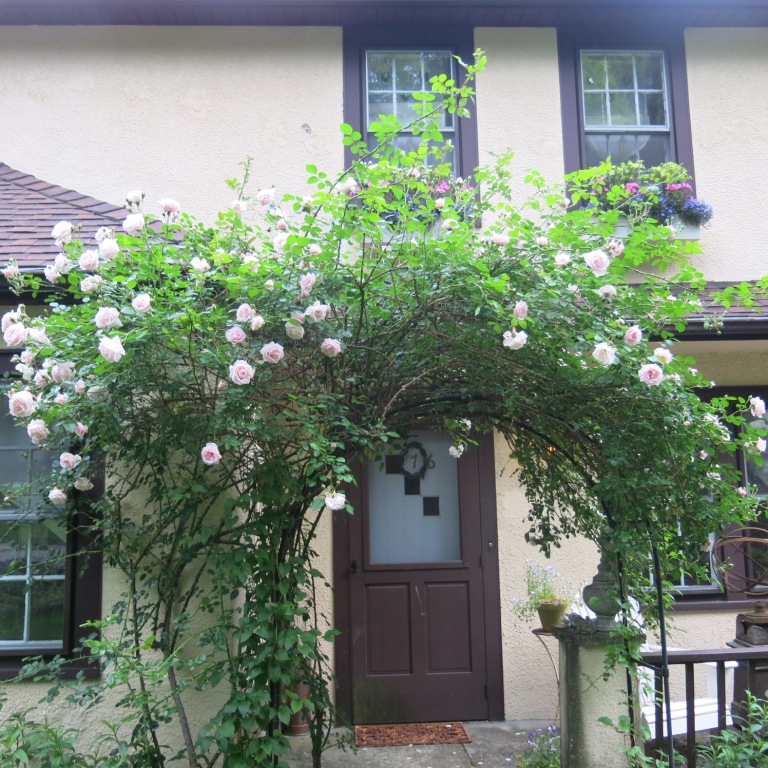
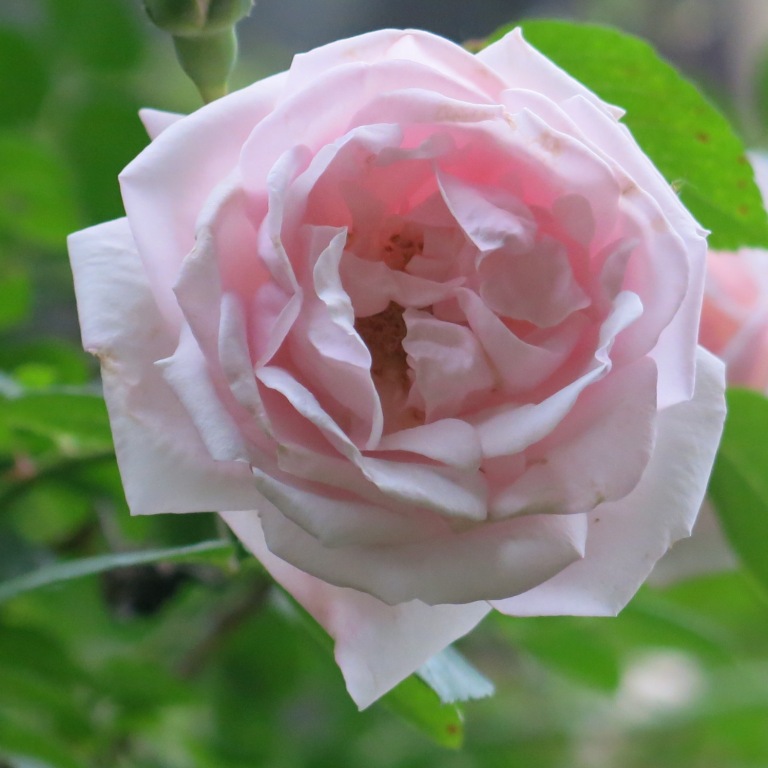
I had high hopes for the rose on the front arch. Being late to bloom this season, for once, I guaranteed myself a seamless transition to summer. The arch would carry us till the phlox and acanthus made their appearance. But recent thunderstorms put paid to that dream. The cascade of soft pink roses now hang limp and tired, shedding petals resembling bits of brown paper.

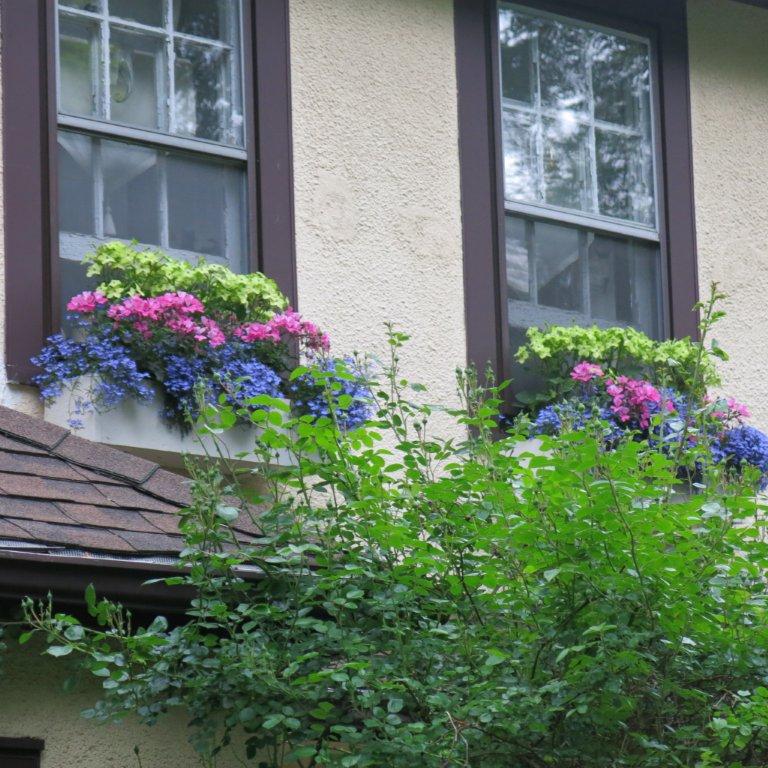
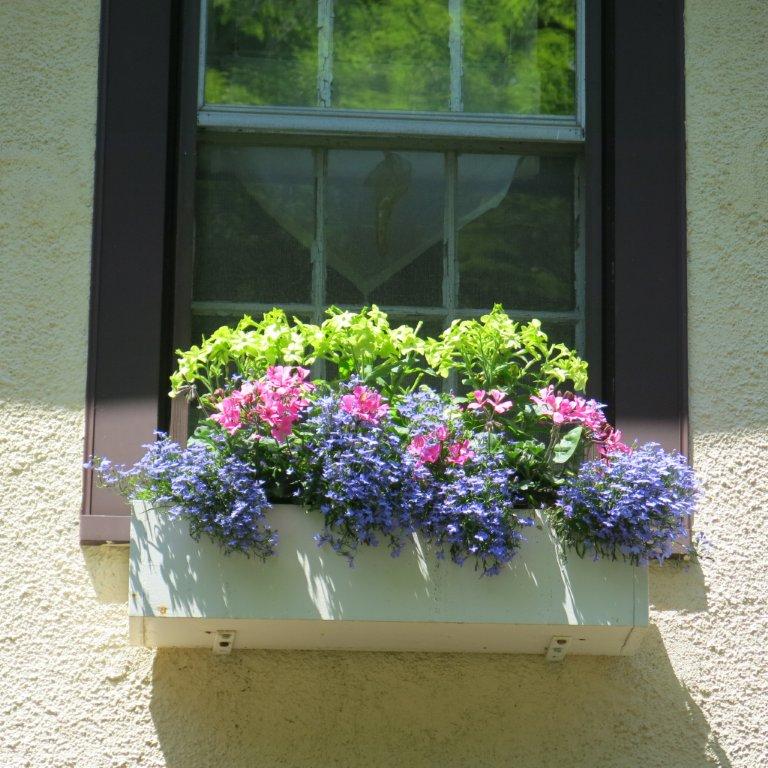
Back to square one. There is nothing to hold ones attention in the front garden. The window boxes are trying but it is unfair to think they must carry the whole front. Clearly, something for this specific time is required. I’m flummoxed because in the past, everything I have planted for this purpose has turned traitor. They have all chosen an earlier or later time to bloom in my garden.

But, I’m not ready to surrender. I think I’m being challenged. If the garden has taught me anything, it is to never give up. As long as there is life, there is hope. A trip to the nursery is in short order. Stay tuned.

Perhaps I’ll run into some of you there?

The window boxes

The window boxes

IMG_5638

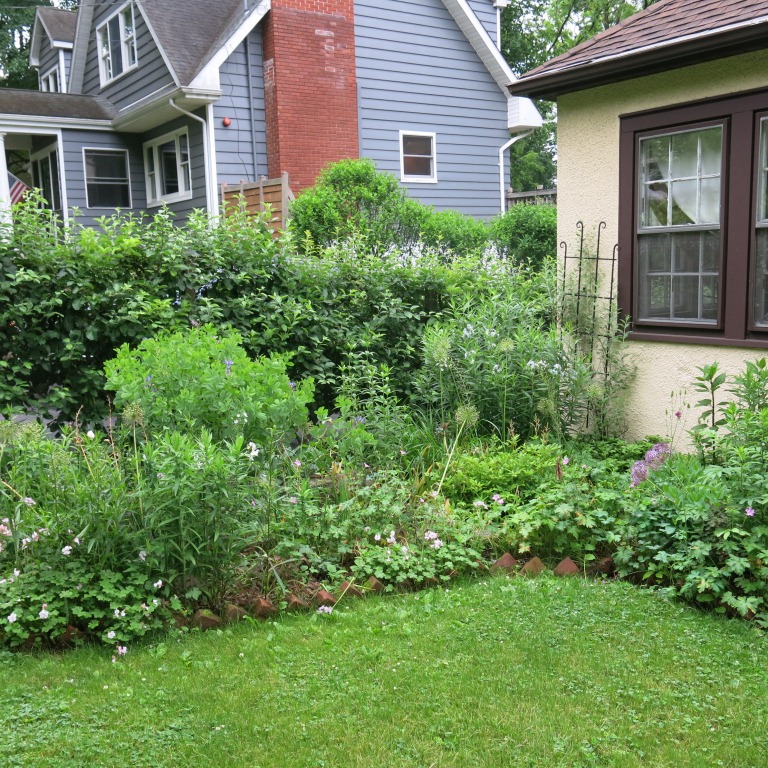
The beds are just all green. You see?

The beds are just all green. You see?

(c) 2015 Shobha Vanchiswar

[do_widget “Blog Subscriptions (Jetpack)”]
A Walk On The Wild Side

Last week, I took a walk that was all pleasure and wonder at every step. If ever there was a way to escape the world and still be completely present in the world, this was it. I was treated to a guided tour of Wildflower Island at the Teatown Lake Reservation in Ossining, NY. Guided by Leah Waybright Kennell, the curator of this magical isle, I learned how much there is to see and delight in if only one knew where and how to look.

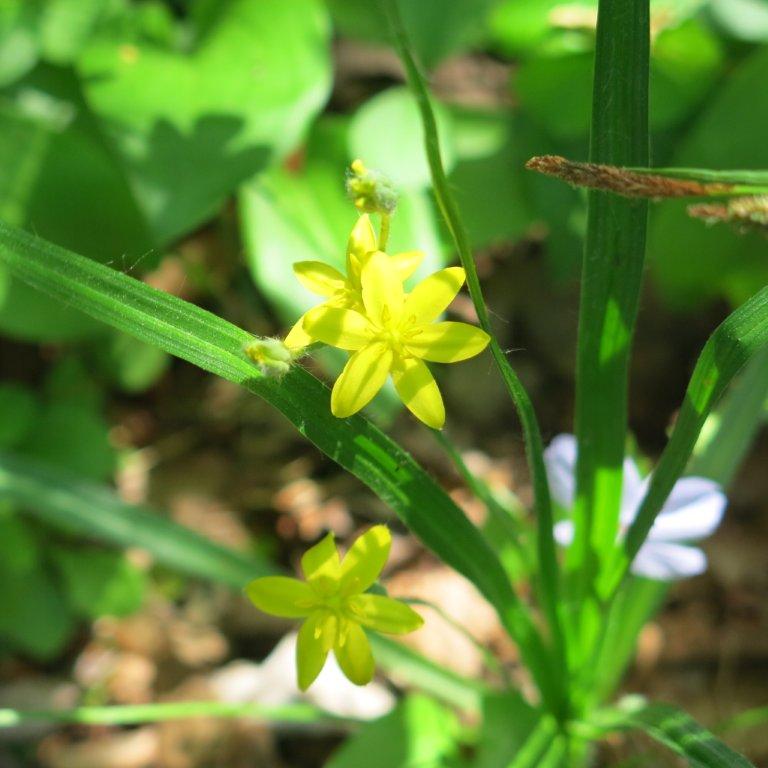
As gardeners, we tend to focus on the showy and/or dramatic. All too often, we forget that beauty also resides in the diminutive and shy. Tiny flowers expressing their enthusiasm on ground hugging stems of Canadian Mayflower. Or bashful Chrysogonum virginianum permitting sweet glimpses of its sulphur yellow blooms.

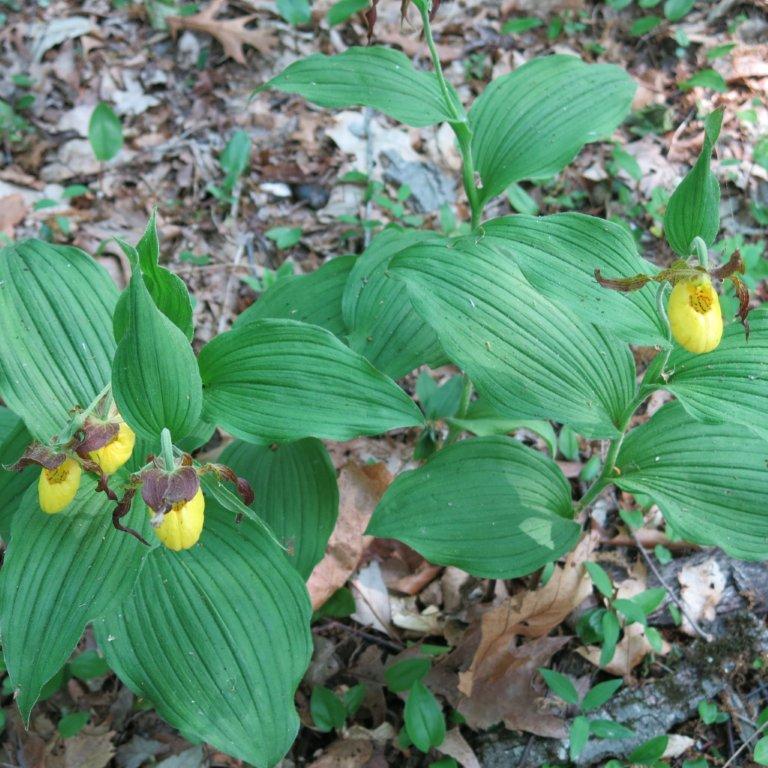
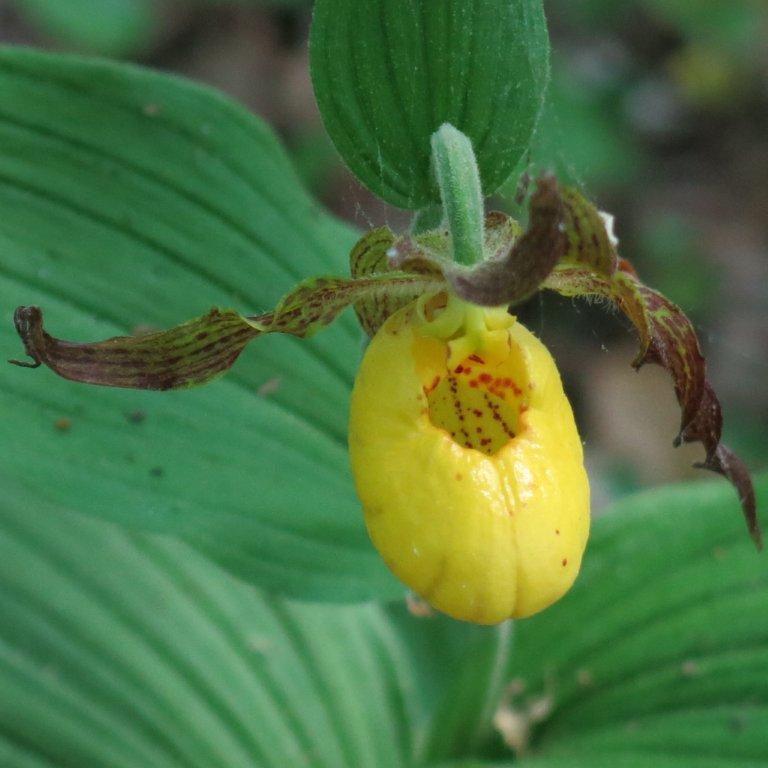
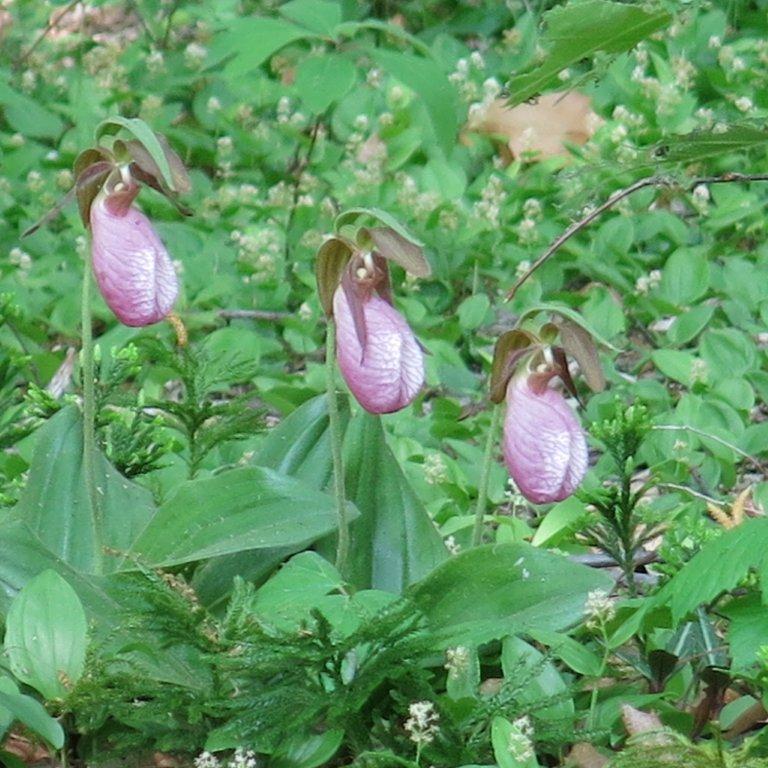
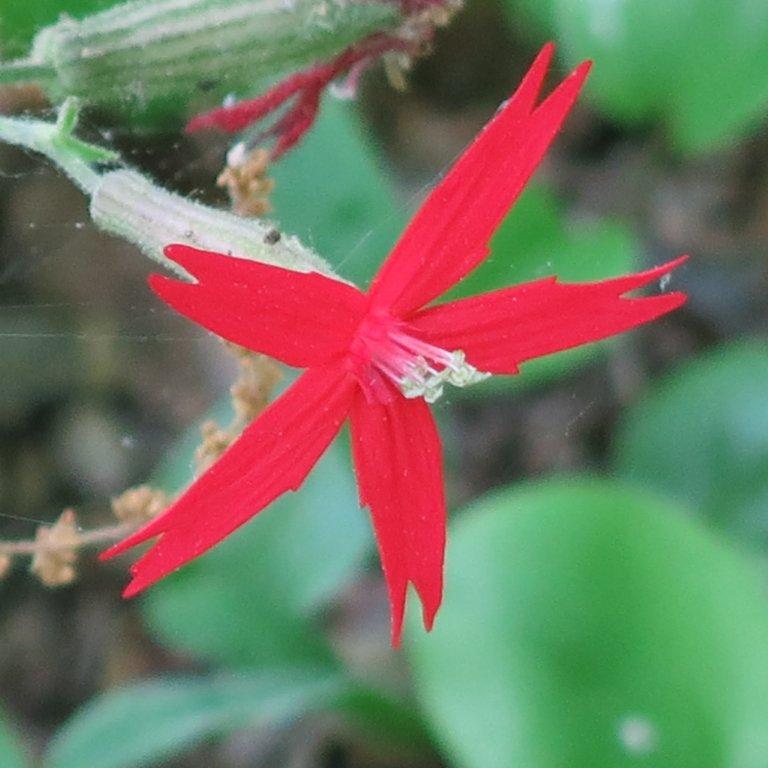
Walking to the accompaniment of a rich chorus of birds, I saw yellow lady’s slippers skipping around while their more rare pink cousins tip-toed quietly. Hummingbird columbines shone like small flames and red Silene virginica darted in and out of the spring growth that spread all around.

Leah pointed out so many plants that I was not familiar with. Wonderful natives that ought to be included in our gardens and woodlands. Her love and passion for the plants in her care is infectious and her knowledge of them is plain impressive. I’m inspired and determined to get to know more of these plants and invite them into my garden.

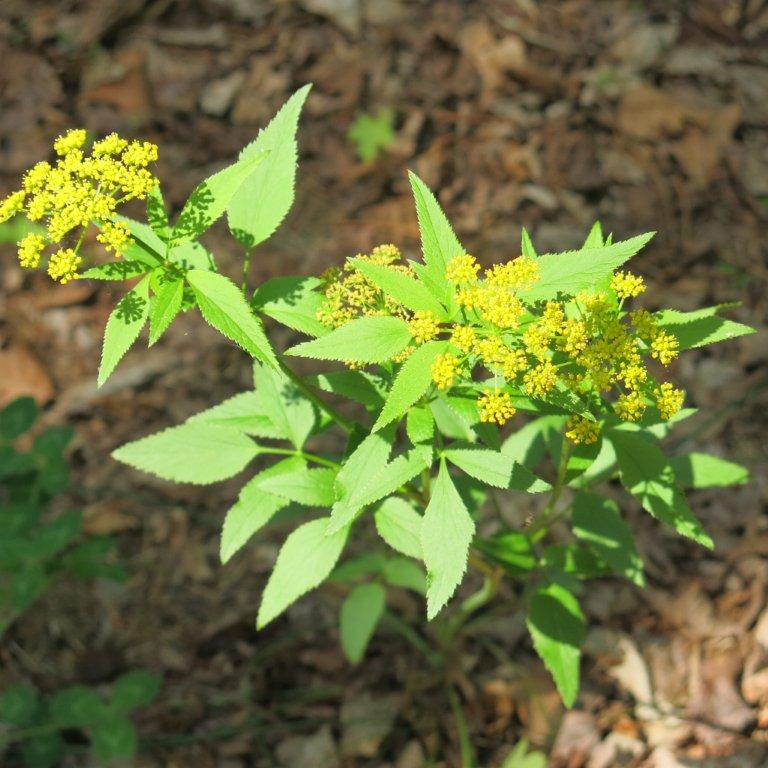
My ‘meadow’ is perfect for Hypoxis hirsuta, Zizia aurea and several more of the wildflowers. I already have Anemone canadensis, Arisaema triphyllum, Rubus odoratus, Myosotis sylvatica, Taraxacum officinale, Camassia quamash and some others. Adding the aforementioned will prolong bloom time in this part of my garden. As such, along with the myriad bulbs in its midst, the meadow only blooms through spring. I would love to have summer and fall blooming plants here to properly sustain all the wild life it draws.

My meadow also supports Ajuga and Viola odoratus. Two rather attractive but invasive aliens. To be rid of them is near impossible and frankly, I’d miss them. They add a real dose of brilliance to the spring show. I have been somewhat successful in containing them to only this part of the property. Any such plant found elsewhere is ruthlessly removed.

If you live in the Tri-state area, I strongly encourage a visit to Teatown. A tour of Wildflower Island is possible only by appointment and you get a highly knowledgeable guide to lead your eyes to all the gems that are nurtured there. It is a comfortable walk and takes only however long it takes you to get your fill of the beauty and variety of our unsung, wild natives. There are always things to see but spring and the second half of summer have the most in bloom. I expect to walk with Leah many times this year!

This ramble was one of the best hour and a half I ever spent. A mindful meditation like no other.

Note: I’ve used the botanically correct names mostly because many of the common names are the same as some non-native species. I did not want to confuse those looking to get the native plants.

Yellow lady's slipper. Cypripedium acaule.

Yellow lady’s slipper. Cypripedium acaule.

IMG_5809

Pink Lady's Slippers. C. calceolus

Pink Lady’s Slippers.
C. calceolus

Zizia aurea

Zizia aurea

Hypoxis hirsuta

Hypoxis hirsuta

Hummingbird columbine

Hummingbird columbine

Silene virginicum

Silene virginicum

Chrysogonum virginianam

Chrysogonum virginianum

(c) 2015 Shobha Vanchiswar

[do_widget “Blog Subscriptions (Jetpack)”]
What Does Your Front Garden Say About You?

More to the point, what would you like it to say? Warm and welcoming / too busy to care / overwhelmed by life / trying hard / sweet and simple / minimalist / eclectic / modern / unimaginative / look at me world! / creative / lively and joyous / high maintenance / pretentious / well kept and groomed/ stiff and formal? Have you at one time or other given it much thought?

My town’s annual front garden contest has begun. I’m the judge. So at this time of year, I’m prone to pondering this matter. With all the investments one makes in a house and property, the front garden seems to get the short end of the deal. The focus tends to lie in creating an expanse of lawn. Never mind the overwhelming shade, uneven terrain or plainly boring rectangle and the sheer waste of time, energy and expense, the accepted belief that an emerald green lawn is de rigueur is held on to fervently. I cannot fathom why. A little lawn to complement the plantings is fine but even that need not be purely grass. Just as long as it provides a green relief.

Given the futility of such an endeavor and the abundant more suitable alternatives, why on earth would any body want to hold on to this golf-turf dream? Then, upon failing to achieve such status, the whole project is reduced to a stoic persistence in mowing and copious watering and fertilizing as though if done long enough one will triumph. On occasion, such failures are taken with the view that nothing will grow and the whole front garden thing is abandoned. We spend our time in the backyard anyway. So why bother with the front? is the prevailing attitude. So much attention is lavished in the back – patios, pool, flower beds and such. Thats like taking the trouble to wear silk and lace underwear only to then put on a dress made up of burlap.

Really? Do you not wash and wax your car periodically or any time it looks muddy? Why concern yourself with that when all you need it for is to get from one place to another? You do so because otherwise, it makes you look like a slob right? The same way you choose to wear clean, unwrinkled clothes. Stylish and pricey even. The well presented hairstyle, the immaculately made up face, the manicured nails are all testimonials to how much we care about ourselves and how much it matters how others see us.

So why not the front garden? Make it say something meaningful and honest. Curbside appeal is important. I’m not alluding to property values but to your own esteem. What appearance is presented by your property informs the viewer of who and what you are.

Stop making excuses and own that front garden. Too busy to tend flower beds? Then, keep it simple by planting interesting trees and shrubs suitable to the conditions present. Sun, shade, free- draining or clay soil, east facing or otherwise, even or sloped ground etc., Use hard-working ground covers like creeping myrtle or even pachysandra ( yes, pachysandra! It is better than a raggedy ‘lawn’). A four season tree like our own Amelanchier is wonderful. Large properties could have oaks, red maples and redbuds.

Ground too stony and unable to sustain plants? Gravel up the area and install large pots to fill with a myriad colorful annuals.

The point is, do something. Make that front garden say something good about you. All year round. Your neighbors and visitors are forming opinions … And if you live in my town, I’m wandering around looking and judging.

Review the photographs below and see for yourself how quickly you begin to form opinions:

My front garden

IMG_4178

IMG_4166

IMG_4169IMG_4182

IMG_3579

IMG_8403

IMG_8421(c) 2015 Shobha Vanchiswar

[do_widget “Blog Subscriptions (Jetpack)”]
A Case For Camassia

Have you introduced camassias into your garden? No? Why not? I guess you haven’t taken me seriously when I’ve recommended that you start planting these good bulbs of North America. I promise you will be glad to have these natives in your garden.

Blooming in mid-spring, camassias bridge that transition from the early bulbs to late spring blooms beautifully. They come in shades of blue as well as a creamy white. A grouping of them is quite handsome but they also blend well with a mix of other plants. I particularly like how they mingle with the alliums, tulips, amsonia, baptisia and columbines in my perennial beds. The spires contrast well with the roundness of the alliums and the star bursts of amsonia.

In the meadow, camassia join the sea of blue created by ajuga and mysotis. The overall appearance is one of such gentle beauty that it is hard to imagine that so much activity happens in the meadow. The place teems with life. Butterflies and bees busy themselves here all day long. Parent birds forage for juicy morsels to carry back to their ever hungry babies. Toads await unsuspecting insects. Rabbits nibble on whatever greens suits them but never seem to do any visible damage. A neighborhood cat often suns itself on the stone bench kept warm by the morning sun. No doubt hoping to get at targets I’d rather not think about. The occasional garden snake rustles about quietly; its presence noted only by the hushed movements of the low-growing grass. I could sit here all day and watch the goings on.

But back to camassias. They naturalize well and do not beg for coddling. Suitable for both formal and informal gardens, they are in my opinion a no-brainer. Get them this year for fall planting. Don’t make me tell you again.

Camassia

True blue natives
for food and form
Echoing colors
of seas and skies
Spreading nicely
from forest shade
to open prairies
to rocky ties.

From quivers of green
shoot Indian arrows
Piercing early
verdant blankets
Sustaining tribes
across western fronts
These bulbous offerings
make a banquet.

Shobha

Camassia 1

Camassia 2Camassia 3

Camassia 4

Sea of blue

Sea of blue

Camassia 6

Camassia 7(c)2015 Shobha Vanchiswar

[do_widget “Blog Subscriptions (Jetpack)”]
 

Hellebore Heaven

IMG_1688I’ve waxed eloquent on the topic of hellebores in the past but I think it bears revisiting. It appears that while I’ve assumed everybody knows and loves these rugged plants, many are not at all familiar with them. Clearly, I haven’t done a decent job of spreading this good plants virtues.

My own love affair with Hellebores started over fifteen years ago. I saw a plant in bloom one very cold day in March when winter had barely relaxed her chilly grip. I simply had to get to know this brave soul. So, I rushed to my local nursery and bought two. They settled into the garden quite easily and grew well. The following year, they repaid my kindness with a plethora of flowers that bloomed well into summer. I had barely paid attention to them all year and here I was being so handsomely rewarded. This was my kind of plant partner – independent, reliable, good-looking, low maintenance, loyal and hard working. Wish I knew more humans with all those traits.

I now have somewhere between fifteen to twenty hellebores in various semi-shady parts of the garden. They do better with a bit more sun than shade. I have them in the perennial beds, under shrubs and, bordering the meadow. At each site, the flowers add valuable color and beauty at a time when these elements are scarce. They are notorious self seeders but because I mulch heavily each spring, the seedlings get smothered and do not thrive. When required, I pot up some seedlings to give away and then spread the mulch.

Hellebore leaves are best not cut back in the fall. They are left on to provide protection to the emerging buds that nestle shyly beneath. Once the snow has melted and spring is just about to start, I remove the old leaves making way for the new growth.

Hellebores are not so palatable to deer and other pests as many varieties are poisonous. The leathery, serrated leaves keep away the curious. The flowers, oh, the flowers! They are show stoppers. Coming in a range of creams, buff, pale green and all shades of rose, a mature plant is spectacular in bloom. They do not scream but gently draw your eyes to their beauty. And then you cannot look away.

The plants are drought tolerant but do best in moist, well-drained soil. Most hellebores can be planted in zones 5a to 8. A few even tolerate zone 9. Reaching only heights of a foot and a half, these relatives of the ranunculus, are perfectly suited to that place between the low growing plants and the taller ones. The plant peaks just when you are weary of the bleak winter scene and impatient for the large bulbs to start their performance. They nicely bridge winter gaps with their evergreen leaves. In my opinion, no garden should be without hellebores. Ever.

So, have I convinced you?

My garden is open this Saturday May 9 from 10:00 am – 4:00 pm. See here for details. Please do visit!

Also, thanks so much to those who came to my art show reception last Saturday. You made my day! For those who missed it, the exhibit is on all of May – at Teatown Lake Reservation in Ossining, New York. Hope you’ll get to it. Let me know what you think!

Enjoy these images of hellebores:

This one is actually named 'Dark And Handsome'!

This one is actually named ‘Dark And Handsome’!

IMG_1709

IMG_8548

IMG_8596

My own rendition

My own rendition

(c) 2015 Shobha Vanchiswar

[do_widget “Blog Subscriptions (Jetpack)”]

On Plantsmanship

These past seven days of glorious weather was the sort of gift every gardener covets. Much got accomplished in my garden. Getting my hands in the earth is enormously life affirming. This is where all life begins!

With my garden Open Day less than three weeks away, it has been necessary to amp up the pace of action. The winter that dragged on and on has set us back on many time sensitive tasks. From pruning to seed sowing to getting the compost turned, has been a matter of maintaining grace under fire. It is no fun to focus on chores and miss out on what’s blooming and who is doing what in the garden.

The pruning got done and it has been noted that much of the David Austin ‘Heritage’ rose suffered from the harsh winter. The New Dawn on the two arches, Paul’s Himalayan musk, Bonica and Leda roses have come through all right. With the fruit tree prunings done just a week ago, the espalier is looking neater and the buds are forming nicely. The grapevine prunings are now camouflaging the peony supports. It is best to set up stakes before plants grow too full to manage.

A layer of newspaper, a good two inches thick, has been placed down in the beds and then topped with compost and cedar mulch. The paper works wonders suppressing the weeds and seeds of unwanted self-sowers. It also holds the moisture well and eventually decomposes to further enrich the soil. An excellent and ecologically sound re-purposing of paper. Mulching is crucial to the health of the plants so, it too is best started early in the season.

The composter is now open for the season. It was very satisfying giving it its first turn over of the season. Compost is both mulch and health food. If you doesn’t already make compost, then I strongly encourage you to start doing so this year. It is totally doable and contrary to common belief, do not attract skunks, deer, coyotes or raccoons. A regular application of compost will guarantee the health of the plants and lawn. No other fertilizers needed. Composting is easy, organic and economical. By making your own compost, you will be certain of what it contains and hence you’ll be feeding your plants only the best. As in our own nutrition, home-made is better.

On the subject of food, a comfrey tea is a fabulous elixir for plants. I make this later on in the season when the comfrey plants are done blooming the first time around. I cut back the plant and put the cuttings in a large bin, cover it with water and close it tightly. Placed in a remote location like the woods, I forget about it for a few weeks. The steeping plant renders the water super-rich with all sorts of healthy contents. It also smells very foul – hence the remote location. Filter the water and feed the plants in the garden. They will thank you profusely.

I re-planted the entire checker-board garden. It was looking ragged as the old plants had been there a while. As much as perennials come back every year, many do not remain robust and need to be replaced every four to five years. So, a whole new batch of creeping phlox was planted. Its youthful beauty is disarming. This area will be radiating a pale mauve when the buds open in a few days.

Likewise, the espalier has been under-planted with lavender. Not only will they look pretty but I’m hoping to attract lots more pollinators. The dwarf blueberry I purchased recently has been given a home right next to some roses and across from the pear section in the espalier. I’m already dreaming of blueberry muffins and lavender infused lemonade.

The hellebores, crocus, scillas, iris reticulatas, forsythias and hyacinths are in bloom. The daffodils are popping open daily. The meadow is coming to life.

Still more needs to be accomplished but I’m determined to be fully present in the garden. Yesterday, as I repotted plants, I noticed it was Open House at the bluebird house. No bluebirds came looking but chickadees and sparrows were the prospectives I saw. I shooed away the sparrows.

I also observed that some butterflies had determined that the weather was right for them. There were a few adventurous cabbage whites and admirals flitting around taking advantage of the early blooms.

While we are enthusiastically going about gardening, I thought I’d include the latest list of prohibited and regulated plants in New York state. Check here:

http://www.dec.ny.gov/docs/lands_forests_pdf/isprohibitedplants2.pdf

As in medicine, every gardeners first tenet should be to Do No Harm. Plant wisely.

Do check out the Shop’ page for my note cards and fabric pattern. Prints of my art work are also available – I’m currently working on the Gallery page. Stay tuned!

Please also check the Happenings page to get information about my art show all of May with reception and poetry reading on May 2 and, my garden Open Day on May 9. Mark your calender and come! I look forward to seeing you at all the events.

Setting up the planting pattern in the checkerboard garden

Setting up the planting pattern in the checkerboard garden

Phlox all planted! Don't miss the diagonal pattern.

Phlox all planted! Don’t miss the diagonal pattern.

Up close to a daffodil

Up close to a daffodil

Crocus

Crocus

Grapevine prunings on peony supports

Grapevine prunings on peony supports

My red glove temporarily in the opening of the bluebird house - to ward off sparrows

My red glove temporarily in the opening of the bluebird house – to ward off sparrows

(c)2015 Shobha Vanchiswar

[do_widget “Blog Subscriptions (Jetpack)”]