Organically Certified – Enlightened Gardening #2

I’ll say it right off – keeping an organic garden is not so easy. I’m not saying it is difficult but it does require greater vigilance and prompt, timely measures. Compared to freely applying chemicals preventively and pro-actively, organic practices are somewhat more demanding. But isn’t that worth it if it means not polluting the air, soil or water? Are our children and pets not worth that effort? They should be able to play freely in the outdoors without worry of getting sick from chemicals in their environment. Preserving the health of our world is the legacy we pass on to future generations.

Last week I regaled you with the power of compost on your lawn. In truth, it is essential everywhere in the garden. I know it is hard to believe that this one ‘product’ can be fertilizer, mulch and thereby weed suppressor and water-conserver all in one. But that is only because the manufacturers of chemical/synthetic fertilizers and pesticides have done an excellent job of telling us otherwise. This is no different from baby food manufacturers who in the mid-1900’s convinced women that the factory made formulae were superior to breast milk. But we now know better don’t we? Enough said.

I use compost on lawn, flower beds, pots, vegetable plots, around fruit trees and shrubs. Literally everywhere in the garden. In the beds, I do cover the compost with a layer of cedar wood chips for both aesthetic reasons as well as to create a hindrance to the vagaries of digging critters like squirrels, dogs and cats. No other product needed.

On the few occasions when additional feeding and spraying is required as in the case of nurturing the apple and pear tree espalier fence, only organic products like seaweed and fish emulsion and dormant oil spray are used. Producing organic fruit is a particular challenge and I’ve learned to deeply respect the farmers who supply our markets.

In conjunction with maintaining an organic garden, it is imperative that the plants one selects are largely native plants. Native flora attract native fauna. These native fauna will not only pollinate cheerfully but they will also safeguard the plants from predators. Think ladybugs eating aphids, birds picking off pesky beetles and caterpillars, bats devouring mosquitoes etc., Research has shown that when a plant is attacked by pests, it does two things. First, it changes its leaves by making them less nutritious and then, it releases chemicals like jasmonic acid that act like ‘screams for help’ which are signals picked up by beneficial insects that zoom in to feed on the pests thus protecting the host plants. Even more interestingly, planting the right plants alone does not bring in the right insects. The pests must arrive first, do some harm to which the plants ‘cry out in alarm’, and only then will the predators show up. There is an implicit protocol or line of action that ensues. While we are still trying to understand these highly complex and rather impressive phenomena, we can purposefully create the correct balance of flora and fauna thereby doing right by the environment.

Whether one uses chemical or organic pesticides, we are not simply taking care of specific pests. The products are broad-based killers. So even the good guys are wiped out. It is important that we do not use any product if we can help it. For example, dormant oil spray is applied to smother the eggs of pests such as aphids, certain mites and scales. But it will also cover everything else. So, when it is sprayed is crucial. The window is small – when temperatures are above freezing for more than 24 hours but not yet too warm,when  rain is not expected for a few days and, before leaves are put out and the buds have not as yet opened. Miss that time and then don’t bother. It’s too late! Or else you risk choking the leaves so they are unable to photosynthesize properly and, coating opening buds making them unpalatable to arriving pollinators.

My general principle is to keep it simple. As few or no products. Accept that organic fruit may not look perfect. They will however taste wonderful. The sheer, unadulterated joy of biting into an apple right off the tree is priceless. Or, how about a carrot freshly pulled up from the earth and gently rinsed to get the grit off before crunching into its crisp, sweet, orange flesh? Imagine having no worries when you pluck nasturtiums and roses to add color, taste and beauty to your salads and desserts. Scented geranium leaves to perfume lemonades. Chemical-free catnip for your cat. Are you catching the organic spirit?

So first, get yourself started with a collection of native plants. ( see my article from 2 weeks ago Giving Back To The Future for sources) and organically produced vegetable seeds and/or plants which are available at any good nursery. Set up bird baths, nesting boxes and hidey-holes for beneficial fauna to take up residence. Set up your own composter and feed it garden and kitchen waste. Until you start generating your own compost, purchase it from local nurseries. Your town, like mine, might have a place to get free compost. ( For a nominal fee, they will even deliver large amounts of compost or wood-chip mulch).

Get to know your plants intimately. Learn their appearance and habits. This will prepare you to notice right away if something is amiss. Act promptly and prevent further damage.

Now you are in the organic business. Get to work!

The hyacinths inside the house have bloomed and the air is redolent with their perfume. Sheer heaven. Meanwhile outdoors, snowdrops and some hellebores are in bloom. Distinct signs of spring! Enjoy the images below:

IMG_8830

IMG_8832

IMG_8833

IMG_8835IMG_8838

IMG_8840

IMG_5003

IMG_5014

(c) 2016 Shobha Vanchiswar

[do_widget “Blog Subscriptions (Jetpack)”]

Lawning Ahead. Enlightened Gardening #1

Winter is entering its final quarter. Are you ready to implement all those garden plans and resolutions? You want to go organic, grow some if not all your veggies, have something in bloom all year long, create a more casual garden to reflect your lifestyle, set up the patio so you can enjoy al fresco meals as often as possible, provide the children with a space that fires their imagination and finally, it all seemed so doable in January but now, you are daunted. Am I right?

Well, you are not alone. It is quite common to feel a bit overwhelmed and not know how or where to start. I get asked about this all the time. Let me reassure anybody who has doubts that all of those goals are not only well within reach but can be achieved this very year. The only thing you need to begin is a deep desire to do what it takes. Make time in your schedule, set aside a minimum of an hour every other day ( every day is better) and a good half day of the weekend ( a whole day is better!). You might not need all that time each day but then, you can use it to just sit and enjoy the garden. I guarantee you will get hooked to puttering in your corner of paradise. It just feels so good!

After hearing from many readers, I’m happy to discuss the several tasks and habits to cultivate (!) that will get you creating the garden you want.

Lets start with the lawn. That ubiquitous green swathe that seems to be the dubious prize of most property owners. A healthy, verdant, well manicured monoculture lawn has become the unofficial American symbol of success. And the struggle to maintain said lawn is the “successful” American way of life. Really America? After all that we now know about the huge cost to the environment and wallet in the upkeep of such a feature, are we still going to continue hankering after this shallow dream? Think about that.

So, if you are keen on such a perfectly superficial and downright wasteful element in your garden, then this article is probably not for you. But, before you leave this site, just pause to ask yourself why you think you must have that pristine lawn and why you are so willing to work so hard to keep it that way. Do you truly believe that such a lawn means you ‘have arrived’? You like having the ‘pure green’ space? You enjoy spending unnecessary amounts of time, money and effort in the pursuit of such a thing? Are you at peace with yourself? Do you believe climate change is not impacted by human activities?
If you said yes to at least three of those questions, then it really is not useful for you to read on. You’re excused.

For the rest of you I have excellent news! Giving up on that perfect lawn is most liberating. You will save time, money, energy ( yours as well as natural earth resources) and at the same time create a healthy, thriving environment.

Take a look at the size of your lawn. Does it need to have those dimension or could you whittle it down? The reduced lawn will make room for more plant beds, shrubs and/or trees which will only enrich the garden. Of course, mowing will also be quicker.

After determining how small ( or big ) a lawn you are happy to live with, banish the thought of it supporting that single crop of grass. The green color that serves as counterpoint to the flowering beds can be from a diverse array of ‘lawn’ plants. Leafy jewels once considered as weeds in the conventional lawn are now free to sparkle. For the most part, this ‘new’ lawn will be a canvas of green but, every now and then, little color will spark it up. Violets, bugleweed, scilla, crocus, clover, forget-me-nots, ajuga, grape hyacinths, wood hyacinths and yes, dandelions. That last one is one of the earliest sources of nectar for bees and hummingbirds. But understandably, one doesn’t want dandelions taking over entirely. Here’s what I do – in my tiny lawn in front, I pull up all dandelion plants in the spring and then only remove the flowers the rest of the growing season. In the ‘meadow’ however, I depend on the dandelions following on the heels of the daffodils and clashing madly with the blues of the forget-me-nots and ajuga flowers. It is such a happy-making sight.
The other lawn flowers are given complete freedom.

Maintaining this type of lawn is easier than you think. I have one word – compost! Compost doubles as fertilizer and mulch. No more chemical fertilizers ever again. By supporting diversity, friendly insects will arrive and they in turn will take care of the pests. No more pesticides ever again. Mulch will restrain true weeds like crabgrass as well as stop the lawn from drying too quickly and hence the frequency and quantity of water consumed will be reduced. Finally, mowing with the blade set at a height of 4 to 6 inches, means you will not have to mow as often. Lawn clippings left on the ‘grass’ after mowing will also mulch and enrich the soil as they decompose into it. Keeping the grass a bit higher will also help in conserving the moisture in the soil. All good!

Consider how this one shift in practice will reduce the volume of chemicals polluting the water-table, save use of water, cut down on fuel use, lower air and noise pollution, create a clean, healthy area for pets and children to play and still look provide the coveted green backdrop.

A 3 inch layer of compost spread when aerating and seeding the lawn in spring will go a long way. I feed this area once again in early summer and finally after leaf raking in the fall. That is it. Imagine how freeing this process is compared to the constant demands of the old, perfect lawn! Are you game to get started?

Whatever will you do with the new found free time?!!

My tiny front lawn - hardly pristine but looks good right?!

My tiny front lawn – hardly pristine but looks good right?!

The lawn nicely complements the perennial beds on either side.

The lawn nicely complements the perennial beds on either side.

IMG_3472

The meadow!

The meadow!

IMG_5458

IMG_5486

IMG_5698

IMG_2261

IMG_3451

IMG_3461

(c) 2016 Shobha Vanchiswar

[do_widget “Blog Subscriptions (Jetpack)”]

Giving Back To The Future

Something happens in mid-February. With the sap rising in the sugar maples, my gardening spirit goes into high gear. I get fully vested in preparing for the growing season. While I might have luxuriated in dreaming my way through seed and plant catalogs in December and January, come February and I’m raring to start doing garden things.

The amaryllis have been blooming beautifully since the New Year and I just got the hyacinth bulbs that had been cooling in the refrigerator since early to mid-November into bulb forcers.. Does this gardener’s heart a whole lot of good to see them sitting in their jewel-toned glass vases twinkling with all the promise of the spring to come.

This year, my plans for the garden are focused primarily on native wildflowers. It is very much in keeping with my continued efforts towards stewardship of land. Restoration of the landscape to a healthy, indigenous state is a critically important step. It is the only true legacy we can be proud to leave for future generations. I firmly believe that by bringing back what is native to our region is critical before we can pass on the trowel to those who will inherit it. Reinstating the flora and the fauna will follow. Balance will have been re-established.

If each gardener added regional native plants, then ‘habitat corridors’ will be created for free passage of pollinators and helpful wildlife that protect and/or support the plants. The natural symbiosis that is the foundation of a stable ecosystem.

My ‘meadow’ is the natural choice for introducing native wildflowers. However, it is not a simple matter of scattering seeds and expecting the plants to happily emerge. First of all, seeds from the wild are notoriously finicky. Probably evolved to give themselves the best chance for successful propagation, the seeds will germinate only when conditions are ideal. Often, depending on the species, they could take months or years to show signs of life. All of this might be proper for Nature’s normal habits but for a home gardener, it can be torturous waiting. And waiting..

Hence, I’ve forged a two-prong approach. To get the meadow established with plants starting this spring, I needed to procure said plants. Since this area has numerous bulbs already in place, I cannot risk destroying them by digging into the soil to put in mature plants. The solution was to source native wildflower plugs. Not so easy to come by. By discussing with fellow gardeners and researching on my own, I was delighted to come up with North Creek Nurseries. My plugs were obtainable! The additional bonus of the plugs is that they are that much easier to plant. This is a tremendous relief for my back and knees as they were dreading the labor of dealing with a large volume of grown-up plants.

Given that the meadow gets dappled sun, my selections are restricted to plants that are fine with that condition. The order has been placed. Shipment should arrive late April. Already I can ‘see’ the meadow shimmer with columbines, pink turtleheads, yellow sneezeweed, toad’s lily, wild bergamot ….

Meanwhile, the scientist in me was interested in working with seeds. I wanted seeds legitimately sourced from the wild. Plants from such seeds are quite different from their cultivated counterparts. If we are serious about restoring to our countryside and cities true native plants, then we must propagate from those seeds. Enter the Wild Seed Project. Based in Maine, its goal is to bring back the natural flora of Maine to Maine. Fortunately, those of us living in other similar regions of the country can purchase appropriate seeds from them.

Serendipitously, this past December, I was given a bunch of seed packets from Wild Seed Project. A gift of the best kind! Most of the seeds need a period in the cold after being sowed in pots. I have now done just that. My ‘babies’ wait in a sheltered part of the garden for their spring awakening. I will do my very best to attend to them as required and anticipate their germination with patience. Those who know me well are probably smiling with skepticism. Just watch. I’m going to show you a side of me you have never known. Patient and persevering. Wipe that smirk off your face!

Note: North Creek Nurseries supplies wholesale quantities – far more than the typical garden might require. So, team up with friends and neighbors, garden clubs and such, to order. The bonus will be creating native habitats in whole neighborhoods or communities. All good!

Wild Seed Project has a wonderful website and e-newsletter chock full of information and beautiful photos. Their efforts in Maine ought to be emulated in all the other states. Lets get started! I see this as a wonderful project to be taken up by towns and cities, private and public gardens, Girl and Boy Scouts, garden clubs, local Rotary clubs, schools and every other person or group that cares about what happens to our environment.

Below are a few images of the beauty of native flora and fauna:

Joe Pye

Joe Pye

Monarch butterfly on asters

Monarch butterfly on asters

IMG_2745

Echinacea

Echinacea

Hummingbird at work

Hummingbird at work

Bees on asters

Bees on asters

Pink turtlehead

Pink turtlehead

Closed Gentian

Closed Gentian

Sneezeweed

Sneezeweed

Yellow Lady's Slipper

Yellow Lady’s Slipper

Columbine

Columbine

(c) 2016 Shobha Vanchiswar

[do_widget “Blog Subscriptions (Jetpack)”]

← Back

Thank you for your response. ✨

The Senescence Scene

Senescence is generally defined as the condition or process of deterioration with age.
loss of a cell’s power of division and growth.

Somehow that sounds depressing. As though that is it. It’s all over folks. I doubt any living form, humans included, want their final season expressed that way. I’d like to believe that everything is valued, vital and vibrant till the very end. Yet, each year, as fall makes way for winter, senescence is a word that comes up to describe the state of affairs in the horticultural realm.

I get it. The word in itself is only meant to define a stage in life with scientific accuracy. I myself have used it often. But recently, walking around gardens and woods, I remembered that in cell biology, this definition continues by saying that although a cell in senescence is no longer capable of dividing, it is still alive and metabolically active. Now, doesn’t that instantly cheer you up?

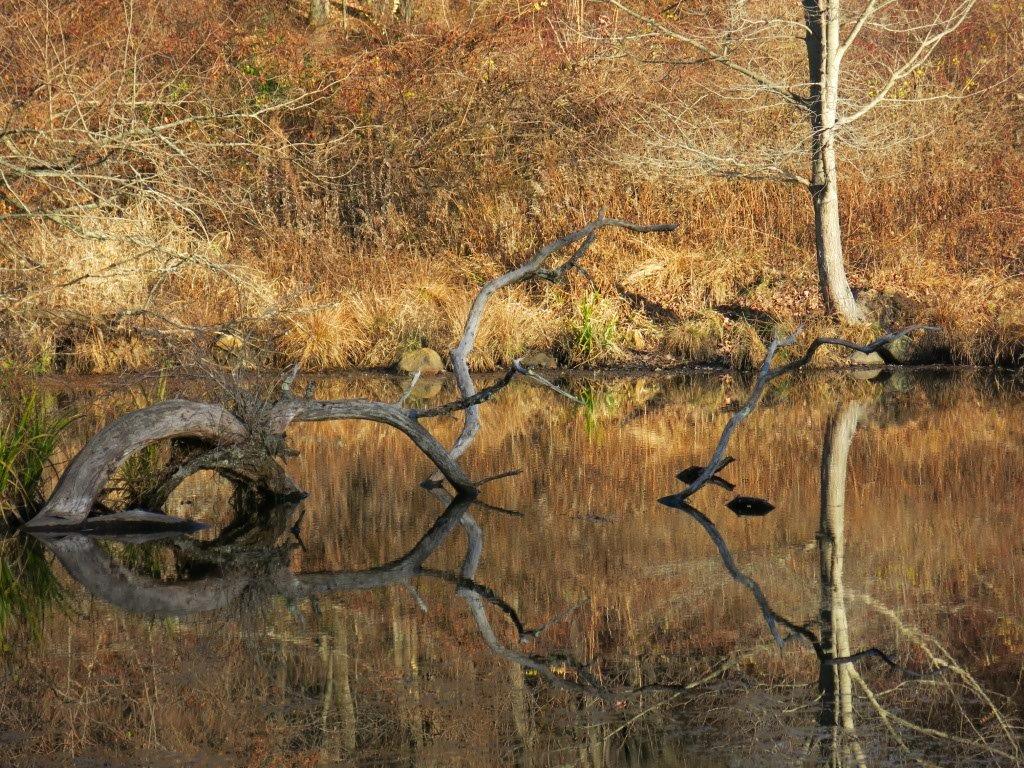
Look around in the garden, at this time in the north-East when nothing seems to be happening and all the deciduous plants have ‘died’ back, there is in reality a wonderful undercurrent at play. The same anticipation suffused tension that is palpable when the baton is being passed in a relay race, is underway in the garden. The lack of snow and mild temperatures this season have extended the time we get to view the beauty of plants in senescence.
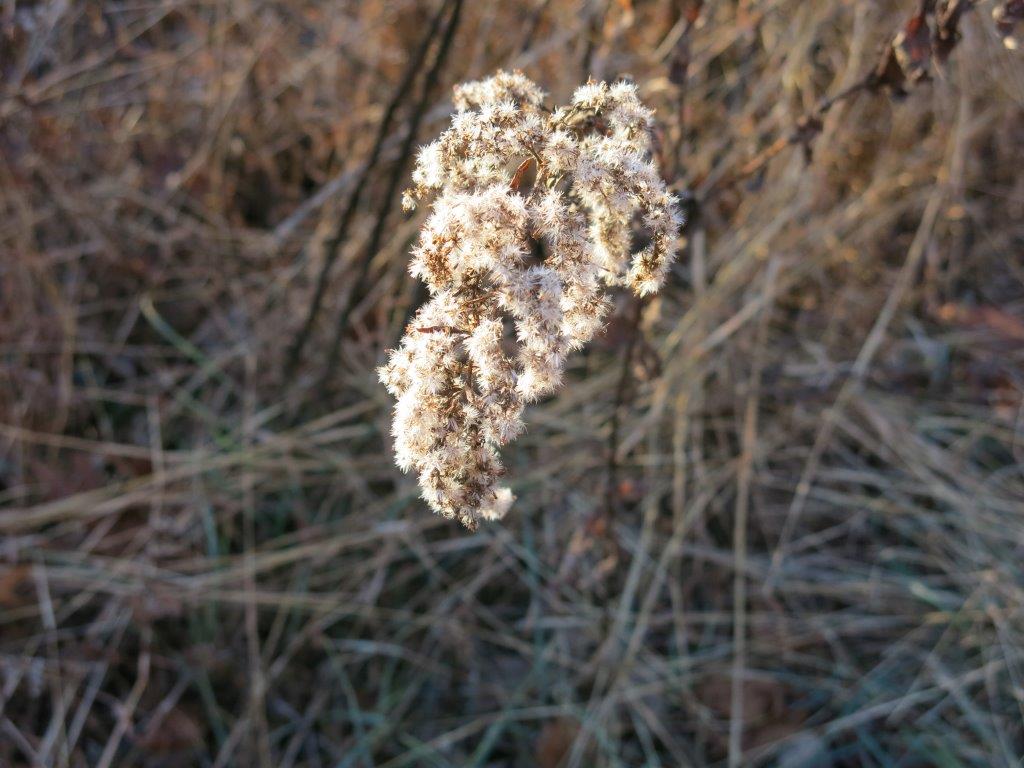
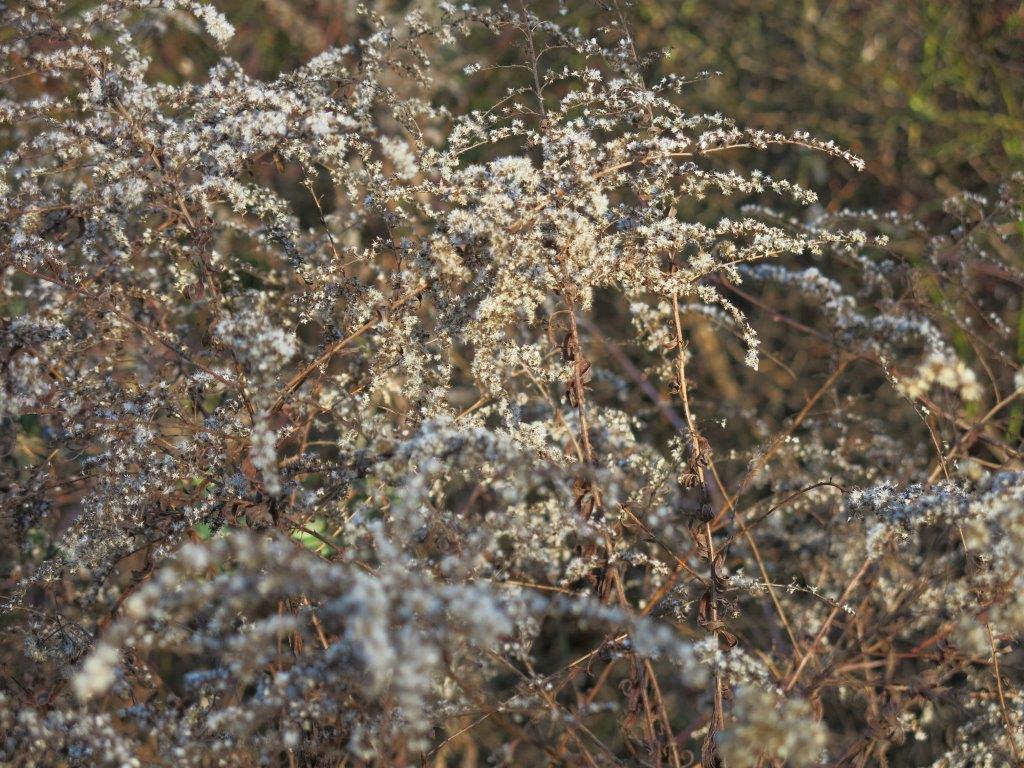
First, take an overview of what lies in front of you. There is an almost abstract beauty in the shapes of the plants and trees. The stands of withered plants provide seasonal interest in their sculptural forms and the palette of earth tones is an artist’s delight. Is there really that large a range of shades in the color brown?! Many of the flower heads retain their shapes and impart an ethereal loveliness in their faded hues.

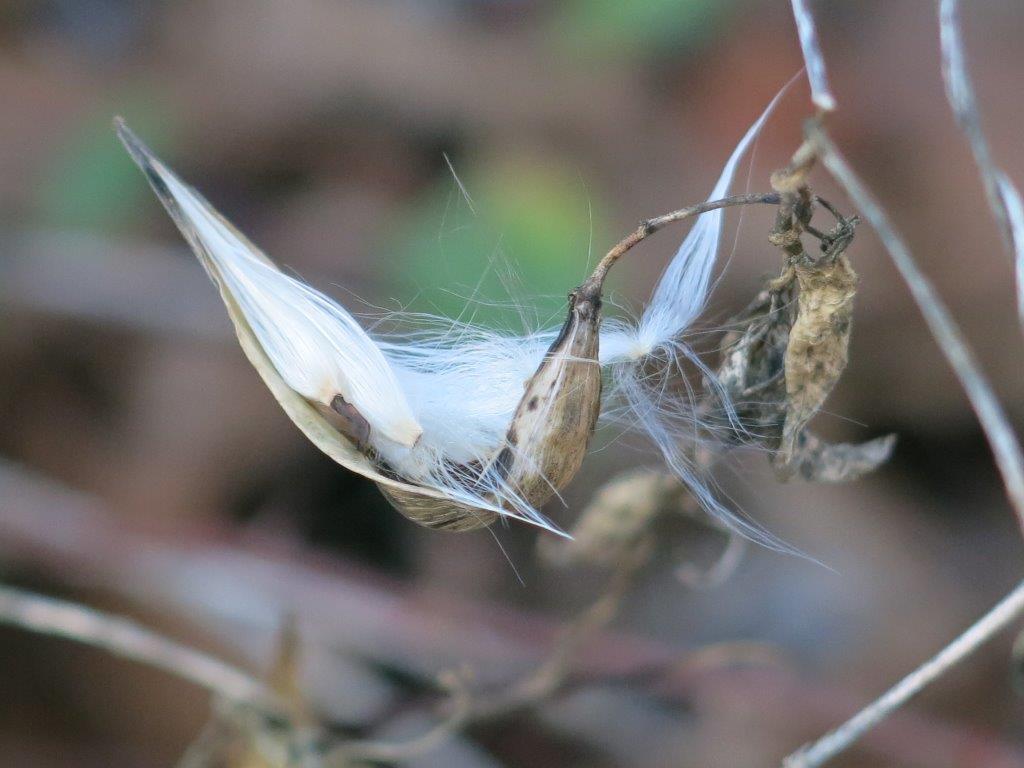
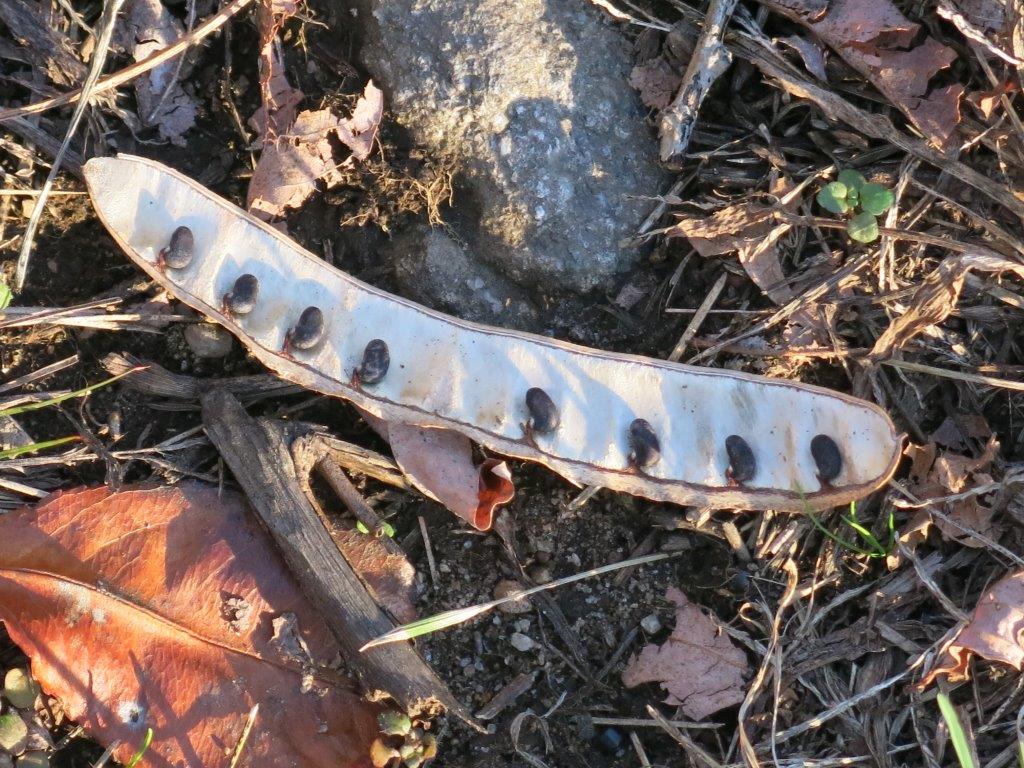
The dried flower heads, curled, wrinkly leaves and mysterious seedpods evoke the imagination. But even more than that, they epitomize life. Yes, life! While most of the organic matter will get broken down by microbes and the elements to enrich the soil that will nurture plant life, the seedpods signal the very birth of life. This is not just the end but also the beginning.

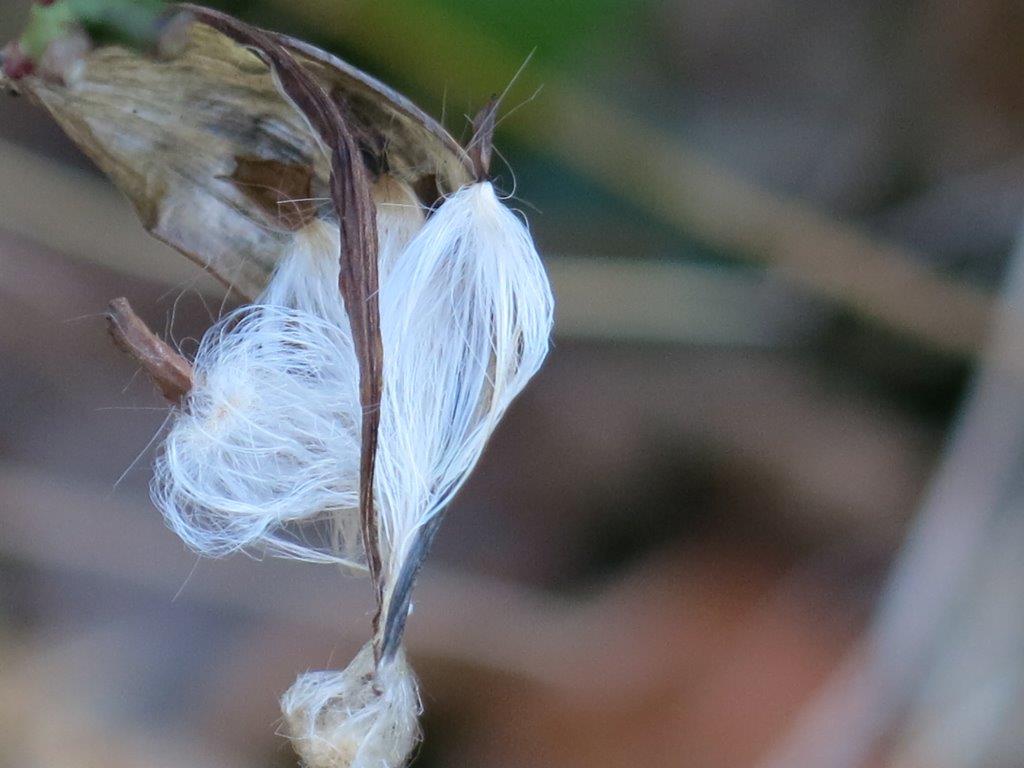
Look closer at those seed-bearing forms. There is such a variety in their representations; each of which, in its exquisite design tells how its seeds are dispersed. Feathery, fluffy, papery packages are primed for air mail. The wind carries them to destinations near and far. Then, there are those that hold appeal for birds by hiding within edible fruit. Distributed after digestion is complete, the seeds set up home when and where conditions are ideal. Some plants, like mothers who cannot let go, drop their seeds right around themselves.
Seedpods are also miniature instruction manuals illustrating sound  form-follows-function design. They hint broadly at the interdisciplinary nature of art, physics, engineering and architecture. And at the very heart of it all, is the lesson in biology. The circle of life. There is no beginning without end and no end without beginning.

A tiny seed is enough to remind us of the marvels of nature. It contains all the information it needs for its life purpose and, goes about doing just that. Waiting patiently for the right time and making the most of wherever it finds itself, a seed fulfils that commitment to the very best of its ability. It shows how to live bravely and die just as bravely. There is a strong yet gentle lesson in there for us.

“To see a world in a grain of sand
and heaven in a flower
hold infinity in the palm of your hand
and eternity in an hour”
– William Blake

Lots of images below to celebrate senescence! :

IMG_8722

IMG_8697

IMG_8701

IMG_8763

IMG_8758

IMG_8711

IMG_8712

IMG_8714

IMG_8719

IMG_8729

IMG_8732

IMG_8737

IMG_8755

IMG_8764

IMG_8766

IMG_8772

(c) 2016 Shobha Vanchiswar

[do_widget “Blog Subscriptions (Jetpack)”]

Sweet Holy Grass!

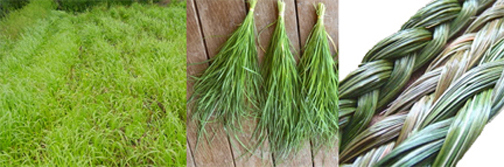
This is a good news/not so good news post. First the good news. Turns out, in the search to find powerful yet natural mosquito repellents, we need but look at one of our very own native grasses – specifically, sweet grass Hierochloe odorata. It also goes by the common but very auspicious names Holy grass, Manna grass, Mary’s grass, Peace grass, Unity grass or Vanilla grass. In north America, Hierochloe odorata occurs in southern Canada, northern Great Plains/Rocky Mountains and northwest of U.S., and New England. Not to be confused with the sweet grass Muhlenbergia filipes found in the southeastern United States.

Long used by Native Americans to deter mosquitoes, it is a sacred plant, used in peace and healing rituals. Leaves are dried and made into braids and burned as vanilla-scented incense; long leaves of sterile shoots are used by Native Americans in making baskets. The plant is showing great promise in scientific research. In laboratory tests, two sweet grass compounds drove mosquitoes away just as well as the widely-used repellent Deet. Imagine that!

One of the compounds is coumarin. Not only effective but it smells good too. Same stuff that renders Skin So Soft ( Avon’s moisturizer) as an anti-mosquito salve. The product is not advertised as such but users have long known it’s additional property. Coumarin is also a safe chemical.

Smells fine, safe to use, fends of mosquitoes – hmmm, what’s the problem then? Studies are still required to see how long the effects last. Oddly enough, coumarin is not registered or marketed as a repellent.

The second compound isolated from sweet grass is phytol. A common constituent in essential oils from plants. Phytol, similarly, is known to repel insects but is not currently sold for that purpose. Go figure.

And therein lies the not so good news. It’ll be at least two to three years before all of the research is completed to establish the efficacy, Still, I’m optimistic. I dream of summer evenings spent in the garden sans the swatting and scratching.

In the meantime, I’m seriously planning to introduce sweet grass in the garden. Hierochloe odorata is a very hardy perennial, able to grow to the Arctic Circle. Its leaves do not have rigid stems, so only grow to about 20 cm (7.9 in) in height, and then the leaves grow outward horizontally to 100 cm (39 in) long or more, by late summer. Grown in sun or partial shade, they do not like drought. Seeds are usually not viable, or if they are viable, take two to three years to develop a robust root system. So I’m guessing they will not be invasive.

I think testing out this plant near outdoor dining areas, swimming pools, children’s play areas and other spaces where humans gather, will be worth trying. I understand that the grass’ mosquito fighting property is more potent when it is dried so wearing a crown and garland of braided sweet grass might well become my go to accessories for outdoor soirées. At least until coumarin is available as a commercial product. I will check if my local nursery carries the plant or will get me some. Stay tuned!

If any of you have knowledge or experience with sweet grass, please share!

SW5-5

sweetgrass10

Hierochloe-odorata-Sweet-Grass-field

(c) 2015 Shobha Vanchiswar

[do_widget “Blog Subscriptions (Jetpack)”]


Planning Time

I’m thoroughly enjoying this protracted autumn. While concerned thoughts of global warming and memories of last winter come to mind, I’m nevertheless taking full advantage of these magnificent, sepia-hued days.

After months of giving us its all, the garden has slowed down and retired for a much deserved rest. Now is the time to envision our plans for the ‘perfect’ garden. This quiet period is exactly when we must do the hard work of planning, preparing and executing ideas and dreams. The fullness of spring and summer do not let this happen. If you have an image in your mind/phone/camera that depicts your version of paradise, then the moment is nigh to begin making it a reality. By the time winter is making an exit, your dream garden can be well on its way to becoming a reality.

With this intent, the old pergola is being replaced by a better, bigger and sturdier one. The two wisteria that ramble all over it can at this time be safely clipped and propped to remove the existing structure from under. The slate flooring below now has the four concrete foundations poured, set and waiting to support the posts of the cedar replacement.
Not only could this task not be done in the growing seasons, it would have been difficult to actually visualize the dimensions and design of the new pergola in the midst of so much growth.
Come spring, the wisteria should be able to resume its jolly habit of sprawling and wrapping itself all over. I fully expect to be thanked for their new accommodations with prolific blooms..

Even as the hedges, trees and grasses provide the ‘bones’ of the garden, the seed heads and waning foliage offer a visually textured feast that glows in the low autumn light. I see the ‘holes in the plantings and make notes. In the next few weeks, I will select appropriate additions for these areas. Just like the seedpods, our minds are full of promises to come.

On my walks in the woods, I observe trees and plants that trigger my acquisitive habit. I return to my garden to see clearly just where I might be able to introduce the coveted ones. Given that the garden is small and already intensely planted, only a few from my wish list will make it. But I’ll keep in mind the rest as they can be placed in other gardens.

The natural undulations of the land are visible now that vegetation is either cut down or removed. This permits me to see how the flow of rain water is guided and why certain plants did well and others did not. These same crests and dips dictate to the required height specifications when introducing plants to be a part of a natural grouping or meadow. For instance, a low growing plant set on a higher point will be visible and show itself at equal stature to a mid-height plant growing in an indentation. All planting does not require a flat surface.

Similarly, decisions on fences and hedges can be made in the clarity of a garden in hibernation. Style, height and function are made apparent. Let the earth speak to you.

In the process of noting, observing and planning for the garden, I find myself filling up on creative inspiration for new art and poetry as well. Nature has that knack. She will open your mind and expand your heart every time you spend time with her. And she will give you enough work to do for a lifetime.

Announcements!:

1.For those of you following my work with the HIV/AIDS children, a new post has been added on the Lucky Ones page: the-van-den-bergs-visit-the-children-november-2015

2. Three opportunities to buy art and related products for the holidays: https://seedsofdesign.com/happenings/

I am participating in all three. Do come. Support the arts by giving art!

Enjoy the photos of late fall:

IMG_8541

IMG_0875

IMG_0876

IMG_8534

IMG_8547

IMG_8558

IMG_8568

IMG_8561IMG_8575

IMG_8578

IMG_8576

(c) 2015 Shobha Vanchiswar

[do_widget “Blog Subscriptions (Jetpack)”]


The New Perennial Movement

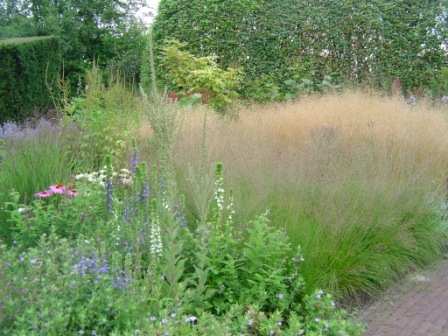
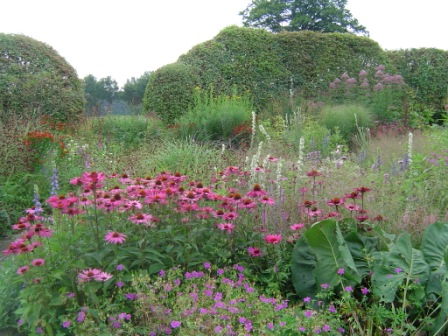
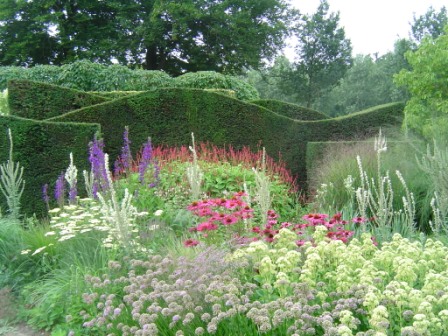
I’m quite taken with this style in garden design. It got the garden world’s attention a little over ten years ago but has become a ‘here to stay’ type of style in the US more recently. Having been a long time fan of the Dutch nurseryman and designer Piet Oudolf, I’ve followed the emergence of his concept very keenly. Piet is best known for using bold drifts of grasses and herbaceous perennials that are selected for both color and structure. Indeed, his hallmark has often been referred to as the New Dutch Perennial Movement.

The overall effect is one that looks and feels very natural. There is an easy-going, informal ambiance in these gardens. And while Piet is widely acknowledged as the father of this new movement, if one digs deeper, one finds that the ideas are really not so new but Piet perfected it, Between the North American Prairies and the German plantsman Karl Foerster style in the very early 1900’s, one can clearly see the principal influences of the current movement. It is plainly all about using rugged, hardworking perennials and grasses to create a modern, fresh look.

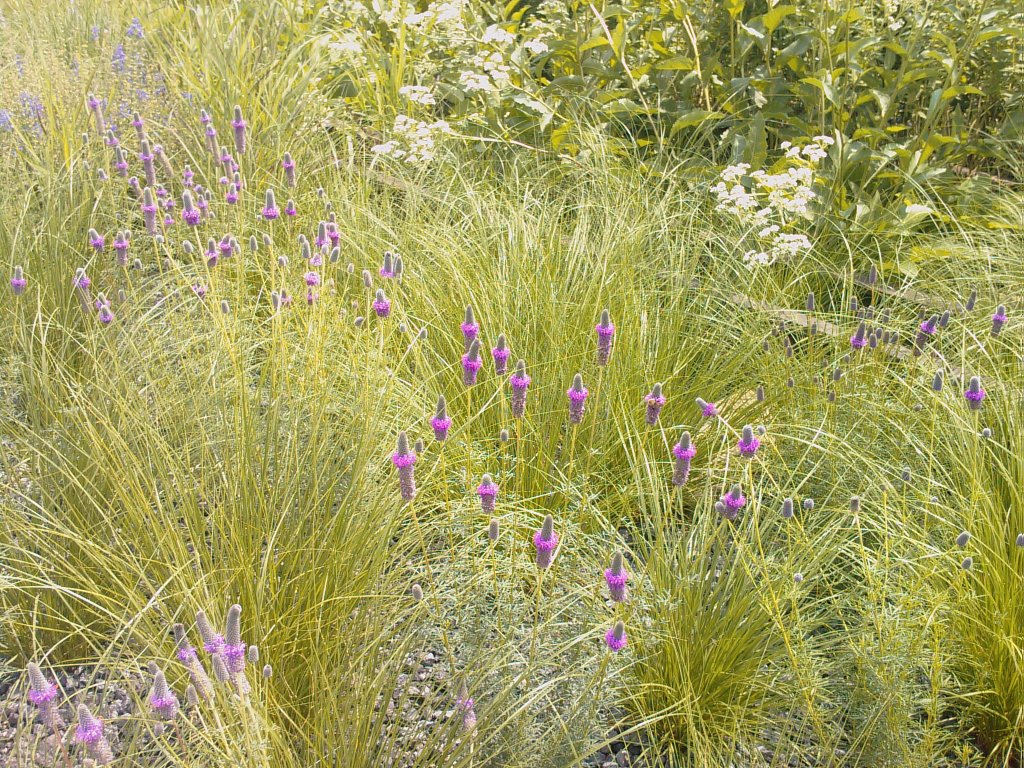
What I particularly like about this style is that not only does it look quite stunning and au courant, it utilizes common and largely native American perennials. The effect is harmonious and natural – which is in keeping with the move towards living more simply, organically and authentically. It is not fussy or overly structured. It feels right. Everyday plants such as Rudbeckias, Solidago, Verbena, Echinacea, Achillea, Eupotorium abound. The grasses being such a vast and diverse family, can be selected to suit taste and climate. Hence, to make such a garden is not only a matter of easily obtaining the plants but the cost can also be easy on the wallet.

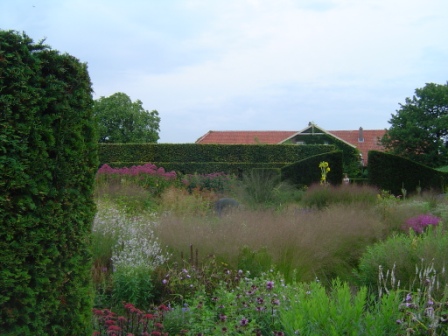
The challenge lies in coming up with a planting scheme that appears to flow well and yet, bears some semblance of order. It is easy to go wrong and make it disheveled in appearance. My advice is to start simple and small. Work out the kinks and then expand the scheme. In Piet’s own garden, he brilliantly contrasts the deliberate and thoughtfully created informality with the very orderly and well trimmed green hedges that enclose the garden.

I’m moving slowly towards this style. Sort of dipping my toes in this tide. I’m beginning to feel that I’ll have to take the plunge soon. Over the years, I’ve been adding those aforementioned hardy natives. More grasses are needed – my hesitation is mostly because I’m not sure what will work for my garden and my preferences. I plan to do some major research in that area over the winter. The cool, ecologically sound factor of this type of garden beckons.

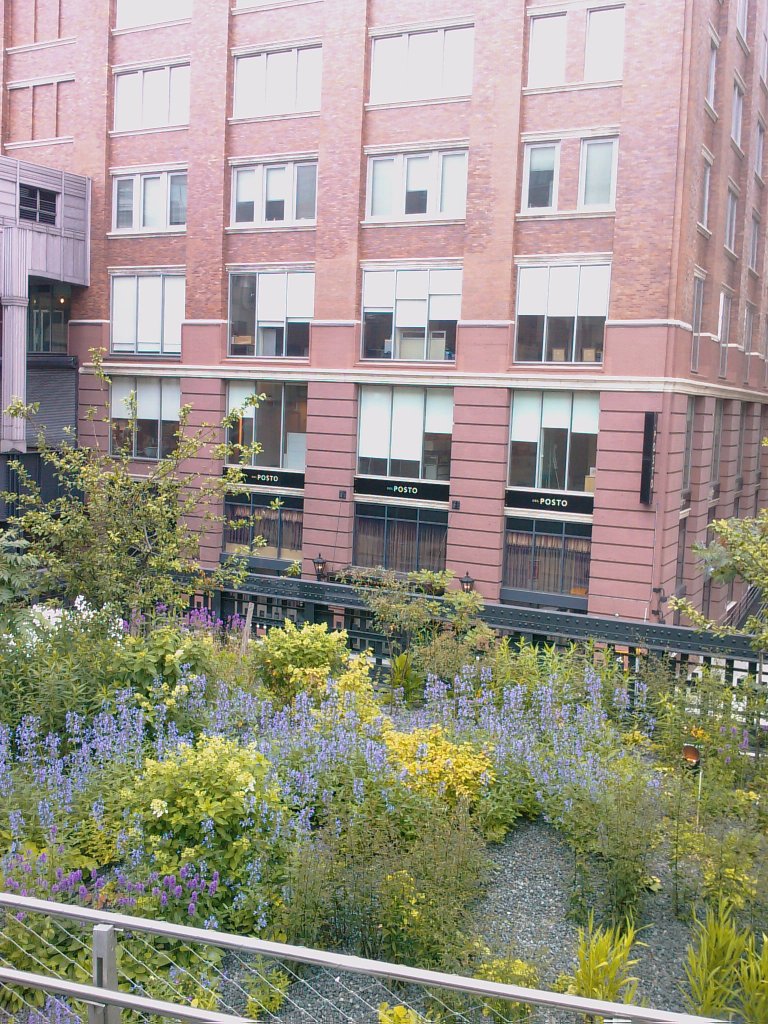
Check out Piet’s work at the NYBG and the High-Line in NYC.

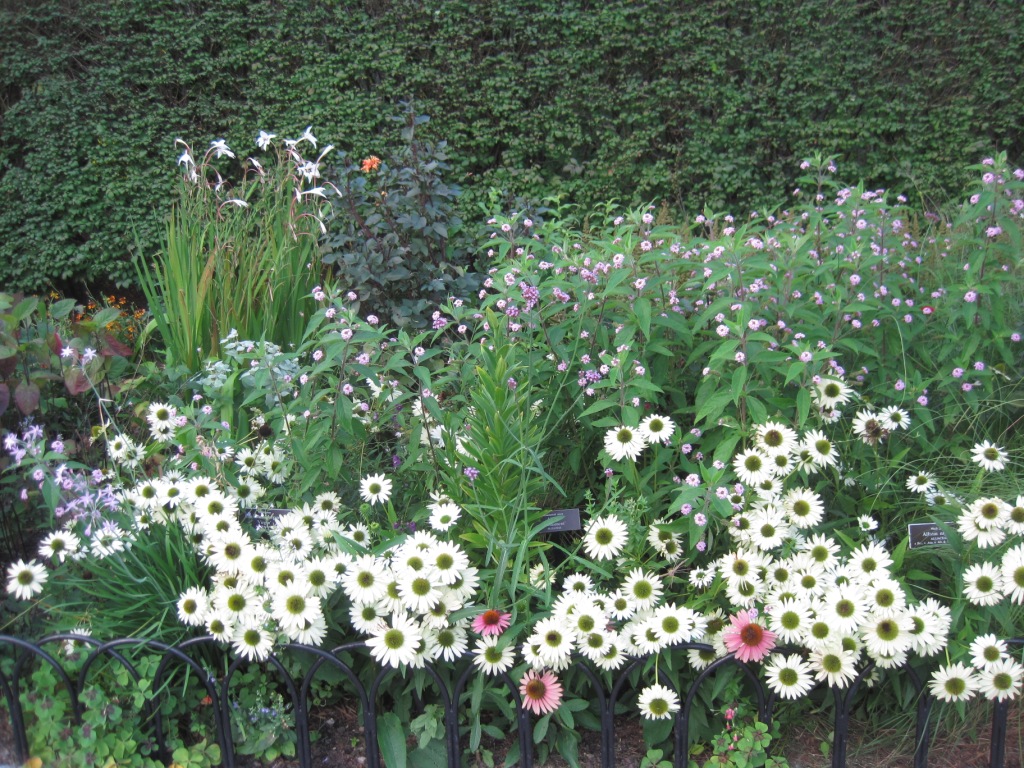
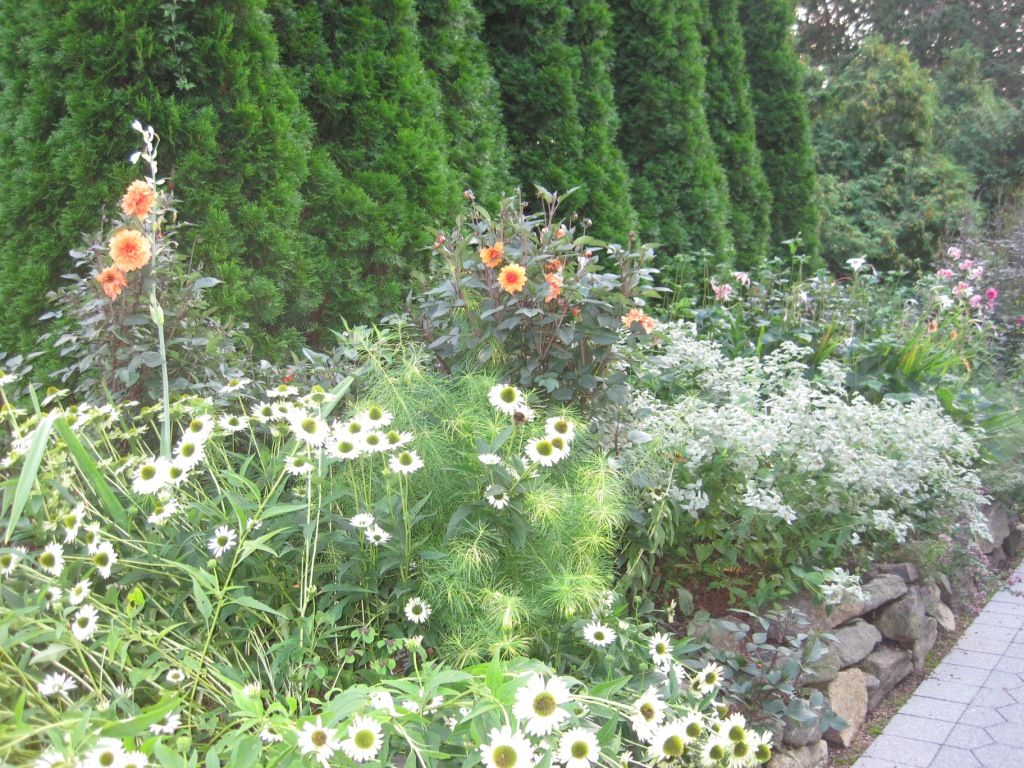
I’m adding lots of photos to give a good idea of this type of design. Hope it will inspire and instruct:

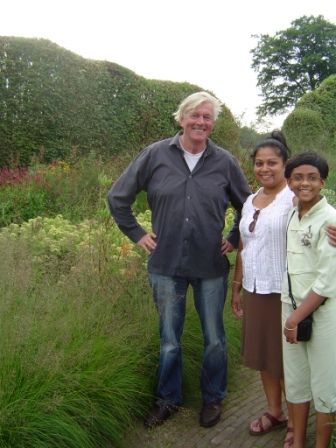
In Piet’s garden in Hummelo, Netherlands:

DSC05190

DSC05199

DSC05200

DSC05201

Posing with Piet

Posing with Piet

DSC05204

DSC05206

DSC05208

Piet’s work at the NYBG:

IMG_4967

IMG_4979

His work at the High-Line:

IMAGE_057IMAGE_058

IMAGE_061

(c) 2015 Shobha Vanchiswar

[do_widget “Blog Subscriptions (Jetpack)”]


Planting Bulbs With Henriette

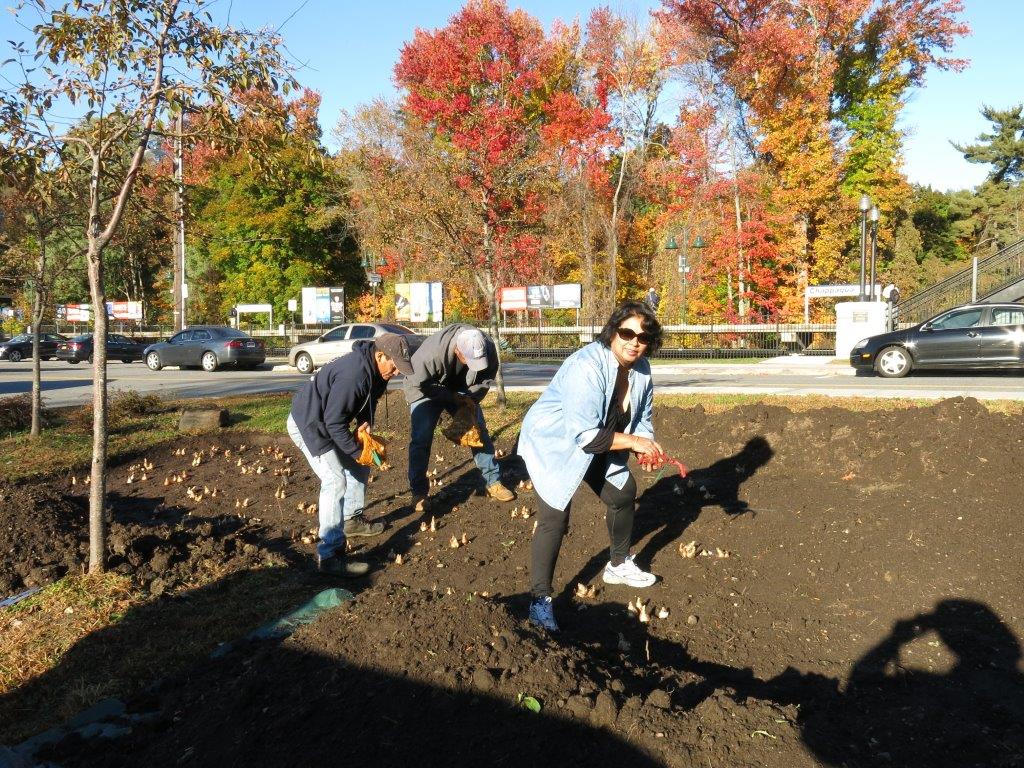
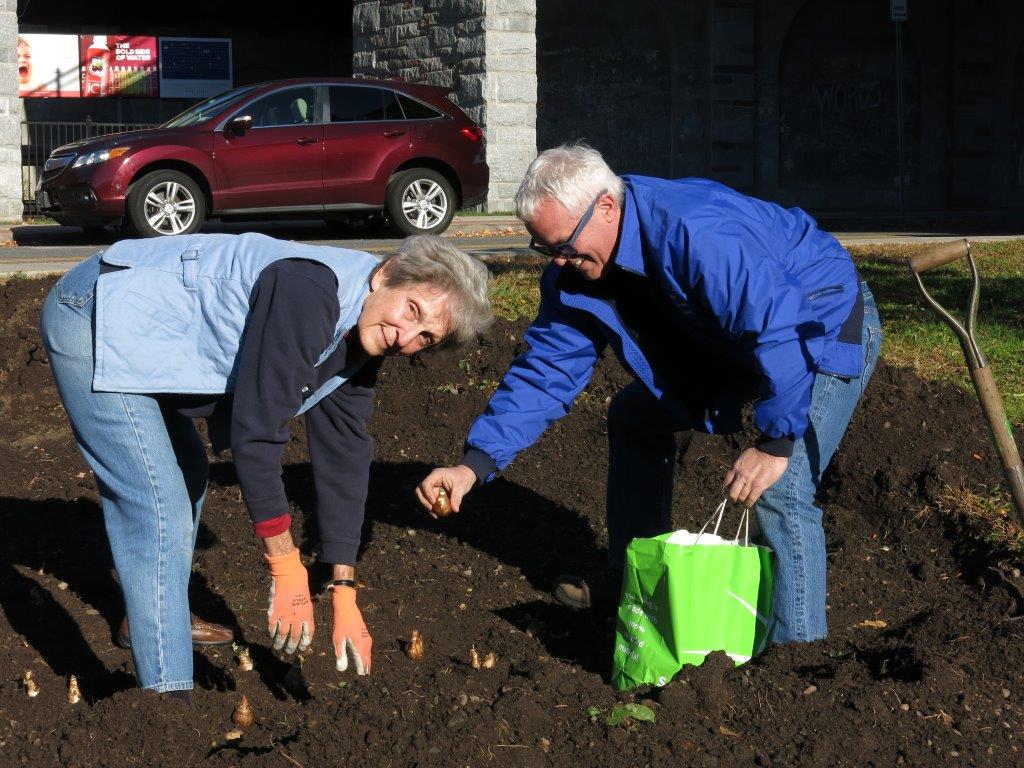
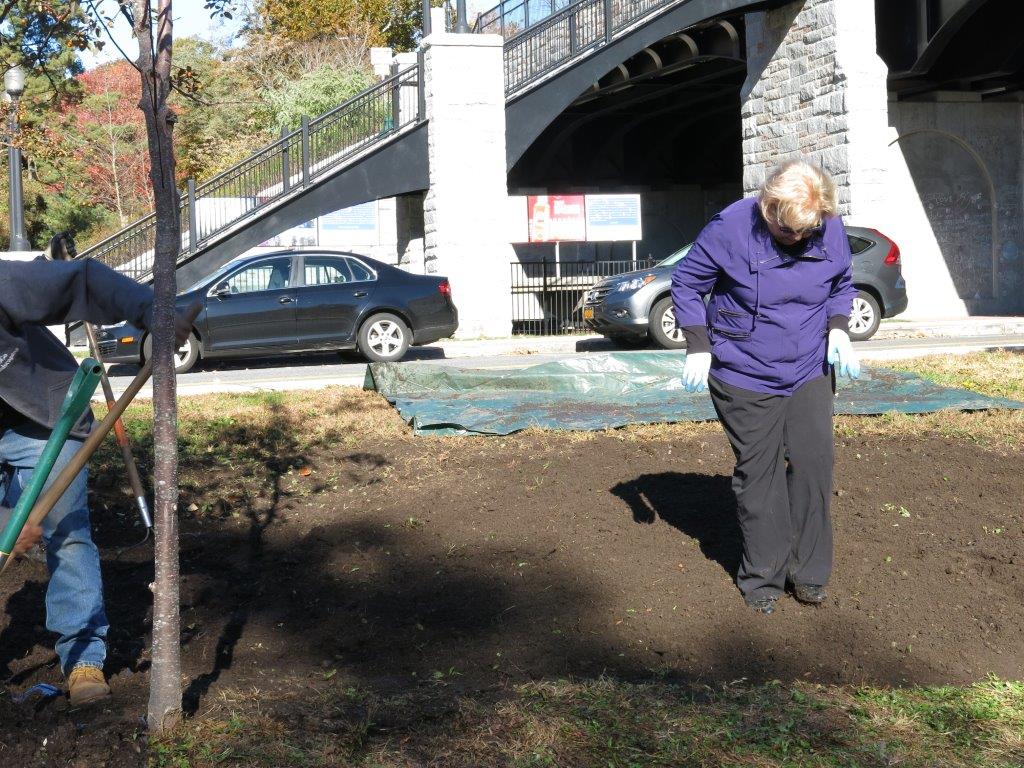
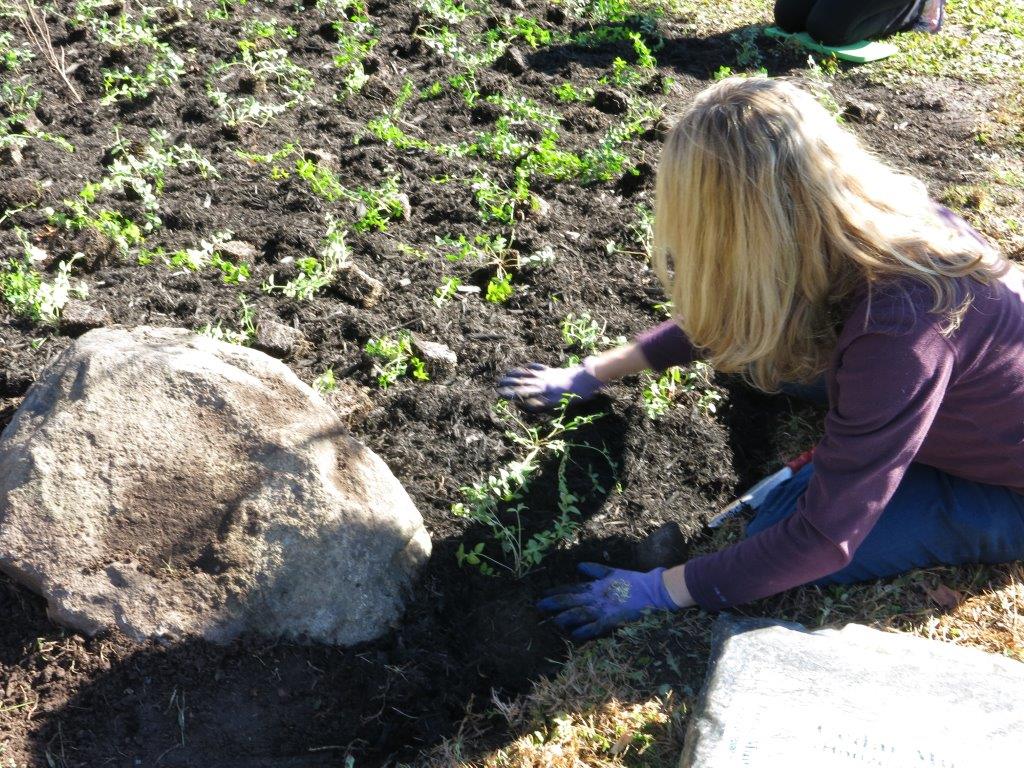
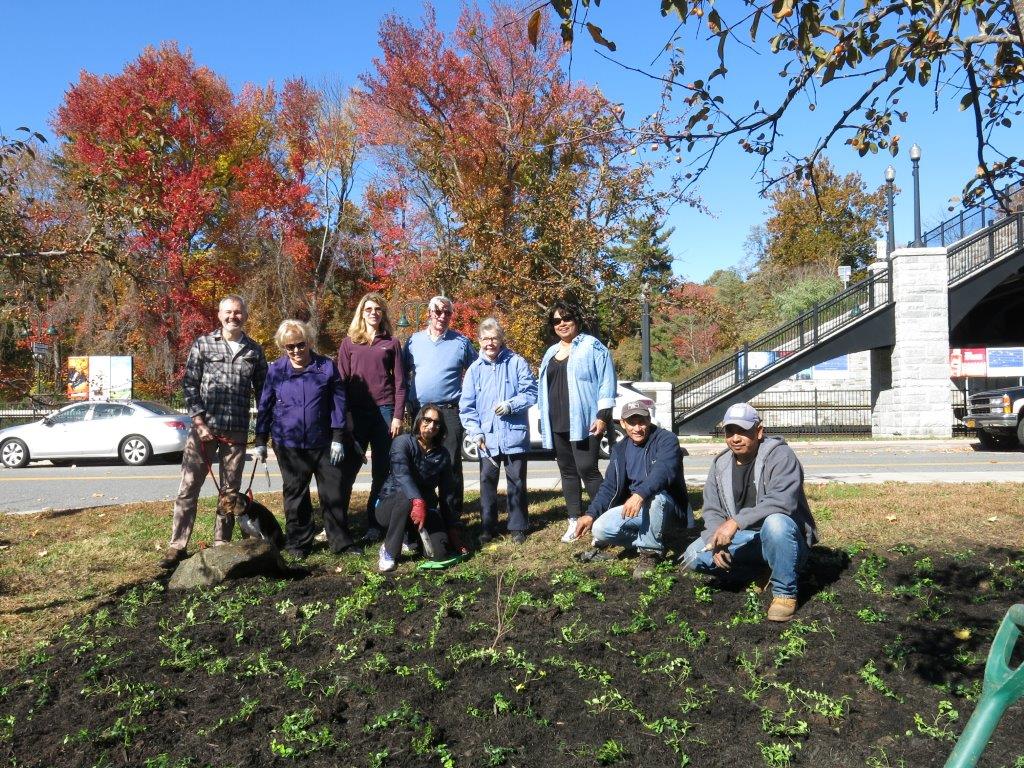
On Friday, October 23, 2015, about 1,500 bulbs were planted in memory of Henriette Suhr. The weather was perfect for this project – sunny with a seasonal chill. In clear view of the hills blazing fall’s russet and ochre hues, about a dozen of us planted what will be a most splendid sight next spring. Hundreds of Chappaqua commuters will be treated to the show.
To keep it simple, a variety of daffodils, scillas, crocuses and snowdrops were chosen.

As we planted, we exchanged happy memories of Henriette. She brought together so many of us and it was only right that here too, in the midst of gardening, we were reconnecting and strengthening our friendships. It is funny how a daunting task can be made easy when many happy hearts and willing hands come together. And so the job got done.

As I planted, took photos and chatted, it occurred to me that here was a perfect lesson – Bulb Planting 101. If one was interested in putting down a bed of bulbs for the first time, this was the ideal demonstration. In creating her own gardens at Rocky Hills, Henriette taught so many. Educating on horticulture, the environment and good design, she led by example. Now, once again, she was providing yet another learning opportunity. On my part, it was only right that I spread her message that we must always care for the environment with sensitivity and grace.

So here goes the pictorial tutorial:

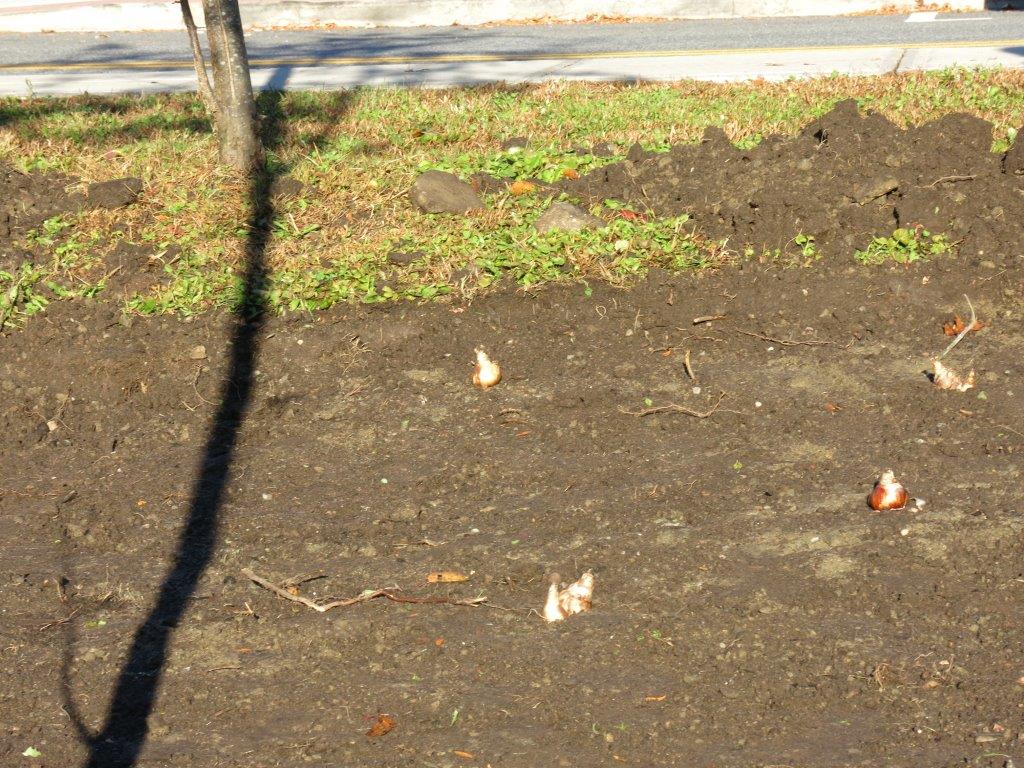
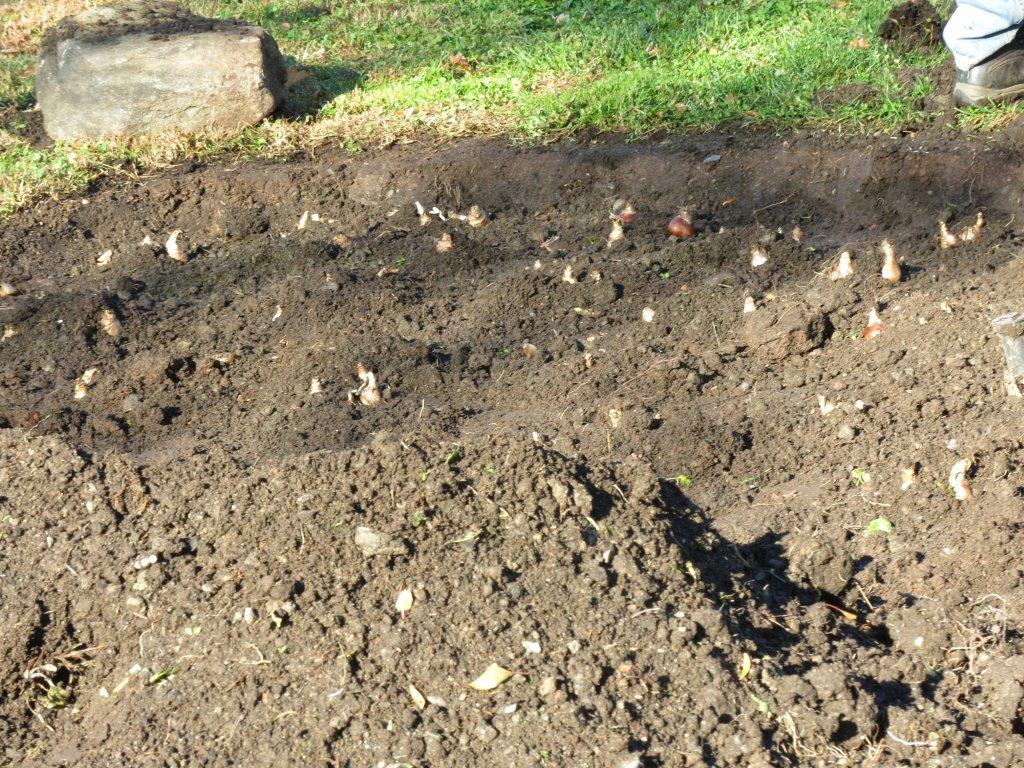
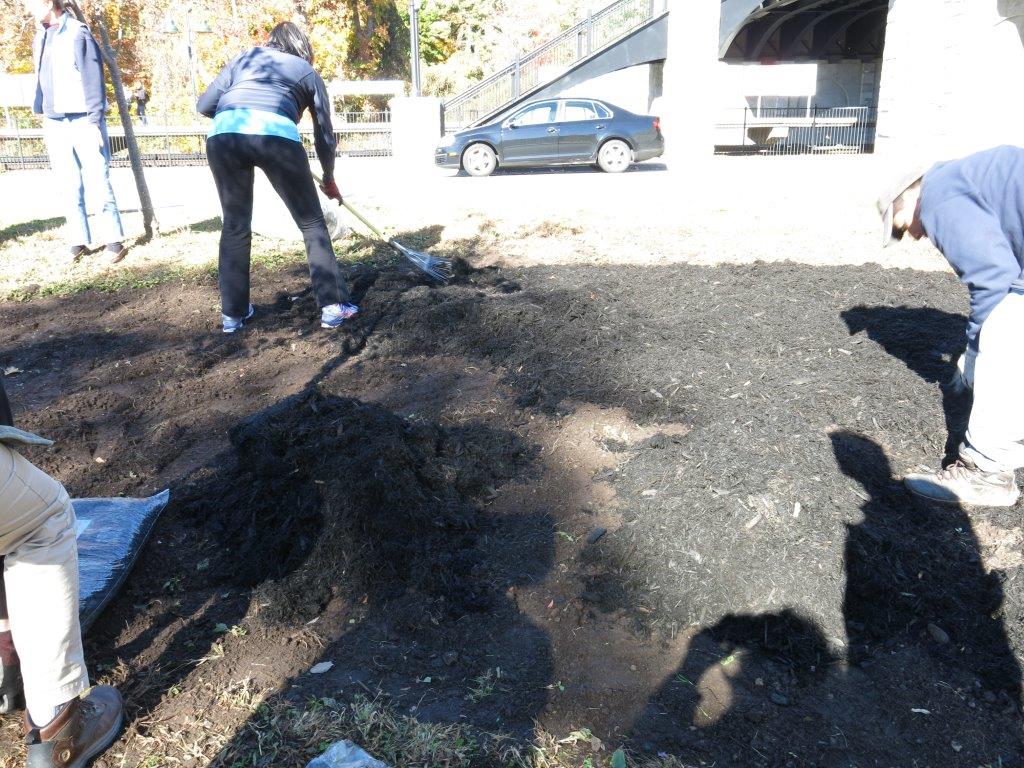
1. The selected site was just a typical grassy area. So, in preparation, the sod was removed and the area was dug to the depth required by the large daffodil bulbs. Remember, depth is three times the size of the bulb.

IMG_8407
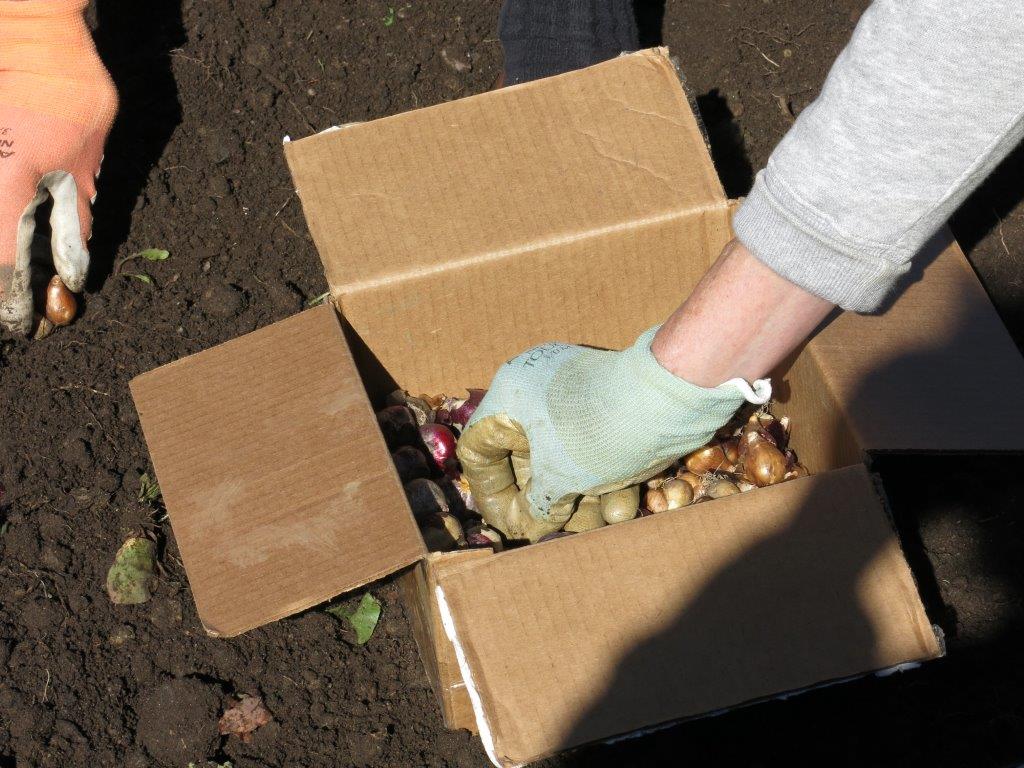
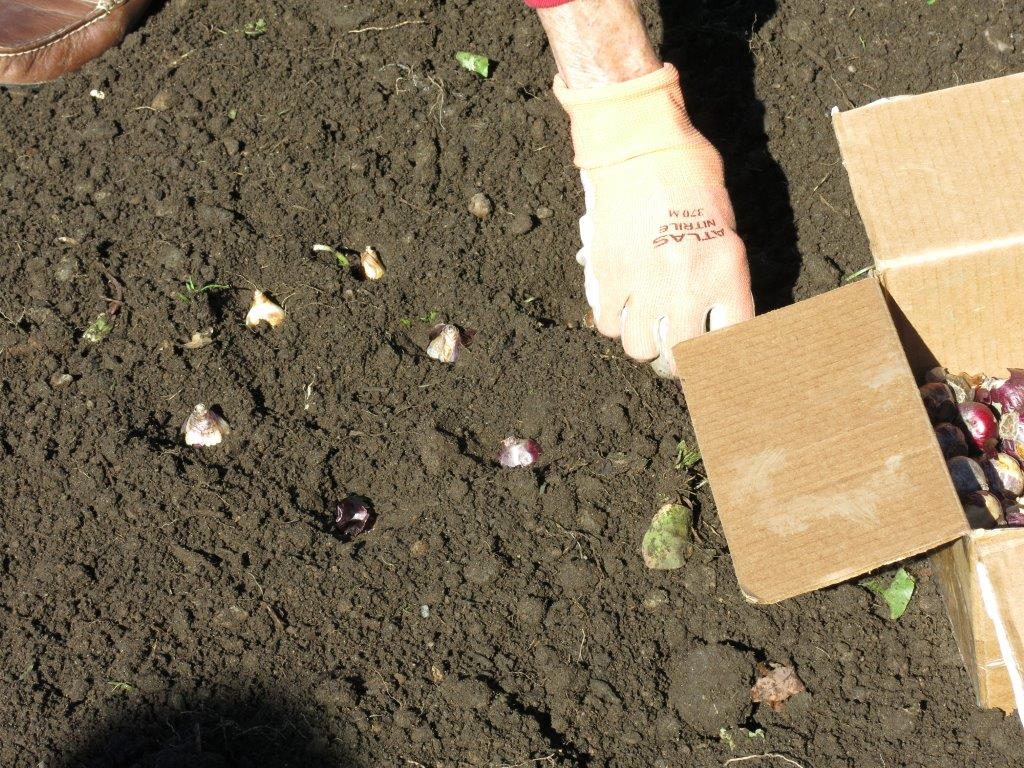
2. To create a natural, informal look, the different daffodils were mixed up and placed in no particular pattern in the trench. Kept about 5 to 8 inches apart, the bed will look thickly planted.

IMG_8410

IMG_8418

Scott Medbury, director of the Brooklyn Botanical Gardens plants with volunteer and my dear friend Toni Kelly.

Scott Medbury, director of the Brooklyn Botanical Gardens plants with volunteer and my dear friend Toni Kelly.

IMG_8439
3. These large bulbs were then covered with soil. The depth was thus raised to be correct for the smaller bulbs.

IMG_8424

IMG_8440
4. Again, the minor bulbs were mixed and planted at random.

IMG_8443

IMG_8444
5. The remaining soil covered all the bulbs and filled up the bed.

IMG_8448

Fred oversees the whole operation

Fred oversees the entire operation

6. The whole bed was mulched with shredded cedar.

IMG_8451
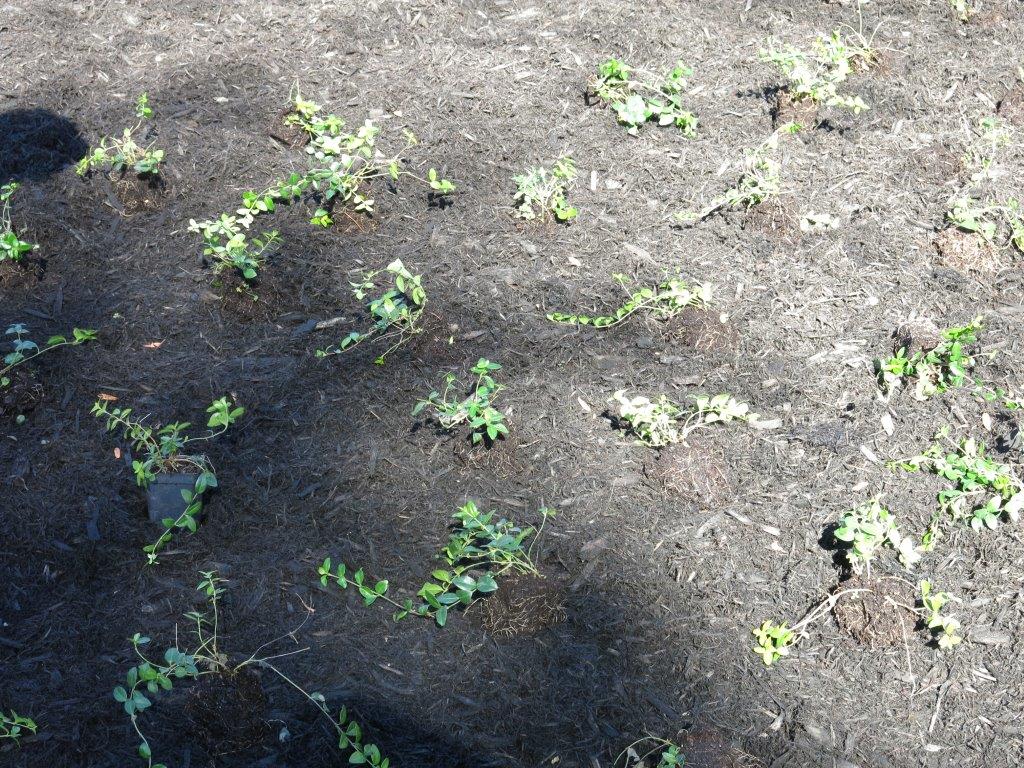
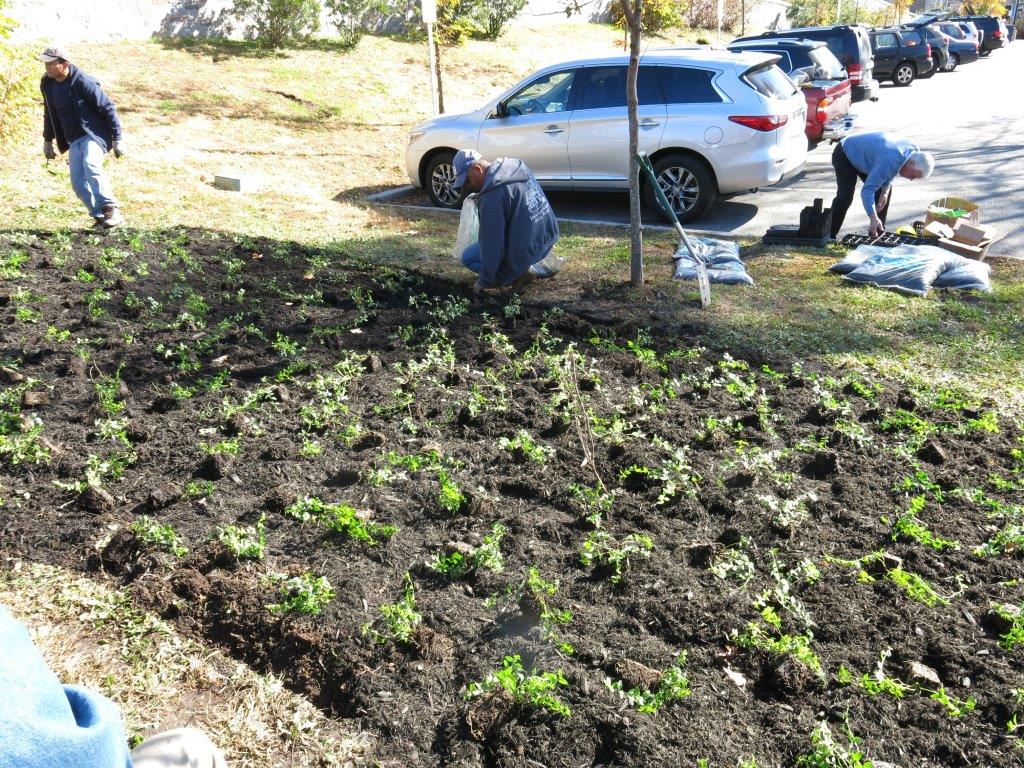
7. Finally, an evergreen ground cover of vinca/creeping myrtle was planted. The vinca will mark the bed and provide year-round definition. Its mauve-blue flowers will add an additional splash in spring.

IMG_8455

IMG_8461

This rock, brought in from Rocky Hills, will bear a plaque dedicated to Henriette.

This rock, brought in from Rocky Hills, will bear a plaque dedicated to Henriette.

8. The bed will be kept watered till the weather turns really cold. That ought to allow the ground cover to settle in nicely before the winter.

Part of the planting team,

Part of the planting team,

I can’t wait for spring! This bed should look lovely. I do believe Henriette would approve. I felt her presence the whole time we planted – as though she was gently guiding us along.
Once again dear friend, I salute you. You are deeply missed.

(c) 2015 Shobha Vanchiswar

[do_widget “Blog Subscriptions (Jetpack)”]

Surprise!

I love surprises. Not the scare-me-out-of-my-skin sort of surprises but more like the sweet, unexpected, put a smile on the face kind. Applying a sense of humor tempered with ingenuity results in the best kind of unanticipated joy. It is as much fun to think up such surprises as they are to experience.

I remember one April Fool’s day when I had the best time coming up with surprise after-school snacks for my daughter and her friend. How about sushi and baked potato with sour cream? The mortified look my child gave me when presented with those foods was priceless. I could see her wondering how she could possibly explain the weird parent to her fellow first-grader. All turned to laughter when they discovered that the potato was chocolate mousse cake covered in cocoa-dusted marzipan to look like a baked potato topped with creme fraiche. And the sushi was gummy bears wrapped in rice krispies and then further rolled with green, seaweed looking fruit leather.

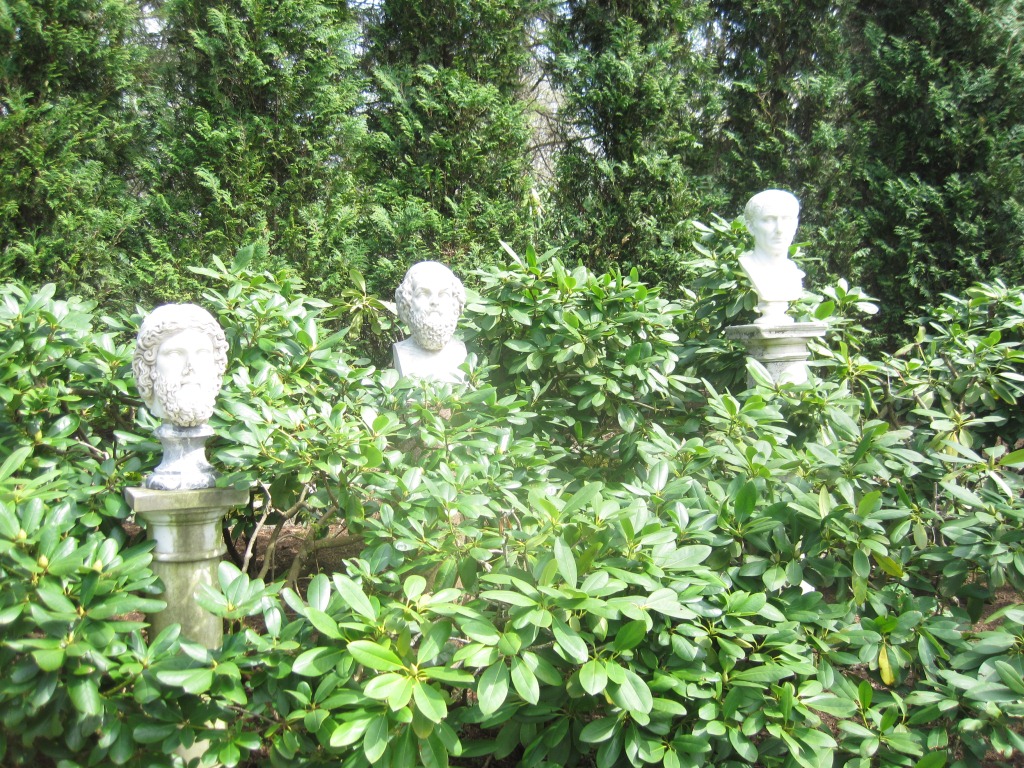
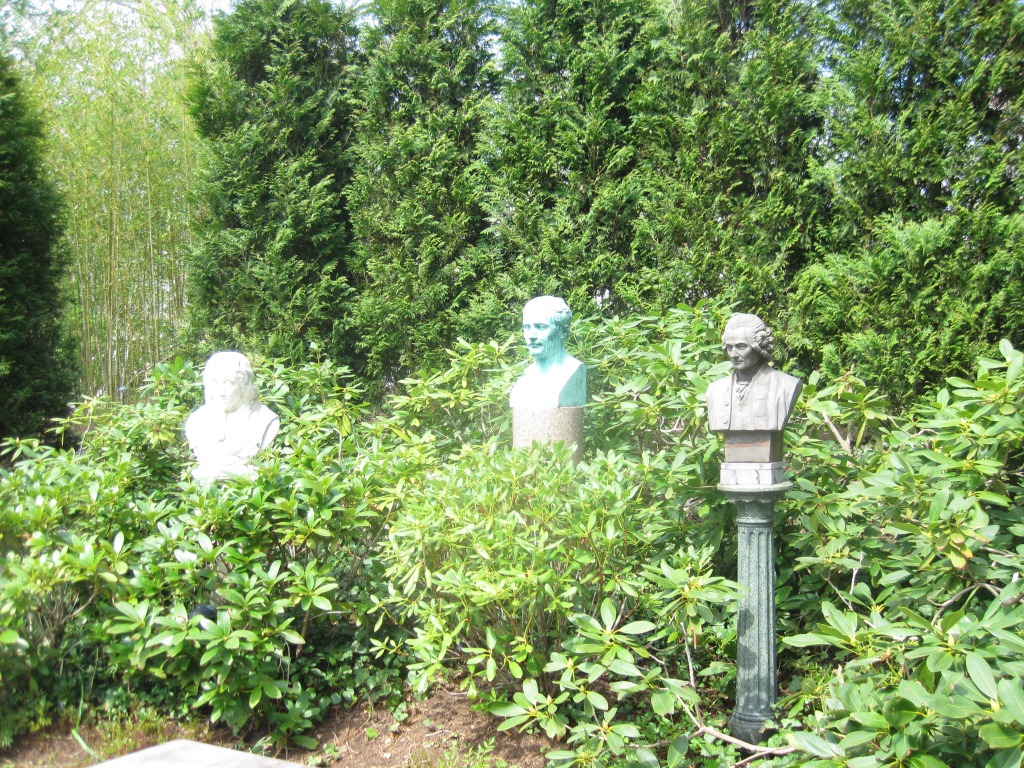
Similarly, the garden is a great place for clever amusement. They could be odd or unusual looking plants but more often, sculptures and other objects provide the better, longer lasting effects.
I won’t say any more. Instead, I’ll let the images below speak. Tell me what you think.

IMG_8653

The above two images show how to play down formality and infuse some humor. The busts peeking from the greenery look like a game of Hide and Seek is underway.

The above two images show how to play down formality and infuse some humor. The busts peeking from the greenery look like a game of Hide and Seek is under way.

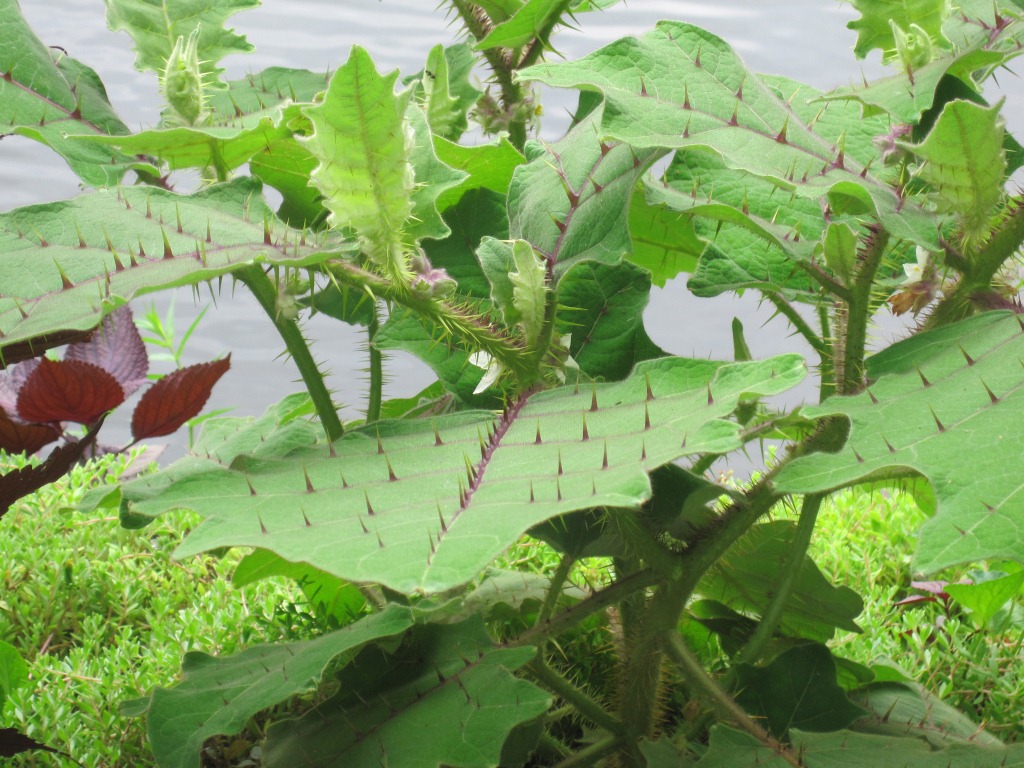
Check out those thorns on the leaves! Not great for surprises.

Check out those thorns on the leaves! Not great for surprises.

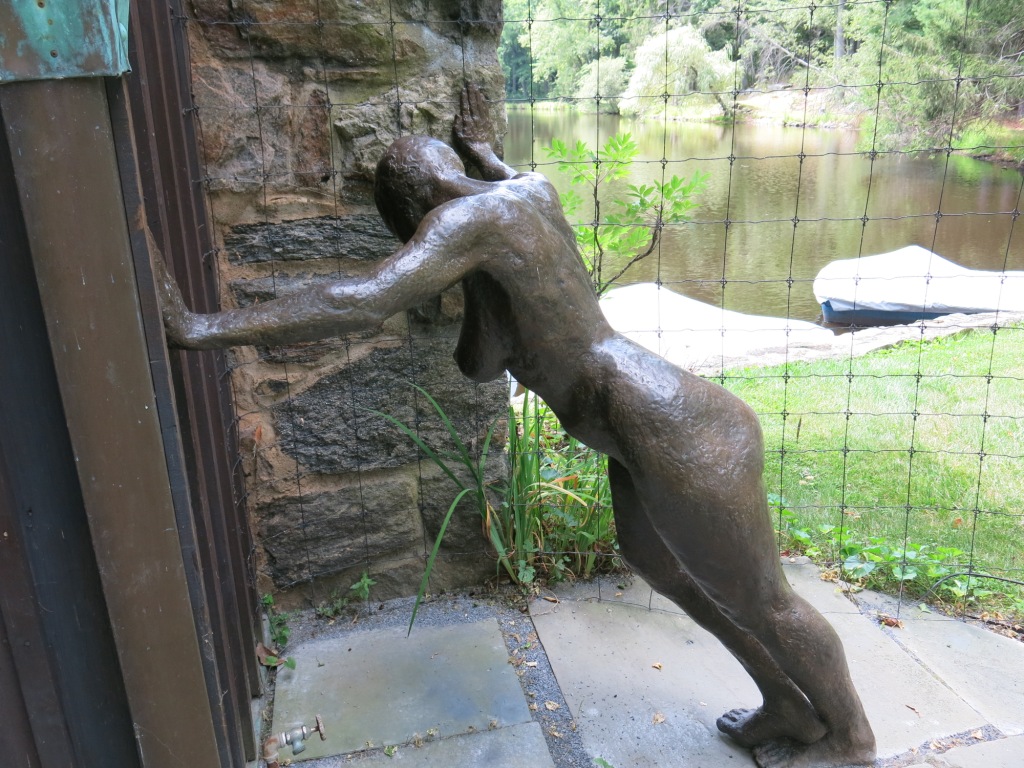
One can only see this sculpture if one comes around the corner of the pool house at the Bakwin garden. It is like a figure pausing for breath after a swim or game of tennis. I love that element of art situated so cunningly.

One can only see this sculpture if one comes around the corner of the pool house at the Bakwin garden. It is like a figure pausing for breath after a swim. I love that element of art situated so cunningly.

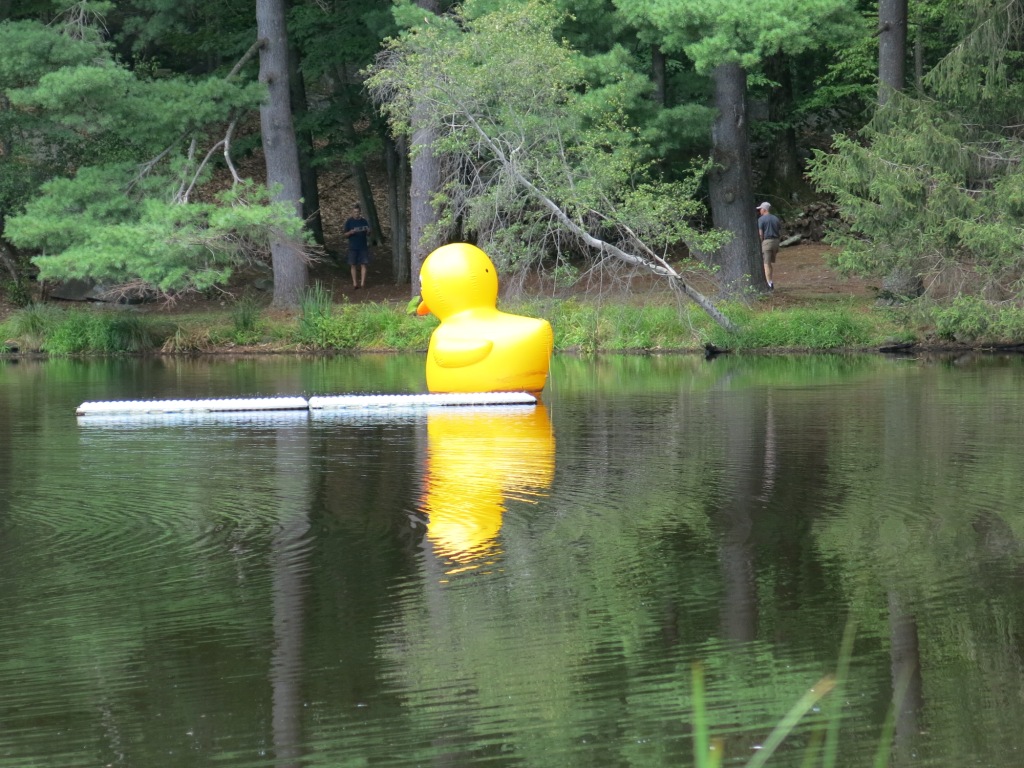
A giant rubber ducky! Also at the Bakwin garden - it is a laugh out loud sight amidst the very classy garden. Very fun.

A giant rubber ducky! Also at the Bakwin garden – it is a laugh out loud sight amidst the very classy garden. Very fun.

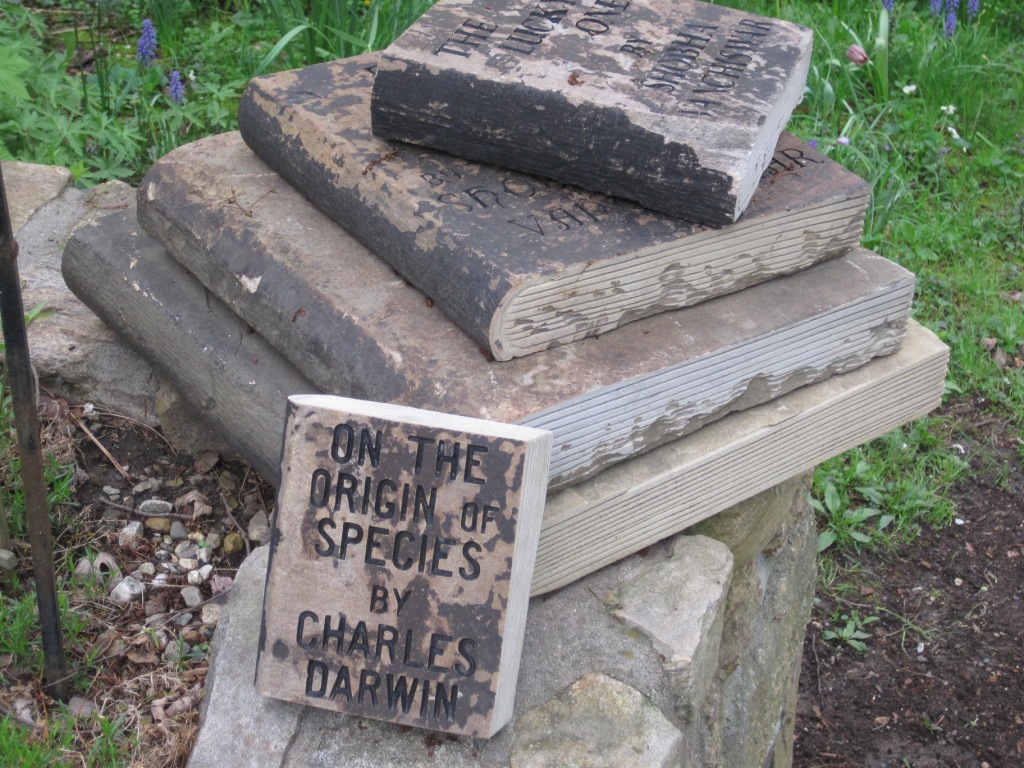
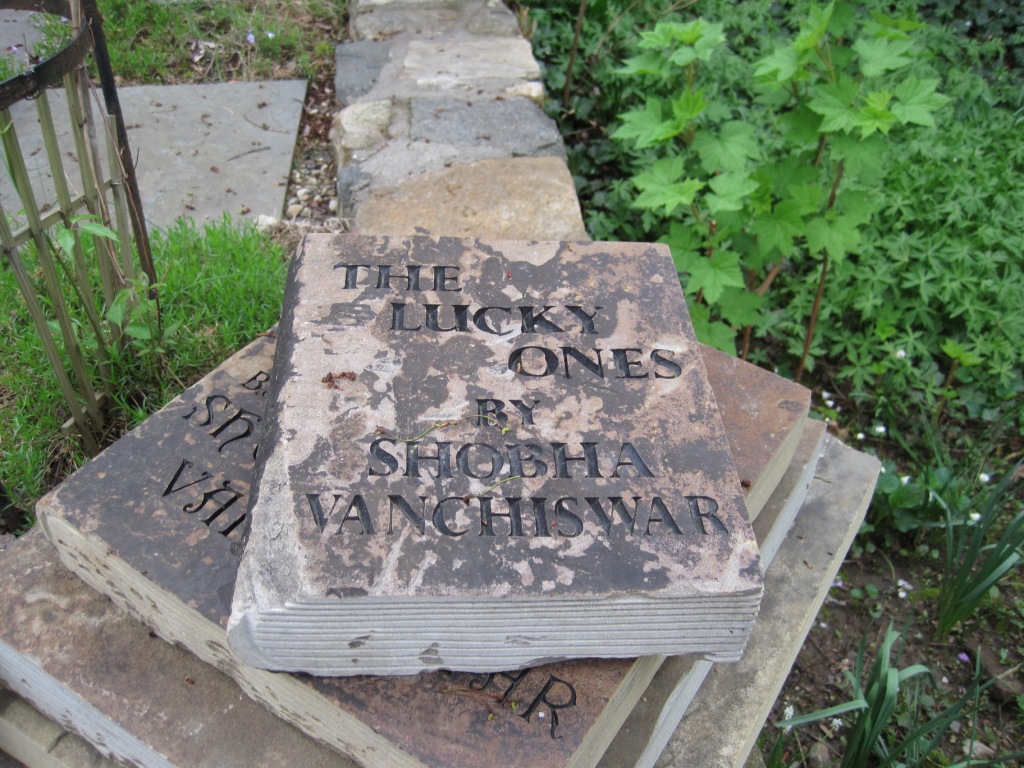
Books of stone in my garden. I had the titles engraved for a dose of fun and a bit of food for thought. This one says The Origin of Species by Charles Darwin.

Books of stone in my garden. I had the titles engraved for a dose of fun and a bit of food for thought. This one says On The Origin of Species by Charles Darwin.

IMG_3488

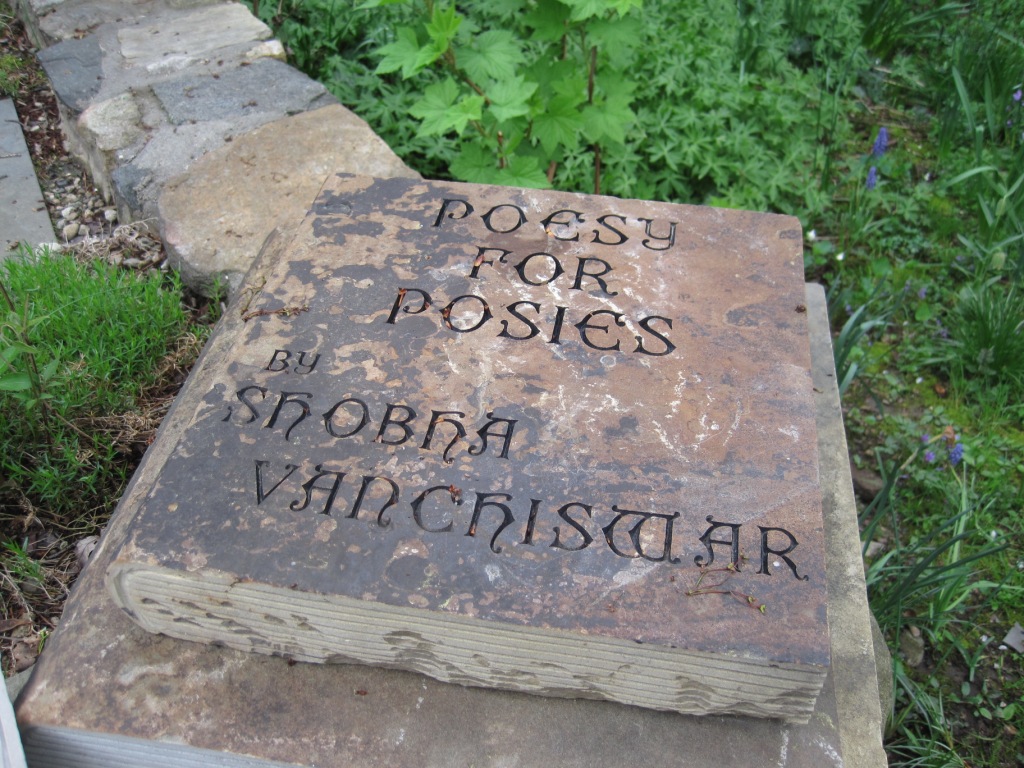
The last two photos refer to my own books. Why the heck not? It is after all my garden!

The last two photos refer to my own books. Why the heck not? It is after all my garden!

(c) 2015 Shobha Vanchiswar

[do_widget “Blog Subscriptions (Jetpack)”]

Color Me True

Remember the colors you liked as a young child? Bright, joyous colors that shouted out their exuberance! We dressed with abandon, matching purple socks with a magenta skirt that sported yellow polka dots. It made us feel so happy. I recall a favorite dress that screamed chartreuse and pink. And you know what? I still love that combination. Particularly in the garden. Think Euphorbia polychroma and Triumph tulips like Barcelona – acid yellow/green with fuchsia! Stunning right?

Yet, as we grow up, we permit all sorts of rules to be imposed on our sensibilities. We give in to norms and tastes that do not necessarily reflect our own. Afraid to be different and call attention to ourselves, we join the herd. Which is a shame. We need more unique voices in our midst. I’m not suggesting anarchy or that we be inconsiderate but rather, I’m calling for us all to be true to ourselves. Lets not hide behind uniformity or be bullied by arbitrary taste-makers. Instead, we can each be a distinct, exceptional piece in the social quilt of life.

If breaking out and expressing yourself in all areas of your life is a daunting thought, then start with your garden. Maybe just a single flower bed. Forget rules about how many of each type of plant, coordinating colors etc., Just go for what your heart desires. As you tend this patch, you yourself will work out the details and specifics that best appeal aesthetically. Soon, you’ll feel confident about spreading your preferences to the rest of your garden. From there, move on to your home’s interior, your clothes, jewelery, choice of reading material…. take my word, you’ll feel good.

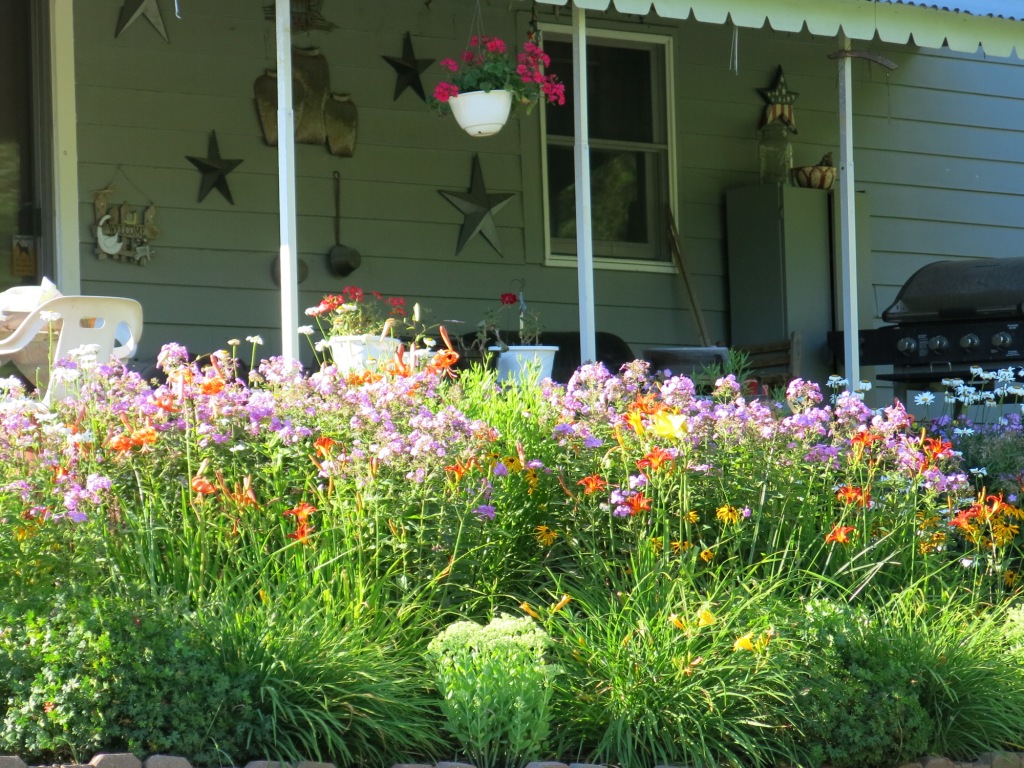
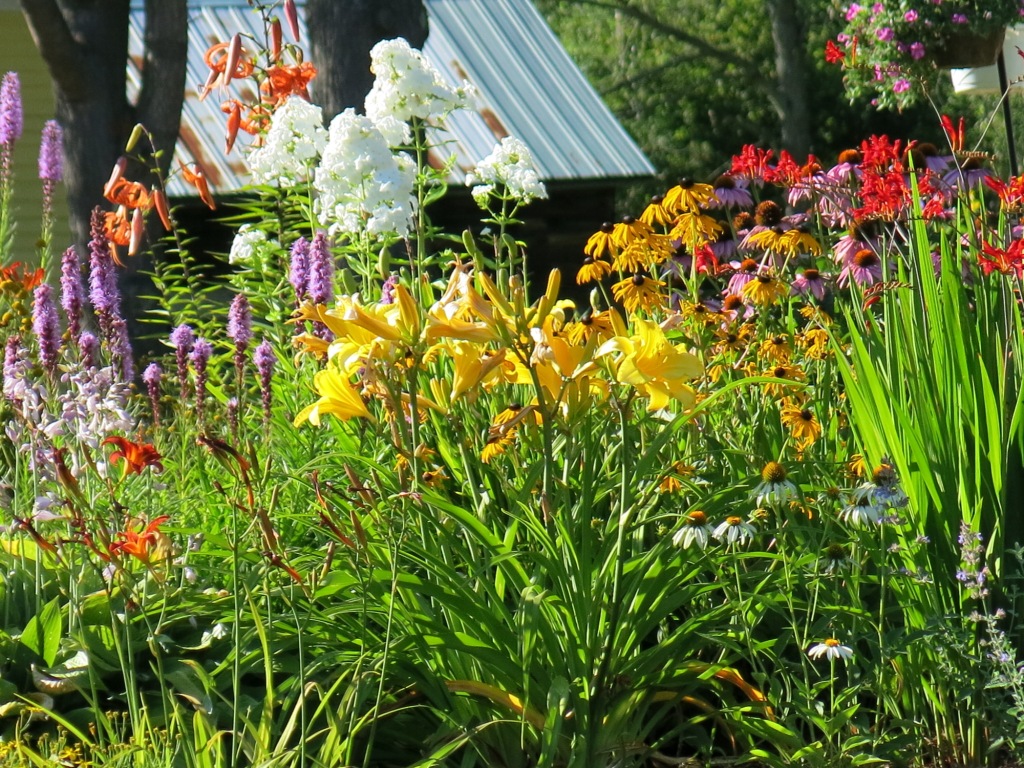
In my recent travels, I’ve come across many gardens but the the most memorable ones were invariably those that had their own spin. Clashing colors that put a big smile on your face. Unfettered by any visible scheme, these gardens celebrated the season. They created an atmosphere of unadulterated fun. And isn’t that exactly what summer is for?

I’d love to hear about your color tastes from childhood and if you still love those hues. If yes, how do you incorporate them in your adult life?

Note: For those of you in my neck of the woods, you have the opportunity to visit a wonderful garden this Saturday August 8. Mike Bakwin’s garden is open from 10 am to 4 pm. Mike is a good friend of mine and I can personally attest to the beauty of his garden. You might even see me there! For details click here.

IMG_6991

IMG_6993

IMG_6995

IMG_7000

(c) 2015 Shobha Vanchiswar

[do_widget “Blog Subscriptions (Jetpack)”]