How To Get The Popular Vote

I’m going to help you shine at the next soirée you attend. Not with make-up or fashion tips – you’re on your own on those counts. I’m going to share with you the sort of stuff that will make everybody wonder about your high level of curiosity and intellect. Or, they might just think you’re kinda awesomely weird. Either way, your presence will be noted and remembered. So, lets get started.
I’m always on the look out for simple yet brilliant problem solving information. Out of the box thinking excites me. You’ll see what I mean:
First up is the use of moles in archaeological digs. That’s right, the much reviled creature is being put to proper work! A museum in northern Denmark is using the velvety creatures to gather information at a site where it is thought the remains of a fort from the Middle Ages are hidden below. The contents of the mole hills left behind by the animals are analyzed so the underground locations of the buildings can be determined. Bits of pottery and such are brought up in the mix of soil. The more the content of these, the closer they are to the buildings. How about that?!!
“Moleology”can be as effective as more technical research methods. The big bonus is that it doesn’t destroy anything at the historical mounds in order to get a lot of important information.
Understandably, the Danish culture agency initially thought the application by Viborg Museum was a joke. But after realizing the idea was legitimate they approved it. Ha.
We now come to my second nugget of brilliance. Dandelions, another object of disdain in many lawn loving circles, might be the future producers of rubber. To ensure the steady supply of natural rubber for tires, manufacturers are hoping to harness flower power in a big way.
Although rubber can be manufactured in a lab, tires require a large portion of natural rubber as it is more superior in flexibility and hardiness. Natural rubber is made from the milky latex of the rubber tree Hevea brasiliensis. However, this comes at a high ecological cost. Not the least is that the rubber trees in Asia are vulnerable to the same fungal diseases that decimated those in Brazil.
So there has been a need to come up with alternatives. Enter the humble dandelion. Scientists are working to improve the Central Asian strain of this weed that can supply latex sap on a large enough scale. Imagine! One day, there could be dandelion rubber farms!
My own fondness for these cheerful plants is vindicated.
Finally, there is good news from Europe in the fight against the bee-killing Asian hornets. Asian hornets ( not the European hornets) are a menace to bee hives and are spreading across Europe. They now face a natural enemy that lures them to destruction – a carnivorous North American plant, French experts say. Our own pitcher plant from Massachusetts is trapping the alien hornets but not the native wasps. Pheromone specific! Hot damn.
Each Sarracenia plant has up to 15 pitchers, and can attract as many as 50 hornets. But a typical hornet’s nest houses 4,000 insects – so the plants by themselves cannot deal with the problem. Clearly, much more research is required. A super-pitcher plant in the future? In any case, once again, Americans might have to save Europe. It is deja-vu all over again.
You see? You now have some priceless ice-breakers for your next party. Have fun.
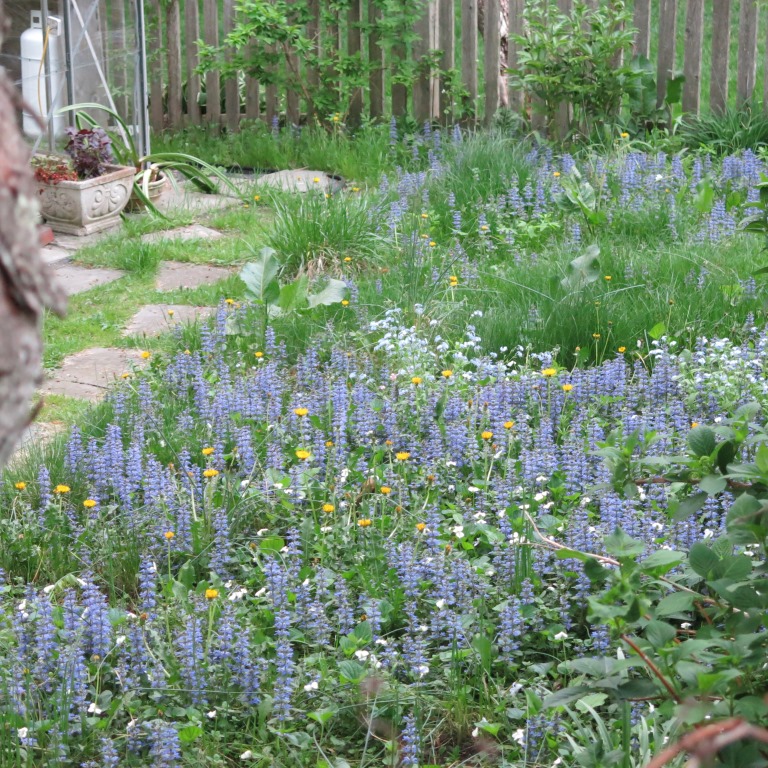
Dandelions in my meadow. How splendid they look with the ajuga, daffodils and forget-me-nots.
Dandelions in my meadow. How splendid they look with the ajuga, daffodils and forget-me-nots.

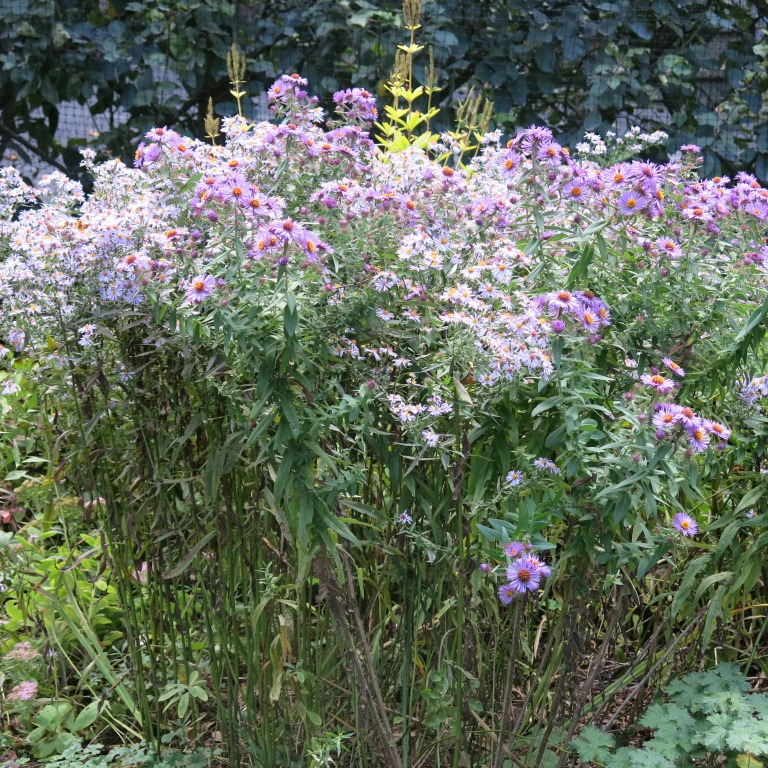
Asters are a huge honey-bee magnets.

Asters are huge honey-bee magnets.
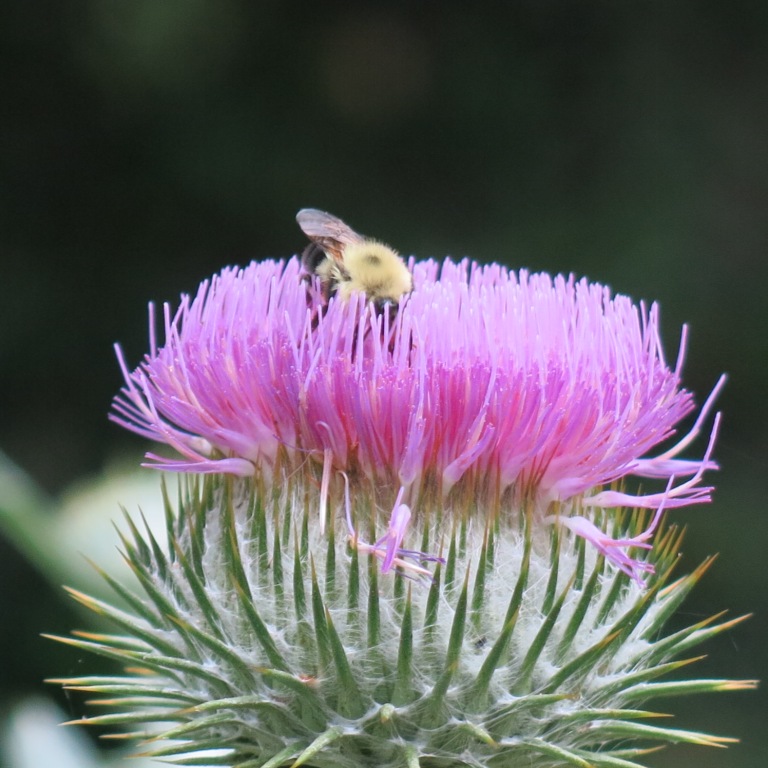
Pollination in progress
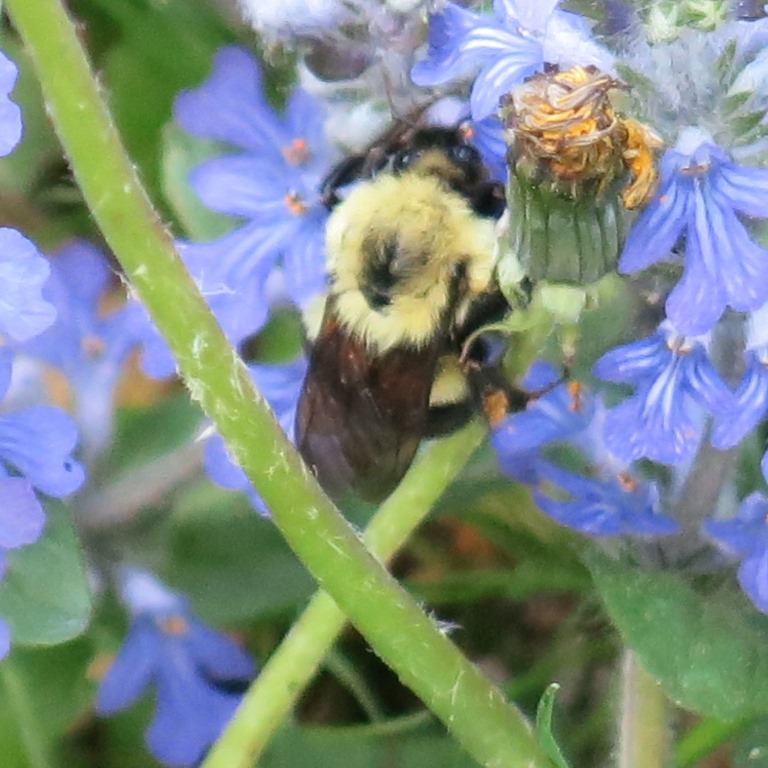
Pollination in progress

Bumble bees at work in the meadow
Bumble bees at work in the meadow

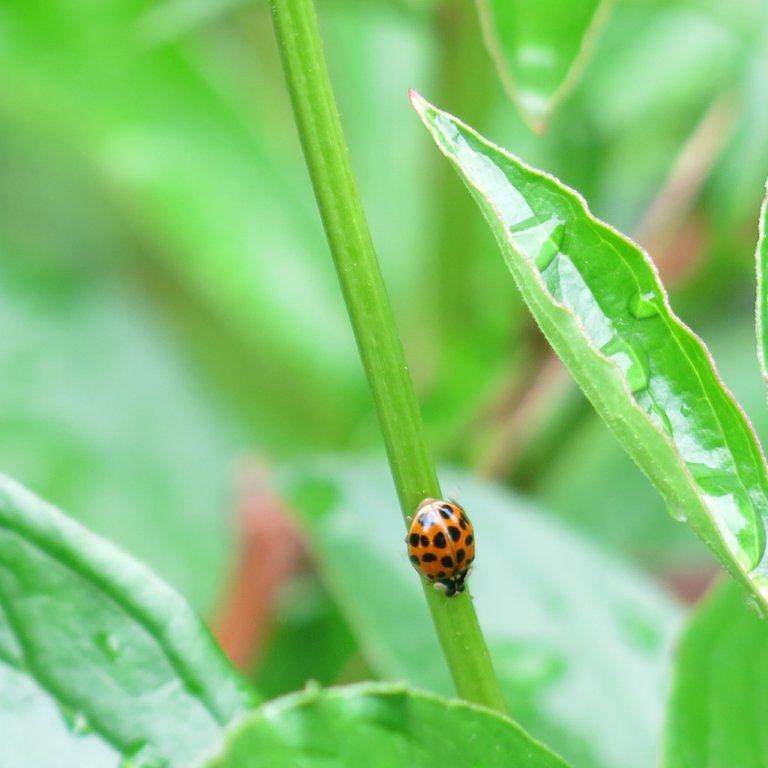
Ladybug on pest patrol.

Ladybug on pest patrol.

(c) 2015 Shobha Vanchiswar

[do_widget “Blog Subscriptions (Jetpack)”]
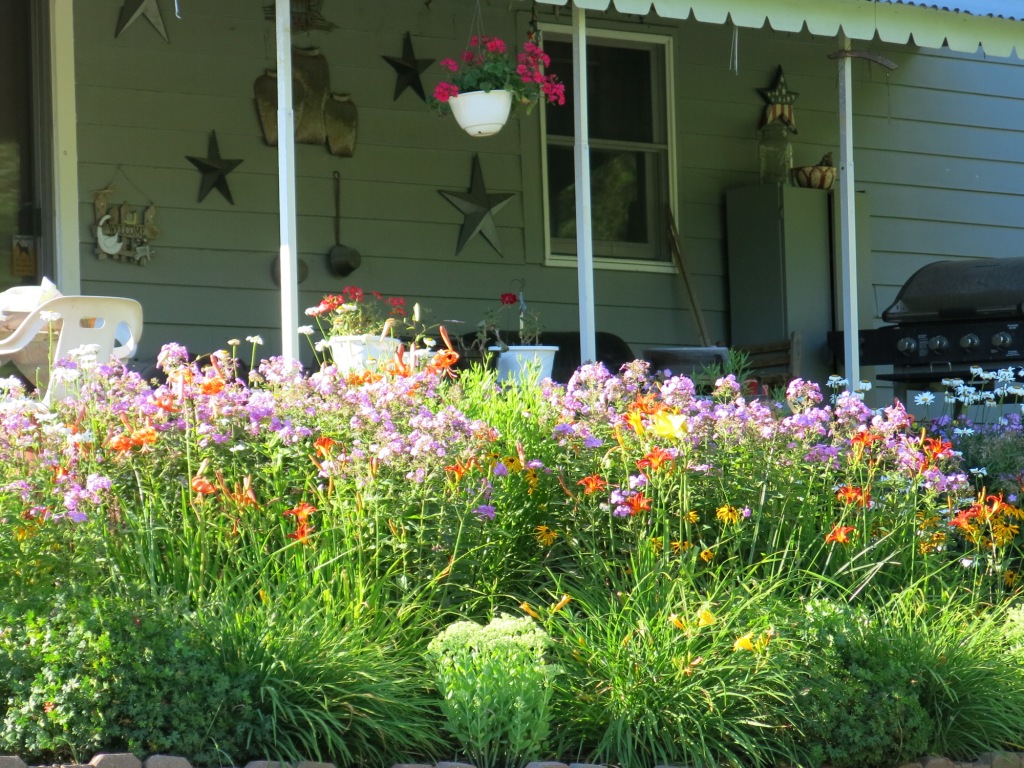
Color Me True

Remember the colors you liked as a young child? Bright, joyous colors that shouted out their exuberance! We dressed with abandon, matching purple socks with a magenta skirt that sported yellow polka dots. It made us feel so happy. I recall a favorite dress that screamed chartreuse and pink. And you know what? I still love that combination. Particularly in the garden. Think Euphorbia polychroma and Triumph tulips like Barcelona – acid yellow/green with fuchsia! Stunning right?

Yet, as we grow up, we permit all sorts of rules to be imposed on our sensibilities. We give in to norms and tastes that do not necessarily reflect our own. Afraid to be different and call attention to ourselves, we join the herd. Which is a shame. We need more unique voices in our midst. I’m not suggesting anarchy or that we be inconsiderate but rather, I’m calling for us all to be true to ourselves. Lets not hide behind uniformity or be bullied by arbitrary taste-makers. Instead, we can each be a distinct, exceptional piece in the social quilt of life.

If breaking out and expressing yourself in all areas of your life is a daunting thought, then start with your garden. Maybe just a single flower bed. Forget rules about how many of each type of plant, coordinating colors etc., Just go for what your heart desires. As you tend this patch, you yourself will work out the details and specifics that best appeal aesthetically. Soon, you’ll feel confident about spreading your preferences to the rest of your garden. From there, move on to your home’s interior, your clothes, jewelery, choice of reading material…. take my word, you’ll feel good.

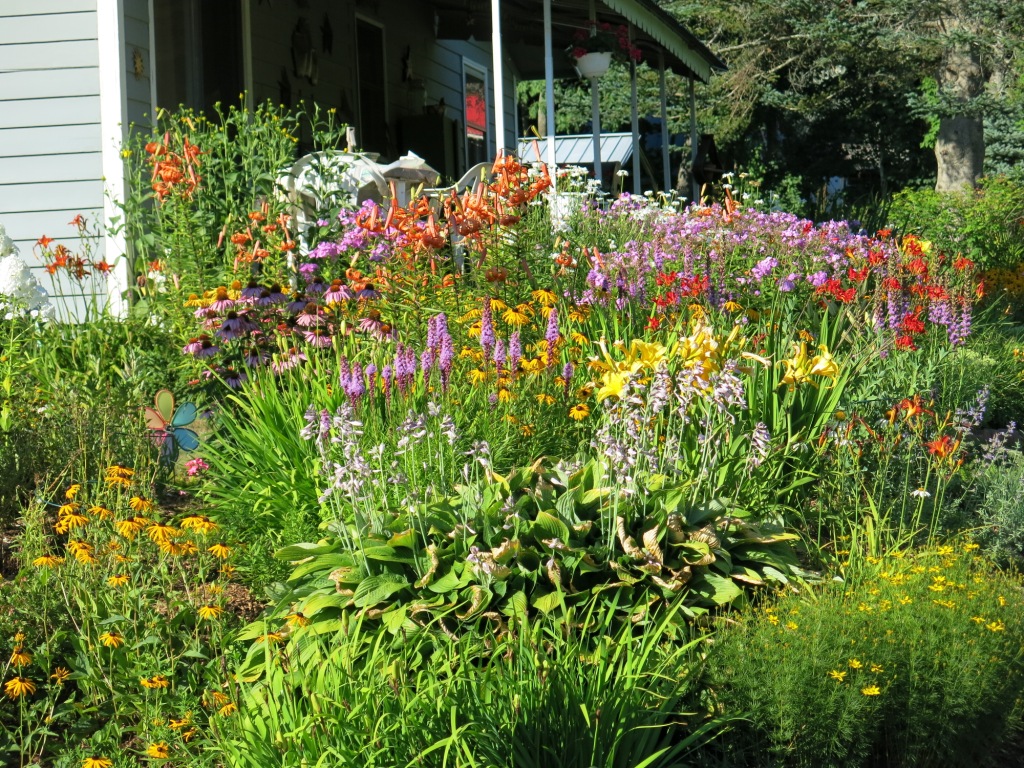
In my recent travels, I’ve come across many gardens but the the most memorable ones were invariably those that had their own spin. Clashing colors that put a big smile on your face. Unfettered by any visible scheme, these gardens celebrated the season. They created an atmosphere of unadulterated fun. And isn’t that exactly what summer is for?

I’d love to hear about your color tastes from childhood and if you still love those hues. If yes, how do you incorporate them in your adult life?

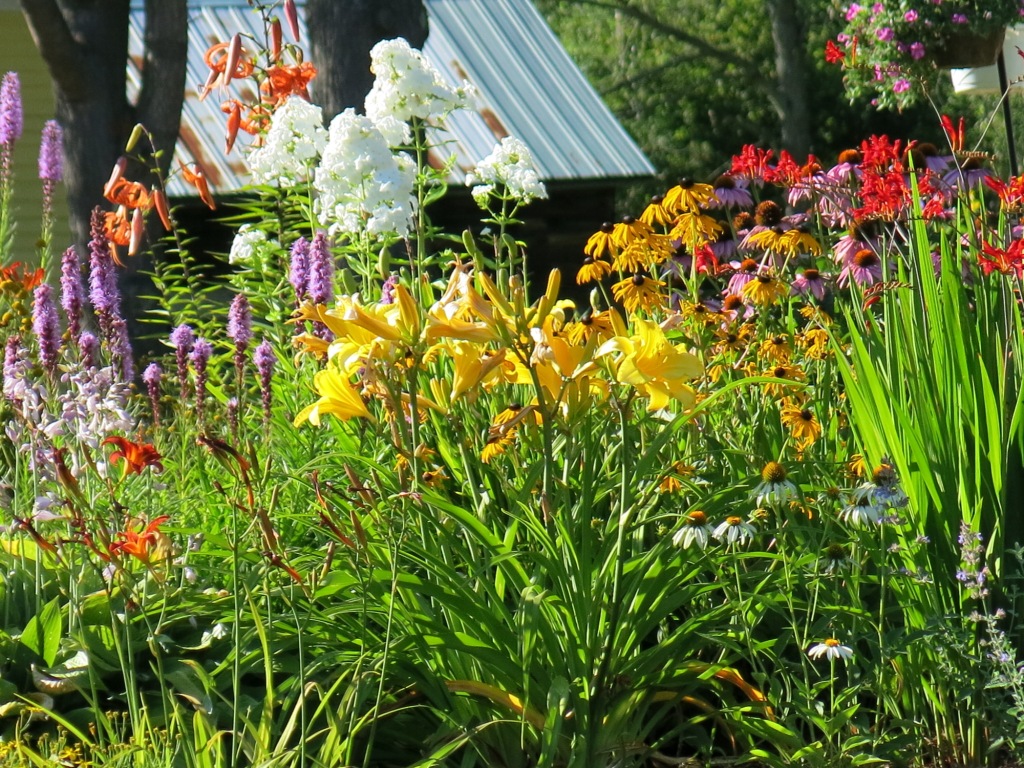
Note: For those of you in my neck of the woods, you have the opportunity to visit a wonderful garden this Saturday August 8. Mike Bakwin’s garden is open from 10 am to 4 pm. Mike is a good friend of mine and I can personally attest to the beauty of his garden. You might even see me there! For details click here.

IMG_6991

IMG_6993

IMG_6995

IMG_7000

(c) 2015 Shobha Vanchiswar

[do_widget “Blog Subscriptions (Jetpack)”]
 

This Unjealous Heart

I’m currently about as far removed from my garden as I could possibly be. In almost equatorial conditions, I’m feasting my eyes on plants that I couldn’t even remotely consider growing. Last week I was in Singapore and this week I’m basking in Phuket, Thailand. Yes, somebody has to live the tough life.

Everywhere I look I see the kind of specimens I only get to see in the conservatory at the New York Botanical Gardens. Things are lush and luscious here. It is also incredible hot and humid so don’t start envying me too much.

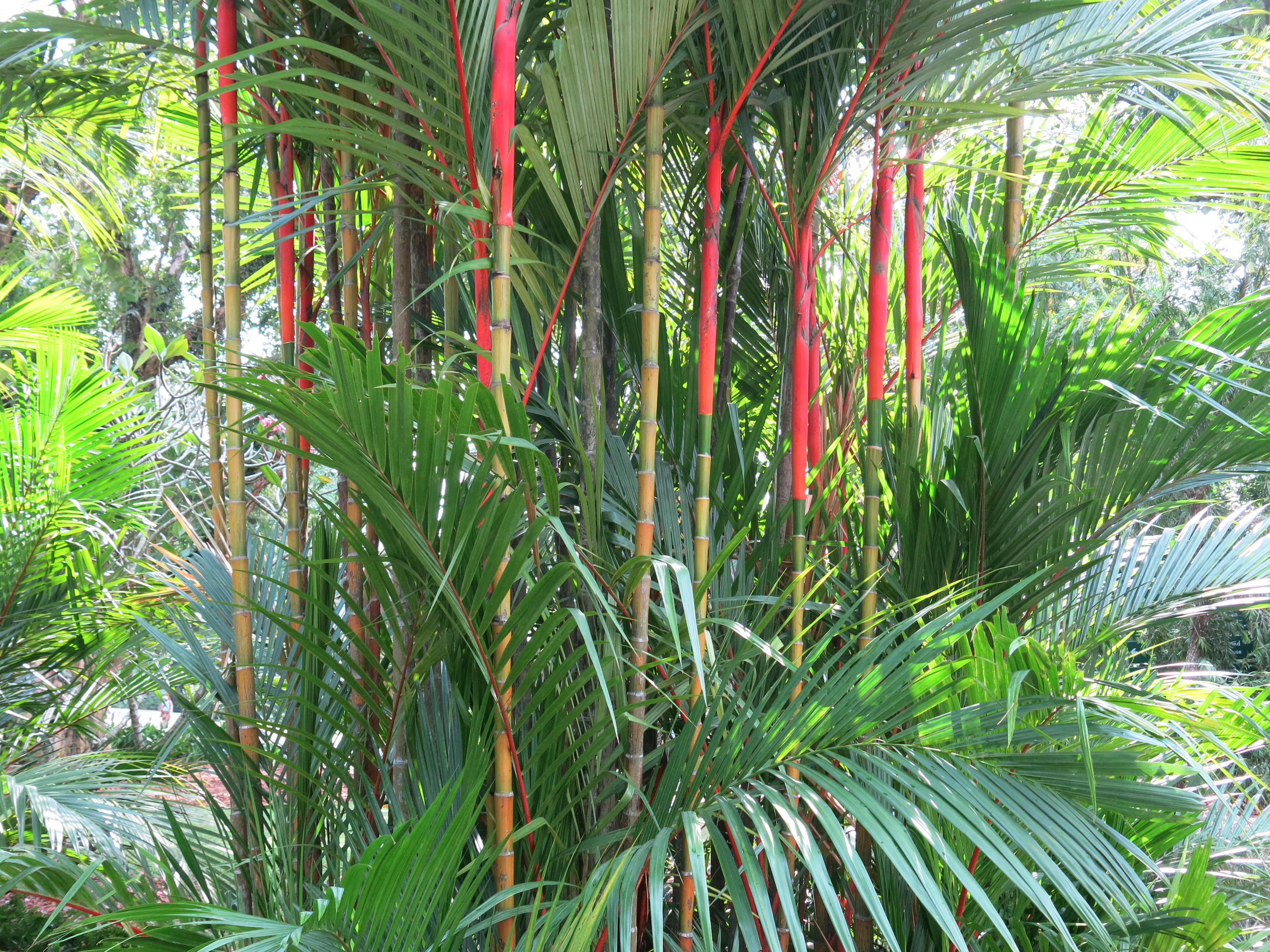
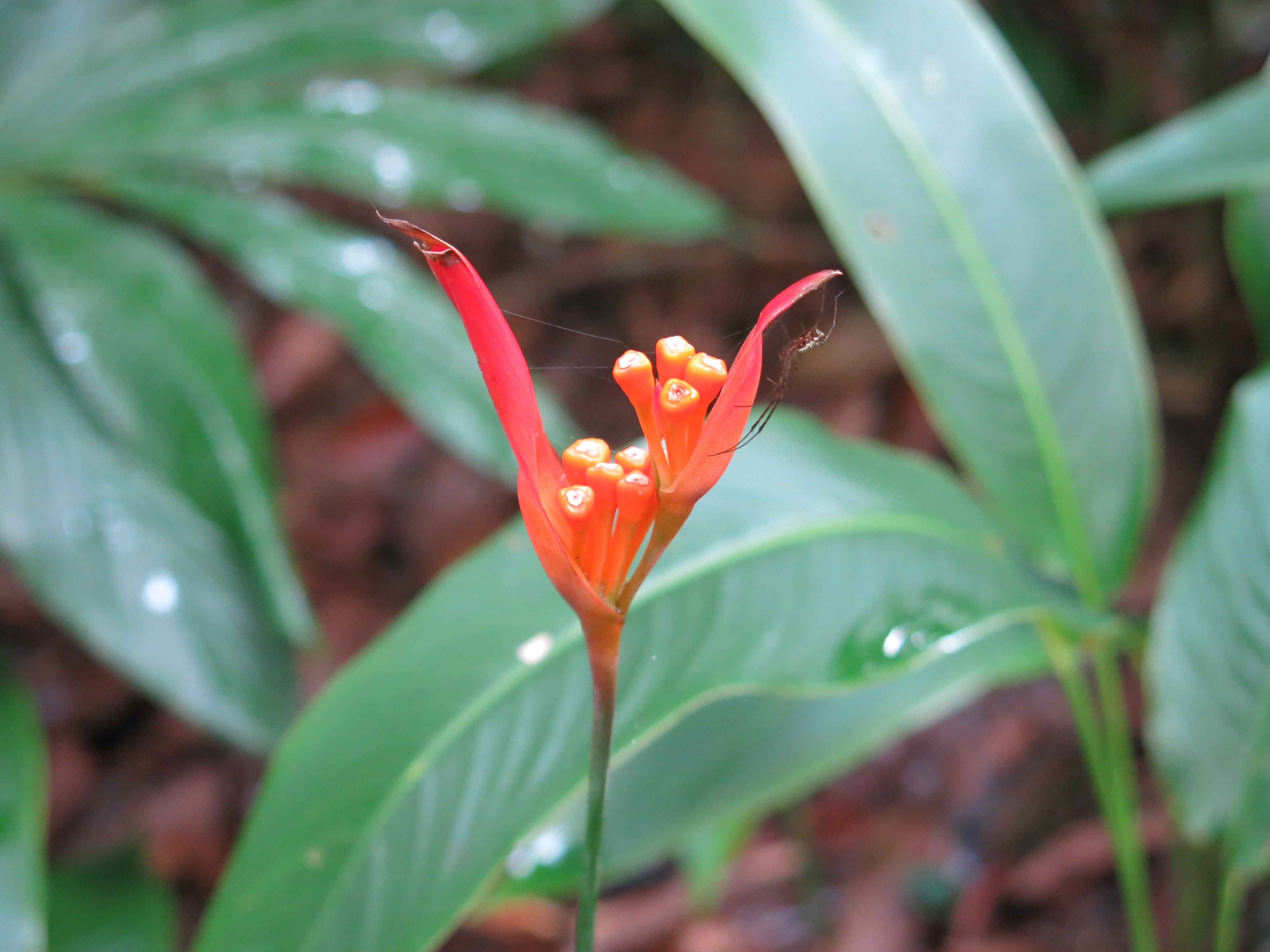
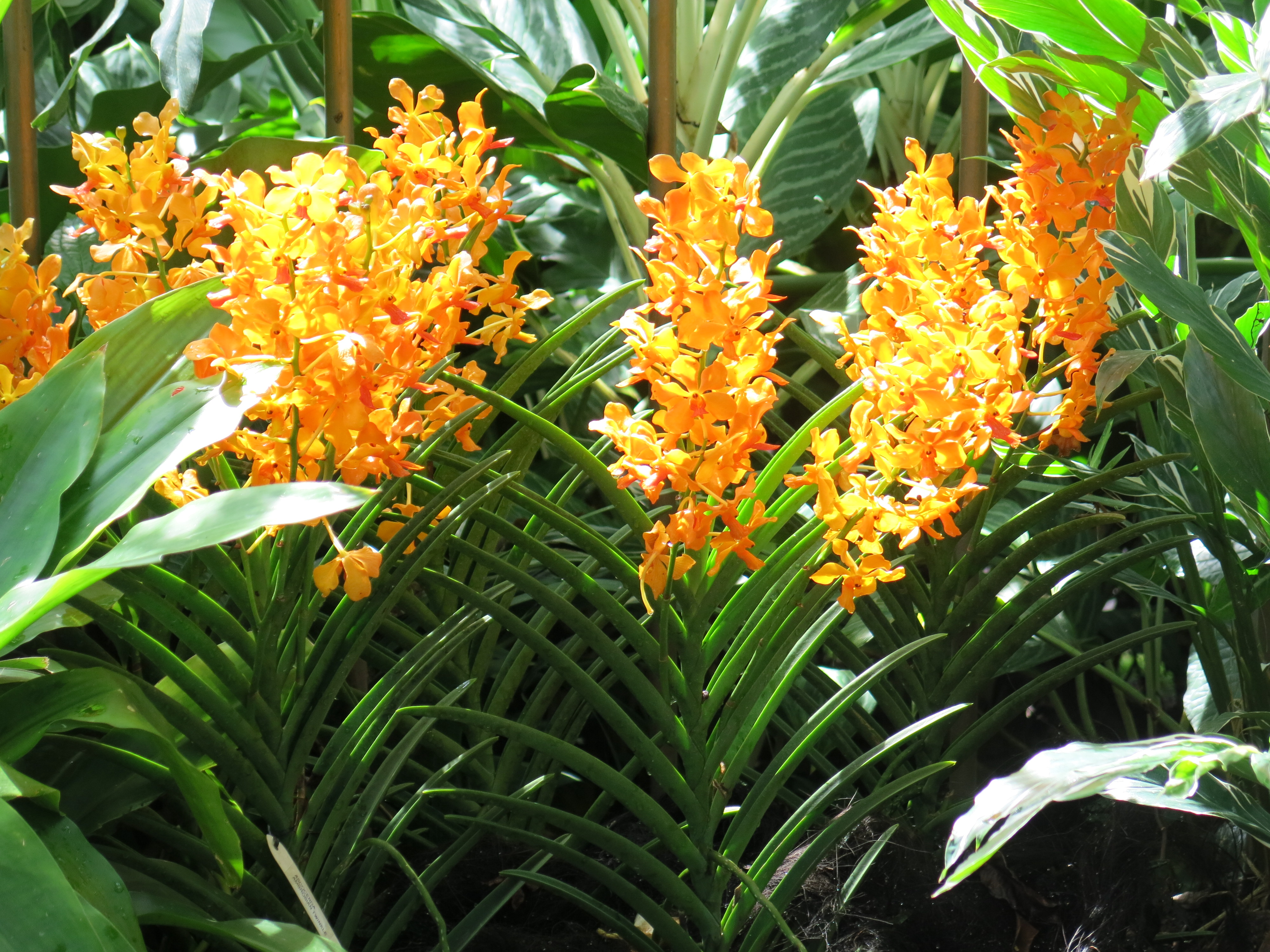
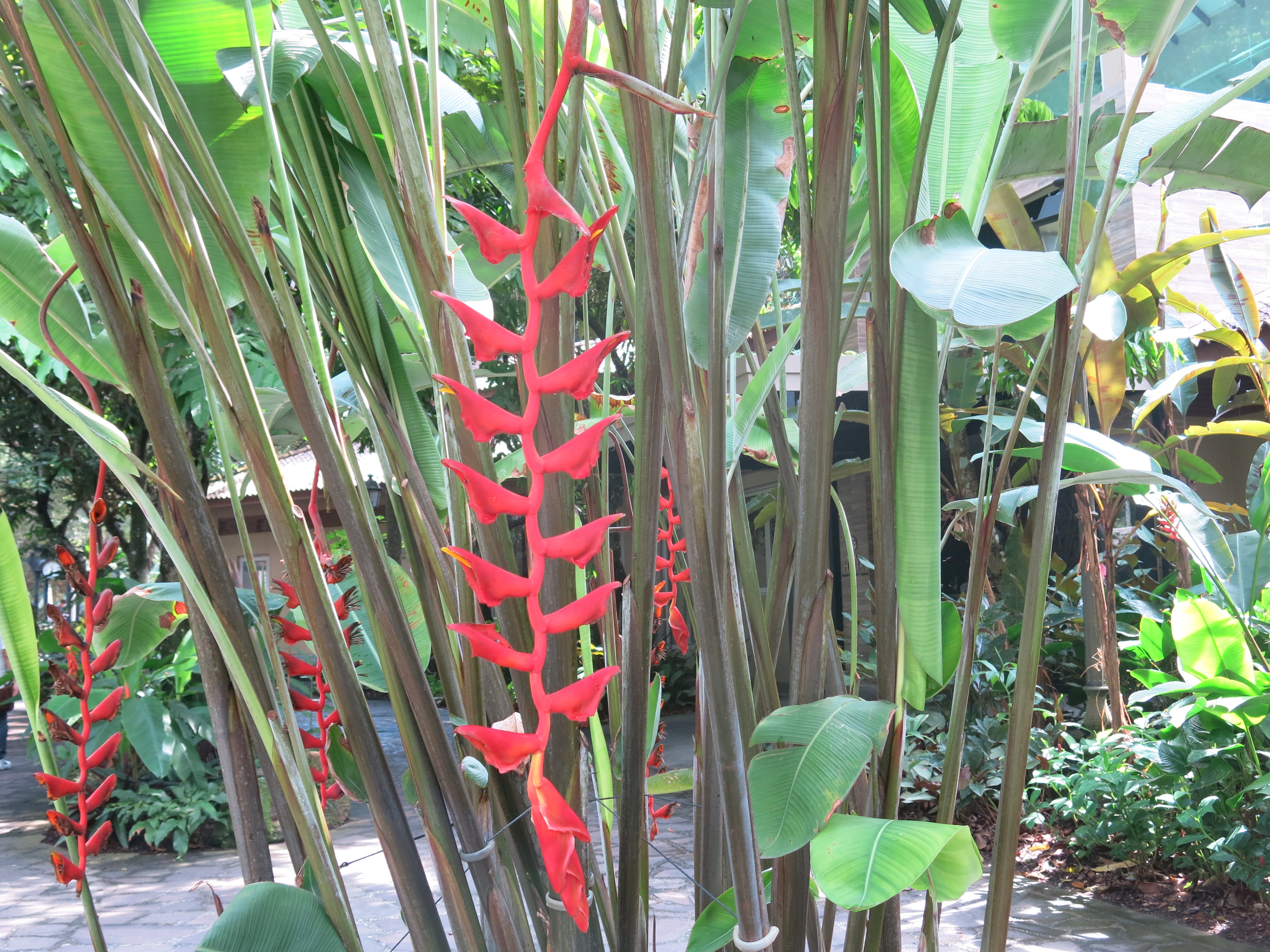
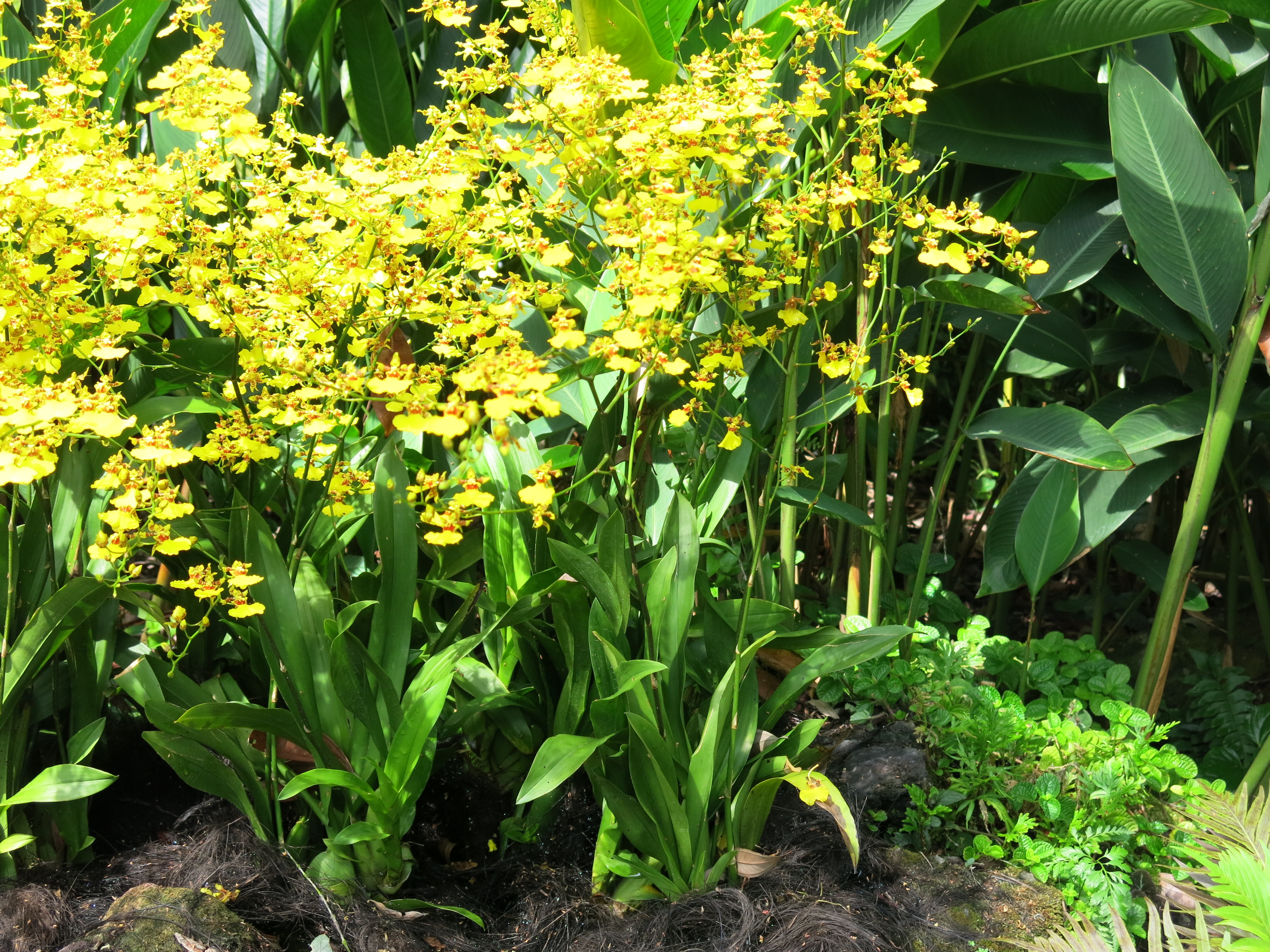
What I’m particularly delighted with is seeing plants growing as nature intended. Orchids emerging from the ground or from niches in trees and rocks rather than pots. The same with Birds of Paradise and Lobster Claw plants. The flamboyant flowers of the Tropics that we only get to see at the florist are thriving happily – they are as common as our asters and coneflowers. Frangipani trees festooned with flowers perfume the nights. The heat heightens the fragrances of all the plants.

The ultimate pleasure of such an experience, in my mind, is the wholehearted joy I can take in it without even a drop of envy. It is kind of like going to the museum and viewing masterpieces – I can be inspired and enraptured but I do not covet. The same is true here. As I cannot dream of growing these beauties back in my zone 6 garden in New York, I am not disheartened in any way.

This is so freeing. Unlike visits to gardens back home where one is prone to compare and contrast them to one’s own, there is no such pressure here. I feel neither inadequate nor greedy. I can simply observe and enjoy. Now there’s a state of mind I ought to seriously cultivate.

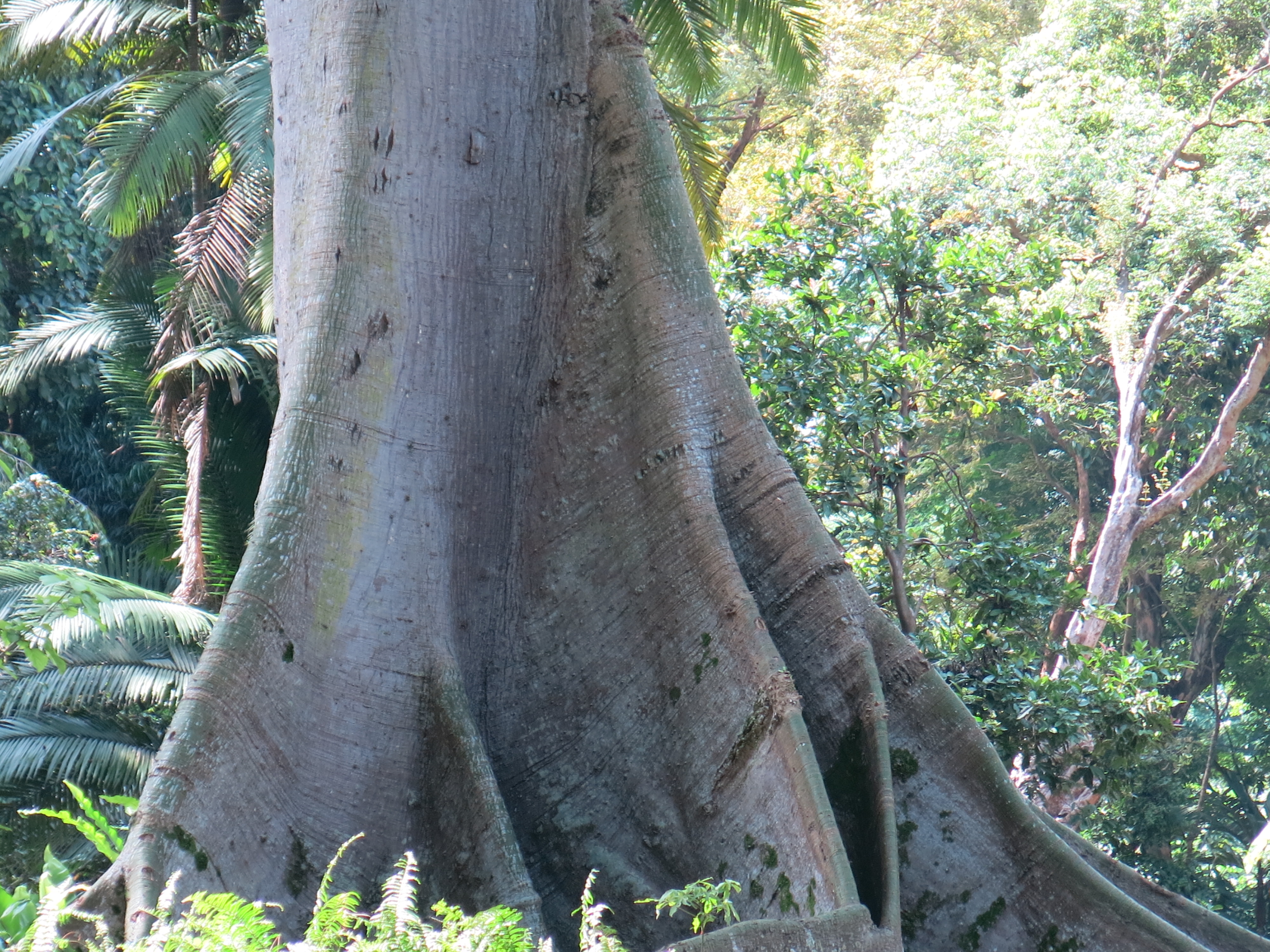
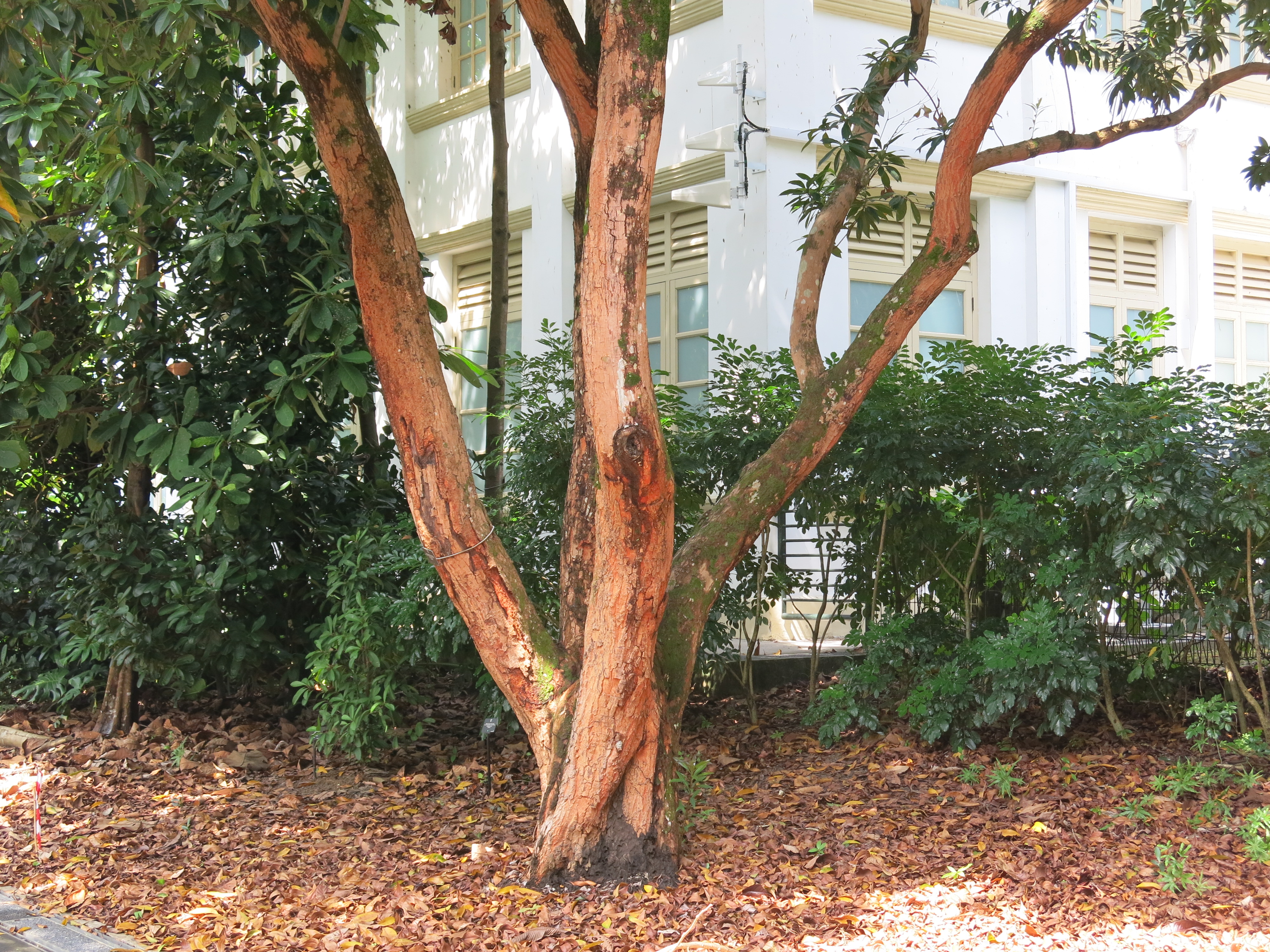
On that note, I leave you with some glorious images of flowers and a few rather impressive trees. This time next week, I’ll be back in my own garden. Yanking away at weeds no doubt.

IMG_6543

IMG_6568

IMG_6550

IMG_6556

IMG_6617

IMG_6539

IMG_6597

(c) 2015 Shobha Vanchiswar

[do_widget “Blog Subscriptions (Jetpack)”]
What Does Your Front Garden Say About You?

More to the point, what would you like it to say? Warm and welcoming / too busy to care / overwhelmed by life / trying hard / sweet and simple / minimalist / eclectic / modern / unimaginative / look at me world! / creative / lively and joyous / high maintenance / pretentious / well kept and groomed/ stiff and formal? Have you at one time or other given it much thought?

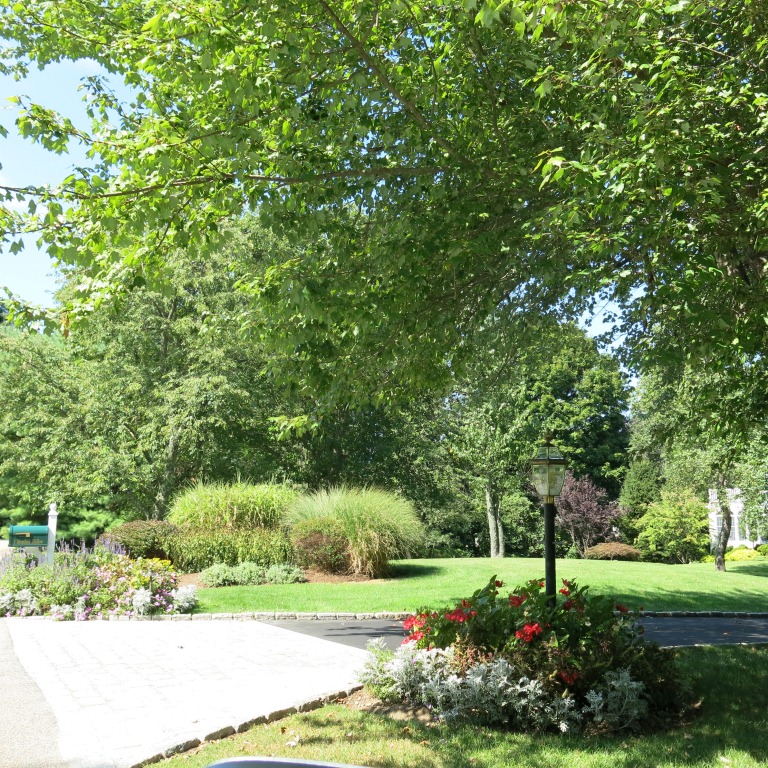
My town’s annual front garden contest has begun. I’m the judge. So at this time of year, I’m prone to pondering this matter. With all the investments one makes in a house and property, the front garden seems to get the short end of the deal. The focus tends to lie in creating an expanse of lawn. Never mind the overwhelming shade, uneven terrain or plainly boring rectangle and the sheer waste of time, energy and expense, the accepted belief that an emerald green lawn is de rigueur is held on to fervently. I cannot fathom why. A little lawn to complement the plantings is fine but even that need not be purely grass. Just as long as it provides a green relief.

Given the futility of such an endeavor and the abundant more suitable alternatives, why on earth would any body want to hold on to this golf-turf dream? Then, upon failing to achieve such status, the whole project is reduced to a stoic persistence in mowing and copious watering and fertilizing as though if done long enough one will triumph. On occasion, such failures are taken with the view that nothing will grow and the whole front garden thing is abandoned. We spend our time in the backyard anyway. So why bother with the front? is the prevailing attitude. So much attention is lavished in the back – patios, pool, flower beds and such. Thats like taking the trouble to wear silk and lace underwear only to then put on a dress made up of burlap.

Really? Do you not wash and wax your car periodically or any time it looks muddy? Why concern yourself with that when all you need it for is to get from one place to another? You do so because otherwise, it makes you look like a slob right? The same way you choose to wear clean, unwrinkled clothes. Stylish and pricey even. The well presented hairstyle, the immaculately made up face, the manicured nails are all testimonials to how much we care about ourselves and how much it matters how others see us.

So why not the front garden? Make it say something meaningful and honest. Curbside appeal is important. I’m not alluding to property values but to your own esteem. What appearance is presented by your property informs the viewer of who and what you are.

Stop making excuses and own that front garden. Too busy to tend flower beds? Then, keep it simple by planting interesting trees and shrubs suitable to the conditions present. Sun, shade, free- draining or clay soil, east facing or otherwise, even or sloped ground etc., Use hard-working ground covers like creeping myrtle or even pachysandra ( yes, pachysandra! It is better than a raggedy ‘lawn’). A four season tree like our own Amelanchier is wonderful. Large properties could have oaks, red maples and redbuds.

Ground too stony and unable to sustain plants? Gravel up the area and install large pots to fill with a myriad colorful annuals.

The point is, do something. Make that front garden say something good about you. All year round. Your neighbors and visitors are forming opinions … And if you live in my town, I’m wandering around looking and judging.

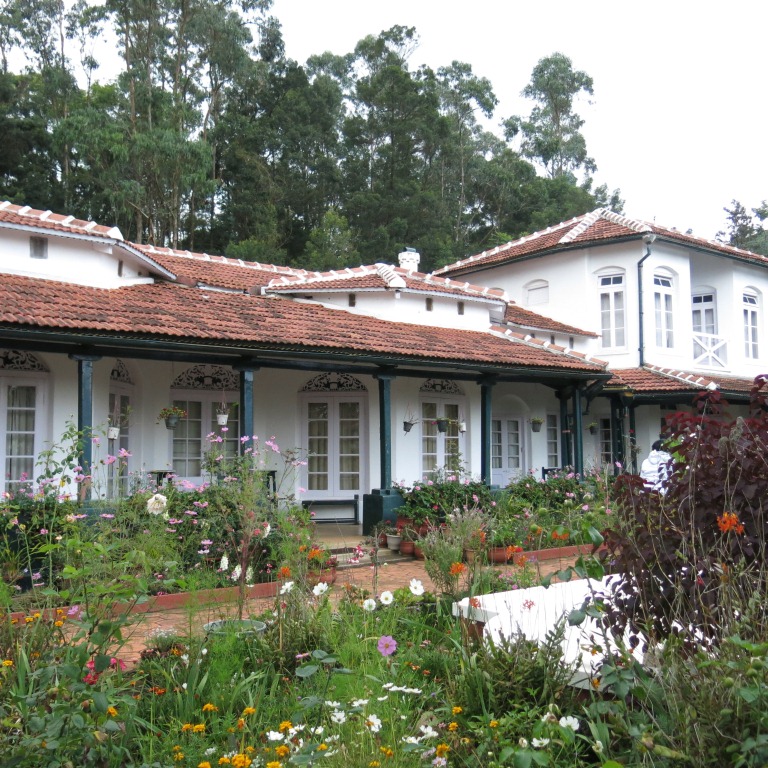
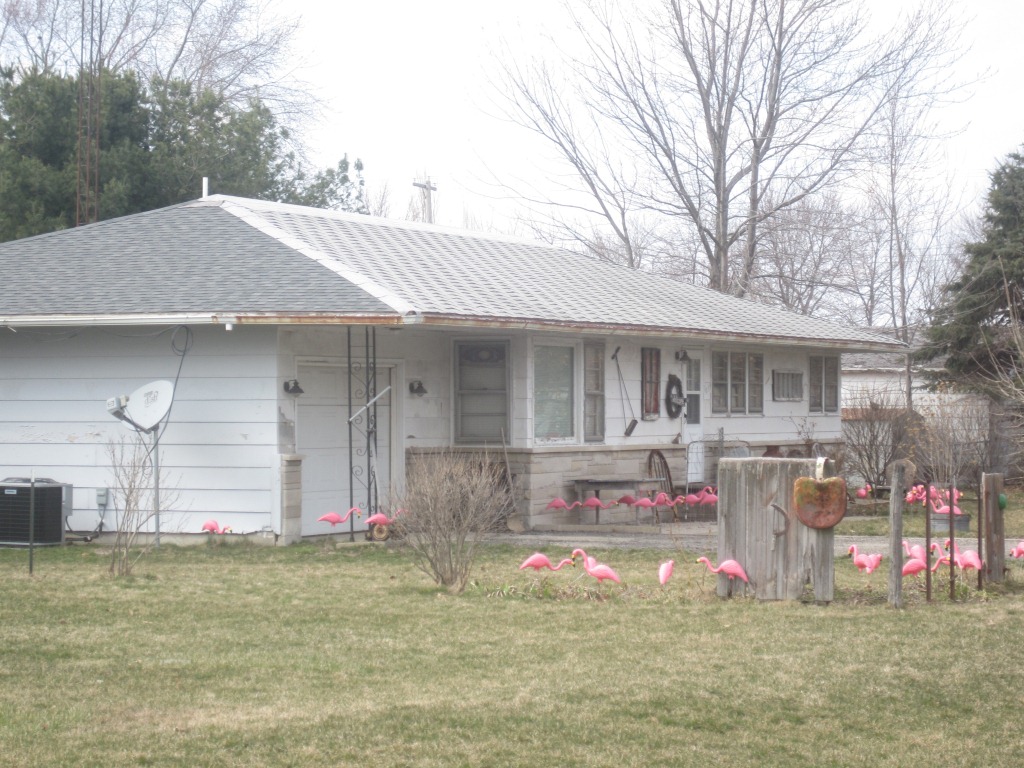
Review the photographs below and see for yourself how quickly you begin to form opinions:

My front garden

IMG_4178

IMG_4166

IMG_4169IMG_4182

IMG_3579

IMG_8403

IMG_8421(c) 2015 Shobha Vanchiswar

[do_widget “Blog Subscriptions (Jetpack)”]
A Case For Camassia

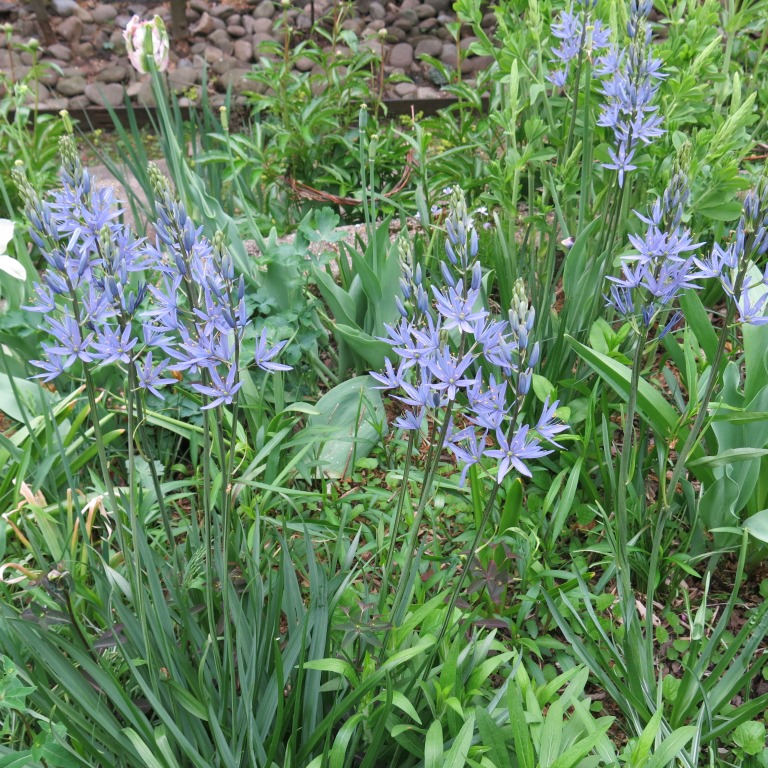
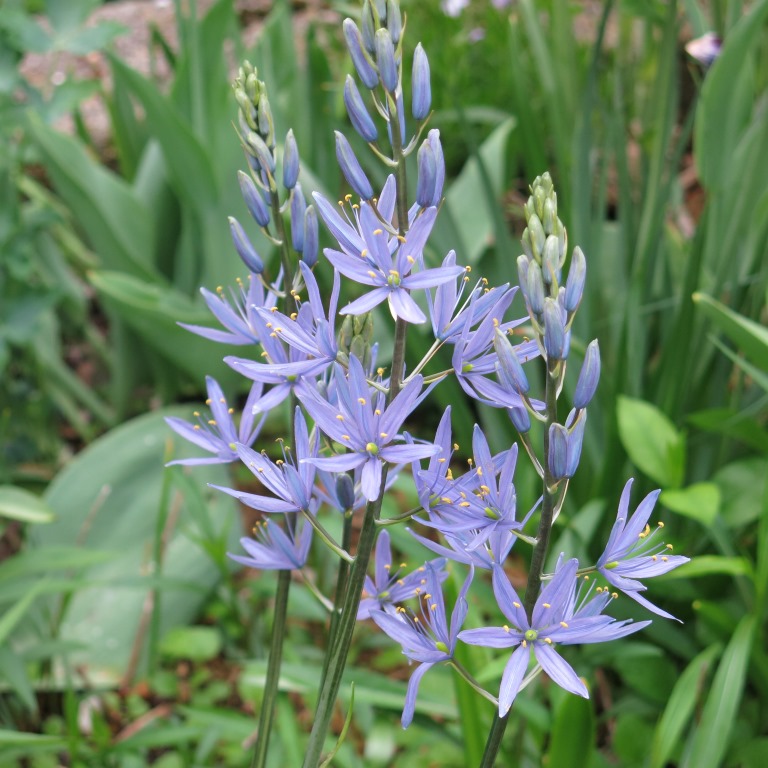
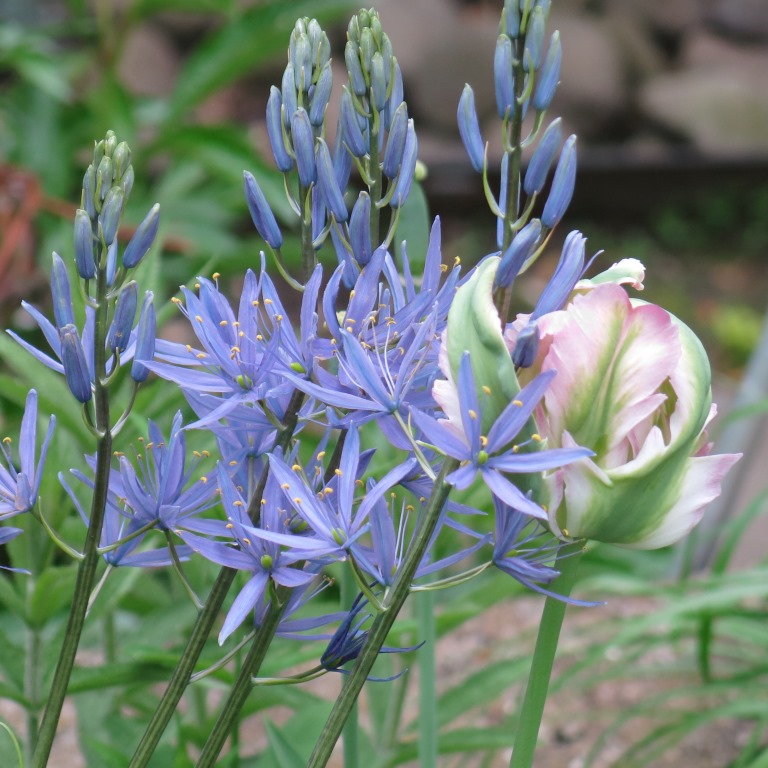
Have you introduced camassias into your garden? No? Why not? I guess you haven’t taken me seriously when I’ve recommended that you start planting these good bulbs of North America. I promise you will be glad to have these natives in your garden.

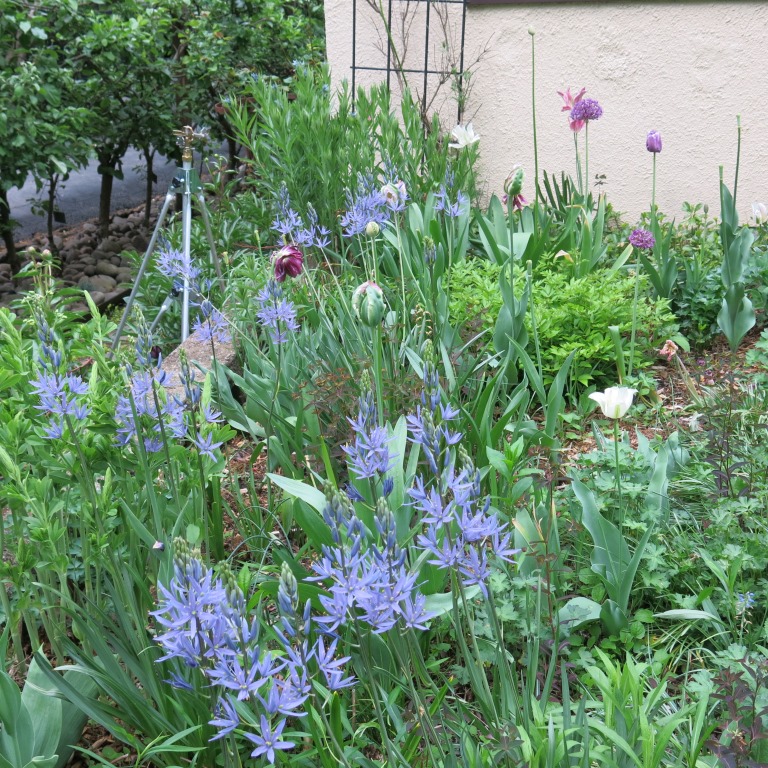
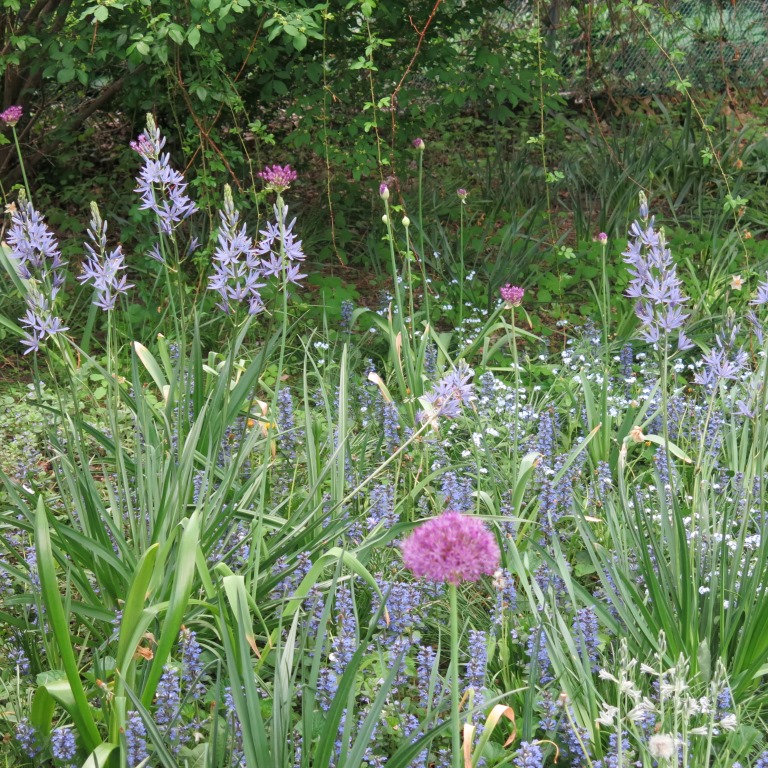
Blooming in mid-spring, camassias bridge that transition from the early bulbs to late spring blooms beautifully. They come in shades of blue as well as a creamy white. A grouping of them is quite handsome but they also blend well with a mix of other plants. I particularly like how they mingle with the alliums, tulips, amsonia, baptisia and columbines in my perennial beds. The spires contrast well with the roundness of the alliums and the star bursts of amsonia.

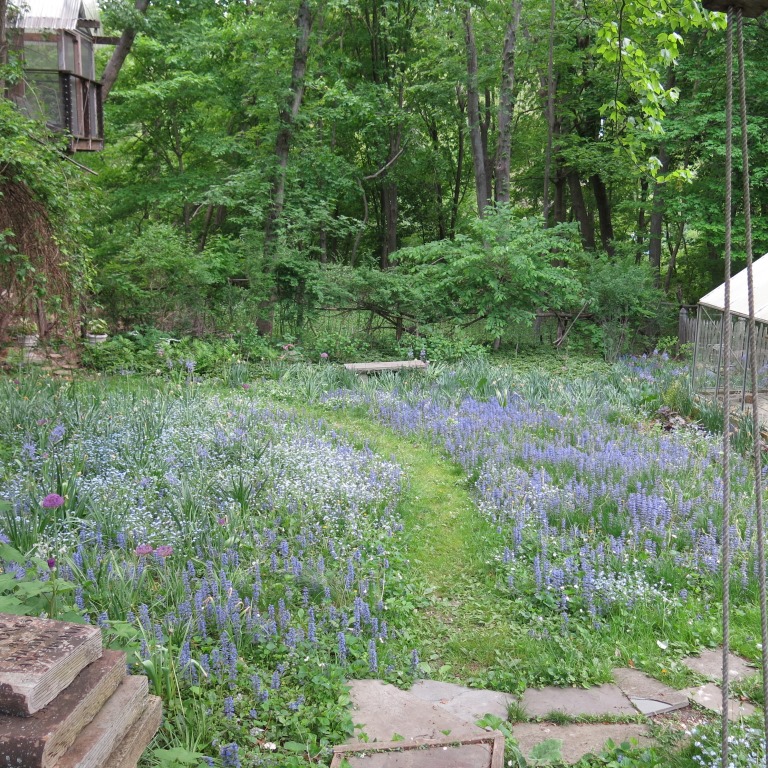
In the meadow, camassia join the sea of blue created by ajuga and mysotis. The overall appearance is one of such gentle beauty that it is hard to imagine that so much activity happens in the meadow. The place teems with life. Butterflies and bees busy themselves here all day long. Parent birds forage for juicy morsels to carry back to their ever hungry babies. Toads await unsuspecting insects. Rabbits nibble on whatever greens suits them but never seem to do any visible damage. A neighborhood cat often suns itself on the stone bench kept warm by the morning sun. No doubt hoping to get at targets I’d rather not think about. The occasional garden snake rustles about quietly; its presence noted only by the hushed movements of the low-growing grass. I could sit here all day and watch the goings on.

But back to camassias. They naturalize well and do not beg for coddling. Suitable for both formal and informal gardens, they are in my opinion a no-brainer. Get them this year for fall planting. Don’t make me tell you again.

Camassia

True blue natives
for food and form
Echoing colors
of seas and skies
Spreading nicely
from forest shade
to open prairies
to rocky ties.

From quivers of green
shoot Indian arrows
Piercing early
verdant blankets
Sustaining tribes
across western fronts
These bulbous offerings
make a banquet.

Shobha

Camassia 1

Camassia 2Camassia 3

Camassia 4

Sea of blue

Sea of blue

Camassia 6

Camassia 7(c)2015 Shobha Vanchiswar

[do_widget “Blog Subscriptions (Jetpack)”]
 

Never Too Busy

In a world that moves at an accelerated pace and glory is given to those who are perpetually busy, it is hard to come to terms with the oft repeated mantra Keep it simple. Somewhere in the haze of obligations and self-imposed , ambitious agendas, we have become a society that justifies its existence by how preoccupied it is. We are busy being busy.

It appears that busy people are also the electronically connected people. The busier one is, the more their time with a digital device. Face time has replaced face to face time. At the risk of sounding outdated, I have been picky about the technology I embrace. All my writing and filing is done on the computer. E-mails are my chief form of communications though I still deeply value the hand written note. I rarely text anyone but my daughter and almost never have my cell phone turned on. That last bit drives many crazy but my thinking is that I’m either home or I’m not. I prefer to have conversations without disruptions. When I’m not home, it is because I have other things to do and hence unavailable to take calls. Facebook and Twitter are mere platforms for the work I do and not to broadcast the minutiae of my life. In all honesty, if I got into all the social media available, I wouldn’t know how to find the time to read a book let alone hear myself think. This is not meant to be judgmental. I believe we each must know our own selves and our role in a community. I’m content with my limited association with technology. I simply feel no compunction to be in the thick of it all. I have no FOMO*! But what are we really saying about ourselves?

That we are not quite in charge of our lives? Or we are so important that we haven’t the time for more prosaic matters like watching the world go by? Perhaps it is how we indicate our success? Well, I for one have decided not to be too busy. What I truly want is to clear up my calender, free up my days and unclutter my life to be with those I cherish or do the things that matter most to me.

In order to make myself available to what is important, some things must be let go. We all take on more than our share simply because we want to be useful or because we don’t know how to say ‘no’. We start defining ourselves by the things we do and relieving ourselves of some of it feels as though we’re surrendering a part of our identity.

In my own quest to simplify and focus, this letting go is about becoming more of who I want to be and what I really want to spend time doing.

For purposes of this gardening-centered site, I’ll share what I’m aiming to do and not do in the garden this season. While certain aspects of my life demand greater attention this spring, other matters need to be postponed or adjusted. And still more obligations must be relinquished.

First and foremost, I gave up the idea of planning any big project in the garden. There are a couple of notions I was intending to try out but, I’m putting them on the back burner where they will simmer till the time is right.

This year, I am not going to start any seeds. This decision is a big one for me. I belong to that cadre of gardeners who take pride in doing most things from scratch. It is an arbitrary distinction and all in ones mind that ‘real gardeners’ must per force grow from seed. Not true of course but I had allowed myself to accept that belief. As easy as it is to grow from seed, it takes time, space and attention to successfully grow flats of annuals and vegetables. Since I have a few other events to prepare for, I will not stress myself by adding on the extra effort when I’d be just as satisfied to get the required flats of plants from the nursery. Hence, I will be free to put my mind where it is most needed.

Similarly, I am one who does not want to entirely automate the watering of plants. I like watering. For one thing, in the heat of summer, the water feels good as it splashes around. More importantly, when I water, I observe the garden and take note of what looks good, what weeds have crept in, insect activity, what is in bloom or fruit etc., However, as I will be away off and on, I’m going to have most of the watering on an automated system. It will give me peace of mind to know that the plants are not being neglected due to my hubris.

I will continue to weed regularly and do my best to not worry when I cannot. It’ll be okay. Due diligence will pay off with fewer weeds in general.

Whenever help of any kind is offered, I shall accept. Pride or a bid to express fierce independence is over-rated don’t you think? After all, what am I trying to prove?

While liberating myself to be more present for all that is scheduled to happen this spring will enrich my enjoyment of them. Including time spent in the garden.

And any time I find myself with nothing to do, I will simply sit and take in the gifts of nature. I’ll watch the grass grow, listen to the seeds explode from pods, smell the rising perfume of flowers as the day unfolds. I’ll track the flight patterns of bees and count the butterflies on the roses. I’ll follow the slow blushing of the apples. In not doing anything, I’ll have so much to keep my attention.

No, I will no longer be too busy. Instead, at any given time, I’ll be fully engaged in life. You see, I want to remember showing up.

* – Fear Of Missing Out

Rose arch
IMG_5150
Tree house
Apple blossoms
Stone bench
Apples
(c)2015 Shobha Vanchiswar
[do_widget “Blog Subscriptions (Jetpack)”]
Live Long And Prosper

Leonard ‘Spock’ Nimoy died last week. I was a huge Star Trek fan – of the original series. This was entirely due to Mr. Spock. No, I didn’t have a crush on him. He was way above that. Spock was more like a hero to me. His intellect completely impressed my teenage self. He set the bar high. His logical thinking and calm approach to crisis solving were just as instructive as were his lack of social skills and inability to feel emotion. I understood that one needed to strike a balance to be truly human.

His very last tweet read:
“A life is like a garden. Perfect moments can be had, but not preserved, except in memory.”
He signed off with “LLAP” – a reference to his character’s famous catchphrase, “Live long and prosper”. Don’t you just love that oh so accurate garden reference?!
Mr. Spock was the coolest nerd ever. And Leonard Nimoy was a pretty cool all round human. RIP.

While contemplating the part good science fiction plays in bringing science to the mass as well as inspiring outside-the-box scientific research, I came across three separate efforts to boldly go where no man has gone before. Gives one plenty of food for thought.

For small spaces especially in urban areas but really anywhere one lives it is now possible to have a lush, productive garden. A self-contained eco-system will help grow fresh, organic, healthy food inside the house. It has fish making fertilizer for the plants and plants filtering the water clean for the fish. To top it all, the system improves the air quality. Two graduates from MIT came up with this concept and design and are now marketing for ‘early adopters’ in the Boston area. Check out: https://grovelabs.io/
Given the thrashing that region has taken this winter, having this indoor potager might be just what the Bostonians need in a hurry!

And then there is the case of the Beefalo – a hybrid when bisons were crossbred with cattle. This was an attempt to come up with a hardy, commercial animal but is now the result of a failed hybridizing program. But, they did actually succeed in a bizarre sort of way. Some of these creatures got loose and have created a serious environmental problem in the Grand Canyon.

The animal is super thirsty and consumes about 10 gallons of water each time it lumbers over to a watering hole. This can deplete the water supply rather fast. To make it worse, they pollute the watering holes by defecating right there. Their impressive weight compacts the soil which of course makes it hard for plants to grow. What does grow, the beefalo eats up voraciously. They also take leisurely dust baths. All of which leaves the ground quite utterly bare. They have indeed proved to be hardy.
Meanwhile, other animals indigenous to the area are being pushed out. Insects and rare plants are affected along with the habitat. The ecosystem is thrown out of balance.

I have many opinions on hybridizing programs but I will restrain myself and not make this article my soap box. But if anybody reading this works in such a field of research, please go very, very carefully. Thus far, how have the beefalo, liger, pizzly bear and Africanized bees benefited the earth?

Finally, in a vault inside a mountain on the Arctic archipelago Svalbard, the first consignment of forest tree species seeds have been accepted. This is the Svalbard ‘doomsday’ vault created for protecting global food crop seeds. The tree seeds were those of the Norway spruce and Scots pine both very important economically, ecologically and socially. Researchers hope the tree seed samples will help monitor long-term genetic changes in natural forests.

The vault is designed to withstand all natural and human disasters. The purpose of the depository, owned by the Norwegian government and maintained by the Global Crop Diversity Trust (GCDT) and the Nordic Genetic Resources Center, is to store duplicates of all seed samples from crop collections around the world.
So while we grapple with the influences and damages caused by climate change, forest management, fragmentation of populations, new pests and diseases, preserving these tree seeds along with numerous other seeds of life supporting plants will give us a fighting chance to ensure that future generations can be sustained on this beautiful earth of ours.
This bit of knowledge gives me some peace of mind. As all sorts of research proceeds in the far corners of the world for diverse reasons, lets hope we keep in mind that the world itself is a vast sacred garden. Let it live long and prosper. Please.
Here are some images of the eco-system in my corner of the planet:IMG_6807
IMG_6905
IMG_6943
IMG_6649
IMG_9316
IMG_4051
IMG_4124
(c)2015 Shobha Vanchiswar
[do_widget “Blog Subscriptions (Jetpack)”]
Noting Le Notre

In a bid to distract oneself from the northeast’s own version of 50 shades of gray, I went with a friend to the New York Botanical Gardens for a lecture. If you are fortunate to have a botanical garden near by, take full advantage. In the frozen, bleak depths of winter, it will offer respite with lectures on gardens and gardening, exhibits and displays in conservatories and a shop to provide retail therapy. These escapes will preserve your sanity and uplift your mood. You have my word.

This particular lecture was given by Alexandre De Vogue on Vaux le Viscomte: From Le Notre to Today. To be honest, I went without caring what the talk would be about. I desperately needed to see pretty garden pictures, hear about them and feel the good vibes from fellow attendees – all garden lovers. I craved this comfort zone.

The lecture was quite interesting. I’ve yet to visit Vaux le Viscomte and it has been on my list for a while. To get a first hand recount from a member of the family that undertook its restoration made it decidedly better. There are several good books on this famous garden so I won’t bother waxing eloquent about it. I do however highly recommend that you discover this garden for yourself.

As the garden that formally launched the classical French garden style, it was necessary to learn something about its designer Andre Le Notre. Yes, he of Versailles fame.

Learning that this illustrious man was not only schooled in horticulture but, also in painting and perspective, sculpture as well as architecture was not surprising. His gardens are testaments to his knowledge and artistry. It turns out the gentleman also had an exceptional memory, a strong sense of proportion and space, was a visionary able to juggle with space, volume and distance. His personal reading encompassed subjects such as geography and mathematics. Even more impressive right?
Sitting in the presence of todays horticultural giants such as Marco Polo Stufano and feeling a bit beaten by the protracted, tundra-like winter it got me feeling as though my own aspirations for my garden were a lost cause. A why bother kind of consciousness crept in.

Then, it got me thinking why the heck not? As Monsieur De Vogue talked about the restoration and then about the current challenges, I realized that he had the same garden problems as the rest of us. Only much larger and more costly. He is battling blight and other diseases with his boxwoods, finding replacements for his sick elms and trying to make environmentally sound decisions just like us. And he too has financial worries.

All of a sudden, the playground was even. We were really all alike. A bunch of passionate gardeners doing our best to create beauty and purpose in assorted places. To each garden we bring our knowledge and experience and put our unique stamp on it. We too apply history, art, science, mathematics, geography, architecture and so much else learned from living our lives. Some are given special places to express their creativity and some more humble plots. Some get paid for their expertise and others do not. Ultimately, it does not matter where or why we garden. We just do because we must. Our hearts dictate to us that working the soil is how we love to live.

In a moment of enlightenment, I realized that Le Notre was just like us! I strongly suspect he’d be the first to agree.

————
Having said all of the above, I feel compelled to share a few nuggets of wisdom from the great gardener himself:
The eye creates perspective, walking makes it alive.
Create a garden so one must go in to fully experience it.
Be wary of your own beliefs. Things are not always what they seem. Be flexible.
Let the sky enter into your composition. Use water to mirror the sky. Think ponds, rills and canals.
Open the garden towards the landscape beyond. Expand the view and illusion.

——————
FYI – At Vaux le Vicomte:
Ilex crenata is being considered as replacement for boxwood.
Hornbeams and linden trees will take the place of elms.

Wanted to share the four different amaryllis I’m currently enjoying:
White amaryllis
Pink amaryllis
Salmon and white double amaryllis
Orange amaryllis

The Valentine's 'card' I made this year. The white canvas of snow was irresistable.

The Valentine’s ‘card’ I made this year. The white canvas of snow was irresistable.


IMG_4954
(c)2015 Shobha Vanchiswar
[do_widget “Blog Subscriptions (Jetpack)”]
Is It Time Yet?

I recently read an article on Horologium Florae or Flower Clocks. It is a concept that began with Carl Linnaeus – to design a clock in the ground with plants whose flowers open at specific times of day. By observing which flower was open or closed, one could ostensibly tell what hour was at hand.

It is a charming concept. In theory, it should work beautifully. Pumpkin blossoms open at 6 am, rose mallow between 9 and 11 am, goat’s beard close its flowers at noon, evening primrose shine after sunset and close at noon of the following day. You get the picture. In reality, it has never been truly accomplished. That’s not to say attempts haven’t been made – too many variabilities have prevented any success. On cloudy days, the evening primrose might stay open all day.

Latitude, temperature, sunny/cloudy days, rain, changing length of day/night, light intensity, humidity, preferred pollinators all play important roles in determining exactly when or if a flower opens or closes. For example, a flower that opens at night, does so to attract pollinators like the sphinx moth. However, when conditions change, it either stays open too long into the next day so, day pollinators get to the flowers thus making the flower too depleted for its natural pollinator. Or, the flowers may not open at all so once again, the moth cannot play its designated role.

Growing up, I recall coming across a few attempts at flower clocks in public gardens. Already familiar with traits of common plants, I’d observe how poorly the flowers told time. I remember thinking that if I went by such a clock, I’d become the Mad Hatter and rush about saying I’m late, I’m late. The friend who had sent the article that started me thinking about this subject said that from now on, she was not going to apologize for being late. Instead, she’d say she was on flower time. To which I responded that people would think she’d been smoking the flowers.

Personally, I prefer the idea of becoming so familiar with one’s immediate outdoors that a general sense of time can be kept quite accurately and organically. Birdsong is one way to understand time of day.
It is common for different species to do their dawn singing at different times. The dawn chorus can start as early as 2am! And it progresses sequentially by type of bird. The romantic in me would like to determine parts of my day by listening for favored birds like cardinals, chickadees and blackcaps.
As a child, we lived quite close to the local zoo. Early each morning just before sunrise, the white peacocks would fly out to settle in the tall mango trees in my neighborhood. The birds would remain there all day and leave at sunset. They would spend their time gossiping loudly. The sound was not particularly pleasing but it amused me no end to imagine visitors coming away never having seen the white peacocks, the pride of the zoo.

In the summer, when the sun burnishes the lower half of the Heritage rose on the path outside my studio, I know it is about 6 pm. Time to cease all work and settle down to appreciate the garden. Preferably with a cool drink in hand.

In the early weeks of spring, the tulips close by 4 pm. Tea time. The roses waft their fragrance most strongly just after the sun reaches its zenith. Time to go back into the house, open the windows to draw in the perfume and cool off. The clove-like scent of summer phlox at dusk call one to linger in the garden for a little while longer. Time to just be.

Gardeners are more likely to tell the course of time by the progress of a season; as when a fruit is ripe. Or certain flowers are in bloom. As soon as summer starts losing heat, my Concord grapes will be ready for harvest. The lilacs burst open all of a sudden just in time for Mothers Day. A week after the cherry blossoms drop off, the pear trees put on their show. Closely followed by the apples. When the ornamental grasses in the front of the house glow gold in the evening light, there is just about an hour left of daylight to finish all outdoor chores.

I have a dream that one day, I will be so in tune with nature that I will know the hour by the subtle movements of the leaves, by specific bird calls, by the order in which different flowers are visited daily by the bees, by the degree of warmth of the grass beneath my bare feet. I want to know time by the tilt of the sunflower heads, the moment the first dew drops form on the leaves of the lady’s mantle, when the squirrels emerge from their nests in the dawn, when the robins call it a day.

When Einstein said – The only reason for time is so that everything doesn’t happen at once, I do believe he was in a garden.

The images below are for you to contemplate your own horologium florae.

IMG_1016
IMG_1021
IMG_3638
IMG_3736
IMG_3755
IMG_3789
IMG_3812
IMG_0842
In case you are interested in reading the article that started me off on this article, – click here
(c)2015 Shobha Vanchiswar
[do_widget “Blog Subscriptions (Jetpack)”]
Ridin’ The Storm Out

Storms make the oak grow deeper roots – George Herbert

With a two day snow storm underway, my thoughts have rested mostly on the outdoors. Did I protect the vulnerable plants properly? Were the roses pruned so no limbs are in danger of breaking or tearing in the high winds swirling around? Are the hydrangeas going to be brave and not succumb like they did last winter and petulantly produced no flowers in the summer? Will the espalier be safe from the rodents this time around? I am fervently invoking every higher power in the universe to please, please safeguard my precious garden.

Storms are inevitable in any season. Hurricanes bringing lashing rains, blizzards delivering record snow, gale force winds, damaging sleet and hailstones are all events one experiences at one time or other. However, these past few years have brought more violent disturbances of the atmosphere than before. Extreme temperatures have not helped either. I do believe it is time we accepted that this erratic weather pattern is going to become the norm. Better we seriously buckle down to taking the right actions to protect our gardens before more loss and damage is incurred.

So, lets start a check list:
Design the garden with storms in mind – obviously, this is best done when you are starting from scratch. But, for most of us, it means that from now on, we must purchase plants that are hardy and have characteristics that make it more capable of coming through storms. Deep roots, tolerant of very low temperatures, species that are likely to shed leaves quickly in high winds so the branches are less likely to break from the weight of wet leaves. Flood tolerance might be a requirement if your land is prone to them. Red maples, cypresses and others can withstand a variety of water conditions. If one lives along the coast, salt tolerances from surges might be a necessity. Ascertain the mature size of trees and shrubs so there is no danger of problems with buildings, power lines and fences in the future. That native species do best cannot be overemphasized. Seriously.

Stay on top of maintenance – once the most suitable plants are in place, taking proper care of them is of the highest priority. This is a year round task. Encourage healthy root systems. Stake wherever required, prune diligently, fertilize and water as needed, weed, clean up, cut back and, as much as possible have good air circulation between the plants. Remember, over-watering or over-fertilizing will lead to weak, shallow roots. Make sure that you have a practical plan to protect items like furniture, barbecues, pots, statuary and such when anticipating bad weather.

Check the garden every season to be sure trees and shrubs are trimmed and shaped so they not only look their best but are safe in storms. Thinning the foliage will permit winds to go through the branches as opposed to pushing against the growth and possibly uprooting them. This selective pruning is a practice best initiated when the plants are young.

When getting any hardscaping work done, do not cut away at tree roots as this can destabilize the tree when a storm hits. You are better off removing the tree. Position it elsewhere if that is possible. On the subject of hardscaping, keep all structures in good repair. Loose stones, cracked walls, rotting wood spell disasters waiting to happen.

Keep the garden free of leaf and twig piles that can choke storm drains or become harmful missiles when winds pick up.

When a storm is imminent – the list of chores is of course dependent on the season.
Mow the lawn before the storm. It’ll be easier to clear debris after.
Harvest all ripe fruit and vegetables. It might at times be prudent to pick off the unripe fruits if there is danger of them becoming weapons for rowdy winds to hurl around. Cut flowers in bloom to enjoy indoors. Seed pods are also worth picking off for two reasons. One, they can be dried and saved for new plants and two, will not be scattered by the wind where they might sow themselves at random and become a nuisance.
Secure or bring in all pots. Likewise, keep all outdoor furniture from harm.
Stake all vulnerable plants.
Use sheets of plastic or fleece to shelter plants and statuary from cold snaps and sudden frost.
Keep snow shovels, deicers (preferably the least toxic variety), grit or sand, flashlights, batteries, candles, radio and, water handy.

After the storm – do not be hasty in trying to set everything right in the garden. Immediately after violent weather, the plants will most certainly look tortured (ever ridden in a convertible with hair loose and top down?). Give the garden a little time to recover some composure. You will often find that the damage was not as bad as first perceived.
The most immediate task is to clear debris from the lawn and beds.
Check for damages. This is the time to note what was neglected, what was inadequate and what simply failed. Plan repairs, remedies, replacements and, removals as needed.
If a tree was toppled and you think it might be uprighted and saved, keep the exposed roots moist and protected till the chore can be accomplished. Very probably some sort of additional help by way of expert action and tools will be needed.
Remove damaged limbs and branches. Give the plant time to gain back its health.
Fallen trees – if the tree has no chance of recovering, clear it away. If they have fallen in the woods or someplace away from scrutiny, they can be left as is to support a population of new vegetation and critters and eventually it will decompose into the soil thereby enriching it. Otherwise, have the tree cut up and moved away so that whatever was damaged in the fall can be taken care of.
Branches hanging from power lines must be left to the power companies to deal with.
It is worth your time and money to get the advice of an arborist whenever there are trees in question.
Decide what plants did well and what did not. Rethink your planting selections.
Any hardscaping damage should be similarly addressed. Timely action is the solution.

Now sit back and relax. The ride might get bumpy but you’ve done your bit.
Here are images from previous storms:
IMG_1388
IMG_1404
IMG_7185
IMG_7182
IMG_0398
IMG_0446
(c)2915 Shobha Vanchiswar
[do_widget “Blog Subscriptions (Jetpack)”]