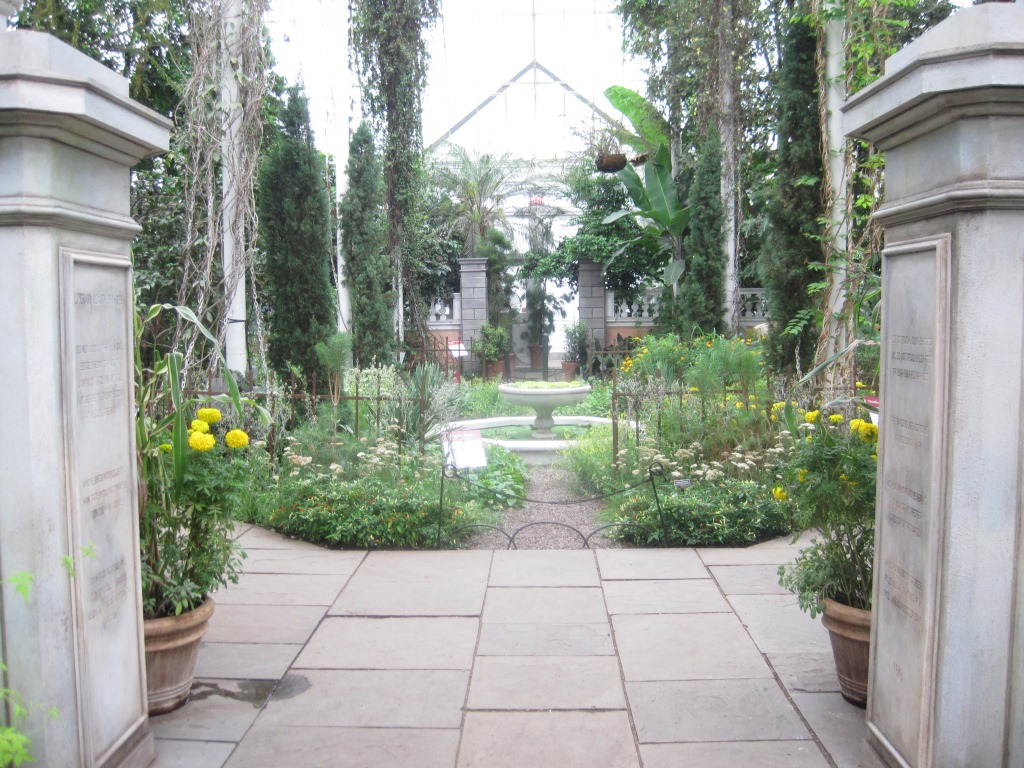
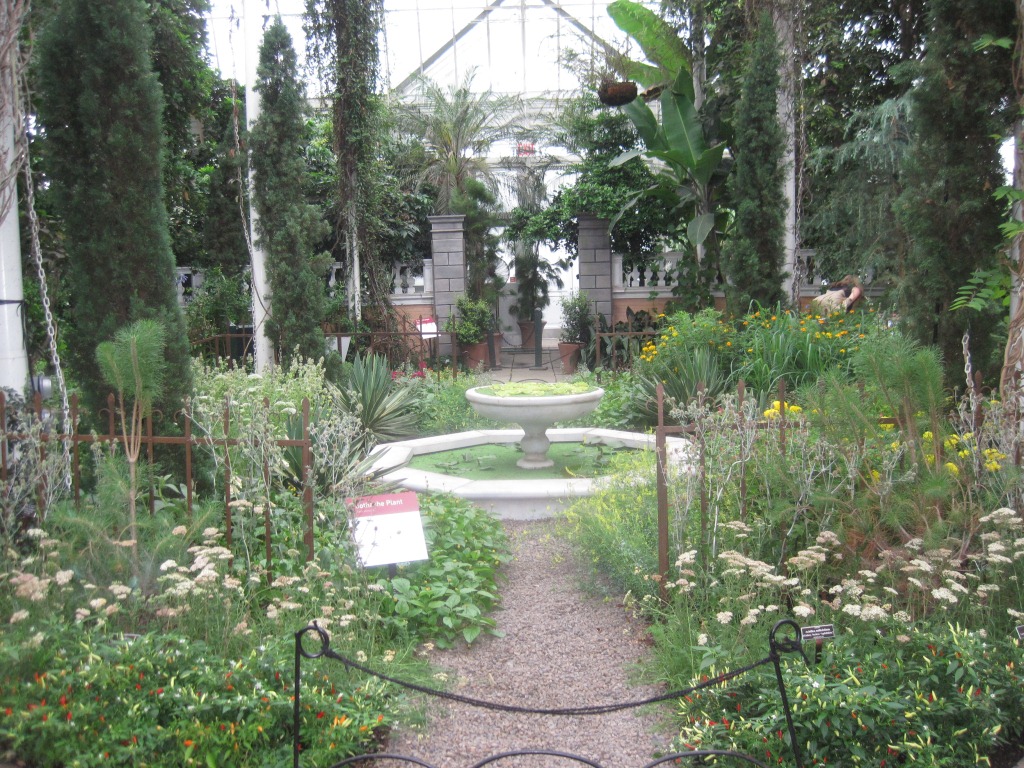
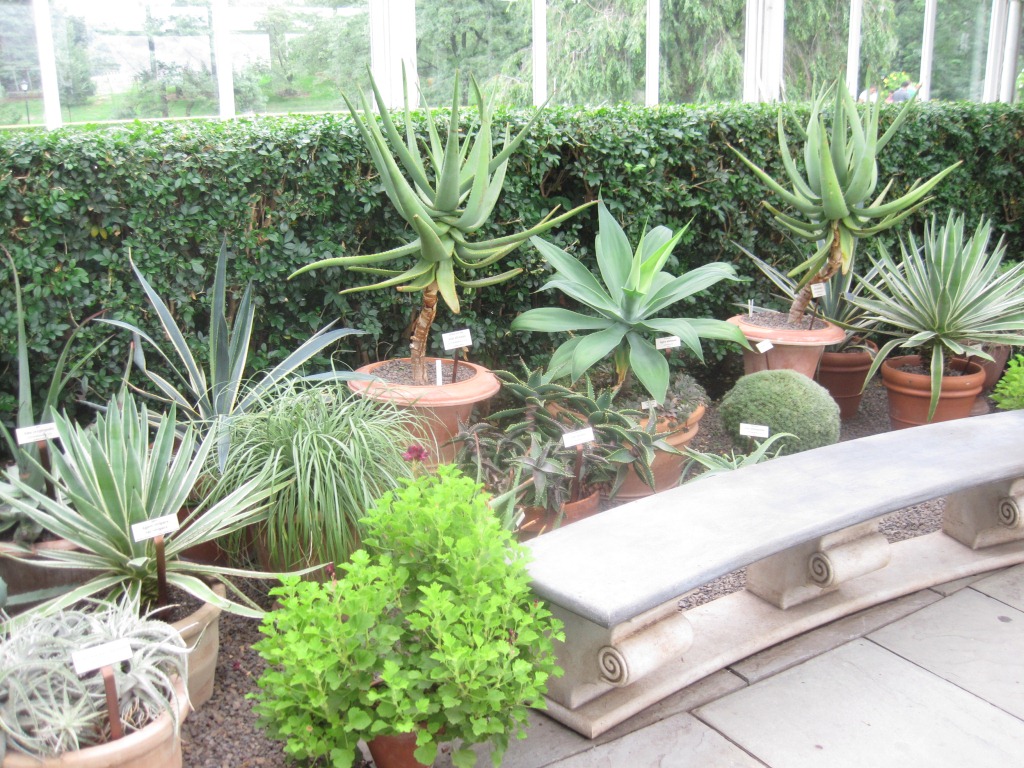
The Healing Gardener

Last week, I expounded on Healing gardens. The discussion moves a natural step further – the responsibility that we have towards our gardens.

Although man has been gardening from time immemorial, often, it has been done to the detriment of the land. With the focus being on benefiting humans, the impact on the environment has been rather easily neglected. To create gardens abundant with the exotic and rare, lush lawns, orchards heavy with fruit and potagers putting forth vegetables from distant shores, a high price was payed.

Meanwhile, large tracts of land have been given over to urban development. Gradually, our forests and prairies have shrunk. Combine the loss of natural vegetation, introduction of alien species, use of chemical pesticides and fertilizers, indiscriminate use of water, liberal employment of gas driven machines and there we have our badly, wounded earth. Our bid for the impossibly perfect has only succeeded in exposing our own failures.

Dealing with the likes of powdery mildew that has decimated the impatiens, boxwood blight, Asian long horned beetle and so many others, one can be of the opinion that we have just alien pests to contend. But, in truth, our careless habits have also increased the populations of our own native pests. You see, when we reduce native plants, we also reduce the native ‘good’ bugs which keep the natural pests in check.

I will not go into more detail about all the negative actions and impacts. It is all known. As guardians of our land, we must move ahead with a resolve to make amends. It is not too late – this much we must believe. Otherwise, what is the point?

While we seek to be healed by gardens, we must first heal our gardens. Only then can we be better served. After all, what goes around comes around.

It is my fervent hope that we will each honor our covenant to nurture our gardens and green spaces to good, robust health. Here are a few guidelines:

Plant more native species. Banish all invasive alien specimens.
Adopt only sound, organic practices.
Use water judiciously. Collect and use rain water.
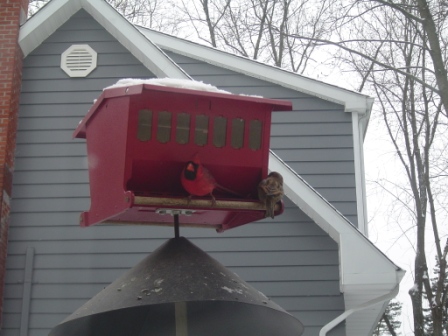
Support the presence of birds, butterflies, bees, bats, toads and other helpful critters. Grow plants that attract them. Provide ‘homes’ and water sources.
Compost all kitchen and garden waste. Use the compost instead of buying mulch or fertilizer.
Weed, prune, cut back and keep the garden nicely maintained.
Spend time daily in the garden. Absorb the good energy while giving it yours.

The growing season is yet to start in the garden but the time is ripe to get ourselves ready to do it right.

P.S.Save the date!:My garden will be open through the Garden Conservancy’s Open Days Program on May 10, 2014. Mark your calenders and do make plans to visit!

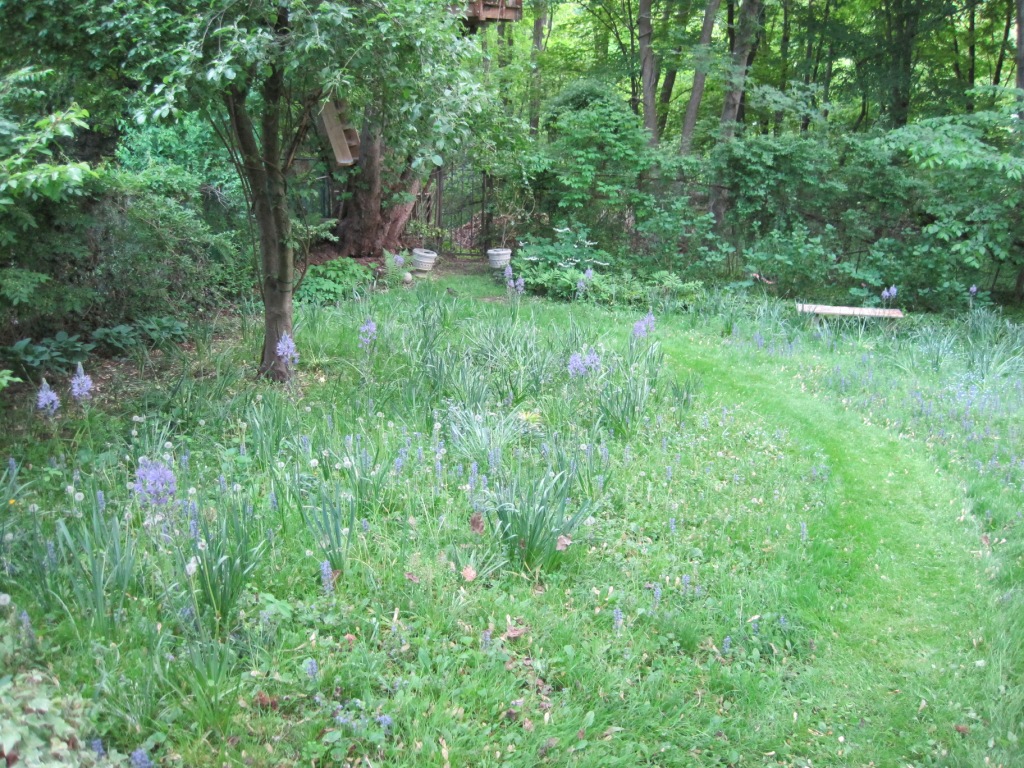
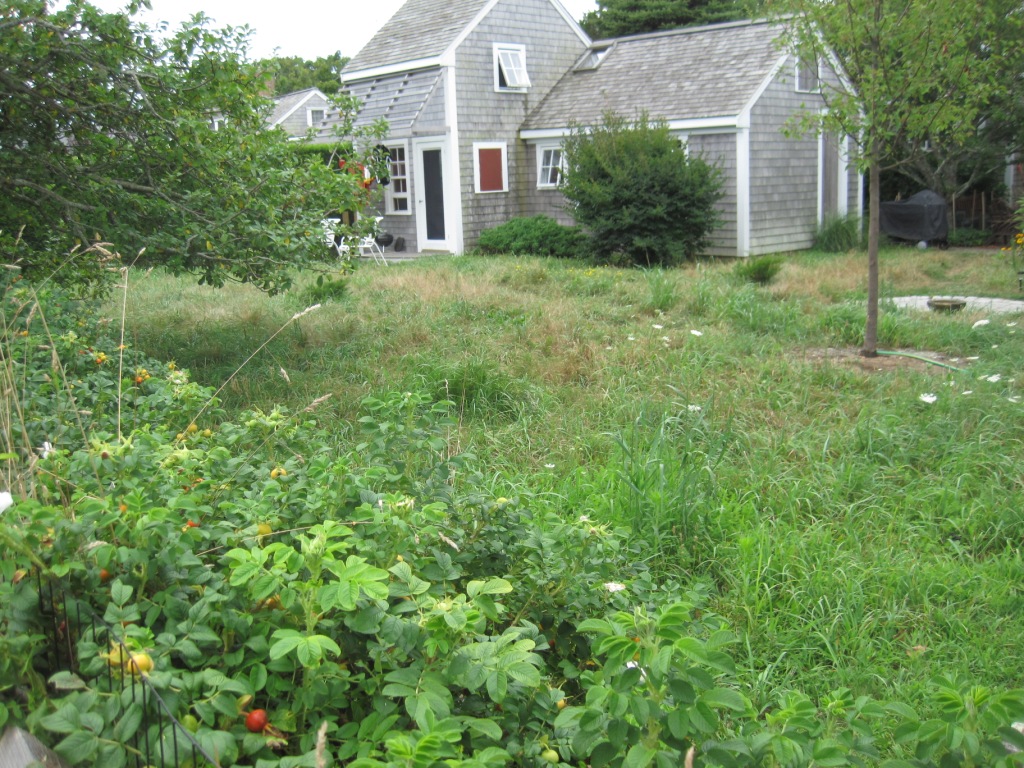
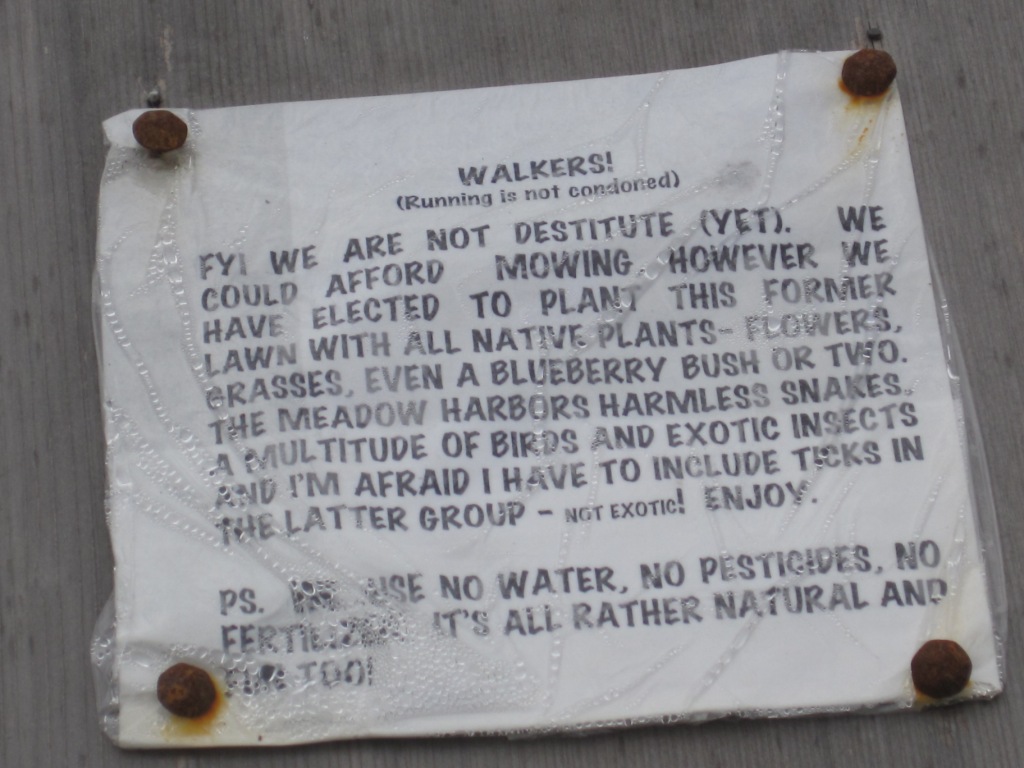
My 'meadow' - replaces replaces a lawn and supports lots of bees, butterflies and toads.

My ‘meadow’ – replaces replaces a lawn and supports lots of bees, butterflies and toads.


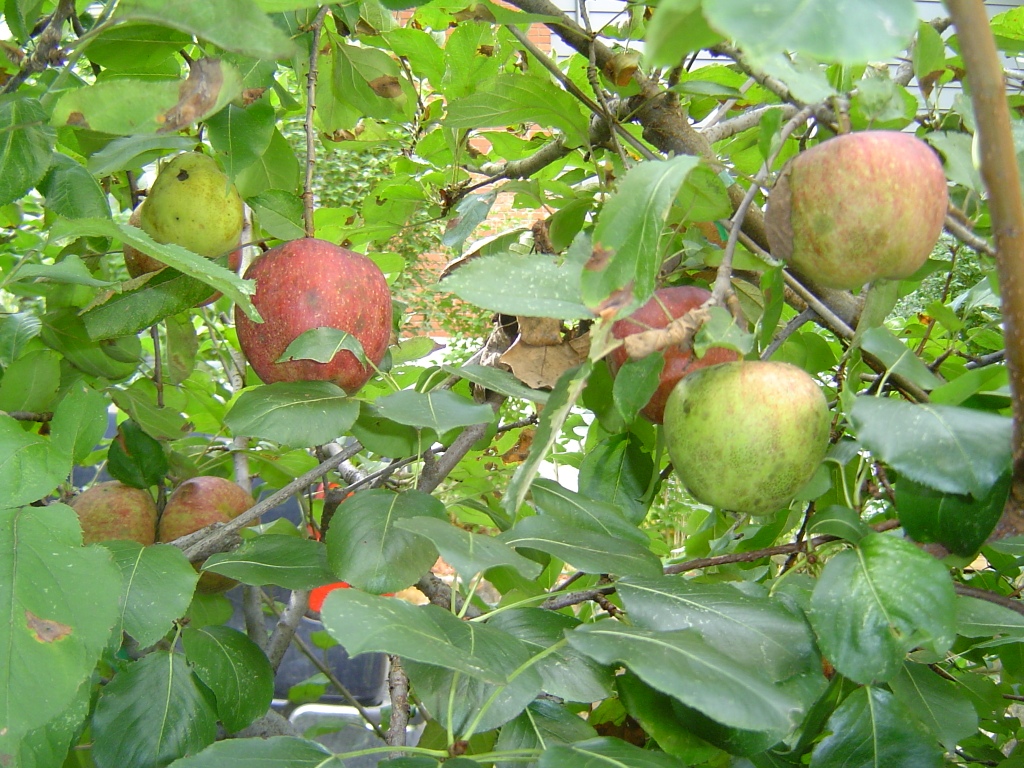
Organically maintained espalier heavy with fruit.

Organically maintained espalier heavy with fruit.


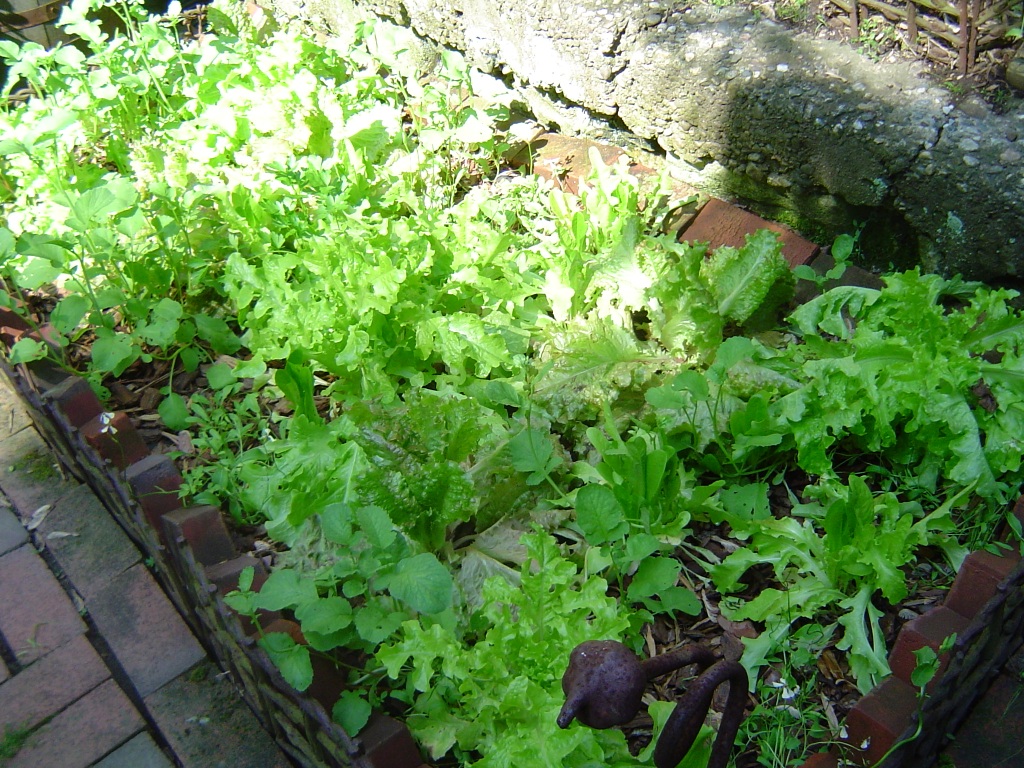
The salad bar

The salad bar


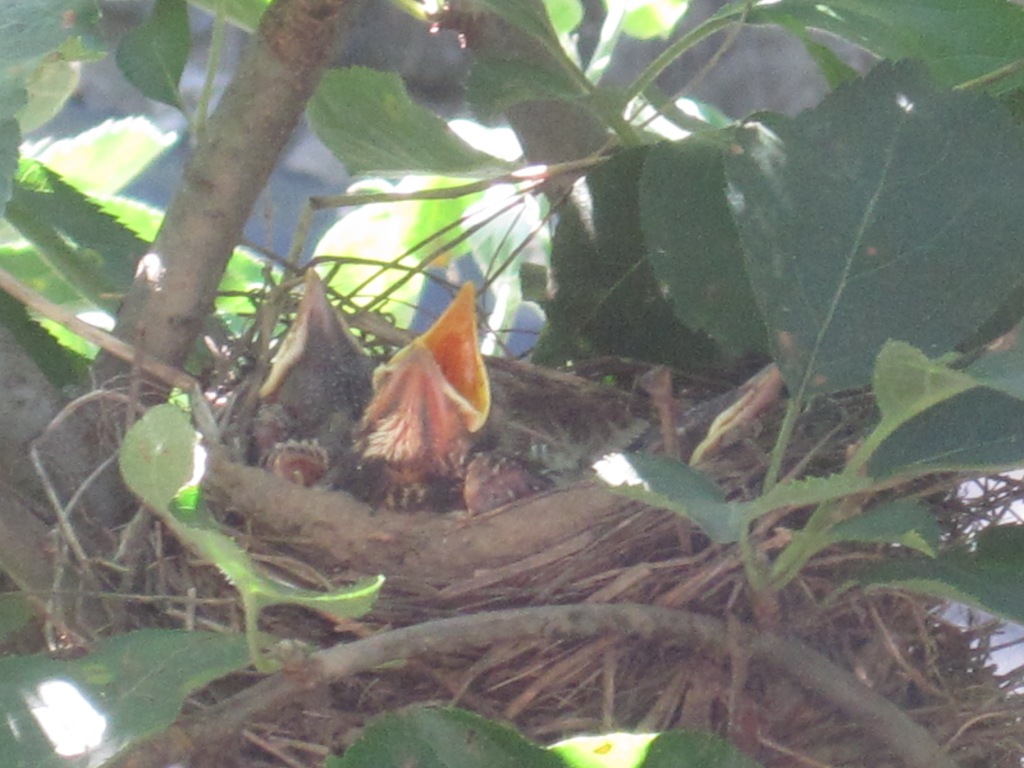
Hungry mouths in the espalier

Hungry mouths in the espalier


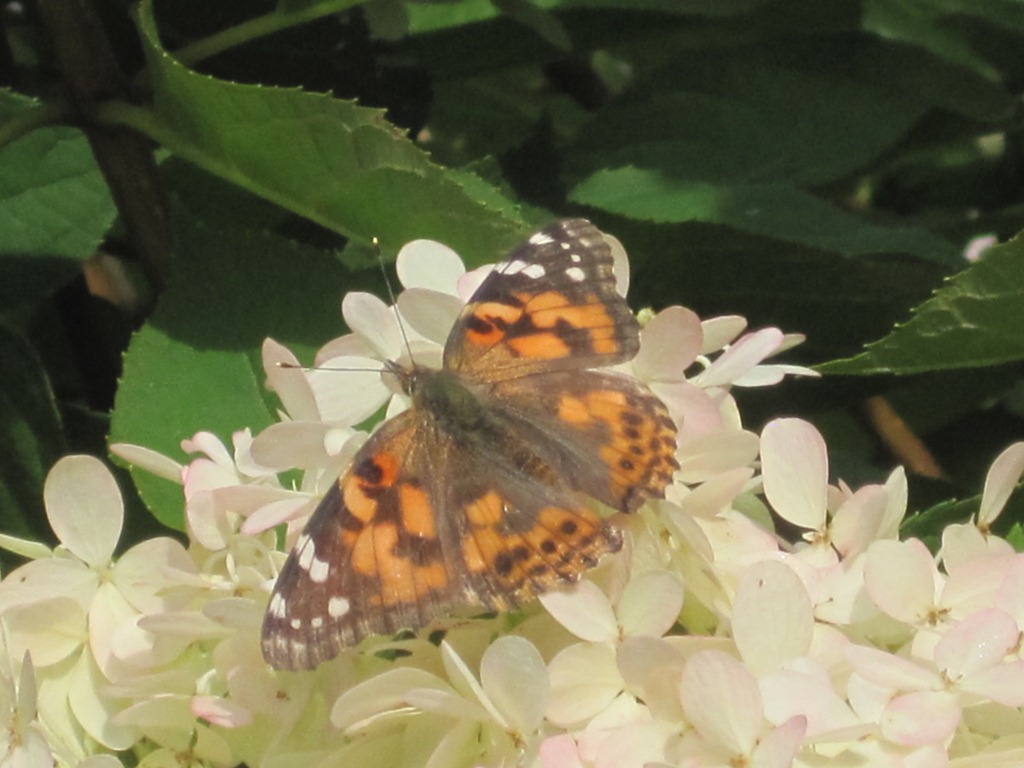
A frequent visitor

A frequent visitor


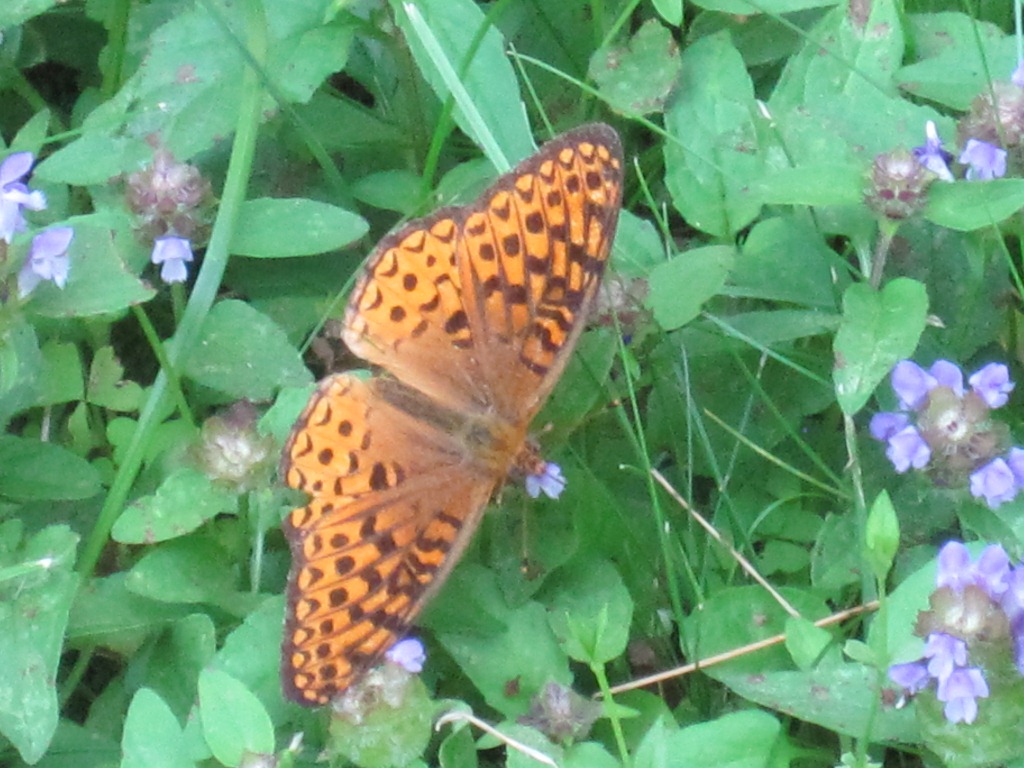
A surprise visitor in the meadow

A surprise visitor in the meadow


(c) 2014 Shobha Vanchiswar

Healing Gardens

I’ve been doing a lot of thinking about and, working on the how and what that makes a true healing garden. Gardens, like all of Nature, inherently have healing, restorative powers. Even a few minutes spent amidst trees and flowers lifts the spirits. The fresh air, bird song and horticultural beauty collectively work on improving our state of being. Research has demonstrated the benefits of gardens but honestly, this has been accepted wisdom through the ages and in every corner of the globe. Long before words like stress, blood pressure, body conditioning were known, humans still understood the value of spending time in gardens and planted spaces. Gardens heal in active as well as passive ways. Like art and music therapy, horticultural therapy is applied in many areas of health care.

The act of gardening is excellent for all sorts of conditions. Simply focusing the mind on a task outside of oneself is therapeutic. Nurturing and caring for plants results in being more confident and satisfied. The physical demands of keeping a garden get the body moving and exercised. Moods are improved, tempers cooled, attitudes adjusted and energy restored – what else can do all of these so effectively? And who in today’s world cannot do with some healing?

In a gentle, quiet manner, the garden keeps loneliness at bay. Sit in a garden for some time and as you still your mind, let the wind and birds speak to you. Fill your eyes with what the plants show you of their splendor. Suddenly, you are connected to the surroundings and no longer lonely. Nature has a way of filling up the empty spaces within.

When we hear about healing gardens, we immediately think of medicinal plants. However, that is actually, a physic garden – a garden that grows the plants to be used to treat various ailments. Very common in days before modern medical practices took over, today, we are more likely to keep herb gardens that find their use in mostly culinary efforts.

A healing garden can and may include such medicinal plants but it is much more than that. This garden is designed so any person who visits is positively influenced by it. It is not only beautiful and calm but contains elements and structures that allow for reflection and repose. To contemplate, meditate, observe and walk in such a garden, is to soothe the broken heart and calm the agitated mind. A well designed healing garden will do its work without calling any attention. Like the loving, beneficent hand of a mother, it caresses the soul and heals the spirit. One is transformed. Repeatedly spending time in such a place can only lead to inner and outer peace. Perhaps our world leaders ought to meet in healing gardens.

This garden does not need to be large or elaborate. Actually, the simpler the better. Good plantings preferably with a tree or two, a place to sit, the sound of water and, if possible, a path to walk are the basic elements. Come to such a garden and surrender yourself. Let the healing begin.
IMG_4773
IMG_4415
IMG_6837
IMG_7360
IMG_7367
(c) 2014 Shobha Vanchiswar

Be Careful What You Wish For!

As a gardener in the Northeast, I’m accustomed to having my seasons well defined. The pattern of the four seasons is comforting and instructs all my activities. Whether it be entertaining dinner guests ( I’d much rather we dined outdoors), taking vacation (summer), staying put (spring), house projects, taking time to focus on future plans (winter), having house guests ( preferably fall), visiting grandparents (winter) and so on. Of course, the garden is the best example of how much is dictated by the seasons.

So here we are in winter, the ground is frozen and covered in snow, fireplaces are blazing, heavy coats and winter gear are being put to good use and, my gardening self welcomes the respite from chores. However, the long, chilly months loom ahead and one begins to feel envious of those who live in warmer climes. While the snow and ice create spectacular visions, one can only spend so much time outside. Much better viewed from the confines of warm, cozy interiors. Thus, I start dreaming of beaches, rain forests, lakeside cabins and all places warm and sunny. Where the midday heat brings out the scent of roses and oregano. I crave the feel of grass between bare toes, the thrum of bees and even miss the discomfort of soil under my fingernails. Then, I wake up to reality and actually feel much better.

While I’m sitting with my feet propped up, dreaming of perfect gardens and catching up on my reading, my fellow gardeners in those sizzling locales are still working in the garden. They do not get a break. Achy backs and arms, rough hands, insect bites and dirty nails are theirs to have year round. Thats the penalty for all that mild weather. Plus, the spring bulbs and several perennials that are so utterly mandatory in my garden, are not genetically designed for the tropics. They demand a good, rollicking round of winter with snow and breath freezing cold. So there.

I’m happy to be exactly where I am and will contentedly pass these frigid days with grace and patience. And plenty of rest. It is awfully comfy right here, right now. The grass might literally be greener on the other side, but, only for the moment. Our turn cometh. All good things come to those who wait.

January

January


March

March


Still March

Still March


May

May


Still May

Still May


August

August


Still august

Still august


November

November


Still November

Still November


(c) 2013 Shobha Vanchiswar

From Darkness To Light – Dies Natalis

Of the two solstices and two equinoxes that we on earth are graced with each year, the winter solstice is most meaningful to me. It occurs full of promise and hope at precisely the right time. Just when we, in the Northern Hemisphere become aware that we are in for the long, cold, dark haul, the shortest day comes along. The sun is at its lowest elevation in the sky. That only means that from now on, the only way is up! One more minute of daylight added on each day. Now, that demands a celebration.

From time immemorial, mankind has observed this hibernal solstice with rituals and ceremony. Ancient cultures have passed on to us festivals and holidays. What a beautiful thread of human connection through the ages. As modern as we think of ourselves today, these passages of the sun still mark our seasons, determine when we sow our crops and how we live. All of life moves in concert with the sun.

The renewal of light and the approach of the new year fuels our human need to stay optimistic. The Romans referred to this solstice as Dies Natalis – the birth day of the sun. A birthday calls for a party. I like that. I, for one, will honor our humanity and rejoice in my humanness. My link to all those who came before me and my responsibility to those who are yet to arrive. On this sacred occasion, I reaffirm my pact to do right by nature and all who live here.

Bring on the feast, start the music, invite the world as together we light up a million candles and brighten the hearts of all.

December 21 is this Saturday. Celebrate!

Witness the majesty of the Sun:
6-15-06
Sunset_6-12-076-19-06
6-21-07A
7-17-06
IMG_2757
IMG_4553
IMG_2772
IMG_4919
DSC01068
The first five photos are credited to my friend and photographer Eleanor Oyen.
(c) 2013 Shobha Vanchiswar

Frantic Festive Fever Frenzy

December can be peculiar. It is seemingly about the holidays and the happy preparations for the celebrations but in reality, the month is fraught with stress and anxiety. The long, dark hours, the expectations, presents, decorations, cards, parties, weight worries, recitals, year end project completions, performance reviews, tips, cooking, teacher gifts, charitable giving, travel obligations/house guests, weather related problems … its so easy to be overwhelmed. Thankfully, the garden is not clamoring for attention. It is safely tucked in for the season.

Stop! Take a deep breath. Ask yourself why you have allowed yourself to get to this point. Yes, I said ‘allowed yourself’. Has the garden taught you nothing? The life lessons imparted all through the seasons? Permit me to remind you. Get yourself something warm and soothing to drink and read on.

The pact you make with Nature when you start the process of taming it to create your garden, involves:
Do No Harm – That holds for both garden and gardener. So, take on only that which is good for both. Organic, environmentally sound, Fair Trade, low carbon footprints are key words here. And, don’t take on more than you can handle. You’ll only make yourself sick and unhappy.
Think It Through – Don’t be impulsive, follow current trends or emulate others as you’ll have regrets. Just the way you do ( you do don’t you?) your homework before selecting and planting a tree, you must apply that same process to everything else.
Keep It Simple – Take on only what you can do for sure. Be realistic. Simple is clean, pure and elegant. Leave the bows, swags and fireworks to others.
Get Organized – By planning properly, a lot more will get accomplished and you would have allocated time to enjoy the season. Recall those times when the weeding and watering got done and you still had the time to read in the hammock amidst the hum of bees and chattering of finches. Channel that into your frenetic life.
Be True To Yourself – express your true self. Your taste, preferences and style are what makes you YOU. You plant the flowers and vegetables you like, you choose colors that sing to you, you got rid of whatever you didn’t like. Well, apply that to your life in general. You don’t have to throw a party, get a tree, send out cards and such. The party can wait for a time when there is less to do. Instead of a tree, promise that expense to a charity, send out thoughtful notes all through the year. Trust me, the people who really matter will understand and appreciate. Make no apologies for who or how you are. If you accept yourself, others will too.
Let It Go – Free yourself of your own and other people’s expectations. Reread Be True To Yourself above. Keep in kind that you do not have control over very much. So why burden yourself with what is beyond you?
Be Bold – Get out of that comfort zone and try something you’ve always wanted to do but were too hesitant/ shy/afraid to do. Think about how liberating it was when you ripped up the formal flower beds and made a cottage garden instead. Others were horrified but the slightly messy, blowsy look makes you endlessly happy. Whatever doesn’t work out can be remedied, redone, repaired or removed. The world will not end. Actually, the world will not notice.
Pay It Forward – You plant trees for future generations, use organic methods so all living things are safe, sow heirloom seeds so diversity and history are respected. Similarly, when giving gifts think about each individual and give them something that also benefits a larger population – membership to museums and botanical gardens, subscriptions to concerts, gift certificates to local nurseries and other local businesses. Low on money? There is no shame in that. Offer services like a home-cooked meal in January, pet/baby-sitting, helping with weeding in the spring, teaching a skill, fixing a problem like a leaky faucet or creaky door.
Be In The Moment – It is all you really have. Show up for it. Smell the rose when it blooms. Pick and savor the peach when it is ripe and warm from the embrace of the sun. Watch the fireflies every night of summer. This present moment will not come back. Live it well and it will nourish you forever. No regrets. You reap only what you sow.

Now, tell me, are you ready to change your mind about this holiday season? Exhale. Tone it down. Simplify. Own it. End this year on your own terms.

P.S. Give thanks to the garden for its constant guidance and solace.
DSC03147
DSC03155
DSC04382
DSC05610
IMG_2393
IMG_2413
(c) 2013 Shobha Vanchiswar

Report card

We are judged on almost everything we do in life. Think about it. You bake something and a verdict is passed. You paint, write, sing, sculpt, build, invent, teach, sell or parent and there is a panel that is on the ready to make a pronouncement. Our culture enjoys a certain comfort in deeming things pass/fail, right/wrong, beautiful/ugly, amateur/professional, successful/unsuccessful, crude/sophisticated. This makes being true to oneself rather difficult.

We are afraid to call ourselves an artist if we have not shown in an exhibit or a writer if a book has never been published. You might be an engineer with the correct schooling and degrees but you can be a sculptor as well. Even if what you sculpt is done at night and your art is seen only inside your home. But how hesitant we are to declare it in public! Too timid to question the system that denies one one’s many faceted, undeniably special persona.

Who are these social pundits and what exactly are their qualifications to be so judgmental? A certain degree of parameters make sense. For instance, rules of the road are very relevant. The same goes for how we conduct ourselves in society. They serve as guidelines, standard markers that make civilization thrive. One learns how to reach higher and do better. Peaceful, cooperative societies must have general rules and acceptable limits. This works fine but all too often, we are left somewhat paralyzed by fear of censure in our day to day lives. Because of this, we follow the pack and surrender our individuality. Look around. Our dress, our literature and cinema, our music, the architecture and appearance of residential streets, cars, hairstyles, even our food choices are all dictated by trends set mostly by those who in truth, know no better than anybody else.

We listen to the words of celebrities as though they are the modern day Oracle or are the select few in custody of the Rosetta Stone of Everything. If a person is indeed an expert or legitimate authority, then, they are obligated to teach, help the rest of us. Not deride, mock or judge. Most of us never pause to question if any of this feels right or is suitable at all. To follow our own ideas and thoughts is to be bold and courageous. If you are not breaking the law or harming anybody, then take a big, deep breath and be bold and courageous. Be you.

The easiest place to express yourself is the garden. Society regards the garden like an afterthought. Unless your front garden is a complete jungle or radically different, no one will notice or care. It is as though to spend time gardening means we are not pursuing more important, pressing causes. And if you don’t garden, well who will chide you because after all “who has the time?”.

On the one hand, it is universally accepted that it is vital to have access to nature and we tend to buy as large a property as possible. But on the other, not enough is done to acknowledge and appreciate those who create and care for such green spaces. We can use this attitude to advantage!

Typically, I see it as a means to create whatever garden I like. True, going berserk and making a thirty foot waterfall on a standard suburban plot would be asking for complaints from neighbors and zoning/architectural review boards. But in general, a great deal of leeway exists. Go with your heart and abilities. Convert the whole garden into a vegetable plot. Make it a paradise of peonies. Fill it with all your favorite plants. Gaudy colors, all white beds, minimalist modern, serious native plant collections – go for it. As long as you adhere to what your geographical zone will allow to grow and you do no harm. The latter tenet means not harming people, animals or the environment. Honor the earth. Plain and simple.

So what if none of the neighbors grow vegetables in the front of the house. If that is the most suitable location for a potager, then by all means make the most productive, most beautiful vegetable garden there. Long for a riot of roses? Make it happen! Personally, I’d much rather see a joyous melange of flowers favored by the owner’s unique style than yet another ho-hum, run of the mill suburban property. After all, where is the individual personality of the owner to be found?

The thing is, in gardening, there is no pass or fail. Everything is a learning experience. Your garden is one big open air classroom. Nature is the teacher – she gives no tests, no grades and does not single you out for punishment. Your own talents and interests are nurtured. You join this school at any age, work at your own pace, drop out if you need to, return after a hiatus. Mistakes are permitted! You get rewarded for just showing up. All along, you discover your strengths, overcome difficulties and get empowered for what lies outside the garden walls. You learn to be yourself. No pressure other than what you put on yourself. As it should be. Before long, you will step out of the boundaries of the garden and venture into other realms to make your own personal mark.

If you are hesitant to express your style or state your opinion lest you are chided, get yourself to the garden. Learn, grow strong. You endeavor to garden, so you are a Gardener. The garden gives out no report cards.

Enjoy these images of unique spaces. Be empowered!
DSC03778
DSC03793
IMG_5141
DSC05100 IMG_4671IMG_4672
IMG_9372
(c) 2013 Shobha Vanchiswar

Is The Customer Always Right?

Some weeks ago, Bloomingdales announced that they were taking a hard line on the return of their clothing. Because some folk tend to wear the clothes and then return for a refund, the store has decided to attach a device to the garments that would preclude that possibility. Any returned merchandise must have the device intact and attached. The measure should curb an $ 8.8 billion fraud bill! This is a sad commentary on the moral standards of a section of our society.

To make matters worse, the wrong doing is not restricted to clothing. Plant nurseries are confronted with a similar dilemma. People return plants for a variety of reasons. The plants are kept for some days and then brought back because “they are not looking good”/ “ I changed my mind”/ “my spouse does not like these”/ “ I found a color I liked better at another place” and so on. How the plants were cared for in the interim is uncertain. Were they watered, given sun/shade, kept healthy, are factors not determined. Flowering plants have on occasion, been used for an outdoor event and then returned because “it didn’t work out”. This last one is exactly the same as the Bloomingdales problem. To use plants to “stage” a property for a showing and then return them is not unheard of.

People come a year after purchasing a plant wanting their money back because the item did not survive the winter. No mention of the possibility that perhaps they themselves could have done something wrong. Wrong plant for the site. Wrong conditions. And some times sheer bad luck from a nasty winter which knocked off plants all over the region.

There is of course, the possibility that the plant purchased might have been sick or diseased. But for the most part, that would have been made visible quite early. On the chance that this was not the case, the nursery would have eventually been notified by other buyers or the growers themselves when the problem surfaced. In which case, refunds would be appropriate. However, this is not the usual situation. Most times, people want to blame the nursery for all horticultural failures.

Some nurseries offer a limited warranty. It probably helps in customer relations. But what is the responsibility of the buyer? Do we not have to act in good faith? How do we dare demand good service, excellent quality and fair prices if we don’t do our part in adhering to the honor system?

Plants are living creatures and by that very nature, there are simply too many variables in play. Reputable nurseries do their best to offer the best. The customer then must do his/her best as well. Do the research, choose wisely, plant correctly, care for the plants diligently. Don’t abuse the system. If the plant was mislabeled or the flowers turn out to be a far cry from the desired color, then by all means ask for a replacement but lets not make others pay for one’s own mistakes or failings.

I know of no nursery tycoon. This is not the business that generates wealth. Nurserymen take on this work because they love it. Typically, nurseries also provide knowledgeable staff from whom one can learn a great deal. When a customer demands their money back and succeeds, it is mostly because the nursery has little choice. They cannot prove where the fault lies and so they swallow the cost. Returned plants are hardly ever in a state of robust health – hence the resale of such items is low.
The Bloomingdales black tag cannot be used here. Instead, everybody will have to pay the price for the bad behavior of a small population.The cumulative effect of such a practice is far reaching.It hurts the growers, the nurseries, the customers. Prices will go up, selections will be smaller and less varied, and in the long term, there will be fewer people dedicated to the promotion of quality, interesting plants.

On my part, I’m fully aware of how often I have made mistakes by making wrong purchases or stubbornly planting in inappropriate places or delaying the planting for too long. Worse, I’m guilty of neglecting to give the required care. I take full ownership and there is no blame to pass on. On the occasion, when an order of bulbs bloomed to exhibit the color or type that had not been selected, the supplier has graciously given a refund or credit. The same for plants that were incorrectly advertised. In general though, the fault is mine. I do recall that once, although a batch of tulips was the wrong color, it actually looked spectacular. When visitors congratulated me for my keen selection, I took full credit.

Recently, at my local nursery, I heard a neighbor demand a refund for a shrub that had died. It had cost about $ 20.00, was purchased a year ago which included a harsh winter and a summer with little rain, been moved three times in the garden and had some construction work done very close to it. Really? Is this what we have come to? I’m still cringing.

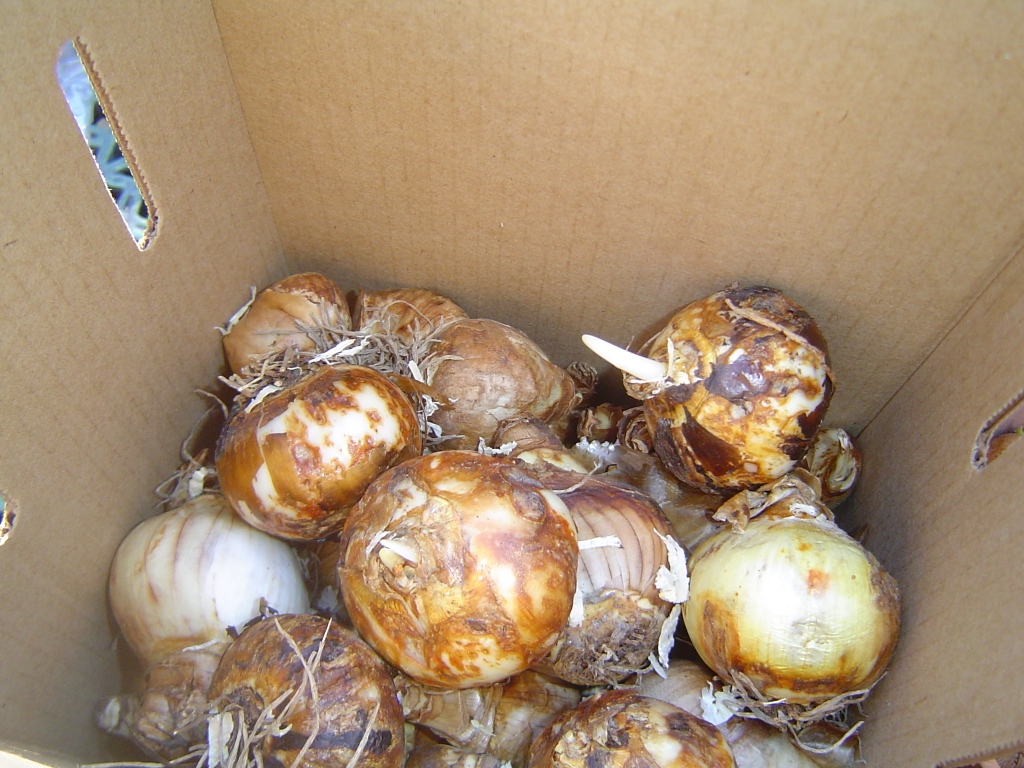
A batch of freshly delivered bulbs

A batch of freshly delivered bulbs


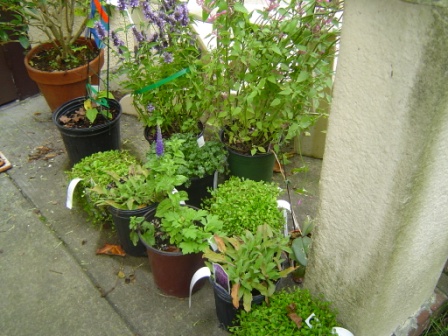
New purchases await

New purchases await


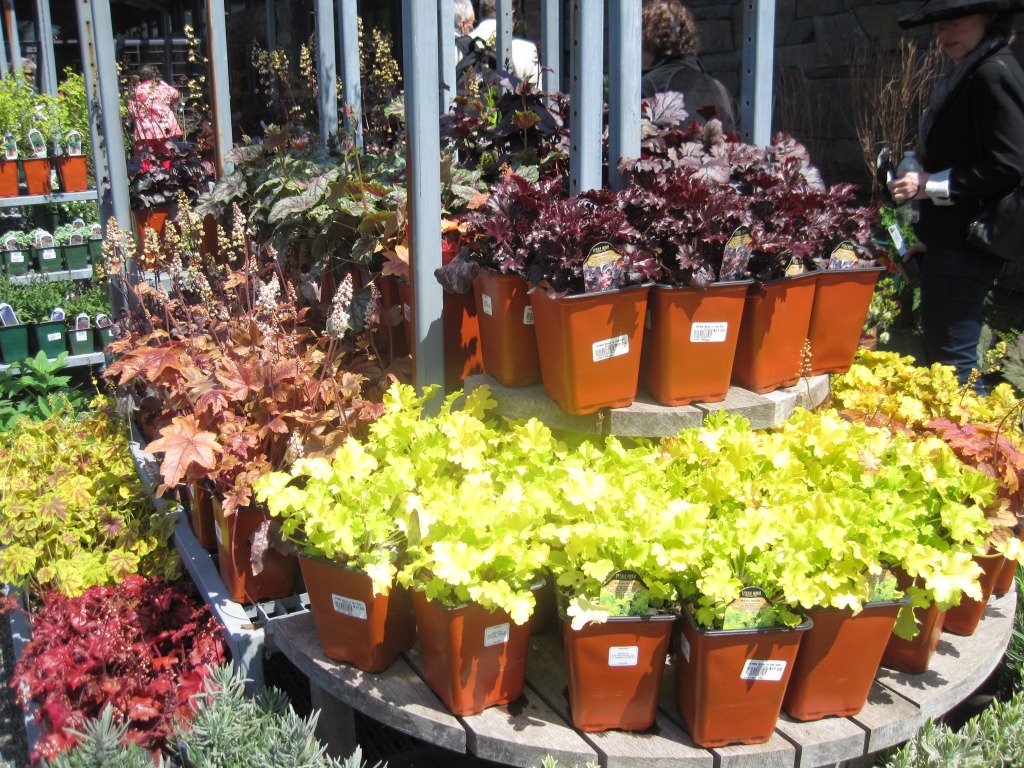
At the nursery

At the nursery


(c) 2013 Shobha Vanchiswar

Rules Of Engagement In The Garden

The first botanical garden was created in 1545 Padua, Italy. Inscribed on pillars at the entrance to the garden are rules for those who visit. I believe they are very pertinent even today. Here are the rules:

I Do Not Knock At This Main Gate Before The Day Of Mark The Evangelist ( April 25) And Then Not Before The 22nd Hour.
II Anyone Entering Through The Main Gate, Should Not Wander From The Main Avenue.
III Do Not Break Stems, Pick Flowers, Collect Fruit Or Seed, Or Pull Roots In The Garden.
IV Do Not Touch Young Shoots and Do Not Tread Underfoot Or Leap Over Flower Beds.
V The Gardens Are Not To Be Afflicted With Harm.
VI Nothing Must Be Done Against The Will Of The Prefect ( director of garden).
VII Any Contravention Of These Rules Will Be Punished With Fines, Imprisonment, Or Exile.

To these I’d like to add:

VII When Visiting The Garden, Feel Free To Praise It Lavishly. Preferably Within Earshot Of The Gardener.
IX Bring Along A Notebook To Write Down All Of The Brilliant Ideas and Designs The Garden And Gardener Provide.
X Mind Your Children But Do Not Threaten Them With The Ire Of The “Wicked” Gardener.
XI Do Not Mention Other Gardens In Comparison To This One Unless You Intend Using Names Like Versailles, Sissinghurst or Shangri La.
XII Every Visitor Is Obligated To Tell A Minimum Of Ten Others About The Marvels Observed In This Garden. Failure To Do So Will Result In Punishments Already Stated ( See Rule VII).
I think that covers just about everything relevant. I must now go in search of a suitable pillar preferably of ancient origin and, a well sharpened chisel.
Below are photos from the Wild Medicine Exhibit at the New York Botanical Gardens:
Wild Medicine/Padua 1
Wild Medicine/ Padua 2
Wild Medicine/ Padua 3
(c) 2013 Shobha Vanchiswar

Put Your Best Game Face On!

Just as your face and most particularly, your smile are what contribute significantly to a first impression, so is it the facade of your house and specifically the front garden that informs the world about who the residents are. When reviewing this part of your property, ask yourself if it conveys the right message. If it is, then that must be enormously satisfying I’m sure. If not, how can it be improved? A little tweaking or a complete face-lift? Of course, if you couldn’t care less about the front garden, then stop reading! Because I’m going to discuss exactly that. But wait just a second! Are you saying you don’t even bother to keep this area neat, tidy and presentable? You do, right? Then, ha! You care. Read on.

Man or woman, everybody pays attention to how their face looks (and we also pay close attention to other people’s faces). Some more than others. It all depends on how much time and effort one is willing to expend. Putting it another way, it depends on how important it is to you. Chances are you will be similarly disposed to how you address your front garden. And that is A-okay. The main thing is to have your face or front garden reflect the best you. Just as those of us who cannot stand to wear too much make up and feel uncomfortable if we do, a fussy, high maintenance garden ( yes, such a thing exists) will look incongruous. So lets consider the front of your property.

Get outside onto the street, face the house and take a hard look at what you see. Assess it honestly. Chances are there is room for improvement. Note down everything you think can be done. Make the list in order of priority or urgency. Think simple. The ugly hedge might not require replacing – a proper trimming could be all that needs doing. On the other hand, a sickly tree ought to be removed before it topples over and causes damage. It is a good idea to look at the front area at different times of day and keep in mind the different seasons.

Perhaps over the years, as surrounding trees and shrubs grew, what was once a sunny area is now shady and the plants are no longer thriving. Time to replace the plantings with those more suitable. Similarly, if trees were lost due to age or storms, a shady area is now more exposed to the sun. While it might feel a bit daunting to rethink a whole area, these are actually the ‘perks’ of a gardening life. Something to challenge us, shake uu out of our humdrum ways. If you really are at a loss on how to go about making big changes, ask fellow gardeners or even get a garden designer’s advice.

Assuming the exterior of your house is in good shape, lets start on the area that leads one up to it.
Literally. How does the walkway to the house look? Does it need repair, repaving or replacing? You are going for attractive but sensible. Paved pebbled or gravel paths are not kind to feet ( especially when in high heels) and the former can get slippery when wet or iced over. Too narrow or too wide might need some correction. Likewise, look at other hardscaping such as walls. They should be in good repair and preferably softened with greenery. Remember, you are going for an appearance that appeals to others but must primarily make you very pleased to see your home every single time.

Look at matters of practical maintenance. Is the front garden easy enough to keep routinely tidy? Watering should be convenient. All parts of the area should be accessible for cleaning, weeding, pruning etc., Otherwise, it’ll be prone to neglect.

Check the boundaries. In a formal set up, these delineations are attractive elements themselves. Hedges are kept very neat and clipped. In less formal gardens, the boundaries can be blurred with some creative planting. Stone walls are lovely but need the hardness reduced with plants that either front them or scramble on them. Likewise, other types of fences must serve the dual purposes of marking off the property as well as participating in the general garden design.In any case, some thought needs to be put in.

Lighting is an item that is often overlooked. If your walkway is long, a single light by the front door is inadequate. Think of additional sources of light for the dark hours but keep them discrete. Also, if there is a beautiful specimen tree or special sculpture, you might want to highlight it with a bit of muted illumination. Be sure none of the lights shine into neighboring homes.

If you have the means, redesign your space so parked cars are not the most visible items seen when viewing your home from the front.

Don’t overlook what is known as ‘front door impact’. Plants that are striking such as topiaries or standards. Large pots with interesting, exuberant plants. Something that says one has arrived at a special place and can anticipate more of the same beyond the front door.

Finally, we approach the most fun part of the garden – the plantings. If all there exists is an expanse of lawn and some foundation plantings, you can do much better than that! Unless huge lawns are required for regular rounds of croquet, they ought to be reduced and made more interesting by creating additional flower beds or planting attractive small or mid-size trees. Beef up the foundation plantings with plants that provide color, cheer and visual interest through the seasons. Have fun with your choices and select what you personally enjoy. The garden should say something about you remember?

If you wish, extend the garden right up to the house with creative combinations of plants in hanging pots or window boxes. Add drama at the gate or entrance to the walkway with a collection of pots ( larger the better). Think outside the box and change ho-hum to oh! My!

In my case, I want my front garden to say open, friendly, optimistic, creative, interesting and thoughtful people live here. Rather ambitious you say? That’s where the optimism helps.What do you want your front garden to say?

Note: You have the opportunity to see if I’ve succeeded in my mission by coming to my garden on Open Garden Day this Saturday May 25. Click on ‘Happenings’ page to get details.

Perennial Bed

Perennial Bed


The walkway

The walkway


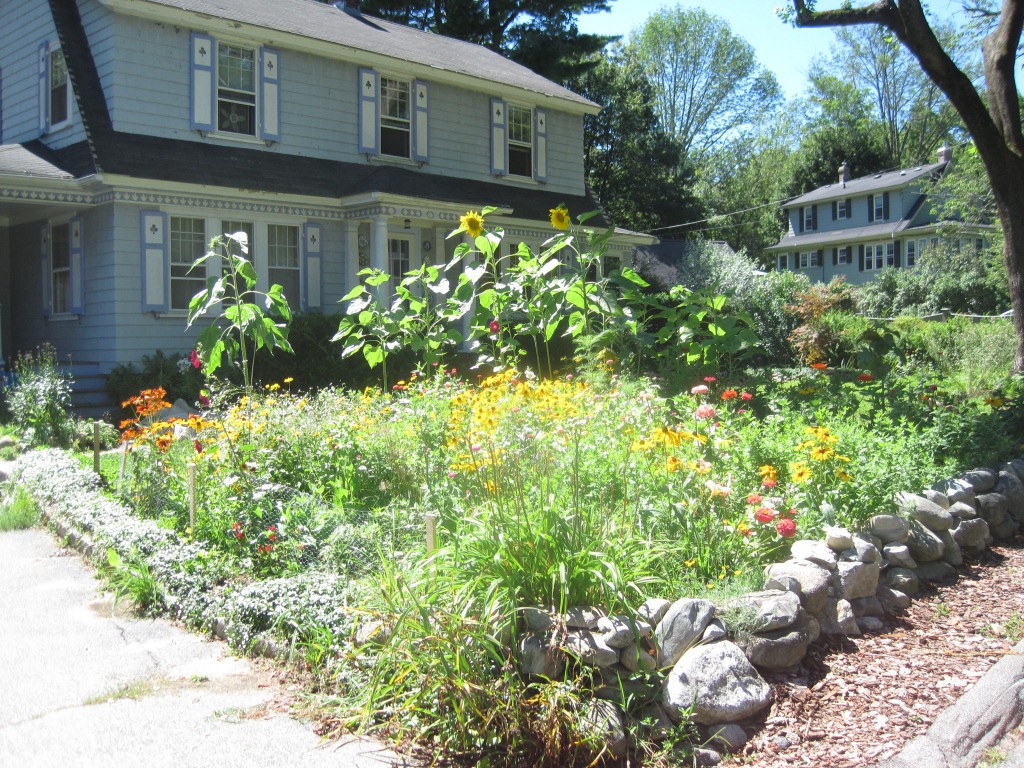
View from the street

View from the street


Window box - changed seasonally

Window box – changed seasonally


Other perennial bed

Other perennial bed

Democracy Rules – Except In The Garden

I am all for democracy. I support peaceful efforts to achieve it in other parts of the world. I take my right to vote very seriously. That we each have equal rights and are to be treated as such has my wholehearted endorsement. I believe every living creature deserves respect and kindness. Heck, I could be the poster child for democracy. Except in my garden.
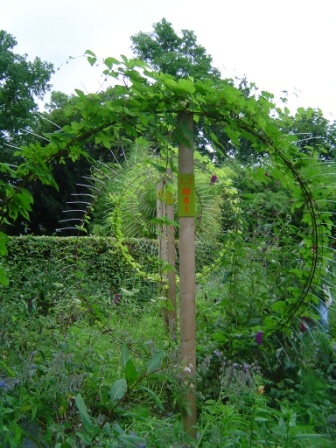
It has occurred to me that in the confines of my little garden, democracy does not exist. Autocracy rules. I assume complete authority. It is rather scary how closely my behavior in the garden resembles descriptions of Mussolini , Quaddafi and others. Please tell me I’m not alone in this personality transformation!

Consider these factors and maybe, just maybe, you will recognize yourself:
I happily discriminate amongst the plants. Selecting only certain ones and dismissing others as weak or unimpressive. I’m even known to cruelly put down specific plants.
Plants that do not perform as expected are ruthlessly eliminated.
My vision is the only vision. If a plant attempts to change the design by creeping into forbidden places then off with its head! Barricades are placed to deter just such dissension or defection.
When anybody admires the garden, I take all the credit with no consideration to the contributions of my hardworking botanical subjects.
I aim for absolute control and expect total obedience. Dissenters are not treated well. At all.

Any of the above sound familiar? I was shocked when I realized this about myself. Pushy, bossy, aggressive are traits I have confessed to. But autocratic? Would never have thought myself capable of it. Yet, where is my shame or guilt? I worry that this says something about what each of us is capable of when the right ( okay, wrong) circumstances come along. It bears some close examination.

But then, how else can one create a garden? The very idea of a garden opposes the wild behavior of plants. We attempt to tame nature.In a way, it mimics what humans do to ourselves. We attempt to be civilized instead of giving in to baser tendencies. And it is hard to do without being minded. We’ve even put in place policing agencies. The fact is, without the watchful eyes of others in society many would disregard what is good for the whole and simply do as they please for themselves. Mayhem and murder would ensue. I suppose then, it comes down to how we govern ourselves. Democracy, communism, dictatorship, military rule, monarchy – the world is still working it all out.

So, back to the garden. Looking at the big picture, I no longer feel alarmed about my authoritative influence. I think I’m really a benevolent parent. Strict, demanding the best, willing to express tough love but at the same time guiding the plants to realize their highest potential.

Yes, that’s more like it. I can live with that. It is all in the perspective one chooses to employ. So, what rule exists in your garden – parental, anarchy, democracy, oligarchy or dictatorship?
Take a look at some examples that dare to defy me:

Creeping Jenny and mazus compete to take over the path.

Creeping Jenny and mazus compete to take over the path.


Squatters

Squatters


New Dawn roses running riot

New Dawn roses running riot


The fig (in pot) that refuses to stand straight

The fig (in pot) that refuses to stand straight


The wisteria that resists taming

The wisteria that resists taming


Forget-me-nots that self-seed with no restraint.

Forget-me-nots that self-seed with no restraint.

Don’t forget that my garden is open this May 25! Check ‘Happenings’ page for details.
(c) 2013 Shobha Vanchiswar