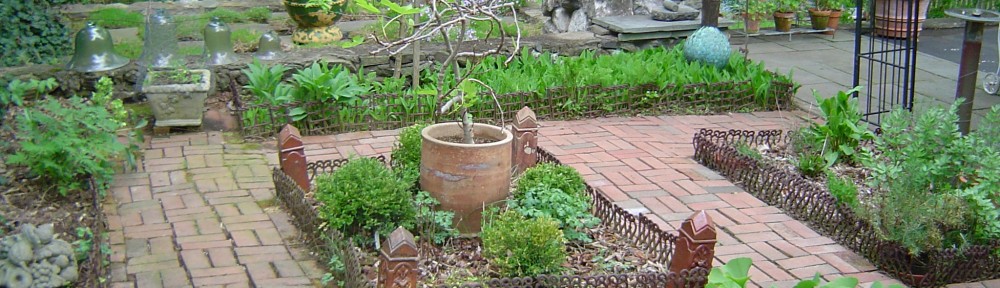
Increasingly, Rewilding is a term we’re reading or hearing about everywhere. It’s a call to get ‘looser’ in our gardens by planting pollinator friendly, mostly native plants in an unstructured style. The idea being that it will encourage not only the pollinators but also other biologically beneficial critters by way of providing both food sources and refuge. Bringing the wild back so to speak.
In principle, this is a sound move towards restoring well-balanced ecosystems, connecting our gardens to the larger landscape by supporting our native flora and fauna, and consequently benefiting the whole environment. From embracing an abundance of non-native/exotic plants that proved to be invasive and/or detrimental to native plants and animals to the use of chemicals to fertilize, fight weeds or fend off pests in the bid to manage immaculate, high maintenance gardens, gardeners have played their part in creating the environmental problem we find ourselves in right now.
Any and all efforts to make right the wrongdoing is good.
But, what exactly does rewilding imply? I’ve heard ‘experts’ cite the urgent need to redo the entire garden by getting rid of all non-native plants as well as elements that make the space too tidy and replacing with only native plants allowing them to grow as they will. Others have recommended we remove the non-native plants and let Nature take over and do as she is wont to do. According to some, even a tiny space can and should be rewilded.
Is rewilding then a matter of simply restoring the hitherto cultivated land to its original wild state?
In that case, I have to ask, then what exactly is the point of a garden at all? By its very definition and function, a garden is a piece of land manipulated by humans to provide food, beauty, solace, joy and certainly refuge from life’s myriad challenges. We might have strayed too far in our pursuit for perfection and oftentimes playing God to fulfill our ambitions for the best and most beautiful but, surely the antidote is not the abandonment of all manner of gardening to erase all evidence of a garden?
The making of a garden itself is a de-wilding of an environment is it not? Removing of existing undesirable plants, clearing and creating space for beds, paths, areas for play and sitting/dining. Gardens are for living – human living. This is true for both private and public gardens.
When I want to spend time in relatively untamed spaces, I go bird-watching in the woods, hiking on mountain trails, exploring the countryside. Even in all those natural places, I need the clarity of well-trodden paths to keep me from getting lost.
My own garden abuts a small woods. When we purchased it, the property had been quite neglected for over a year as the previous owner had relocated for his job. In that time, the woods had quietly and naturally advanced considerably into the untended garden. We had to use the surveyors map to determine what was legally ours. Much clearing and cutting had to happen before we could begin making our garden.
I mention this because it demonstrates that Nature is always ready to take over from us what was rightfully hers in the first place. Though mind you, many of the trees we had to remove were actually weeds left unchecked for so long that they had grown to become proper weed trees. So it isn’t as though important or ecologically valuable plants show up first. In rewilding, we must not only plant what we deem important but also manage them so they are not overrun by the opportunistic members of the plant world. To manage these lands is but another term for gardening – an activity invented by humans.
There is of course middle ground to be found. In simple terms we move away from overly controlling every bit of our outdoor spaces and allow in some other non-human players to express themselves. No more traditional lawns. Instead, diminish their size by creating more and/or larger beds of at least 70% native plants, planting more trees and, unconditionally surrender the pristine, green expanses of monoculture that guzzle fertilizer, water and pesticides to far more interesting and exciting blends of indigenous plants – they being hardy and resilient, require far less upkeep or intervention.
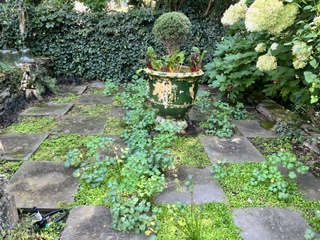
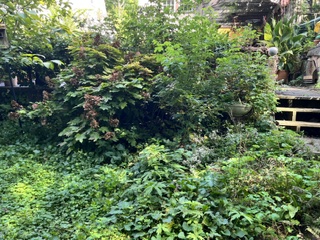
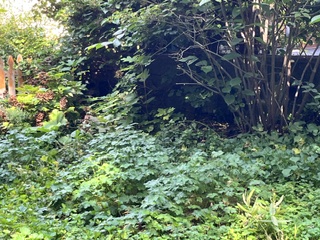
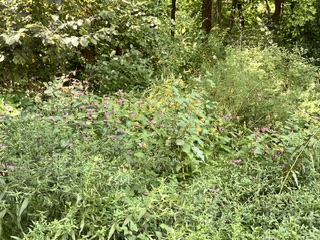
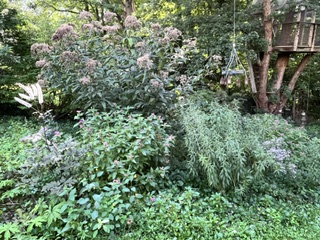
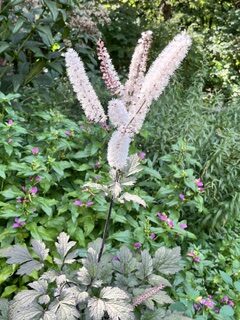
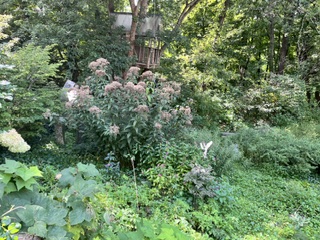
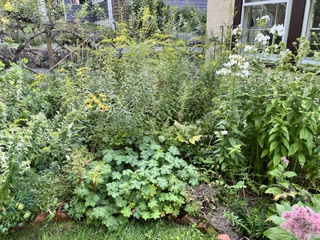
Let our gardens reflect how we live today – casual, comfortable, free of airs and graces. We’re also smart, modern, creative and friendly are we not? There you go – our gardens need no longer be formal, stuffy and anchored in trends and traditions that no longer serves us. Much like my “meadow”, lets go for fun, joyful, life affirming garden areas of controlled chaos.It’s liberating to go wild. Within limits of course!
This is actually a wonderful opportunity for each of us to get creative and express our individual styles and still collectively support the greater mission to reset the ecological balance whilst looking towards climate-change resilience and help bring back the earth and all her plant and animal inhabitants to good health.
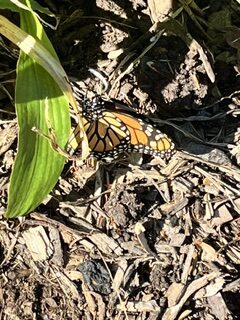
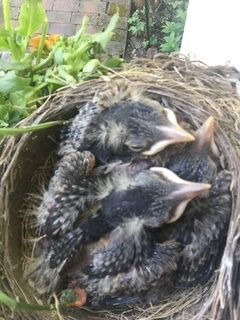
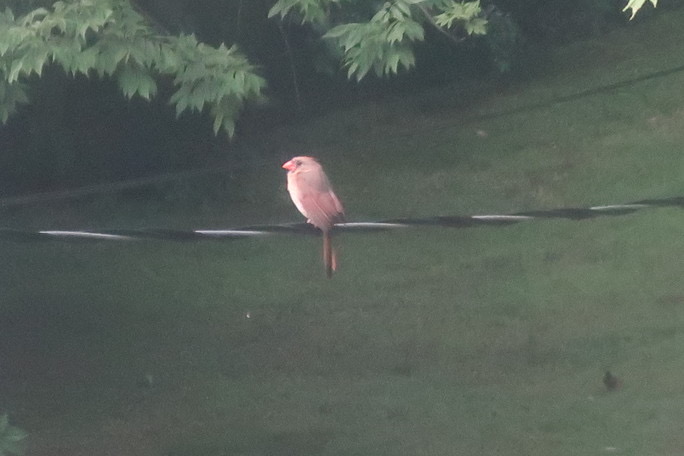
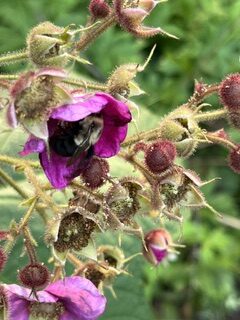
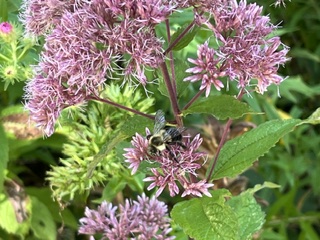
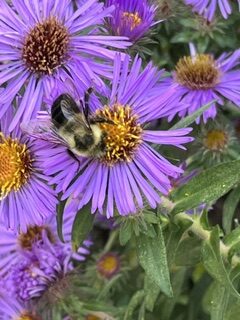
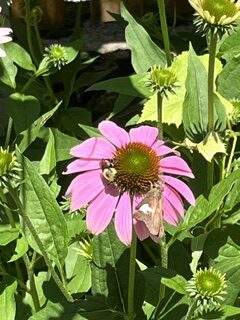
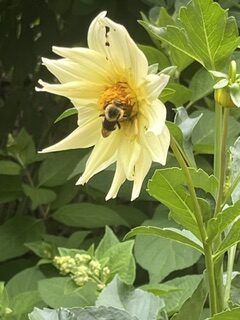
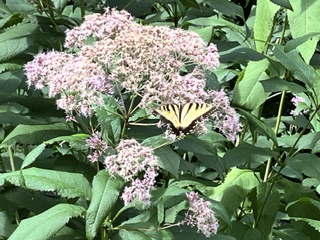
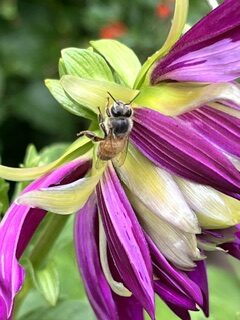
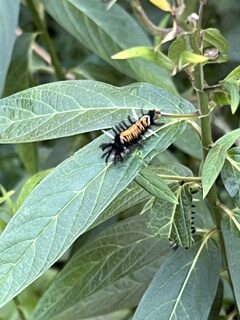
From my own version of a rewilded garden –

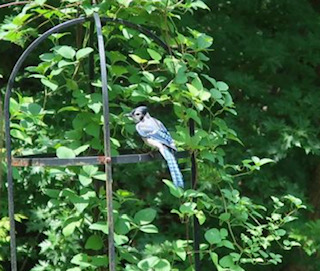
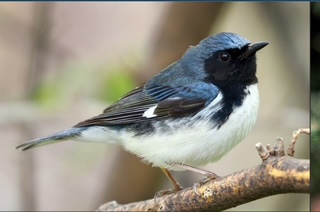
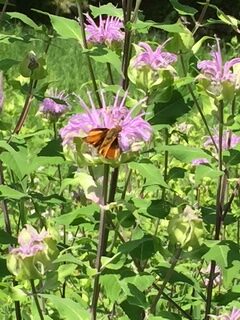
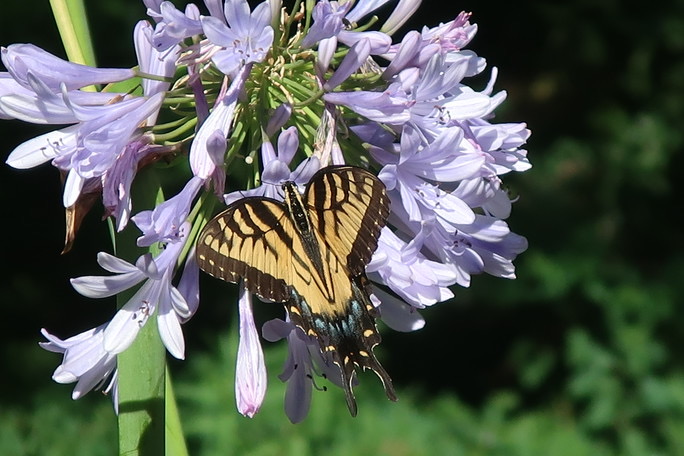
(c) 2026 Shobha Vanchiswar
[do_widget “Blog Subscriptions (Jetpack)”]