Grooving With Spring

Yes, everything is ahead of schedule. One simply has to embrace what is – it is spring after all!

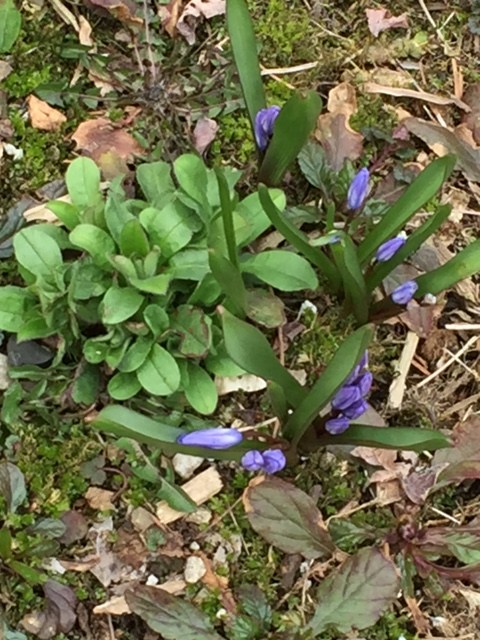
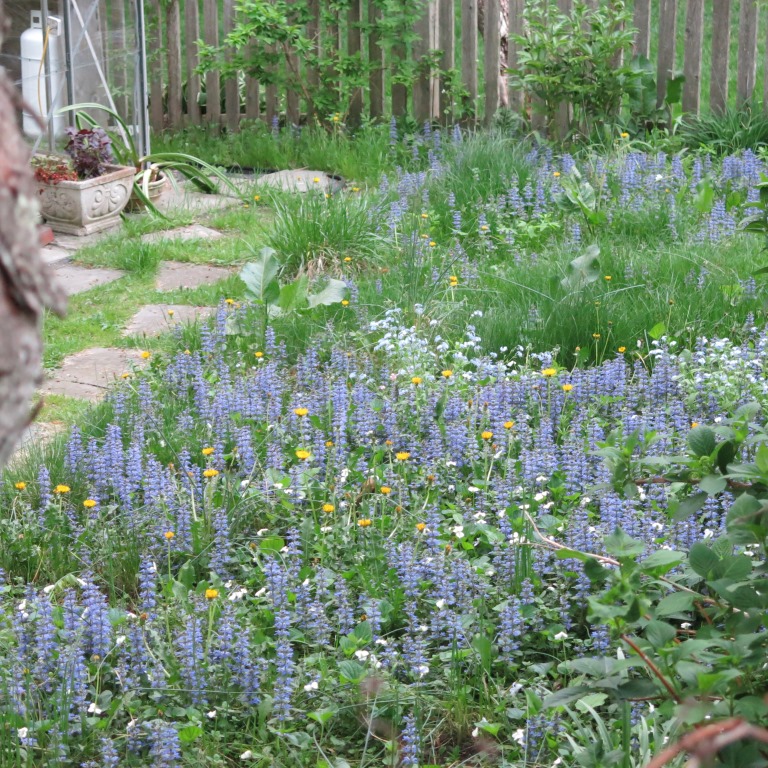
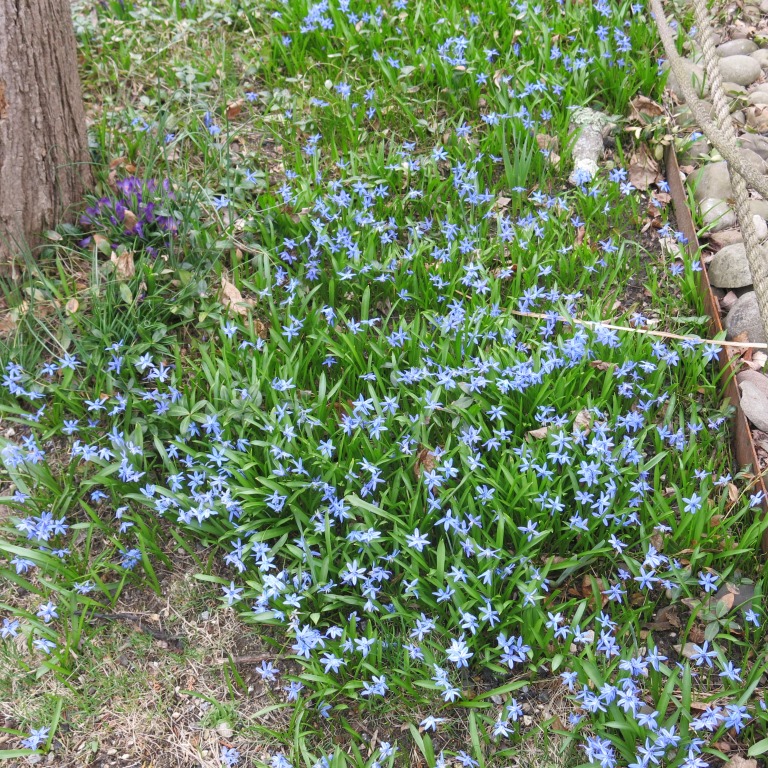
I’m loving the early bulbs. This is their (albeit brief ) time to shine. The mix of periwinkle-blue scillas and mauve creeping-myrtle carpeting the top of the front garden is the sweet sight that greets me when I return home from anywhere. The yellow of the daffodils in their midst give an extra pop of delight.

In the meadow, as the earth is greening up, the small bulbs sit like scattered gems twinkling in the clear sunshine. Every day reveals more treasures. Makes getting on with the daily chores so much more exciting. It’s hard to be grumpy when surrounded by beautiful new beginnings. At the same time, I find it totally distracting!

Last week, while I was tackling the numerous hydrangea surrounding the meadow, I kept pausing to admire the new growth at their base. It looked like there was a larger amount of dead wood to cut off and as a result, the shrubs seemed to be shrinking in size. At first, I was quite alarmed. It had been a rather mild winter so I didn’t expect much loss. Spying the basal shoots emerging shyly was a relief.
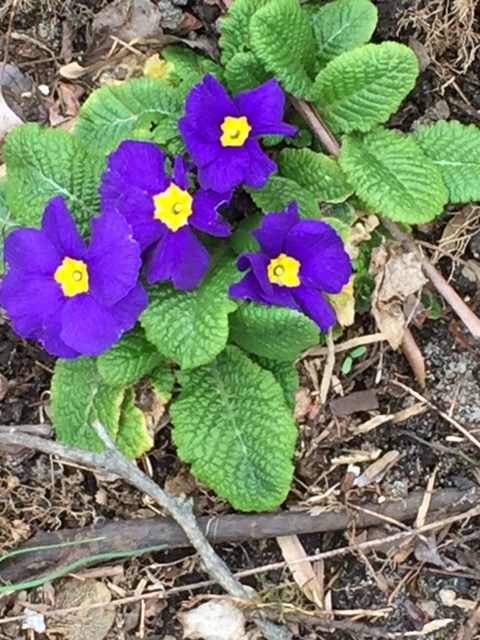
And then my eyes came to rest upon the primroses and hyacinths nosing through the soil. So charming and reassuring. Not far from where I was working, I noticed black-capped chickadees investigating an opening on the trunk of the sugar maple where a branch used to be. Perhaps they will be moving in soon.

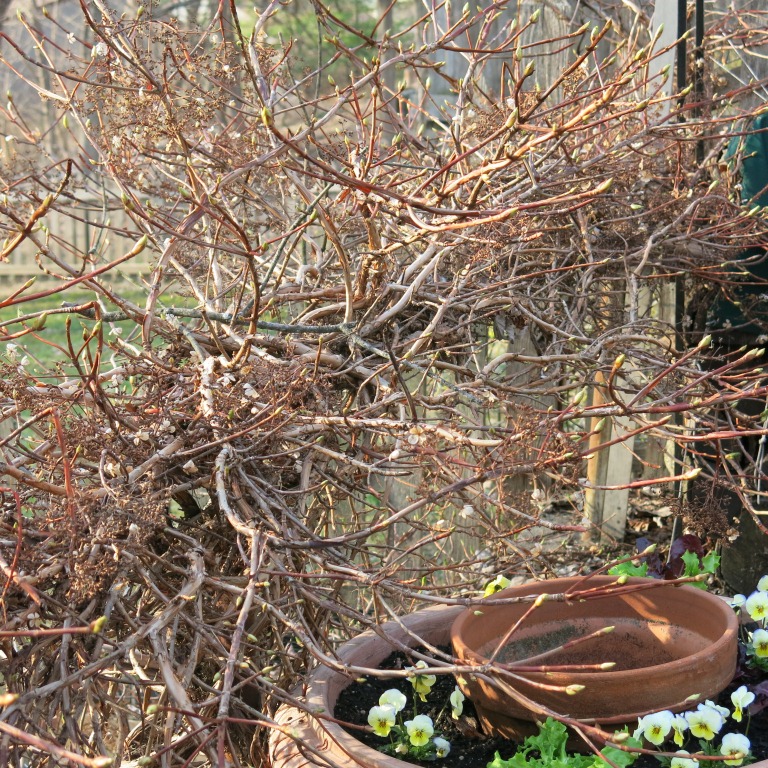
Using the lengths of grapevine prunings to wrap around the railing at the end of the driveway, I was struck by the way the buds sat on the climbing hydrangea that also grows around this structure. The plumules make the vine look like a network of stringed lights as though waiting to illuminate the garden. Which of course they shall when their creamy lace-cap flowers bloom. Meanwhile, assorted birds seemed to think I was giving away nesting material – they demonstrated great expertise at swooping in, picking up a short bit of grapevine and taking off to sites unseen.

Cool weather vegetable plugs await planting. But first I must clear the plot of anything that could harbor slugs and turn over the green cover of unidentifiable seedlings that have spontaneously sprouted. I think that this year I will spread a nice layer of sharp grit over the soil to deter the aforesaid pest. However, before I do all that, I must stop to run my hand over the creeping thyme that has self-seeded near by. The fragrance evokes menus for herb infused meals under the new pergola. Soon, very soon….

In the greenhouse, several plants can be brought outside but the kumquats hanging like tiny suns catch my attention. Now I’m off to make kumquat chutney. A dollop of it goes divinely with a sliver of cheese atop a cracker. Add a glass of perfectly chilled white wine and you have a feast.

As a result of the joyous diversions, every task takes longer than they ought. The going is slow but the spirit is high. As Mother Nature colors in the garden, the anticipation is palpable. An awful lot of chores need to be done and time always seems short. Yet, I know I cannot let myself miss these days of rebirth. After all, they hold all of a gardener’s hopes and dreams.

Is my garden’s Open Day marked on your calendar? It is May 7, 2016. 10:00 am to 4:00 pm.

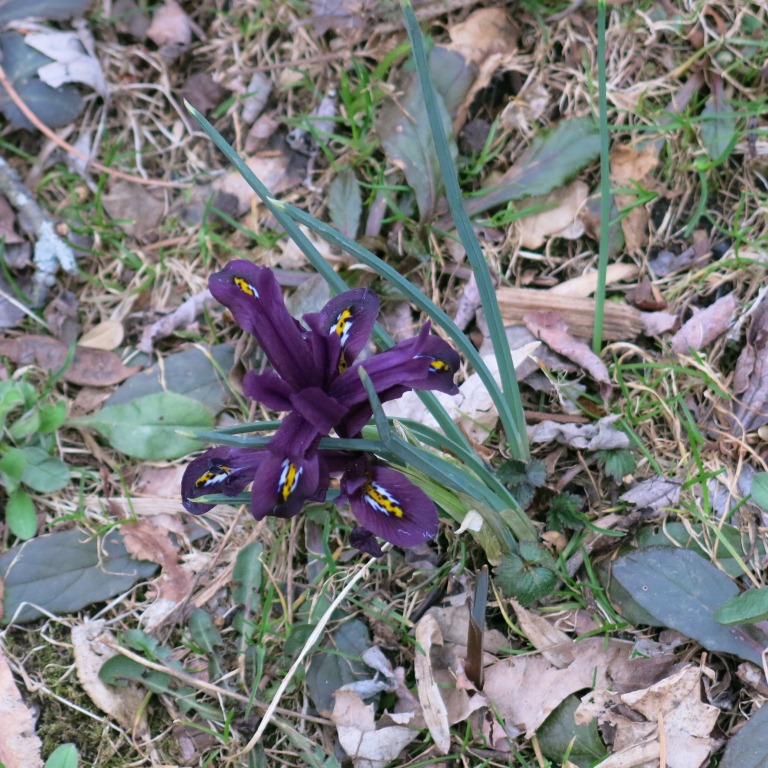
Raphsody In Blue seems like the theme playing in the garden right now:
IMG_5133

IMG_1110

IMG_1105

IMG_1104

IMG_1106

IMG_1680

Climbing hydrangea with plumules

Climbing hydrangea with plumules

(c) 2016 Shobha Vanchiswar

[do_widget “Blog Subscriptions (Jetpack)”]


Nesting Instincts. Enlightened Gardening #3.

IMG_4073

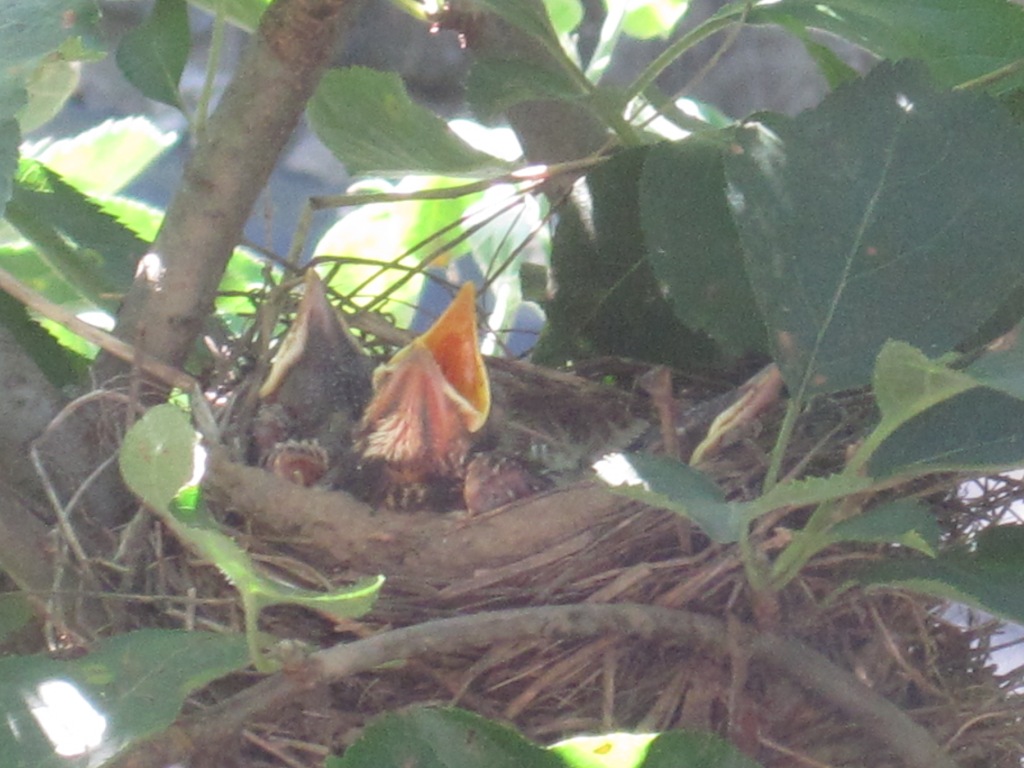
Awwww! Right?!

Nothing like the sight of babies of any species to turn us into mush. It simply cannot be helped. I never tire of seeing the homes the assorted garden creatures make. Bird nests are of course the most obvious. But solid looking adobe-like bee hives, papery nests of wasps, the large, messily put together squirrel abodes, the perfectly spherical beads of butterfly eggs on leaves of select plant, the cottony casings through which are visible the growing baby spiders are all the result of parents no less dedicated or anxious than we humans. In the role of parent, across genus and species, we can understand each other with total clarity and empathy. Is that not marvelous in itself?

A healthy garden will support all sorts of beneficial creatures. Any gardener worth her salt will do everything in her power to do right by her garden. Which brings us to part 3 of our goal to creating gardens with a conscience. Enlightened Gardening. Given all that we now know about the delicate balance in Nature, our role in impacting the environment and, how each living thing is connected to every other, it becomes imperative and urgent to do our part and do it well.

Imagine entering a garden that is lush with flowers, neatly clipped hedges. Even some clever topiary. Mature trees. Green lawns. Exquisite statuary. Sounds lovely so far? But now notice the quiet. No hum or buzz or shriek or trill or hurried rustle. Dead silence. Begins to feel strange? Then notice the absence of all animal life. No sign of movement but for a passing wind. Nothing flitting, flying, scurrying or hopping. I can already sense my panic. Like a child in an Halloween haunted house. Something bad is about to happen!

And that is what animals bring to our gardens, our world. Not only do they perform basic necessaries like pollination and pest control but they bring in the full spectrum of life itself. We could not function without them. Our spirit would be lost.

So, starting with including indigenous plants, a garden must offer a safe haven for beneficial creatures. Thickets and brambly shrubs for certain types of bird nests and other insects to find shelter and avoid discovery by their predators, Trees for other birds and squirrels. Discrete piles of fallen branches and upturned pots to give safe harbor to toads and garden snakes. Bird houses, nesting boxes, bat houses, bundles of narrow, hollow cylinders of wood or bamboo to encourage bees to take up residence.

Just like humans, other creatures also look for the ‘right’ neighborhoods. If you’ve ever watched birds check out possible nest building sites or houses already in place, you’ll know how carefully they consider the options. Safety, privacy, availability and access to food, light and wind exposure are factors uppermost on every animals mind. Sound familiar?!

It is in the interest of all concerned parties that the gardener does her bit to create the appropriate environments for the valued creatures. If we want them to grace us with their presence, then we must do the needful. Apart from a choice of housing locations, there must be available water and food. A water-bath, a fountain or a pond will suffice. Appropriate and diverse plants for food. Birds are good at scouting out where to get bugs and worms as well. If the garden is organic, then the food and water will be naturally clean. For us and for our fellow residents.
In very early spring, I put up a ‘nesting wreath’. A bunch of grapevine clippings are woven into a circle. To this I loosely attach natural fibres like cotton, jute or wool, feathers, twigs, hair, ribbons of colorful paper, dried flowers and leaves, moss and such. A little reservoir of nest building supplies to encourage the avians.

We provide a healthy place for them to live and raise their babies and they return the favor. No doubt we also provide each other a certain amount of entertainment in the bargain. Isn’t this how life is best lived?

IMG_4116

IMG_2435

IMG_9316

IMG_6948

IMG_5105

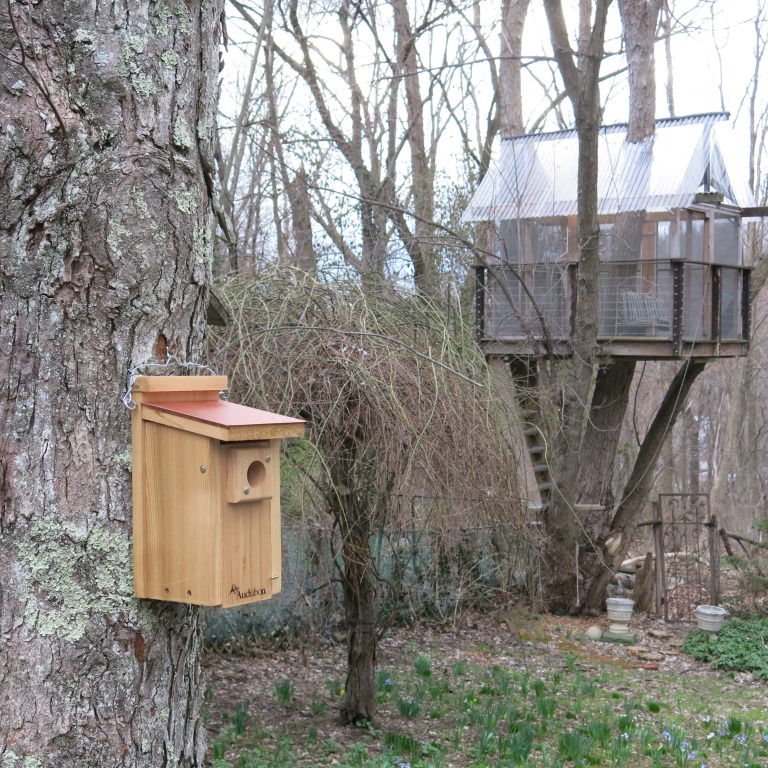
This bluebird house is not in the ideal location but I'm optimistic. It hosted wrens last year. Maybe this year I'll try to move it to a more appropriate location.

This bluebird house is not in the ideal location but I’m optimistic. It hosted wrens last year. Maybe this year I’ll try to move it to a more appropriate site.

The meadow is a veritable smorgasbord - nectar, worms, other bugs ... At the same time, it is a safe haven for some creatures.

The meadow is a veritable smorgasbord – nectar, worms, other bugs …
At the same time, it is a safe haven for some creatures.

IMG_5771

(c) 2016 Shobha Vanchiswar

Organically Certified – Enlightened Gardening #2

I’ll say it right off – keeping an organic garden is not so easy. I’m not saying it is difficult but it does require greater vigilance and prompt, timely measures. Compared to freely applying chemicals preventively and pro-actively, organic practices are somewhat more demanding. But isn’t that worth it if it means not polluting the air, soil or water? Are our children and pets not worth that effort? They should be able to play freely in the outdoors without worry of getting sick from chemicals in their environment. Preserving the health of our world is the legacy we pass on to future generations.

Last week I regaled you with the power of compost on your lawn. In truth, it is essential everywhere in the garden. I know it is hard to believe that this one ‘product’ can be fertilizer, mulch and thereby weed suppressor and water-conserver all in one. But that is only because the manufacturers of chemical/synthetic fertilizers and pesticides have done an excellent job of telling us otherwise. This is no different from baby food manufacturers who in the mid-1900’s convinced women that the factory made formulae were superior to breast milk. But we now know better don’t we? Enough said.

I use compost on lawn, flower beds, pots, vegetable plots, around fruit trees and shrubs. Literally everywhere in the garden. In the beds, I do cover the compost with a layer of cedar wood chips for both aesthetic reasons as well as to create a hindrance to the vagaries of digging critters like squirrels, dogs and cats. No other product needed.

On the few occasions when additional feeding and spraying is required as in the case of nurturing the apple and pear tree espalier fence, only organic products like seaweed and fish emulsion and dormant oil spray are used. Producing organic fruit is a particular challenge and I’ve learned to deeply respect the farmers who supply our markets.

In conjunction with maintaining an organic garden, it is imperative that the plants one selects are largely native plants. Native flora attract native fauna. These native fauna will not only pollinate cheerfully but they will also safeguard the plants from predators. Think ladybugs eating aphids, birds picking off pesky beetles and caterpillars, bats devouring mosquitoes etc., Research has shown that when a plant is attacked by pests, it does two things. First, it changes its leaves by making them less nutritious and then, it releases chemicals like jasmonic acid that act like ‘screams for help’ which are signals picked up by beneficial insects that zoom in to feed on the pests thus protecting the host plants. Even more interestingly, planting the right plants alone does not bring in the right insects. The pests must arrive first, do some harm to which the plants ‘cry out in alarm’, and only then will the predators show up. There is an implicit protocol or line of action that ensues. While we are still trying to understand these highly complex and rather impressive phenomena, we can purposefully create the correct balance of flora and fauna thereby doing right by the environment.

Whether one uses chemical or organic pesticides, we are not simply taking care of specific pests. The products are broad-based killers. So even the good guys are wiped out. It is important that we do not use any product if we can help it. For example, dormant oil spray is applied to smother the eggs of pests such as aphids, certain mites and scales. But it will also cover everything else. So, when it is sprayed is crucial. The window is small – when temperatures are above freezing for more than 24 hours but not yet too warm,when  rain is not expected for a few days and, before leaves are put out and the buds have not as yet opened. Miss that time and then don’t bother. It’s too late! Or else you risk choking the leaves so they are unable to photosynthesize properly and, coating opening buds making them unpalatable to arriving pollinators.

My general principle is to keep it simple. As few or no products. Accept that organic fruit may not look perfect. They will however taste wonderful. The sheer, unadulterated joy of biting into an apple right off the tree is priceless. Or, how about a carrot freshly pulled up from the earth and gently rinsed to get the grit off before crunching into its crisp, sweet, orange flesh? Imagine having no worries when you pluck nasturtiums and roses to add color, taste and beauty to your salads and desserts. Scented geranium leaves to perfume lemonades. Chemical-free catnip for your cat. Are you catching the organic spirit?

So first, get yourself started with a collection of native plants. ( see my article from 2 weeks ago Giving Back To The Future for sources) and organically produced vegetable seeds and/or plants which are available at any good nursery. Set up bird baths, nesting boxes and hidey-holes for beneficial fauna to take up residence. Set up your own composter and feed it garden and kitchen waste. Until you start generating your own compost, purchase it from local nurseries. Your town, like mine, might have a place to get free compost. ( For a nominal fee, they will even deliver large amounts of compost or wood-chip mulch).

Get to know your plants intimately. Learn their appearance and habits. This will prepare you to notice right away if something is amiss. Act promptly and prevent further damage.

Now you are in the organic business. Get to work!

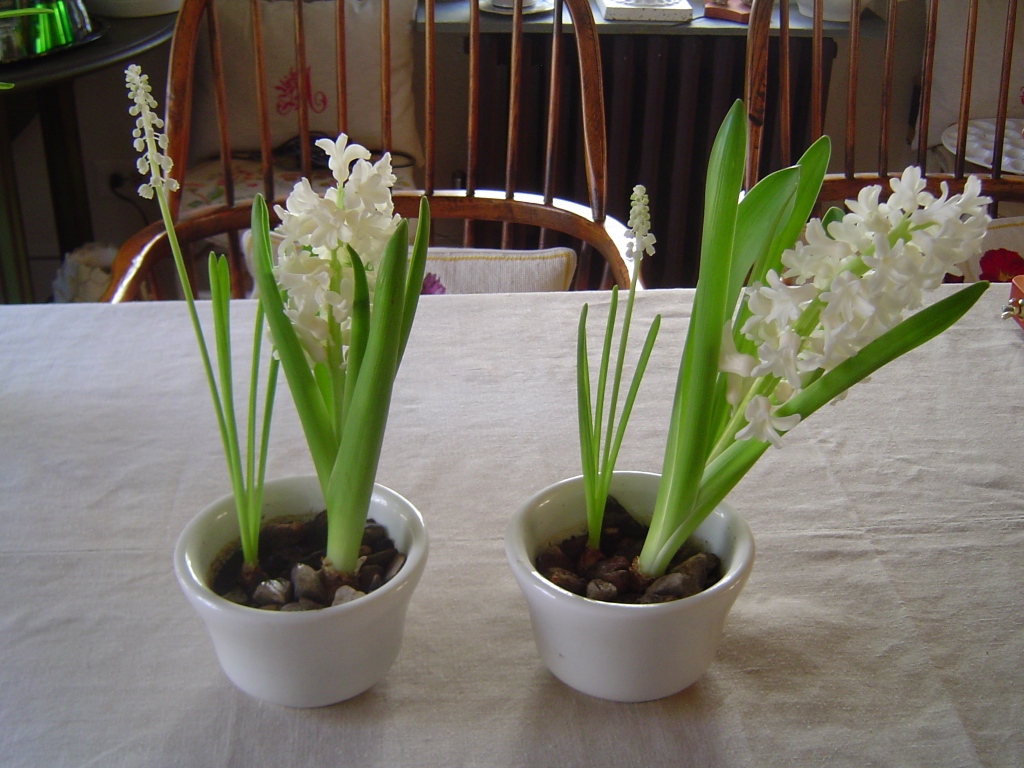
The hyacinths inside the house have bloomed and the air is redolent with their perfume. Sheer heaven. Meanwhile outdoors, snowdrops and some hellebores are in bloom. Distinct signs of spring! Enjoy the images below:

IMG_8830

IMG_8832

IMG_8833

IMG_8835IMG_8838

IMG_8840

IMG_5003

IMG_5014

(c) 2016 Shobha Vanchiswar

[do_widget “Blog Subscriptions (Jetpack)”]
Smarty Plants

As adamant as we humans are about being the most superior of all living things on this planet, I am compelled to differ. To begin with, I don’t think our time on earth should be focused on proving our dominance over everything else. In doing so, we expend enormous efforts and do considerable damage to the entire planet. We go well beyond what we need to do to survive and thrive. It seems we reach for excess in all areas. Food, shelter, clothing, safety, comfort …. We commit acts of unspeakable violence for reasons of wanting more than we need. Of course, we often disguise our true intents in the name of doing good. To put it plainly, humans love playing God. A greedy, selfish, wrathful God.

But look around at those other living beings with whom we share this world. Not a single animal or plant takes more than it needs to live and procreate. I am particularly in awe of plants. They truly rule!
Think about it – while humans cannot exist without plants, the reverse is not true! What would we eat? How would we build our homes, feed our animals, make our clothes, obtain life saving medicine? All of our celebrations and observances incorporate plants in some form or other. Meanwhile, plants themselves can grow happily without us altogether. Take away plant life and you effectively end our race.

How plants live is mighty clever. Whatever they need, comes to them. The pollinators, the rain, the sunlight, the wind. Their seeds, distributed by creature or wind, establish themselves wherever conditions are ideal and calmly continue the family line. When the climate turns unusually harsh as in a drought, plants are known to go dormant and/or set seeds in quantity so the species can be preserved for when circumstances return to normal. Research has shown that when a tree is attacked by a pest, it sends out chemical signals to neighboring trees which in turn arm themselves by synthesizing compounds that could help repel or harm the pests.

To protect themselves, the kingdom Plantae has developed a plethora of weapons. Disguises, thorns, chemicals that kill/repel/cause sickness or allergies, bark, fatty coats, trapping mechanisms and, in some cases even ensuring that animal ‘bodyguards’ are always at hand. Pretty cool right?

Plants have evolved to look or smell nice to those they need for pollination. In fair exchange, they offer their nectar or fruit. And if humans choose them for their gardens or farms, well, what the heck, the odds of survival just got better.

They respond to seasons with aplomb. Highly tuned to even the teeniest shifts in weather and temperature, like state of the art, well-oiled machines, they will launch themselves to grow, set fruit, enter senescence and dormancy right on cue. Ingenious and resilient, flora outdo fauna by far. And compared to Homo sapiens, they are, in my opinion, the most superior of beings.
Lets start treating them with due respect. Each time I bite into an apple, enjoy a cup of coffee, fix a salad, treat a cold with Echinacea, perfume myself with rose water, sit under the shade of a tree, use my wooden dining table, select a linen shirt, receive a gift of flowers or, go about a myriad quotidian activities, I will do so with heartfelt gratitude and humility.

Life with plants is very good.

The images below demonstrate our dependence on plants:

IMG_1020

Kinhaven1 079

IMG_4349

IMG_7234

IMG_7566

IMG_6363

IMG_6952

IMG_9341

IMG_0332

IMG_0683

IMG_0852

IMG_3993

IMG_3906

IMG_4760

(c) 2016 Shobha Vanchiswar

[do_widget “Blog Subscriptions (Jetpack)”]
Nature To The Rescue

Thanksgiving always makes me pause to review the year, where I am in my intentions, what has been experienced and where I want to be. No matter how the twelve months since the previous Thanksgiving have been, I’m invariably left brimming with gratitude. It is my favorite holiday because it is all about appreciating our lives just as they are and for the gifts we’ve been given in the form of family and friends. Cultivating gratitude is the genesis of happiness.

This year is particularly poignant. There is currently so much strife, heartache and hate mongering in the world that even the simplest of blessings stands out in stark contrast.

While struggling to make sense of the many horrific happenings, I’ve been naturally gravitating to nature. Long walks amongst the fading autumnal vegetation have become mainstays. With the seasonal garden tasks all addressed, I’ve moved indoors to get amaryllis and paperwhites started. The Schlumbergera ( Thanksgiving/Christmas cactii) are beginning to bloom and have been placed to advantage. Nothing like a shot of fuchsia to liven up the days of low light. The orchids in bloom uplift my spirit by bringing up memories of joyous days with family in Singapore this past July. Flower power is a very real thing.

In the kitchen, meals rich in autumn’s bounty give comfort. Sweet and fragrant roasted root vegetables with thyme, carrot soup made silky with goat cheese, shaved Brussels sprouts with hazelnuts and roast grapes, saffron risotto with wild mushrooms, fresh pasta with garlic sauce, arugula and walnuts. So much delicious choice!

All of this points to the obvious. Nature will heal our hearts and soothe our tempers if we will only let it. After all, horticulture therapy has demonstrated its efficacy in helping those battling physical or mental illnesses. Prisoners have been transformed when charged with gardening responsibilities. Adults and children wounded by life experiences have gained confidence and a sense of self from growing a garden. When a person grows the food that feeds him and his family, a profound sense of accomplishment is born. Plants have long been used medicinally and cosmetically. Products that improve our lives gently.

Those of us who have are gardeners have always known to escape into the garden to work out problems, get rid of negative emotions, find solace from trying situations, gain inspiration when creatively blocked. I’ve yet to be let down by a timely dose of Nature. And I challenge you to find anybody who regrets having spent time communing with the natural world. The fact is that if you’re busy in a garden, you learn to respect life and understand that we are each but a small part of a glorious whole. One’s own well-being depends on the well-being of all living matter. It is as simple and as complex as that. And so, if you’re busy in a garden, you have no time or energy to think or do anything horrid.

On my part, this season, I’m paying forward the joy I receive from plants. I’m forcing bulbs to give friends some holiday cheer, a promise of a young tree to be planted next spring to console a grieving neighbor – each year when it blooms will be cause to celebrate the departed loved one, a native plant seed starter kit for a young adult emerging from the fog of mental illness, batches of vegetable stew well seasoned with garden herbs to stock up the freezer of a dear one recovering from cardiac surgery and now on a salt free diet, divisions of choice plants from my garden for a novice gardener. Nature offers as many gifts as needed. Help yourself.

Happy Thanksgiving to you! May it be filled with blessings and plenty of laughter.

Here is some flower power for you:

IMG_2958

IMG_7883

IMG_5611

IMG_0065

DSC06274

(c) 2015 Shobha Vanchiswar

[do_widget “Blog Subscriptions (Jetpack)”]
 

How To Get The Popular Vote

I’m going to help you shine at the next soirée you attend. Not with make-up or fashion tips – you’re on your own on those counts. I’m going to share with you the sort of stuff that will make everybody wonder about your high level of curiosity and intellect. Or, they might just think you’re kinda awesomely weird. Either way, your presence will be noted and remembered. So, lets get started.
I’m always on the look out for simple yet brilliant problem solving information. Out of the box thinking excites me. You’ll see what I mean:
First up is the use of moles in archaeological digs. That’s right, the much reviled creature is being put to proper work! A museum in northern Denmark is using the velvety creatures to gather information at a site where it is thought the remains of a fort from the Middle Ages are hidden below. The contents of the mole hills left behind by the animals are analyzed so the underground locations of the buildings can be determined. Bits of pottery and such are brought up in the mix of soil. The more the content of these, the closer they are to the buildings. How about that?!!
“Moleology”can be as effective as more technical research methods. The big bonus is that it doesn’t destroy anything at the historical mounds in order to get a lot of important information.
Understandably, the Danish culture agency initially thought the application by Viborg Museum was a joke. But after realizing the idea was legitimate they approved it. Ha.
We now come to my second nugget of brilliance. Dandelions, another object of disdain in many lawn loving circles, might be the future producers of rubber. To ensure the steady supply of natural rubber for tires, manufacturers are hoping to harness flower power in a big way.
Although rubber can be manufactured in a lab, tires require a large portion of natural rubber as it is more superior in flexibility and hardiness. Natural rubber is made from the milky latex of the rubber tree Hevea brasiliensis. However, this comes at a high ecological cost. Not the least is that the rubber trees in Asia are vulnerable to the same fungal diseases that decimated those in Brazil.
So there has been a need to come up with alternatives. Enter the humble dandelion. Scientists are working to improve the Central Asian strain of this weed that can supply latex sap on a large enough scale. Imagine! One day, there could be dandelion rubber farms!
My own fondness for these cheerful plants is vindicated.
Finally, there is good news from Europe in the fight against the bee-killing Asian hornets. Asian hornets ( not the European hornets) are a menace to bee hives and are spreading across Europe. They now face a natural enemy that lures them to destruction – a carnivorous North American plant, French experts say. Our own pitcher plant from Massachusetts is trapping the alien hornets but not the native wasps. Pheromone specific! Hot damn.
Each Sarracenia plant has up to 15 pitchers, and can attract as many as 50 hornets. But a typical hornet’s nest houses 4,000 insects – so the plants by themselves cannot deal with the problem. Clearly, much more research is required. A super-pitcher plant in the future? In any case, once again, Americans might have to save Europe. It is deja-vu all over again.
You see? You now have some priceless ice-breakers for your next party. Have fun.

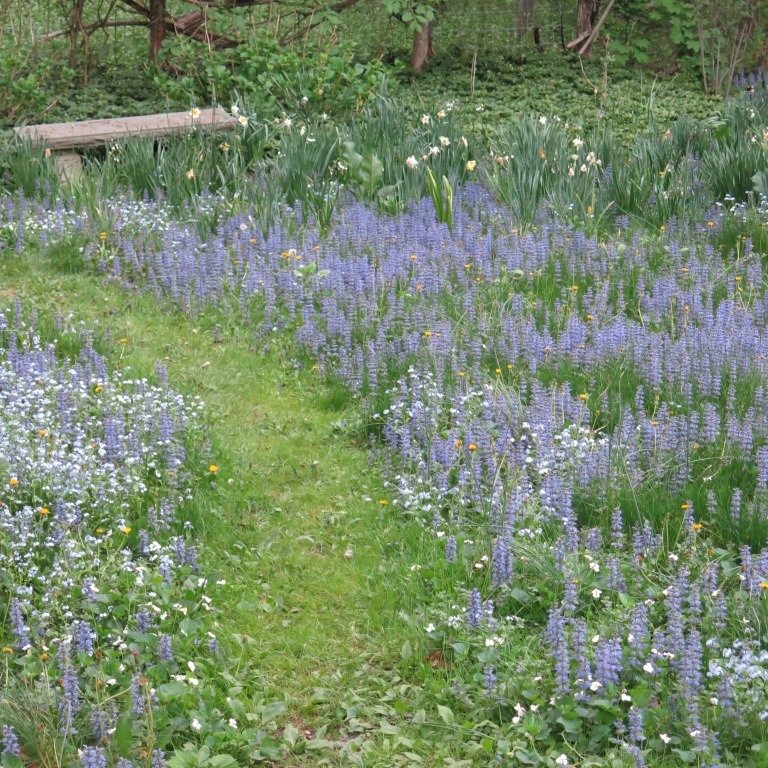
Dandelions in my meadow. How splendid they look with the ajuga, daffodils and forget-me-nots.

Dandelions in my meadow. How splendid they look with the ajuga, daffodils and forget-me-nots.

Asters are a huge honey-bee magnets.

Asters are huge honey-bee magnets.

Pollination in progress

Pollination in progress

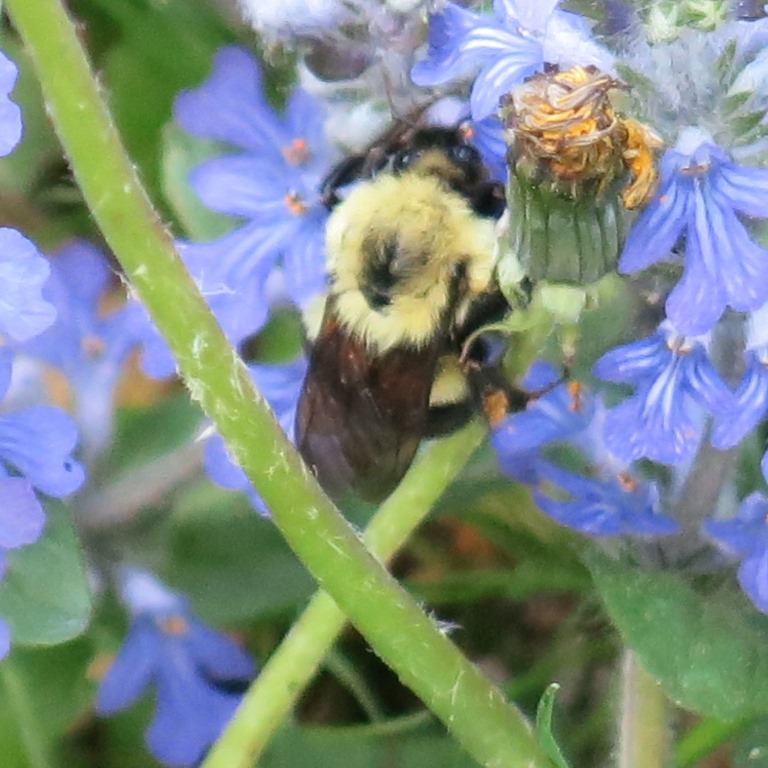
Bumble bees at work in the meadow

Bumble bees at work in the meadow

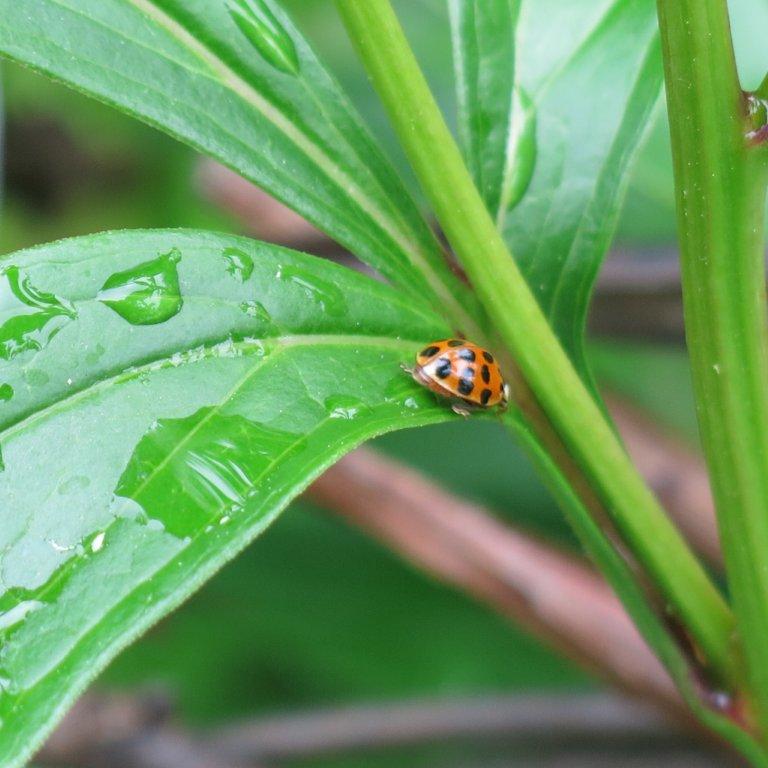
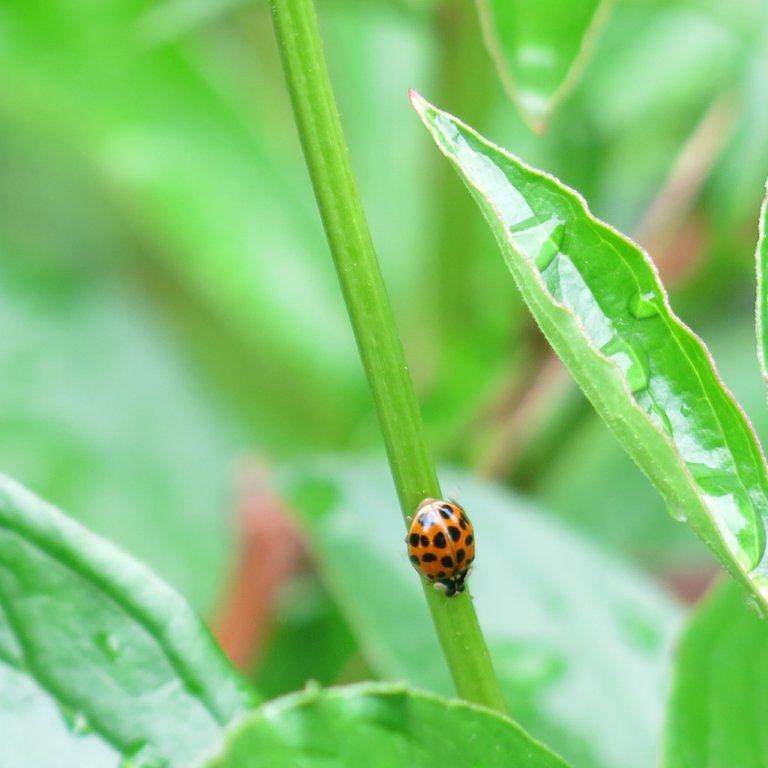
Ladybug on pest patrol.

Ladybug on pest patrol.

(c) 2015 Shobha Vanchiswar

[do_widget “Blog Subscriptions (Jetpack)”]
Inside Out

About a week ago, I had an experience that set my heart racing and seriously tied up my tongue. I met Dr. Oliver Sacks.
It was actually my second encounter with him. The first was very brief. But then, even if I met him a million times I’d be reduced to a blathering idiot – he has that effect on me. I have such a deep respect and reverence for the man.

Having read his many books and articles, attended some of his talks, listened to podcasts, avidly followed his newsletters and generally admired him for decades, I hold him responsible for affecting how I live. The word live is the key. Dr. Oliver Sacks is fully engaged in living. His curiosity and thirst to examine every aspect of this big, beautiful world is hard to match.

He observes and examines. He tries to understand or work out the mechanics of how things/people function. Then, he explains what he has learned or thought out to the rest of us, in language that is clear and easy to comprehend. His writings are seasoned with a wit that elicits laughter even as one learns a complex topic. Dr. Sacks is brilliant at exposing us to our own humanity and telling us that no matter what, it is all right to be just as we are. Reading him makes me feel smart. At least for a while.

For years I knew of Dr. Sacks as a neuroscientist but then I read his book the Oaxaca Journal. This was about going on a fern hunting expedition. Ferns? Turns out Dr. Sacks is passionate about them. Interestingly, that expedition was led by Dr. John Mickel, he who is godfather to my vertical garden. John once told me that whilst on that trip, every time the team took a break, Oliver Sacks sat by himself and wrote in his journal. He was shy and quiet. Soon after they got home and before John had written up his scientific papers on the discoveries made on the expedition, a package was delivered to him. It was the manuscript to Oaxaca Journal in which Dr. Sacks expounds on not just ferns but related topics like chocolate, culture and other earthly wonders in that part of the world! John jokes that he needn’t have bothered writing his own papers.
Just goes to show once again that great minds are invariably naturalists and/or plantsmen as well. Galileo, Darwin, Sacks …

Dr. Sacks takes big bites of life and chews each mouthful thoroughly. No matter what he does, he does so with almost an obsession. Then he tells us all about it. How our brains work explains how we feel and behave. What goes on inside manifests on the outside. This is true for anything.

The current status of his health is well known. The great man has terminal cancer. But, he does not ask for pity or even empathy. Instead, he shows us how to keep living. He is still writing, visiting friends and doing all that he can and wants to do. He continues to make visible the unseen and unknown.

So how has he affected my life? I’ve learned to remain curious about everything. To stay present, to pay attention and learn all that life teaches. In the garden, in relationships, in work both creative and mundane, in the ordinary, in the different, in the new and in the old. Nowhere am I more cognizant of Dr. Sacks’ instruction as in the garden when I’m always confronting the familiar in novel, new ways.

He presented me with a personally signed copy of his latest book Moving On – a memoir. It will be treasured for life. I’m about to embark on a journey into Oliver Sacks’ life and I’m tightening my belt. It promises to be a bumpy, glorious ride.

On the heels of meeting my hero, I saw the movie Inside Out – an absolutely wonderful film about our emotions. It is on neuroscience if you will! Coincidence? I think not. I do wonder if Dr. Sacks has seen it and what he has to say about it. I highly recommend you go see it!
For a neuroscientist’s take on the movie, click here.

To read about Dr. Oliver Sacks, his books and his blog, click here.

My first meeting with Dr. Oliver Sacks

My first meeting with Dr. Oliver Sacks

A collection of ferns at Dr. Mickels' garden

A collection of ferns at Dr. Mickels’ garden

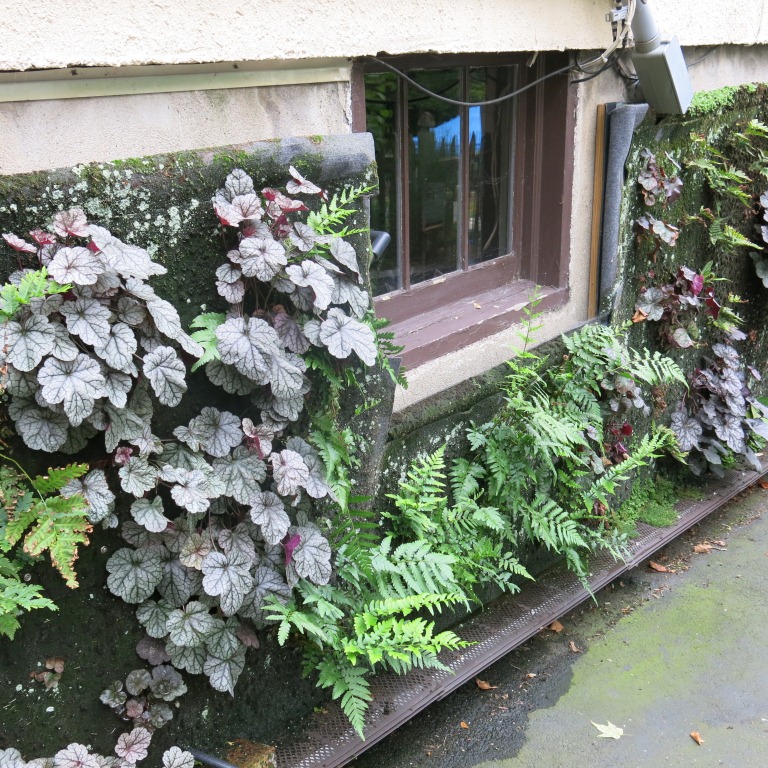
My vertical garden of ferns and heuchera

My vertical garden of ferns and heuchera

My most recent encounter

My most recent encounter


(c) 2015 Shobha Vanchiswar

[do_widget “Blog Subscriptions (Jetpack)”]
 

Playing Cat And Mouse

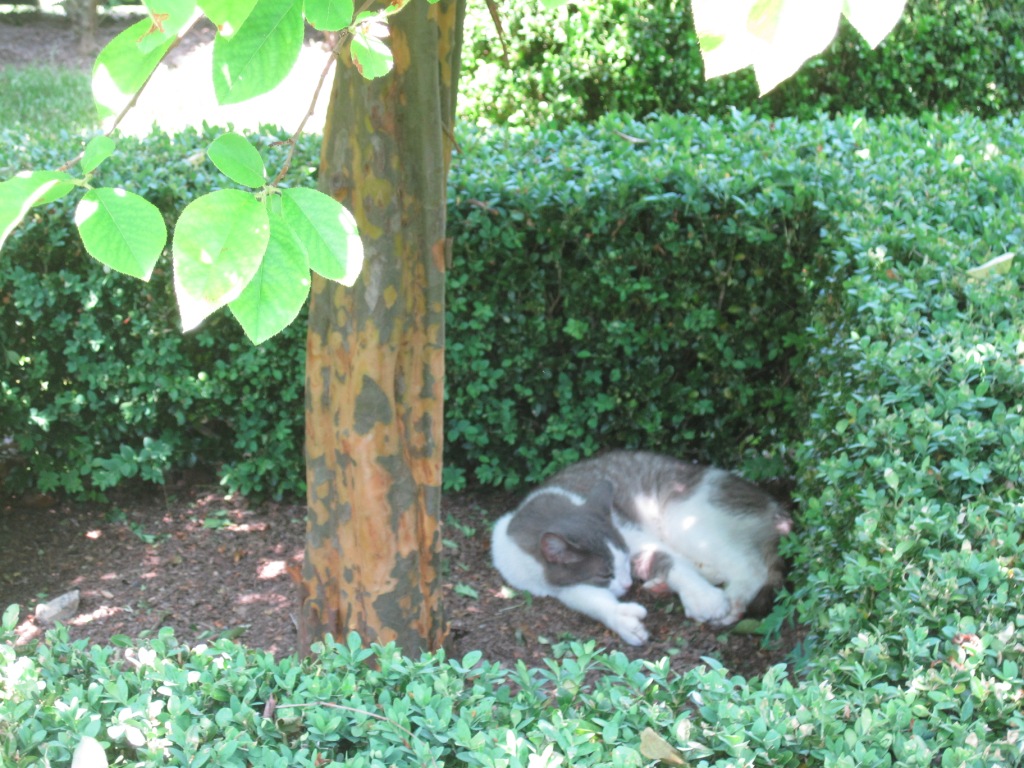
The other day, just as I stepped out with the noble intention of tackling the weeds, I knew something was afoot. The birds were chattering at high decibels and appeared agitated. Just as I began to feel personally affronted, I spotted the neighborhood cat quietly making its way through the meadow to the stone bench where it likes to warm itself and observe the realm at the same time. Aha!

This black cat makes good use of its coloring. It lurks in the areas of dappled light making it difficult to notice. Clever. I don’t know who owns this feline and in principal have no strong objection to it trespassing on my property. I take the occasional dead mouse found around as its payment for entry. Quite appropriate.

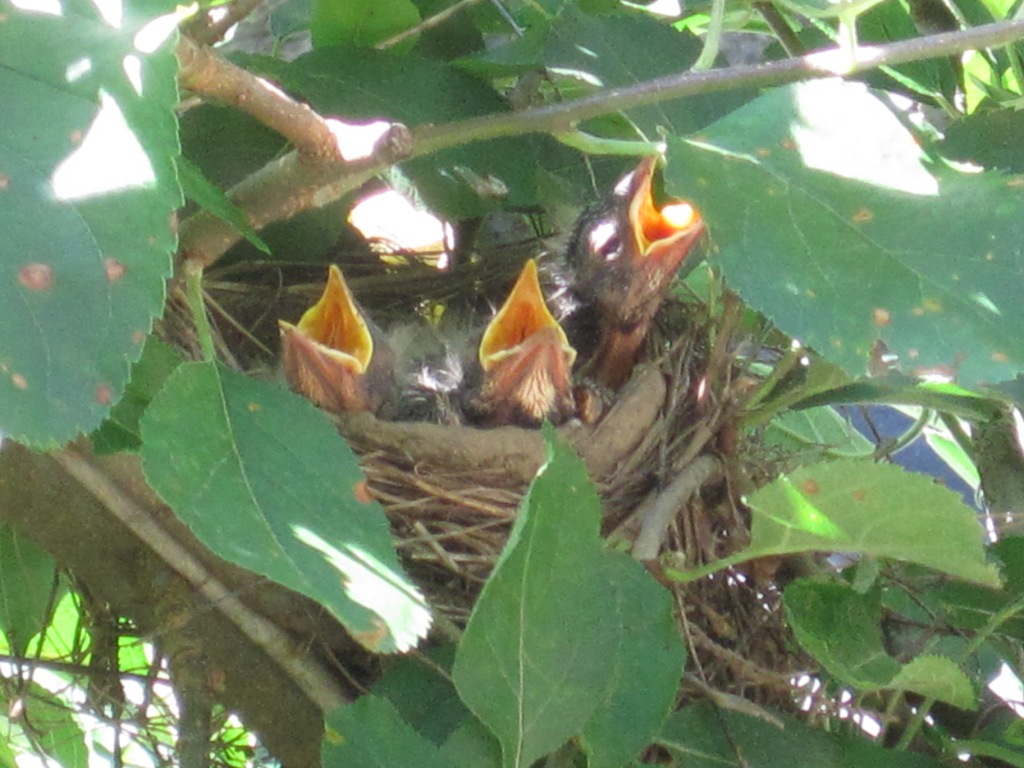
Yet, I resent the way the cats presence upsets the birds. Its true that some of them don’t use any common sense and choose their nesting sites very foolishly. There are at the present, to my knowledge, at least four different pairs of birds tending to their young in the garden. Nature at work, circle of life and whatever else is all very well but the very thought of the eggs or babies in the nest coming under attack really bothers me. I’m irrational that way.

I got to thinking about the matter as I settled down to weed. Always a good activity to get the mind pondering on heavy topics like that. The conclusion is that I’m pretty much the prowling cat when it comes to hunting down the mousy weeds. For all I know, they too shriek at the sight of me. Obviously at a wavelength not perceived by my delicate human ears.

Given that there really isn’t anything natural about gardening and the whole endeavor is contrived, makes me, the gardener, the biggest bully of all. It is all about imposing my will. I exercise my dominance ruthlessly and the result is the garden I’m proud to call my own. Maybe using only organic measures and increasing the native plant population makes me a tyrant with a conscience but a tyrant nevertheless.

So coming back to the cat, I’m resolved to let it be. Live and let live. I hope it feels the same way.

Can you see the black cat in the garden?

Can you see the black cat in the garden?

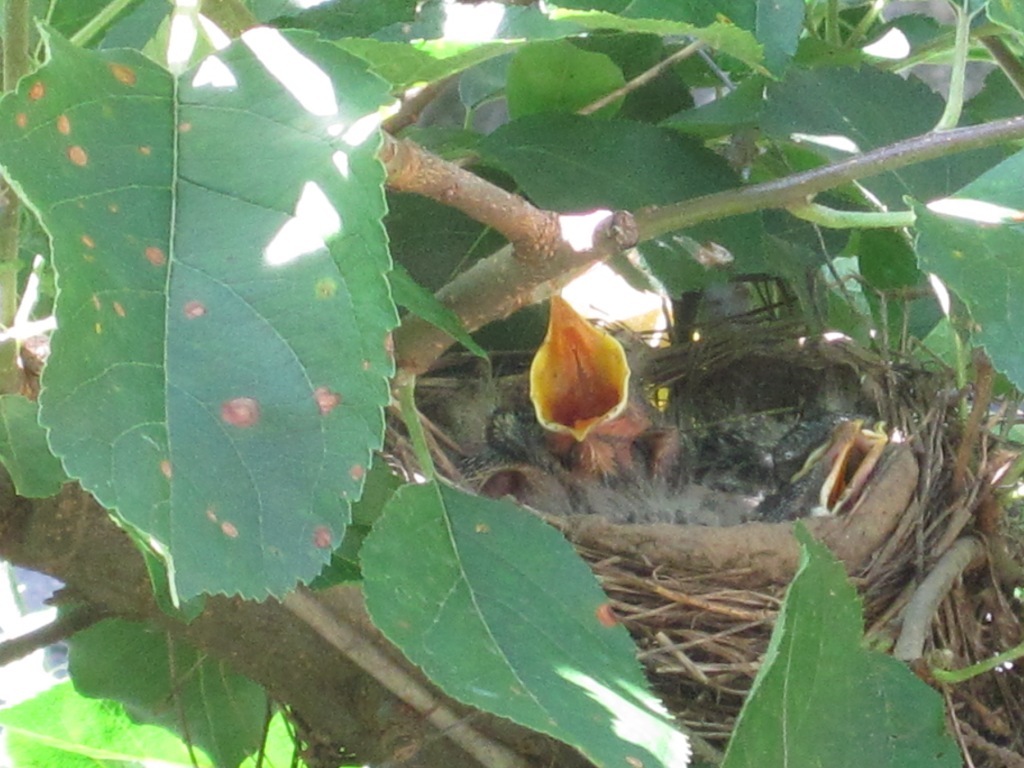
Babies in a nest

Babies in a nest

IMG_3912(c) 2015 Shobha Vanchiswar

[do_widget “Blog Subscriptions (Jetpack)”]
On Plantsmanship

These past seven days of glorious weather was the sort of gift every gardener covets. Much got accomplished in my garden. Getting my hands in the earth is enormously life affirming. This is where all life begins!

With my garden Open Day less than three weeks away, it has been necessary to amp up the pace of action. The winter that dragged on and on has set us back on many time sensitive tasks. From pruning to seed sowing to getting the compost turned, has been a matter of maintaining grace under fire. It is no fun to focus on chores and miss out on what’s blooming and who is doing what in the garden.

The pruning got done and it has been noted that much of the David Austin ‘Heritage’ rose suffered from the harsh winter. The New Dawn on the two arches, Paul’s Himalayan musk, Bonica and Leda roses have come through all right. With the fruit tree prunings done just a week ago, the espalier is looking neater and the buds are forming nicely. The grapevine prunings are now camouflaging the peony supports. It is best to set up stakes before plants grow too full to manage.

A layer of newspaper, a good two inches thick, has been placed down in the beds and then topped with compost and cedar mulch. The paper works wonders suppressing the weeds and seeds of unwanted self-sowers. It also holds the moisture well and eventually decomposes to further enrich the soil. An excellent and ecologically sound re-purposing of paper. Mulching is crucial to the health of the plants so, it too is best started early in the season.

The composter is now open for the season. It was very satisfying giving it its first turn over of the season. Compost is both mulch and health food. If you doesn’t already make compost, then I strongly encourage you to start doing so this year. It is totally doable and contrary to common belief, do not attract skunks, deer, coyotes or raccoons. A regular application of compost will guarantee the health of the plants and lawn. No other fertilizers needed. Composting is easy, organic and economical. By making your own compost, you will be certain of what it contains and hence you’ll be feeding your plants only the best. As in our own nutrition, home-made is better.

On the subject of food, a comfrey tea is a fabulous elixir for plants. I make this later on in the season when the comfrey plants are done blooming the first time around. I cut back the plant and put the cuttings in a large bin, cover it with water and close it tightly. Placed in a remote location like the woods, I forget about it for a few weeks. The steeping plant renders the water super-rich with all sorts of healthy contents. It also smells very foul – hence the remote location. Filter the water and feed the plants in the garden. They will thank you profusely.

I re-planted the entire checker-board garden. It was looking ragged as the old plants had been there a while. As much as perennials come back every year, many do not remain robust and need to be replaced every four to five years. So, a whole new batch of creeping phlox was planted. Its youthful beauty is disarming. This area will be radiating a pale mauve when the buds open in a few days.

Likewise, the espalier has been under-planted with lavender. Not only will they look pretty but I’m hoping to attract lots more pollinators. The dwarf blueberry I purchased recently has been given a home right next to some roses and across from the pear section in the espalier. I’m already dreaming of blueberry muffins and lavender infused lemonade.

The hellebores, crocus, scillas, iris reticulatas, forsythias and hyacinths are in bloom. The daffodils are popping open daily. The meadow is coming to life.

Still more needs to be accomplished but I’m determined to be fully present in the garden. Yesterday, as I repotted plants, I noticed it was Open House at the bluebird house. No bluebirds came looking but chickadees and sparrows were the prospectives I saw. I shooed away the sparrows.

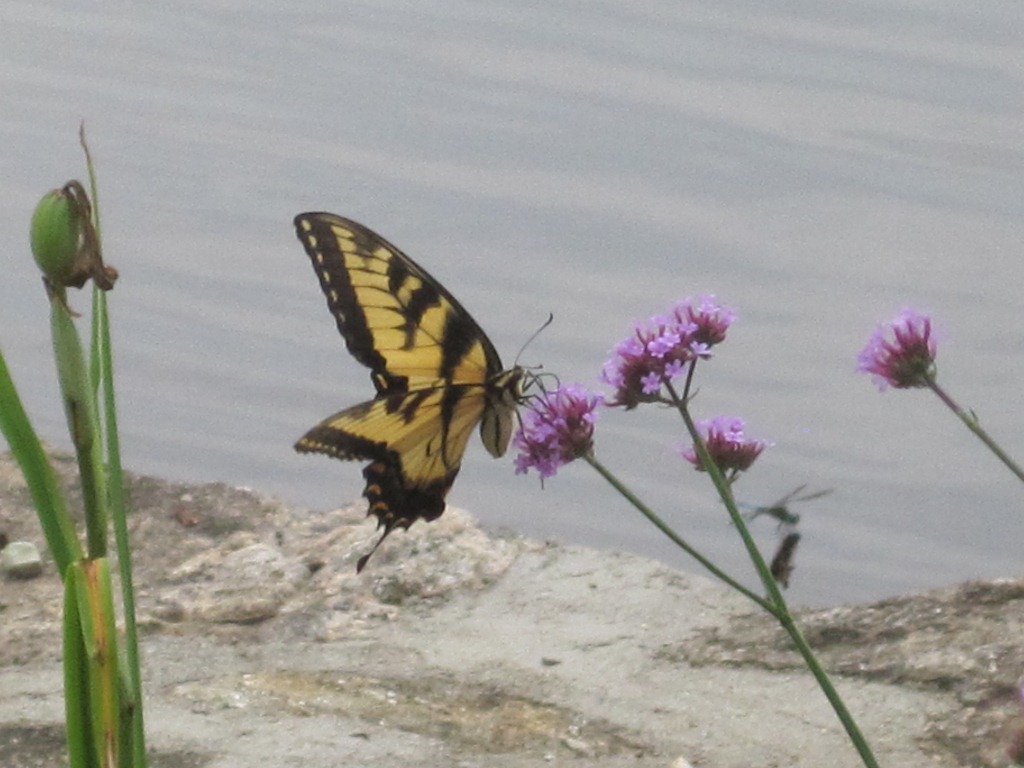
I also observed that some butterflies had determined that the weather was right for them. There were a few adventurous cabbage whites and admirals flitting around taking advantage of the early blooms.

While we are enthusiastically going about gardening, I thought I’d include the latest list of prohibited and regulated plants in New York state. Check here:

http://www.dec.ny.gov/docs/lands_forests_pdf/isprohibitedplants2.pdf

As in medicine, every gardeners first tenet should be to Do No Harm. Plant wisely.

Do check out the Shop’ page for my note cards and fabric pattern. Prints of my art work are also available – I’m currently working on the Gallery page. Stay tuned!

Please also check the Happenings page to get information about my art show all of May with reception and poetry reading on May 2 and, my garden Open Day on May 9. Mark your calender and come! I look forward to seeing you at all the events.

Setting up the planting pattern in the checkerboard garden

Setting up the planting pattern in the checkerboard garden

Phlox all planted! Don't miss the diagonal pattern.

Phlox all planted! Don’t miss the diagonal pattern.

Up close to a daffodil

Up close to a daffodil

Crocus

Crocus

Grapevine prunings on peony supports

Grapevine prunings on peony supports

My red glove temporarily in the opening of the bluebird house - to ward off sparrows

My red glove temporarily in the opening of the bluebird house – to ward off sparrows

(c)2015 Shobha Vanchiswar

[do_widget “Blog Subscriptions (Jetpack)”]
 

Nesting Instincts

The birds are getting busy. Even as I gradually shrug off winter apathy and answer the call of spring, the feathered ones are already well into the season. The season of renewal and rebirth is well under way.

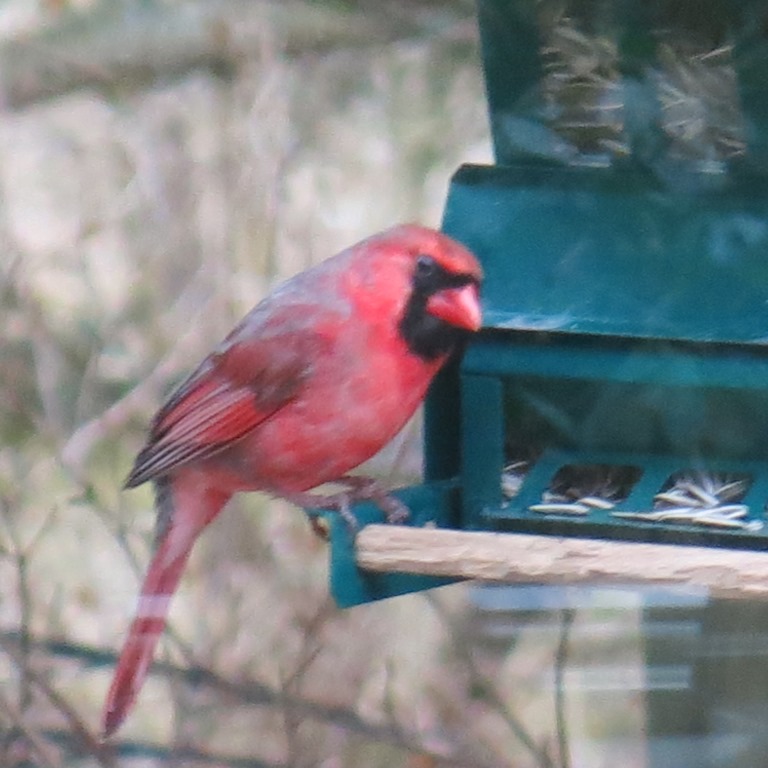
A pair of cardinals have commandeered the old apple tree in the meadow. Covered with the exuberant growth of Paul’s Himalayan musk rose, the tree offers the perfect shelter. This rose bears lethal thorns so any nest within is well protected and well concealed. The romance of a home covered in roses appeals to me. Even the knowledge that birds do not have a notable sense of smell, does not hinder my satisfaction that the rambler will be in full bloom and radiating its sweet scent when the baby cardinals are born. This tree has been the keeper of a cardinal nest for some years now and at the last winter storm, I watched the adult pair sit atop the ‘umbrella’ of rambling rose and observe the snow fall. As though they were simply onlookers to a parade from their very own balcony.

Friends of mine have a college of cardinals that resides in his rhododendrons. Which leads me to believe that these birds are indeed quite romantic and select sites based on not just practical. Charming is important as well.

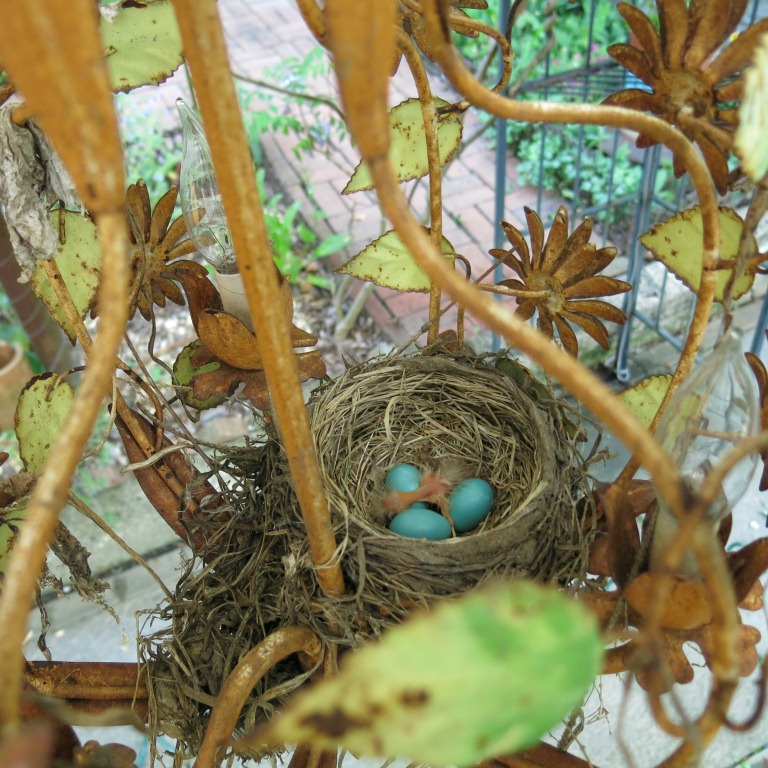
There is a robin who isn’t wasting any time. She ( her industry makes me think it is a she but I’m biased) took her time inspecting various locations in the garden. A site in the espaliered fruit trees has been selected. One by one she ferries small twigs and dried grasses to this place. I haven’t yet determined her mate as I only see one robin at any given time. The focus with which she works is impressive. Sometimes, holding building material in beak, she pauses at a different location. I believe she does so to lead away any creature that might bring harm. So wise.
I’m so glad the dormant oil treatment of the fruit trees has already been completed. Otherwise, it’d have to be put on hold or not done at all so as not to taint the eggs or babies. I do enjoy picking apples and pears in the fall and it would be no fun to find them riddled with bugs.

This year, I’ve put up a bluebird house. I’m hoping fervently that they will come. Earlier in March, a friend spotted a bluebird not too far from my garden so I’m optimistic. The literature on siting the birdhouse is daunting but I’ve done my best. The one fact that bothers me is that apparently, sparrows like such houses too and we are told to thwart them if we see them near a bluebird house. If a sparrows nest is found in the house, it is recommended that it be removed. I know I cannot do it. While I understand that sparrows are not native and their population needs to be curbed, there is simply no way I can do such a thing to a fellow mama. I just can’t. I don’t mind shooing away a house hunting sparrow but remove the nest? Not a chance. So the blue birds had better get to this house first.

I hope that this year I will have the pleasure of encountering a hummingbird nest. Unsurprisingly, these diminutive birds weave fine grasses and plant fibers to make the nest. Then they hold it all together by using spiderweb silk! How does this tiny, exquisite creature know about the super-resilience of this material? It blows my mind how smart and skilled birds are. Nature astounds and impresses consistently.

To support all the construction in progress and yet to happen, I’m hanging up a nesting wreath. It is a plain wreath of grapevine prunings to which I insert feathers, string, ribbons, grasses, mosses and small twigs. Nothing artificial or fake of course. I know birds like to liven it up as, on several occasions I’ve seen nests with a piece of bright ribbon, a strip of foil or even a gold thread woven into it. After all, any good interior designer knows that when working with earthy neutrals, a shot of color or shimmer will give a room just the right pizazz.

So, while I’m not planning to expand my family, the birds have inspired me to do some spring cleaning and repairing and a spot of redecorating. I have been given the cue to make the best possible nest for my loved ones.

I hadn’t planned to but this post segues perfectly to reminding you to consider sprucing up your homes. New curtains or a throw pillow. Upholster a tired looking chair. It is also that time of year to start thinking wedding/engagement/baby shower/hostess gifts. Stock up on stationary to send invites or thank you notes. Yes, despite the ease of e-mails, a handwritten note still works best. So, do check out the ‘Shop’ page for my note cards and fabric pattern. Prints of my art work are also available – I’m currently working on the Gallery page. Stay tuned!

Please also check the Happenings page to get information about the Rocky Hills talk this Thursday, my art show all of May with reception and poetry reading on May 2 and, my garden Open Day on May 9. Mark your calender and come! I look forward to seeing you at all the events.

Baby robins in the espaliered apple trees

Baby robins in the espaliered apple trees

Watchful mama robin

Watchful mama robin


Goldfinch within the buddleia

Goldfinch within the buddleia

Cardinal on top of the thorny Paul's Himalayan rose

Cardinal on top of the thorny Paul’s Himalayan rose

Dove nest in pine bush

Dove nest in pine bush

(c)2015 Shobha Vanchiswar

[do_widget “Blog Subscriptions (Jetpack)”]