All Present And Accounted For

At last it feels like winter. This past weekend brought bitter cold and a decent dose of snow. With the wild fluctuations in temperature and precipitation all through the past year, it has been hard to predict how the garden will fare. There have been many moments of anxiety for sure. The welfare of every single plant matters to a gardener. While we’re learning to adapt and adjust, a degree of stress underlies those efforts. So, when it snowed for the first time this year, I was elated. It felt normal.

Finally, there was enough snow to play. Toboggans, X-country skies and walking poles came out in full measure and local parks were alive with winter activities. Normal!

I personally, reveled in the normalcy in the garden. To see the snow cover spread across the ground felt good. The hibernating plants were now cozy and insulated. As well they ought. It was comforting and reassuring. Two factors that have been rather elusive lately.

I’m resolved to enjoy this gift. I’m aware that at present, 49 of the 50 states have snow on the ground which means this is not normal for several. The unpredictability of the weather or anything else is disconcerting. Hence, when we are given a slice of business as usual, we need to savor it.

As such, our own winter conditions here are headed for a dramatic change later in the week. So, I am determined to cherish what I have today.

The way the snow emphasizes all the undulations in the garden, the shadows that contrast so starkly with the pristine white, how the sunlight chisels the snow and makes it shimmer, the clear footprints telling of intrepid birds and squirrels are all a thrill. What gets defined and what gets masked changes the usual landscape to something new and interesting. I’m so fortunate to witness this ephemeral show.

Who knows what tomorrow will unfold. But for now, I’m content. This moment matters.

Enjoy these garden snow scenes:

Breathe slow and deep. Calm the mind and just be.

img_0850

img_0840

img_0837

img_0841

img_0843

img_0847

(c) 2016 Shobha Vanchiswar

[do_widget “Blog Subscriptions (Jetpack)”]

To Have And To Hold

This week, all across our country, families and friends will gather to celebrate my favorite holiday – Thanksgiving. To come together to express gratitude for all the blessings we have received is perhaps the highest, most noble reason to celebrate. In giving thanks, we acknowledge not just the blessings but we essentially own our responsibilities and purpose. Because, with receiving comes accountability.

When we sit at the Thanksgiving table and speak of our thankfulness for the much loved people in our lives, we are at the same time recommitting ourselves to those relationships and our roles in them. To be the best parent/spouse/sibling/friend/child and in doing so, we will not take it all for granted. If we are fortunate enough to have homes, jobs and/or lifestyles that we cherish, then we are depended upon to reciprocate with the necessary attention and diligence.

I gave this essay the title To Have And To Hold. The phrase is not reserved for just marriage vows. Every contract we enter into demands that we uphold that promise. To Have is to accept without any reservation the gifts given to us. To Hold is the pledge to value, protect, hold dear and rejoice in the gifts. These covenants are sacred. As we cherish, we must honor. This is what gives our lives meaning and significance.

My garden is high on my gratitude list. It offers me so much that I can only hope to return the favor to the best of my all too human abilities.
My piece of paradise keeps me humble and awed as it teaches me life lessons in patience, tolerance and crisis management. It is my muse for my art and writing. Its beauty inspires and enchants and in caring for it, it provides me much needed physical and psychological therapy. The garden comforts and cheers, puts life in perspective and still manages to entertain no matter what is happening with the weather, political climate or my private life.

In turn, I pledge anew to do right by my garden. To care for it to the best of my ability. Applying organic methods and a do no harm policy, I vow to protect, sustain and watch over it with love and good cheer.
After all, our health and happiness depend on each of us fulfilling our parts.

I wish each of you a Thanksgiving abundant in blessings.

img_0491

img_0493

img_0532

(c) 2016 Shobha Vanchiswar

[do_widget “Blog Subscriptions (Jetpack)”]

Better Home-makers And Gardeners

The garden was put to bed last weekend. There is enormous comfort and satisfaction in bringing things to a close in a timely, attentive manner.

All tender perennials are safely ensconced in the greenhouse or let to go dormant in the basement.

The hundreds of bulbs got planted carefully and one at a time amidst the herbaceous perennials and previously established bulbs.

New native perennials were added so more beneficial insects and birds will inhabit the garden next growing season.

Plants were cut back and tidied. Dead wood was removed from shrubs and climbers. Roses and wisteria were pruned and secured. Creating breathing room and getting rid of anything that might encourage disease is so important.

A light application of compost and additional mulch of tree bark on the perennial beds should get them through the winter and in good shape to re-emerge nicely in spring.

The vast amounts of fallen leaves have been raked, gathered and added to the compost heap in the woods. Contrary to the advice of some ‘green’ experts, I do not let the leaves remain on my small lawn or in the meadow as they tend to kill the grass, smother other plants and possibly encourage snow mold which is a type of fungal disease. If I had a leaf chopper, then I’d use the chopped up matter to mulch and feed the plants.

All pots have been emptied and cleaned and put away. The very large ones stay outside well wrapped in plastic and burlap.

Likewise, outdoor furniture has been cleaned and put away.

Water hoses lie empty and coiled till required once again when the hot weather returns. The rain barrel too is given a hibernation pass.

Soon, I will get garden tools like secateurs and push mower professionally cleaned, sharpened and/or serviced. They will be eager and ready to serve as soon as the need arises.

Sundries like garden gloves, stakes, markers, hats and, supplies such as organic sprays like seaweed/fish emulsion, dormant oil will be replaced or replenished.

Fulfilling the seasonal responsibilities got me thinking about how hard we gardeners work to dream, plan, make better gardens. Although we aspire to create those better gardens, we should really be putting more effort in becoming better gardeners. The way I see it, to accomplish that takes a resolve similar to one we undertake to be better parents.

Consider how we prepare our home for our children. Clean, hygienic, tidy and welcoming.

There is room to grow and thrive. We provide the best, healthiest food our wallets can offer. Due diligence and protection is necessary so our young do not come to harm and yet have opportunities to be happy, healthy, independent and strong. When a child is unwell or in distress, we respond with alacrity and minister to their needs. With unconditional love, patience and undivided attention, we listen to what our children are saying and/or doing so we can take the appropriate measures to give them the best, most wholesome life possible. We encourage diversity, tolerance and mutual respect so our young can become vital, productive members of society.

All of those points hold true in the garden. And while I’m cognizant of them and try to apply the same parental guidelines, I know I can always do and be better. The kicker is this – it is much easier and far less guilt-inducing to be a good gardener than it is to be a good parent. After all, one’s failure in the garden can always be blamed on the weather.

Some seasonal images:

img_0498

img_0501

img_0503

img_0530

Getting ready to plant bulbs

Getting ready to plant bulbs

The vertical garden

The vertical garden

(c) 2016 Shobha Vanchiswar

[do_widget “Blog Subscriptions (Jetpack)”]

Double Vision

I have two gardens. The one in my mind’s eye is perfect and exactly how I wish it. The other is here on earth, around my house, fodder for pests and vulnerable to the vagaries of weather. Striving to get the real garden reach the ideal of the one I dream about is an eternal quest. The saving grace is that most gardeners share my struggle. No matter where we garden and what size of land we command, the yearning is the same.

Starting in the fall when planting for the next growing season is going full throttle, we are motivated by the vision where all our plans succeed. Through the winter months we plot and plan for the perfect garden. It’s what gets us through the dreary, cold days. The real problem arises if we dwell too much in fantasy land and get carried away. Practicality, patience and common sense must moderate those ambitions. Sometimes, in the eagerness to achieve beauty and form, it is easy to forget about function and balance.

A garden can look beautiful but in truth, it should also provide. It must delight, inspire, feed, comfort, educate and most importantly, do no harm to the environment. This sounds like a tall order but in simply following that last dictum, the rest will happen easily. There is nothing more fundamental to us than to create an attractive, productive, safe haven.

By choosing the right plants for the right location, selecting mostly natives that in turn will attract and support native fauna, employing organic practices, judicious use of precious resources like water and energy consuming tools and in giving diligent care, any spot of land can shine. Truly.

But that doesn’t mean it precludes indulging in dreams. If I didn’t envision a riot of spring color, I wouldn’t be torturing my body by planting hundreds of bulbs each fall. If you hanker for plants that thrive in a different climate and/or are invasive, reasonable alternatives are usually available and will satisfy your vision. Native honeysuckle instead of the Japanese variety, Rose of Sharon can be pruned to grow single or multi-trunked shrubs and are lovely substitutes for crape myrtles. (Select a sterile type so you are not burdened with digging up seedlings all the time.) Russian sage or nepeta are excellent stand-ins for lavender.

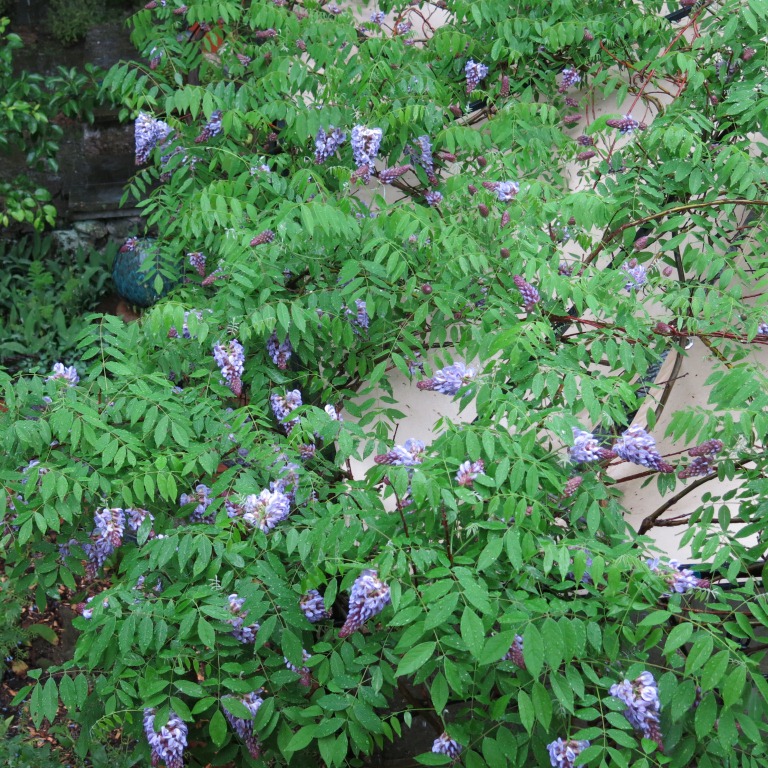
If you adore roses but cannot grow them or would like their ‘look’ throughout the growing season, I recommend ranunculus, peonies, camellias, double begonias and dahlias. Native wisteria is better behaved than the Asian types. A myriad choices of native grasses are excellent alternatives to exotic ones. There really is a way to make garden dreams come true. Within reason. You’re on your own if you insist on making your north-east garden into a tropical paradise.

Having said all this, I still dream big. Lush, impossibly wonderful dream gardens. From those wild fantasies come ideas more realizable, creative and applicable in my true, earth-bound garden. Several features that have become hallmarks in my garden came from dreaming. While I’ve learned to temper my reveries with budget constraints, physical and/or time limitations to make my real garden, I give free rein to my imagination. After all, it was Albert Einstein who said – Imagination is more important than knowledge. Knowledge is limited to all we now know and understand, while imagination encircles the world, and all there ever will be to know and understand.
And look what he managed to contribute.

See below for some real features that came from my imaginary garden:

img_2454

img_9382

img_9437

img_9152

img_0483

(c) 2016 Shobha Vanchiswar

[do_widget “Blog Subscriptions (Jetpack)”]

Thinking Spring In Fall

Thinking spring? Heck, this week sure feels like spring! And as if to defy the actual season underway, I have an iris in bloom. This plant has not bloomed in about three years. Seems as though it is staging its own version of a spring awakening. As puzzling as it might be, I’m thrilled to see the pale lilac hued flowers. Perhaps its cousins planted alongside that had inexplicably gone AWOL as well, will also make a comeback next year. I’ve missed these beauties and was only recently wondering if I ought to give up and order their replacements. I guess I’ll hold off that shopping spree.

The standard of three intertwined hibiscus is still flowering sweetly so instead of taking it into the greenhouse, I’ve brought it down to the terrace where I can enjoy it as I go about my chores.
The Heritage and Bonica rose bushes have a few flowers in bloom. At any other time they look their best when loaded in flowers but at this time of year, the minimal look feels all the more precious.
In the potager, the Swiss chard are going strong as are the collards. They will honor our meals until the temperatures plummet and does them in. I’m hoping this does not happen till December.
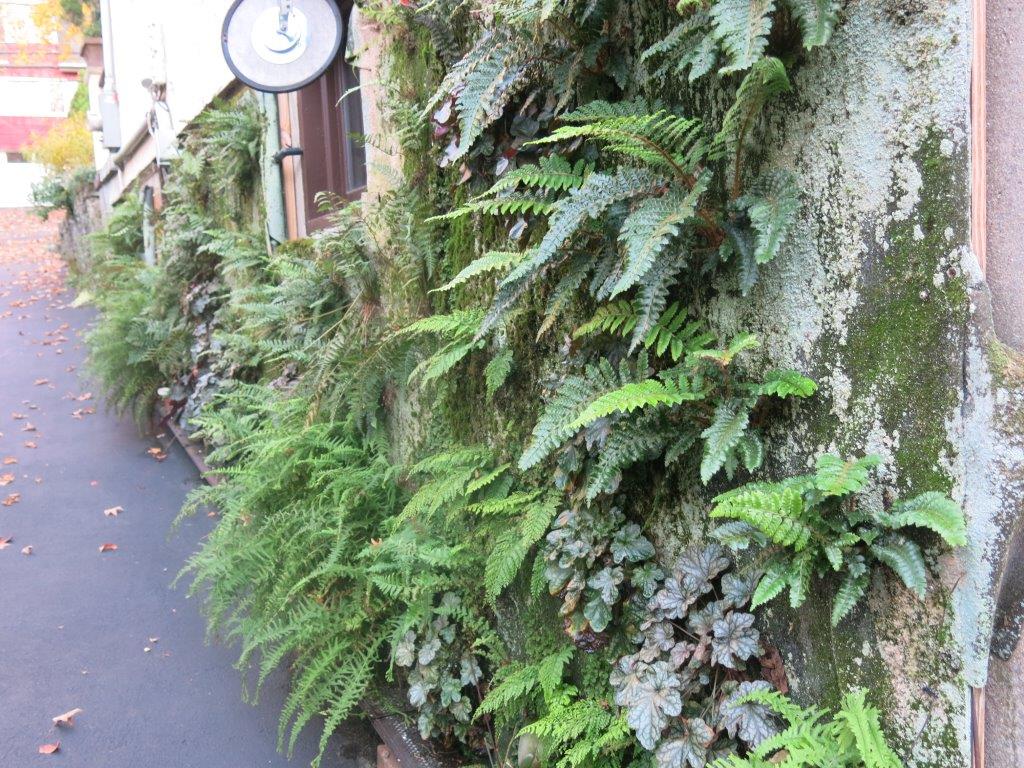
The vertical garden is continuing to look quite stunning. If only it was located such that I could place a seating area near it so one could admire it at length.

My rather large shipment of bulbs is due to arrive this week. Given the mild weather, I guess I’ll have to wait at least a couple of weeks before the planting marathon commences. The soil temperature is still way too warm. It needs to be 55 degrees and below for the bulbs to know not to start sprouting. Already my mind’s eye can envision the glorious blooms to come and my heart longs for that season.

With the asters and golden rods shining bright, the ornamental kale and cabbages prettying up the pots and the display of gourds and pumpkins serenading fall, the pansies, lone iris, vertical garden etc., are representing a whole other season. My garden is displaying a most wonderful split personality. I’m revelling in its humanness.

(Next week, I’ll go over the “rules” of planting bulbs.)

 I am participating in the Beaux Art show in  in White Plains, NY this week. Hope you can stop by!

White Plains:

16 Annual Art Exhibit
of the
Woman’s Club of White Plains
305 Ridgeway
White Plains, NY 10605

Wednesday October 19 2-5 p.m. Exhibit Viewing
Thursday October 20 2-5 p.m. Exhibit Viewing
7 p.m.-Artists’ Reception (open to the public)

img_0415

img_0444

img_0471

img_0472

img_0488

img_0483

Swiss chard

Swiss chard

Dahlia

Dahlia

img_0448

img_0490

(c) 2016 Shobha Vanchiswar

[do_widget “Blog Subscriptions (Jetpack)”]

The Imposter In Our Midst

Can you imagine an American garden without the likes of lilacs, peonies, forsythia, mop-head/pompom/snowball hydrangea, common roses, boxwood, azaleas, rhododendrons, common foxgloves, camellias, hollyhocks, chrysanthemums, crape myrtles or even a patch of green lawn?
How about going without some fruits such as apples, peaches or citrus fruits?

Hard to think of life without any of the above right? All are very much part of our landscape and in our collective consciousness. Several states have taken the rose as their representative flower. Crape myrtles and camellias define southern pride. Georgia, the peach state is chock full of streets and sites with names starting with Peachtree. The Orange state anybody? Or the Rose Bowl? No roses perfuming June! No forsythia serenading spring. Mothers’ Day sans lilacs wouldn’t be the same.
Breakfast without OJ or a half of pink grapefruit, no mom’s apple pie or a southern meal without peach cobbler is positively horrifying! What would the Big Apple become without the apple?!

See, none of those plants are true American natives. But they are as good as. Getting rid of them and other similar stalwarts is unthinkable. We need them to feel whole and healthy. These ‘aliens’ have integrated themselves into the American landscape. In doing so, we are all enriched.

Recently, the honey-bee was placed on the United States list of endangered species. That this highly industrious and valuable creature is on this list is a tragedy in itself. It is a call to arms – we must do whatever we can to save the honey-bee. Our own health, both physical and economical, depends on it. But, here is the kicker – the honey-bee is not an American native. Wrap your mind around that.

In an example of reaching across borders, resistant root stock of grapevine from California helped to revitalize the French wine industry following the Great French Wine Blight in the 19th century. However what is usually omitted from mention is that the blight was caused by an American aphid in the first place. Puts matters in perspective right?

What it all means is that while we are taking steps to ensure the vitality of our land and safeguard all its inhabitants, we cannot have a black or white mentality. We should be mindful of the range of voices we listen to. Just as we cannot include harmful or invasive newcomers that threaten our biological balance, we cannot afford to view our own as one homogeneous, harmless population. We are but a part of the bigger world and cannot afford to be ignorant, broadly exclusionist or isolated. Lets not forget that within the great, all-American mix also exists that scourge Periplaneta americana. The American cockroach.
Not everything non-native is bad and not everything native is good.

Here are some of the non-natives I’m thrilled to have in my garden:

img_0941

img_1020

Double azalea

Double azalea

Roses

Roses

img_0643img_0687

kinhaven1-060kinhaven1-067

img_5441

img_5136dsc04982

img_3791

img_0878

(c) 2016 Shobha Vanchiswar

[do_widget “Blog Subscriptions (Jetpack)”]


Falling Into Place

Having been away a whole month, I confronted the garden with trepidation. I did have someone checking on things but as we all know, nobody can tend to one’s garden as oneself. What I see is that the garden does not look as awful as I feared but neither does it look as good as I’d like. So it’s been a matter of getting down to basic tasks like weeding, staking, cutting back and general tidying.

Those fundamental chores alone have got the place looking more attractive. But with autumn officially starting in two days, I’m also addressing seasonal work. The summer plantings in pots and window-boxes while still looking kinda okay were on the wane so they’ve been swapped out with fall plants. The fresh appearance has quite transformed the atmosphere – instead of seeming like it is desperately clinging to summer, it feels more ready for autumnal pleasures. My own reluctance to let go of summer has shifted to welcoming fall.

In the potager, cool weather greens such as Swiss chard were replanted. The collards, kale and arugula are still going strong so we can expect delicious, fresh garden produce well into late November/early December. Assuming of course we don’t get unexpected storms or blizzards. These days, who knows!

Just ahead of the much needed rain yesterday, the ‘lawn’ in front was raked, aerated and reseeded. This ought to have the grass up and growing before I need to tread on it to get the fall bulbs planted in the perennial beds in late October/early November.

It is too late to stake some of the plants and there are some bald areas in the perennial beds. Not the best sight for this street facing part of the garden but it can’t be helped. The drought like conditions and string of heat waves have slammed down some plants. I have no idea if they have it in them to return next year. I need to examine which plants still look good and plant more of them instead. I fear the climate shift is here to stay.

In readiness for cool weather, the greenhouse has been washed and cleaned. Starting next weekend, the tender perennials will be pruned, washed and moved into their winter quarters. While it might still feel like summer, the arrival of a severe frost in early October is not unheard of.

And so it will go as the weeks lead up to bulb planting and getting winter-ready. Lots to do. But, the quiet days of winter await. And once again, while we rest our bodies, our minds will be plotting the next growing season.

[ I apologize in advance for the photos being on their side to those of you who read my article on your phone or on Facebook. It happens when I take the photos on my phone instead of my usual camera and I cannot seem to fix the problem. Any advice?]

Note: This coming Sunday September 25, at the Concert Across America to End Gun Violence event at the FCC in Chappaqua NY. I will be reading one of my topical poems.It is at 4:00 pm and admission is free. Please come.

img_2228img_2227

img_2226img_2222

img_2217img_2235

(c) 2016 Shobha Vanchiswar

[do_widget “Blog Subscriptions (Jetpack)”]

What I Miss When I’m Away

I’ve just returned from a month long sojourn. Four weeks of wonderful. But, there is nothing like coming back home is there?!

So this week, I offer you a poem I wrote about how I feel when I’m away. Let me now if you agree or not!

What I Miss When I’m Away

Do you think the plants will be all right?
Will the squirrels get at the fruit?
I hope it rains a little each day
May the lilac not bear offshoots.

I heard the weather back home is balmy
The roses must love it so
No doubt the weeds are frolicking
And the tomatoes beginning to grow.

Read a storm hit the east coast
I had left a few windows open
Maybe no harm was done after all
Nothing felled or broken.

I wonder if the blue bird’s nest is now empty
Have the phlox begun to bloom?
Did the cicadas begin their noon chorus?
Will moths seek Brugamansia’s perfume?

Forgot to pinch back the asters
They’ll get leggy very soon
It’s too late to stake the lilies
They’ll flop like deflated balloons.

I’m headed back right now
It has been fun to travel and roam
My mind took in the new sights
My heart never left home.

Note: My recent travels included a visit with the children at Mukta Jeevan. You can read about it here.

Here are a few photos from my trip(s):

From India:

img_2124

Huge statues of Ganesha the Elephant God were being sculpted at this atelier.

Huge statues of Ganesha the Elephant God were being sculpted at this atelier.

From Provence, France:

Farm to table. Delicious.

Farm to table. Delicious.

Which is better? The view or the ice-cream?!

Which is better? The view or the ice-cream?!

Still life of perfectly ripe figs

Still life of perfectly ripe figs

Sunflowers in Van Gogh territory.

Sunflowers in Van Gogh territory.

(c) 2016 Shobha Vanchiswar

[do_widget “Blog Subscriptions (Jetpack)”]

Gardening In The Green

A gardener by occupation is simpatico with the environment. We are therefore acutely aware of what we do in the garden having a direct impact on the environment. Likewise how any change or fluctuation in the surroundings and/or climate immediately affects the garden. There is much in the hands of the gardener to do his/her part in preserving and conserving their alloted corner of Eden.

One is often told what not to do. So working from a positive attitude, lets look at a few things one should do.

Do please compost – This is perhaps the single best thing to do. Yet, I constantly encounter gardeners swearing up and down the garden path their devotion to organic, environmentally conscious practices but not composting at all. Beats me why this is so. Composting is easy.

After all, at its very simplest, it is nothing but tossing garden and kitchen waste in a pile, stirring it now and then and making sure a splash of water is periodically directed its way. Set it up some place discreet and you’re cooking. Well, the compost is cooking. Granted an open pile can look unsightly but setting up a contained area or a commercially available compost bin will eliminate that problem. I compost garden waste in the woods at the back of my property and use a small compost bin for the kitchen scraps of veggies, fruits, egg shells, tea leaves and coffee grounds. This bin occupies a corner out of direct view but is still easily accessible.

Apart from reducing the amount of weekly garbage and eliminating the need to bundle twigs or bag the leaves for pick-up, all of which makes for less work, obtaining one’s own compost to nourish the garden plants and suppress the weeds is hugely gratifying. And very kind to the wallet to boot. Applying compost to lawns, trees, shrubs, flower and vegetable beds puts paid to any need for fertilizers and herbicides.

A healthy compost bin does not smell foul. Like I mentioned, aerating and giving it some water permits the natural decomposition of the plant waste. The worms and microbes do their job quite thoroughly. There is no malodorous effect.

I have been composting for more than twenty years and have not had critters like raccoons, skunks and such raid the compost bin. I do believe they will if the composter is not kept healthy.

Compost is vital for recycling trace elements and replenishing the organic matter in the soil. So much good from so little work.

Do give up using fertilizers – this is a natural follow up to composting. All fertilizers, synthetic or organic, release some of the nitrogen into the atmosphere as nitrous oxide, which has 300 times more warming potential than carbon dioxide. In addition, it takes a lot of energy to manufacture synthetic fertilizers so the carbon footprint of a garden is increased.

The run off from lands using fertilizers is full of nitrogen which has become a serious environmental issue. Nitrogen pollution threatens the health of humans and all other animals.

So, why bother with fertilizers when you can use wholesome compost? After all, like a physician who attends to all manner of human health, a gardener too takes care of the health of the earth, environment and all living creatures. So the first motto of a doctor should be the same for the gardener – Do No Harm.

Do reduce water consumption – private spaces consume more water than public parks. That is a fact. To reduce water consumption, mulch everywhere! The aforementioned compost laid over a layer of old newspaper in garden beds acts as both mulch to retain moisture, smother weeds and enrich the soil to feed the plants better. Pine needles, chips of tree bark, cocoa hulls are all useful mulches.

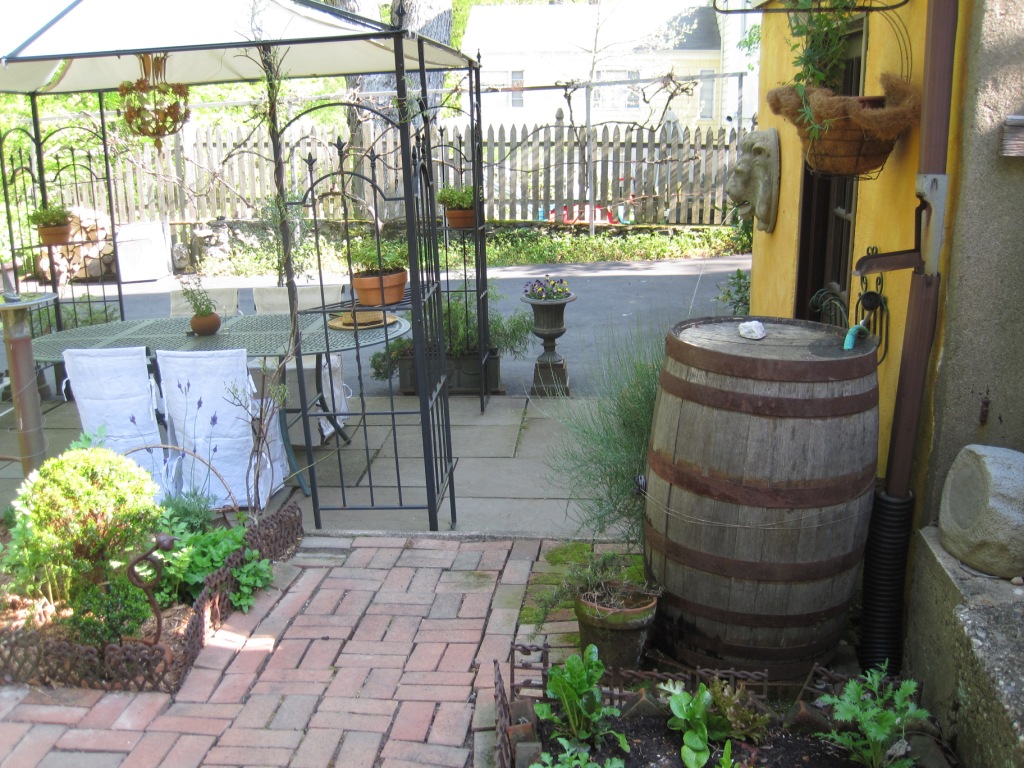
Installing rain barrels to catch storm water run-off will cut down on that water bill. I can’t even begin to describe how virtuous you will feel.

Drip irrigation systems should be on timers so watering is done during the cooler hours of the day. These days, systems that register rainfall and will not get turned on if it is sufficiently wet are available. What a relief to save on wasteful watering.

Do stop tilling – that’s right, do not turn over the soil. Less work again! By leaving the ground undisturbed, the earthworms get to do their God-given work of decomposing the organic matter of plants as they die and return to the soil. As a result, much of the carbon is sequestered in the soil and not released as carbon dioxide into the atmosphere. By allowing the garden to become a carbon sink, i.e. removing carbon dioxide from the atmosphere and storing it in the ground, the gardener is doing the world good. Think local, act global.

Do change the garden tools – as much as possible get rid of gas-powered tools. According to the EPA, 800 million gallons of gasoline are used per year by the 54 million Americans mowing their lawns each weekend. Is that not shocking?
Here is another fact that ought to make you desperate to do something – one gas powered mower emits the same amount of pollutants as eight new cars driving 55mph for the same amount of time.

Instead, use battery-powered or better yet, human powered tools such as push/reel mowers, clippers, rakes and the like. Go one step further and cut down on the lawn by planting native ground covers, trees, shrubs, meadows.

There, you see, none of this is difficult. The problem of climate change demands that each of us become part of the solution. Gardeners can make a significant difference. Collectively, we have the power to make manufacturers, growers, nurseries and politicians listen. Garden by garden we can lead the way. And cover a whole lot of turf! 

Follow me on Instagram @seedsofdesignllc

The rain barrel

The rain barrel

Another view of the barrel.

Another view of the barrel.

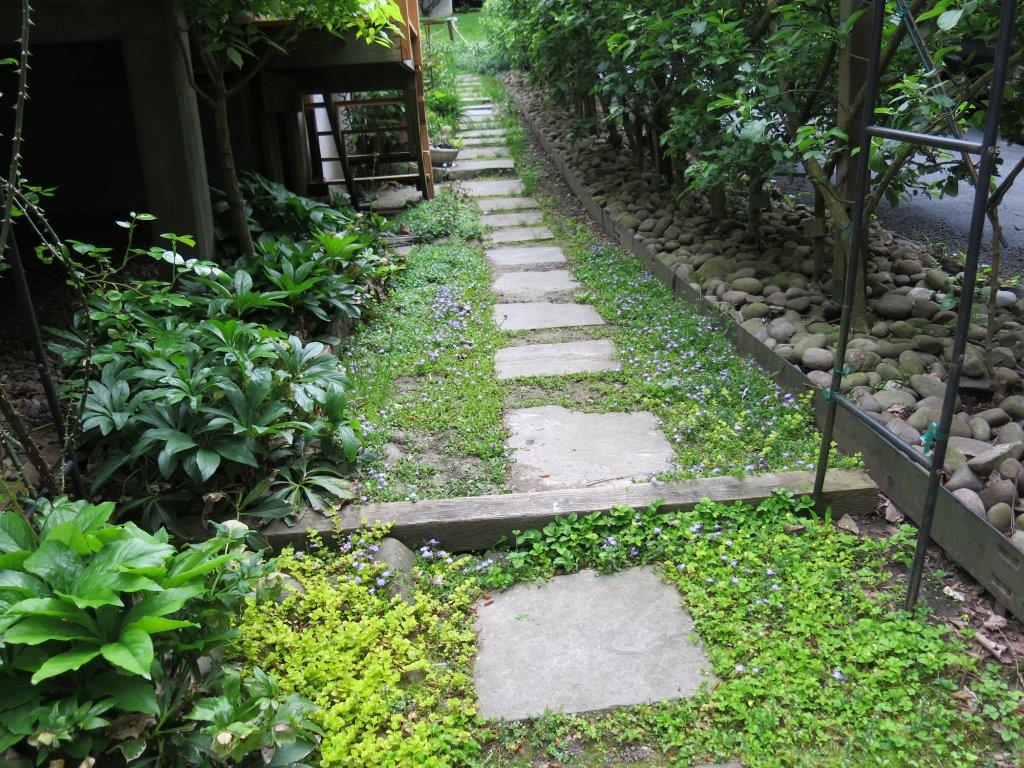
Groundcover

Groundcover

The only 'lawn' that gets mowed weekly by a human powered push mower.

The only ‘lawn’ that gets mowed weekly by a human powered push mower.

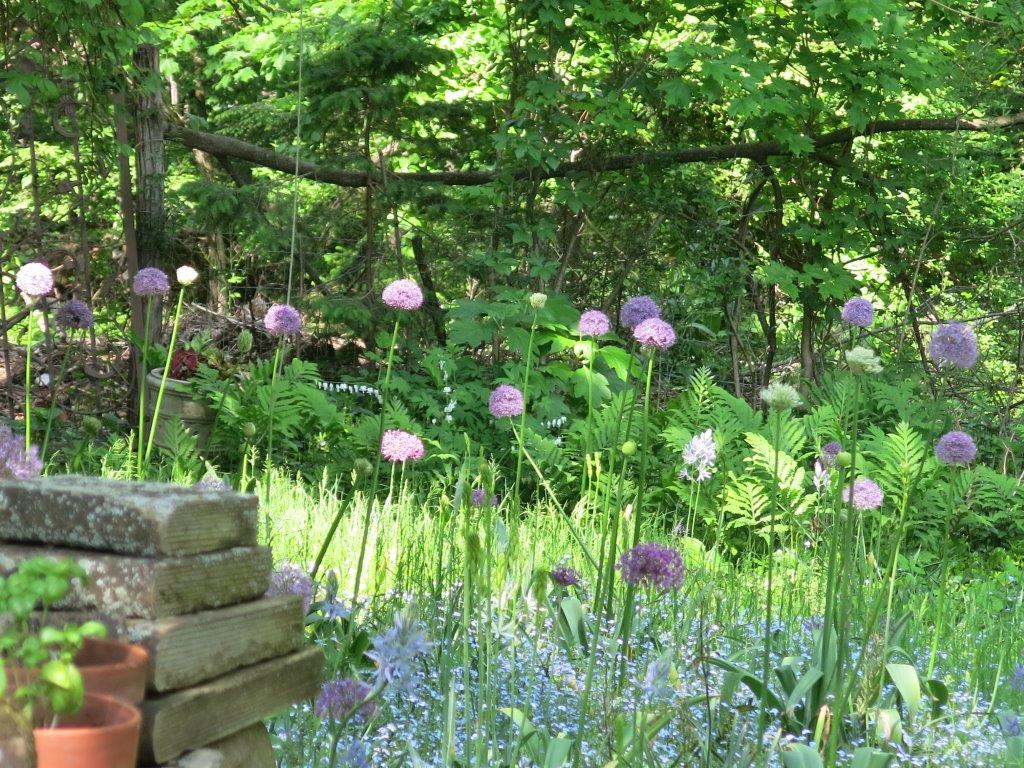
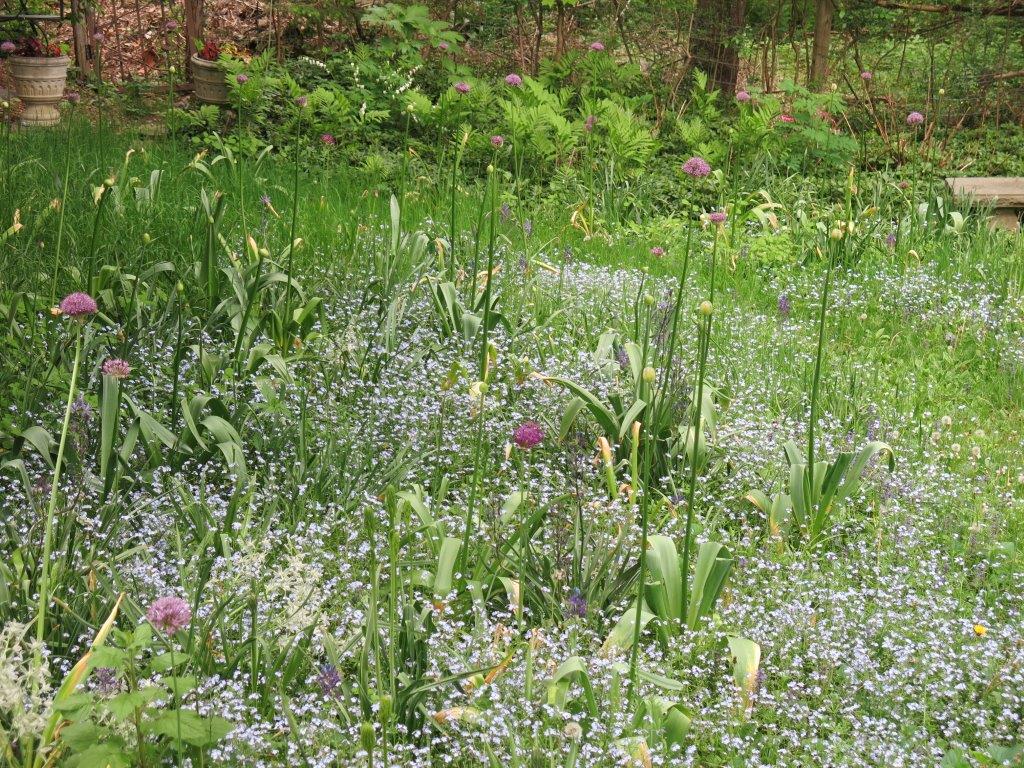
My meadow with natives and bulbs

My meadow with natives and bulbs

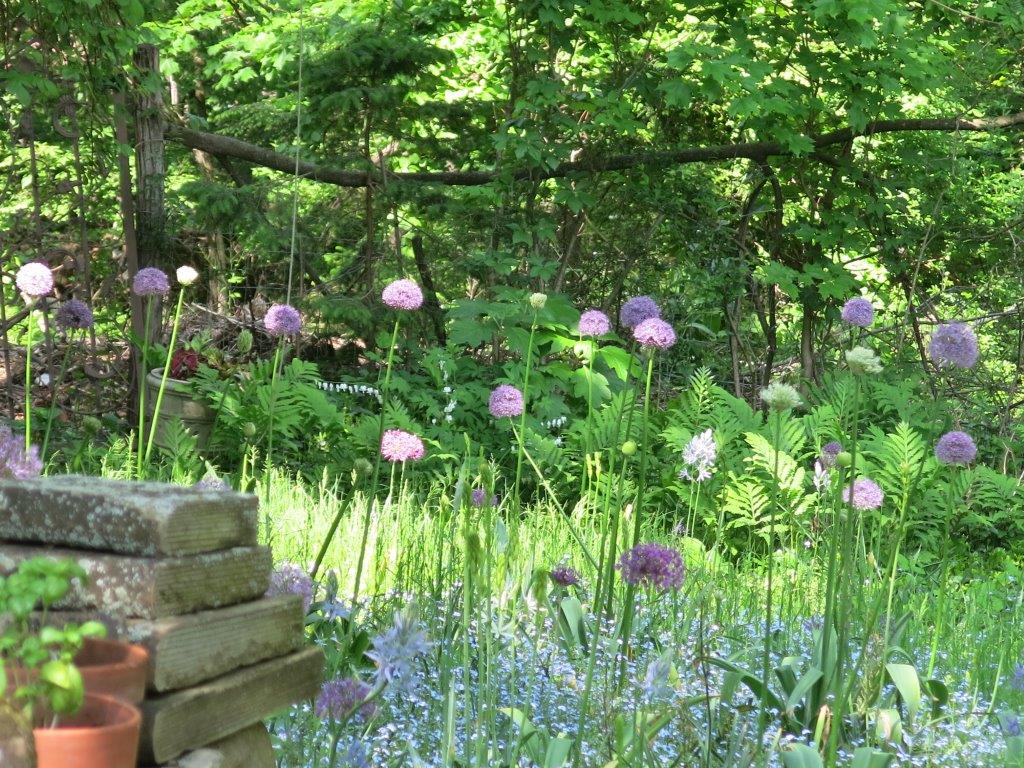
Alliums in the meadow

Alliums in the meadow

The compost bin for kitchen waste in the upper right corner. Do you see it?

The compost bin for kitchen waste in the upper right corner. Do you see it?

(c) 2016 Shobha Vanchiswar

[do_widget “Blog Subscriptions (Jetpack)”]
Music In The Meadow Part II

The ongoing heat wave and drought like conditions that we are experiencing in my corner of the country, is a wake up call to how we use our land. Other parts of the country and indeed, the world, are also being confronted with devastatingly atypical weather. Unprecedented, destructive flooding/drought/heat – take your pick, it is happening. Gardeners must adapt to changing climates and lead the way in sound environmental practices.

That being so, creating native plant meadows is a timely subject to explore and implement.

While my own meadow project has been underway, the trend to create meadows has gained attention and dare I say it, popularity. When I first started my meadow over two decades ago, it was viewed as odd, messy and ‘hippy-like’. My compost bin and rain barrel were also tossed into that category. I even recall my attempts being described as quaint and old-fashioned. So, please pardon me if I feel vindicated now that meadows, composting and, catching rain water have not only become accepted but are official stamps of the environmental conscious. I think I’ve earned my smug face don’t you?!

In creating meadows, we are in essence, restoring a resilient landscape to support bio-diversity and creating a balance in nature. This equilibrium resists invasives, creates a healthy matrix and withstands fluctuations in the climate admirably. Native plants co-evolve with native insects and animals. Like a world class orchestra, such a meadow performs in complete harmony giving us the most uplifting, life affirming concert.

Here are the proven benefits of a native meadow –

There are fewer ticks. Out here, Lyme disease is a real and serious concern. As a result, homeowners feel justified in contractual agreements with landscaping firms to have their property routinely sprayed with chemicals to control the ticks. What they are not taking into account is that even the “organic” applications are not tick specific. All of the insect population is affected. One loses the good guys with every application. Thinking beyond the insects, the chemicals, organic and otherwise, ultimately get washed into the water table. Pets and children who play in the garden, roll on the lawn, nibble on plants are all coming in contact with any and all insecticides, pesticides and fertilizers. Shouldn’t that alone be a serious concern?
When the environment is in balance, the ticks are eaten by other insects, birds and animals. And that is how their population is well controlled.

Once established, that is as soon as the young plants are settled in, a meadow needs no further watering. Think about that.

At no point is there need of fertilizers. Not even compost. And the soil is never turned over nor is new soil introduced. The land is kept as it is. Imagine all the time, energy and dollars saved.

The meadow is cut down just once a year. Mowing becomes a non-issue. Now, traditionally, a meadow is burned annually in early spring. One needs a permit from the town and fire department because burning must be done correctly. However, if you live like I do, cheek to jowl with the neighbors, that is not an option. I do an annual mow down in the fall.
But, if you happen to live on a large enough property with neighbors at a proper distance, burning is much preferred and more effective. Weeds will be significantly reduced and even those that regrow, will be shaded out by the native grasses.
Here is an interesting fact – native plants burn well and burn gently. Those big conflagrations one envisions when we think of burning a meadow or field are created when non-native plants burn.
The dangerous forest fires that rage every year in some parts of the country are primarily in areas abundant with non-native trees and shrubs.

A thriving meadow is utterly beautiful. At every season it offers a different view. And oh the insect and bird life! Watching the wildlife is fascinating and often mesmerizing. It’s better than watching the Discovery channel!

Meadows are naturally productive and nutritious. All creatures benefit from them.

So, are you motivated to give up a part of your garden/property to a meadow? If so, start with small acreage. Learn the process.
Know your plants. Identify the natives, weedy non-natives.
Become familiar with water (rain, ground water flow) and reproductive patters, seed dispersal methods, animal habits.
Whenever one plant, native or non, appears to take over, that is a sign of imbalance.

We introduced the wrong plants, that means we can also remove them. If each of us commits to doing our part, we can restore the environmental balance. The parks, reserves and public gardens alone cannot carry the weight of safe-guarding this glorious land of ours. The responsibility rests on each of us.
We can and must do better than we have thus far.

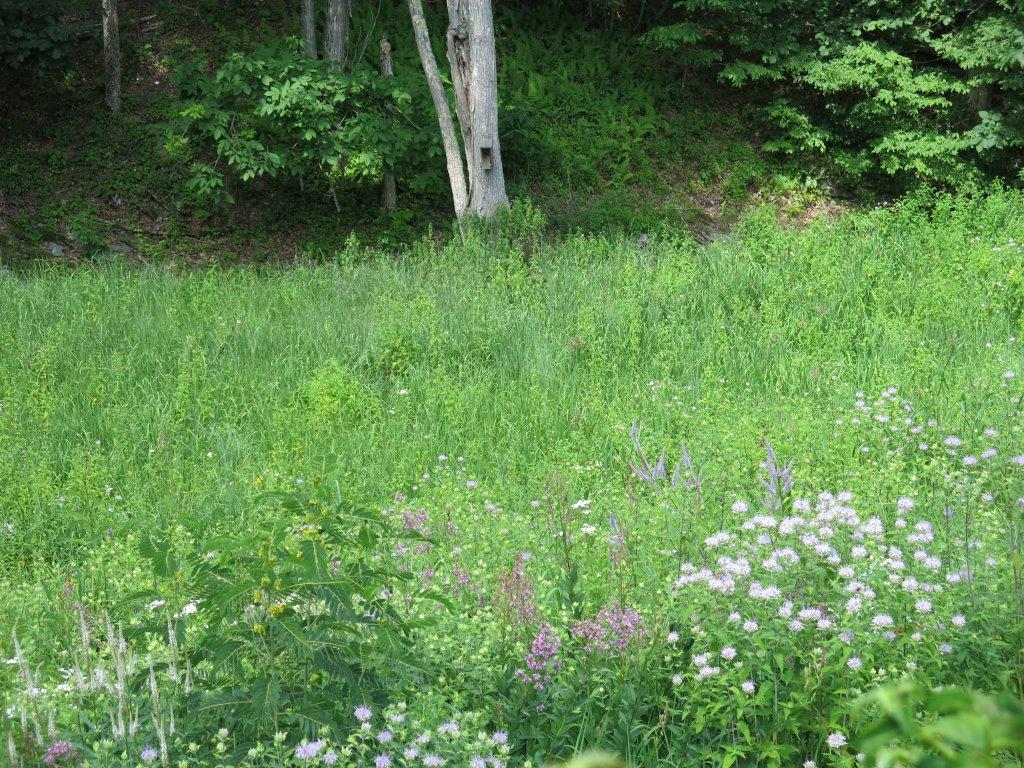
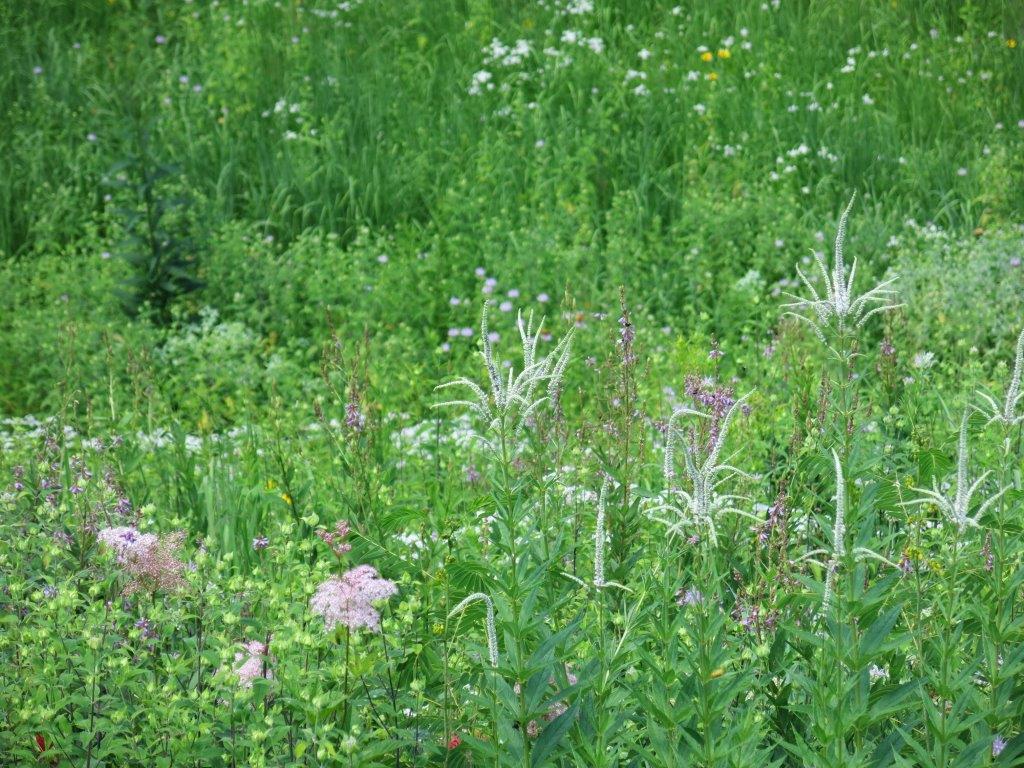
Enjoy the photos I took recently of the meadow at Linda Horn’s in Spencertown, NY:

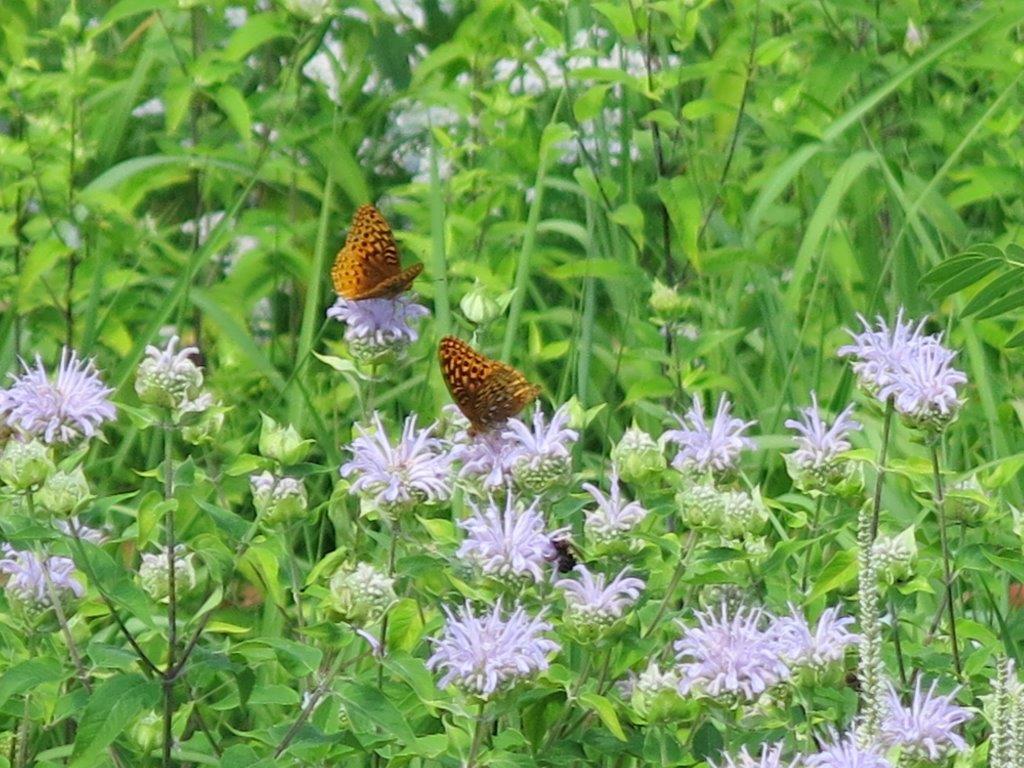
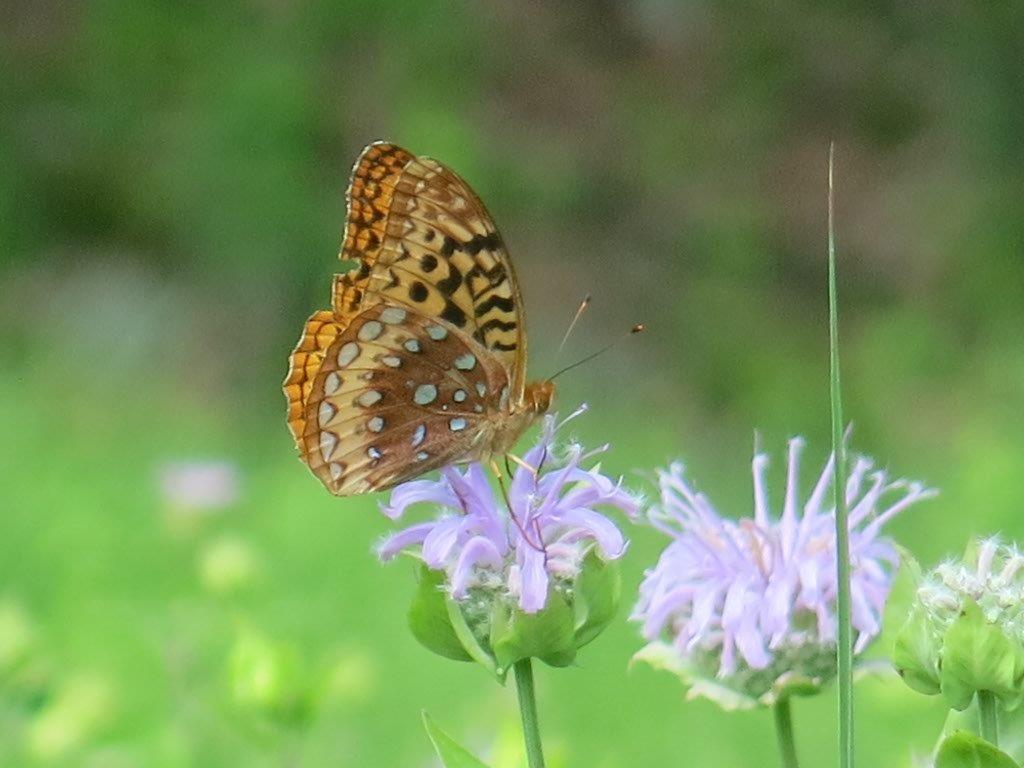
The native monarda is a huge draw for all sorts of pollinators

The native monarda is a huge draw for all sorts of pollinators

IMG_9814

IMG_9804

IMG_9805

IMG_9802

IMG_1782

IMG_1783

IMG_1788

(c) 2016 Shobha Vanchiswar

[do_widget “Blog Subscriptions (Jetpack)”]