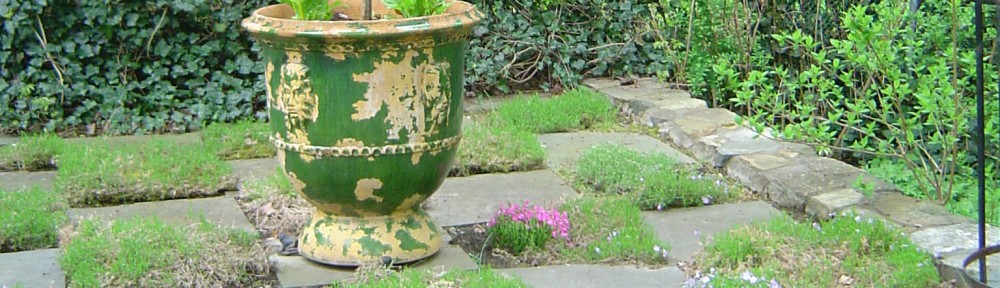
It was a hectic week. In preparation for the Nor’easter that slammed the east coast this past weekend, I worked overtime in the garden getting the pots of tender perennials and some tropicals moved into the greenhouse. Pruning, power-washing (plants and their pots) and hauling my weighty subjects is a good workout. What made it a stressful week was not that chore by itself. I’m in the thick of several time sensitive work related projects and juggling all the balls was challenging. But I’m not complaining – it’s a busy season but that’s it – a season. It passes. With tangible results. There’s a deep sense of satisfaction and gratitude in that.
The weekend was wild – strong winds and fierce rains pummeled the plants and kept everyone hunkered indoors. By Sunday evening I was a bit stir crazy. Enough already.
This week, with better weather, it’s glorious to get outside and continue with the fall chores. It’ll be a steady progress of work in putting the garden to bed. But respite is in sight. October and November will be blur of activity and suddenly December will be here. I already have plans underway for making the quiet months of winter as enjoyable as possible. Stay tuned.
For now though, October is going to keep us gardeners fully occupied. Get ready!
What To Do In October –
1. Yes, weeding continues!
2. Time to plant new perennials and trees. Give a good dose of compost to each. Water regularly so they’re well settled before the winter.
3. Perennials already in place can be divided and re-distributed as well.
4. Cut back all spent plants except what is needed for seasonal interest or serve resident wildlife.
5. Collect seeds. Store in labeled envelopes in a cool, dry space.
6. Last call to root cuttings of geraniums, coleus, rosemary etc.,
7. Get all pots of tender perennials into clean greenhouse or other winter shelters. Wash plants and pots thoroughly first – minimizes pest infestation.
8. Plant bulbs as weather gets consistently cooler – the soil must be below 55 degrees. That will be November in my garden. Bulbs can be planted until soil freezes solid.
9. Rake leaves. Add to compost pile or deposit in woods. In my tree surrounded garden, I leave only a base layer of leaves in place as any more than that smothers the plants, forms an impenetrable mat and has the potential for spreading disease.
10. Give compost heap a good stir.
11. Clean out vegetable garden except for cool weather plants that are still producing. Apply several inches of compost on cleared beds. Plant green manure to enrich the soil – optional.
12. Clean and put away (or cover) outdoor furniture.
13. Check what needs repairing, repainting, replacing and get to it!
14. Lift tender summer bulbs, corms and tubers. Clean and store in dry, frost-free place.
15. Drain and close all outdoor water faucets. Empty rain barrel and hoses. Store.
16. Clean all equipment and tools. Store neatly.
17. As temperatures plummet, protect vulnerable shrubs and immovable frost sensitive pots and statuary. I cover the former with burlap and for the latter, I first cover with sturdy plastic and then use burlap so it looks halfway decent.
18. Remove suckers from ornamental and fruit trees. Prune roses and wisteria. Remove dead and decaying limbs from all plants.
19. Set up bird feeders. Keep them filled through the winter. Full disclosure – Following a very serious rat infestation in the recent past, I have stopped hanging bird feeders.
20. Install bee houses for native solitary bees. I do have those and they get occupied.
21. Put up/clean out nest boxes in preparation for the spring. You never know the birds will arrive to take up residence.
22. Get into the autumnal spirit – fill window boxes and urns with seasonal plants and produce.
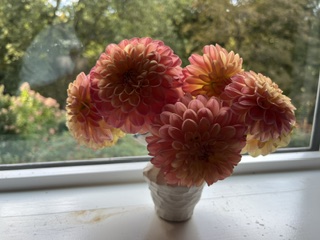
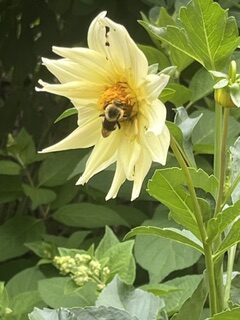
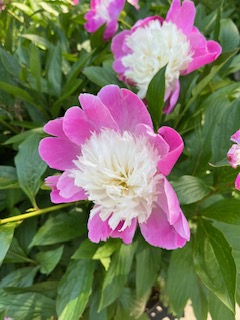
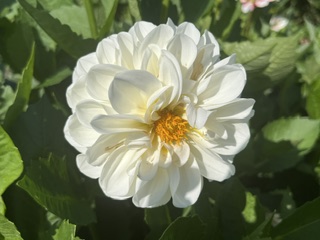
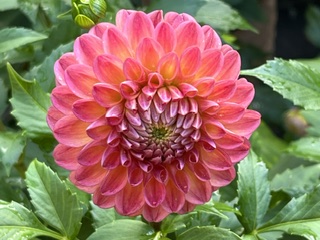
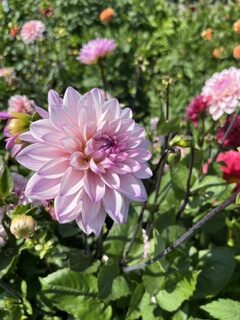
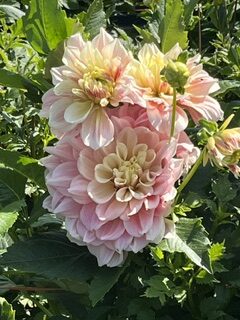
Dahlia, dahlia, dahlia! Some from my garden and some from another –





(c) 2026 Shobha Vanchiswar
[do_widget “Blog Subscriptions (Jetpack)”]