As the season is winding down and the focus is on chores and putting the garden to bed, a critical task right now is to conduct a comprehensive assessment and review of the garden. Put down the tools, take off the gloves and take a slow walk around the garden.
Really look at the plants and all features with an open, honest gaze. What plants look healthy and performed well but more importantly, what did not and why. Were the unprecedented heat waves in July to blame? Or have conditions such as light exposure changed because of a recently built structure or that surrounding trees have grown tall enough to block out the sun? Lack of rain/too much rain can present challenges. By determining the reasons, solutions can be found. Maybe replace a plant(s) with one more suitable to the changed conditions. Something that is fine with less light/more heat/ too much rain/drought tolerant – now is the time to make decisions and choices to deal with those changes. A little research and some conversation with local horticultural experts will empower one to take appropriate action as we collectively adapt to climate change.
Of all the types of native milkweed available, only the common milkweed grows in my garden as it is more drought tolerant. I must plant more of them. Because of how big a neighbors cedar tree has grown, a climbing rose was struggling to thrive – it was moved to a more suitable location and a native honeysuckle took up residence in the vacated spot.
Similarly, taking a good look at structural elements, hardscaping and outdoor furniture. Repair, replace, renew. This past week, all the fence posts of the Belgian espalier fence, the espaliered cordon of pear, as well as the low rope fence in the front by the street were replaced. The old posts were beginning to show rot after their 20 odd years in the soil. This is something that is not easily noticed till a post actually breaks and a plant is damaged. So its important to check periodically. We’d first noticed the problem a couple of years ago and kept monitoring it till we decided it could not be put off any longer.
A metal plant stand and a couple of metal tables are in dire need of rust removal and fresh coat(s) of paint. I’ve put it off for several years but can no longer ignore how shabby they look. A good winter project awaits.
As unpleasant as the Nor’easter over the weekend was, it really brought to mind that adverse weather exposes problems in the landscape that require action. How the storm water flows teaches us where it collects or floods, where soil is eroded, where mulch is washed away – that calls for prompt remediation before the situation gets worse. Introducing water loving/drought tolerant plants is one type of solution. Maybe some hardscaping is required – water diverting conduits, gravel streams, a retaining wall, edgings.
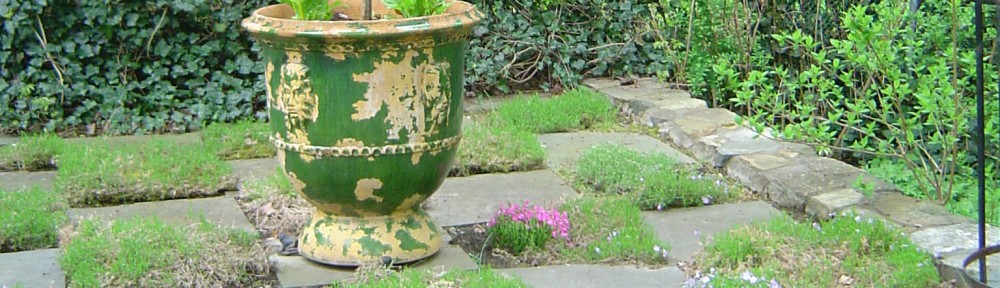
Over time, some pavers leading to the lower garden have sunk so they need to be lifted, the area regraded before being set down again. I’ll wait till early spring to deal with it but its on my calendar so I won’t forget.
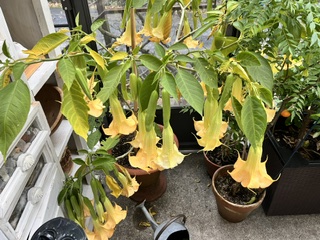
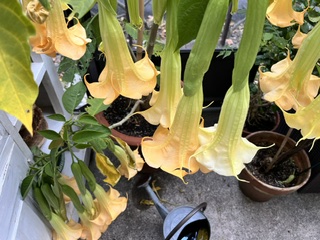
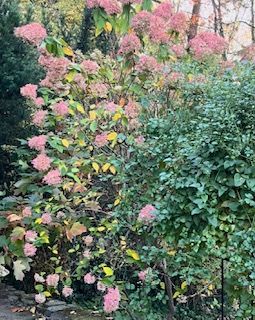
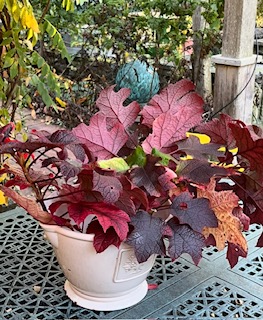
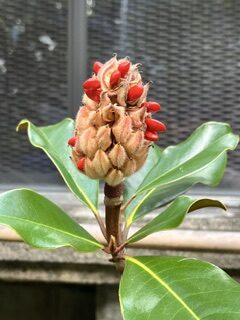
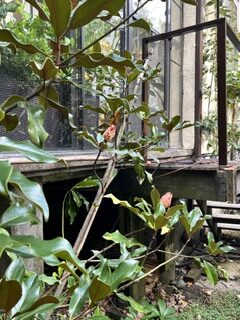
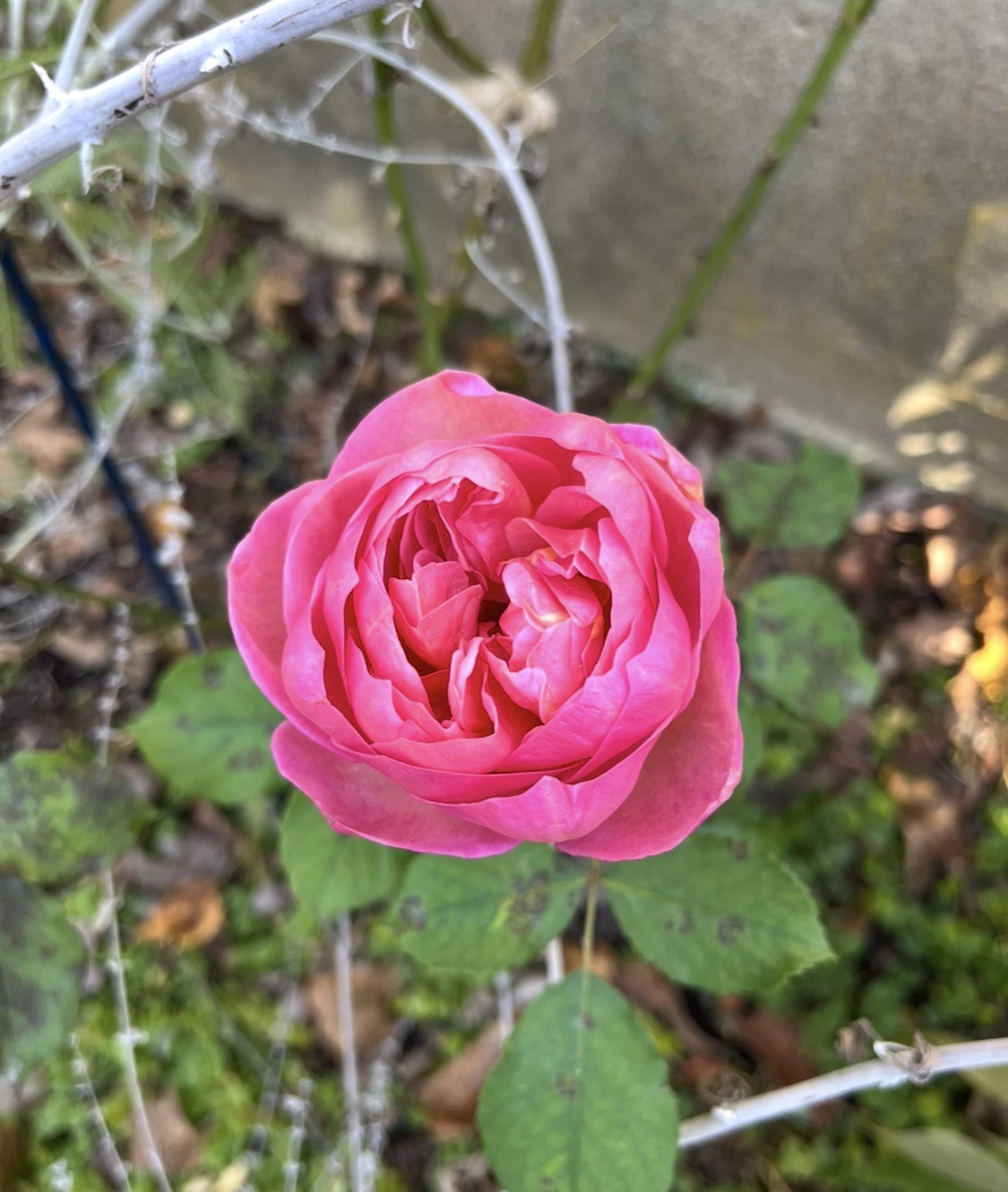
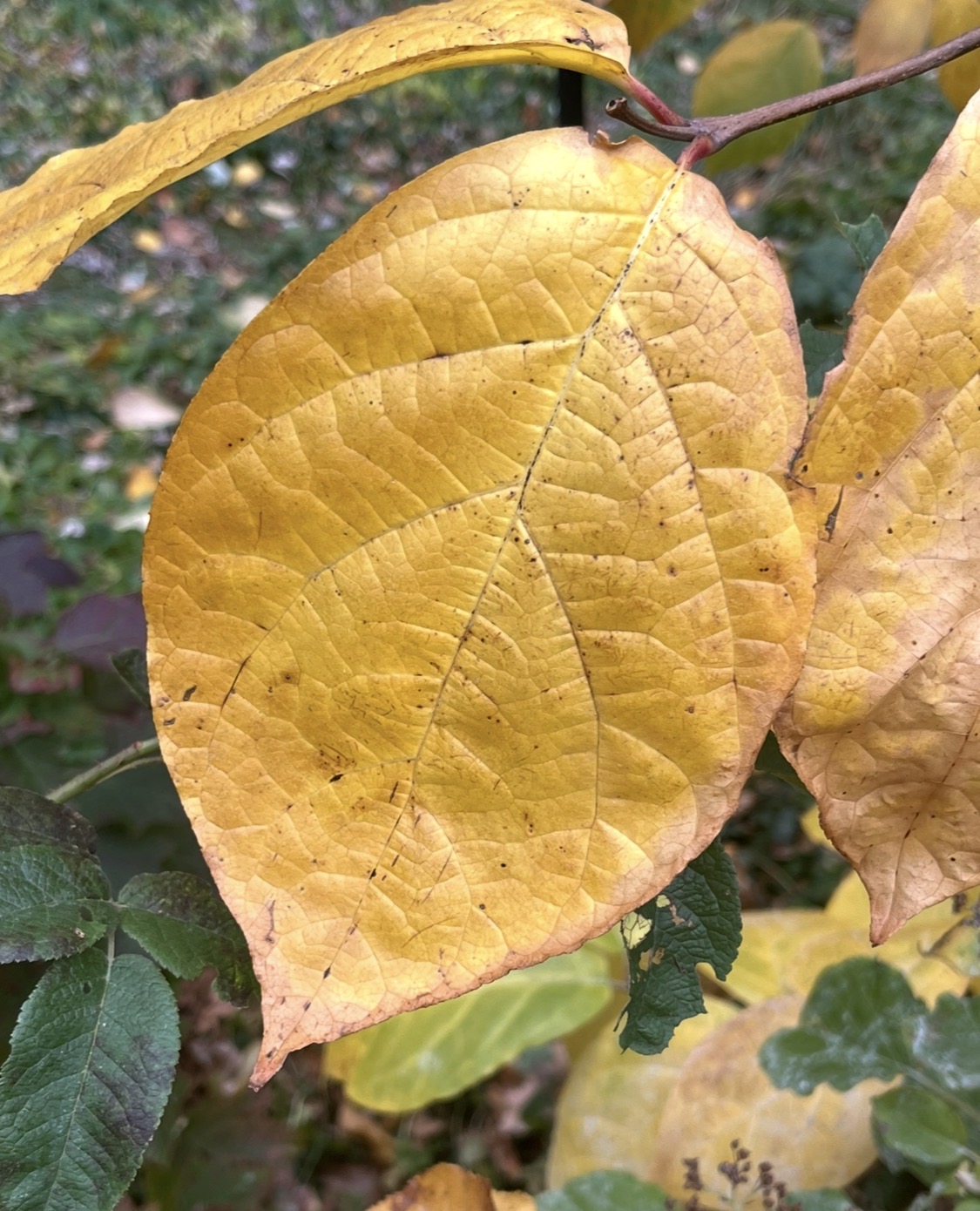
The upside to all this problem seeking mission is that one also comes upon the seasonal delights that abound in the garden. The last of the roses, the unbridled enthusiasm of the asters blooming their hearts out, an unexpected burst of color lighting up a dark corner – the cup runneth over.
Seasonal delights –


(c) 2026 Shobha Vanchiswar
do_widget “Blog Subscriptions (Jetpack)”]