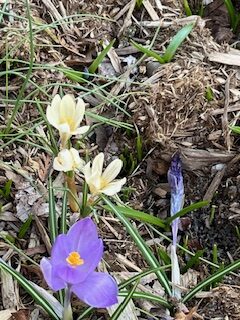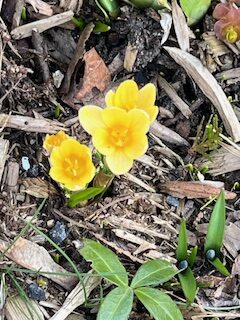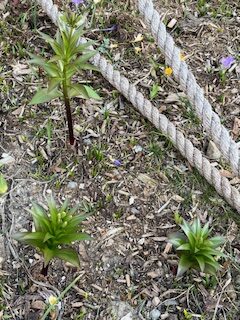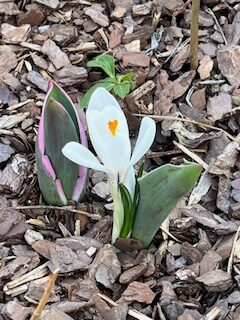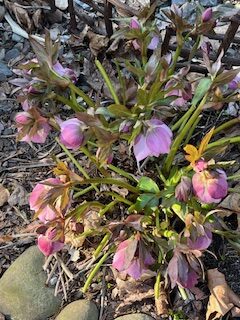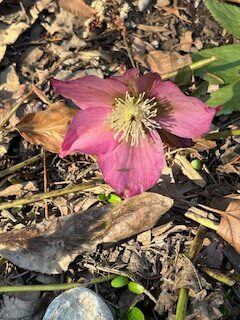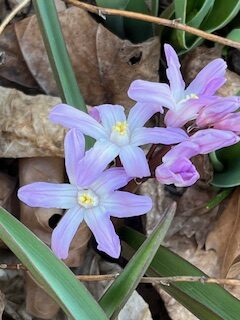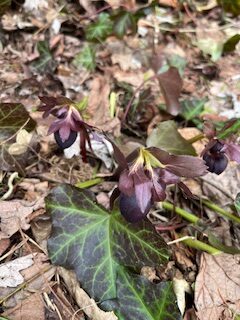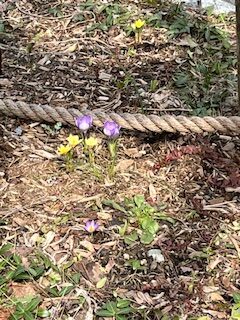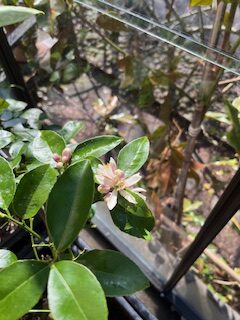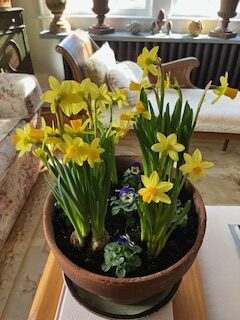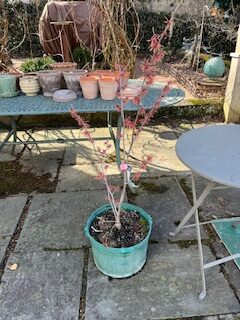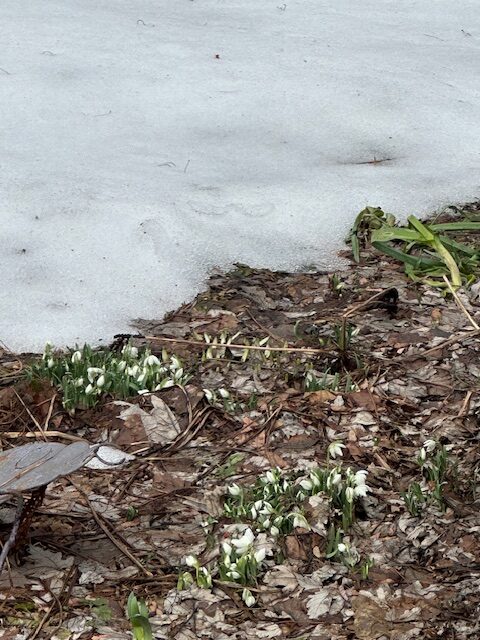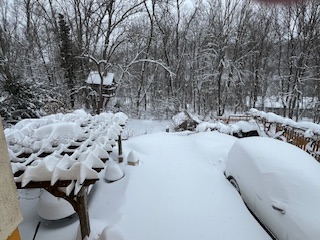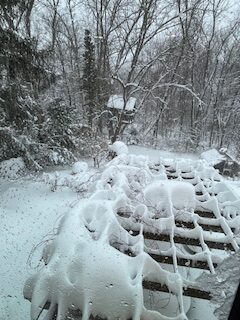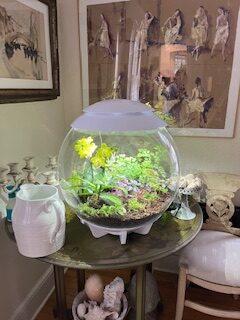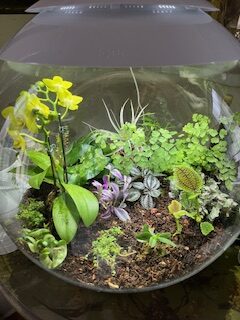
Doing December

December is fraught with mixed emotions as one looks back at the year that was and ahead to the one coming up. This month of festivities can be fun as well as frustrating. All of which can be exhausting if we don’t succumb to the pressure we put on ourselves and/or get from societal expectations. For myself, I have finally learned to keep it simple and stick to that which truly brings me joy. Joy of the season and those with whom I choose to share it. To everything and everyone else, I graciously and politely decline. No is a complete sentence.

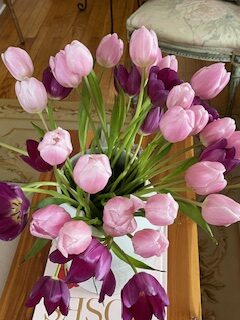
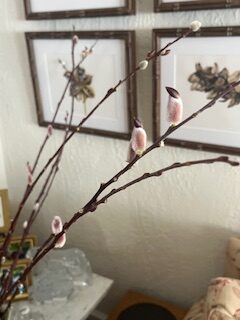
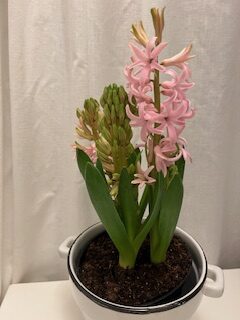
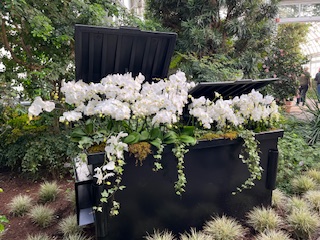
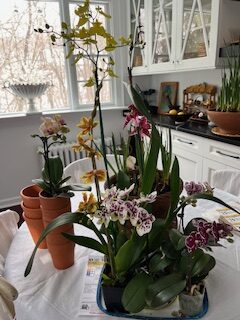
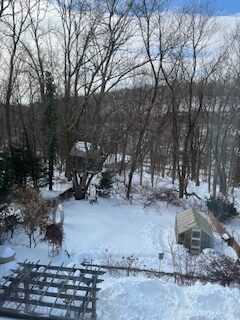
To that end, I make the house cozy and inviting with flowers, candlelight, fireside comforts on the ready (warm throws, books, board games, puzzles), music and, all the makings for cold weather drinks and nibbles. Small gatherings, special (but simple) dinners, walks in the woods, theater tickets, the occasional binge watching of a streaming series, art gallery hopping, quiet hours spent reading or painting are the simple pleasures that make my December joyful.

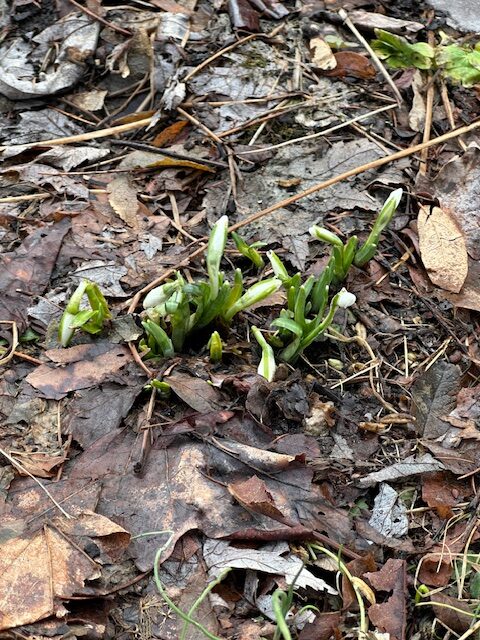
And yes, there are some garden chores as well.

Things To Do In December

1. Hurry up and finish any pending plant protecting tasks! Ditto for statuary and other articles left outdoors.

2. Complete mulching all plants.

3. Drain out all outdoor water pipes. Store hoses properly.

4. Keep bird feeders filled.

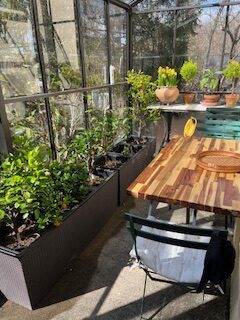
5. Stay on top of watering plants in greenhouse and house. Be vigilant for signs of pests or disease.

6. Set aside seed and plant catalogs for making plans for next year’s growing seasons.

7. Archive garden photos taken through this year. They will come in handy when you plan and design for next year.

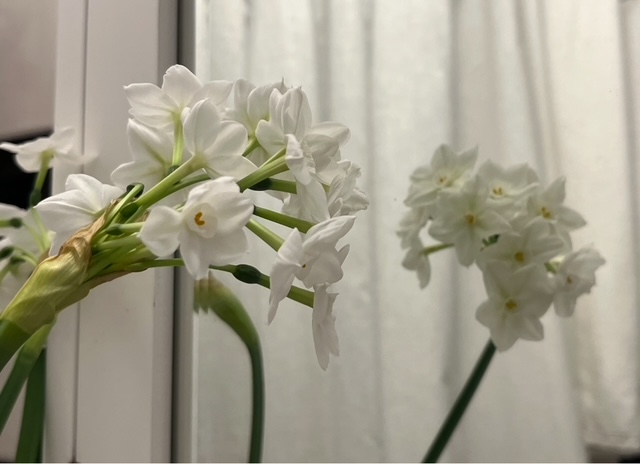
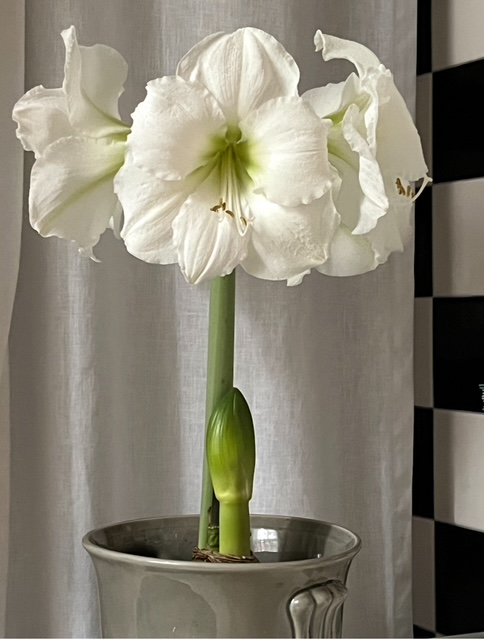
8. Enjoy paperwhites and amaryllis bulbs blooming indoors.

9. Make use of this down time and relax! Don’t let the Holiday Season wear you down.

Lets make it a month we deserve to have.

Happening now –

(c) 2025 Shobha Vanchiswar

[do_widget “Blog Subscriptions (Jetpack)”]
The Spirit Of The Season

This week officially launches us into the holiday season. The excitement (and in some cases, the trepidation) is palpable as friends and families anticipate the reunions and celebrations. With the lampposts and trees festooned in twinkling lights, the downtown area of my small town is looking mighty festive. The tree lighting and holiday singalong happens this Friday – an annual signal to shop local and give back to the community.

With the garden pretty much put to bed, I’m more than ready to get into the spirit of the season. It is, for me, a time to gather with loved ones, be grateful for all my blessings, give back as well as give to those whose needs are greater than my own.

In getting the house ready for house guests, friends dropping by and also my own winter cocooning, I focus on bringing in elements of nature. It begins with stocking up on firewood – there’s nothing like the sight, sound and smell of a roaring fire to bring everyone together for conversation and commiseration or, quiet contemplation in blissful solitude.

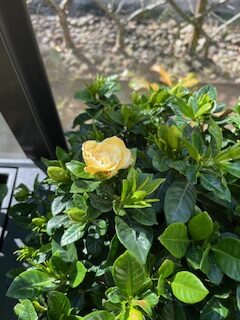
With paperwhites and amaryllis placed all through the house, a sense of anticipation pulses. As the green leaves and buds emerge and rise, so does the eagerness to see the flowers in bloom. All in good time. With some luck, the jasmine will put out flowers to perfume the air just as the paperwhites get done.

Holiday trees, garlands and wreaths don’t simply adorn. They are proof that we humans need Nature.

And in this cozy, comforting embrace of home, I will start by expressing thanks for everything I have been given. From the small (but no less important) like the friendly wave and smile the garbage truck driver unfailingly gives me to the big as when my entire family traveled from great distances to gather for my beloved fathers funeral. And then, there’s everything in-between.

The list is long and deserves time and attention. Well worth it.

I now shift my focus to giving back or to and here again, the list is long. But that is by no means costly because, it is not about stuff. Instead, I give my time (company to the lonely/recuperating, a listening ear, a handwritten note), my skills to help with a project/event or pitch in for someone who is unable to do something due to injury or illness and finally, invite folks over for a meal or drop off food. I also pot up paperwhites and/or amaryllis to give away – recipients are invariably thrilled. I think an evening with neighbors for board games or some rowdy rounds of Charades along with something as simple as pizza is always a hit and fosters community. I give promissory notes to help get a garden project started in the spring, a monthly walk and talk, you get the idea.

Where I actually give money is to organizations with missions I believe in. From those that work on environmental issues like nature conservation, preservation, coexistence, sustainability etc,. to supporting the arts and sciences, women’s health, homelessness, climate change – all efforts in dire need of funding. Locally, nationally and globally one cannot give enough. I give what I can and of course, while that might not feel adequate, remember, as long as we are doing our best, it is always more than enough.

Happy, blessed Thanksgiving wishes to each and every one of you.

Some inspiration –

(c) 2025 Shobha Vanchiswar

[do_widget “Blog Subscriptions (Jetpack)”]

Winding Down

With most of the major tasks done, it’s been all about the little stuff. Seemingly unimportant but quite necessary. Like the unsteady garden stand – divested of the seasonal pots, it looks totally fine and therefore, it’s very easy to forget how annoying it was through the entire summer to have it wobble each time I watered or deadheaded the plants on it. A simple straightening of the rear right leg has fixed the problem.

On that vein, I’ve replenished the supply of surgical gloves which are super useful when handling anything unsanitary (dead mouse anyone?) or yucky. I also like putting them on before wearing my regular garden gloves when a fresh manicure needs protection. A girl has to do stuff like that.

A touch of paint here, a dose of WD-40 there. Getting tools sharpened, restocking the twine, replacing lost stakes (where do they go?).You get the idea. It’s those details that truly help make things so much better/easier/efficient. I can’t speak for others but for myself, by taking care of them in this period of lull, the prospect of getting started in spring feels positively exciting.

One can dive straight into the business of gardening – prepared and determined.

Now, I’m off to gather up garden catalogs, garden magazines, folders (for those inspiring pages torn from aforementioned magazines), books on gardening, notebook, highlighter and pens into my trusty trug by the fireplace. Big dreams and noble visions await.

Some of my artworks that represent this moment-

(c) 2025 Shobha Vanchiswar

[do_widget “Blog Subscriptions (Jetpack)”]
Winter Ready?

Whew! The slew of fall chores are mostly done. I say mostly because is one ever fully done working in the garden? At least the big stuff has been dealt with. Cut back, removal of debris and annuals, pruning, moving myriad plants to greenhouse, mulching, putting away vulnerable furniture and/or garden elements, fallen leaves management and then the biggest task of all in my garden – planting the huge number of bulbs (1300 to be precise).

A word on how I deal with my leaves. In the front garden, most of the leaves are raked and gathered from the tiny lawn and deposited on the compost pile in the woods. If left in place, they form a dense mat that literally smothers the grass to death.

Then, remaining leaves are blown on to the perennial beds in front as well as the vegetable-herb beds to provide winter protection.

Finally, in the ‘meadow’, the windfall from the surrounding trees are left in place.

One thing I never do is collect leaves in the stipulated large brown paper sacks for town pick-up.

The big pots are sitting pretty in their burlap over plastic wrappings – like brown paper packages tied up in string.

I’m exhausted and exhilarated at the same time. It’s lovely to look forward to some down time, prepare the home for winter months and more immediately, get ready for the holiday season. Thanksgiving is fast approaching!

To that point, paperwhites and amaryllis have been started – the former should start blooming by Thanksgiving and the latter in time for the December festivities. Window lights and candles have also been recommissioned – there’s no such thing as too much light in winter.

I’m enjoying the anticipation of the respite because I know myself well. By mid-January I will start poring through nursery catalogs, salivate over all the possibilities and get impatient to have my hands in the soil once more. Spring arrives early in my head.

(c) 2025 Shobha Vanchiswar

[do_widget “Blog Subscriptions (Jetpack)”]
Nuanced November

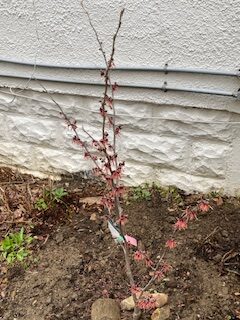
November is definitely full of nuances. Within what appears to be Fall are the hints of Winter. The temperature that dips sharply at night, the light that shifts from bright to dim as though a faulty dial cannot stay fixed, the night that comes early and seems endless, the sounds of leaves being raked or blown being replaced by wood being chopped and, air swirling with aromas of decaying vegetation and wood smoke. It is a month fraught with subtle meanings. Even as we reluctantly bid adieu to warm weather pleasures, November takes us gently towards congenial gatherings around tables laden with comforting foods, cozy conversations by a blazing fireplace and invigorating walks in the woods. Everywhere one looks November reminds us of what is truly important. Connections – to nature, to family, to friends, to each other.

It’s the final push of garden chores before the December holiday season takes over.

Here’s the November To-Do list

1. First and foremost, put away all Halloween decorations. Set up Thanksgiving display – gourds, pumpkins, ornamental kales and cabbages, chrysanthemums and asters.

2. Having cut back plants and cleared debris, mulch all plant beds.

3. Hurry up and finish all pending tasks from last month!

4. Finish planting spring flowering bulbs.

5. Protect pots to be left outdoors, vulnerable plants such as boxwood, certain roses, and garden statuary.

6. Fill bird feeders.

7. Be prepared for snow and ice. Keep snow shovels, grit or sand, firewood stocked and handy.

8. In case of power outage, have candles, flashlights, matches and batteries on the ready. A radio too – I have one that gets powered by manually cranking it up.

9. Finish dealing with fallen leaves. Leave in place, spread as mulch to protect garden beds, add to compost pile.

10. Clean and store tools. Get appropriate ones sharpened.

11. Start setting aside seed and plant catalogs. Soon you will be planning for next year!

12. As long as the weather is mild, keep on weed watch!

13. In the greenhouse, be sure the heater is doing its job. Ventilation is also important to keep plants healthy.

14. Start a routine for regular watering of plants indoors. Keep vigil for early signs of pests or disease.

15. Start forcing amaryllis and paperwhites for seasonal cheer. Similarly, put bulbs such as hyacinths, muscari , crocus and tulips in for cooling. (I use my refrigerator). In about fourteen to eighteen weeks, you can start forcing them and pretend it is spring!

16. Enjoy a beautiful Thanksgiving.

Images of Fall just outside my home –

(c) 2025 Shobha Vanchiswar

[do_widget “Blog Subscriptions (Jetpack)”]
Adios October

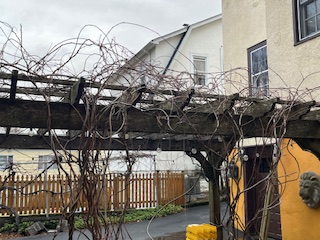
Is it just me or has October whizzed by? Perhaps it’s because I’ve been overly busy. That’s what happens when one takes off for 3 weeks – you hit the road running on returning home.

It’s been a game pf playing catch up in all areas of my life. Work, home (the kitchen renovation is moving along but my goodness, it’s painfully slow), news both national and international ( I had chosen to leave my phone at home and judiciously avoided all news and social media– highly recommend!) and then, of course the garden.

Typically, I begin tackling fall chores in the garden around the time of the autumnal equinox. Since I only returned in the first week of October, I was a full 3 weeks behind. As any gardener knows that’s a lot. I got cracking right away. At first it didn’t feel too bad. I had it all worked out. Then we got alerted of a freeze watch. That put me into high gear in a tearing hurry. Myriad pots, mostly large and heavy with tender perennials/citrus/tropicals had to be trimmed, cleaned up and ‘power washed’ to remove pesky stowaways before being moved into the greenhouse which is rather inconveniently situated. Said heavy pots have to be brought from their sites around the property, treated to the secateurs and bath, moved down some stairs and then about a few yards further to reach the sanctuary of the greenhouse. Doing all of this back challenging work under a time pressure is not fun.

Since then, it’s been cutting back, removing debris, dealing with fallen leaves, putting away, more cutting back, cleaning up, countless trips hauling all the vegetation to the woods beyond where they will earn their keep by eventually turning into compost. Whew.

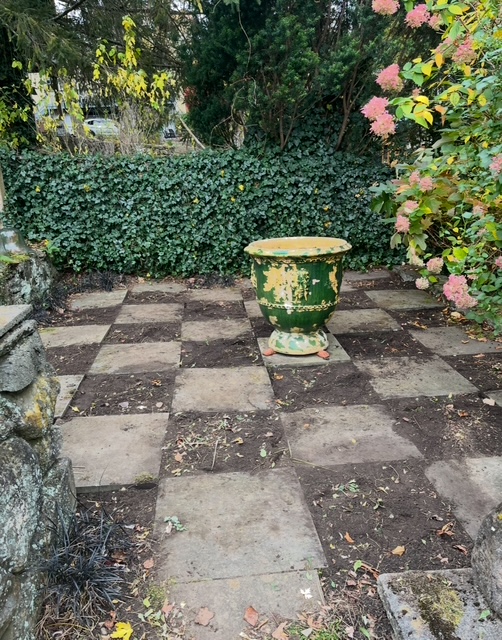
Amidst all this requisite work, I’ve also ripped up the checkerboard garden. This space has increasingly become more shady – the neighbor’s cedar has grown very tall. The creeping phlox has struggled to thrive and moss has slyly crept in everywhere. As has ajuga that opportunistically decided to joypusly leap from elsewhere and make itself at home where it does not belong. So out came all the vegetation. The soil then needed loosening and tilling. Looking at the ‘emptied’ checkerboard revealed that the slate squares needed straightening and aligning. All of this work took an entire Saturday. Nothing is ever simple!

New choice of plants will go in next week. I shall duly provide an update. Note: the creeping phlox was replanted elsewhere in the hope they will be much happier.

Fall is the time of year when I’m painfully (literally) reminded of the existence of certain parts of my body. Post fall cutback and clean up, doing simple things like bending, sitting down and then standing up has my entire lower body protesting vehemently and often. Ditto my upper arms. Am I not using my entire body properly and completely at other times of the year? How can this be!

This week I’m giving myself some recovery time by taking care of lighter work like wrapping the very large pots to keep them protected in place through the very cold months of winter.

With the great bulb planting weekend happening in November, I must necessarily be ready and able. Over a 1000 bulbs await.

(c) 2025 Shobha Vanchiswar

[do_widget “Blog Subscriptions (Jetpack)”]
Garden Ghosts, Goblins And Gore

Halloween decorations abound in my neighborhood. In some cases, they’ve been up since mid-September. I’ll come right out and say it, most are neither scary nor attractive. For such a highly anticipated holiday it would be so nice to see some serious creativity on display. But, each to his/her own and I will just mind my own business.

For a long time I’ve considered the fun of setting up a garden of Nature’s horrors to spook visitors. I really think there’s nothing we can come up with that could compete with what the natural world can offer. If I had the wherewithal, I’d create a Halloween Garden. Actually, I’d make two. One for non-gardeners and another for gardeners.

This week, I’ll share my ideas for the Gardener’s Garden of Horror. The correct time to visit would be in the hour before sunset. When the light can be quite dramatic but the details are not sharp. It sets the requisite mood of mystery.

On approaching such a garden, all looks lovely. Splashes of seasonal color herald the visitor. On closer inspection, the garlands of bright orange draping the fence are bittersweet running amok. Miniature balls in shades of pink, mauve and blue abundantly adorn all manner of plants – porcelain berry! And poison ivy resplendent in deep reds and bright ocher is running riot.

A path cuts through a meadow of nothing but stilt grass. Monsters lurking around prove to be shrubs completely covered in English ivy. Huge swathes of gooseneck loosestrife wave gracefully in the breeze.

And what are those lovely iridescent ‘stones’ on the roses? Japanese beetles shimmering away that’s what. Tree trunks covered in both adults and nymphs of the spotted lantern fly look gory.

Walking by what you know to be the vegetable plot, you see a slew of slugs having an extended supper. Every plant has been decimated or defiled.

And so it goes. Invasive plants, dreaded pests! Which gardener will not be petrified by this garden? Be afraid. Be very afraid.

Next week – the Non-gardeners Halloween Garden.

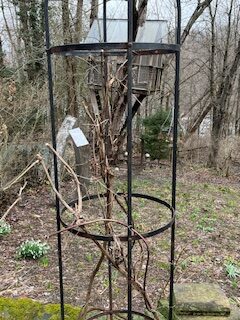
Note: Since I don’t want to traumatize you gardeners any further, I’ll spare you any scary images! Instead, here are images of a Patrick Blanc vertical garden I had the joy of seeing in Aix-en- Provence, France a couple of weeks ago. What a treat. What a diversity of plants! On the side of a bridge under which cars whiz by, I’m not sure how many drivers realize just how amazing this installation truly is. Nevertheless, their world is rendered significantly more healthy and beautiful. This should become a global movement I say!

(c) 2025 Shobha Vanchiswar

[do_widget “Blog Subscriptions (Jetpack)”]
October Fest

I love this time of year – waking up to a chilly morning that warms up rapidly to give summer vibes and then, by sunset we reach for a light jacket and consider if it is too early to light a fire or turn on the heat. The leaves are dropping crisp and tawny from some trees, turning all the various shades of ocher on others and still others resplendently green and loathe to let go of summer. October, you are a month that tantalizes and teases.

It’s also the second busiest time in the garden. So without much ado, I present to you October’s To-Do List

1. Yes, weeding continues!

2. Time to plant perennials and trees. Give a good dose of compost to each. Water regularly. Perennials already in place can be divided and re-planted as well.

3. Cut back all spent plants except what is needed by the birds as well as for seasonal interest.

4. Collect seeds. Store in labeled envelopes in a cool, dry space.

5. Last call to root cuttings of geraniums, coleus, rosemary etc.,

6. Get all pots of tender perennials into clean greenhouse or other winter shelters. Wash plants and pots thoroughly first – minimizes pest infestation.

7. Plant bulbs as weather gets consistently cooler. Bulbs can be planted until soil freezes solid.

8. Rake leaves but only if you must. Leaves can be left in place to provide winter shelter for small critters. However, it is not always possible to do so when the amount of leaves is way too much and can create conditions that completely smother the grass or plants beneath. Add raked leaves to compost pile or deposit in woods.

9. Give compost heap a good stir.

10. Clean out vegetable garden except for cool weather plants that are still producing. Apply several inches of compost on cleared beds. Plant green manure to enrich the soil – optional.

11. Clean and put away (or cover) outdoor furniture.

12. Check what needs repairing, repainting, replacing and get to it!

13. Lift tender bulbs, corms and tubers. Store in a dry, frost-free place.

14. Drain and close all outdoor water faucets. Empty rain barrel and hoses. Store.

15 Clean all equipment and tools. Store neatly.

16. As temperatures plummet, protect tender shrubs and immovable  frost sensitive pots and statuary. I cover the former with burlap and for the latter, I first cover with sturdy plastic and then use burlap so it looks halfway decent. Plastic looks even more unsightly in winter when the landscape is already stark.

17. Remove suckers from ornamental and fruit trees. Prune roses and wisteria. Remove dead and decaying limbs from all plants.

18. Fill up bird feeders. Keep them filled through the winter. Put up nest boxes for the spring.

19. Get into the autumnal spirit – fill window boxes and urns with seasonal plants and produce.

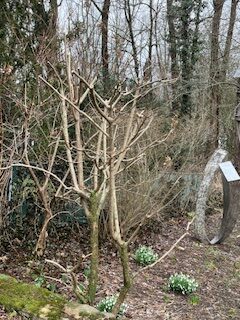
Some seasonal scenes from my wanderings –

(c) 2025 Shobha Vanchiswar

[do_widget “Blog Subscriptions (Jetpack)”]
Gardening With The Changing Climate

As promised last week, I’m sharing my thoughts on the changes we must consider making to keep pace with climate change. As gardeners, we see the impact of even the slight shifts in weather patterns – when plants emerge, when they bloom, quantity and quality of bloom, availability of pollinators, numbers of pollinators/pests, fruit production etc., We have front row seats in the climate change arena. So what are we going to do about it?

For starters, we accept that this is real. Not a one off or happenstance. There is enough scientific data to prove it if one is still skeptical despite the evidence we see in our individual gardens. Then, and only then, can any positive, productive action follow.

Given that our winters are milder and springs arriving earlier, sowing times have to be changed. At this point, it is about experimenting. For certain plants that get directly sown, when/how early must needs be determined. Can sowing in the Fall even be a possibility? For seeds started indoors, we can undoubtedly begin earlier. But how early?

Similarly, the timings of other tasks such as pruning, cutting back, harvesting, dividing, planting for spring, summer flowers and, fall bulb planting must also be adjusted. I’ve already penciled in mid-November for bulb planting. That’s a good 4 weeks later than when I used to do that job just 10 years ago. The last couple of years it was done the first weekend in November. But, last year, it was so mild well into December that some bulbs started pushing up their green snouts by Christmas.

Pest control will be a very urgent matter I predict. Along with old pests there will be new ones. This year, my neck of the woods has seen a significant increase in the numbers of the Spotted Lantern Fly. It’s been horrid. At present we haven’t any effective methods against them. There’s talk of introducing some new wasp that can combat the pest but then, will this newcomer endanger other desirable insects and/or plants?

Known problems like powdery mildew, aphids and other diseases may well be exacerbated. Yikes!

The significant reduction in the bird and insect populations has alarm bells ringing. Filling our gardens with as many host plants is imperative. Which brings us to the next matter.

What we plant will also need consideration. Some old favorites are going to struggle in the new climate conditions. Decisions must be made as to what we replace them with. Which plants we call native to our parts is going to change!

The learning curve will be steep but, we are a resilient bunch. We will learn and adapt. There is no choice in this matter.

We gardeners must recognize ourselves as civilian scientists. As custodians of our personal parcels of land, it behooves us to take our responsibilities seriously and with optimism. Together, we can not only continue to enjoy our gardens but importantly, we get to ensure that future generations inherit a better, healthier world.

Note: I’m taking the month of September off! Going off the grid! I shall see you back here in October. Here’s the list of garden chores for September –

Things To Do In September

1. Continue weeding.

2. Deadhead. Cut back anything that looks ragged or done for.

3. Mow the lawn less frequently.

4. Water judiciously.

5. Get leaf rakes, leaf bags and keep ready. Fall cometh! Preferably, let leaves remain in place wherever possible.

6. Similarly, keep bulb planting stuff like dibbler, bulb food, trowel, spade, etc., handy.

7. Continue harvesting vegetables. Remove plants that have given their all and toss on the compost heap.

8. Stir compost heap thoroughly.

9. Plant in cool weather vegetables.

10. Check if fall blooming plants such as asters and chrysanthemums need staking.

11. Inspect garden for pests or disease. Take prompt organic action if detected.

12. As days get shorter, make it a point to enjoy the garden as much as possible

(c) 2025 Shobha Vanchiswar

[do_widget “Blog Subscriptions (Jetpack)”]
August Audit

Here we are in late August. Summer’s end is in our sight-line. And so it’s time to assess the garden. The highs and lows, the whats and whys of the growing season must be noted. From this, we learn and take steps to make our gardens healthier, more productive and beautiful.

Looking around my garden, I see those plants that need to be reined in severely. In the meadow, ornamental raspberries and woodland anemones are the regular offenders which, this fall, will be ruthlessly handled till very small versions of themselves remain. The asters which are only a little less prolific are also targeted for serious editing – they will be drastically divided and distributed amongst fellow gardeners. Each of these plant types are legitimate and beloved residents of my garden but if not given diligent oversight, they get too full of themselves and aggressively thwart their neighbors freedom to exist. As a result, they must quite literally be cut down to size.

It’s with some concern I’ve noted that the milkweed are nowhere to be seen. Before I simply plant in fresh replacements in the Fall, I must determine the reason for their loss. Were the emerging shoots subjected to harsh weather in late spring? Or did the aforementioned thugs vanquish them by moving into their space? Surely it cannot be a pest? I have to do some investigation.

In the checkerboard garden, overhead conditions have changed as the neighbor’s cedar has grown quite mighty. All the shade it now provides means the creeping phlox no longer thrives. Instead, moss has moved in and columbines have self-seeded extensively along with forget-me-nots. I’m debating if I should see how this plays out next year or if I ought to include something to carry this area from spring into summer this Fall. Perhaps the shorter, clumping allium like A. millenium which blooms in summer? A single clump in the center of each mossy green square would look fetching but I wonder if the paucity of sunlight would once again be a problem. Another investigation to add to my growing list.

A few plants have made no appearance in the perennial beds in front. They were planted only last fall so its possible they struggled with inclement weather conditions since then and lost the fight. Or did the nasty Spotted Lantern Flies devour them as they did the young marigolds I’d planted around the new elephant sculpture in the herb garden? This might remain a mystery.

I see that matters like these plus the chores that need rescheduling to align with the changing climate ( which I will get into next week) will keep me from remaining idle for quite a while. The lazy, hazy days of summer are indeed over.

Watercolors of some of the plants that need attention –

The bullies –

The self-seeder –

Missing in action –

Victim of the Spotted Lantern Fly –

(c) 2025 Shobha Vanchiswar

[do_widget “Blog Subscriptions (Jetpack)”]