Ain’t March Misbehavin?!

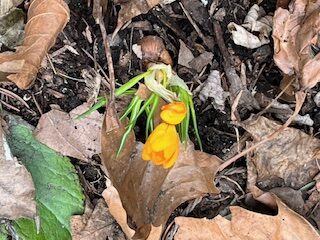
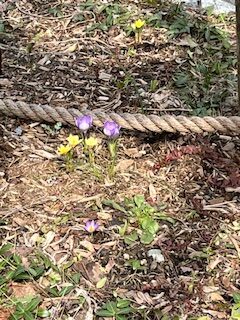
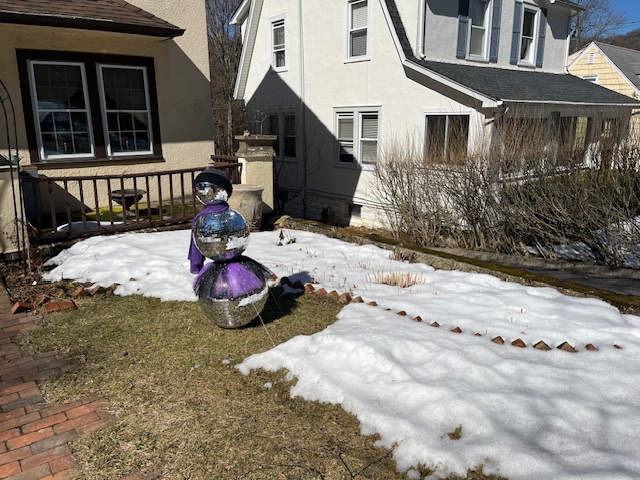
March is arguably the month that misbehaves the most. We expect it to make up for the cold, harsh days of February and often, it starts off like it will. But then very quickly we learn this month likes to tease us with glimpses of Spring and then sock us with winter by way of steep dips in temperature, freezing rain and numbing winds. March seems to find mirth in our winter weakened condition. It’s not funny March!

I’ve taken advantage of the better days by doing assorted chores. Every little task I get done is one I can tick off on the very long to-do list of Spring chores. So far, I’ve picked up all the litter that was blown around and got buried under the snow. Why can’t folk close their garbage bags/cans securely? It’s quite unpleasant to retrieve used tissues, food wrappers and such.

The debris of fallen twigs and branches, matted leaves and other plant parts have been cleared and tossed on to the compost heap in the woods.

Having taken an inventory of what’s been damaged, needs repairing, replacing, repainting or replanting, work has begun. The mailbox that had been knocked off was put back in place, fence posts straightened, ornamental edgers straightened and aligned, broken pavers replaced. Much else on aforesaid list still remains.

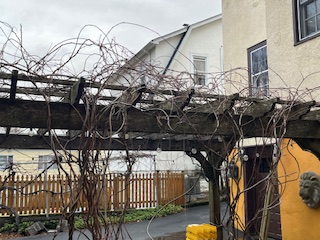
Pruning has begun. The native wisteria and panicle hydrangea were taken care of yesterday. I hope to get to the roses, apple-pear espalier trees and the Concord grape this weekend.

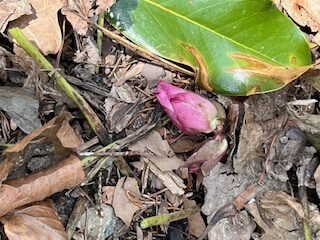
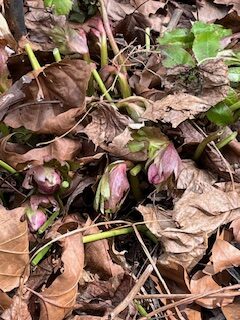
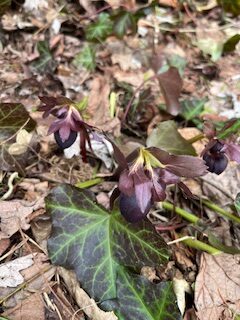
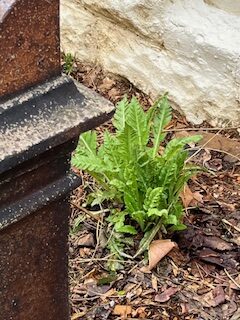
The old leaves of the hellebores were cut away and discarded on the compost pile. It’s such fun to reveal the buds lying beneath. It won’t be long before they lift their heads and unfurl the petals to adorn the garden splendidly.

A task that was meant to get done last year was finally dealt with over this past weekend. I’d learned at a symposium at Untermyer Gardens in the fall of 2024 that a fence comprised of rows of marine grade fishing line between posts was proven to be an effective deer deterrent. I don’t recall which expert on the panel gave us that tip but he was the director of a large public garden. Apparently, the deer are spooked when they come in contact with the near invisible lines and flee. I’m very hopeful that this will prove to be the easy, inexpensive solution to the problem that plagues so many of us. Do give it a try if you are similarly troubled by marauding deer.

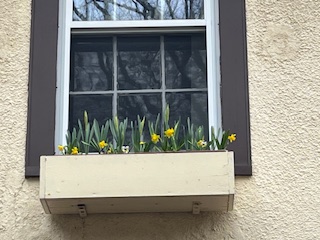
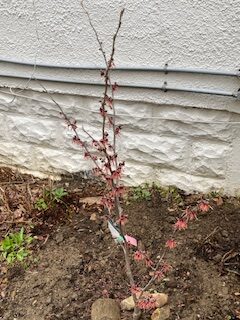
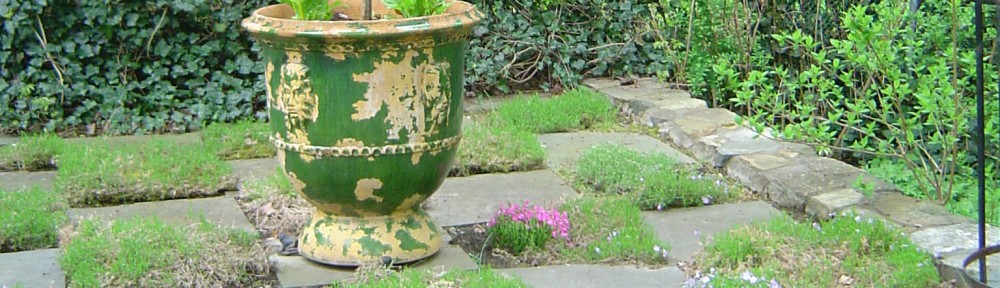
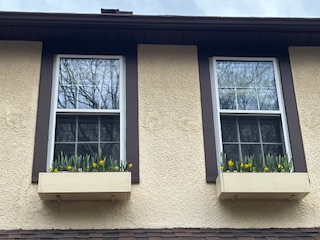
The spring window-boxes of daffodils and pansies are up as are several urns and pots around the garden. A witch hazel got planted as well.

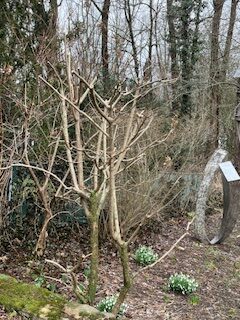
The magnolia looks like it got walloped by the winter’s intense cold and enormous amounts of snow. Fingers crossed it will bounce back nicely. Meanwhile, I’ll give it some TLC and let it know that it is cherished and needed.

And just like that, the busy season has begun. Pure joy.

Happy Spring one and all!

Note: I am once again participating in the very popular annual Lyndhurst Flower House in April. Then, my garden is open through the Garden Conservancy’s Open Days Program in May. Mark your calendars! Get your tickets!
(c)2026 Shobha Vanchiswar

[do_widget “Blog Subscriptions (Jetpack)”]
Spring Up!

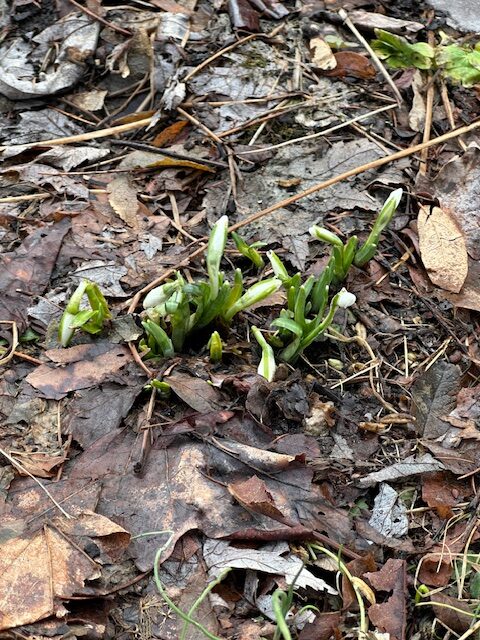
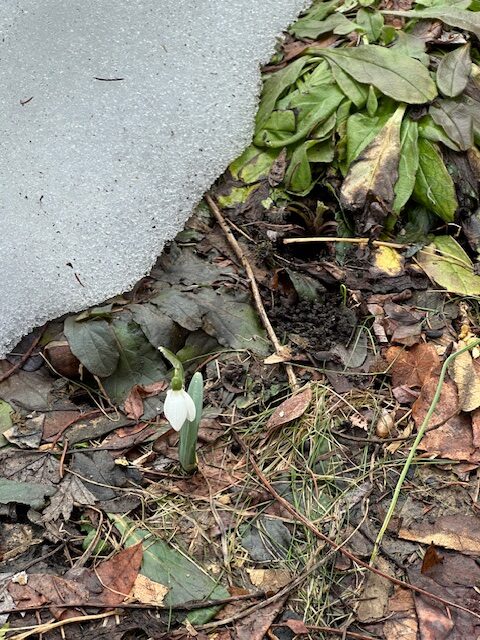
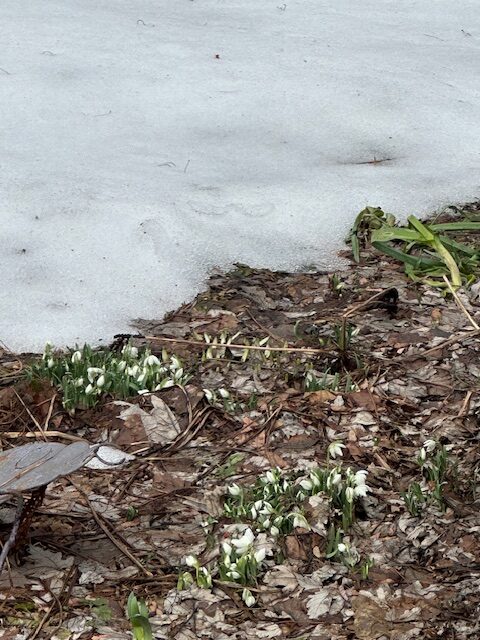
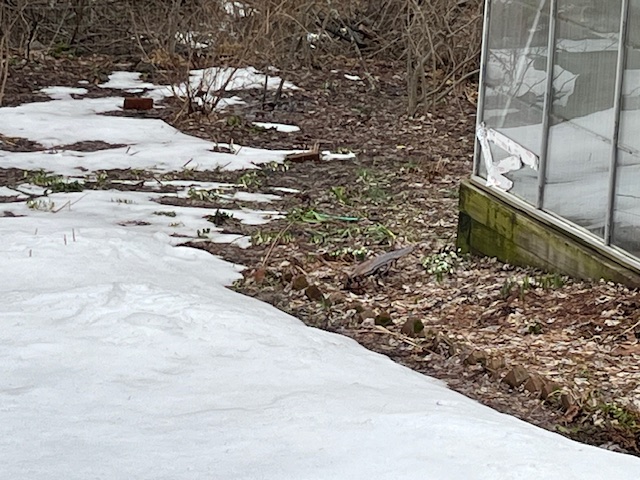
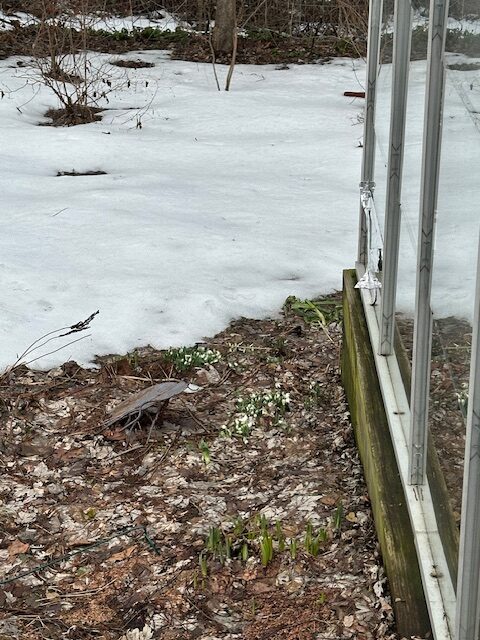
A thaw is underway! Since last Friday, temperatures have been rising and so has my spirit. It’s 67 degrees as I write this article. Sunny and simply gorgeous. Patches of winter weary earth are visible; the dull green has never looked more pleasing to my eyes. Behold! Snowdrops are shyly, silently, ringing their sweet bells. The birds are filling the air with all manner of song – they too are just as ecstatic no doubt. The winter must have been so hard on the wildlife.

We’re being cautioned that the temperatures will be dropping to the 40’s by Thursday which is of course more in keeping with where it ought to be. I’m fine with that. I don’t want to hurry up spring but this little taste of what will be served in a month is positively delicious.

In fact, I’m burning up with garden fever because the snow melt is a not so subtle wake up call to get ready for the season. Once all the snow has disappeared a gardener will have to hit the soil running digging. And cleaning up, clearing, pruning, planting and yes, even weeding. I’m ordering up the new plants I will be planting this year, the sharpened tools are waiting for action, an inventory of pots, seeds and other supplies has been done/replenished, chores are being scheduled and I’m giddy with the excitement of getting my hands in the soil once again.

So fair warning if one has been dragging their feet on the to-do list in preparing for spring. Don’t waste any more time. Snap out of the winter stupor and get cracking. See how the snowdrops were properly ready to shine? They didn’t know the snow was going to melt two days ago but had been doing due diligence and anticipating exactly this possibility. Carpe Diem they say!

Don’t forget – My Open Garden Day is May 9!

(c)2026 Shobha Vanchiswar

[do_widget “Blog Subscriptions (Jetpack)”]
March Tidings

March

A petulant child

Tossing stormy days

Beaming sunny rays

Till Spring arrives to play

– Shobha Vanchiswar

Things To Do In March

  1. Cut some forsythia and pussy willow branches for indoor forcing. Place in water and keep in a cool place until the buds are swollen. Then move them to a location where they can be viewed as the blooms burst forth. A lovely prelude to spring.
  2. As snow melts, start clean up process. Twigs and other debris can be removed. Protect the still wet areas of grass and beds by first placing cardboard or wood planks and stepping on those instead. They help distribute the weight better.
  3. Later in the month, remove protective burlap and/or plastic wrappings and wind breaks.
  4. Get tools sharpened. This includes the mower blades.
  5. Commence indoor seed sowing. Begin with the early, cool weather crops. Read seed packet instructions and calculate dates for planting out.
  6. Order plants that will be required for the garden as soon as the ground has warmed up. Let your local nursery know your needs – they will inform you know when shipments arrive.
  7. As soon as possible, once snow is all gone and soil has thawed, spread compost on all the beds including the vegetable plot.
  8. Finish pruning fruit trees, grape vines and roses early in the month.
  9. Take an inventory and stock up on whatever is lacking. Soil, gloves, mulch, tools, water crystals, grass seed, pots, hoses etc.,
  10. Survey the garden and see what needs replacing, repairing or painting. Schedule and do the needful.
  11. Start bringing out or uncovering outdoor furniture. It’ll soon be time to linger outdoors!
  12. Get Open Days directory from Garden Conservancy – www.gardenconservancy.org. Mark your calendars to visit beautiful gardens in your area. Come to my Open Day on May 9 between 10 am and 4 pm. I’m looking forward to seeing you!

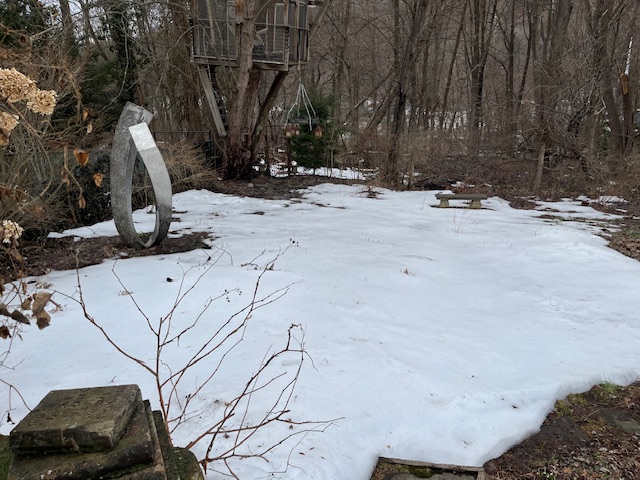
Since we’re still under a couple of feet of snow, I’m sharing my watercolors of my garden in winter

(c) 2026 Shobha Vanchiswar

[do_widget “Blog Subscriptions (Jetpack)”]
Welcoming The Stranger

Opening the garden to the is fraught with trepidation and thrills. Preparing for it requires time and energy in abundance as one must get the garden to look its very best. Visitors, on their part, make the time and effort to come to it so it is imperative that every endeavor is made by the gardener to make it worth their while. That’s not just hard work but a demanding one as well. The way I see it, a visitor must be delighted, inspired, pleasantly surprised even and hopefully, learn something as well. That’s what I’d like when I’m the visitor. So, it’s what I strive to achieve with my own garden open day.

It’s important to give an authentic experience. After all, a garden ought to be a true reflection of those who tend it – their philosophical sensibilities on gardening, nature, the environment, design, as well as their lifestyle. “Get to know my garden and you get to know me” To deliver all that is the trepidation part.

The thrill is in meeting the diverse guests – hearing their reactions and observations, receiving feedback and best of all, seeing my garden through their eyes. Of course, while most are first time visitors, several arrive every year and finally, some friends who love my garden but also want to show support. Visitors arrive as strangers and leave as friends. For sure, gardens bring people together. I find it all positively exhilarating.

Open Day this past Saturday was glorious. After days of torrential rain ( and doing my chores through those challenging conditions), the garden sparkled in sunshine and radiated joy. What a relief! It was a near perfect event. I say ‘near’ because total perfection is a myth. Besides, as any gardener worth their salt soil knows, humility is a lesson learned very early in gardening.

I’m sharing some pictures taken from that day. Enjoy.

I do want to convey my heartfelt gratitude to all those who came – thank you.

(c) 2025 Shobha Vanchiswar

[do_widget “Blog Subscriptions (Jetpack)”]
Open May! Open Day!

I returned to the garden yesterday. Two weeks ago, my deeply loved father passed away. It’s been an emotionally charged time and I’m still processing my grief. I was blessed and privileged to be the daughter of a truly great man. Time heals it is said but I believe that working in the garden is the best therapy there is.

May has arrived in full glory – spreading color and joy everywhere. A

reminder that life must be celebrated. I spent the better part of yesterday gardening in the rain. While not the ideal weather by any measure, it still felt wonderful. With my Open Day just days away, there are a myriad chores to be completed and I must make up for the time I was away. I’ll certainly do my best to have the garden ‘visitor ready’!

For those with more time on hand, here is the general to-do list for May

  1. Weed regularly if you want to keep the thugs in check.
  2. Put stakes in place so that as plants grow it’ll be easy to secure them.
  3. Deadhead spent blooms for a neat look. Some plants will reward you with a second wave of blooms. Of course, if you want to collect seeds, do not deadhead.
  4. Water as necessary. Add a splash of compost tea to fertilize – about every 3 weeks.
  5. Plant in summer vegetables, summer bulbs and tubers and, annuals.
  6. Keep bird baths filled with clean water. Use mosquito ‘dunks’ to prevent mosquitoes from breeding. The same goes for fountains.
  7. Start mowing lawns but do the right thing by keeping the mower blade high at about four inches. Leave clippings in place to replenish the soil.
  8. Make sure all beds, shrubs and trees are mulched to retain moisture and keep weeds from proliferating.
  9. To take care of weeds in areas that are paved or bricked, pour boiling hot water over them. The weeds will be killed and no chemicals were used!
  10. Stay vigilant for pests or disease. The earlier you catch a problem, the easier it is to treat them. Always employ organic methods.
  11. Stir the compost heap regularly. Keep adding in kitchen and garden waste.
  12. Take time every day to simply enjoy the garden.
  13. Visit other gardens through the Garden Conservancy’s Open Days Program. You will be vastly instructed and inspired. Www.gardenconservancy.org/opendays

I look forward to seeing some of you this Saturday in my garden!

(c) 2025 Shobha Vanchiswar

[do_widget “Blog Subscriptions (Jetpack)”]
Capricious April

April continues to test and tease. Days of sun and sparkle vanquished by spells of gray clouds expelling chilling rain and most recently, covering the garden in a light blanket of snow. It’s particularly frustrating for this gardener who is hurrying to get the garden ready for Open Day.

Like the postal service, I’ve persevered and have been making steady progress despite the vagaries of the weather. There are so many varied tasks that it’s been fun in spontaneously deciding what gets done after checking the daily forecast. Summer bulbs and a new peony got planted in the rain. As did the replenishing of river rocks under the espalier fence of fruit trees. Over time, the stones shift, settle in deep or break up and expose bare earth. Every 8 to 10 years a topping off is required to maintain the pleasing aesthetics whilst thwarting weeds from taking up residence.

On really cold days, I’ve whiled away hours in the greenhouse trimming and cleaning up pots and plants that are showing winter fatigue. Spending a whole season cooped up in rather cramped quarters can quite understandably take a toll on anyone’s appearance. The whole lot of plants will get moved out later this week and take up their rightful garden positions till the Fall.

Taking advantage of the promised sunshine and comfortable temperatures this week, I expect to make a trip to my local family-owned nursery to get the annuals for window-boxes and urns. Just in time for the holiday weekend.

Despite all the fluctuations in temperature, each day brings exponential growth and more plants bursting into bloom. How I love these days of spring! The long held anticipation giving way to the sheer exuberance of both color and beauty is what gets me through the dark months of winter. I’m determined to savor every one of these precious days. My hardworking garden deserves no less.

(c) 2025 Shobha Vanchiswar


[do_widget “Blog Subscriptions (Jetpack)”

Recap, Review, Recharge

Lyndhurst In Bloom has come and gone. Weeks of plotting and planning reduced to a short 2 day event. Was it worth it? Absolutely!

I was very gratified to see my vision realized perfectly. It came together exactly as I had intended. The feedback has been wonderful – better than I had dared to hoped. All in all, a great experience.

Each of the other installations were inspirational. So different and yet, they all seemed to relate to each other. That’s serendipity. Bonus – some exciting new professional as well as personal friendships forged.

I am taking the time this week to review and savor the entire experience. Acknowledging the work, the stretching of skills and, creative energy that was involved is important. No less important is the support received from family, friends and the folks at Lyndhurst ( specifically the inimitable Emma Gencarelli who puts together this huge undertakng) who gave me the opportunity in the first place.

Some garden work did get done too! The very large pots were brought out and they will be potted up soon. A bit of weeding – yes, that is best started as early as possible. It appears that weeds possess an inexplicable advantage – they get going before almost all other plants. There’s a research project awaiting some out-of-the-box thinking graduate student of botany.

I’m eager to get more time in the garden – it’s just about a month to Open Day. No time to waste! This week, I intend to plant summer bulbs, get the vertical garden going, bring out the more hardy plants out of the greenhouse, start leafy greens seeds and keep going with weed patrol.

Now, allow me to share some footage from my Lyndhurst In Bloom 2025 installation – I was unable to add the video so please imagine the field recordings of birdsong as well as the amazing fragrance!

(c) 2025 Shobha Vanchiswar


[do_widget “Blog Subscriptions (Jetpack)”

April Anticipation

April has started out correctly -with showers. May flowers are duly anticipated. But looking around, there is clearly all the hallmarks of expectancy everywhere. Buds slowly loosening up to reveal tiny glimpses of promised color, what sounds like birds going about their business includes songs of partnerships being forged and future possibilities, signs of dormancy being broken as the soil gives way to emerging growth anticipating the return of light and warmth.

With the prospect of lush blooms, I, as gardener have peony rings set in place. The birdhouses have been cleaned and await new or returning families. The very act of gardening is all about anticipation and it is this month especially that underscores that.

With that in mind, here is the To-Do list for April:

Things To Do In April

1. Time to restart the compost pile! Give it a good stir and add fresh compostables. If you don’t have a composter, please do make or buy one.

2. Clean up all winter debris.

3. Can you believe weed patrol begins now? Be regular about it and you will always be on top of this chore.

4. Seedlings started indoors can be planted out once the soil has warmed up and has been well prepared for planting. Stay vigilant for spells of late frost. Keep cloches and fleece covers at hand.

5. Attend to the lawn. De- thatch, aerate, reseed and finally, fertilize with a good layer of compost.

6. Similarly, feed trees, shrubs and all garden beds with compost.

7. Remove burlap and other protection from plants and pots.

8. Divide overgrown perennials.

9. Plant summer-flowering bulbs.

10. Remove any dead, damaged or diseased stems/branches from roses, other shrubs and trees.

11. Start using an organic control to put off slugs and snails.

12. Put out nesting material such as wool, moss, cotton string, shredded paper, small twigs, feathers and hay for the birds. No synthetic materials please!

13. Uncover the outdoor furniture and give them a good cleaning. Now you’re prepared for the first truly warm day!

14. Plant or move evergreen shrubs and conifers.

15. Take the time to revel in the beauty of the bulbs in bloom.

P.S. Last call to get your tickets to Lyndhurst In Bloom ! It’s this coming weekend April 5 & 6.

In my garden today –

(c) 2025 Shobha Vanchiswar


[do_widget “Blog Subscriptions (Jetpack)”

Marching To April

For various reasons, March has been a very busy month. So I’m somewhat surprised that it’s coming to an end in a week. Open Day is just 7 weeks away! Marathon gardening here I come!

So much in gardening is determined by weather. Therefore, I shall commence by beseeching the weather gods to look kindly upon my little piece of Paradise. Not too cold, not too warm, not too wet, not too dry. And not too windy either. I ask for Goldilocks weather. Please!

For the most part, cut back and clean up is completed. Peony props are in place. I’ve started a few seeds – just some cardinal vine and nasturtium. The former took barely 4 days to germinate. I don’t remember it being so quick last year. Hopefully they can go into the ground in a few weeks. Nursing along seedlings over an extended period is not my strong suit – remembering to pinch back regularly so they don’t get leggy can be tricky.

In a couple of weeks my tiny ‘lawn’ will be aerated and reseeded in order to be the green counterpoint to the anticipated explosion of color in the bordering beds. Numerous other chores await and must be cued up appropriately. 17 years of Open Day prepping has taught me that good organization is everything.

I’m assuming you too have started on your gardening tasks. If not, why ever not?!

With Lyndhurst in Bloom less than 2 weeks away, I’m understandably preoccupied. It’s a bit of a juggling act but honestly, it’s a great problem to have! Creative opportunities are what keep me in high spirits and very agreeable to have around – ask my family. They’ve seen me at my worst.

P.S. Now, don’t let all my efforts go to waste – do come and see my installation at Lyndhurst and visit me on Open Day.

Definitive signs of spring in my garden –

(c) 2025 Shobha Vanchiswar


[do_widget “Blog Subscriptions (Jetpack)”

Making The Cut

My secateurs and shears are seeing a great deal of action. Pruning and cutting back has been the order of the month. From some of the queries received, I thought I’d do a quick pruning refresher.

Make sure all the tools are really sharp and clean. I try to get mine professionally sharpened at the end of the gardening season. A simple rule is to wash and dry them thoroughly before storing them following a task. That way they’re always ready for use. I dip mine in alcohol before getting to work. If I’m working sequentially on different plants, I wipe the secateurs with alcohol after I’m finished with each plant. This helps to control spread of disease/infection.

When pruning or cutting anything, make the cut at a slight angle and just above a leaf bud. This prevents water from sitting on the cut surface.

I do not prune young shrubs or trees. I let them wait a couple of years before subjecting them to the pain of the blade. Growing pains!!

Spring blooming plants (forsythia, lilac, azaleas, rhododendron, redbud, magnolia etc.,) are pruned after flowering is over. Do the task within 2 – 3 weeks after all the buds have finished blooming.

Plants that bloom later in the year are pruned in the fall.

Wherever possible, cut above an outward facing bud. Snip off buds that seem poised to grow inwards as this would create crowding in the middle of the plant.

Cut away any dead or unwell looking branches. Ditto for branches that are rubbing against others.

In late winter, when the plants are bare bones so to speak, is a good time to survey what looks overgrown/shabby and then tidy up the appearance.

Finally, try keeping the shape of the plant in mind – you want your horticultural clients to look like they have a good ‘hairdresser’.

In that same vein, when it comes to trees, think ‘structural pruning’ – maintain the shape that is natural to the tree. Most trees typically have one lead trunk not multiple trunks. Keep that in mind and prune accordingly.

So get going already – time’s a’wasting!

Reminder! Don’t forget to register for the Lyndhurst In Bloom Show and my garden Open Day.

The garden is slowly waking up –

(c) 2025 Shobha Vanchiswar

[do_widget “Blog Subscriptions (Jetpack)”]