The Spirit Of The Season

This week officially launches us into the holiday season. The excitement (and in some cases, the trepidation) is palpable as friends and families anticipate the reunions and celebrations. With the lampposts and trees festooned in twinkling lights, the downtown area of my small town is looking mighty festive. The tree lighting and holiday singalong happens this Friday – an annual signal to shop local and give back to the community.

With the garden pretty much put to bed, I’m more than ready to get into the spirit of the season. It is, for me, a time to gather with loved ones, be grateful for all my blessings, give back as well as give to those whose needs are greater than my own.

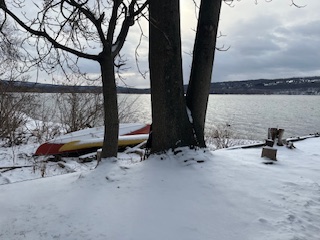
In getting the house ready for house guests, friends dropping by and also my own winter cocooning, I focus on bringing in elements of nature. It begins with stocking up on firewood – there’s nothing like the sight, sound and smell of a roaring fire to bring everyone together for conversation and commiseration or, quiet contemplation in blissful solitude.

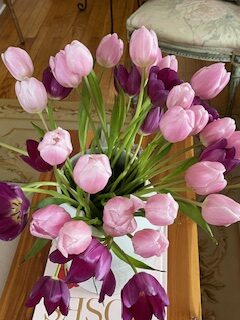
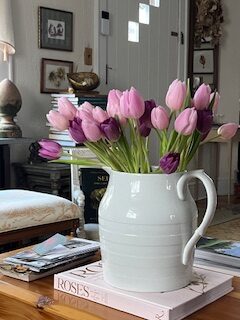
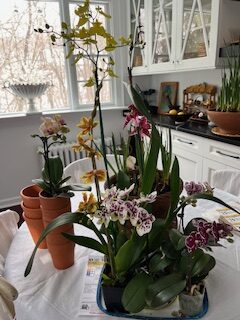
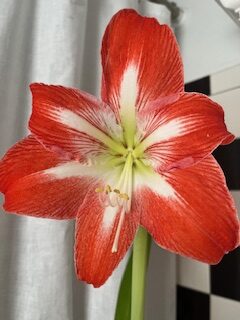
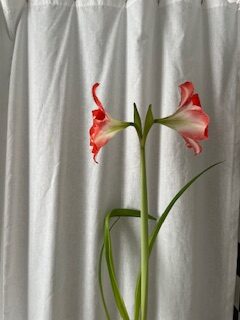
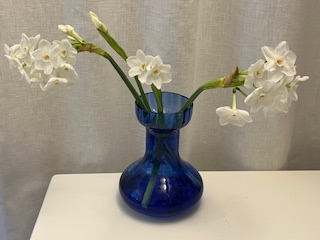
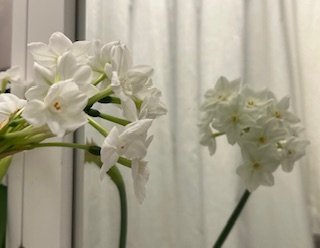
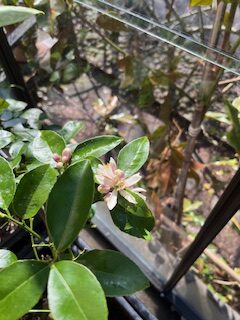
With paperwhites and amaryllis placed all through the house, a sense of anticipation pulses. As the green leaves and buds emerge and rise, so does the eagerness to see the flowers in bloom. All in good time. With some luck, the jasmine will put out flowers to perfume the air just as the paperwhites get done.

Holiday trees, garlands and wreaths don’t simply adorn. They are proof that we humans need Nature.

And in this cozy, comforting embrace of home, I will start by expressing thanks for everything I have been given. From the small (but no less important) like the friendly wave and smile the garbage truck driver unfailingly gives me to the big as when my entire family traveled from great distances to gather for my beloved fathers funeral. And then, there’s everything in-between.

The list is long and deserves time and attention. Well worth it.

I now shift my focus to giving back or to and here again, the list is long. But that is by no means costly because, it is not about stuff. Instead, I give my time (company to the lonely/recuperating, a listening ear, a handwritten note), my skills to help with a project/event or pitch in for someone who is unable to do something due to injury or illness and finally, invite folks over for a meal or drop off food. I also pot up paperwhites and/or amaryllis to give away – recipients are invariably thrilled. I think an evening with neighbors for board games or some rowdy rounds of Charades along with something as simple as pizza is always a hit and fosters community. I give promissory notes to help get a garden project started in the spring, a monthly walk and talk, you get the idea.

Where I actually give money is to organizations with missions I believe in. From those that work on environmental issues like nature conservation, preservation, coexistence, sustainability etc,. to supporting the arts and sciences, women’s health, homelessness, climate change – all efforts in dire need of funding. Locally, nationally and globally one cannot give enough. I give what I can and of course, while that might not feel adequate, remember, as long as we are doing our best, it is always more than enough.

Happy, blessed Thanksgiving wishes to each and every one of you.

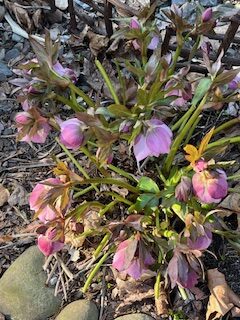
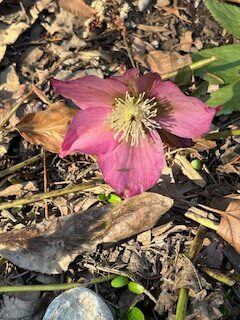
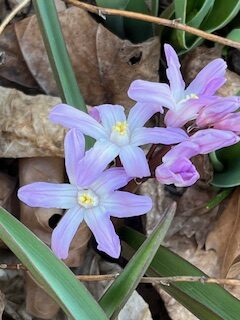
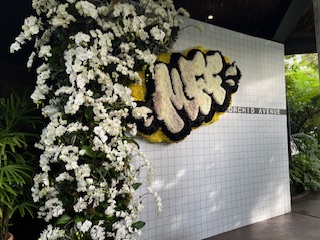
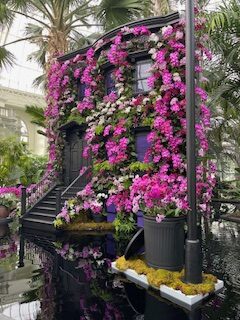
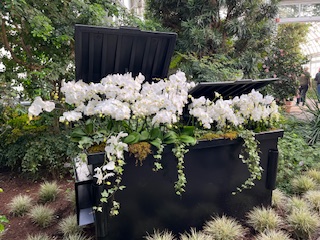
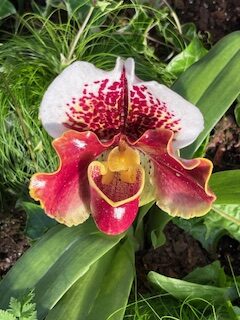
Some inspiration –

(c) 2025 Shobha Vanchiswar

[do_widget “Blog Subscriptions (Jetpack)”]
Gardening With The Changing Climate

As promised last week, I’m sharing my thoughts on the changes we must consider making to keep pace with climate change. As gardeners, we see the impact of even the slight shifts in weather patterns – when plants emerge, when they bloom, quantity and quality of bloom, availability of pollinators, numbers of pollinators/pests, fruit production etc., We have front row seats in the climate change arena. So what are we going to do about it?

For starters, we accept that this is real. Not a one off or happenstance. There is enough scientific data to prove it if one is still skeptical despite the evidence we see in our individual gardens. Then, and only then, can any positive, productive action follow.

Given that our winters are milder and springs arriving earlier, sowing times have to be changed. At this point, it is about experimenting. For certain plants that get directly sown, when/how early must needs be determined. Can sowing in the Fall even be a possibility? For seeds started indoors, we can undoubtedly begin earlier. But how early?

Similarly, the timings of other tasks such as pruning, cutting back, harvesting, dividing, planting for spring, summer flowers and, fall bulb planting must also be adjusted. I’ve already penciled in mid-November for bulb planting. That’s a good 4 weeks later than when I used to do that job just 10 years ago. The last couple of years it was done the first weekend in November. But, last year, it was so mild well into December that some bulbs started pushing up their green snouts by Christmas.

Pest control will be a very urgent matter I predict. Along with old pests there will be new ones. This year, my neck of the woods has seen a significant increase in the numbers of the Spotted Lantern Fly. It’s been horrid. At present we haven’t any effective methods against them. There’s talk of introducing some new wasp that can combat the pest but then, will this newcomer endanger other desirable insects and/or plants?

Known problems like powdery mildew, aphids and other diseases may well be exacerbated. Yikes!

The significant reduction in the bird and insect populations has alarm bells ringing. Filling our gardens with as many host plants is imperative. Which brings us to the next matter.

What we plant will also need consideration. Some old favorites are going to struggle in the new climate conditions. Decisions must be made as to what we replace them with. Which plants we call native to our parts is going to change!

The learning curve will be steep but, we are a resilient bunch. We will learn and adapt. There is no choice in this matter.

We gardeners must recognize ourselves as civilian scientists. As custodians of our personal parcels of land, it behooves us to take our responsibilities seriously and with optimism. Together, we can not only continue to enjoy our gardens but importantly, we get to ensure that future generations inherit a better, healthier world.

Note: I’m taking the month of September off! Going off the grid! I shall see you back here in October. Here’s the list of garden chores for September –

Things To Do In September

1. Continue weeding.

2. Deadhead. Cut back anything that looks ragged or done for.

3. Mow the lawn less frequently.

4. Water judiciously.

5. Get leaf rakes, leaf bags and keep ready. Fall cometh! Preferably, let leaves remain in place wherever possible.

6. Similarly, keep bulb planting stuff like dibbler, bulb food, trowel, spade, etc., handy.

7. Continue harvesting vegetables. Remove plants that have given their all and toss on the compost heap.

8. Stir compost heap thoroughly.

9. Plant in cool weather vegetables.

10. Check if fall blooming plants such as asters and chrysanthemums need staking.

11. Inspect garden for pests or disease. Take prompt organic action if detected.

12. As days get shorter, make it a point to enjoy the garden as much as possible

(c) 2025 Shobha Vanchiswar

[do_widget “Blog Subscriptions (Jetpack)”]
August Audit

Here we are in late August. Summer’s end is in our sight-line. And so it’s time to assess the garden. The highs and lows, the whats and whys of the growing season must be noted. From this, we learn and take steps to make our gardens healthier, more productive and beautiful.

Looking around my garden, I see those plants that need to be reined in severely. In the meadow, ornamental raspberries and woodland anemones are the regular offenders which, this fall, will be ruthlessly handled till very small versions of themselves remain. The asters which are only a little less prolific are also targeted for serious editing – they will be drastically divided and distributed amongst fellow gardeners. Each of these plant types are legitimate and beloved residents of my garden but if not given diligent oversight, they get too full of themselves and aggressively thwart their neighbors freedom to exist. As a result, they must quite literally be cut down to size.

It’s with some concern I’ve noted that the milkweed are nowhere to be seen. Before I simply plant in fresh replacements in the Fall, I must determine the reason for their loss. Were the emerging shoots subjected to harsh weather in late spring? Or did the aforementioned thugs vanquish them by moving into their space? Surely it cannot be a pest? I have to do some investigation.

In the checkerboard garden, overhead conditions have changed as the neighbor’s cedar has grown quite mighty. All the shade it now provides means the creeping phlox no longer thrives. Instead, moss has moved in and columbines have self-seeded extensively along with forget-me-nots. I’m debating if I should see how this plays out next year or if I ought to include something to carry this area from spring into summer this Fall. Perhaps the shorter, clumping allium like A. millenium which blooms in summer? A single clump in the center of each mossy green square would look fetching but I wonder if the paucity of sunlight would once again be a problem. Another investigation to add to my growing list.

A few plants have made no appearance in the perennial beds in front. They were planted only last fall so its possible they struggled with inclement weather conditions since then and lost the fight. Or did the nasty Spotted Lantern Flies devour them as they did the young marigolds I’d planted around the new elephant sculpture in the herb garden? This might remain a mystery.

I see that matters like these plus the chores that need rescheduling to align with the changing climate ( which I will get into next week) will keep me from remaining idle for quite a while. The lazy, hazy days of summer are indeed over.

Watercolors of some of the plants that need attention –

The bullies –

The self-seeder –

Missing in action –

Victim of the Spotted Lantern Fly –

(c) 2025 Shobha Vanchiswar

[do_widget “Blog Subscriptions (Jetpack)”]
Wry And Dry

I’m having a hard time contending with the shifting weather patterns. No season is panning out to be ‘normal’. Trying to determine how the present slate of long residing members of the garden is coping is proving frustrating.

After a dry, milder winter, some plants emerged earlier than anticipated, others showed up late and the remaining were right on time. So which lot were the savviest in anticipating the weather? More importantly, who amongst them timed themselves to align with their favorite pollinators? Native plants have co-evolved with native insects and the jury is still out on how any or all are handling the changes.

Spring started out cool and wet but finished blisteringly hot with some days of rain. And thus began summer with a string of heat waves only to have August arrive cool as a cucumber but dry as a bone. So here we are – still sans rain but steadily heating up.

The ground is parched and many plants are panting with their tongues hanging out. The rain barrel is so low that the watering cans sit looking forlorn and unloved. I’ve resorted to watering the pots by turning on the taps and using the hose. The majority of the plants are of course in-ground and I’m debating whether to give them a good soaking or let them tough it out. Since drought conditions haven’t been declared so far and I’m loathe to lose some treasures, I’m leaning towards the sprinklers itching to be set up so they can madly shower the garden.

However, looking long term, it is worth examining what sort of plants one ought to be introducing/replacing in the garden. Certainly heat and drought tolerant ones but does that mean plants that have till now been ‘native’ to zones clearly south of mine? Or southwest? ‘Native’ will be a fluid term for sure.

Accordingly, what does this mean to the bird and insect population? Without any apparent clarity at present, I’m not in any hurry to pull out any old faithfuls. But, I do think I must start considering adding in new (to these parts) members to make some sort of headway in what and how we grow our gardens of the future.

I’ve always maintained that the garden is one big laboratory and gardening is a series of experiments. Well, right now, we are at the crossroads of setting up one complex experiment. In this chartered territory of gardening during climate change, I cannot determine if I’m a profoundly inexperienced novice or a truly mad scientist. Only time will tell.

Hot Colors of summer –

(c) 2025 Shobha Vanchiswar

[do_widget “Blog Subscriptions (Jetpack)”]
Thugs, Slugs And Bugs

It’s high summer and hence peak season for contending with all the trials and tribulations in the garden. Plants, pollinators and pests are going wild.

Lets begin with the thugs. The weeds are of course deliriously happy. I can’t seem to stay on top of this menace. Mostly because it has been way too hot to spend the vast amount of requisite time to vanquish them. Clearly they’re loving the respite from me as each time I return to this chore, they are bigger and even more plentiful than before. I’m seriously considering making them legitimate members of my garden.

Okay, I agree. It would be a horrifying sight.

But the real thugs are the deliberately chosen members who decide to show their gratitude by going rogue. I’m looking at you natives -woodland anemone, ornamental raspberry and common aster. Just because the pollinators smother you with attention does not in any way give you license to overrun your better behaved sisters. Behave! I’m really tired of having to keep reining them in.

When my friend Beth recently discovered leopard slugs in her garden, I urged her to kill them off. Not simply because they’re slugs and universally disliked but, because they are non-native. Don’t get me wrong – I willingly murder our own native American varieties when I find them chomping on prize ornamentals or decimating my $40 tomatoes (each). After all the hard work I’ve put in, how dare they!

But, let me take a moment to put in a good word for the indigenous slugs. Believe it or not, they actually have a valuable purpose. They help break down decaying plant material like leaf litter, old logs and such and return nutrients to the soil. Some types of slugs are also predatory and feed on other slugs, snails, worms and insect larvae thereby keeping their populations in check. Slugs aerate the soil which is important for plant growth. They are a good food source (protein!) for birds, frogs and other invertebrates. So, that’s my Public Service Announcement for the season.

(But, do get rid of the non-native varieties.)

Finally, I’m currently consumed by the full on invasion of the Spotted Lantern Flies (SLF). The mild winter and wet spring is the reason. Climate change is not a hoax or fake news. It’s really happening and really horrible. The SLF nymphs are crawling all over. They are hard to swat (or crush) and kill like one can the adults. They hop away so fast. Given that these pests are everywhere, it’s not prudent to spray the recommended organic products as that would affect all the beneficial creatures as well. On that same vein, I cannot limit the SLF food supplies by cutting back the perennial plants. What would the native bugs and birds eat then?So the decision has been made to focus on just the fruit trees, Concord grape vine which is a particular SLF favorite and, some important shrubs. These are all plants that would be much harder to replace.

Note: many non-native plants are sought after by SLF. Possibly because they’re from the same places as the offending bugs. So it’s a good incentive to get rid of plants one shouldn’t be encouraging anyway.

Neem spray has had no effect thus far. We will keep trying of course. Meanwhile, we’ve cut back some of the grapevine so the SLF nymphs and adults have less shade to hide under and we’ve also done some dedicated vacuuming along the main trunk and limbs of the grapevine. This has been quite effective in sucking in the nimble nymphs as well as the adults. So we’ll see. Might end up vacuuming more often in the garden than inside the house this summer. Adults seen anywhere else will be crushed with relish.

War has been declared.

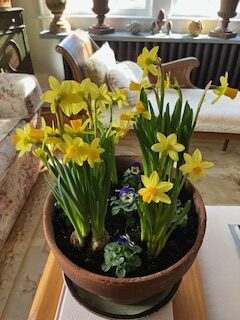
NOTE; I’m not going to dignify the pests and thuggish plants by showing their images. Instead, here are some glimpses of the garden doing it’s best in this endless heat wave of a summer –

(c) 2025 Shobha Vanchiswar

[do_widget “Blog Subscriptions (Jetpack)”]
Summer Wine, Whine, Vine

July started so hot and humid that very little got done in the garden. Watering the plants that looked parched and miserable, cleaning and filling the hummingbird feeders with fresh sugar solution and topping the birdbath with fresh, cool water has been the extent of my labor. Even that limited time in the garden was enough to be devoured by greedy, vicious mosquitoes no doubt lying in wait for my forays.

BUT, the long weekend was simply gorgeous. The Fourth ushered in lower temperatures and even lower humidity. Hallelujah! A morning hike in a preserve nearby was glorious. Birds and bird songs abounded. After spending so much time in the cool of the indoors, it was liberating to move around. Feeling the gentle breeze, hearing the birds, inhaling the earthy smells of the lofty, green pillared cathedral was nothing short of being in a sacred space, My spirits soared. A reminder of how much we need to be in Nature.

Back home, it was pure bliss to simply sit in my garden and enjoy the sight of all the flowers that had been undaunted by the preceding days of heat. I delighted in watching the hummingbirds at the feeders, butterflies dancing in what appeared distinctly flirtatious and, a myriad happy pollinators in action. The Echinacea was a particular draw.

Later that evening, I was privileged to sit in a friend’s garden sipping wine, observing the brilliant sunset before the main attraction – fireworks of course! A very satisfactory day indeed.

Saturday was just as lovely. Between neighbors dropping in to see the garden and us driving over to friends for a garden party, I did exert myself to get a spot of weeding done.

At the aforementioned garden party, there was a brief period of grumbling about the pest du jour – the reviled spotted lanternfly. With no real control available, folks are resorting to neem oil. A good general, organic treatment but, not only must it be reapplied after every rainfall, it is important to remember that the good insects are also impacted by any general products. My own response is to crush the pests whenever I see them. The nymphs are more elusive. My Concord grapevine is a lanternfly favorite so, I’m watching the developing clusters of grapes with trepidation.

Sunday started out beautifully and I made the most of it by lingering outdoors but by noon the humidity rose as did the mercury. Sigh. Another week fraught with heat, humidity and thunder showers is forecast.

Why oh why must all good things come to end? And so quickly too.

(c) 2025 Shobha Vanchiswar

[do_widget “Blog Subscriptions (Jetpack)”]
July Works

Ah July! The promise of summer laze and leisure. The garden thinks otherwise – get to work it says. But even in the course of doing the chores, there is time to appreciate the joyful scenes everywhere one looks.

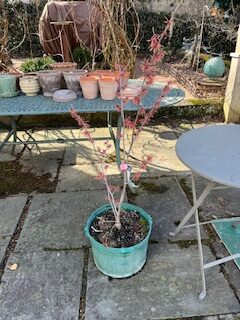
I’m particularly thrilled about the magnolia in bloom right now. I planted it four years ago and have trained it in a fan-shaped espalier. It seems to like the location and has been doing well. Every year since it has been supplying me with its gorgeous leaves for holiday decorating. However, the tree’s attempts at blooming have been consistently thwarted by the weather. Promising looking buds have emerged every spring only to be ambushed by a heatwave leaving me to stare at frizzled nubs. So disappointing.

This year too, just as the buds got bigger and plumped up along with my increasingly eager anticipation, a heat wave descended. Temperatures hit 100 degrees. I opened up the sun umbrella to protect them from the harshest impact of the sun. And I telepathically beseeched the tree to stay strong and on course. Well, one cannot say for sure if that worked but we now have large, creamy white beauties. I’m absolutely delighted.

Here is July’s To-Do list

1. Weed, weed, weed! Remember, pouring boiling water over bricks and other stonework will kill  weeds growing in-between. A good re-purposing of the water after cooking pasta, boiling eggs and such!

2. Deadhead often. Neatness matters.

3. Mulch, fertilize (organic only please), water as required.

4. Mow when needed but keep the mower blade high.

5. Watch out for pests and/or disease. Use organic control.

6. Plant out vegetable seedlings for fall harvest.

7. Keep birdbaths filled with fresh, clean water.

8. Order fall bulbs,

9. Take time to watch dragonflies by day and fireflies by night.

Happy Fourth one and all!

(c) 2025 Shobha Vanchiswar

[do_widget “Blog Subscriptions (Jetpack)”]
Farewell June, Well Met

I’m saying goodbye to June with some trepidation. This month has been confusing. Concerning even. It has vacillated from positively chilly temperatures to the current heat wave of unprecedented highs. Sunny, bone dry days to dark, relentlessly rain drenched ones. High winds to calm conditions. June has given us the full range. So, with summer’s official arrival, I wonder what is in store.

Taking care of routine garden chores has been less than pleasant. I can barely keep up with the weeds – with all the copious rain they seem to emerge anew even as I pull them up. And then, with the heat, I myself wilt to mirror the plants.

Thankfully, the necessary pruning of the espaliers got done in time. It’s really important to refrain from doing anything that can add to the stress when plants are already challenged by the heat. Similarly, do not feed the plants during a heat wave because it will stimulate new growth which not only adds to the strain on the plants but will also struggle to sustain itself. It’s tempting to water more frequently but instead, try to exercise constraint. Check if the top inch of soil is truly dry before you turn on the hose. And when you do, give a thorough soak. By being judicious with the water, not only are the plants hydrated correctly but it also helps to mitigate the development of conditions that lead to mildew and disease. Excess humidity is a scourge.

It is best to get the chores done in the early hours of the morning or towards the end of day when the temperatures are not quite so high. It doesn’t help to have the gardener succumbs to the heat does it now.

In preparation for the heat, I’ve pinched back the dahlias, deadheaded everywhere (no need for the plants to expending energy making seeds), severely cut back pansies with the hope they will revive in time for fall blooms etc.,. The hummingbird feeders are cleaned and refreshed daily on these very hot days – the sugar solution can ferment easily and/or develop microbial growth which can be deadly to the tiny birds. I fill the feeders only a fourth of the capacity each day – enough to feed the birds well for a day. Any more would be wasteful. The birdbath is monitored several times during the day – being appropriately shallow the water evaporates easily even on humid days.

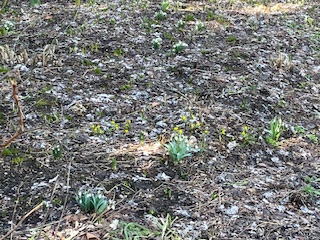
Despite the weather, the heightened ‘bugginess’ and general lethargy that sets in, I’m enjoying the plants that are blooming their hearts out. The agapanthus, astilbe, acanthus and ornithogallum are having their moment and I’m here for it.

Being present is after all, the order of the day,

(c) 2025 Shobha Vanchiswar

[do_widget “Blog Subscriptions (Jetpack)”]
A Case For Autocracy Or Tough Love?

Did the title get your attention? Good. Allow me to spend the next few paragraphs making my case.

In trying to understand what we’re facing as a nation, my mind has been working overtime. As always, when faced with a life problem I turned to the garden for counse. The answers were not readily apparent. However, in going about the business of gardening, cogitating on what and how we humans readily behave badly whilst simultaneously declaring our goodness, I started becoming aware of just how explicitly the garden was informing me.

The very work of making and maintaining a garden is about Control. We act as boss and not so much partner with Nature. We apply our plans and designs to create our vision and in doing so, we often operate counter to Nature. What we plant and grow, the practices and methods we employ are for our own purpose – to make a beautiful, bountiful garden.. Even as we ‘welcome’ pollinators and beneficial creatures, we are doing so to our own advantage’.

Weeds? Pull ‘em by the roots and dispose. A plant (native or otherwise) gets thuggish and invades spaces not intended for them? Cut back ruthlessly or remove entirely. We cut, clear, coppice, confine and cage to suit. Train, tie and twist. Stake, suppress, spray. We do what we we want. You see? We’re a pretty bunch of horticultural autocrats!

Are we really this bad? Yes we are if all we focus on is getting our personal agenda fulfilled. The worst kind of gardener is one who uses methods and practices that damage/destroy indiscriminately and without consideration to the surroundings and those who live in it. Such gardeners do indeed exist but I’d like to think that there are more of us who are better than that. We make choices that do the least harm or none at all. On principals of coexistence, conservation and community, we create our gardens to be spaces that allow insects and other animals to visit. Pests are discouraged by encouraging their natural predators, companion plantings or the judicious use of organic applications.

Of course, we still prune, pull weeds and deal with invasives but we also compost to use as both fertilizer and mulch. Grow native and/or ecologically beneficial non-native plants that are resilient, hardy and less demanding of resources like water and labor. We keep in mind that we are but the privileged, temporary custodians of this, our precious piece of land for future generations to enjoy. As in parenting, we provide structure, boundaries and some discipline – with kindness, care, compassion, empathy and most all, with love. Tough love.

In the final analysis, it comes down to who we choose to be and how we choose to act. If we can look into the eyes of our children and grandchildren and justify our choices without reservation or excuse, with the full understanding that they led to better, healthier lives for them, then, and only then can we confirm that we chose right. From deep within our hearts.

(c) 2025 Shobha Vanchiswar

[do_widget “Blog Subscriptions (Jetpack)”]
Pachyderms Pacing Purposefully

There’s a new baby girl in my life. Please meet little Beejal – the Sanskrit word ‘Beeja’ means ‘seed’. The name Beejal is described as symbolizing creativity and adaptability, reflecting an innovative spirit. The connection to the word Beeja suggests themes of growth, potential and, new beginnings. Traditionally it is a name assigned to a male but, I’m applying it to my new baby girl from the Nilgiri Hills in southern India. Beejal is a member of a herd of elephants making its way across the globe and currently marching across the United States.

The Great Elephant Migration is a project with all the hallmarks of a message that transcends all geopolitical differences and unifies the world and all its residents to inform, educate and take positive action towards conservation, coexistence and community. You can read much more about it here.

Here’s a quick account. The Lantana plant, a member of the verbena family, is native to tropical regions of Central and South America. Vibrantly colored flowers attract pollinators, does well in a variety of climates, grows rapidly, drought tolerant and low maintenance, it has long been a garden favorite everywhere. Unfortunately, it has been way too happy in certain swathes of the world where the climate has encouraged it to thrive so well that it has become hugely invasive. To the point that it has completely out-competed other native plants. Lantana has literally taken over entire landscapes. Furthermore, it is completely toxic thus depriving animals of their typical native, nutrient rich plants. This problem cannot be overstated. An animal like the elephant, a keystone species, must consume a vast quantity of vegetation daily is dangerously impacted. Forced to seek food elsewhere, they must venture beyond their traditional terrain and this has often meant cultivated fields and consequently resulted in perilous conflicts with humans.

A story like this covers the importance of growing native plants, monitoring invasive and/or non-native species, the value of living in co-existence with all creatures respecting each others space and needs, conserving resources and, in the final analysis, each living member of this planet is an integral part of the global community.

The Great Elephant Migration was conceived to visually illustrate this overarching problem to the world, Using lantana stems, artisans of the indigenous people of the Nilgiris create sculptures of the elephants amongst whom they live. Each lantana elephant is created in the likeness of a real one. A herd of a 100 such pachyderms has been tasked with spreading this important message to the human world. All the monies raised goes not only towards paying the artisans but is also shared by numerous conservation organizations worldwide.

I first learned of this wonderful project about a year and a half ago. It is one that resonates with me deeply and at so many levels. And there’s one additional fact that strikes me very personally, right into my heart – my father grew up in the Nilgiris. The need to attach myself to this amazing effort was unquestionable. I’ve spent my whole life getting involved in many important causes but the pull of this particular one was as strong as well, a herd of elephants! I therefore made the decision to ‘adopt’ a baby elephant. Knowing the proceeds will achieve so much good gives me immense joy. Plus, I have myself one irresistible and adorably rotund baby elephant in my garden.

Win-win-win all around.

P.S. I hope you will be moved to support this wonderful cause in any way you can.

Introducing Beejal! –

(c) 2025 Shobha Vanchiswar

[do_widget “Blog Subscriptions (Jetpack)”]