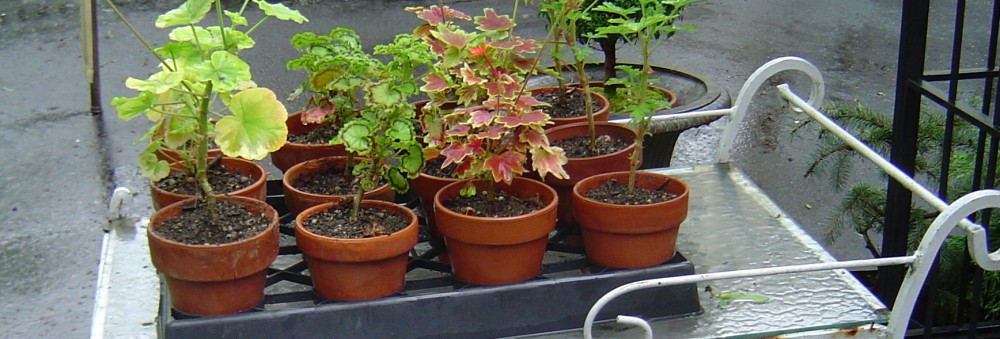
February Fervor

February Fervor

Golden sunsets

part leaden skies

Frost and fire

earth shifts and sighs..

Wild, untamed

landscapes wait

Restless slumber

at Spring’s gate.

Crystal snow

melts in drips

Plumping roots

greening tips.

Flowing sap

send hearts aflutter

Weather and emotions

soar and splutter.

Shobha Vanchiswar

A poem I wrote a few years ago to sum up February.

I’m heading back home today after a couple of weeks in Mumbai, India. So eager to check on the garden and get the cooling hyacinths started in the forcing vases.

Note – The images below are ones I took the same February I wrote the poem:

(c) 2022 Shobha Vanchiswar

[do_widget “Blog Subscriptions (Jetpack)”]

February Foward

I’m currently enjoying some mild temperatures in Mumbai. While this is not a vacation per se it still feels good to get a bit of warmth. For reading material, I’d brought my rather large stack of garden related periodicals with the sincere intent to get through them all. Progress has been slow. But the two I’ve read thus far have certainly jolted me out of my winter induced stupor. It’s time to jump into action – seeds to get started, pruning of fruit trees, list of plants to acquire, repairs and/or replacements to be made and various other odds and ends.

Closely following the big snowstorm that blasted the northeast over the past weekend, I confess to selfishly hoping my little garden would be spared any damage. About 7 inches of snow fell – enough to be an event but certainly nowhere near a calamity. I breathed a sigh of relief because worrying from a distance is always more stressful. The imagination can be cruel.

Meanwhile, my lovely English gardening magazines reminded me that the winter aconites and snowdrops are up and blooming in their part of the world. So, here I am in 80 degree weather, reading about spring awakening in the UK and snow blanketing my garden back home. All together a bit confusing. I’m itching to get started on preparations for spring but know it is really not yet time – the feeling of urgency is only because those pretty pictures of early bulbs and seed flats full of seedlings are making me think I must be behind schedule. The pleasant warmth I find myself in only augments the sense of being tardy.

I get back home in about ten days. At that time, the hyacinths cooling in the refrigerator will be brought out and forced. That’s the sort of early spring that will actually be happening. Towards the end of the month, if weather permits and barring mounds of snow preventing moving around the garden, the fruit trees, grapevines and roses will be pruned. As March rolls up, seeds will be started. I’m eagerly awaiting the rather charming cart ordered from @gardeners – a metal number in cheery yellow with a grow light system to coax seeds to unleash their potential in the lower shelf. The top shelf I have assigned for reviving the small topiaries that get weary of the greenhouse by this time. I plan to station the cart somewhere in the house where I can monitor it closely and gaze fondly at the seedlings as they emerge. And the sunny color will surely banish any and all grumpiness.

All good things to anticipate. February doesn’t look so bleak after all.

In the greenhouse right now. (I get updates on request!)

In bloom right now

Hyacinth forcing 2021

A few of the seed sources

How cute is this cart?!

(c) 2022 Shobha Vanchiswar

[do_widget “Blog Subscriptions (Jetpack)”]

Boning Up

I love the way the garden gets defined by the snow. Snow in its stark whiteness, highlights the bones of the garden. Even as it blankets everything, it reveals the design and lay of the land. There are highlights and low-lights that emerge to give a new understanding of the effect of the various elements in the space and their relation to each other. One hardly designs a garden for the snow but it is always gratifying to see an entirely new dimension revealed by it.

Winter is always a good time to asses the bones of the garden. Devoid of foliage, the garden is laid bare for scrutiny. Too much or too little structure, a need for some additional plantings or focal point, even what alterations or repairs are necessary. Add a coat of snow and it gets even more telling. Subtle gradients can be seen more clearly, Sunlight on the snow exposes how light hits the garden. Shadows from trees and buildings tell of the extent to which they impact the plantings. As the snow melts, the different micro-climates can be observed – where it melts first and where it remains cold longer helps the gardener plant appropriately. There is so much learned.

As an artist, when painting snow scenes, I have to observe even more closely.. Exactly how the light hits the ground, the angle of the shadows, dips and inclines, areas that are either particularly interesting or too bland and discerning colors in what seems like a very white canvas.

This observation has proven even more educational than simply taking photographs. In fact, I believe it has improved how I compose my photos as well as the garden.

Best of all,, both, painting and taking photos keep me in the moment. A valuable lesson in mindfulness.

Watercolor

Watercolor

Watercolor

Watercolor

Watercolor

(c) 2022 Shobha Vanchiswar

[do_widget “Blog Subscriptions (Jetpack)”]


Put A Name On It!

As a scientist and a gardener, I’ve always found nomenclature to be very important. The scientific name of a living thing is full of information and not simply a tag by which they are referred. But, that is not what I want to discuss. I’m thinking more in terms of what words we choose to designate the spaces in our property.

To start, I cannot for the life of me understand why a garden is ever called a yard. A yard is for junk, trains, lumber, school, stock, barn, grave and such. A holding area. A garden is not synonymous with yard. When you hear the Y word, do you really ever envision a plot of land lush and lovely? But you do when you hear the G word. A yard does not imply a lovingly tended area but a garden definitely does. You see?

I have no doubt that what we name things matters. How we view, use and care for something is impacted by how we reference it. I’m not done. I have one other similar peeve.

Consider the deck versus terrace/patio/loggia/veranda/lanai. The deck sounds ordinary– functional and convenient. As a noun, it is also a part of a ship or a pack of cards. Not necessarily something that belongs to a garden. All the other aforementioned synonyms evoke an area distinctly designed for relaxation with a pleasing backdrop of plants and flowers. Am I right?

So, with that in mind, consider the various parts of my garden. Front garden with front porch looking on to it – an inviting, pretty place leading to the house. The espalier allée or peony walk on the side escorts you to the potager, terrace and checkerboard garden. Beyond, is the meadow that plays host to the greenhouse and tree-house. And coming up the other side one walks by the vertical garden. And there you have it. You just got a garden tour.

The alternate would be – front yard, side path, vegetable/herb plot, deck, back yard, plant

wall. Which tour would you want to take?

Be honest.

Note: Enjoy a quick tour of my garden

Front garden

Espalier Allee or Peony walk

Side porch

Potager

Potager and side porch above

Potager and terrace

Terrace

Checkerboard garden

Meadow

Vertical garden

(c) 2022 Shobha Vanchiswar

[do_widget “Blog Subscriptions (Jetpack)”]


Start Me Up

Day 4 of 2022 and it is finally feeling like winter. On January 1, it was a balmy 60 degrees. Given all the ‘unprecedented’ and ‘record weather’ events, it tells me to expect more of the unexpected. And we must be prepared to pivot, remain flexible and possibly most importantly, adapt to circumstances.

Meanwhile, I’m getting on with the January garden chores. Here’s to 2022 – may we and our gardens thrive and spread goodness all around.

Things To Do In January

  1. Survey the garden after every storm or snowfall. If any damage such as broken branches or torn off protection has occurred, try to fix it as soon as possible. Likewise, large icicles hanging from roof edges pose a threat to plants below: shield the plants if the icicles cannot be removed.

  2. Take down holiday decorations. Before disposing off the Christmas tree, cut branches to spread as mulch on flower beds.

  3. Keep bird feeders full. Whenever possible, keep water available for the birds.

  4. Inspect stored tubers, corms and bulbs for signs of mold and rot. Get rid of any that don’t look healthy.

  5. This is a good time to examine the ‘bones’ of the garden. Make notes of what needs developing, changing or improving.

  6. Make icy paths safe by sprinkling sand or grit. Avoid toxic de-icing products.

  7. If ground is wet/soggy, take care to protect the sodden areas by not walking on it too much. Better yet, protect it by putting down a temporary path of wood planks.

  8. Take an inventory of garden tools. Get them repaired, replaced or sharpened.

  9. Gather up seed and plant catalogs. Start planning for the coming season.

  10. Begin forcing the bulbs kept cool since late fall. Time to start an indoor spring!

  11. Keep an eye on indoor plants ( in the house or greenhouse). Inspect carefully for signs of pests or disease. Act right away if either is detected. Organic practices only please.

  12. Still on indoor plants: water as needed, rotate for uniform light exposure, fertilize every two to four weeks. Remove dead or yellowing leaves.

  13. Enjoy the respite offered by this cold month.

Note: I have a painting in a global show online. Please do take look – it’s on Human Rights and there are some powerful works.The exhibition duration is from December 19 2021 till January 23, 2021.

If you like my work, do ‘like’ it and leave a comment. And spread the word to others! I’d love for a gallery to take note and give me the opportunity to exhibit the whole series. Your help in publicizing is much appreciated – Thank you!

Here’s what’s doing in and out of my garden –

Pumpkins saved from the fall for still life painting!

Watercolor

Amaryllis

(c) 2022 Shobha Vanchiswar

[do_widget “Blog Subscriptions (Jetpack)”]

Performance Review 2021

The final week of 2021. One can’t help but think about the year in review and anticipate the one to come. On my part, I’ve shifted the way I’m examining 2021 in the garden. Instead of looking at how things fared in the garden, I’m taking a hard look at my own efforts as a gardener. Instead of simply considering how weather, pollinators and pests contributed to successes and failures, I’m reviewing how my performance has impacted the garden.

In the latter part of winter, I was filled with hope and energy and got columbine seeds started. The seeds had been stratified weeks earlier and were duly sowed in starter pots. I’d hoped for a plethora of seedlings to plant in the meadow. It was a complete failure. While I’d been told by experts that starting columbines was not simple, I had not expected total defeat. Thinking back to that time, I see how I neglected to closely monitor the seed flats. I kinda let the seeds manage completely on their own as I got distracted with myriads of other seasonal tasks in the garden. Well, I shouldn’t have been surprised when not a single seed sprouted. What I’ve learned is that I shouldn’t take on something I don’t have the time/skills/conditions required. While this effort was not a big financial investment, it was a very visual reminder of my gross negligence. I’m duly shamed.

When the weather gets too warm and humid, I always retreat indoors. It’s not only very buggy and uncomfortable to be outside but, conditions are ideal for migraines to plague me. I’ve learned to be preemptive and stay inside. This year, the summer atmosphere was mostly unpleasant. We had weeks of bad weather. I barely got in the garden and endlessly complained about how the weather had created unhealthy conditions for the plants. But I took no personal ownership. I should’ve found moments in the cooler periods in the early hours of the mornings to do a pest check, some staking or a spot of weeding. I could’ve helped the beleaguered plants in pots by feeding them weekly (instead of sporadically) to counteract the loss of nutrients by the incessant rains. I admit I used the excuse (valid as it was) of migraines to conceal my laziness. Ashamed I am. Thoroughly.

On the positive side, timely pruning and trimming resulted in those plants looking healthy and happy. My foray into hot colors for the potager and terrace was very successful. Due diligence resulted in a very good grape harvest. The plants that were too vigorous and smothering their neighbors were dealt with – creating more breathing space all around. I finally addressed the wisteria that was in the wrong place and replaced it with a magnolia espalier. The wisteria is now in a friend’s garden where it has a much more suitable home.

Open Day and Digging Deeper were not only successful but brought me so much joy to once again be amidst like-minded, garden crazy people. My kind of folk.

I’ve begun taking steps for next year. Inspired by the stunning flowers I saw in other gardens this past year, I’ve ordered dahlia tubers for the first time. I’m hoping to source and order flats of native columbine seedlings for the meadow. If I can get them early enough, I will nurture them along responsibly. In the coming weeks, I plan to get organized and ready for spring. And I’m creating a game plan to mitigate my laziness.

And now, the greenhouse beckons. Some faffing and fussing is in order.

January

February

February

March

April

April

May

May. Marco Polo Stufano, Timothy Tilghman na his wife Renee visit.

June. Open Day

July

August

September

October

November. Bulb planting.

December. Gifts from the garden.

(c) 2021 Shobha Vanchiswar

[do_widget “Blog Subscriptions (Jetpack)”]

December Deals

The garden is finally put to bed. All the clean up and cut back is done. The biggest pots and oak water barrel are cozily wrapped in plastic topped with burlap – they sit like packages waiting to be discovered. The meadow had its annual cutback and now lies with a nice covering of fallen leaves that offer all manner of sustenance and refuge to wildlife. The surrounding shrubs remain uncut – they lend some winter interest but more importantly, they too provide shelter and some more food for active critters.

The tiny greenhouse is home to so many tender perennials and tropicals that the small table and chair placed in for WFH respite is a very tight squeeze. Still, it’s always wonderful to spend time in there. The lemons were harvested over the weekend. They sit looking so beautiful – orbs of captured sunshine. I’ve set aside time to make a big batch of lemon marmalade tomorrow. That stuff gets consumed so rapidly that I might have to restrict it to ‘Sunday breakfast only’. No doubt , it’d lead to a mutiny!

Similarly, the many jars of basil and nasturtium pesto, pear brandy and limoncello, Concord grape jelly and vegetable stock made from the bounty from the garden through the fall, will bring great pleasure to many winter meals.

What remains to be done are maintenance chores like getting tools with blades sharpened, restocking on twine, stakes and such, bringing back order to the garden workbenches and shelves, checking what needs replacing or repairing and acting accordingly. I have the hyacinth forcing vases cleaned and ready for action for when the time is right to get the cooling bulbs out of the refrigerator.

Making our holiday decorations from materials found in the garden and woods gives me a wonderful sense of comfort and joy. The garden provides through all the seasons. That is the best deal of all.

Amaryllis coming along

Lemons!

Meadow under cover of leaves

Greenhouse

Greenhouse

Sedum seed heads

Echinacea seed heads

Rose geranium lemonade and nasturtium pesto

Bundles of bouquet garni – to flavor soups and sauces.

(c) 2021 Shobha Vanchiswar

[do_widget “Blog Subscriptions (Jetpack)”]


Gratitude Attitude

Finishing the job of putting the garden to bed generally coincides with Thanksgiving. It’s natural then that my mind, already in the throes of reviewing the past year ,takes on a more grateful outlook. All too often, whilst cleaning up and cutting down, I’m thinking about the problems and failures that occurred. What failed to thrive, pests that destroyed plants, weather related challenges, paucity of butterflies and/or bees, lack of time in the garden because of a bumper crop of mosquitoes … so many garden trials. And then, in the days leading up to Thanksgiving, just as most of the chores are completed, my attitude shifts. I’m in a state of gratitude for almost the very things that I was lamenting.

Just when the apple trees were poised to bloom in spring, a sudden drop in temperature pretty much closed down that show. I was really frustrated. No flowers meant no pollination and therefore no fruit. A real bummer. On recent reflection, I see how this setback made me that much more diligent in my care of the trees. I trimmed and pruned, fed and watered, checked for pests far more regularly than I had in recent years. I carefully nurtured the few apples that did develop. I’m determined to be prepared for unexpected cold spells next spring so I can protect the buds and give them a fair chance to flower.

We observed that this year there was a drop in numbers of butterflies in our region. I missed their usual company sorely. So, mid-bulb-planting, I made a dash to the nursery and picked up several butterfly/caterpillar friendly, native plants to add to the ones already in the garden. With so much to do both in and out of the garden, I probably would’ve let this action slide by unattended and simply continued to complain about the drop in butterfly population. Now, I can look forward to even more blooms in the garden and feel good about taking some positive action to help attract and nurture the winged dancers.

The heat and high humidity last summer made it quite unbearable to enjoy the outdoors. But the amount of bugs waiting to eat one alive, pretty much had us mostly stay indoors. I felt cheated and was very resentful. While going about my fall chores, I kept thinking about that. And then, I stopped. For next year, I have a good supply of an effective, natural bug spray to slather on and a couple of electric fans to keep me cool and bug free. It will not do at all to let another year go by without living in the garden as much as possible.

There are many other instances but you get the idea. The garden has given me a quick refresher course in how important it is to be patient, positive, resilient, understanding, accepting, pro-active, empathetic and most importantly, grateful.

Wishing everyone a beautiful Thanksgiving. May it be one of peace, love, blessings and fellowship.

Sharing a few favorite photos of the company I keep –

(c) 2021 Shobha Vanchiswar

[do_widget “Blog Subscriptions (Jetpack)”]


Shared Wisdom

Gardeners are the best sharers don’t you agree? From produce and plants to cuttings and advice, we share generously. It’s no wonder then that we love being in each others company. And the longer I garden, the more there is to learn.

So this week, I’m passing on three things I learned recently.

#1 – As we well know, comfrey makes a most effective organic fertilizer. The usual method is to fill a bucket or other container with comfrey leaves, add water, cover tightly and let it sit for some weeks. Over that time, the leaves breakdown and the whole turns into rich, liquid plant food. Simple. The reason for that tight cover is to contain the odor – it stinks to high heaven. The final product is diluted as necessary to feed the plants.

I’ve just learned of another way to use comfrey. Dry the leaves, crumble them and sprinkle into pots to boost seedlings and plants. This past weekend, as I was putting the herb garden to bed, I cut back vast amounts of comfrey. I’m going to dry some of it. Towards the end of winter, the plants in the greenhouse will receive a generous serving of dry comfrey to get them ready for the move outdoors.

If there is a prolonged spell of rain during the growing season as it was this past summer, the dry comfrey will come in good use. A liquid feed on wet days would be useless.

#2 – Right after the last snowfall last winter, I sprinkled Shirley poppy seeds all over a snow covered area in the meadow where I wanted them to bloom. As the snow melted, the seeds would settle on the earth and take root. I’d heard that this very simple method worked well. Not for me. It was a total failure.

But last week, I learned of a better way. Mix the seeds in sand, sift this over the planting area. Tamp down with a brick or board. Give a misting of water. Seedlings should appear in about 3 weeks. Thin out as needed. I’m going to try this next year.

#3 – My Brugamansia did not put up a good show of flowers this year. I blamed the crazy weather. But, on reflection and remembering another tip I’d picked up a while back ( and forgotten), this plant needs very diligent feeding. So, starting next growing season, weekly doses of dry comfrey are in order. Will report back in a year!

I’d love to hear your tips – please share!

Mature common comfre

The lesser known blue flowered comfrey

Comfrey (by the sculpture) in early spring


Poppies

From my seedpod series – watercolor of poppy pods/heads

Watercolor of poppy

Brugamansia

My watercolor rendition

(c) 2021 Shobha Vanchiswar

[do_widget “Blog Subscriptions (Jetpack)”]


On A Wing And A Prayer

The great bulb planting effort continues. As the meadow got embedded with a vast mix of camassia, alliums, hyacinthoides and fritillaria, it struck me yet again how much optimism is required in the work of gardening. With no guarantee of success and so much left to the mercy of Nature, a gardener must go largely on hope and faith. One can do everything right but without the benevolence of the weather/climate gods, it can all go wrong.

Through setbacks and struggles, failure and fumbles, the true gardener persists. We learn something from every outcome, get better, get stronger and, trust that things will work out in the end. When they do, we are grateful. We don’t achieve anything alone. Our dependence on Nature is something we understand all too well.

The rotund bulbs encased in thin, papery layers look innocuous. One would hardly suspect that each will yield a plant that will transform the spring garden into a most beautiful celebration of the season. That is the promise the bulb holds within. The gardener fully believes in that promise just as she does in every seed and plant that is sowed. Both bulb and gardener, do their best and leave the rest up to the powers that be. That is pretty much all one can do. Simply do ones best and keep faith that it’ll be all right.

Hmm. It isn’t always easy to work hard when much is uncertain. Or stay positive when things go wrong. But, gardening has taught me repeatedly that if I work diligently with good intent and believe in a good outcome, most often it will. And when the results are less than ideal, to accept it with grace because all is not lost – a new opportunity to try again will come around next year. The garden keeps giving new chances.

I’ve also learned that sometimes, the fault lies within me. My expectations were unrealistic or, that I had not done my part as well as I ought. The next time around, I will do better.

That’s a life lesson well worth learning early.

Here are some images of bulbs in bloom this past spring and preparing for the spring to come:

Mix of bulbs waiting to be planted

A drill is very useful

Planting bulbs in the meadow

(c) 2021 Shobha Vanchiswar

[do_widget “Blog Subscriptions (Jetpack)”]